

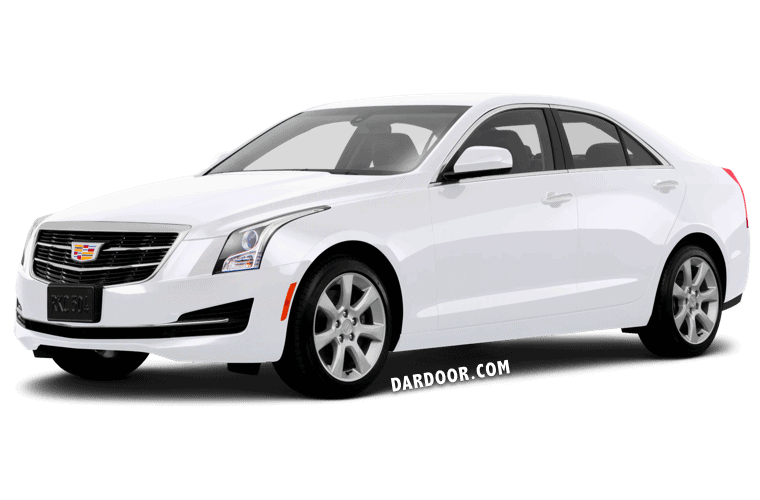
Get the original OEM workshop document for the 2013-2017 Cadillac ATS repair manual and ATS-V, First-Generation, (GM Alpha Platform), with the wiring diagram in PDF format.
2013-2017 Cadillac ATS Repair Manual
$19.90
OEM Workshop Manual: 2013-2017 Cadillac ATS & ATS-V
First-Generation (GM Alpha Platform) with Wiring Diagrams in PDF format.
Get the original OEM workshop document for the 2013-2017 Cadillac ATS and ATS-V, First-Generation (GM Alpha Platform). This comprehensive manual, available in PDF format, provides detailed repair and service procedures, including wiring diagrams for maintaining and repairing your vehicle.
Engines Covered
- 2.5 L (LCV) Ecotec I4
- 2.0 L (LTG) Ecotec I4 (Turbo)
- 3.6 L (LFX) V6
Transmissions Covered
- Manual 6-speed Tremec (TR-3160)
- Manual 6-speed Tremec (TR-6060)
- Automatic 6-speed (6L45)
| File Format | |
| File Language | English |
| You’ll Get | 373.8 MB |
| Page Count | 11,880 |
| Wiring Diagram | Included |
| Delivery Method | Instant Download |
Features of the Manual
- Engine Options: Comprehensive coverage of the turbocharged 2.0L, 3.6L V6, and ATS-V twin-turbocharged V6 engines.
- Performance Components: Dedicated sections for ATS-V performance upgrades and calibration.
- Safety Systems: Includes procedures for airbags, ABS, and electronic stability control.
- Climate Control: Covers HVAC troubleshooting and repair.
- Advanced Electronics: Details on the CUE infotainment system and driver-assistance features.
Benefits of This Manual
- Accurate Information: Trusted by Cadillac dealer technicians for precision and detail.
- DIY-Friendly: Straightforward instructions make it accessible to car owners.
- Cost-Effective: Save money by performing repairs and maintenance yourself.
- Portable Format: Accessible on any device as a PDF for convenience.
Download the 2013-2017 Cadillac ATS and ATS-V OEM Workshop Manual today to access the same detailed and professional-grade information trusted by Cadillac technicians. Keep your vehicle running at peak performance with this essential guide!
This manual provides detailed instructions for maintenance, disassembly, reassembly, component inspection, adjustment, and diagnostics—intended for use by experienced mechanics. Proper application of this guide will help ensure thorough repairs and maintain your vehicle in peak condition.
Important Note: Before purchasing this manual, please check whether your vehicle is subject to any active service recalls, as authorized dealerships may perform necessary repairs free of charge. When replacing parts, always use genuine OEM components to ensure safety, reliability, and long-term performance.
Table of Contents : 2013-2017 Cadillac ATS Repair Manual
Sample Pages
CAUTION:This OEM service and workshop repair manual provides detailed procedures for maintenance, disassembly, reassembly, inspection, adjustment, and diagnostics. It is intended as a comprehensive guide for experienced mechanics. To ensure thorough and accurate repairs that maintain your vehicle’s optimal performance, please read and follow this manual carefully. When replacing parts during any repair work, always use genuine Cadillac parts to ensure quality, safety, and reliability.
2013–2017 Cadillac ATS & ATS-V: Comprehensive Guide
Overview
The Cadillac ATS (2013–2019) was GM’s entry-level luxury sport sedan designed to compete with the BMW 3 Series, Mercedes C-Class, and Audi A4. Built on GM’s lightweight Alpha platform, the ATS offered rear-wheel drive (RWD) or all-wheel drive (AWD) configurations with a focus on driving dynamics.
The high-performance ATS-V debuted in 2016 as a direct competitor to the BMW M3/M4 and Mercedes-AMG C63.
- Production Years: 2013–2019 (ATS), 2016–2019 (ATS-V)
- Body Styles: 4-door sedan, 2-door coupe (introduced 2015)
- Assembly: Lansing Grand River Assembly, Michigan
Technical Specifications
2013–2017 Cadillac ATS
| Specification | Details |
|---|---|
| Engine Options | 2.5L I4 (202 hp, 190 lb-ft)<br>2.0L Turbo I4 (272 hp, 260 lb-ft)<br>3.6L V6 (335 hp, 285 lb-ft) |
| Transmission | 6-speed manual (2.0T RWD only)<br>6-speed automatic<br>8-speed automatic (2015+) |
| Drivetrain | RWD or AWD |
| 0-60 mph | 5.4 seconds (3.6L V6)<br>5.6 seconds (2.0T) |
| Fuel Economy | 22/33 mpg (2.0T RWD)<br>19/28 mpg (3.6L V6) |
| Curb Weight | 3,315–3,560 lbs |
| Wheelbase | 109.3 inches |
| Length | 182.8 inches |
| Width | 71.1 inches |
| Height | 56.7 inches |
| Fuel Capacity | 17.5 gallons |
| Trunk Space | 10.2 cubic feet |
2016–2017 Cadillac ATS-V
| Specification | Details |
|---|---|
| Engine | 3.6L Twin-Turbo V6 |
| Horsepower | 464 hp @ 5,850 rpm |
| Torque | 445 lb-ft @ 3,500–4,500 rpm |
| Transmission | 6-speed manual or 8-speed automatic |
| Drivetrain | RWD only |
| 0-60 mph | 3.8 seconds |
| Top Speed | 189 mph (manual), 185 mph (auto) |
| Fuel Economy | 17/25 mpg |
| Curb Weight | 3,803 lbs (manual), 3,836 lbs (auto) |
| Brakes | Brembo 6-piston front, 4-piston rear |
| Suspension | Magnetic Ride Control |
Top 10 Mechanical & Electrical Issues
1. CUE (Cadillac User Experience) Infotainment Failure
Symptoms: Black screen, unresponsive touchscreen, freezing, random reboots, climate controls not working
Root Cause: Defective capacitors and solder joints on the CUE control board due to heat cycling
Fix: CUE module replacement or professional board repair/capacitor replacement
Cost: $1,200–$2,500 (dealer replacement), $400–$800 (third-party repair)
2. Turbocharger Wastegate Rattle (2.0L Turbo)
Symptoms: Rattling noise on cold start or acceleration, reduced power, check engine light, codes P0299 or P0234
Root Cause: Wastegate actuator rod becomes loose or fails, causing internal turbo rattling
Fix: Turbocharger replacement (GM extended warranty to 120k miles for some VINs)
Cost: $2,000–$3,500 (if not covered under extended warranty)
3. Water Pump Failure (2.0L Turbo & 3.6L V6)
Symptoms: Coolant leaks, overheating, whining noise from engine bay, steam from hood
Root Cause: Premature water pump bearing or seal failure, especially on 2.0L turbo engines
Fix: Water pump and thermostat housing replacement
Cost: $600–$1,200
4. Sunroof Drain Tube Clogs & Water Leaks
Symptoms: Water pooling in footwells, wet carpet (especially driver/passenger front), musty smell, headliner stains
Root Cause: Sunroof drain tubes become clogged with debris or disconnect from drain channels
Fix: Clear drain tubes with compressed air or wire, reseat disconnected tubes, seal sunroof cassette
Cost: $150–$600 (DIY to professional repair)
5. Timing Chain Stretch (3.6L V6)
Symptoms: Rough idle, rattling noise on cold start, check engine light, codes P0008/P0011/P0021, reduced performance
Root Cause: Inadequate timing chain tensioner design allows chain stretch over time
Fix: Timing chain, guides, tensioners, and VVT solenoid replacement
Cost: $2,500–$4,500
6. Electronic Power Steering (EPS) Failure
Symptoms: “Service Power Steering” message, heavy/unassisted steering, intermittent power steering loss
Root Cause: Faulty EPS control module, steering column position sensor, or wiring harness issues
Fix: EPS module replacement, software update, or steering column sensor replacement
Cost: $800–$1,800
7. Fuel Injector Failure (Direct Injection Carbon Buildup)
Symptoms: Rough idle, misfires, hesitation, check engine light, codes P0300-P0304
Root Cause: Direct injection causes carbon buildup on intake valves; injector seals can also fail
Fix: Fuel injector replacement, walnut blasting intake valves
Cost: $600–$1,500 (carbon cleaning), $800–$1,600 (injector replacement)
8. Transmission Shudder (8-Speed Automatic)
Symptoms: Vibration/shudder during acceleration (especially 25–50 mph), harsh shifting
Root Cause: Torque converter clutch wear, inadequate transmission fluid, software calibration issues
Fix: Transmission fluid flush with updated GM fluid, software update, or torque converter replacement
Cost: $200–$400 (fluid/software), $2,000–$3,500 (torque converter)
9. High-Pressure Fuel Pump Failure (2.0L Turbo & ATS-V)
Symptoms: Hard starting, rough idle, loss of power, stalling, check engine light, codes P0087/P0190
Root Cause: High-pressure fuel pump (HPFP) failure due to contamination or internal wear
Fix: High-pressure fuel pump replacement
Cost: $800–$1,500
10. Differential Bushing Wear (RWD Models)
Symptoms: Clunking noise from rear during acceleration/deceleration, vibration at highway speeds
Root Cause: Rear differential mounting bushings deteriorate prematurely
Fix: Differential bushing replacement
Cost: $400–$800
Top 5 Competitors (2013–2017)
1. BMW 3 Series (F30)
- Engines: 2.0L turbo I4 (240 hp), 3.0L turbo I6 (300 hp)
- Edge: Superior handling dynamics, more refined interior, stronger brand prestige
- Weakness: Higher maintenance costs, less standard equipment
2. Mercedes-Benz C-Class (W205)
- Engines: 2.0L turbo I4 (241 hp), 3.0L V6 (329 hp)
- Edge: More luxurious interior, better ride quality, advanced safety tech
- Weakness: Higher price, less engaging to drive than ATS
3. Audi A4 (B8/B9)
- Engines: 2.0L turbo I4 (220-252 hp)
- Edge: Quattro AWD system, refined cabin, advanced technology
- Weakness: More expensive, less sporty steering feel
4. Lexus IS (XE30)
- Engines: 2.0L turbo I4 (241 hp), 3.5L V6 (306 hp)
- Edge: Superior reliability, better warranty, lower ownership costs
- Weakness: Dated infotainment, less powerful base engine
5. Infiniti Q50
- Engines: 2.0L turbo I4 (208 hp), 3.0L twin-turbo V6 (300-400 hp)
- Edge: More powerful engine options, better value pricing
- Weakness: Less engaging steering (drive-by-wire), lower resale value
Top 10 Recalls, Advisories & TSB Highlights
Recalls
1. NHTSA 14V-394 (2013–2014 ATS)
- Issue: Windshield wiper module software error can cause wipers to fail
- Fix: Software update to wiper control module
2. NHTSA 15V-107 (2013–2014 ATS)
- Issue: Airbag side-impact inflator may rupture
- Fix: Side-impact airbag inflator replacement
3. NHTSA 16V-031 (2013–2016 ATS)
- Issue: Brake pedal pivot pin may fracture, causing reduced braking
- Fix: Brake pedal pivot pin replacement
4. NHTSA 17V-296 (2016–2017 ATS-V)
- Issue: Fuel tank straps may not properly secure tank
- Fix: Fuel tank strap replacement
5. NHTSA 19V-120 (2015–2017 ATS)
- Issue: Seat belt pretensioners may not properly restrain occupants
- Fix: Seat belt pretensioner replacement
Critical TSBs
6. TSB #14-06-04-002E (CUE System Issues)
- Issue: CUE screen freezing, black screen, unresponsive
- Fix: Software updates, CUE module replacement under warranty extension
7. TSB #15-06-04-007C (2.0L Turbo Wastegate Noise)
- Issue: Turbocharger wastegate rattle on cold start
- Fix: Turbocharger replacement under extended warranty (up to 120k miles)
8. TSB #17-NA-206 (8-Speed Transmission Shudder)
- Issue: Transmission shudder during light acceleration
- Fix: Transmission fluid flush with updated fluid, software calibration
9. TSB #16-00-89-002F (Water Leaks)
- Issue: Water entry through sunroof drains or A-pillar seals
- Fix: Drain tube clearing, seal replacement, sunroof cassette resealing
10. TSB #14-06-01-006B (Battery Drain)
- Issue: Parasitic battery drain due to communication modules staying active
- Fix: Software updates to OnStar and communication modules
Maintenance Schedule
Every 7,500 Miles / 12 Months
- Engine oil and filter change (0W-20 or 5W-30 synthetic)
- Tire rotation
- Multi-point inspection
Every 15,000 Miles
- Cabin air filter replacement
- Inspect brake pads and rotors
Every 30,000 Miles
- Engine air filter replacement
- Inspect suspension components
- Check battery condition
Every 45,000 Miles
- Replace spark plugs (2.5L I4)
- Transmission fluid inspection
Every 60,000 Miles
- Replace spark plugs (2.0L turbo, 3.6L V6, ATS-V)
- Coolant flush and replacement
- Brake fluid flush
- Rear differential fluid change (RWD/AWD)
Every 97,500 Miles
- Transmission fluid replacement (8-speed automatic)
- Transfer case fluid (AWD models)
Every 150,000 Miles
- Timing chain inspection (3.6L V6)
As Needed
- Walnut blast intake valves (direct injection engines): every 50,000–80,000 miles
- Battery replacement: 3–5 years
- Brake pads: 30,000–60,000 miles
- Tires: 40,000–60,000 miles
10 FAQs for Buyers
1. Is the Cadillac ATS reliable?
The ATS has below-average reliability compared to competitors like Lexus IS and Audi A4. Common issues include CUE failures, turbocharger problems (2.0L), and timing chain stretch (3.6L V6). Budget for higher maintenance costs than Japanese luxury brands.
2. Which engine is best?
The 2.0L turbo offers the best balance of performance and fuel economy. Avoid the base 2.5L I4. The 3.6L V6 provides strong power but has timing chain issues. The ATS-V’s twin-turbo V6 is a performance beast but requires premium fuel and frequent maintenance.
3. Should I get RWD or AWD?
RWD provides better handling dynamics and is lighter. AWD is essential for winter climates but adds weight and complexity. AWD models cannot be had with the manual transmission.
4. What are the most common problems?
CUE system failures, turbo wastegate rattle (2.0L), water leaks from sunroof drains, timing chain stretch (3.6L), and transmission shudder (8-speed).
5. How much does the CUE replacement cost?
$1,200–$2,500 at dealers. Third-party specialists offer capacitor-level repairs for $400–$800. Many owners live with degraded CUE rather than replace it.
6. Is the ATS-V worth it?
Yes, if you want a high-performance sedan at a discount compared to BMW M3/M4. The ATS-V offers 464 hp, excellent handling, and Magnetic Ride Control. However, expect higher fuel and maintenance costs.
7. What year is most reliable?
2015–2017 models have fewer early production issues and benefit from TSB fixes. The 8-speed automatic (2015+) is smoother than the early 6-speed. 2016+ ATS received minor updates and improved CUE software.
8. How much should I budget for maintenance?
$800–$1,500 annually for routine maintenance. Budget an additional $1,000–$2,000/year for repairs on higher-mileage examples (60k+ miles).
9. Does the ATS hold its value?
No. The ATS depreciates faster than German competitors due to Cadillac’s lower brand prestige and reliability concerns. Expect 60–70% depreciation after 5 years, which makes them excellent used buys.
10. Are parts expensive?
GM parts are generally less expensive than BMW/Mercedes, but still pricier than mainstream brands. Aftermarket support is moderate. CUE modules, turbos, and transmission components are the most expensive repairs.
Final Buyer Recommendations
✅ Buy If:
- You want a driver-focused luxury sedan with excellent handling at a bargain price
- You’re comfortable with higher maintenance costs and potential electrical gremlins
- You prioritize rear-wheel drive dynamics over outright reliability
- You can afford to set aside a repair fund for CUE and turbo issues
- You’re buying a 2015–2017 model with service records and extended warranty options
🟨 Consider Carefully:
- 2013–2014 models have more early production issues (6-speed auto, early CUE problems)
- High-mileage examples (80k+ miles) may need timing chains (3.6L) or turbo replacement (2.0L)
- The base 2.5L I4 engine is underpowered and not worth buying
- CUE system failures are nearly inevitable; ensure it’s working before purchase
❌ Avoid If:
- You need Toyota/Lexus-level reliability
- You can’t afford unexpected $1,500–$3,000 repairs
- You want a comfortable, tech-forward luxury experience (CUE is frustrating)
- You drive in harsh winters without AWD availability
🎯 Best Configuration:
- 2015–2017 ATS 2.0L Turbo with RWD and 8-speed automatic (or 6-speed manual if available)
- Premium or Luxury trim for better equipment
- Well-maintained examples with service records showing turbo warranty work, CUE updates
- Under 60,000 miles to avoid major component replacements
💰 Fair Market Value (2024):
- 2013–2014 ATS: $10,000–$15,000
- 2015–2017 ATS: $13,000–$22,000
- 2016–2017 ATS-V: $35,000–$48,000
🔧 Pre-Purchase Inspection Must-Checks:
- Test CUE system extensively (screen, climate, all functions)
- Listen for turbo wastegate rattle on cold start (2.0L)
- Check for water leaks in footwells/trunk
- Inspect service records for timing chain work (3.6L)
- Test transmission for shudder during 25–50 mph acceleration
- Verify no power steering warning messages
- Check for oil leaks around turbo and water pump
- Test all electronic features (seat adjustments, sunroof, navigation)
Our Final Verdict
The 2013–2017 Cadillac ATS is a flawed but rewarding luxury sports sedan. It offers excellent driving dynamics, sharp steering, and strong performance at a fraction of the cost of German rivals. However, reliability issues—particularly the notorious CUE system and turbocharger problems—make it a risky buy without a warranty.
Best for: Enthusiast drivers willing to wrench or budget for repairs who want a true driver’s car
Skip if: You need appliance-like reliability or cutting-edge technology
If you’re considering an ATS, aim for a 2015–2017 2.0T with service records and negotiate aggressively based on known issues. Have a pre-purchase inspection performed by a GM specialist, and set aside $2,000–$3,000 for inevitable repairs.
For the ATS-V, it’s one of the best-kept secrets in the performance sedan world—464 hp for M3 money in today’s used market—but only if you can handle the care and feeding of a high-strung performance machine.
Alternative considerations: Lexus IS for reliability, BMW 340i for performance, or wait for a well-maintained Cadillac CT4-V Blackwing if your budget allows.
Related products
-

2021-2022 Cadillac CT4 Repair Manual
$36.00 Add to cart -

2010-2012 Cadillac SRX Repair Manual
$16.90 Add to cart -
2015-2020 Cadillac Escalade Repair Manual
$24.90 Add to cart -

2007-2013 Cadillac Escalade Repair Manual
$19.90 Add to cart -
2012-2017 Cadillac XTS Wiring Diagram
$16.90 Add to cart -
2016 Cadillac ATS Repair Manual
$24.90 Add to cart -
2020-2024 Cadillac CT5 Repair Manual
$36.00 Add to cart -

2020-2022 Cadillac XT4 Repair Manual
$24.90 Add to cart