Overview
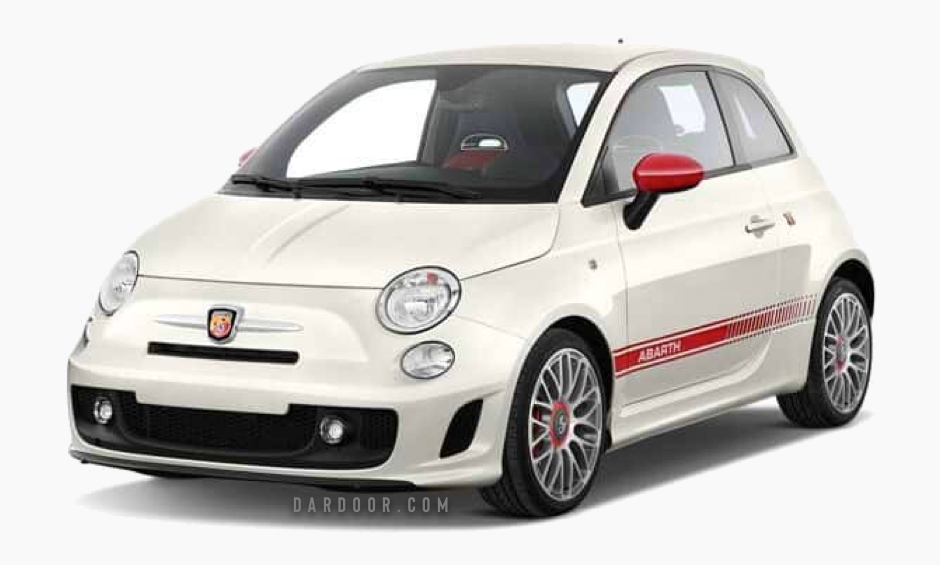
The 2012 Fiat 500 is a retro-styled subcompact city car that marked Fiat’s return to the North American market. This Italian-designed microcar emphasizes style, fuel efficiency, and urban maneuverability over spaciousness and power.
Available Variants:
- Pop (base model)
- Sport
- Lounge
- Abarth (high-performance version)
Technical Specifications
Engine Options:
- 1.4L I4 MultiAir (Pop/Sport/Lounge): 101 hp @ 6,500 rpm, 98 lb-ft torque @ 4,000 rpm
- 1.4L I4 MultiAir Turbo (Abarth): 160 hp @ 5,500 rpm, 170 lb-ft torque @ 2,500 rpm
Transmission:
- 5-speed manual (standard)
- 6-speed automatic (optional on non-Abarth models)
Dimensions:
- Length: 142.4 inches
- Width: 64.1 inches
- Height: 60 inches
- Wheelbase: 90.6 inches
- Curb Weight: 2,363-2,434 lbs
Fuel Economy (EPA):
- Manual: 30 city / 38 highway mpg
- Automatic: 27 city / 34 highway mpg
- Fuel Tank: 10.5 gallons
Performance:
- 0-60 mph: ~9.5 seconds (non-turbo), ~7.0 seconds (Abarth)
- Top Speed: 100 mph (non-turbo), 130 mph (Abarth)
Chassis & Suspension:
- Front: MacPherson strut with stabilizer bar
- Rear: Twist-beam axle with coil springs
- Brakes: Front ventilated discs, rear solid discs
- Steering: Electric power-assisted rack-and-pinion
Interior:
- Seating: 4 passengers (2+2 configuration)
- Cargo Space: 9.5 cubic feet (30.1 cu ft with rear seats folded)
- Infotainment: Available 6.5-inch touchscreen with Bluetooth
Top 10 Mechanical & Electrical Issues
1. Dual-Clutch Transmission Failure (Automatic Models)
Symptoms:
- Rough shifting, especially from 1st to 2nd gear
- Transmission slipping or hesitation
- Clunking noises during gear changes
- Check engine light with transmission codes
Root Cause: The dual-clutch automated manual transmission (not a traditional automatic) has inherent design issues with clutch wear, particularly in stop-and-go traffic. The clutch actuator and mechatronic unit are prone to premature failure.
Fix:
- Software updates (temporary relief)
- Clutch replacement
- Complete transmission replacement in severe cases
Cost: $1,500-$5,000+ depending on severity
2. Engine Stalling and Rough Idle
Symptoms:
- Engine stalling at idle or low speeds
- Rough idle with RPM fluctuations
- Difficulty starting
- Check engine light (codes P0016, P0018 related to timing)
Root Cause: Faulty throttle body, dirty MultiAir valve system, or timing chain/tensioner issues. The MultiAir electrohydraulic valve actuation system can develop sludge buildup.
Fix:
- Throttle body cleaning or replacement
- MultiAir system cleaning
- Timing chain and tensioner replacement (if timing-related)
Cost: $200-$1,800 (depending on root cause)
3. Turbocharger Failure (Abarth Models)
Symptoms:
- Loss of power and boost
- Loud whining or whistling noise
- Blue or black exhaust smoke
- Check engine light with boost-related codes
Root Cause: Insufficient oil supply due to small oil passages, oil degradation from extended service intervals, or turbo seal failure.
Fix:
- Turbocharger replacement
- Oil system inspection and cleaning
Cost: $1,200-$2,500
4. Window Regulator Failure
Symptoms:
- Power windows moving slowly or unevenly
- Windows falling into door panel
- Grinding or clicking noises when operating windows
- Windows not moving at all
Root Cause: Weak plastic components in the window regulator mechanism break under normal use, particularly in hot climates.
Fix:
- Window regulator replacement (often both front windows fail)
Cost: $300-$600 per window
5. Air Conditioning Compressor Failure
Symptoms:
- No cold air from A/C
- Loud squealing or grinding noise from engine bay
- A/C clutch not engaging
- Refrigerant leaks
Root Cause: Premature compressor bearing failure and clutch issues. The system is undersized for the cabin, leading to overwork.
Fix:
- A/C compressor replacement
- System evacuation and recharge
- Related component inspection (condenser, evaporator)
Cost: $800-$1,500
6. Electrical System Gremlins (TIPM Issues)
Symptoms:
- Random warning lights on dashboard
- Intermittent starting problems
- Wipers, lights, or accessories operating on their own
- Battery drain when parked
Root Cause: The Totally Integrated Power Module (TIPM) – the central electrical control unit – has known issues with internal corrosion and circuit board failures.
Fix:
- TIPM replacement or repair/refurbishment
- Software updates
Cost: $600-$1,200 (new TIPM)
7. Clutch Wear (Manual Transmission)
Symptoms:
- Slipping clutch (RPMs rise without speed increase)
- Difficulty shifting gears
- Burning smell
- High clutch pedal engagement point
Root Cause: The lightweight clutch assembly wears prematurely, especially in city driving. The dual-mass flywheel can also fail.
Fix:
- Clutch kit replacement (disc, pressure plate, throwout bearing)
- Flywheel resurfacing or replacement if needed
Cost: $1,000-$1,800
8. Fuel System Issues (Evaporative Emissions)
Symptoms:
- Check engine light with EVAP codes (P0456, P0457)
- Fuel smell near vehicle
- Difficulty fueling (pump keeps clicking off)
- Failed emissions test
Root Cause: Faulty fuel filler neck, charcoal canister, or purge valve. The fuel cap may also not seal properly.
Fix:
- Fuel cap replacement (try first)
- Purge valve replacement
- Charcoal canister replacement
- Fuel filler neck replacement
Cost: $50-$800 depending on component
9. Suspension Component Wear
Symptoms:
- Clunking noises over bumps
- Uneven tire wear
- Vehicle pulling to one side
- Loose or vague steering feel
Root Cause: The lightweight suspension uses smaller components that wear faster. Front lower control arm bushings, sway bar links, and strut mounts are common failure points.
Fix:
- Control arm bushing replacement
- Sway bar link replacement
- Strut mount replacement
- Wheel alignment after repairs
Cost: $400-$1,200 (depending on components)
10. Engine Oil Consumption
Symptoms:
- Low oil warning light between changes
- Needing to add 1+ quart between oil changes
- Blue smoke from exhaust on startup or acceleration
Root Cause: The MultiAir system’s hydraulic valve actuation can lead to oil consumption through valve stem seals. Piston ring wear is also common in higher-mileage examples.
Fix:
- More frequent oil changes with quality synthetic oil
- Valve stem seal replacement
- Piston ring replacement (requires engine rebuild)
Cost: $150/year for extra oil – $3,000+ for internal engine repairs
Top 5 Competitors (2012 Model Year)
- Pros: More powerful engines, better handling, premium interior
- Cons: Higher price, expensive maintenance, less reliable
- Price Range: $19,500-$28,000
- Pros: More rear legroom, better build quality, stronger engine options
- Cons: Higher price, less fuel efficient, heavier
- Price Range: $19,000-$25,000
- Pros: More reliable, nimble handling, better warranty
- Cons: Less stylish, basic interior, fewer features
- Price Range: $14,000-$17,000
- Pros: More interior space, lower price, available turbo
- Cons: Less distinctive styling, cheaper interior materials
- Price Range: $13,000-$17,000
- Pros: Much more cargo space, better warranty, more practical
- Cons: Less sporty, less fuel efficient, boxier styling
- Price Range: $14,000-$19,000
Top 10 Recalls, Advisories & TSB Highlights
Recalls
1. Ignition Switch Recall (2014)
-
- Issue: Ignition switch can move out of RUN position due to vibration or jarring
- Risk: Engine stall, power steering/brake assist loss, airbag non-deployment
- Fix: Ignition switch replacement
2. Transmission Control Module Recall (2013)
-
- Issue: TCM software error in automatic transmission models
- Risk: Unexpected gear changes, loss of power
- Fix: Software update
3. Side Curtain Airbag Recall (2012)
-
- Issue: Side curtain airbags may not deploy properly in rollover crashes
- Risk: Increased injury risk
- Fix: Airbag inflator replacement
4. Fuel Tank Recall (2013)
-
- Issue: Fuel tank can crack at seam
- Risk: Fuel leak, fire hazard
- Fix: Fuel tank replacement
5. Manual Transmission Clutch Recall (2012)
-
- Issue: Clutch pressure plate can fracture
- Risk: Loss of drive power, crash potential
- Fix: Clutch assembly replacement
Technical Service Bulletins (TSBs)
6. Rough Idle/Stalling – TSB 18-005-12
-
- Addresses MultiAir system issues with updated software calibration
7. Transmission Shifting Concerns – TSB 21-001-13
-
- Updated transmission control module software for automatic models
8. Wind Noise at Highway Speeds – TSB 23-004-12
-
- Door seal adjustment procedure to reduce wind noise
9. Instrument Cluster Warning Lights – TSB 08-041-13
-
- Software update for spurious warning light illumination
10. A/C Odor/Musty Smell – TSB 24-006-12
-
- Evaporator cleaning procedure and updated cabin air filter service
Maintenance Schedule
Every 5,000-8,000 Miles (or 6 Months)
- Engine oil and filter change (use synthetic oil recommended)
- Tire rotation and pressure check
- Visual brake inspection
Every 10,000 Miles (or 12 Months)
- Cabin air filter replacement
- Inspect brake pads and rotors
- Check all fluid levels
Every 20,000 Miles (or 24 Months)
- Engine air filter replacement
- Inspect suspension components
- Battery test
Every 30,000 Miles
- Replace spark plugs
- Inspect drive belt
- Transmission fluid check (automatic)
- Brake fluid flush
Every 40,000 Miles
- Replace brake fluid
- Inspect coolant system
- Check timing chain (listen for rattles)
Every 60,000 Miles
- Replace engine coolant
- Transmission fluid change (automatic – recommended despite “lifetime” claim)
- Inspect/replace accessory drive belt
- Replace fuel filter
Every 100,000 Miles
- Timing chain inspection/replacement if showing wear
- Replace automatic transmission fluid (mandatory)
- Comprehensive suspension inspection
As Needed
- Brake pad replacement: every 30,000-50,000 miles
- Tire replacement: every 40,000-60,000 miles
- Battery replacement: every 3-5 years
- Wiper blades: every 6-12 months
Special Note: Due to the MultiAir system’s sensitivity, use only high-quality synthetic oil meeting Fiat 9.55535-S1 specification.
10 FAQs for Buyers
1. Is the 2012 Fiat 500 reliable?
The Fiat 500 has below-average reliability ratings. Consumer Reports and J.D. Power give it low marks due to transmission issues, electrical problems, and various mechanical failures. Budget for repairs.
2. Should I get the manual or automatic transmission?
The manual transmission is significantly more reliable than the automated dual-clutch. If you can drive stick, choose the manual. The automatic is notorious for problems and expensive repairs.
3. What’s the real-world fuel economy?
Expect 28-32 mpg in mixed driving with the manual, 25-30 mpg with the automatic. Highway driving can reach 35-38 mpg. The small 10.5-gallon tank means frequent fill-ups (250-300 mile range).
4. Is the Fiat 500 safe?
It received 4 stars overall from NHTSA (5 stars for side crash, 3 stars for frontal). IIHS gave it “Good” ratings except “Marginal” for small overlap front. It lacks modern safety features like blind-spot monitoring or rear cross-traffic alert.
5. How expensive is maintenance and repair?
Parts can be expensive and harder to find than mainstream brands. Independent shops may not have experience with Fiats. Expect annual maintenance costs of $600-$900, with potential for major repairs ($1,500-$5,000) for transmission or engine issues.
6. Is the back seat usable?
The rear seats are extremely tight—suitable only for small children or brief trips. Adults will be very uncomfortable. Cargo space is minimal at 9.5 cubic feet.
7. Should I buy the Abarth model?
The Abarth is more fun with 160 hp and sportier handling, but it’s louder, has a firmer ride, and gets worse fuel economy. It also has turbo-related reliability concerns. Only choose if you value performance over comfort and efficiency.
8. What should I look for when inspecting a used 2012 Fiat 500?
- Test drive the transmission extensively (automatic especially)
- Check for engine stalling or rough idle
- Inspect for oil leaks and check oil level
- Test all power windows multiple times
- Check A/C function
- Look for dashboard warning lights
- Review maintenance records (oil changes crucial)
- Listen for timing chain rattle on cold start
- Check for recalls completed
9. Are parts still available?
Yes, but Fiat’s dealer network has shrunk significantly since they stopped selling new 500s in the US (2019). You’ll likely need to order parts online or find a specialist. Common wear items are available, but some electrical components can be expensive and slow to source.
10. What’s a fair price for a 2012 Fiat 500?
As of 2026, expect:
- Pop: $3,000-$5,500
- Sport/Lounge: $4,000-$6,500
- Abarth: $5,500-$9,000
Prices vary by mileage, condition, and location. Manual transmissions command a premium due to reliability.
Final Buyer Recommendations
✅ Consider Buying If:
- You prioritize style and European character over practicality
- You need a car primarily for urban commuting with easy parking
- You’re mechanically inclined or have a trusted independent mechanic
- You can find a manual transmission model in good condition
- You have a backup vehicle for when repairs are needed
- You budget $1,000-$2,000/year for unexpected repairs
- You don’t need rear seat space or cargo capacity
- You enjoy quirky, characterful cars
❌ Avoid If:
- This will be your only vehicle (reliability concerns)
- You need a practical daily driver with cargo space
- You can’t drive a manual and would need the automatic transmission
- You’re on a tight budget with no repair fund
- You frequently drive long highway distances
- You need to transport more than one passenger regularly
- You want low maintenance costs
- You value reliability and resale value
💡 Smart Buying Strategy:
Best Choice: Manual transmission Pop or Sport model with comprehensive service records and under 60,000 miles. Avoid the automatic at all costs.
Inspection Checklist:
- Insist on a pre-purchase inspection by a Fiat-knowledgeable mechanic
- Get a Carfax/AutoCheck report
- Verify all recalls completed
- Test the transmission thoroughly (30+ minute test drive)
- Check for oil consumption
- Inspect window regulators
- Test A/C performance
Budget:
- Purchase price: $4,000-$6,000 (manual, good condition)
- Emergency repair fund: $2,000-$3,000
- Annual maintenance: $700-$1,000
- Potential major repair: $1,500-$5,000 within first 2 years of ownership
Our The Verdict
The 2012 Fiat 500 is a charming, stylish city car with serious reliability concerns. It’s best suited as a second car for enthusiasts who appreciate its Italian character and are prepared for higher-than-average maintenance costs. The manual transmission is essential—avoid the automatic entirely. If you need reliable, practical transportation, consider competitors like the Mazda2 or save up for a newer, more reliable vehicle.
Rating: 5.5/10 – Style and fun factor can’t overcome reliability issues and high repair costs. Buy with eyes wide open, or skip it for something more dependable.