

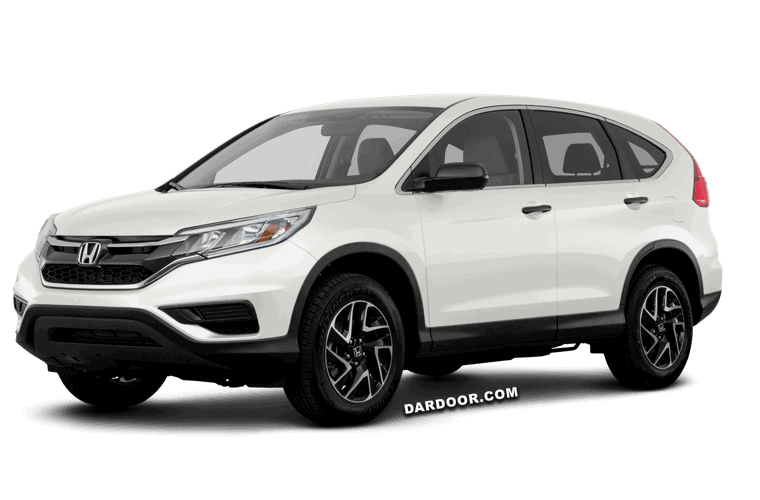
Get the OEM workshop manual for the 2012-2016 Honda CR-V repair manual with the wiring diagram in convenient PDF format.
2012-2016 Honda CR-V Repair Manual
$19.90
Get dealership-level service and repair information with this OEM workshop manual for the 2012-2016 Honda CR-V. Whether you’re handling routine maintenance or tackling complex repairs, this comprehensive PDF guide provides step-by-step instructions and manufacturer-authorized procedures for precise and reliable service.
| File Format | |
| File Language | English |
| You’ll Get | 264.7 MB |
| Page Count | 10,569 |
| Delivery Method | Instant Download |
Don’t rely on generic manuals—get the official Honda CR-V workshop manual today and ensure expert-level care for your vehicle!
Key Features:
✅ Official OEM Workshop Manual – The same guide used by Honda dealership technicians.
✅ Detailed Repair & Maintenance Instructions – Covers everything from oil changes to complete overhauls.
✅ User-Friendly PDF Format – Instant access on any device, print only what you need.
What’s Inside?
-
- Complete Engine & Transmission Repair Procedures
- Brakes, Suspension & Steering System
- Body, Interior & HVAC Systems
- Routine Maintenance & Service Schedules
- Diagnostic Procedures & Troubleshooting Guides
🛠 Why Choose This Manual?
Whether you’re a DIY enthusiast or a professional mechanic, this factory-approved Honda CR-V manual provides the most accurate and detailed service instructions to keep your vehicle running at peak performance.
📥 Download Now & Take Full Control of Your Repairs!
This manual provides detailed instructions for maintenance, disassembly, reassembly, component inspection, adjustment, and diagnostics—intended for use by experienced mechanics. Proper application of this guide will help ensure thorough repairs and maintain your vehicle in peak condition.
Important Note: Before purchasing this manual, please check whether your vehicle is subject to any active service recalls, as authorized dealerships may perform necessary repairs free of charge. When replacing parts, always use genuine OEM components to ensure safety, reliability, and long-term performance.
Table of Contents : 2012-2016 Honda CR-V Repair Manual
Sample Pages
CAUTION: This OEM service and workshop repair manual provides detailed procedures for maintenance, disassembly, reassembly, inspection, adjustment, and diagnostics. It is intended as a comprehensive guide for experienced mechanics. To ensure thorough and accurate repairs that maintain your vehicle’s optimal performance, please read and follow this manual carefully. When replacing parts during any repair work, always use genuine Honda parts to ensure quality, safety, and reliability.
2012–2016 Honda CR-V Complete Guide
Overview
The 2012–2016 Honda CR-V is the fourth generation of Honda’s popular compact crossover SUV. It received a complete redesign for 2012 and a mid-cycle refresh for 2015, offering improved fuel economy, more interior space, and enhanced safety features.
Key Highlights
- Design Philosophy: More refined and aerodynamic compared to the previous generation, with a focus on fuel efficiency and interior space
- Market Position: Consistently one of the best-selling compact SUVs in North America
- Generations: Fourth generation (2012-2016), with significant updates in 2015
Technical Specifications
Engine & Drivetrain
- Engine: 2.4L i-VTEC 4-cylinder (K24Z series)
- Horsepower: 185 hp @ 7,000 RPM (2012-2014), 185 hp @ 6,400 RPM (2015-2016)
- Torque: 163 lb-ft @ 4,400 RPM (2012-2014), 181 lb-ft @ 3,900 RPM (2015-2016)
- Transmission: 5-speed automatic (all years)
- Drivetrain: Front-wheel drive (FWD) standard; Real Time AWD with Intelligent Control System available
- Fuel Type: Regular unleaded gasoline (87 octane)
Performance
- 0-60 mph: Approximately 9.0-9.5 seconds
- Top Speed: ~115 mph (electronically limited)
- Towing Capacity: 1,500 lbs (with proper equipment)
Fuel Economy (EPA Estimates)
- FWD: 23 city / 31 highway / 26 combined MPG (2012-2014)
- FWD: 27 city / 34 highway / 29 combined MPG (2015-2016)
- AWD: 22 city / 30 highway / 25 combined MPG (2012-2014)
- AWD: 26 city / 33 highway / 28 combined MPG (2015-2016)
Dimensions & Capacity
- Length: 179.4 inches
- Width: 71.6 inches
- Height: 65.1-66.1 inches
- Wheelbase: 103.1 inches
- Ground Clearance: 7.8-8.1 inches
- Curb Weight: 3,307-3,572 lbs
- Seating: 5 passengers
- Cargo Volume: 37.2 cubic feet (behind rear seats), 70.9 cubic feet (seats folded)
- Fuel Tank: 15.3 gallons
Suspension & Brakes
- Front Suspension: MacPherson strut with stabilizer bar
- Rear Suspension: Multi-link with stabilizer bar
- Front Brakes: 11.1-inch ventilated discs
- Rear Brakes: 11.1-inch solid discs
- Steering: Electric power-assisted rack-and-pinion
Wheels & Tires
- LX: 17-inch steel wheels
- EX/EX-L/Touring: 17-inch alloy wheels
- Tire Sizes: 225/65R17
Top 10 Mechanical & Electrical Issues
1. Excessive Oil Consumption
-
- Symptoms: Low oil warning light, burning oil smell, blue smoke from exhaust, need to add oil between changes (1+ quart per 1,000 miles)
- Root Cause: Defective piston rings on 2012 models with early production dates. The rings fail to properly seal, allowing oil to enter the combustion chamber.
- Fix: Honda extended warranty coverage; engine oil consumption test required; piston ring replacement or complete short block replacement if consumption exceeds specifications.
- Cost: $0 if covered under extended warranty; $3,000-$5,000+ if paying out of pocket for engine work.
2. Air Conditioning Compressor Failure
-
- Symptoms: AC blows warm air, loud grinding/squealing noise from engine bay, AC clutch won’t engage, intermittent cooling.
- Root Cause: Premature failure of the AC compressor clutch bearing or internal compressor components, particularly on 2012-2013 models. Manufacturing defects and debris contamination are common culprits.
- Fix: Replace AC compressor, receiver-drier, and flush the system. Often requires expansion valve replacement as well.
- Cost: $800-$1,500 (parts and labor).
3. Power Steering Pump Whining/Failure
-
- Symptoms: Whining or groaning noise when turning, especially when cold; heavy steering; fluid leaks under vehicle.
- Root Cause: Power steering pump failure due to internal wear, particularly in colder climates. Early 2012 models more affected.
- Fix: Replace power steering pump and flush fluid system. Check for metal contamination in old fluid.
- Cost: $400-$700 (parts and labor).
4. VTC Actuator Rattle on Cold Start
-
- Symptoms: Loud rattling/knocking noise from engine for 2-3 seconds on cold start, then disappears.
- Root Cause: Variable Timing Control (VTC) actuator develops internal wear, causing oil pressure delay on startup. Not immediately damaging but indicates wear.
- Fix: Replace VTC actuator on intake camshaft. Some cases require timing chain and guides inspection.
- Cost: $600-$1,200 (parts and labor).
5. Rear Differential Fluid Leak (AWD Models)
-
- Symptoms: Fluid spots under vehicle near rear axle, whining noise from rear differential, especially during turns.
- Root Cause: Rear differential pinion seal or axle seals fail, allowing gear oil to leak. Common on higher mileage AWD models.
- Fix: Replace failed seal(s), refill with Honda Dual Pump Fluid (DPF-II). Inspect for bearing damage if caught late.
- Cost: $300-$600 depending on which seal failed.
6. Door Lock Actuator Failure
-
- Symptoms: Door won’t lock/unlock with key fob or power button, clicking sound from door, one door operates differently than others.
- Root Cause: Internal gear failure in door lock actuator mechanism. All doors can be affected, but driver’s door most common due to higher usage.
- Fix: Replace failed door lock actuator(s). Requires door panel removal.
- Cost: $150-$350 per door (parts and labor).
7. Radiator Cracking/Leaking
-
- Symptoms: Coolant smell, overheating, coolant puddle under vehicle (typically pink/green), low coolant warning light.
- Root Cause: Plastic radiator end tanks develop cracks, particularly at the seams, due to heat cycling and age. More common after 100,000 miles.
- Fix: Replace radiator and thermostat (recommended while system is open). Flush cooling system.
- Cost: $400-$700 (parts and labor).
8. Ignition Coil Failure
-
- Symptoms: Check engine light, misfiring (rough idle), hesitation during acceleration, poor fuel economy, codes P0300-P0304.
- Root Cause: Ignition coils fail due to heat exposure and electrical stress over time. Can affect one or multiple cylinders.
- Fix: Replace failed ignition coil(s) and spark plugs. Best practice to replace all four coils if one fails on higher mileage vehicles.
- Cost: $200-$400 for single coil; $600-$900 for all four coils plus spark plugs.
9. Fuel Injector Problems
-
- Symptoms: Hard starting, rough idle, poor fuel economy, hesitation, check engine light with codes P0171, P0172, or injector-specific codes.
- Root Cause: Fuel injectors become clogged with carbon deposits or fail electrically, affecting fuel delivery. More common on vehicles using lower quality fuel.
- Fix: Professional fuel injector cleaning service or injector replacement. Fuel system cleaning additives may help minor cases.
- Cost: $150-$300 for cleaning service; $600-$1,200 for injector replacement (all four).
10. Transmission Judder/Shuddering
-
- Symptoms: Vibration or shuddering during light acceleration (especially 20-40 mph), rough shifting, transmission slipping sensation.
- Root Cause: Torque converter lockup clutch develops judder, often due to contaminated transmission fluid or internal clutch material breakdown.
- Fix: Transmission fluid flush with Honda ATF-DW1 fluid (3x drain and fill recommended). Severe cases may require torque converter replacement.
- Cost: $150-$250 for fluid service; $1,500-$2,500 for torque converter replacement.
Top Competitors to the 2012-2016 Honda CR-V
| Competitor | Pros | Cons |
|---|---|---|
| Toyota RAV4 (2013-2016) | Best reliability, good fuel economy | Rougher ride, smaller cargo space |
| Mazda CX-5 (2013-2016) | Best handling, stylish interior | Noisy cabin, smaller rear seats |
| Subaru Forester (2014-2016) | Standard AWD, spacious interior | Less fuel-efficient, CVT issues |
| Ford Escape (2013-2016) | More powerful engine options | Less reliable than CR-V |
| Nissan Rogue (2014-2016) | Comfortable ride, great MPG | Weak CVT reliability |
| Hyundai Tucson (2013-2016) | Affordable, good warranty | Smaller cargo space |
1. Toyota RAV4 (2013-2016)
-
- Strengths: Legendary reliability, strong resale value, available V6 option (through 2012), higher ground clearance
- Weaknesses: Less refined interior, CVT transmission (2013+) less engaging, slightly lower fuel economy than CR-V (2015-2016)
- Comparison: Both are reliability leaders, but RAV4 offers more rugged capability while CR-V focuses on comfort and efficiency.
2. Mazda CX-5 (2013-2016)
-
- Strengths: Most fun-to-drive in class, upscale interior quality, sharp styling, excellent fuel economy with Skyactiv technology
- Weaknesses: Firmer ride, less rear legroom, smaller cargo area, not quite as reliable long-term as Honda/Toyota
- Comparison: CX-5 is the enthusiast’s choice with superior handling and interior quality, but CR-V offers more practicality and space.
3. Ford Escape (2013-2016)
-
- Strengths: Multiple engine options including EcoBoost turbos, modern technology features, engaging driving dynamics
- Weaknesses: Below-average reliability, transmission issues on some models, higher maintenance costs
- Comparison: Escape offers more power and tech features but can’t match CR-V’s reliability and lower ownership costs.
4. Subaru Forester (2014-2016)
-
- Strengths: Standard AWD, excellent safety ratings, great visibility, loyal owner base, better off-road capability
- Weaknesses: Less powerful engine, CVT transmission feels sluggish, higher oil consumption on some models
- Comparison: Forester appeals to outdoor enthusiasts with standard AWD and ruggedness, while CR-V offers better on-road comfort and efficiency.
5. Nissan Rogue (2014-2016)
-
- Strengths: Comfortable ride, spacious interior, available third-row seating (some models), competitive pricing
- Weaknesses: CVT transmission reliability concerns, less engaging to drive, lower resale value
- Comparison: Rogue prioritizes comfort and space but falls behind CR-V in reliability and driving dynamics.
Top 10 Recalls, Advisories & TSB Highlights
Recalls
1. NHTSA Recall 14V-520 (August 2014) – Seat Belt Anchor
- Affected: 2012-2014 CR-V
- Issue: Second-row center seat belt anchor may detach from seat frame in a crash
- Fix: Dealer inspection and reinforcement bracket installation
- Severity: High – affects crash safety
2. NHTSA Recall 15V-735 (November 2015) – Takata Airbag Inflator
- Affected: 2012-2015 CR-V (multiple recalls expanded over time)
- Issue: Driver/passenger airbag inflators may rupture, sending metal fragments into cabin
- Fix: Replace affected airbag inflator(s)
- Severity: Critical – can cause serious injury or death
3. NHTSA Recall 16V-723 (October 2016) – Parking Brake
- Affected: 2015-2016 CR-V
- Issue: Parking brake may not engage fully, vehicle could roll away
- Fix: Replace parking brake lever assembly
- Severity: High – rollaway risk
4. NHTSA Recall 18V-661 (October 2018) – Fuel Pump
- Affected: 2015-2016 CR-V
- Issue: Low-pressure fuel pump may fail, causing engine stall
- Fix: Replace fuel pump module
- Severity: Moderate – stalling risk
Technical Service Bulletins (TSBs)
5. TSB 12-002 (January 2012) – Engine Oil Consumption
- Issue: Excessive oil consumption on early 2012 models
- Solution: Software update, extended warranty, possible piston ring replacement
- Models Affected: 2012 CR-V (early production)
6. TSB 13-058 (August 2013) – Power Steering Noise
- Issue: Whining or groaning from power steering pump
- Solution: Replace power steering pump with updated part
- Models Affected: 2012-2013 CR-V
7. TSB 14-012 (February 2014) – AC Compressor Clutch Noise
- Issue: Squealing or chirping from AC compressor
- Solution: Replace AC compressor with updated design
- Models Affected: 2012-2013 CR-V
8. TSB 14-068 (September 2014) – Navigation System Issues
- Issue: Navigation system freezing or slow response
- Solution: Software update for navigation head unit
- Models Affected: 2012-2014 CR-V with navigation
9. TSB 15-032 (June 2015) – Transmission Judder
- Issue: Shuddering during light acceleration
- Solution: Transmission fluid exchange with Honda ATF-DW1 (3x drain/fill)
- Models Affected: 2012-2015 CR-V
10. TSB 16-004 (January 2016) – VTC Actuator Rattle
- Issue: Cold start engine rattle for 1-2 seconds
- Solution: Software update; VTC actuator replacement if excessive
- Models Affected: 2012-2016 CR-V
Maintenance Schedule
Every 7,500 Miles or 12 Months
- Engine oil and filter change (use 0W-20 synthetic oil)
- Rotate tires
- Inspect brakes, tie rod ends, suspension components
- Check fluid levels (coolant, brake, power steering, windshield washer)
Every 15,000 Miles
- Inspect air filter (replace if dirty)
- Inspect cabin air filter (replace if dirty)
Every 30,000 Miles
- Replace air filter
- Replace cabin air filter
- Inspect drive belt
- Replace rear differential fluid (AWD models only) – use Honda DPF-II
Every 45,000 Miles
- Replace spark plugs (follow 30k service plus spark plugs)
Every 60,000 Miles
- Replace transmission fluid (use Honda ATF-DW1) – drain and fill 3x recommended
- Inspect valve clearance (adjust if needed)
- Replace drive belt
- Inspect cooling system hoses and connections
Every 90,000 Miles
- Replace coolant (use Honda Long Life Coolant)
- Replace brake fluid (use Honda DOT 3)
Every 105,000 Miles
- Inspect timing chain and tensioner (no replacement interval, but inspect for wear/noise)
As Needed
- Brake pads: typically 40,000-70,000 miles
- Brake rotors: 60,000-100,000 miles
- Battery: 3-5 years
- Tires: 40,000-70,000 miles depending on type
- Windshield wipers: 6-12 months
Additional Recommendations
- Use Honda genuine fluids for all services
- Follow severe service schedule if: frequent short trips, dusty conditions, trailer towing, mountainous terrain
- Severe service: oil changes every 5,000 miles, transmission fluid every 30,000 miles
10 FAQs for Buyers
1. Which year is the most reliable: 2012-2014 or 2015-2016?
The 2015-2016 models are generally more reliable. They received significant improvements including better fuel economy, more torque, refined transmission calibration, and fixes for early issues like excessive oil consumption and AC compressor failures that plagued some 2012-2013 models. If considering a 2012, avoid early production units and verify the oil consumption issue has been addressed.
2. Is the oil consumption issue a deal-breaker on 2012 models?
Not necessarily, but verify it’s been fixed. Honda extended warranty coverage for affected 2012 CR-Vs. Ask for service records showing the oil consumption test was performed and repairs made if needed. If the vehicle has over 100,000 miles without oil consumption problems, it’s likely not affected. Budget for potential engine work if buying a high-mileage 2012 without documented fixes.
3. Should I buy FWD or AWD?
Choose based on climate and needs. FWD is sufficient for most drivers, offers better fuel economy (2-3 mpg), lower purchase price, and reduced maintenance (no rear differential service). AWD is worthwhile if you live in snowy regions, drive unpaved roads regularly, or want maximum resale value. Honda’s Real Time AWD is reliable but adds complexity. AWD requires rear differential fluid changes every 30,000 miles ($100-150).
4. What mileage is too high for a used CR-V?
These CR-Vs regularly exceed 200,000 miles with proper maintenance. Under 100,000 miles is ideal, offering good value and years of service. 100,000-150,000 miles is acceptable if maintenance records are complete and major services (timing chain inspection, transmission fluid, coolant) have been done. Above 150,000 miles, expect to budget $2,000-4,000 for deferred maintenance and upcoming repairs (suspension, brakes, potential transmission work).
5. Are there any catastrophic issues that could require engine/transmission replacement?
Rare, but possible. The main engine concern is unresolved oil consumption on early 2012s leading to oil starvation and bearing damage ($4,000-6,000 for used engine). Transmission failures are uncommon but can occur from neglected fluid changes, costing $3,000-4,500 for rebuild/replacement. Maintain proper fluid intervals and address issues promptly to avoid catastrophic failures. These engines and transmissions are generally durable when maintained.
6. What should I look for during a pre-purchase inspection?
Critical items to check:
- Engine: Cold start rattle (VTC actuator), oil consumption test if 2012, no check engine lights, smooth idle
- Transmission: Smooth shifts, no juddering 20-40 mph, fluid color (should be red, not brown/burnt)
- AC: Compressor engages smoothly, no grinding noise, cold air output
- Suspension: No clunks over bumps, even tire wear
- Service records: Regular oil changes, timing chain inspection at 100k+, transmission fluid changes
- Recalls: Verify all recalls completed (especially Takata airbag)
- Rust: Check rear wheel wells, rocker panels (northern vehicles)
7. How does the 2015-2016 refresh improve the vehicle?
Significant improvements:
- Engine: Earth Dreams direct injection, 18 lb-ft more torque, better fuel economy (26 mpg combined FWD vs. 23)
- Transmission: Refined shift programming, reduced judder
- Styling: Updated front/rear fascias, LED taillights, new wheel designs
- Interior: Higher quality materials, improved ergonomics, updated infotainment
- Safety: Available Honda Sensing (Touring trim) with adaptive cruise, lane keeping
- Reliability: Manufacturing improvements addressing earlier issues
Worth the premium if budget allows.
8. What are the common maintenance costs I should budget annually?
Typical annual costs (assuming 12,000 miles/year):
- Oil changes (2x): $80-140
- Tire rotation: $0-40 (free with oil change at many dealers)
- Brakes (every 3-4 years): $400-800 for pads/rotors all around
- Tires (every 4-5 years): $600-900 for set of four
- 30k service (every 2.5 years): $300-500 (includes air filters, diff fluid if AWD)
- Unexpected repairs: Budget $500-1,000/year for older/higher mileage vehicles
Total: $1,200-2,000/year average for routine maintenance; more for high-mileage vehicles.
9. Is it worth buying the Touring trim with Honda Sensing (2016)?
If safety technology is important and you plan to keep the vehicle long-term, yes. Honda Sensing includes adaptive cruise control, lane keeping assist, forward collision warning, and automatic emergency braking—features not available on other trims. The Touring also adds leather, navigation, power tailgate, and heated seats. However, the premium over EX-L is $3,000-5,000 used. For budget buyers, EX or EX-L offers better value with core features intact.
10. Should I buy from a dealer or private party?
Dealer Pros: Certified Pre-Owned options with warranty, financing, recalls completed, professional inspection
Dealer Cons: Higher price ($1,500-3,000 markup), dealer fees, pressure tactics
Private Party Pros: Lower price, often better maintained (one owner), direct history from owner
Private Party Cons: No warranty, must handle paperwork, potential for hidden issues
Recommendation: For first-time buyers or those wanting peace of mind, certified pre-owned from a Honda dealer is worth the premium. Experienced buyers comfortable with inspections can save significantly buying private party with a pre-purchase inspection from a trusted mechanic ($100-150).
Final Buyer Recommendations
Best Model Years to Buy
Top Choice: 2015-2016 – Improved engine, better fuel economy, refined transmission, fewer early production issues, available Honda Sensing (2016 Touring)
Good Value: 2014 – Most 2012-2013 issues resolved, lower purchase price than 2015-2016, proven reliability at this age
Avoid/Caution: Early 2012 – Oil consumption issues, AC compressor failures, power steering problems. Only buy if issues documented as fixed with service records.
Recommended Trims
Best Overall Value: EX – Includes sunroof, alloy wheels, backup camera, Honda LaneWatch, fog lights. Sweet spot of features without premium price.
Best for Families: EX-L – Adds leather, heated seats, auto-dimming mirror, HomeLink. Comfort upgrades worth the modest premium.
Best for Safety: 2016 Touring – Honda Sensing suite, navigation, LED headlights, power liftgate. Worth it if budget allows and safety tech is priority.
Budget Pick: LX – Basic but capable. Skip if possible, as resale value suffers without features buyers expect.
Mileage Sweet Spot
60,000-90,000 miles – Major depreciation already occurred, most reliable years of ownership ahead, price typically $12,000-17,000 (2015-2016 models as of 2024 market).
Avoid vehicles over 150,000 miles unless you’re mechanically inclined or have extensive service records showing meticulous maintenance.
Must-Have Service Records
- Regular oil changes every 5,000-7,500 miles
- Transmission fluid changes (every 30,000-45,000 miles recommended, despite Honda’s longer interval)
- Timing chain inspection at 100,000 miles
- All recalls completed (verify via NHTSA website with VIN)
- Rear differential service if AWD (every 30,000 miles)
Missing records? Negotiate $1,000-2,000 off to cover catch-up maintenance.
Red Flags to Walk Away
- Oil consumption issues on 2012 without documented repair
- Brown or burnt-smelling transmission fluid
- Unrepaired collision damage (check Carfax/AutoCheck)
- Excessive rust (frame, subframe, suspension components)
- Engine misfires, rough idle, check engine light for serious codes
- Outstanding Takata airbag recall (must be fixed before purchase)
- Lack of any service records on vehicles over 80,000 miles
Pre-Purchase Inspection Checklist
Hire a qualified mechanic to inspect:
- Compression test (all cylinders should be within 10% of each other)
- Oil consumption test if 2012 model
- Transmission fluid condition and leak check
- Coolant system pressure test
- Suspension and steering component wear
- Brake thickness and rotor condition
- Tire tread depth and wear patterns
- Battery and charging system test
- AC system performance and compressor operation
- Scan for stored trouble codes (even if check engine light is off)
Cost: $100-200, but can save thousands by identifying problems before purchase.
Negotiation Tips
- Use common issues (VTC rattle, AC concerns) as negotiation leverage even if minor
- Deduct cost of required recalls/TSBs not yet completed
- Compare prices across 15+ similar listings in your area
- Factor in needed maintenance: new tires, brakes, upcoming services
- Private party: Expect to pay $1,500-3,000 less than dealer pricing
- Best deals: Late fall/winter in northern states (SUV demand lower)
Ownership Cost Expectations (5 Years)
2015 CR-V EX AWD Example (purchased with 70,000 miles):
- Purchase Price: $16,000
- Maintenance (60k miles @ $200/year): $6,000
- Repairs (average): $2,500
- Fuel (12k miles/year @ $3.50/gal, 28 mpg): $7,500
- Insurance (average): $6,000
- Registration/Taxes: $1,500
- Resale Value at 130k miles: -$8,000
Total 5-Year Cost: ~$31,500 or $525/month
Extremely competitive compared to new vehicle depreciation and better than most competitors.
Our Final Verdict
The 2012-2016 Honda CR-V remains one of the best used compact SUV values available. The 2015-2016 models represent the pinnacle of this generation with excellent fuel economy, proven reliability, and modern features. While early 2012 models had teething issues, most have been resolved under warranty.
Buy if you want:
- Proven reliability and low ownership costs
- Excellent resale value
- Spacious, practical interior with good visibility
- Strong safety ratings
- Easy-to-drive, comfortable daily transportation
Look elsewhere if you want:
- Engaging driving dynamics (consider Mazda CX-5)
- Premium interior materials (consider luxury brands)
- Powerful acceleration (consider turbocharged alternatives)
- Advanced technology features (buy newer generation)
Bottom Line: A well-maintained 2015-2016 CR-V EX or EX-L with 60,000-100,000 miles, complete service records, and no accident history is an excellent purchase that should provide 100,000+ additional miles of reliable service with minimal drama. Budget $1,500-2,500 annually for maintenance and repairs, and you’ll have a dependable, practical SUV that holds its value exceptionally well.
Related products
-
2010-2015 Honda Crosstour Repair Manual
$19.90 Add to cart -
2007-2011 Honda CR-V Repair Manual
$19.90 Add to cart -
2009-2010 Honda Pilot Repair Manual
$19.90 Add to cart -
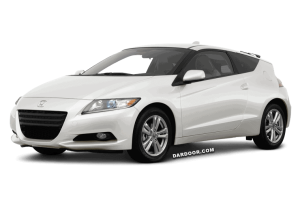
2010-2012 Honda CR-Z Repair Manual
$19.90 Add to cart -
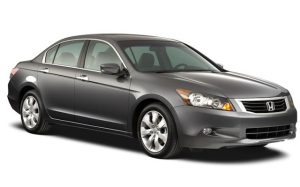
2008-2010 Honda Accord Repair Manual
$16.90 Add to cart -
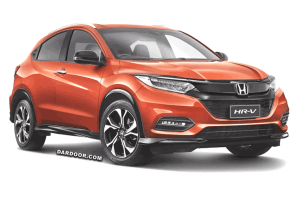
2016-2018 Honda HR-V Repair Manual
$16.90 Add to cart -
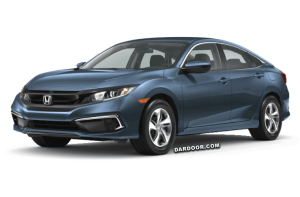
2018-2020 Honda Civic Repair Manual
$24.90 Add to cart -
2007-2014 Honda Fit Repair Manual (Jazz)
$16.90 Add to cart