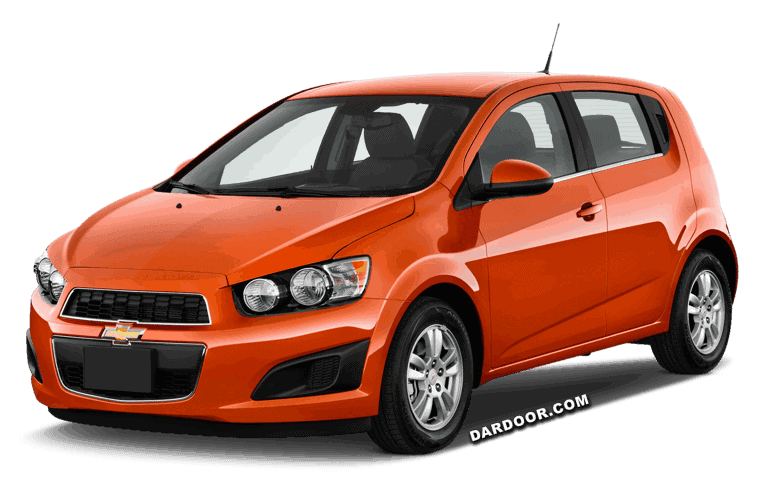
Get the same comprehensive repair information that Chevrolet dealer mechanics use with this OEM workshop manual for the 2012-2015 Chevrolet Sonic.
The 2012–2015 Chevrolet Sonic replaced the Aveo and aimed to be the “small car that doesn’t feel cheap.”
The Sonic can be genuinely fun to drive (especially the 1.4T), but long-term ownership is heavily influenced by
cooling-system plastics, PCV/boost-related issues, and a few recall/TSB items you should verify by VIN.
🎯 Who This Guide Is For
Built for owners, DIYers, techs, and used-car shoppers who want real-world issues, fixes, cost ranges, recall/TSB awareness, and quick diagnostic direction.
🧾 Technical Specs (2012–2015)
- 🚗 Class: Subcompact car (sedan/hatchback)
- 🛞 Drivetrain: FWD
- 🧠 Engines:
- 1.8L I4: 138 hp / 125 lb-ft
- 1.4L Turbo I4: 138 hp / 148 lb-ft
- ⚙️ Transmissions:
- 1.8L: 5-speed manual or 6-speed automatic (varies by market/trim)
- 1.4T: 6-speed manual or 6-speed automatic (varies by market/trim)
- 🪑 Seating: 5
🔔 Note: Exact combinations vary by trim and market. Always confirm your engine code and transmission via VIN/build sheet.
🏁 Performance (Real-World Feel)
- 🚀 1.4T character: strong midrange torque for the class, feels “bigger” than it is.
- ⏱️ Typical 1.4T manual testing: around 8-second 0–60 mph territory in period testing (varies by trim/tires/conditions).
- 🧊 Biggest “performance killer”: boost leaks, PCV faults, and cooling-system issues that trigger reduced power.
🛠️ Top 10 Common Mechanical Issues (Symptoms • Root Cause • Fix • Cost)
- 🌀 1.4T PCV system failure (lean codes, whistle, oil consumption, rough idle)
👀 Symptoms: Rough idle, whistling noise, P0171/P1101-style drivability, oil in intake, smoke on decel, poor boost response
🔎 Root Cause: PCV check valve failure (often tied to intake manifold/valve cover design on the 1.4T), creating vacuum/boost leaks and crankcase ventilation imbalance
✅ Fix: Smoke test intake; inspect PCV pathway/check valves; replace the failed component(s) (often intake manifold and/or valve cover/PCV assembly); verify fuel trims after repair
💰 Cost to Fix: $180–$450 (minor parts) / $450–$1,100 (manifold/cover + labor) - 💧 Thermostat housing / coolant outlet leaks (plastic parts)
👀 Symptoms: Coolant smell, low coolant warnings, puddles under front passenger side, intermittent overheating, heater weak at idle
🔎 Root Cause: Plastic housing/outlet fatigue from heat cycles; gasket deformation; hose quick-connect seepage
✅ Fix: Pressure test cooling system; replace leaking housing/outlet; inspect hoses and clamps; refill with correct coolant and bleed properly
💰 Cost to Fix: $150–$380 (simple housing/outlet) / $380–$750 (if hoses/bleed complications) - 🧊 Water pump seepage or failure
👀 Symptoms: Coolant loss, squeal/grind, overheating at low speed, coolant residue around pump area
🔎 Root Cause: Seal wear and bearing fatigue over time (often accelerated by low coolant events)
✅ Fix: Replace water pump; inspect belt/idlers; flush/refill coolant; confirm fan operation and no trapped air
💰 Cost to Fix: $350–$850 - 🔥 Turbo wastegate rattle / underboost (1.4T)
👀 Symptoms: Rattle on acceleration, weak power, P0299 underboost, sluggish highway passing, poor mpg
🔎 Root Cause: Wastegate wear/actuator issues, boost leaks, or cracked/loose charge plumbing
✅ Fix: Check charge pipes/intercooler clamps; verify wastegate play; test actuator; repair/replace actuator or turbo if necessary
💰 Cost to Fix: $120–$400 (boost leak/clamps) / $800–$2,200 (actuator/turbo-related) - 🛢️ Valve cover gasket leaks / oil on plugs (more noticeable with age)
👀 Symptoms: Oil smell, seepage on engine, misfire under load, oil in spark plug wells
🔎 Root Cause: Gasket hardening; cover warping; crankcase pressure issues (PCV-related on some 1.4T cases)
✅ Fix: Replace gasket (or cover if needed); correct underlying PCV/crankcase pressure issue; replace fouled plugs/coils if necessary
💰 Cost to Fix: $180–$550 / $550–$1,050 (if plugs/coils added) - 🧯 Coolant reservoir cracks / cap pressure issues
👀 Symptoms: Coolant smell, small intermittent losses, crusty residue around tank or cap, random overheating after highway run
🔎 Root Cause: Plastic tank fatigue + cap seal wear causing pressure loss and boil-over events
✅ Fix: Replace reservoir and cap; pressure test; check for secondary leaks (thermostat/outlet)
💰 Cost to Fix: $90–$260 / $260–$500 (if additional leaks found) - ⚙️ 6-speed automatic shift flare/harsh shifts (drivability complaint)
👀 Symptoms: Hesitation between gears, flare on upshift, harsh engagement, delayed reverse, occasional limp mode
🔎 Root Cause: Fluid condition/level, adaptation issues, solenoid/valve body wear, or (rare but recall-related on specific vehicles) internal turbine shaft concerns
✅ Fix: Scan for TCM codes; verify fluid level/condition; perform service and adaptation relearn; escalate to valve body/solenoid diagnostics if persists
💰 Cost to Fix: $180–$420 (service/relearn) / $650–$1,800 (valve body/solenoids) / $2,500–$4,500 (major internal repair) - 🧱 Engine mounts wear (vibration at idle)
👀 Symptoms: Steering wheel shake at idle, clunk when shifting R↔D, more vibration with A/C on
🔎 Root Cause: Mount rubber degradation; small engine + stiff tuning + mileage = early mount fatigue
✅ Fix: Inspect mounts; replace failed mount(s); verify idle speed and misfires aren’t contributing
💰 Cost to Fix: $220–$650 - ❄️ A/C weak cooling (leaks or compressor issues)
👀 Symptoms: Warm air at idle, intermittent cold, hissing, oily residue at condenser lines
🔎 Root Cause: Refrigerant leaks (condenser/seals) or compressor wear; low charge damages performance fast
✅ Fix: Proper evac/recharge with dye; leak test; repair leak; replace compressor only if confirmed failing
💰 Cost to Fix: $180–$350 (service/leak check) / $350–$950 (leak repair) / $900–$1,800 (compressor) - 🛞 Front suspension clunks (end links/strut mounts)
👀 Symptoms: Clunk over bumps, loose feel, uneven tire wear, noise in cold weather
🔎 Root Cause: Stabilizer end links, strut mounts, or control arm bushings wearing early on rough roads
✅ Fix: Inspect on lift; replace worn links/mounts/bushings; align afterward
💰 Cost to Fix: $140–$350 (links) / $450–$1,100 (mounts/arms + alignment)
⚠️ Is It Safe to Drive With These Mechanical Issues?
If you see overheating, coolant loss, or transmission slipping/limp mode, treat it as urgent.
Overheating can turn a “small leak” into a big engine bill fast.
⚡ Top 10 Common Electrical Issues (Symptoms • Root Cause • Fix • Cost)
- 📻 Radio/infotainment glitches (freeze, no sound, random resets)
👀 Symptoms: Screen locks up, Bluetooth drops, no audio, reboots while driving
🔎 Root Cause: Head unit software bugs, aging internal components, or low system voltage events
✅ Fix: Check battery/charging; inspect grounds; update/reflash head unit if applicable; replace unit if confirmed faulty
💰 Cost to Fix: $0–$180 (battery/ground) / $250–$950 (repair/replace head unit) - 🔔 Missing warning chimes (key/seatbelt) on certain BYOM radios (recall-related)
👀 Symptoms: No audible chime for seatbelt/key reminders under specific conditions
🔎 Root Cause: Radio software noncompliance on certain vehicles equipped with Bring Your Own Media radios
✅ Fix: Verify open recall by VIN; dealer software update/reprogram as instructed
💰 Cost to Fix: $0 (recall repair) / $120–$300 (if out of coverage and dealer charges) - 🔋 Battery drain / intermittent no-start
👀 Symptoms: Dead battery after sitting, slow crank, random “service” messages, electrical gremlins after jump starts
🔎 Root Cause: Weak battery, parasitic draw (aftermarket accessories), or charging/ground issues
✅ Fix: Battery test + alternator test; parasitic draw test; correct wiring for accessories; clean grounds
💰 Cost to Fix: $140–$280 (battery) / $250–$650 (diagnosis + repair) / $450–$900 (alternator if needed) - 🪟 Power window regulator failure (slow, stuck, drops)
👀 Symptoms: Slow window, clicks, window falls into door, intermittent operation
🔎 Root Cause: Regulator cable wear or motor fatigue; moisture inside door accelerates wear
✅ Fix: Replace regulator assembly; inspect switch and wiring if intermittent; re-seat vapor barrier correctly
💰 Cost to Fix: $220–$520 per window - 🔒 Door lock actuator failure
👀 Symptoms: Lock/unlock works sometimes, one door doesn’t respond, key fob range seems “worse” but only one door fails
🔎 Root Cause: Actuator motor wear and internal gear fatigue
✅ Fix: Replace actuator; inspect latch mechanism; verify BCM output if multiple doors affected
💰 Cost to Fix: $220–$650 - 🛑 ABS/traction lights from wheel speed sensor issues
👀 Symptoms: ABS light, traction control light, intermittent warnings especially in wet/salt conditions
🔎 Root Cause: Sensor/hub wiring corrosion or sensor signal dropout
✅ Fix: Scan ABS for codes; inspect harness routing; replace sensor or hub as required; clear and road test
💰 Cost to Fix: $180–$450 (sensor) / $350–$850 (hub assembly) - 🛞 TPMS warning light (sensor batteries aging)
👀 Symptoms: TPMS light stays on, pressures are fine, “service tire monitor” message
🔎 Root Cause: Sensor batteries reach end-of-life (common by 7–10 years)
✅ Fix: Replace sensors (best during tire service); program IDs; verify correct frequency
💰 Cost to Fix: $180–$520 (set of 4 installed/programmed) - 🌡️ Cooling fan control/module issues (overheat in traffic)
👀 Symptoms: Temperature rises at idle/traffic, fan runs loud constantly, A/C weak at idle, overheating warning appears “randomly”
🔎 Root Cause: Fan relay/module/control issues, wiring corrosion, or sensor input faults
✅ Fix: Command fan with scan tool; check relays/fuses; inspect connectors; replace fan assembly/module if confirmed
💰 Cost to Fix: $220–$650 / $650–$1,050 (if full fan assembly) - 🎛️ HVAC blend door actuator clicking / wrong vent direction
👀 Symptoms: Clicking behind dash, stuck on defrost/floor, inconsistent temperature side-to-side
🔎 Root Cause: Actuator gear wear or lost calibration after low voltage events
✅ Fix: Run HVAC recalibration; replace failing actuator if noise persists; confirm no binding doors
💰 Cost to Fix: $180–$650 - 🎈 Airbag/seat sensor warnings (intermittent)
👀 Symptoms: Airbag light on, passenger airbag status message odd, warning after moving seat
🔎 Root Cause: Seat connector/OCS sensor sensitivity, harness strain under seat tracks
✅ Fix: Scan SRS codes; inspect under-seat connectors; repair harness; recalibrate OCS if required (follow OEM procedure)
💰 Cost to Fix: $120–$350 (connector/repair) / $450–$1,200 (sensor/calibration parts)
Pros & Cons
| ✅ Pros | ❌ Cons |
|---|---|
| Surprisingly fun chassis for a budget small car | Cooling-system plastics can leak with age |
| 1.4T feels punchy in real-world driving | 1.4T PCV/boost issues can cause repeat drivability complaints |
| Easy to work on compared with many newer cars | Some automatics can develop shift quality complaints |
| Affordable parts (most common fixes aren’t exotic) | Small electrical gremlins add up (windows, locks, infotainment) |
| Hatchback is practical for the size | Overheating incidents can get expensive if ignored |
🗓️ Maintenance Schedule (Simple Owner Table)
| Interval | What to Do | Why It Matters |
|---|---|---|
| Every 5,000–7,500 mi (8,000–12,000 km) | Oil & filter + full visual inspection | Turbo cars (1.4T) like clean oil; catch leaks early |
| Every 15,000 mi (24,000 km) | Rotate tires; inspect brakes; check battery/charging | Reduces uneven wear; prevents “random” voltage gremlins |
| Every 30,000 mi (48,000 km) | Engine air filter; cabin filter; brake fluid check | Airflow + braking consistency; helps HVAC odor/flow |
| Every 45,000–60,000 mi (72,000–96,000 km) | Transmission service (severity-based) | Helps shift quality and long-term durability |
| Every 5 years (or as needed) | Coolant service + pressure test | Proactively catches thermostat/outlet/water pump seepage |
| As needed | Spark plugs (often around 60k–100k depending on engine/condition) | Misfire prevention, smoother idle, better fuel economy |
🔔 Note: If you own a 1.4T, add a habit: check coolant level monthly. It’s the cheapest insurance you can buy.
Top 5 Competitors
Top 10 Recalls, Advisories & TSB/Service Campaign Highlights (Verify by VIN)
🔔 Note: Always confirm open recalls by VIN (country/market matters). These items are the most relevant, commonly referenced campaigns affecting 2012–2015 Sonic production.
- Transmission turbine shaft fracture (certain 2012 1.8L + 6-speed automatic) → loss of higher gears/coast risk; repair involves replacing turbine shaft (safety recall).
- Windshield washer hose may separate (certain 2012) → reduced windshield washing function (noncompliance recall).
- Insufficient weld on front fuel tank strap bracket (certain 2013–2014) → fuel tank strap bracket may separate (safety recall).
- Loss of key reminder chime (certain 2013–2016 with BYOM radio) → FMVSS/CMVSS noncompliance; dealer update.
- Radio software may lose warning chimes (certain 2015) → chimes for seat belt/key reminders may not sound (noncompliance recall).
- Oil pan/block heater fire risk campaign (certain 2012–2014) → heater-related fire hazard on equipped vehicles (safety recall).
- Turn signal bulb outage indicator inoperative (certain 2013) → indicator may not alert driver (noncompliance recall).
- Brake lamp illumination noncompliance (certain 2013) → brake lamps may not meet requirements (noncompliance recall).
- Vehicle emission control information label incorrect (certain 2013) → emissions label correction (emission recall).
- Park-brake cable retainer clip missing (certain 2013–2015 RS/Dusk) → water intrusion can freeze/corrode cable; program/campaign repair.
👉 Tip: When shopping used, ask for proof the big-ticket recall work is done (especially turbine shaft and fuel tank strap bracket where applicable).
DTC Trouble Codes (10 per Module — Separate Tables)
Engine Control Module (ECM) — 10 Common Codes
| DTC | What It Means | Likely Root Cause | Recommended Fix |
|---|---|---|---|
| P0171 | System Too Lean (Bank 1) | Vacuum/boost leak, PCV fault, MAF contamination | Smoke test; inspect PCV; clean MAF; verify fuel trims |
| P0299 | Turbo/Super Charger Underboost | Boost leak, wastegate/actuator, turbo wear | Pressure test charge pipes; inspect wastegate play; repair leak/actuator |
| P0300 | Random/Multiple Misfire | Plugs/coils, vacuum leak, fuel delivery | Check misfire counters; inspect plugs/coils; smoke test; fuel pressure |
| P0420 | Catalyst Efficiency Low | Exhaust leak, aging catalyst, upstream issues | Fix misfires/leaks first; verify O2 data; replace cat if confirmed |
| P0117 | ECT Sensor Low Voltage | Sensor/wiring or cooling system issue | Inspect connector; test sensor; verify coolant level/bleed |
| P0128 | Coolant Temp Below Regulating | Thermostat stuck open, low coolant | Pressure test; replace thermostat/housing; bleed system |
| P1101 | Airflow System Performance | Intake leak, PCV issue, dirty MAF | Smoke test; PCV inspection; clean/test MAF |
| P0455 | EVAP Large Leak | Loose cap, cracked line, vent valve | Smoke EVAP; check cap seal; test vent/purge |
| P0442 | EVAP Small Leak | Small hose leak, cap seal, valve leakage | EVAP smoke; repair leak; confirm monitor readiness |
| P2135 | Throttle/Pedal Position Correlation | Throttle body issue, connector, voltage | Check connectors/grounds; inspect throttle body; relearn if needed |
Transmission Control Module (TCM) — 10 Common Codes
| DTC | What It Means | Likely Root Cause | Recommended Fix |
|---|---|---|---|
| P0700 | TCM Requests MIL | TCM has stored fault | Pull manufacturer-specific TCM codes; fix root cause |
| P0717 | Input/Turbine Speed Sensor No Signal | Sensor/harness | Check wiring; scope sensor; replace if faulty |
| P0722 | Output Speed Sensor No Signal | Sensor/harness | Inspect sensor/harness; confirm with scan tool |
| P0730 | Incorrect Gear Ratio | Low fluid, clutch slip, valve body | Fluid check; adaptation; pressure test if needed |
| P0741 | TCC Performance/Stuck Off | Solenoid/valve body, fluid | Verify slip; service fluid; solenoid tests |
| P0776 | Pressure Control Solenoid Performance | Solenoid/valve body wear | Pan inspection; solenoid tests; valve body service |
| P0796 | Pressure Control Solenoid “C” | Hydraulic control issue | Electrical + hydraulic diagnosis; repair as indicated |
| P2714 | Pressure Control Solenoid “D” | Solenoid/valve body | Command tests; wiring checks; repair valve body |
| P2757 | TCC Pressure Control Solenoid | Solenoid, valve body, wiring | Resistance tests; command tests; repair as needed |
| P0894 | Component Slipping | Internal wear, low pressure | Confirm data; pressure test; overhaul if necessary |
ABS / ESC (Brake System) — 10 Common Codes
| DTC | What It Means | Likely Root Cause | Recommended Fix |
|---|---|---|---|
| C0035 | LF Wheel Speed Sensor | Sensor/hub/wiring | Inspect harness; replace sensor or hub |
| C0040 | RF Wheel Speed Sensor | Sensor/hub/wiring | Same diagnostic approach |
| C0045 | LR Wheel Speed Sensor | Sensor/hub/wiring | Same diagnostic approach |
| C0050 | RR Wheel Speed Sensor | Sensor/hub/wiring | Same diagnostic approach |
| C0110 | Pump Motor Circuit | ABS pump/relay/wiring | Check power/ground; relay; pump tests |
| C0131 | Pressure Sensor Circuit | Sensor/ABS module | Verify sensor output; repair wiring/module |
| C0242 | Traction Control Request Malfunction | Engine/ABS data conflict | Fix underlying engine/ABS codes first |
| C0245 | Wheel Speed Variation | Tire mismatch, sensor dropout | Verify tire sizes; inspect sensors |
| C0265 | EBCM Relay Circuit | Relay/module | Test relay; verify module power/ground |
| C0899 | Device Voltage Low | Weak battery/charging | Battery/alternator test; grounds |
SRS Airbag System — 10 Common Codes
| DTC | What It Means | Likely Root Cause | Recommended Fix |
|---|---|---|---|
| B0012 | Driver Frontal Deployment Loop | Clock spring/connector | Inspect connectors; test clock spring; repair as needed |
| B0013 | Passenger Frontal Deployment Loop | Connector/wiring | Inspect wiring; repair; module test |
| B0020 | Side Airbag Deployment Loop | Seat harness/connector | Inspect under-seat wiring; repair |
| B0022 | Curtain Airbag Deployment Loop | Pillar harness | Inspect connectors; repair wiring |
| B0051 | Deployment Commanded | Crash event history/module | Follow OEM procedures; replace/reset module if required |
| B0081 | Passenger Presence System | OCS sensor/calibration | Calibrate OCS; repair seat wiring |
| B0092 | Pretensioner Circuit | Connector/wiring | Inspect connectors; repair; replace pretensioner if needed |
| B1001 | SDM Internal Fault | Airbag module | Verify power/ground; replace module if confirmed |
| B101D | Passenger Airbag Disable Indicator | Indicator circuit/OCS | Diagnose OCS + indicator circuit; calibrate |
| U0171 | Lost Comm With Restraints System | CAN/low voltage | Check battery/grounds; inspect CAN wiring |
Body Control / CAN Communication — 10 Common Codes
| DTC | What It Means | Likely Root Cause | Recommended Fix |
|---|---|---|---|
| U0100 | Lost Comm With ECM | Low voltage, CAN issue | Battery/charging test; inspect CAN wiring |
| U0121 | Lost Comm With ABS | Module power/CAN | Check ABS power/ground; CAN integrity |
| U0140 | Lost Comm With BCM | BCM power/ground/CAN | Check fuses, grounds, connectors |
| U0155 | Lost Comm With Cluster | Cluster power/CAN | Inspect connector; test power/ground |
| U0184 | Lost Comm With Radio | Infotainment network issue | Check radio power/ground; reflash if applicable |
| U0073 | Control Module Bus Off | CAN short/open | Isolate modules; repair CAN wiring |
| B1325 | System Voltage Low | Battery/alternator | Load test battery; alternator output; grounds |
| B3055 | Key Not Present | Key/receiver/BCM | Try spare key; check receiver; scan BCM |
| B3127 | Door Ajar Circuit | Latch switch/harness | Inspect latch; repair wiring; replace switch if needed |
| B3925 | Remote Keyless Entry Fault | Fob battery, receiver, interference | Replace fob battery; check receiver; scan BCM |
DTC tip: If you get a “U-code party,” test the battery and grounds first. Low voltage creates fake problems.
❓ Frequently Asked Questions (FAQ)
Is the 2012–2015 Chevrolet Sonic reliable?
It can be dependable if cooling leaks and PCV/boost issues are addressed early. The car’s “reliability reputation” is mostly decided by maintenance discipline and whether it ever overheated.
Which engine is better: 1.4T or 1.8?
The 1.4T is more fun and feels quicker, but it’s more sensitive to PCV/boost/cooling issues. The 1.8 is simpler, usually cheaper to keep happy, and tends to tolerate neglect slightly better.
What’s the most expensive common repair?
Worst-case is usually major transmission work or turbo replacement on 1.4T cars if diagnostics are ignored and the problem compounds.
What should I check before buying a used Sonic?
Look for coolant smell/residue, verify steady engine temperature, scan for pending lean/underboost codes, check for smooth shifting, and confirm all recalls are closed by VIN.
Is it safe to drive with a coolant leak?
Not for long. A small leak can suddenly become an overheat event. Treat coolant loss as urgent to avoid turning a $250 fix into a $2,500 problem.
Why does my Sonic idle rough and whistle?
Classic clue for an intake/PCV vacuum leak—especially on 1.4T. A smoke test is the fastest way to confirm.
Why does my Sonic feel weak and throw an underboost code?
Often a boost leak (loose clamp, cracked hose) or a wastegate/actuator issue. Pressure testing the charge system beats guessing.
How often should I change transmission fluid?
If you do city driving, heat, or stop-and-go, earlier services help. If you want longevity, treat it as a “severe service” vehicle.
What are the best trims?
Pick the trim that matches your tolerance for tech complexity. Simpler trims usually mean fewer infotainment headaches; sport trims can be more fun but may include extra equipment to maintain.
Should I buy one if I commute long distances?
Yes—if it’s been maintained and shows no cooling/boost problems. For heavy highway use, the Sonic can be a comfortable budget commuter, but make sure cooling and drivetrain are sorted.
🛠️ Top 10 Common Mechanical Issues (Symptoms • Root Cause • Fix • Cost)
The 2012–2015 Sonic is one of those cars that can be cheap and cheerful… or cheap and annoying.
If you buy a good one and stay ahead of coolant leaks and PCV/boost issues, it’s a solid small car with a surprisingly fun personality.
Ignore early symptoms, and it’ll punish you with repeat visits for “little” problems that snowball.
Best buyer strategy: Scan it, pressure-test it, verify recalls by VIN, and prioritize a car with maintenance records and stable engine temperature behavior.