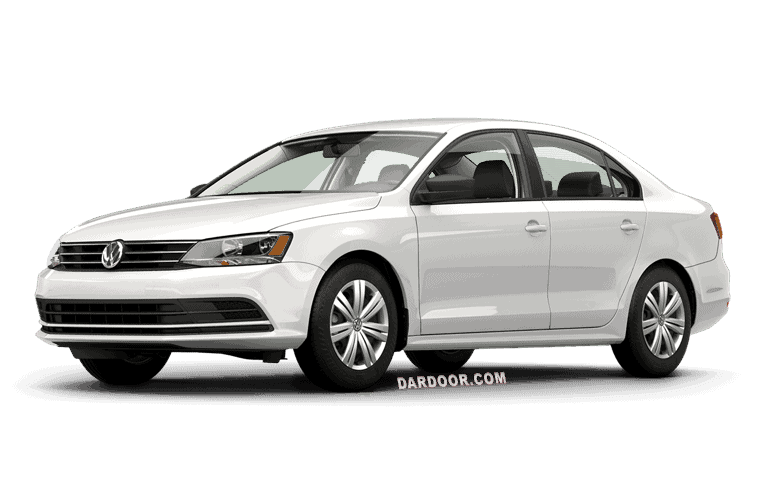
Get the original, coloured, and fully updated OEM workshop service and auto repair manual for the 2011–2015 Volkswagen Jetta (Generation III) ↗. This comprehensive factory manual—spanning more than 6,500 pages—is the same documentation used by Volkswagen dealer mechanics and technicians ↗ .It includes dealer-authorized procedures only, making it simple and straightforward for professionals and confident DIYers alike.
File Format
PDF
File Language
English
You’ll Get
233 MB
Page Count
6,733
Wiring Diagram
Included
Delivery Method
Instant Download
Repair and maintain your Volkswagen Jetta with full confidence using official factory documentation.
Every element of service, repair, and maintenance included—no missing sections.
Coloured Wiring Diagrams
Factory electrical schematics with clear colours, pinouts, grounds, and connectors.
Dealer-Authorized Procedures
Exact factory methods used by Volkswagen technicians worldwide.
Over 6,500 Pages
Extremely detailed explanations for every system and repair step.
User-Friendly PDF
Fully searchable, bookmarked, and printable for workshop or home use.
What’s Inside
Routine maintenance schedules, fluids, and torque specifications
Engine mechanical repair, fuel, cooling, intake & exhaust systems
Transmission & drivetrain service procedures
Suspension, steering, brakes, ABS & ESC
Complete electrical system with coloured wiring diagrams
Body, interior, HVAC, SRS/airbag systems
Diagnostic Trouble Codes (DTCs) and troubleshooting flowcharts
Download & Compatibility
Delivery: Instant digital PDF download Compatibility: Windows • macOS • iOS • Android
This manual provides detailed instructions for maintenance, disassembly, reassembly, component inspection, adjustment, and diagnostics—intended for use by experienced mechanics. Proper application of this guide will help ensure thorough repairs and maintain your vehicle in peak condition.
Important Note: Before purchasing this manual, please check whether your vehicle is subject to any active service recalls, as authorized dealerships may perform necessary repairs free of charge. When replacing parts, always use genuine OEM components↗to ensure safety, reliability, and long-term performance.
Table of Contents : 2011-2015 Volkswagen Jetta
Sample Pages
CAUTION↗: This OEM service and workshop repair manual provides detailed procedures for maintenance, disassembly, reassembly, inspection, adjustment, and diagnostics. It is intended as a comprehensive guide for experienced mechanics. To ensure thorough and accurate repairs that maintain your vehicle’s optimal performance, please read and follow this manual carefully. When replacing parts during any repair work, always use genuine Volkswagen parts↗ to ensure quality, safety, and reliability.
The 2011–2015 Jetta is a practical compact sedan with a big-trunk personality, multiple engines (2.0 NA / 2.5 / 1.8T / 2.0T GLI / 2.0 TDI), and one very VW trait: it’s great when maintained, annoying when ignored. Buy the cleanest service history you can find.
Overview
Platform: Mk6 Jetta (A6, PQ35-based)
Body: 4-door sedan (most markets)
Trunk: One of the bigger trunks in its class
Engines (varies by year/trim/market): 2.0L NA I4, 2.5L I5, 1.8T I4 (later years), 2.0T GLI, 2.0L TDI
Transmissions: 5MT/6MT, 6AT, DSG on performance/diesel variants (market-dependent)
👉 Before buying, scan with a VW-capable tool (VCDS/OBD11), check for vacuum/oil leaks, verify DSG service history, and confirm recalls by VIN.
Technical Specs & Performance
Item
Typical Range (varies by engine/trim)
Drivetrain
FWD
Seating
5
Cargo (trunk)
~15+ cu.ft. (trim dependent)
Power
~115–210 hp (base to GLI; diesel differs)
Transmissions
Manual / Automatic / DSG (by model)
Fuel economy
Varies widely by engine & transmission
👉 Specs vary significantly across 2.0 NA, 2.5, 1.8T/2.0T, and 2.0 TDI configurations. Always match specs to your exact engine code + transmission.
Top 10 Common Mechanical Issues (Owners Reported) + Root Cause + Fix + Cost
Vacuum pump oil leak (common on several VW engines) – Symptoms: Oil smell, oil on transmission/engine block, messy belly pan, slow oil loss – Root Cause: Vacuum pump gasket/seal seep; housing warp or age-related seal failure – Fix: Confirm source with UV dye; reseal/replace vacuum pump; clean & recheck after 200–300 km – Cost to Fix: $180–$450 (reseal) / $450–$900 (pump replacement)
Cooling system leaks (water pump/thermostat housing on turbo engines) – Symptoms: Coolant smell, low coolant warning, puddles, overheating under load – Root Cause: Plastic housings + seals fatigue; heat cycling causes seep/cracks – Fix: Pressure test; replace water pump/thermostat assembly + seals; vacuum fill coolant to avoid air pockets – Cost to Fix: $650–$1,400
PCV valve/diaphragm failure (lean codes + oil consumption) – Symptoms: Whistling, rough idle, P0171 lean code, oil in intake, increased oil use – Root Cause: PCV diaphragm tears; crankcase pressure goes off-spec – Fix: Smoke test; replace PCV assembly; check rear main seal if long-term overpressure occurred – Cost to Fix: $120–$350 (PCV) / $900–$2,200 (if rear main seal affected)
High-pressure fuel system seep/leak (diesel models especially critical) – Symptoms: Fuel smell, damp injector lines, hard starts, fuel residue around injectors – Root Cause: Injector line/connection leakage; seal or line fatigue – Fix: Inspect with engine running; replace leaking line/seal; clean area and verify no further seep – Cost to Fix: $300–$900
Front control arm bushings / end links wear – Symptoms: Clunks over bumps, vague steering, uneven tire wear – Root Cause: Bushing cracking + road-salt aging; end link play – Fix: Inspect for play; replace bushings/arms + links; alignment afterward – Cost to Fix: $400–$1,200
Carbon buildup on intake valves (direct-injection turbo engines) – Symptoms: Hesitation, misfires, reduced power, poor cold idle – Root Cause: DI engines don’t wash valves with fuel; PCV vapors deposit carbon – Fix: Walnut blast/chemical clean; confirm PCV is healthy; shorten oil intervals – Cost to Fix: $450–$900
EVAP system leaks (gas cap/lines/purge valve) – Symptoms: Check Engine light, fuel smell, failed emissions test – Root Cause: Purge valve failure or small hose cracks; cap seal age – Fix: Smoke test EVAP; replace purge valve/lines/cap as needed; clear and drive cycle – Cost to Fix: $120–$650
⚡ Top 10 Common Electrical Issues (Owners Reported) + Root Cause + Fix + Cost
Clock spring failure (airbag light / horn / steering wheel controls) – Symptoms: Airbag warning light, horn stops working, steering buttons dead – Root Cause: Clock spring ribbon cable damage/contamination over time – Fix: Scan SRS; replace clock spring; clear faults; confirm horn/controls restored – Cost to Fix: $350–$850
Battery drain (parasitic draw) – Symptoms: Dead battery after 1–3 days, intermittent no-start – Root Cause: Door module, infotainment, trunk latch, or aftermarket accessories staying awake – Fix: Parasitic draw test; isolate circuit via fuses; repair module/wiring; code battery if required – Cost to Fix: $120–$350 (diagnosis) / $250–$1,200 (module repair/replace)
Headlight / DRL issues (bulb life + connector heat damage) – Symptoms: Frequent bulb burnouts, flicker, warning on dash – Root Cause: Heat at connectors, poor contact resistance, moisture ingress in housings – Fix: Inspect socket/connectors; replace damaged pigtails; verify charging voltage stable – Cost to Fix: $40–$120 (bulbs) / $150–$450 (socket/pigtail repair)
EPC / throttle body adaptation faults – Symptoms: EPC light, limp mode, poor throttle response – Root Cause: Throttle body contamination, wiring issues, or adaptation lost after battery events – Fix: Scan for throttle codes; clean throttle body; run adaptation with scan tool; repair wiring if needed – Cost to Fix: $120–$350 (clean/adapt) / $450–$1,200 (throttle body/wiring)
Window regulator or switch failure – Symptoms: Window sticks, drops, won’t auto-up/down – Root Cause: Regulator cable wear; switch contacts fatigue – Fix: Replace regulator/switch; reinitialize one-touch function – Cost to Fix: $220–$650 per door
Door lock actuator issues – Symptoms: Random locking/unlocking, door won’t lock, alarm false triggers – Root Cause: Actuator motor wear or microswitch failure inside latch module – Fix: Scan body module; replace latch/actuator; check harness in door jamb – Cost to Fix: $250–$750 per door
A/C blower resistor or blower motor failure – Symptoms: Fan works only on high, or not at all – Root Cause: Resistor pack overheats; blower motor draws too much current as it ages – Fix: Replace resistor; if blower current is high/noisy, replace blower too – Cost to Fix: $150–$450 (resistor) / $350–$900 (blower + resistor)
Cluster / infotainment glitches – Symptoms: Random reboots, no sound, freezing screen – Root Cause: Software bugs, weak battery voltage, loose connectors – Fix: Load-test battery; update software if available; reseat connectors; replace unit if failing – Cost to Fix: $120–$250 (diag) / $300–$1,500+ (repair/replace)
ABS/ESC warning lights (wheel speed sensor / wiring) – Symptoms: ABS/ESC lights, traction control disabled, intermittent braking feel changes – Root Cause: Wheel speed sensor failure, rust on tone ring, harness damage near wheel – Fix: Scan ABS; test sensor signal; clean tone ring area; replace sensor/harness – Cost to Fix: $180–$600
No-start / intermittent start (ignition switch / relay / crank sensor) – Symptoms: Cranks but won’t start, or nothing happens intermittently – Root Cause: Weak battery/grounds, crank sensor intermittency, ignition switch/relay issues – Fix: Check voltage drop on grounds; scan RPM while cranking; replace crank sensor/relay as confirmed – Cost to Fix: $120–$350 (diagnosis) / $180–$900 (parts + labor)
Pros & Cons
👍 Pros
👎 Cons
Comfortable ride, solid highway manners
Maintenance-sensitive (especially turbo/DSG)
Big trunk and practical cabin
Oil leaks + plastic cooling parts show up with age
Wide engine/trim variety
Some repairs require VW-specific tools/scan functions
Good value used (if history is clean)
Electrical gremlins can be time-consuming to diagnose
Brake fluid (2 yrs typical); engine air filter; alignment check
Every 40,000 mi (64,000 km)
DSG service (if equipped) — fluid + filter
Every 60,000 mi (96,000 km)
Coolant inspection/refresh as needed; spark plugs (varies by engine)
Every 80,000–120,000 mi (128,000–192,000 km)
Timing chain health check on TSI; carbon cleaning if symptoms
👉 Always follow the exact schedule for your engine code + transmission (especially TDI/DSG). If service history is unknown, “reset” fluids (oil, brake fluid, coolant check, DSG if applicable).
Top 10 Recalls, Advisories, Safety Alerts & TSB Highlights
Fuel leak at injector/fuel line (TDI-related safety action) — Risk of fuel leakage; inspect/repair fuel connections. (Verify by VIN.)
Vacuum pump / braking assist risk (cam lobe shear → hard brake pedal) — ECM software update intended to reduce risk; address promptly if applicable. (Verify by VIN.)
Transmission oil cooler O-ring leak (fire risk on certain 2014 1.8T + auto) — Replace O-ring seals to prevent fluid leak contacting hot surfaces. (Verify by VIN.)
Steering wheel clock spring (airbag/horn/controls may fail) — Replace clock spring assembly if affected. (Verify by VIN.)
Clock spring recall (Transport Canada notice; similar scope) — Potential loss of driver airbag connection; repair ASAP if listed. (Verify by VIN.)
Takata airbag advisories (industry-wide) — Check VW recall portal for Takata-related campaigns that may apply to some vehicles. (Verify by VIN.)
Fuel rail sealing cap / fuel leak into engine bay (some years) — If you smell fuel or see wetness near rail, stop driving and inspect immediately. (Verify by VIN.)
Emissions system advisories for 2.0 TDI (Dieselgate-era notices) — Not always a “safety” recall, but can affect drivability, warranty coverage, and resale—confirm update status.
Accessory exhaust tip (burn hazard) — accessory equipment recall — Some exhaust tips extend beyond factory length; replace/modify if applicable. (Verify by VIN.)
General safety reminder — Always run a VIN lookup for open recalls (US: NHTSA; Canada: VW/Transport Canada) before purchase or long trips.
👉 Recall coverage varies by engine, build date, and market. Always confirm using your VIN on official portals.
DTC Trouble Code Lists
Engine Control Module (ECM) — 10 Common Codes
Code
Meaning
Most Common Causes
P0171
System Too Lean (Bank 1)
Vacuum leak, PCV fault, MAF issue
P0300
Random/Multiple Misfire
Plugs/coils, carbon buildup, fueling
P0301
Misfire Cylinder 1
Coil, plug, injector, compression
P0401
EGR Flow Insufficient
EGR clog, valve fault (diesel)
P0420
Catalyst Efficiency Below Threshold
Cat aging, O2 sensor, misfires
P0507
Idle Speed Higher Than Expected
Vacuum leak, throttle adaptation
P2187
System Too Lean at Idle
PCV leak, intake leak
P2404
EVAP Leak Detection Pump Sense Circuit
LDP, wiring, EVAP faults
P2459
DPF Regeneration Too Frequent
Soot loading, sensors (diesel)
P2563
Turbo Boost Control Position Sensor
Turbo actuator, wiring, control issues
Transmission Control Module (TCM) — 10 Common Codes
Body Control / CAN Communication — 10 Common Codes
Code
Meaning
Most Common Causes
U0100
Lost Comm With ECM/PCM
CAN wiring, module power
U0101
Lost Comm With TCM
CAN faults, TCM power
U0121
Lost Comm With ABS
CAN issues, ABS module
U0155
Lost Comm With Cluster
Cluster power, CAN
U0140
Lost Comm With Body Control Module
BCM, wiring
B1206
Central Locking Input Fault
Door latch microswitch
B1300
Power Supply Voltage Low
Battery/alternator/grounds
B1370
Alarm Horn Circuit Fault
Alarm horn, wiring
B10A9
Trunk/Latch Switch Fault
Latching microswitch
U1110
Data Bus Communication Error
Gateway/module intermittent
👉 These are commonly encountered codes across Jetta variants. Exact code availability depends on engine/trans and the scan tool (generic OBD-II vs VW-specific).
Frequently Asked Questions (FAQ)
Is the 2011–2015 Jetta reliable?
Yes—if maintained. The big risk is buying one with skipped oil changes, unknown DSG service, or ignored leaks. Service history matters more than mileage.
Which engine is the safest bet?
Generally, the “safest bet” is the one with the cleanest records. Turbo engines can be excellent but are less forgiving if maintenance was neglected.
What’s the most expensive common repair?
Timing chain/tensioner work on TSI engines (or DSG mechatronic/clutches if DSG-equipped) can be the priciest.
What should I check before buying?
Scan for stored codes, check for oil/coolant leaks, verify DSG service (if applicable), inspect suspension bushings, and run a VIN recall check.
Is it safe to drive with a fuel smell?
No. A fuel smell can indicate an active leak. Park safely, avoid ignition sources, and inspect/repair immediately.
How often should I change oil?
For longevity, many owners run 5,000–7,500 miles depending on driving conditions and engine type. Use the correct VW oil specification.
Final Verdict
Buy it if: you want a comfortable compact sedan with a roomy trunk, and you’re willing to maintain it like a German car (fluids on time, leaks handled early, proper scan diagnostics).
Avoid it if: you want “ignore it forever” ownership. A neglected Jetta can turn small seals and sensors into expensive weekends.
Best move: pick the cleanest service history, confirm recalls by VIN, and budget a “baseline refresh” (fluids + inspection) after purchase.
This website uses cookies to improve your experience while you navigate through the website. Out of these, the cookies that are categorized as necessary are stored on your browser as they are essential for the working of basic functionalities of the website. We also use third-party cookies that help us analyze and understand how you use this website. These cookies will be stored in your browser only with your consent. You also have the option to opt-out of these cookies. But opting out of some of these cookies may affect your browsing experience.
Necessary cookies are absolutely essential for the website to function properly. This category only includes cookies that ensures basic functionalities and security features of the website. These cookies do not store any personal information.
Any cookies that may not be particularly necessary for the website to function and is used specifically to collect user personal data via analytics, ads, other embedded contents are termed as non-necessary cookies. It is mandatory to procure user consent prior to running these cookies on your website.