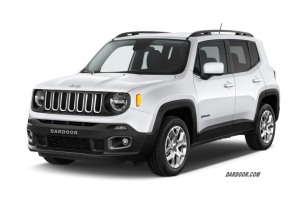
Overview
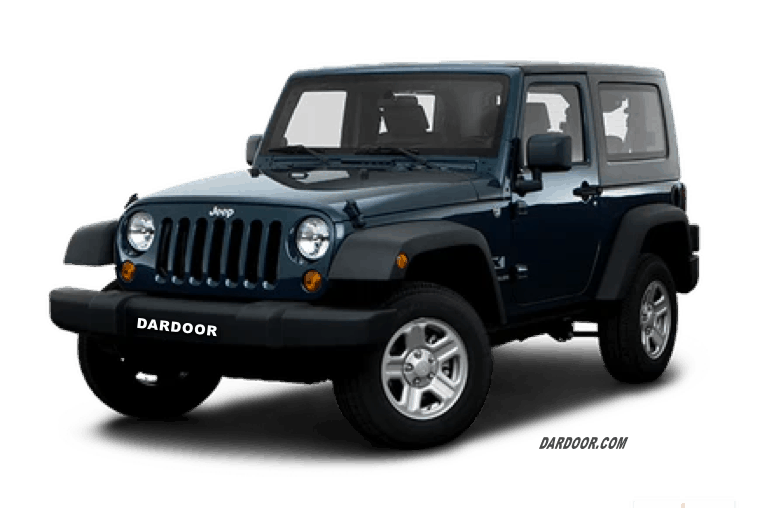
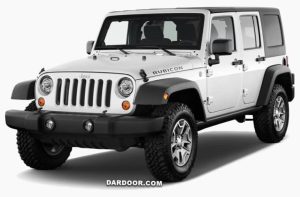
The 2008 Jeep Wrangler JK represents the third generation of the iconic Wrangler lineup and marked a significant redesign from the previous TJ model. This was the first model year of the JK generation, which ran from 2007-2018.
Key Highlights:
- First year to offer a 4-door Unlimited model as part of the main lineup
- Improved on-road manners while maintaining legendary off-road capability
- More interior space and modern amenities compared to TJ
- Available removable hardtop and soft top configurations
- Body-on-frame construction with solid front and rear axles
Engine Options:
- 3.8L V6 (EGH) – Standard
- Horsepower: 202 hp @ 5,200 rpm
- Torque: 237 lb-ft @ 4,000 rpm
- Fuel Type: Regular unleaded
- Fuel Economy: 15-16 city / 19-20 highway mpg
Transmission:
- 6-speed manual (NSG370)
- 4-speed automatic (42RLE)
Drivetrain:
- Part-time 4WD system
- Command-Trac (2-door): Two-speed transfer case with 2.72:1 low range
- Rock-Trac (Rubicon): Two-speed transfer case with 4:1 low range
- Electronic front sway bar disconnect (Rubicon only)
Axles:
- Front: Dana 30 (standard models), Dana 44 (Rubicon)
- Rear: Dana 44 (all models)
- Gear ratios: 3.21, 3.73, or 4.10 depending on configuration
Suspension:
- Front: Independent short-and-long-arm with coil springs
- Rear: 5-link solid axle with coil springs
- Ground clearance: 8.9-10.3 inches depending on model
Brakes:
- Front: 12.6-inch vented discs
- Rear: 12.0-inch vented discs
- 4-wheel ABS standard
Dimensions:
- 2-door:
- Wheelbase: 95.4 inches
- Length: 152.8 inches
- Width: 73.9 inches
- Height: 70.9 inches
- Curb weight: 3,760-3,945 lbs
- 4-door Unlimited:
- Wheelbase: 116.0 inches
- Length: 173.4 inches
- Width: 73.9 inches
- Height: 70.9 inches
- Curb weight: 4,129-4,345 lbs
Capacities:
- Fuel tank: 18.6 gallons (2-door), 22.5 gallons (4-door)
- Towing capacity: 2,000-3,500 lbs depending on configuration
- Payload: 800-1,000 lbs
Trim Levels:
- X (base)
- Sahara
- Rubicon
- Unlimited X
- Unlimited Sahara
- Unlimited Rubicon
Top 10 Mechanical and Electrical Issues
1. TIPM (Totally Integrated Power Module) Failure
Symptoms:
- Intermittent electrical issues (wipers, fuel pump, windows)
- No-start condition
- Fuel pump not activating
- Warning lights on dashboard
- Accessories working sporadically
Root Cause:
- Failed relays or circuits within the TIPM
- Moisture intrusion causing corrosion
- Manufacturing defects in solder joints
- Overheating of internal components
Fix:
- TIPM replacement (dealership or aftermarket)
- In some cases, individual relay replacement
- Relocation of TIPM to prevent moisture exposure
- Professional electrical diagnosis required
Cost: $800-$1,500 (replacement), $200-$400 (relay repair if possible)
2. 3.8L V6 Engine Oil Consumption
Symptoms:
- Excessive oil consumption (1 quart per 500-1,000 miles)
- Blue smoke from exhaust
- Low oil warning light
- Engine knock if oil gets critically low
- Fouled spark plugs
Root Cause:
- Worn piston rings
- Cylinder wall scoring
- Valve guide wear
- PCV system issues
- Design characteristics of the 3.8L engine
Fix:
- Regular oil monitoring and top-offs (short-term)
- Engine rebuild or replacement (long-term)
- PCV valve replacement
- Using higher viscosity oil (temporary measure)
- Switch to synthetic oil
Cost: $50-$100/month (oil top-offs), $3,500-$6,000 (engine rebuild/replacement)
3. Death Wobble
Symptoms:
- Violent shaking of the entire vehicle at highway speeds (typically 45-65 mph)
- Steering wheel oscillates rapidly
- Triggered by bumps or road irregularities
- Loss of steering control
- Noise from front suspension
Root Cause:
- Worn track bar bushings or mounting
- Loose or worn tie rod ends
- Ball joint wear
- Worn control arm bushings
- Improper wheel alignment
- Aftermarket lift kits without proper geometry correction
Fix:
- Replace track bar and bushings
- Replace tie rod ends
- Inspect and replace ball joints
- Check and torque all suspension components
- Professional alignment
- Steering stabilizer replacement
Cost: $400-$1,200 depending on components needed
4. Water Leaks into Cabin
Symptoms:
- Wet carpet (especially driver’s side)
- Water pooling on floor
- Musty odor
- Mold growth
- Foggy windows
- Wet headliner
Root Cause:
- Worn or improperly seated door seals
- Freedom panel (hardtop) seal deterioration
- Windshield seal failure
- A-pillar drainage issues
- Soft top wear and improper installation
- Body drain plugs clogged
Fix:
- Replace door seals
- Re-seal freedom panels
- Windshield resealing or replacement
- Clean drainage channels
- Replace soft top or hardtop seals
- Apply silicone sealant where needed
Cost: $50-$300 (DIY seal replacement), $500-$1,000 (professional windshield reseal)
5. Throttle Position Sensor (TPS) Failure
Symptoms:
- Check engine light
- Poor acceleration or hesitation
- Engine stalling
- Rough idle
- Surging at highway speeds
- Reduced fuel economy
- Codes: P0121, P0122, P0123
Root Cause:
- Electronic throttle body failure
- TPS sensor degradation
- Wiring harness issues
- Carbon buildup on throttle body
- Connector corrosion
Fix:
- Throttle body cleaning
- TPS sensor replacement
- Complete throttle body assembly replacement
- Wiring repair if needed
- PCM reprogramming in some cases
Cost: $20-$50 (cleaning), $150-$400 (TPS replacement), $400-$800 (complete throttle body)
6. Transfer Case Linkage Issues
Symptoms:
- Difficulty shifting between 2WD and 4WD
- Transfer case stuck in 4WD
- Grinding noise when shifting
- Transfer case warning light
- Inability to engage 4-Low
- Loose shift lever
Root Cause:
- Worn linkage bushings
- Shift motor failure (electric shift models)
- Linkage misalignment
- Corrosion of linkage components
- Binding shift fork
Fix:
- Linkage bushing replacement
- Shift motor replacement
- Linkage adjustment and lubrication
- Transfer case service
- In severe cases, internal transfer case repair
Cost: $50-$150 (bushings/adjustment), $300-$600 (shift motor), $800-$1,500 (internal repairs)
7. Clock Spring Failure
Symptoms:
- Airbag warning light
- Horn not working
- Cruise control not working
- Steering wheel controls inoperative
- Code: B1B00 or airbag-related codes
Root Cause:
- Wear from steering wheel rotation
- Manufacturing defect in clock spring ribbon cable
- Improper installation after steering work
- Age-related deterioration
Fix:
- Clock spring replacement (behind steering wheel)
- Requires airbag removal
- Must be performed carefully due to airbag system
- Professional installation recommended
Cost: $150-$400 (parts and labor)
8. Exhaust Manifold Cracking
Symptoms:
- Ticking or tapping noise from engine (especially when cold)
- Exhaust smell in cabin
- Loss of power
- Check engine light
- Failed emissions test
- Codes: P0420, P0430 (catalyst efficiency)
Root Cause:
- Thermal cycling causing metal fatigue
- Poor manifold design
- Corrosion from road salt and moisture
- Factory defect in casting
Fix:
- Exhaust manifold replacement
- Header installation (performance upgrade alternative)
- Both manifolds typically replaced as preventive measure
- Gasket and bolt replacement
Cost: $600-$1,200 (both manifolds with labor)
9. Front Lower Ball Joint Failure
Symptoms:
- Clunking noise from front suspension
- Steering looseness or wandering
- Uneven tire wear
- Vibration when driving
- Clicking when turning
- Vehicle pulls to one side
Root Cause:
- Normal wear from off-road use
- Boot tear allowing contamination
- Inadequate lubrication
- Stress from larger tires
- Design limitations
Fix:
- Ball joint replacement (often requires new control arms)
- Alignment after replacement
- Inspection of other suspension components
- Consider upgraded aftermarket joints
Cost: $400-$800 (both sides with labor)
10. Rear Main Seal Leak
Symptoms:
- Oil leak at back of engine
- Oil spots on driveway
- Oil on transmission bell housing
- Low oil levels
- Oil smell while driving
- Transmission slipping (if severe)
Root Cause:
- Seal deterioration over time
- Crankshaft wear
- Improper installation
- Excessive crankshaft end play
- PCV system issues causing pressure
Fix:
- Rear main seal replacement (transmission must be removed)
- Inspect flywheel and crankshaft
- Check PCV system
- Labor-intensive repair
- Consider doing clutch at same time (manual transmission)
Cost: $800-$1,500 (high labor cost due to transmission removal)
Top 5 Competitors (2008 Model Year)
- Strengths: Excellent reliability, strong resale value, capable off-road, unique styling
- Weaknesses: Poor visibility, limited cargo space, less removable top versatility
- Price Range (2008): $22,000-$27,000
- Why Consider: Better reliability record, lower long-term costs
- Strengths: Good off-road capability, more powerful engine options, lower price point
- Weaknesses: Poor fuel economy, less iconic styling, higher depreciation
- Price Range (2008): $21,000-$28,000
- Why Consider: Better value, more standard features
3. Hummer H3
- Strengths: Distinctive styling, robust off-road capability, luxurious interior options
- Weaknesses: Very poor fuel economy, expensive maintenance, brand discontinued
- Price Range (2008): $30,000-$40,000
- Why Consider: More interior space, stronger image (at the time)
- Strengths: Luxury interior, all-wheel drive, refined on-road manners
- Weaknesses: Poor reliability, expensive repairs, less off-road capability
- Price Range (2008): $33,000-$37,000
- Why Consider: Premium brand, better daily driver comfort
5. Toyota 4Runner
- Strengths: Legendary reliability, strong resale value, more interior space, better highway manners
- Weaknesses: No removable top, less iconic status, higher initial cost
- Price Range (2008): $27,000-$38,000
- Why Consider: Best long-term reliability, lower ownership costs, more practical for families
Top 10 Recalls, Advisories & TSB Highlights
Recalls
1. Recall 10V-301 (June 2010) – Steering
- Issue: Drag link socket may separate, causing loss of steering control
- Vehicles Affected: 2007-2008 Wrangler
- Fix: Replace drag link assembly
2. Recall 08V-200 (May 2008) – Airbags
- Issue: Driver airbag inflator may rupture
- Vehicles Affected: 2008 Wrangler
- Fix: Replace driver airbag inflator
3. Recall 13V-282 (June 2013) – Transmission
- Issue: Automatic transmission may shift out of Park without brake pedal application
- Vehicles Affected: 2007-2008 Wrangler
- Fix: Software update to transmission control module
4. Recall 18V-355 (June 2018) – Power Steering
- Issue: Power steering hose may contact driveshaft, causing leak and potential fire
- Vehicles Affected: 2008-2012 Wrangler
- Fix: Inspect and replace power steering hose if necessary
5. Recall 07V-359 (August 2007) – Fuel System
- Issue: Fuel tank may crack at weld seam
- Vehicles Affected: 2007-2008 Wrangler
- Fix: Replace fuel tank
Technical Service Bulletins (TSBs)
6. TSB 08-006-08 – Water Leak Diagnosis
- Issue: Water entry into vehicle through various sealing points
- Solution: Improved sealing procedures and replacement parts
7. TSB 18-014-11 – Exhaust Manifold Crack
- Issue: Ticking noise from cracked exhaust manifold
- Solution: Replace exhaust manifolds with updated design
8. TSB 18-032-10 – TIPM Issues
- Issue: Various electrical symptoms related to TIPM
- Solution: TIPM replacement or repair procedures
9. TSB 08-001-15 – Death Wobble/Vibration
- Issue: Steering shimmy or vibration
- Solution: Suspension component inspection and replacement procedure
10. TSB 18-001-09 – Engine Oil Consumption
- Issue: Excessive oil consumption on 3.8L engine
- Solution: Monitoring procedures and potential engine repair under warranty
Every 3,000-5,000 Miles
- Engine oil and filter change (3,000 miles for severe conditions, 5,000 for normal)
- Tire rotation
- Visual inspection of brakes, suspension, exhaust
Every 10,000 Miles
- Inspect brake pads and rotors
- Check tire pressure and condition
- Inspect ball joints and tie rod ends
- Lubricate chassis fittings (if equipped with zerk fittings)
Every 15,000 Miles
- Replace engine air filter
- Replace cabin air filter
- Inspect serpentine belt
- Check battery condition
Every 30,000 Miles
- Replace spark plugs
- Inspect ignition wires and coils
- Inspect PCV valve
- Flush brake fluid
- Inspect cooling system
Every 45,000 Miles
- Replace automatic transmission fluid and filter (severe conditions)
- Inspect CV joints and boots
- Check differential fluid level
Every 60,000 Miles
- Replace coolant
- Replace transmission fluid (normal conditions)
- Inspect fuel filter
- Replace serpentine belt
Every 75,000 Miles
- Replace differential fluid (front and rear)
- Replace transfer case fluid
- Inspect water pump
Every 100,000 Miles
- Replace timing chain tensioner and guides (preventive)
- Inspect suspension components thoroughly
- Replace wheel bearings if needed
- Major coolant system inspection
As Needed
- Check and top off all fluids monthly
- Wash undercarriage regularly, especially if off-roading or in winter climates
- Inspect soft top or hardtop seals regularly
- Lubricate door hinges and latches
- Check torque on lug nuts after off-roading
Special Considerations for Off-Road Use
- More frequent differential and transfer case fluid changes
- Inspect skid plates and underbody after each trip
- Check suspension components more frequently
- Clean air filter more often in dusty conditions
1. Is the 2008 Wrangler JK reliable?
The 2008 Wrangler has mixed reliability. As the first year of the JK generation, it experienced more issues than later models. The 3.8L V6 engine has known oil consumption problems, and the TIPM electrical module is prone to failure. However, with proper maintenance and addressing known issues, many owners report 200,000+ miles. Budget for higher-than-average maintenance costs compared to mainstream vehicles.
2. Should I buy a 2-door or 4-door Unlimited?
The 2-door offers better off-road capability with a shorter wheelbase, better approach/departure angles, and is easier to maneuver on tight trails. The 4-door Unlimited provides more interior space, easier rear seat access, significantly more cargo room, and better highway stability. For daily driving and families, the Unlimited is more practical. For serious off-roading, the 2-door has advantages.
3. What’s the real-world fuel economy?
Expect 14-16 mpg city and 17-19 mpg highway with the 3.8L V6. The 4-door typically gets slightly worse mileage due to extra weight. Larger tires, lift kits, and roof racks will further reduce fuel economy. The boxy aerodynamics and 4WD system make the Wrangler one of the least fuel-efficient vehicles in its class.
4. How much should I budget for maintenance annually?
Plan for $1,500-$2,500 annually for routine maintenance and repairs. This includes oil changes, tire rotations, brake work, and typical wear items. Budget an additional $1,000-$2,000 for unexpected repairs, especially on higher-mileage examples. Off-road use will increase these costs significantly.
5. Can I daily drive a Wrangler?
Yes, but with compromises. The 2008 JK is more refined than previous generations but still has a truck-like ride, significant road noise, poor fuel economy, and limited cargo space (2-door). Highway driving is loud and tiring on long trips. For short commutes or as a second vehicle, it’s fine. For long daily commutes, consider if you can tolerate these drawbacks.
6. What should I look for when buying used?
Check for rust on frame and body (especially if from salt-belt states), inspect all suspension components for wear, look for oil leaks (especially rear main seal), test TIPM functionality (wipers, windows, fuel pump), verify no death wobble during test drive, check for water damage inside cabin, inspect soft top or hardtop condition, review maintenance records, check for lift kit and tire modifications, and get a pre-purchase inspection from a Jeep-familiar mechanic.
7. Is the Rubicon worth the extra cost?
The Rubicon includes Dana 44 front axle (vs. Dana 30), 4:1 transfer case (vs. 2.72:1), electronic locking differentials, electronic sway bar disconnect, rock rails, and more aggressive tires. If you plan serious off-roading, the Rubicon’s upgrades would cost $5,000-$8,000 to add aftermarket. For mall crawling or light trails, a Sahara or X with the right options is sufficient and saves money.
8. How does it handle in snow and winter?
With good winter tires, the Wrangler is excellent in snow due to 4WD, high ground clearance, and good approach angles. However, the short wheelbase (especially 2-door) can make it unstable in high winds, and the light rear end can be squirrely. Undercoating is essential to prevent rust from road salt. Soft tops provide poor insulation in extreme cold.
9. What’s the best year to buy if avoiding 2008?
If avoiding 2008 due to first-year issues, consider 2011-2012 models. By then, many early JK problems were addressed, including improved TIPM design, refined 3.8L engine (though still not great), and better quality control. The 2012+ models with the 3.6L Pentastar V6 are significantly better but come at a higher price point.
10. How much can I tow with a 2008 Wrangler?
The 2008 Wrangler is rated for 2,000 lbs (2-door) to 3,500 lbs (4-door with towing package). This is suitable for small trailers, lightweight campers, or a couple of motorcycles. The short wheelbase and relatively weak 3.8L engine limit towing capacity compared to other SUVs. Always use a weight-distributing hitch for loads over 2,000 lbs.
Final Buyer Recommendations
Who Should Buy a 2008 Jeep Wrangler JK:
Best For:
- Off-road enthusiasts who prioritize capability over comfort
- Buyers wanting an iconic, customizable platform
- Those comfortable with higher maintenance costs
- Second vehicle or weekend adventure vehicle
- Buyers in warm, dry climates (less rust concern)
- DIY-minded owners willing to perform their own maintenance
- Short commuters who don’t need highway comfort
Consider Alternatives If:
- You need a reliable daily driver for long commutes
- Fuel economy is a primary concern
- You want modern safety features and technology
- You prioritize quiet, comfortable highway driving
- You need significant cargo space regularly
- You’re not mechanically inclined or can’t afford unexpected repairs
- You live in a rust-belt state and plan to keep it long-term
Key Considerations:
Strengths:
- Legendary off-road capability and customization options
- Strong enthusiast community and aftermarket support
- Removable doors and top for open-air experience
- Excellent resale value (depreciates slower than most vehicles)
- Solid axles and body-on-frame construction
- Proven 4WD system
Weaknesses:
- First-year model with more issues than later JKs
- 3.8L V6 is underpowered and prone to oil consumption
- TIPM electrical issues are expensive and common
- Poor fuel economy (worst in class)
- Truck-like ride quality and significant road noise
- Water leaks are common
- Higher insurance costs
Buying Tips:
- Budget for a pre-purchase inspection ($150-$300) from a Jeep specialist
- Check vehicle history for accidents, flood damage, and service records
- Inspect for modifications – lifted Jeeps may have hidden issues
- Verify no open recalls at NHTSA website
- Test the TIPM thoroughly during test drive (all electrical functions)
- Check for death wobble – drive on various road surfaces at 45-65 mph
- Inspect for rust – frame, floor pans, door hinges, tailgate
- Set aside $2,000-$3,000 for immediate repairs/maintenance
- Consider extended warranty if available from reputable provider
- Join Wrangler forums before buying for model-specific knowledge
Price Expectations (2025 Market):
- 2-door X: $12,000-$16,000
- 2-door Sahara: $14,000-$18,000
- 2-door Rubicon: $16,000-$22,000
- 4-door Unlimited X: $14,000-$18,000
- 4-door Unlimited Sahara: $16,000-$21,000
- 4-door Unlimited Rubicon: $18,000-$25,000
Prices vary significantly based on mileage, condition, modifications, and location. Rubicon models command a premium. Well-maintained examples with service records are worth paying more for.