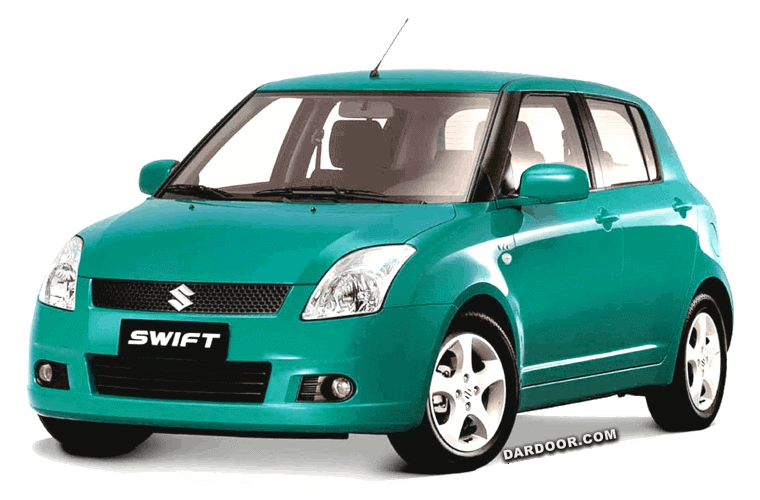
2000-2010 Suzuki Swift Repair Manual

$14.90

This is the original OEM workshop service and auto repair manual for the 2000-2010 Suzuki Swift with the wiring diagrams and in a simple PDF file format.

2000–2010 Suzuki Swift — OEM Workshop Service & Repair Manual (PDF)

Download the original OEM workshop service and auto repair manual for the 2000–2010 Suzuki Swift (first generation) . This factory manual covers ZA, ZC, and ZD chassis and is the same documentation used by Suzuki dealer technicians . Supplied in a simple, fully searchable PDF format, it includes complete wiring diagrams and step-by-step repair procedures.


File Format PDF
File Language English
You’ll Get  43.7 MB
Page Count 2,512
Delivery Method Instant Download

Vehicle Coverage

  • Model: Suzuki Swift
  • Years: 2000, 2001, 2002, 2003, 2004, 2005, 2006, 2007, 2008, 2009, 2010
  • Chassis Codes: ZA, ZC, ZD
  • Body Styles: Hatchback & Sedan (market dependent)

Key Features

Complete OEM Coverage

Factory-approved service, repair, and maintenance procedures for all vehicle systems.

Electrical Wiring Diagrams

Clear schematics, connector views, grounding points, and power distribution layouts.

Diagnostics & Troubleshooting

Official fault-finding flowcharts, test values, and diagnostic procedures.

User-Friendly PDF

Searchable, indexed, and printable for fast access on any device.


What’s Inside

  • Engine repair, overhaul, and specifications
  • Manual & automatic transmission servicing
  • Suspension, steering, and brake systems
  • Complete electrical system with wiring diagrams
  • Body, interior, HVAC, and SRS/airbag systems
  • Maintenance schedules, fluids, and torque specifications
  • Diagnostic trouble codes (DTCs) and repair steps

Download & Compatibility

Delivery: Instant digital PDF download
Compatibility: Windows • macOS • iOS • Android

This manual provides detailed instructions for maintenance, disassembly, reassembly, component inspection, adjustment, and diagnostics—intended for use by experienced mechanics. Proper application of this guide will help ensure thorough repairs and maintain your vehicle in peak condition.

Important Note: Before purchasing this manual, please check whether your vehicle is subject to any active service recalls , as authorized dealerships may perform necessary repairs free of charge. When replacing parts, always use genuine OEM components to ensure safety, reliability, and long-term performance.

Table of Contents: 2000-2010 Suzuki Swift Repair Manual

Table of Contents: 2000-2010 Suzuki Swift Repair Manual

SAMPLE PAGES


CAUTION : This OEM service and workshop repair manual provides detailed procedures for maintenance, disassembly, reassembly, inspection, adjustment, and diagnostics. It is intended as a comprehensive guide for experienced mechanics. To ensure thorough and accurate repairs that maintain your vehicle’s optimal performance, please read and follow this manual carefully. When replacing parts during any repair work, always use genuine Suzuki parts to ensure quality, safety, and reliability.

2000–2010 Suzuki Swift — Specs, Common Problems, Maintenance, Recalls/TSBs & DTC Codes

Overview 🚗 The 2000–2010 Suzuki Swift is a lightweight subcompact known for simple engineering, low running costs, and good fuel economy. Reliability is generally solid, but aging components, cooling issues, and electrical wear are common as mileage climbs.

Overview 🧭

The second-generation Swift (and global variants sold between 2000–2010) focused on affordability and efficiency. Engines are naturally aspirated petrol units with simple manual or automatic transmissions. Longevity depends heavily on cooling system upkeep and rust prevention in harsh climates.


Technical Specs & Performance ⚙️

Item Specification
Class Subcompact hatchback
Engines 1.0L, 1.3L, 1.5L petrol (market-dependent)
Transmission 5-speed manual, 4-speed automatic
Drivetrain FWD (AWD available in select markets)
Fuel Economy Approx. 30–40 mpg (combined, engine-dependent)

Top 10 Common Mechanical Issues 🛠️

  1. Cooling System Leaks
    • 👀 Symptoms: Coolant loss, overheating, sweet smell
    • 🔎 Root Cause: Aging radiator hoses, cracked plastic tanks
    • Fix: Pressure test; replace hoses/radiator as needed
    • 💰 Cost: $150–$600
  2. Head Gasket Failure (High Mileage)
    • 👀 Symptoms: Overheating, white exhaust smoke, oil contamination
    • 🔎 Root Cause: Repeated overheating events
    • Fix: Head gasket replacement; inspect head for warpage
    • 💰 Cost: $900–$2,000
  3. Timing Belt Wear (Where Equipped)
    • 👀 Symptoms: Engine noise, poor running, no-start if failed
    • 🔎 Root Cause: Exceeded service interval
    • Fix: Replace timing belt kit
    • 💰 Cost: $400–$900
  4. Manual Transmission Clutch Wear
    • 👀 Symptoms: Slipping clutch, hard shifts
    • 🔎 Root Cause: Normal wear, city driving
    • Fix: Replace clutch kit
    • 💰 Cost: $500–$1,200
  5. Suspension Bushing Deterioration
    • 👀 Symptoms: Clunking noises, uneven tire wear
    • 🔎 Root Cause: Rubber aging
    • Fix: Replace bushings or control arms
    • 💰 Cost: $200–$800
  6. Exhaust System Corrosion
    • 👀 Symptoms: Loud exhaust, rattling
    • 🔎 Root Cause: Rust in muffler or piping
    • Fix: Replace affected exhaust sections
    • 💰 Cost: $250–$700
  7. Oil Leaks (Valve Cover)
    • 👀 Symptoms: Oil smell, leaks on engine
    • 🔎 Root Cause: Hardened gaskets
    • Fix: Replace valve cover gasket
    • 💰 Cost: $120–$350
  8. Wheel Bearing Noise
    • 👀 Symptoms: Humming noise increasing with speed
    • 🔎 Root Cause: Bearing wear
    • Fix: Replace wheel bearing/hub
    • 💰 Cost: $200–$500 per wheel
  9. Brake Rotor Warping
    • 👀 Symptoms: Steering wheel vibration while braking
    • 🔎 Root Cause: Heat buildup, worn pads
    • Fix: Replace rotors and pads
    • 💰 Cost: $250–$600
  10. Rust on Underbody (Cold Climates)
    • 👀 Symptoms: Visible corrosion, weak mounting points
    • 🔎 Root Cause: Road salt exposure
    • Fix: Rust treatment; component replacement if severe
    • 💰 Cost: $200–$1,500+

Top 10 Common Electrical Issues ⚡

  1. Alternator Failure
    • 👀 Symptoms: Battery warning light, dim lights
    • 🔎 Root Cause: Bearing or regulator wear
    • Fix: Replace alternator
    • 💰 Cost: $300–$700
  2. Starter Motor Wear
    • 👀 Symptoms: Clicking/no-crank
    • 🔎 Root Cause: Internal solenoid wear
    • Fix: Replace starter
    • 💰 Cost: $250–$600
  3. Ignition Coil Failure
    • 👀 Symptoms: Misfire, rough idle
    • 🔎 Root Cause: Heat-induced coil breakdown
    • Fix: Replace faulty coil(s)
    • 💰 Cost: $100–$350
  4. Power Window Motor Failure
    • 👀 Symptoms: Window slow or stuck
    • 🔎 Root Cause: Motor/regulator wear
    • Fix: Replace window motor/regulator
    • 💰 Cost: $200–$500
  5. Central Locking Malfunctions
    • 👀 Symptoms: Doors not locking/unlocking
    • 🔎 Root Cause: Actuator wear or wiring faults
    • Fix: Replace actuator; repair wiring
    • 💰 Cost: $150–$450
  6. Instrument Cluster Failure
    • 👀 Symptoms: Gauges inoperative, flickering lights
    • 🔎 Root Cause: Solder joint fatigue
    • Fix: Repair or replace cluster
    • 💰 Cost: $200–$600
  7. ABS Warning Light
    • 👀 Symptoms: ABS light on
    • 🔎 Root Cause: Wheel speed sensor failure
    • Fix: Replace sensor; clear codes
    • 💰 Cost: $150–$400
  8. Battery Drain
    • 👀 Symptoms: Dead battery overnight
    • 🔎 Root Cause: Parasitic draw, aging battery
    • Fix: Test battery; diagnose draw
    • 💰 Cost: $120–$500
  9. Headlight Switch Failure
    • 👀 Symptoms: Lights not turning on/off
    • 🔎 Root Cause: Internal switch wear
    • Fix: Replace switch
    • 💰 Cost: $80–$250
  10. ECU Sensor Aging (MAF/O2)
    • 👀 Symptoms: Poor fuel economy, MIL
    • 🔎 Root Cause: Sensor degradation over time
    • Fix: Replace faulty sensor
    • 💰 Cost: $150–$600

Pros & Cons ✅❌

Pros Cons
Low purchase and running costs Limited power and refinement
Simple mechanical design Rust issues in harsh climates
Good fuel economy Fewer safety features vs modern cars

Maintenance Schedule 🗓️

Interval Service
Every 5,000–7,500 mi Oil & filter change
Every 30,000 mi Air filter, brake inspection
Every 60,000 mi Timing belt (if equipped), coolant service
Every 100,000 mi Spark plugs, suspension check

Top 5 Competitors 🥊


Recalls, Advisories & TSB Highlights 🚨

  1. Airbag inflator recall (Takata) – verify by VIN
  2. Fuel pump wiring inspection advisory
  3. Brake hose corrosion advisory
  4. Steering column bolt inspection
  5. Rear suspension rust advisory
  6. Seatbelt buckle inspection
  7. ECU software update (select markets)
  8. Exhaust heat shield recall
  9. Fuel filler neck corrosion advisory
  10. ABS sensor wiring inspection

DTC Trouble Codes 🧠

ECM (Engine Control Module)

Code Description
P0171 System too lean
P0300 Random misfire
P0420 Catalyst efficiency low
P0100 MAF circuit fault
P0115 Coolant temp sensor fault
P0130 O2 sensor circuit
P0400 EGR malfunction
P0440 EVAP system fault
P0500 Vehicle speed sensor
P0600 ECU communication fault

TCM (Transmission Control Module)

Code Description
P0700 Transmission control system fault
P0715 Input speed sensor
P0720 Output speed sensor
P0730 Incorrect gear ratio
P0740 Torque converter clutch fault
P0750 Shift solenoid A
P0760 Shift solenoid C
P0770 Shift solenoid E
P0780 Shift malfunction
P0894 Transmission slipping

ABS / ESC

Code Description
C0035 Front left wheel speed sensor
C0040 Front right wheel speed sensor
C0050 Rear wheel speed sensor
C0121 ABS pump motor circuit
C0131 Pressure sensor fault
C0200 ABS valve relay
C0245 Yaw sensor fault
C0265 ABS relay fault
C0300 Rear ABS circuit
C1210 ECM communication error

SRS Airbag System

Code Description
B1000 SRS module fault
B1010 Driver airbag circuit
B1020 Passenger airbag circuit
B1030 Side airbag fault
B1040 Seatbelt pretensioner
B1050 Crash sensor fault
B1060 Occupant sensor fault
B1070 Airbag warning lamp
B1080 SRS power supply
B1090 SRS communication fault

Body Control / CAN

Code Description
U0100 Lost communication with ECM
U0121 Lost communication with ABS
U0140 Lost communication with BCM
U0155 Instrument cluster communication
U0184 Radio communication fault
B1101 Headlight circuit fault
B1200 Door lock circuit
B1300 Battery voltage fault
B1400 Wiper motor circuit
B1500 Immobilizer fault

FAQ ❓

Is the 2000–2010 Suzuki Swift reliable?

Yes, when maintained properly. Cooling system care and rust prevention are the biggest factors for longevity.

What is the most expensive common repair?

Head gasket replacement following repeated overheating events.

Is the Swift good for daily commuting?

Absolutely—its small size and fuel efficiency make it ideal for city driving.

Does it have timing belt or chain?

Some engines use timing belts (service required), while others use chains—check your engine code.


Final Verdict 🏁

The 2000–2010 Suzuki Swift remains a dependable, low-cost car for drivers prioritizing simplicity and efficiency. With proactive maintenance—especially cooling, rust prevention, and suspension care—it can deliver many additional years of reliable service.