

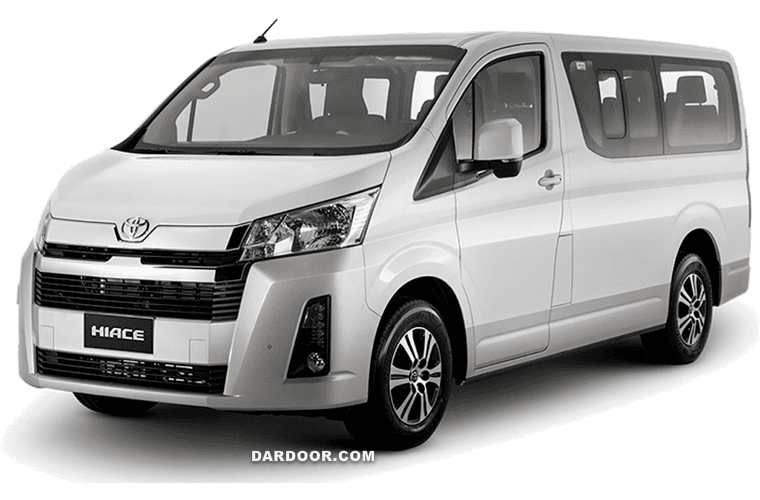
This is the original OEM manual for the 2019-2022 Toyota Hiace Wiring Diagrams, (LHD & RHD), (Van & Commuter) in a simple PDF file format.
2019-2022 Toyota Hiace Wiring Diagram
$19.90
This is the original factory OEM manual for the 2019-2022 Toyota Hiace Wiring Diagram, (LHD & RHD), (Van & Commuter) in a simple PDF format.
| File Format | |
| File Language | English |
| You’ll Get | 19.2 MB |
| Pages Count | 1,481 |
| Delivery Method | Instant Download |
| Searchable & Printable | YES |
Get the same comprehensive level of information that your Toyota local dealer technicians have in a simple PDF format. It’s simple, and straightforward with only the manufacturer’s authorized service and repair procedures which you can follow and do yourself.
This electrical wiring manual includes the procedures for maintenance, disassembling, reassembling, inspection, and adjustment of electrical components and diagnostics for guidance of experienced technicians. Please use this manual to ensure complete repair work to keep your vehicle in optimum condition.
Sample Pages: 2019-2022 Toyota Hiace Wiring Diagram
CAUTION: Please note that this electrical wiring manual is made for the use of persons who have special techniques and certifications. If non-specialized or uncertified technicians perform repairs or services only using this manual or without proper equipment or tools, this may cause severe injury to you or other persons nearby and also cause damage to your vehicle. Please follow the instructions to prevent dangerous operations and damage to your vehicle.
2019–2022 Toyota Hiace: Comprehensive Guide
Overview
The 2019–2022 Toyota Hiace represents the fifth generation of this legendary commercial van, known worldwide as one of the most reliable and versatile light commercial vehicles ever built. This generation introduced significant technological upgrades, improved efficiency, and enhanced driver comfort while maintaining the Hiace’s reputation for durability and practicality.
Key Positioning
- 2.8L turbodiesel engine (2.0L petrol optional in some markets)
- Manual or automatic transmission options
- Rear-wheel drive (RWD) or 4-wheel drive (4WD) availability
- Seating capacity: 3–14 passengers (depending on configuration)
- Payload capacity: Up to 1,500 kg (3,300 lbs)
- Price range: $25,000–$55,000 USD equivalent (varies by market)
- Target market: Businesses, fleet operators, commercial users, adventure travelers
Technical Specifications
| Specification | 2.8L Turbodiesel | 2.0L Petrol |
|---|---|---|
| Engine Type | 4-cylinder turbodiesel | 4-cylinder naturally aspirated |
| Displacement | 2,755 cc | 1,998 cc |
| Horsepower | 177 hp @ 3,400 RPM | 161 hp @ 5,200 RPM |
| Torque | 343 lb-ft @ 1,400-3,000 RPM | 159 lb-ft @ 4,100 RPM |
| Transmission | 6-speed manual / 6-speed auto | 5-speed manual / 6-speed auto |
| Drivetrain | RWD or 4WD | RWD or 4WD |
| 0–60 mph | 9.2–10.1 seconds (diesel) | 11.5–12.3 seconds (petrol) |
| Top Speed | 115–125 mph | 110–120 mph |
| Fuel Capacity | 80 liters (21.1 gallons) | 75 liters (19.8 gallons) |
| Fuel Economy | 23–28 mpg combined (diesel) | 18–22 mpg combined (petrol) |
| Curb Weight | 1,800–2,100 lbs (crew cab) | 1,750–2,050 lbs |
| GVWR | 2,510–3,500 lbs (depending on config) | 2,450–3,400 lbs |
| Payload Capacity | Up to 1,500 kg (3,300 lbs) | Up to 1,450 kg (3,197 lbs) |
| Cargo Volume | 140–280 cubic feet (depending on config) | 135–275 cubic feet |
| Overall Length | 191–227 inches (varies by body) | 191–227 inches |
| Overall Width | 75.4 inches (including mirrors: 84.6″) | 75.4 inches |
| Overall Height | 80.3–88.2 inches (varies by roof) | 80.3–88.2 inches |
| Wheelbase | 110.2–135.8 inches | 110.2–135.8 inches |
| Ground Clearance | 8.5–9.1 inches | 8.5–9.1 inches |
| Suspension (Front) | Independent double-wishbone | Independent double-wishbone |
| Suspension (Rear) | Leaf spring (manual) / Coil spring (auto) | Leaf spring (manual) / Coil spring (auto) |
| Brakes (Front/Rear) | Ventilated disc / Disc | Ventilated disc / Disc |
| Turning Radius | 16.4–18.0 feet | 16.4–18.0 feet |
| Tires | 215/70R16, 225/70R16, 235/60R16 (options) | 215/70R16, 225/70R16 |
10 Top Mechanical and Electrical Issues
1. Diesel Particulate Filter (DPF) Clogging & Regeneration Failure
Symptoms:
- Check engine light (DPF full warning)
- Reduced engine power; limp mode activation
- Black smoke from exhaust
- Increased fuel consumption
- Engine rattle or knocking during regeneration
- Difficulty starting after prolonged idling
Root Cause: Short-distance driving without sufficient exhaust temperature prevents passive regeneration. Poor fuel quality, excessive idling, or blocked air filter accelerates soot accumulation. Faulty DPF pressure sensor sends incorrect readings.
Fix:
- Perform active regeneration cycle (dealer diagnostic tool or extended highway driving at 60+ mph for 20+ minutes)
- Replace DPF element if excessively clogged (typically every 200,000+ km)
- Clean or replace air filter
- Replace fuel filter with OEM grade
- Inspect and replace DPF pressure sensor if faulty
- Use quality diesel fuel (avoid low-sulfur blends that increase DPF loading)
- Reprogram ECU if regeneration system malfunctions
Cost:
- Active regeneration: $100–$300
- DPF element replacement: $800–$1,500
- DPF pressure sensor: $200–$400
- Air/fuel filter replacement: $150–$300
2. Automatic Transmission Shuddering & Harsh Shifts
Symptoms:
- Transmission shudder during acceleration or gear changes
- Harsh or delayed shifting (especially 1st to 2nd gear)
- Transmission warning light or fault codes
- Reduced power delivery during acceleration
- Burnt transmission fluid smell
- Difficulty shifting into gear from a stop
Root Cause: Worn transmission fluid reduces friction and cooling capacity. Torque converter lockup solenoid malfunction causes improper fluid engagement. Transmission control module (TCM) programming errors or sensor failures affect shift logic. Heavy payload or towing stresses automatic transmission.
Fix:
- Perform transmission fluid and filter change with OEM Toyota ATF specification
- Install transmission cooler or upgrade radiator cooling capacity
- Scan diagnostic codes; reprogram TCM if software update available
- Replace torque converter lockup solenoid if faulty
- Inspect transmission pan for metal shavings (sign of internal wear)
- In severe cases, rebuild or replace transmission assembly
- Reduce payload weight or towing capacity if overloaded
Cost:
- Fluid and filter change: $250–$500
- Transmission cooler installation: $600–$1,200
- Torque converter solenoid: $400–$700
- TCM reprogramming: $300–$600
- Transmission rebuild: $2,500–$4,500
3. EGR (Exhaust Gas Recirculation) Valve Blockage
Symptoms:
- Check engine light (P0401, P0402 codes)
- Rough idle, especially when cold
- Loss of power during acceleration
- Increased fuel consumption
- Black exhaust smoke
- Engine pinging or knocking under load
- Stalling during deceleration
Root Cause: Carbon buildup clogs the EGR valve from exhaust gas recirculation. Diesel engines prone to excessive carbon accumulation due to high fuel injection pressure and combustion temperatures. Faulty EGR cooler allows internal carbon deposits.
Fix:
- Clean or replace EGR valve with OEM component
- Clean EGR cooler passages (may require removal and flushing)
- Perform engine carbon cleaning procedure
- Replace EGR gasket to prevent exhaust leaks
- Update ECU firmware if carbon-related software calibration available
- Use quality diesel fuel and premium engine oil to reduce carbon formation
- Inspect intake valves for carbon deposits; perform walnut blasting if severe
Cost:
- EGR valve replacement: $300–$600
- EGR cooler cleaning/replacement: $400–$800
- Carbon cleaning service: $200–$500
- Intake valve cleaning (walnut blasting): $600–$1,200
4. Turbocharger Boost Leak & Seal Degradation
Symptoms:
- Loss of power during acceleration
- Check engine light (P0101, P0231 codes)
- Whistling or hissing sound from engine bay
- Black or white smoke from exhaust
- Reduced fuel economy
- Engine hesitation under load
- Turbo lag or slow spool-up
Root Cause: Silicone intercooler hoses degrade from heat cycling and turbo boost stress. Turbo seal wear from extended high-boost operation or inadequate oil circulation. Loose hose clamps from vibration. Cracks in aluminum intercooler piping from thermal cycling.
Fix:
- Perform smoke test to identify exact leak location
- Replace deteriorated silicone hoses with OEM or quality aftermarket alternatives
- Tighten all intercooler hose clamps; apply thread-locking compound
- Inspect and replace intercooler if cracked
- Check turbocharger bearing clearance; replace if excessive play detected
- Verify oil feed line to turbo is clear; flush if blocked
- Upgrade intercooler piping to aluminum with reinforced connections
Cost:
- Intercooler hose replacement: $200–$400
- Intercooler replacement: $600–$1,200
- Turbocharger seal inspection/replacement: $500–$1,000
- Oil line flushing: $150–$300
5. Common Rail Fuel Injection System Faults
Symptoms:
- Check engine light (P0087, P0088 codes)
- Difficulty starting, especially in cold weather
- Rough idle or engine knock
- Loss of power; reduced acceleration
- Fuel leaking from injectors
- White smoke from exhaust (cold start)
- Fuel smell inside cabin
Root Cause: Fuel injector carbon buildup restricts spray pattern. High fuel pressure pump (HPP) wear reduces system pressure. Faulty fuel pressure sensor sends incorrect readings. Contaminated fuel or poor fuel quality damages injector seals. Corroded electrical connectors on injector coils.
Fix:
- Perform fuel injector cleaning service or replace injectors with OEM components
- Test fuel pressure; replace HP fuel pump if pressure below 300 bar at idle
- Replace fuel filter; use only premium diesel fuel
- Inspect fuel injector electrical connectors; clean and apply dielectric grease
- Reprogram ECU if pressure sensor fault detected
- Flush fuel system with diesel cleaner to remove sediment
- Consider fuel additives (Techron Diesel Concentrate) for regular maintenance
Cost:
- Fuel injector cleaning: $200–$400
- Fuel injector replacement: $150–$300 per injector (typically 4)
- HP fuel pump replacement: $1,500–$2,500
- Fuel system flush: $200–$400
- Fuel filter replacement: $100–$200
6. Air Conditioning Compressor Clutch Failure
Symptoms:
- Air conditioning not blowing cold
- Compressor does not engage (no clutch click sound)
- AC warning light or fault code
- Refrigerant leaking from compressor
- Grinding or squealing noise from compressor
- AC cycling on/off repeatedly
- Refrigerant smell from cabin vents
Root Cause: Compressor clutch bearing wear from thermal cycling. Refrigerant contamination from moisture or oil breakdown. Low refrigerant charge prevents clutch engagement. Electrical issues with AC pressure switch or compressor control relay. Serpentine belt misalignment or wear causes pulley damage.
Fix:
- Recharge AC system with R134a or R1234yf (verify correct refrigerant type)
- Replace compressor clutch assembly if bearing is damaged
- Inspect serpentine belt; replace if cracked or frayed
- Verify AC pressure switch and compressor relay function; replace if faulty
- Flush AC system with cleaning solvent if contaminated
- Replace compressor if internal damage detected
- Apply UV dye to identify refrigerant leaks; repair as needed
Cost:
- AC recharge: $100–$200
- Compressor clutch replacement: $300–$600
- AC compressor replacement: $800–$1,500
- Serpentine belt replacement: $150–$300
- Refrigerant leak repair: $200–$500
7. Power Steering System Pressure Loss & Hose Leaks
Symptoms:
- Heavy steering wheel; increased steering effort
- Power steering warning light or fault message
- Steering fluid leaking from hoses or connections
- Whining noise from power steering pump
- Intermittent loss of power steering
- Burning smell from steering system
- Steering wheel vibration
Root Cause: Deteriorated power steering hose from age and UV exposure. Power steering pump wear reduces hydraulic pressure. Loose hose clamps vibrate free from road vibration. Faulty steering angle sensor sends incorrect pressure demand signals. Low steering fluid level due to leak accumulation.
Fix:
- Top up power steering fluid with OEM Toyota PSF specification
- Inspect all power steering hoses; replace any showing cracks or leaks
- Tighten hose clamp connections; apply thread-locking compound
- Flush power steering system with Techron or equivalent cleaner
- Replace power steering pump if pressure drops below 150 psi at idle
- Inspect and replace steering angle sensor if faulty
- Bleed air from steering system after any repairs
Cost:
- Power steering fluid top-up/flush: $150–$300
- Power steering hose replacement: $200–$500
- Power steering pump replacement: $600–$1,200
- Steering angle sensor: $300–$600
- Air bleeding and pressure test: $100–$200
8. Battery Drain & Charging System Voltage Fluctuation
Symptoms:
- Difficulty starting; weak cranking motor
- Battery dies during extended parking
- Alternator warning light illuminated
- Dashboard lights dimming while driving
- Electrical components shutting off unexpectedly
- Dead battery after 1–2 weeks of inactivity
- Voltage meter reading below 13.2V at idle
Root Cause: Undersized OEM battery for vehicle load, especially with aftermarket accessories. Alternator output insufficient or failing (typically charging below 13.5V). Parasitic electrical drain from faulty modules or aftermarket electronics. Loose alternator or battery ground connections cause voltage drop.
Fix:
- Test alternator output; replace if below 13.5V at idle (target: 13.5–14.5V)
- Replace OEM battery with higher CCA rating (600+ CCA recommended for diesel)
- Inspect and clean battery terminal connections; apply dielectric grease
- Measure parasitic drain; identify faulty module using digital multimeter
- Remove or repair aftermarket electronics causing drain
- Check alternator belt tension; replace if slipping (should deflect 1/2″ at midpoint)
- Perform load test on electrical system under driving conditions
Cost:
- Battery replacement: $100–$200
- Alternator replacement: $500–$900
- Battery terminal cleaning/repair: $50–$150
- Alternator belt replacement: $100–$200
- Electrical system diagnostic: $100–$300
9. Glow Plug System Malfunction (Diesel Models)
Symptoms:
- Difficulty starting in cold weather (below 50°F)
- Engine cranks but won’t fire
- Excessive white smoke during cold start
- Glow plug warning light remains illuminated
- Rough idle after cold start
- Delayed engine start even after glow plug cycle
- Engine black knock during start-up
Root Cause: Glow plugs degrade over time; most vehicles need replacement every 100,000–150,000 km. Faulty glow plug relay prevents power delivery to glow plugs. Corroded electrical connectors on glow plug harness. Low battery voltage insufficient to heat glow plugs adequately.
Fix:
- Replace glow plugs with OEM Toyota components (typically 4 plugs on 2.8L diesel)
- Inspect and clean glow plug electrical connectors; apply dielectric grease
- Test glow plug relay; replace if faulty
- Perform continuity test on glow plug harness for breaks
- Verify battery voltage is adequate (minimum 12.5V for cold start)
- Reprogram ECU if glow plug timing is misaligned
- Use glow plug timer extension in severe cold weather conditions
Cost:
- Glow plug set replacement: $200–$400
- Glow plug relay: $100–$200
- Electrical connector repair/replacement: $100–$300
- ECU reprogramming: $200–$400
10. Air Intake System Blockage & Mass Air Flow (MAF) Sensor Failure
Symptoms:
- Check engine light (P0101, P0102 codes)
- Reduced engine power; acceleration hesitation
- Rough idle; stalling at traffic lights
- Increased fuel consumption
- Black smoke from exhaust
- Air filter very dirty or damaged
- Engine surging during steady-state cruise
Root Cause: Clogged air filter restricts airflow, causing lean mixture. MAF sensor contamination from dirty air filter or oil carryover from crankcase ventilation. Vacuum leak in intake system. Faulty MAF sensor wire breaks from thermal cycling and vibration.
Fix:
- Replace air filter with OEM or premium aftermarket element
- Clean or replace MAF sensor with OEM component (do not touch sensor wire)
- Inspect intake ducting for cracks or loose connections
- Perform vacuum leak test using smoke machine
- Repair any vacuum leaks with new hose clamps or silicone tubing
- Verify crankcase ventilation system is clear; clean PCV valve if blocked
- Reprogram ECU if air/fuel ratio is still incorrect after sensor replacement
Cost:
- Air filter replacement: $50–$100
- MAF sensor replacement: $150–$350
- Intake duct repair/replacement: $100–$250
- PCV valve cleaning/replacement: $100–$200
- Vacuum leak repair: $100–$400
- ECU relearning/reprogramming: $150–$300
Top 5 Competitors
| Competitor | Key Strengths | Key Weaknesses | Price Range |
|---|---|---|---|
| 2019–2022 Ford Transit Custom | Powerful engine options (up to 210 hp), excellent load capacity, advanced infotainment | Interior cabin noise, lower reliability reputation vs. Hiace, higher maintenance costs | $30,000–$50,000 |
| 2019–2022 Mercedes-Benz Sprinter | Premium build quality, superior comfort, advanced technology, best-in-class payload | Significantly higher purchase price, expensive parts, requires specialist servicing | $40,000–$65,000 |
| 2019–2022 Volkswagen Transporter | Modern design, good fuel economy, comfortable cabin, excellent driving dynamics | Smaller payload than Hiace, more expensive, limited availability in some markets | $32,000–$55,000 |
| 2019–2022 Renault Master | Good value-for-money, roomy interior, economical diesel engine, easy to service | Lower reliability ratings than Hiace, weaker resale value, less powerful engine | $25,000–$42,000 |
| 2019–2022 Iveco Daily | Spacious cargo area, strong engines, good maneuverability, affordable | Limited dealer network in some regions, lower brand recognition than Hiace, higher repair costs | $28,000–$48,000 |
Note: The Hiace leads in reliability, durability, payload capacity, and resale value. Competitors offer more creature comforts and modern technology but at higher ongoing costs.
Top 10 Recalls, Advisories & TSB Highlights
1. Front Seatbelt Anchor Weld Failure (NHTSA ID: 20V620)
- Years Affected: 2019–2022
- Issue: Weld on driver-side front seatbelt anchor may crack under load
- Risk: Seatbelt failure in collision scenario; occupant injury risk
- Fix: Inspection of weld; repair or replacement of anchor assembly
- Status: Recall issued; free dealer service (ongoing through 2023)
2. Fuel Tank Strap Corrosion (Technical Service Bulletin TM-21-0045)
- Years Affected: 2019–2021
- Issue: Steel fuel tank straps corrode prematurely, especially in salt-spray regions
- Risk: Potential fuel tank sag or separation
- Fix: Inspection and replacement of fuel tank straps with improved corrosion-resistant material
- Status: TSB issued; covered under extended warranty for affected regions
3. Panoramic Sunroof Glass Separation (Field Service Action)
- Years Affected: 2019–2020 (certain configurations)
- Issue: Panoramic sunroof glass panel may separate from frame
- Risk: Glass panel fall during vehicle operation; safety hazard
- Fix: Reinforce glass-to-frame bonding; replace panel if damaged
- Status: Field service action issued; free dealer inspection and repair
4. Diesel Engine Particulate Filter Regeneration Logic Error (TSB-EG-21-042)
- Years Affected: 2019–2022 (diesel models)
- Issue: DPF regeneration strategy updated; previous calibration allows excessive soot accumulation
- Risk: DPF clogging; limp mode; reduced power output
- Fix: ECU reprogramming with corrected regeneration algorithm
- Status: TSB issued; free dealer update (no parts replacement needed)
5. Automatic Transmission Torque Converter Lockup Solenoid Malfunction (TSB-TR-20-089)
- Years Affected: 2019–2022 (automatic transmission models)
- Issue: Lockup solenoid valve sticks, causing delayed or harsh shift engagement
- Risk: Transmission shudder; harsh shifts; increased transmission temperature
- Fix: Solenoid valve cleaning or replacement; transmission fluid change recommended
- Status: TSB issued; covered under powertrain warranty for factory defects
6. Power Steering Hose Burst/Leak (Customer Advisory CA-21-003)
- Years Affected: 2019–2021
- Issue: High-pressure power steering hose develops cracks from thermal cycling
- Risk: Power steering fluid leak; loss of power steering assist
- Fix: Inspection and replacement of damaged hose sections with improved hose materials
- Status: Advisory issued; covered under warranty if defect is confirmed
7. Air Conditioning Refrigerant Leak at Compressor Seal (TSB-AC-20-051)
- Years Affected: 2019–2021
- Issue: AC compressor seal deteriorates prematurely, causing slow refrigerant leak
- Risk: Reduced AC cooling; potential compressor damage
- Fix: Compressor seal inspection; replacement if leaking; system recharge with PAG oil
- Status: TSB issued; covered under cooling system warranty
8. Engine Glow Plug Harness Connector Corrosion (Technical Advisory)
- Years Affected: 2019–2022 (diesel models)
- Issue: Glow plug electrical connectors corrode from moisture intrusion
- Risk: Glow plug system malfunction; difficult cold starts
- Fix: Connector inspection and cleaning; application of dielectric grease; harness replacement if damaged
- Status: Advisory issued; recommend preventive maintenance every 24 months
9. Instrument Cluster Display Intermittent Blackout (Field Advisory FA-21-087)
- Years Affected: 2019–2020
- Issue: Instrument cluster LCD may flicker or blackout intermittently
- Risk: Loss of speedometer, fuel gauge, and warning light visibility
- Fix: Firmware update to instrument cluster; replacement if update ineffective
- Status: Advisory issued; not covered under warranty; replacement cost $800–$1,200
10. Rear Door Latch Malfunction & Door Swing-Open Risk (Recall Investigation)
- Years Affected: 2019–2022 (certain van configurations)
- Issue: Rear cargo door latch may not fully engage, allowing door to swing open during driving
- Risk: Load spillage; potential safety hazard to following vehicles
- Fix: Door latch adjustment or replacement with improved mechanism
- Status: Investigation ongoing; potential recall may be issued (monitor NHTSA website)
Maintenance Schedule
Engine Maintenance (Diesel 2.8L)
| Service | Interval | Cost |
|---|---|---|
| Oil & filter change (synthetic diesel grade) | 5,000 miles / 8,000 km | $80–$150 |
| Air filter replacement | 15,000 miles / 24,000 km | $60–$120 |
| Cabin air filter replacement | 15,000 miles / 24,000 km | $50–$100 |
| Fuel filter replacement | 30,000 miles / 48,000 km | $100–$200 |
| Engine coolant flush | 30,000 miles / 48,000 km | $150–$300 |
| Transmission fluid change (auto only) | 40,000 miles / 64,000 km | $250–$400 |
| Diesel particulate filter inspection | 60,000 miles / 96,000 km | $150–$300 |
| Turbocharger boost system inspection | 60,000 miles / 96,000 km | $200–$400 |
| Glow plug inspection (cold climate) | 80,000 miles / 128,000 km | $100–$200 |
| Differential fluid change | 50,000 miles / 80,000 km | $150–$250 |
| Transfer case fluid (4WD only) | 50,000 miles / 80,000 km | $100–$150 |
Brake & Suspension Maintenance
| Service | Interval | Cost |
|---|---|---|
| Brake fluid flush (every 24 months) | 24 months | $120–$250 |
| Brake pad inspection | 10,000 miles / 16,000 km | Included in service |
| Brake pad replacement | 30,000–50,000 miles | $400–$800 (all corners) |
| Brake rotor inspection/resurfacing | 60,000 miles / 96,000 km | $300–$600 |
| Suspension inspection | 20,000 miles / 32,000 km | $100–$200 |
| Tire rotation | 5,000 miles / 8,000 km | $50–$100 |
| Tire replacement | 30,000–50,000 miles | $600–$1,200 (set of 4) |
| Wheel alignment | 20,000 miles or as needed | $100–$200 |
| Leaf spring inspection (RWD) | 40,000 miles / 64,000 km | $150–$300 |
| Shock absorber/damper replacement | 60,000 miles / 96,000 km | $400–$800 |
Electrical & HVAC Maintenance
| Service | Interval | Cost |
|---|---|---|
| Battery inspection | Every 12 months | Included in service |
| Battery replacement | 36,000–60,000 miles or 3–5 years | $100–$200 |
| Alternator output test | 60,000 miles / 96,000 km | $100–$150 |
| Air conditioning recharge | Every 24 months | $100–$200 |
| AC system leak test | Annually | $75–$150 |
| Cooling fan operation check | 30,000 miles / 48,000 km | Included in service |
| Lighting system inspection | 20,000 miles / 32,000 km | $50–$100 |
| Wiper blade replacement | As needed (typically 12 months) | $40–$100 |
Body & Undercarriage
| Service | Interval | Cost |
|---|---|---|
| Undercarriage inspection | Every 12 months | $100–$200 |
| Corrosion protection (salt climate) | Every 12 months | $150–$300 |
| Door hinge lubrication | Annually | $50–$100 |
| Sliding door track cleaning/lubrication | Every 12 months | $75–$150 |
| Fuel tank strap inspection | 30,000 miles / 48,000 km | $50–$100 |
| Paint protection and wax | Every 6 months | $150–$300 |
Annual/Seasonal Checks
- Windshield wipers and washer fluid
- All light functionality (headlights, brake lights, turn signals)
- Fluid levels (oil, coolant, brake fluid, power steering)
- Tire condition and pressure (including spare)
- Brake pad wear and rotor condition
- Suspension components for wear and damage
- Exhaust system for leaks or damage
- Underside inspection for corrosion or rust
10 FAQs for Buyers
1. What’s the difference between the Hiace Standard Roof, High Roof, and Super High Roof?
The Hiace comes in multiple roof height configurations:
- Standard Roof: Most economical; fits standard garage spaces; lowest center of gravity; 80.3″ height
- High Roof: Most popular; excellent headroom for passengers; improved aerodynamics vs. Super High; 85.4″ height
- Super High Roof: Maximum interior height (88.2″); ideal for standing room; slightly reduced fuel economy; highest wind noise
Recommendation: Choose based on your primary use. For passenger vans, High Roof balances practicality and efficiency. For cargo or adventure builds, Super High Roof maximizes space.
2. Should I buy a diesel or petrol Hiace?
Diesel (2.8L recommended):
- Better fuel economy (23–28 mpg)
- Superior towing capacity (3,500 lbs vs. 2,500 lbs for petrol)
- Stronger low-end torque (ideal for loaded vans)
- Higher purchase price ($2,000–$4,000 premium)
- More expensive maintenance (fuel filters, DPF service)
- Noisier engine; turbo lag at low RPM
- Best for: Commercial use, frequent towing, high-mileage applications
Petrol (2.0L):
- Lower purchase price
- Quieter engine operation
- Less complex emissions system
- Worse fuel economy (18–22 mpg)
- Lower payload and towing capacity
- Weaker acceleration when loaded
- Best for: Light commercial, occasional business use, low mileage
Recommendation: Diesel is superior for Hiace due to the van’s nature (heavy loads). Petrol only makes sense if you drive infrequently and budget is critical.
3. What’s the real-world fuel economy?
Realistic figures (based on actual user feedback):
Diesel 2.8L:
- Mixed driving (loaded van): 18–22 mpg
- Highway cruising (light load): 24–28 mpg
- City/stop-and-go: 14–18 mpg
- Heavy payload: 12–16 mpg
Petrol 2.0L:
- Mixed driving: 16–19 mpg
- Highway cruising: 20–24 mpg
- City driving: 12–16 mpg
Recommendation: Budget for 19–22 mpg diesel as a realistic average. Highway driving and lighter loads improve economy; heavy payload and idling reduce it significantly.
4. Is the Hiace reliable? What’s the maintenance burden?
Reliability: Toyota Hiace has an excellent reputation for reliability and durability. Properly maintained examples regularly exceed 200,000 miles with only routine maintenance.
Maintenance burden:
- Routine (minor): Oil changes, filters, fluids—$150–$400 per service
- Moderate (periodic): Brakes, suspension, hoses—$300–$800
- Major (rare): Engine overhaul, transmission rebuild—$2,000–$5,000+
Ownership costs (annual estimate for 15,000 miles):
- Fuel: $2,000–$2,500
- Maintenance/service: $1,000–$1,500
- Insurance: $800–$1,200
- Registration/taxes: $300–$600
- Total annual: $4,100–$5,800
Recommendation: Hiace is one of the most cost-effective vans to own. Regular maintenance (every 5,000 miles) keeps it reliable for 300,000+ miles.
5. Manual or automatic transmission?
Manual Transmission (6-speed):
- Lower purchase price ($1,500–$2,500 cheaper)
- Better fuel economy (1–2 mpg advantage)
- More durable; fewer electronic components
- Requires driver skill in traffic-heavy environments
- Better towing feel; engine braking on downhills
- Best for: Fleet operators, experienced drivers, cost-conscious buyers
Automatic Transmission (6-speed):
- Superior comfort in congested traffic
- Faster acceleration (marginally)
- Modern convenience features
- More expensive repairs if transmission fails
- Slightly worse fuel economy
- Better for inexperienced drivers
- Best for: Passenger transport, urban delivery, comfort-focused owners
Recommendation: If driving in cities or congested traffic, automatic is worth the premium. For highway-focused use or fleet operations, manual saves money and offers reliability advantages.
6. RWD or 4WD? Which is better?
RWD (Rear-Wheel Drive):
- Lower purchase price ($2,000–$3,000 cheaper)
- Better fuel economy (1–2 mpg advantage)
- More interior space (no transfer case tunnel)
- Lighter vehicle weight
- Adequate for paved roads and normal conditions
- Less maintenance (no transfer case fluid changes)
- Best for: Urban delivery, business use, paved surfaces only
4WD (Four-Wheel Drive):
- True off-road capability
- Better traction in snow, mud, gravel
- Higher resale value
- Increased maintenance costs (transfer case, differentials)
- Slightly worse fuel economy
- More complex mechanical systems
- Best for: Adventure travelers, remote locations, construction sites, mountain regions
Recommendation: RWD sufficient for 90% of users. 4WD only justified if you regularly venture off pavement or live in harsh climates.
7. What’s a realistic maintenance timeline for a 2019–2022 Hiace?
Year 1–2 (0–30,000 km / 0–18,600 miles):
- Regular oil changes (5,000 km intervals)
- Check all fluid levels
- Inspect brakes, tires, suspension
- Cost: $400–$600/year
Year 3–4 (30,000–80,000 km / 18,600–49,700 miles):
- Fuel filter replacement (30,000 km)
- Transmission fluid change (40,000 km)
- Brake inspection; possible pad replacement
- Air/cabin filter replacement
- Cost: $800–$1,200/year
Year 5–6 (80,000–150,000 km / 49,700–93,200 miles):
- Differential fluid change
- Suspension component inspection
- Cooling system flush
- Potential spark plug replacement (if petrol)
- Possible brake rotor resurfacing
- Cost: $1,200–$1,800/year
Year 7+ (150,000+ km / 93,200+ miles):
- Monitor turbocharger condition (diesel)
- Watch for transmission slipping
- Brake system comprehensive inspection
- Possible glow plug replacement (diesel)
- Suspension bushings may need replacement
- Cost: $1,500–$2,500/year
8. Should I buy a used 2019–2022 Hiace? What should I check?
Buying used Hiace—key inspection points:
✅ Check these items:
- Complete service history (every 5,000 km documented)
- DPF condition (diesel models): Ask for DPF cleaning receipts
- Transmission fluid color (should be deep red, not brown/black)
- Turbo boost response (accelerate; listen for lag or sputtering)
- Suspension play (push down on bumpers; check rebound smoothness)
- Brake pedal feel (should be firm, not spongy)
- Air conditioning performance
- All warning lights functionality
- Window and sliding door mechanisms
- Undercarriage for rust or corrosion
⚠️ Red flags:
- Missing service records
- Very high mileage without maintenance documentation
- Transmission hesitation or shudder
- Black smoke from exhaust
- Rust on fuel tank straps or undercarriage
- Worn suspension bushings (clunking sounds)
- AC not functional
- Instrument cluster issues (dimming/flickering)
Recommendation: Always get a pre-purchase inspection from a trusted Toyota dealer ($200–$400). It’s worth the investment to avoid costly repairs.
9. What’s the resale value trajectory for a Hiace?
Depreciation curve (USD equivalents):
- Year 1: 85% of purchase price (15% depreciation)
- Year 2: 75% of original price
- Year 3: 65% of original price
- Year 4: 55% of original price
- Year 5: 48% of original price
Example: $35,000 Hiace purchase
- Year 1: $29,750
- Year 3: $22,750
- Year 5: $16,800
Resale advantages:
- Diesel models hold value better than petrol
- Low-mileage examples command premium
- Commercial fleet vehicles depreciate faster than private vans
- Well-maintained examples appreciate slightly vs. neglected ones
Recommendation: Hiace has one of the best resale values among commercial vans. Used market is strong; expect good recovery of purchase price even after 5+ years.
10. Is the Hiace suitable as a camper/adventure van?
Yes—Hiace is excellent for camper conversion:
Advantages:
- Abundant aftermarket conversion kits available
- Reliable platform with 300,000+ mile potential
- Good payload capacity for living amenities
- Comfortable ride and handling vs. larger RVs
- Excellent fuel economy for a camper
- Parts availability worldwide (common van)
- High resale value even after conversion
Popular conversions:
- Off-grid solar + battery system: $5,000–$15,000
- Bathroom/toilet systems: $2,000–$5,000
- Kitchenette setup: $3,000–$8,000
- Sleeping platform + insulation: $2,000–$6,000
- Total conversion cost: $12,000–$34,000
Recommendation: Hiace is arguably the best basis for camper conversion. Reliable, practical, and proven platform. Budget an additional 50% of vehicle purchase price for quality conversion work.
Final Buyer Recommendations
Who Should Buy the 2019–2022 Hiace?
✅ Ideal Buyers:
- Commercial fleet operators seeking reliable, cost-effective transport
- Delivery and logistics companies
- Small business owners (plumbers, contractors, etc.)
- Adventure/camper van enthusiasts
- Large families needing passenger capacity
- Airport/shuttle operators
- Tradespersons requiring generous cargo space
- Buyers prioritizing reliability over luxury
❌ Poor Fit:
- Luxury-minded buyers (interior is functional, not premium)
- Those requiring maximum comfort (firm suspension, utilitarian cabin)
- Buyers with limited maintenance access (specialist servicing required for diesel)
- Short-distance city drivers (fuel economy advantage not realized)
- Those with tight garage spaces (overall height can exceed standard parking)
Recommended Model Year & Configuration
Best Overall Choice: 2021–2022 Hiace 16-Seater Passenger Van (Diesel 2.8L, High Roof, Automatic)
Why:
- Latest generation with refined DPF and emissions systems
- Automatic transmission eliminates driver fatigue on long routes
- Diesel provides optimal fuel economy and payload capacity
- High Roof balances interior space with fuel efficiency
- 16-seater configuration perfect for shuttle/passenger work
- Extended warranty more likely still available
- Widest selection of well-maintained examples available
Pre-Purchase Inspection Checklist
- Compression test on all cylinders (verify turbo and engine health)
- Boost pressure hold test (verify no turbo leaks; should hold pressure for 30 seconds)
- DPF regeneration cycle on diagnostic scanner (verify sensor functionality)
- Transmission fluid color check (deep red is ideal; brown/black indicates wear)
- Power steering pressure test (verify pump output pressure)
- AC system pressure and temperature check
- Brake system inspection (pad thickness, rotor condition, bleeding)
- Suspension compression test (push each corner; check for clunking)
- Electrical system load test (battery voltage under starting load should be 10.5V minimum)
- Fuel injector spray pattern test (diesel models; should be fine mist, not stream)
- Full diagnostic scan (retrieve all historical fault codes)
- Service history verification (contact Toyota dealer with VIN)
- Undercarriage inspection (rust on fuel tank straps, frame, axles)
- Glow plug functionality test (diesel; listen for glow indicator cycle)
Cost of Ownership Projection (Annual Estimate)
| Category | Annual Cost |
|---|---|
| Fuel (15,000 miles @ 22 mpg diesel) | $2,300–$3,000 |
| Insurance (commercial fleet rate) | $800–$1,500 |
| Maintenance & routine service | $1,000–$1,500 |
| Unexpected repairs/reserves | $500–$1,000 |
| Registration, license, taxes | $300–$800 |
| Total Annual Cost | $4,900–$7,800 |
Note: Commercial fleet operators with multiple vehicles benefit from bulk maintenance contracts, reducing per-vehicle costs by 15–25%.
Financing & Ownership Tips
Purchase options:
- New: Best warranty coverage; highest cost; better spec options
- Used (2019–2020): Good balance; lower price; less warranty
- Fleet auction: Lowest purchase price; often limited history; higher mileage
- Dealer trade-in: Certified examples; peace of mind; premium price
Ownership recommendations:
- Maintain religiously: Every 5,000 km service is non-negotiable
- Use quality oils/fluids: OEM-spec diesel oil, ATF, and coolant pay dividends
- Monitor DPF health: Perform active regeneration every 500 miles if short-distance driving
- Replace consumables proactively: Glow plugs, fuel filters before failure
- Track service records: Document everything for resale value
- Inspect for corrosion: Salt exposure accelerates fuel tank strap deterioration
- Avoid excessive payload: Stay within manufacturer GVWR ratings
- Plan major services: Budget for transmission fluid change (40,000 km) and differential service (50,000 km)
Our Final Verdict
The 2019–2022 Toyota Hiace is the gold standard commercial van, offering unmatched reliability, durability, and value-for-money. It’s not a luxury cruiser—it’s a hard-working tool designed for professionals and families who demand dependability above all else.
Top reasons to buy: Legendary reliability, excellent fuel economy (diesel), generous cargo/seating capacity, strong resale value, affordable maintenance, proven 300,000+ mile lifespan
Top reasons to avoid: Utilitarian interior (not luxury), firm ride quality, turbo lag (diesel), specialist servicing required, higher complexity vs. older generation
Overall Rating: 9/10 for commercial/practical use; 7/10 for those seeking luxury or comfort
Bottom line: If you need a commercial van or passenger transporter and value reliability above fashion, the Hiace is the best choice available. Its proven track record, accessible maintenance, and exceptional resale value make it a sound investment for businesses and adventurers alike.
| Brands | |
|---|---|
| File Format | |
| File Language | English |
| You'll Get | 19.2 MB |
| Page Count | 1,481 |
| Instant Download | YES |
Related products
-
2003-2006 Toyota Prius Repair Manual
$16.90 Add to cart - Sale!
Free Download 2007 Toyota Avanza Wiring Diagram
Original price was: $16.90.$0.00Current price is: $0.00. Add to cart -
2007-2011 Toyota Camry Repair Manual
$19.90 Add to cart - Sale!
Free Download: Toyota Tacoma Wiring Diagram (2005-2006)
Original price was: $16.90.$0.00Current price is: $0.00. Add to cart -
2007-2013 Toyota Corolla Repair Manual
$24.00 Add to cart -
2008-2015 Toyota Tundra Repair Manual
$36.00 Add to cart -

2007-2009 Toyota FJ Cruiser Repair Manual
$16.90 Add to cart -
2010-2015 Toyota Prius Repair Manual
$19.90 Add to cart