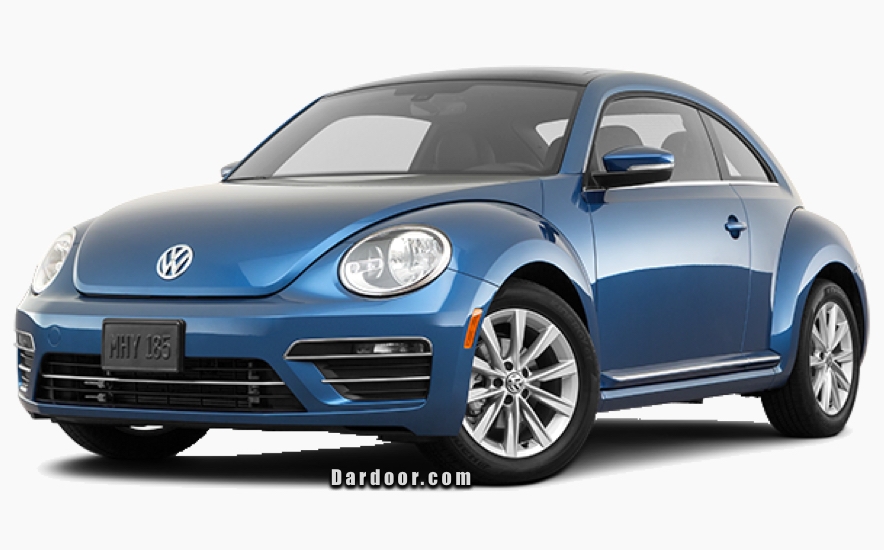
Get the official OEM workshop service and repair manual with the wiring diagram for the 2012–2019 Volkswagen Beetle in a fully searchable and printable PDF format.
Overview
The 2012–2016 Volkswagen Beetle (A5/Type 5C) blends classic design with modern VW running gear. Depending on market and year, you’ll find turbocharged TSI gasoline engines, a naturally aspirated 2.5L five-cylinder in earlier North American trims, and (in some regions) TDI diesels. The upside is solid highway stability and strong turbo torque; the downside is that ownership costs can spike if you ignore known weak points—especially on certain TSI/DSG combinations and on cars with deferred maintenance.
Best use-case: daily driving with predictable servicing (oil, cooling system checks, DSG fluid on time, and proactive fixes for known issues).
Buyer tip: prioritize service records (oil spec, DSG service proof, cooling system work). A “cheap” Beetle can become expensive fast if it’s been neglected.
Factory-level documentation: OEM procedures and wiring diagrams are available here: 2012–2019 Volkswagen Beetle Repair Manual (PDF).
Technical Specs & Performance (Typical)
Technical Specs & Performance (Typical)
Engines you’ll commonly see
- 2.0 TSI turbo I4 (performance-oriented trims; market-dependent)
- 1.8 TSI turbo I4 (introduced in some markets/years as the range evolved)
- 2.5L inline-5 (earlier North American trims)
- 2.0 TDI diesel (select markets/years)
Transmissions
- Manual: 5/6-speed (varies by engine/market)
- Automatic: conventional 6-speed (varies by engine/market)
- DSG dual-clutch: 6-speed on many turbo/diesel applications (market-dependent)
Performance feel (real-world)
- 2.0 TSI/1.8 TSI: strong midrange torque; quick passing power
- 2.5L I5: smooth but not fast; best for relaxed commuting
- DSG: fast when healthy; can be jerky at low speed if worn or overdue for service
🔔 Note: exact outputs vary by engine code, trim, and market; use your build sticker/VIN decode when ordering parts or diagnosing.
Top 10 Common Mechanical Issues (Symptoms • Root Cause • Fix • Cost)
- Timing chain stretch / tensioner weakness (TSI engines)
- Symptoms: cold-start rattle, rough idle, cam/crank correlation faults, misfires, loss of power, check engine light.
- Root cause: timing chain elongation and/or older-style tensioner and guides; if ignored, timing can jump and cause severe internal damage on interference engines.
- Fix: inspect timing adaptation/correlation values; confirm with mechanical checks; replace timing chain kit (chain, guides, updated tensioner) and set timing correctly; verify oil spec and change interval discipline.
- Cost to fix: $900–$2,300 (preventive timing service) / $3,000–$7,000+ (if timing jumps and damages valves/pistons).
- Water pump / thermostat housing leaks (TSI cooling module)
- Symptoms: coolant smell, low coolant warnings, pink/white crust near pump/thermostat, intermittent overheating, cabin heat inconsistent.
- Root cause: plastic housings and seals degrade from heat cycles; slow leaks are common and worsen under load.
- Fix: pressure-test cooling system; replace water pump/thermostat assembly and related seals; refill with correct coolant and bleed; verify fan operation and check for secondary leaks.
- Cost to fix: $450–$1,200.
- Carbon buildup on intake valves (direct-injection TSI)
- Symptoms: rough idle, hesitation, loss of power, reduced fuel economy, misfires under load, hard starting.
- Root cause: direct injection doesn’t wash valves with fuel; oil vapor from PCV system deposits carbon on intake valves over time.
- Fix: diagnose with misfire counters and intake inspection; walnut-blast/clean intake valves; address contributing PCV issues; consider updated driving habits (occasional high-load runs) and quality oil.
- Cost to fix: $350–$900.
- DSG mechatronic issues / harsh engagement (if equipped)
- Symptoms: lurching at takeoff, delayed engagement, harsh 1–2 shifts, PRNDS flashing, limp mode, transmission faults.
- Root cause: mechatronic unit wear, solenoid issues, clutch adaptation drift; overdue DSG fluid accelerates wear.
- Fix: scan for DSG faults; check fluid condition/level; perform adaptation/basic settings; service DSG fluid/filter; if faults persist, repair/replace mechatronic or clutch pack depending on diagnosis.
- Cost to fix: $450–$700 (service + adaptation) / $1,800–$4,500 (mechatronic/clutch work).
- Automatic transmission valve body / shift quality complaints (non-DSG)
- Symptoms: flare shifts, delayed engagement, harsh downshifts, shudder at steady speed, fluid dark/burnt.
- Root cause: fluid degradation, solenoid/valve body wear, torque converter issues (varies by unit).
- Fix: scan TCM; verify fluid level/condition; service fluid per correct procedure; road test with live data; repair valve body/solenoids if confirmed.
- Cost to fix: $300–$600 (service) / $1,200–$3,200 (valve body/TC work).
- PCV diaphragm failure / crankcase pressure issues (TSI)
- Symptoms: rough idle, whistling noise, oil cap hard to remove, lean codes, increased oil consumption, occasional smoke.
- Root cause: PCV diaphragm tears, creating unmetered air leaks and unstable crankcase vacuum.
- Fix: smoke-test intake; check crankcase vacuum; replace PCV assembly (and related hoses if brittle); clear trims and re-test.
- Cost to fix: $120–$450.
- Rear main seal / vacuum pump / oil leaks (engine sealing)
- Symptoms: oil spots under car, burnt-oil smell, low oil level warnings, oily bellhousing area, clutch contamination (manual).
- Root cause: seal hardening, crankcase pressure from PCV faults, vacuum pump seepage, gasket shrinkage.
- Fix: clean and trace leak with dye; correct PCV first; replace leaking seal/gasket; verify proper torque procedures.
- Cost to fix: $250–$900 (minor leaks) / $900–$1,800 (rear main seal labor-heavy).
- Turbocharger wastegate rattle / boost control faults (TSI)
- Symptoms: rattle under light load, underboost/overboost codes, weak acceleration, limp mode.
- Root cause: wastegate linkage wear, actuator issues, boost leaks, diverter valve failure.
- Fix: pressure-test charge system; inspect wastegate play and actuator function; replace diverter valve if leaking; repair/replace turbo/actuator as required.
- Cost to fix: $150–$600 (DV/boost leak) / $1,200–$3,000 (turbo/actuator).
- Front suspension clunks (strut mounts, control arm bushings)
- Symptoms: clunking over bumps, vague steering, uneven tire wear, wandering at highway speeds.
- Root cause: rubber bushing wear, strut mount bearings, ball joints; pothole impacts accelerate wear.
- Fix: inspect with pry-bar and loaded suspension; replace worn mounts/bushings/arms; align vehicle afterward.
- Cost to fix: $300–$1,200 depending on parts replaced.
- Brake vibration / premature pad wear (front-heavy setup)
- Symptoms: steering shake during braking, squeal, pulsation, reduced braking confidence.
- Root cause: rotor hot spots, uneven pad deposits, stuck caliper slide pins, cheap pads/rotors, aggressive driving cycles.
- Fix: measure runout/thickness; service caliper hardware; replace pads/rotors with quality parts; bed-in correctly.
- Cost to fix: $250–$850 per axle.
🛑 Safety note: if you hear chain rattle on cold start or get brake/airbag warning lights, treat it as “stop and diagnose,” not “drive and hope.”
Top 10 Common Electrical Issues (Symptoms • Root Cause • Fix • Cost)
- Battery drain / parasitic draw (CAN-bus wakeups)
- Symptoms: dead battery after overnight/2–3 days, slow cranking, random warning lights after jump-start.
- Root cause: modules not going to sleep (infotainment, door latch micro-switch, trunk switch, convenience module), aftermarket accessories, failing battery causing module chatter.
- Fix: test battery health first; perform parasitic draw test with sleep-mode monitoring; isolate circuit; update software if applicable; replace faulty latch/module causing wake events.
- Cost to fix: $150–$450 (battery/diagnosis) / $300–$1,200 (module/latch replacement depending on cause).
- ABS/ESC warning lights (wheel speed sensors or tone rings)
- Symptoms: ABS/ESC/traction lights on, speedometer glitches (rare), ABS activation at low speed.
- Root cause: failed wheel speed sensor, damaged wiring, corrosion at connectors, cracked reluctor/tone ring.
- Fix: scan ABS module for wheel-specific fault; inspect wiring at knuckle; replace sensor; verify signal with live data; clear faults and road test.
- Cost to fix: $180–$550.
- Airbag/SRS light (seat occupancy / seat wiring / buckle wiring)
- Symptoms: airbag light on, passenger airbag indicator incorrect, warning chime, stored SRS faults.
- Root cause: passenger occupant detection system (PODS) faults, seat wiring stress, connector issues, buckle wiring harness problems on some vehicles.
- Fix: scan SRS for exact fault; inspect under-seat connectors and harness routing; apply recall remedy if VIN qualifies; replace PODS module/mat or affected harness as required; perform SRS calibration/clearing procedures.
- Cost to fix: $150–$450 (diagnosis/connector repair) / $800–$2,000 (PODS components if out of recall coverage).
- Infotainment freezes / no sound / Bluetooth dropouts
- Symptoms: screen reboots, stuck logo, intermittent audio, Bluetooth pairing issues, backup camera lag (if equipped).
- Root cause: firmware instability, failing head unit, poor ground, CAN communication glitches, moisture intrusion in some cases.
- Fix: check for software updates and perform module reset; verify grounds and battery stability; scan for communication codes; replace head unit if hardware failure confirmed.
- Cost to fix: $0–$250 (update/diagnosis) / $600–$2,000 (unit replacement).
- Window regulator / switch issues
- Symptoms: window won’t move, one-touch fails, slow window, crunching noise, window drops into door.
- Root cause: regulator cable frays, motor wear, switch failure, door module issues.
- Fix: test switch output; confirm motor power/ground; replace regulator (often best as complete assembly); perform window adaptation.
- Cost to fix: $250–$650 per door.
- Headlight/DRL bulb faults and melted connectors (where applicable)
- Symptoms: bulb-out warnings, flickering lights, intermittent low beam/DRL, heat damage at connector.
- Root cause: heat at bulb holder/connector, poor contact tension, moisture intrusion, incorrect bulb type.
- Fix: inspect holder/connector for heat damage; replace bulb and damaged connector/holder; ensure correct bulb and proper seating; check for moisture/venting issues.
- Cost to fix: $60–$350 (bulb/connector) / $400–$1,000 (if housing replacement needed).
- Door latch / central locking faults
- Symptoms: door won’t lock/unlock reliably, alarm triggers randomly, interior lights behave oddly, “door open” warning when shut.
- Root cause: failing latch micro-switches, moisture ingress, wiring in door jamb fatigue.
- Fix: scan convenience/body module; check door status signals; inspect jamb wiring; replace latch assembly if micro-switch failure confirmed; re-test sleep current draw (often linked to battery drain).
- Cost to fix: $250–$700 per door depending on labor and parts.
- Cooling fan control / resistor module faults
- Symptoms: fan runs constantly, fan doesn’t run leading to overheating, AC performance drops at idle, fan-related fault codes.
- Root cause: fan control module failure, seized fan motor, wiring/connector corrosion.
- Fix: command fans with scan tool; verify power/ground; replace fan assembly/module if failed; inspect connectors for heat damage.
- Cost to fix: $350–$1,100.
- Charging system issues (alternator/regulator or battery management)
- Symptoms: battery light, dim lights, intermittent no-start, low voltage codes, repeated battery failures.
- Root cause: failing alternator regulator, weak grounds, wrong battery coding (if applicable), aging battery causing ripple.
- Fix: load-test battery; check alternator output and ripple; inspect grounds; replace alternator/regulator if failing; verify any battery management coding if required by the vehicle’s system.
- Cost to fix: $300–$1,200.
- CAN communication faults (intermittent “Christmas tree” dash)
- Symptoms: multiple random warning lights, intermittent module dropouts, no crank/no start events, sporadic limp mode.
- Root cause: low observed system voltage, water intrusion, ground point corrosion, damaged harness sections, failing gateway/module.
- Fix: start with battery/charging health; scan all modules for communication codes; inspect water intrusion points and ground clusters; repair harness/grounds; replace failing gateway/module only after confirming with diagnostics.
- Cost to fix: $200–$600 (diagnosis/grounds) / $800–$2,500 (module/harness work depending on cause).
Top 10 Mechanical and Electrical Issues Reported By Owners
1. DSG Transmission Problems
Symptoms:
-
-
- Harsh or delayed shifting
- Shuddering or jerking during acceleration
- Transmission slipping between gears
- Warning lights on dashboard
- Grinding noises
-
Root Cause: Mechatronic unit failure, clutch pack wear, or software calibration issues. The dual-clutch design is sensitive to stop-and-go driving and requires proper maintenance.
Fix: Software update for minor issues; mechatronic unit replacement for major failures; clutch pack replacement in severe cases. Regular DSG service every 40,000 miles is critical.
Cost: $300-800 for software update and service; $2,500-5,000 for mechatronic unit replacement; $3,500-6,000 for clutch pack replacement
2. Ignition Coil and Spark Plug Failure
Symptoms:
-
-
- Check engine light
- Engine misfires or rough idle
- Poor acceleration and reduced power
- Difficulty starting
- Decreased fuel economy
-
Root Cause: OEM ignition coils are prone to premature failure, especially on turbo engines. Carbon buildup on spark plugs exacerbates the issue.
Fix: Replace all ignition coils and spark plugs as a set. Use upgraded aftermarket coils for better longevity.
Cost: $400-800 for all coils and plugs with labor
3. Water Pump Failure
Symptoms:
-
-
- Coolant leaks (often visible under car)
- Engine overheating
- Whining or grinding noise from front of engine
- Low coolant warning light
- Steam from engine bay
-
Root Cause: Plastic impeller water pumps fail prematurely, typically between 60,000-100,000 miles. Thermal stress causes plastic components to crack.
Fix: Replace water pump, preferably with upgraded metal impeller version. Replace thermostat and coolant simultaneously as preventive maintenance.
Cost: $500-900 including thermostat and coolant
4. Turbocharger Failure (Turbo Models)
Symptoms:
-
-
- Loss of power and acceleration
- Excessive blue or black smoke from exhaust
- Loud whining or whistling noise
- Check engine light with turbo-related codes
- Oil consumption increases
-
Root Cause: Oil starvation from clogged oil passages, failed PCV system, or driving habits (not allowing proper warm-up/cool-down). Worn turbo bearings or wastegate actuator failure.
Fix: Turbocharger replacement. Address underlying oil system issues. Ensure proper oil change intervals with correct specification oil.
Cost: $1,500-3,500 for turbo replacement with labor
5. Carbon Buildup on Intake Valves (Direct Injection Engines)
Symptoms:
-
-
- Rough idle and engine hesitation
- Misfires (especially when cold)
- Reduced fuel economy
- Loss of power
- Check engine light
-
Root Cause: Direct injection sprays fuel directly into cylinders, bypassing intake valves. Without fuel washing over valves, carbon deposits accumulate from crankcase vapors.
Fix: Walnut blasting service to manually clean intake valves. Some mechanics use chemical cleaners, but manual cleaning is more effective. Catch can installation helps prevent recurrence.
Cost: $400-700 for walnut blasting service; $200-400 for catch can installation
6. Window Regulator Failure
Symptoms:
-
-
- Windows move slowly or unevenly
- Clicking or grinding noises when operating windows
- Window falls into door panel
- Window won’t move at all
- Window becomes stuck partially open/closed
-
Root Cause: Plastic components in window regulator mechanism break or wear out. Common VW issue across many models. Driver’s side typically fails first due to frequent use.
Fix: Replace entire window regulator assembly. Both sides should be replaced if one fails to prevent future issues.
Cost: $300-600 per window with labor
7. Electrical System Gremlins and Sensor Failures
Symptoms:
-
-
- Intermittent check engine lights
- Malfunctioning gauges or displays
- Central locking issues
- Infotainment system freezes or restarts
- Various warning lights without obvious cause
- Battery drain when parked
-
Root Cause: Corroded wiring connectors, failing sensors (particularly throttle position, MAF, oxygen sensors), software glitches, or parasitic battery drain from modules.
Fix: Diagnose specific fault codes. Clean corroded connections. Replace faulty sensors. Software updates for infotainment issues. Battery load test and parasitic draw testing.
Cost: $100-300 for sensor replacement; $150-500 for wiring repairs; Software updates typically free at dealership
8. Timing Chain Tensioner Failure (2.0T Engines)
Symptoms:
-
-
- Rattling noise from engine on cold start
- Noise that disappears after engine warms up
- Check engine light with timing-related codes
- Reduced performance
- Catastrophic engine failure if chain jumps
-
Root Cause: Tensioner fails to maintain proper chain tension, especially on startup before oil pressure builds. Extended oil change intervals accelerate wear.
Fix: Replace timing chain, tensioner, and guides. This is preventive maintenance that should be done around 80,000-100,000 miles even without symptoms.
Cost: $1,500-2,800 for complete timing chain service
9. PCV System and Oil Consumption Issues
Symptoms:
-
-
- Excessive oil consumption (1 quart per 1,000 miles or more)
- Blue smoke from exhaust
- Rough idle
- Oil leaks around valve cover
- Check engine light with lean fuel mixture codes
-
Root Cause: Failed PCV valve or diaphragm allows excessive crankcase pressure, forcing oil past piston rings. Some engines have inherent design issues causing oil consumption.
Fix: Replace PCV valve and hoses. Check for intake manifold carbon buildup. In severe cases, piston ring replacement or engine rebuild may be necessary.
Cost: $200-500 for PCV system repair; $3,000-6,000+ for piston ring replacement
10. Fuel Injector Failure (TSI/TDI Engines)
Symptoms:
-
-
- Hard starting or extended cranking
- Rough idle and misfires
- Black smoke from exhaust
- Strong fuel smell
- Check engine light with fuel system codes
- Poor fuel economy
-
Root Cause: Carbon buildup clogs injectors (direct injection), internal injector failure, or contaminated fuel. TDI models particularly susceptible to injector issues.
Fix: Fuel injector cleaning service for minor issues. Individual injector replacement or complete set replacement for failed units. Use quality fuel and additives.
Cost: $150-300 for professional cleaning; $400-1,200 per injector replacement; $1,500-3,000 for complete set with labor
Pros & Cons
| Pros | Cons |
|---|---|
| Distinct styling; still feels special in traffic | Neglected examples can be expensive fast (TSI/DSG, cooling leaks) |
| Turbo trims deliver strong real-world torque | Rear seat and cargo practicality are limited vs hatchbacks |
| Stable highway manners; solid chassis feel | Direct-injection carbon buildup is a reality on TSI engines |
| Large aftermarket and strong DIY/independent shop knowledge base | Electrical gremlins can be time-consuming without proper diagnostics |
| OEM documentation and wiring diagrams are widely available | Some safety recalls/airbag campaigns require VIN confirmation and dealer remedy |
Maintenance Schedule (Practical, Ownership-Focused)
| Item | Interval | Notes |
|---|---|---|
| Engine oil + filter | Every 5,000–10,000 miles (8,000–16,000 km) | Use the correct VW-approved oil spec for your engine; shorter intervals are safer for turbos. |
| DSG fluid + filter (if DSG) | Every 40,000 miles (64,000 km) | Non-negotiable for DSG longevity; include adaptation check after service if shifts feel off. |
| Automatic transmission service (non-DSG) | Every 60,000 miles (96,000 km) typical | Follow the correct fill procedure and fluid spec; scan for TCM faults before and after. |
| Coolant inspection | Every oil change | Watch for slow leaks at pump/thermostat housing; fix early to prevent overheating events. |
| Spark plugs (gasoline) | Every 40,000–60,000 miles (64,000–96,000 km) | Turbo engines are sensitive to plug condition; misfires under boost often start here. |
| Air filter | Every 20,000–30,000 miles (32,000–48,000 km) | More often in dusty climates. |
| Brake fluid | Every 2 years | Helps protect ABS module and maintains pedal feel. |
| Cabin filter | Yearly | Improves HVAC performance and reduces blower strain. |
| Intake valve cleaning (TSI) | Inspect around 60,000–90,000 miles (96,000–145,000 km) | Walnut blasting often restores drivability when carbon buildup is present. |
| Suspension/steering inspection | Yearly | Check control arm bushings, strut mounts, alignment, and tire wear patterns. |
Top 5 Competitors
1. Mini Cooper (2012-2016)
- More engaging to drive with go-kart handling
- Premium interior and customization options
- Similar reliability concerns and higher maintenance costs
- Smaller interior and cargo space
2. Fiat 500 (2012-2016)
- More affordable entry price
- Quirky Italian styling
- Even less reliable than the Beetle
- Much smaller and less practical
3. Mazda3 (2012-2016)
- Superior reliability and lower ownership costs
- Excellent driving dynamics
- More practical with hatchback option
- Less distinctive styling
4. Honda Civic Coupe (2012-2016)
- Much better reliability track record
- Lower maintenance costs
- Better resale value
- More conservative styling
5. Hyundai Veloster (2012-2016)
- Unique 3-door design
- Better warranty coverage
- More affordable maintenance
- Comparable quirky appeal
Top Recalls, Advisories & Safety/TSB Highlights (Verify by VIN)
-
- Driver airbag inflator rupture risk (Beetle/Beetle Convertible; campaign varies)
Risk: inflator rupture with metal fragments; Remedy: dealer replaces driver airbag module (free). (Examples include VW campaign identifiers shown in recall databases.) - Takata passenger airbag inflator concerns (2012–2014 models in major campaigns)
Risk: inflator rupture; Remedy: airbag inflator/module replacement at dealer. - Passenger Occupant Detection System (PODS) coding/module issue (2012–2013, leather sport seats)
Risk: passenger airbag may not deactivate for a child seat if the seat gets wet; Remedy: control module replacement/recode. - PODS control module failure warning / incorrect classification (select vehicles; campaign examples include 69L6)
Risk: improper airbag deployment decision; Remedy: replace PODS control module. - Brake assist loss due to camshaft/vacuum pump drive concern (2015–2016, 1.8T/2.0T; recall 23R1/15V705)
Risk: longer stopping distances; Remedy: dealer software update/repair per campaign. - Ignition key removal possible without “Park” (rollaway risk; recall campaigns like 37M2/19V615)
Risk: unintended rollaway; Remedy: install additional switch/circuit solution per recall. - Under-hood fuel hose degradation (fuel leak/fire risk; recall examples include 16V646)
Risk: fuel leak and potential fire; Remedy: inspection and hose replacement per recall. - Underbody sensor connector seal allowing water intrusion/corrosion (fire risk advisory/recall in Canada)
Risk: electrical short/overheating; Remedy: inspect and replace affected connector. - Aftermarket/parts-related brake component recalls can affect Beetle (e.g., replacement master cylinders)
Risk: brake fluid leak and reduced braking; Remedy: parts exchange via manufacturer of the component. - Ongoing VW recall lookup requirement (multiple airbag phases and regional campaigns)
Action: check your VIN on VW/Transport Canada/NHTSA portals—campaigns can be expanded or phased over time. - Fuel System Recall (2012-2014 models) Fuel lines may crack and leak, creating fire risk. VW replaces affected fuel lines.
- DSG Transmission Software Update (TSB) Addresses harsh shifting, hesitation, and juddering. Software recalibration improves shift quality, though some issues persist.
- Carbon Buildup on Intake Valves (TSB – Turbo models) Direct injection engines suffer carbon deposits causing rough idle and misfires. Walnut blasting service ($300-600) removes deposits.
- Door Handle Freezing (TSB – Convertible) Door handles freeze in cold weather. Updated handle design or lubricant application helps.
- Wind Noise at Highway Speeds (TSB) Excessive wind noise from door seals. Adjustment or replacement of weatherstripping and door alignment reduces noise.
- Engine Cover Vibration/Rattle (TSB) Engine cover rattles at certain RPMs. Replacement clips or damping material eliminates noise.
- Coolant System Concerns (Various TSBs) Coolant leaks from thermostat housing, water pump, or hoses. Regular inspection and replacement of failing components prevents overheating.
- Driver airbag inflator rupture risk (Beetle/Beetle Convertible; campaign varies)
🔔 Note: recall applicability is VIN-specific and market-specific. Always run your VIN through official recall portals before purchase or long trips.