Comprehensive Guide to Diagnosing and Replacing Your Vehicle’s Alternator
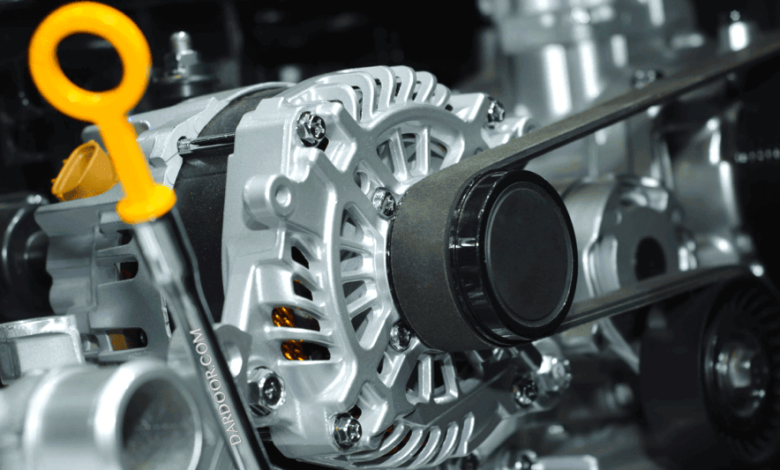
1. Common Symptoms of Alternator Failure
An alternator that’s on the brink of failure will exhibit several tell-tale signs. Watch for:
- Dim or flickering headlights: As electrical load increases, voltage drops become more pronounced.
- Battery warning light: Your dash “ALT” or battery icon may illuminate.
- Electrical accessories malfunction: Stereo, power windows, or dashboard gauges may behave erratically.
- Frequent battery drain: A bad alternator fails to recharge, leaving you stranded.
- Unusual noises: A worn bearing inside the alternator can emit grinding or whining sounds.
Recognizing these symptoms early can save you from roadside breakdowns and expensive towing bills.
2. Tools & Materials Required 🛠️
Before you begin, gather the following items:
- Socket set (metric & SAE)
- Ratchet and extensions
- Multimeter (12 V DC range)
- Wrench set
- Screwdrivers (flat and Phillips)
- Replacement alternator (OEM or high-quality aftermarket)
- Belt tensioner tool (if applicable)
- Dielectric grease
- Protective gloves and safety glasses
🔗 For OEM part numbers and specs, browse the Alternator Parts Catalog on Dardoor.
3. Safety Precautions ⚠️
Working on your vehicle’s electrical system can be dangerous. Follow these precautions:
- Disconnect the negative battery terminal to prevent short circuits.
- Wear insulated gloves when handling live connectors.
- Ensure the car is parked on a level surface with the parking brake engaged.
- Use jack stands if lifting the vehicle; never rely on a jack alone.
- Keep tools and parts organized to avoid dropping anything into the engine bay.
4. Step-by-Step Diagnostic Procedure
Follow these steps to verify alternator health:
4.1 Check Battery Voltage
- With engine off, set multimeter to DC volts and probe battery terminals.
- A healthy battery reads ~12.6 V; anything below 12.4 V indicates discharge.
4.2 Load Test With Engine Running
- Start engine; measure voltage across terminals again.
- Proper alternator output should be between 13.8 V and 14.5 V.
- If voltage remains at battery level or drops below 13 V, alternator output is insufficient.
4.3 Inspect Drive Belt & Pulleys
- Check belt tension and look for cracks or glazing.
- Ensure pulleys spin freely without wobbling or grinding noises.
4.4 Test Alternator Diodes
- Set multimeter to diode-test mode.
- Disconnect alternator connector; test between output terminal and housing.
- Diode should conduct in one direction only; a shorted diode requires alternator replacement.
5. Removing the Old Alternator 🔧
Once you’ve confirmed alternator failure, follow these steps:
- Disconnect the negative battery cable.
- Remove any engine covers or air intake ductwork obstructing access.
- Loosen tensioner and slip the serpentine belt off the alternator pulley.
- Unplug the electrical connector and remove the main power cable nut.
- Remove mounting bolts and carefully extract the alternator from its bracket.
- Compare the old unit with the new one to confirm correct fitment.
6. Installing the New Alternator 🔩
- Position the new alternator onto its mounting bracket.
- Hand-thread mounting bolts; then torque to manufacturer specs.
- Reconnect the power cable and plug in the electrical connector.
- Apply a thin layer of dielectric grease to prevent corrosion.
- Reinstall the serpentine belt, ensuring proper alignment on all pulleys.
- Re-install any engine covers or intake components that were removed.
- Reconnect the battery negative cable.
🔗 For torque values and detailed OEM steps, refer to the Alternator Installation Manual on Dardoor.
7. Post-Installation Testing & Verification ✔️
- Start engine and let it idle for 2–3 minutes.
- Measure voltage at battery terminals; target 13.8–14.5 V under no load.
- Turn on headlights, blower motor, and rear defroster; voltage should hold above 13 V.
- Listen for unusual noises; a properly installed alternator runs smoothly and quietly.
- Take a short test drive, then re-check voltage to ensure stable charging under load.
8. Preventive Maintenance Tips 🧰
To extend the life of your alternator and charging system:
- Inspect drive belts every 6 months and replace at first sign of wear.
- Keep battery terminals clean and free of corrosion.
- Ensure proper belt tension per manufacturer’s recommendations.
- Use a quality, temperature-rated battery to reduce alternator stress.
- Avoid high-current accessories (e.g., aftermarket amplifiers) without upgrading the charging system.
9. Frequently Asked Questions
Q1: Can I rebuild my alternator instead of replacing it?
Yes, rebuilding kits are available for many models. However, labor time and parts cost often approach the price of a new remanufactured unit.
Q2: How long should a new alternator last?
With proper maintenance, 100,000–150,000 miles is typical. Excessive heat, belt slippage, and heavy accessory loads can shorten service life.
Q3: Is it normal for the alternator to make noise when first starting?
A brief bearing chirp can occur, but any persistent grinding or whining indicates a worn bearing.
10. Conclusion & Further Resources
Replacing a failing alternator is a highly rewarding DIY job that restores reliable charging and saves on tow bills. By following this guide’s diagnostic steps, safety precautions, and maintenance tips, you’ll keep your vehicle’s electrical system healthy for years to come.
🔗 Explore more in-depth OEM guides at Dardoor:
Happy wrenching! 🔧