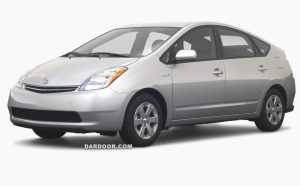
Key Features
Complete OEM Procedures
Factory sequences, torque values, special tools, and safety notes across all systems.
Wiring Diagrams Included
Schematics, connector views, pinouts, grounds, power distribution, and CAN/LIN networks.
Hybrid System Coverage
HV battery & BMS, inverter/converter, DC/DC, MG1/MG2, isolation checks, interlock & safety.
Diagnostics & DTCs
Dealer flowcharts, test values, active tests, and troubleshooting steps for accurate repairs.
Searchable PDF
Bookmarks and internal links for fast navigation; print only the pages you need.
What’s Inside
- Maintenance schedules, fluids, capacities, and torque tables
- Engine mechanical, fuel, cooling, intake/exhaust
- Hybrid transaxle & reduction gear service
- Brakes (incl. regenerative), ABS/ESC, suspension, steering
- Body, SRS/airbags, HVAC (incl. heat pump where equipped), infotainment
- Full electrical: wiring diagrams, module locations, network diagnostics
Note: Always follow high-voltage safety protocols and use insulated tools when servicing hybrid components.
Why Choose This Manual?
- Ensure accurate diagnostics and professional repairs.
- Access manufacturer-approved instructions for maintaining your Prius.
- Save money and time with a complete guide at your fingertips.
Download & Compatibility
Delivery: Instant digital PDF download
Compatibility: Windows, macOS, iOS, Android
FAQ
Does this include wiring diagrams?
Yes—complete OEM electrical schematics, connector views, pinouts, grounds, and network maps are included.
Is the Plug-in Prius covered?
Core systems are covered; plug-in–specific procedures are included where applicable for the XW30 generation.
Can I print pages?
Yes. The PDF is searchable and printable—ideal for shop use.
This OEM service and workshop repair manual provides detailed procedures for maintenance, disassembly, reassembly, inspection, adjustment, and diagnostics. It is intended as a comprehensive guide for experienced mechanics. To ensure thorough and accurate repairs that maintain your vehicle’s optimal performance, please read and follow this manual carefully. When replacing parts during any repair work, always use genuine Toyota parts to ensure quality, safety, and reliability.
SAMPLE PAGES: 2010-2015 Toyota Prius Repair Manual
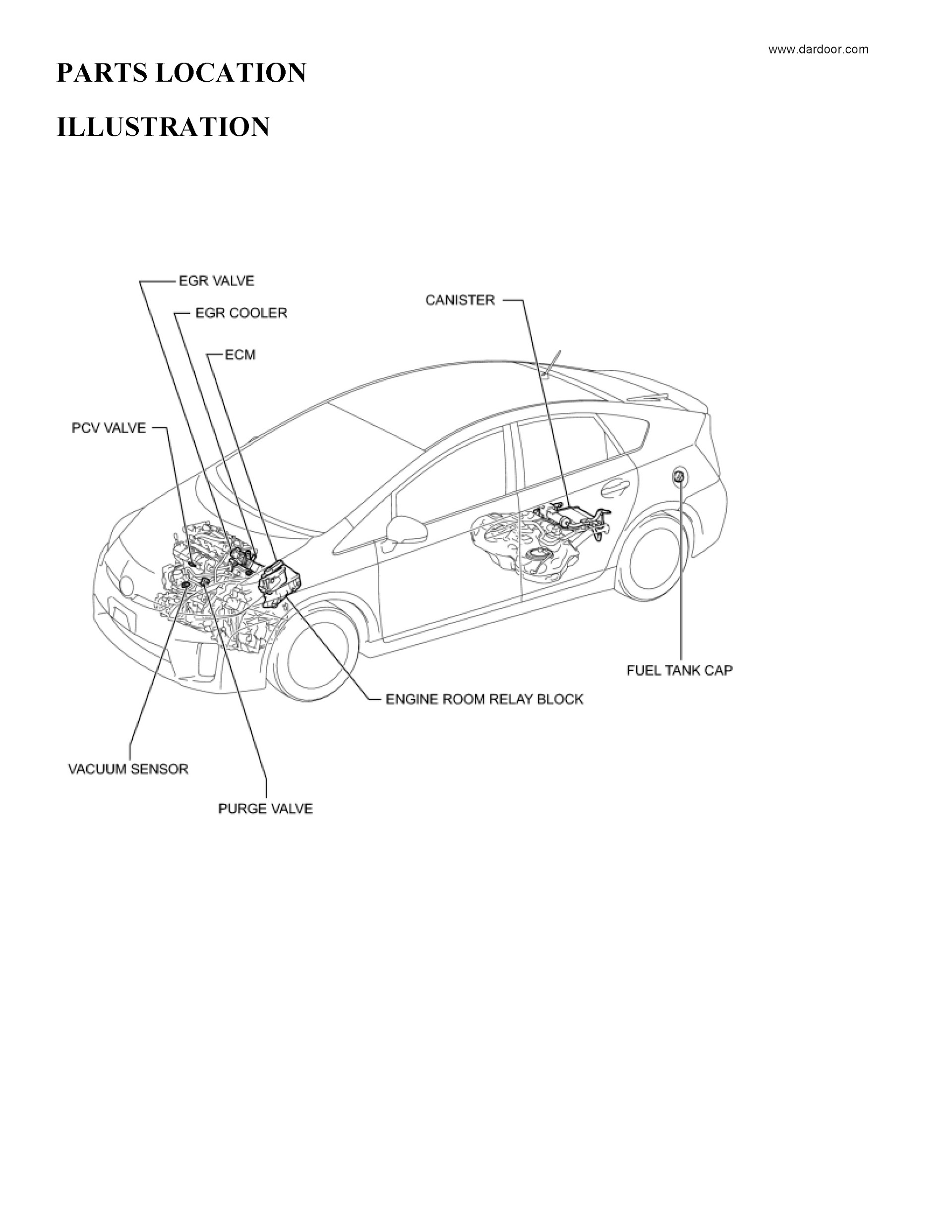
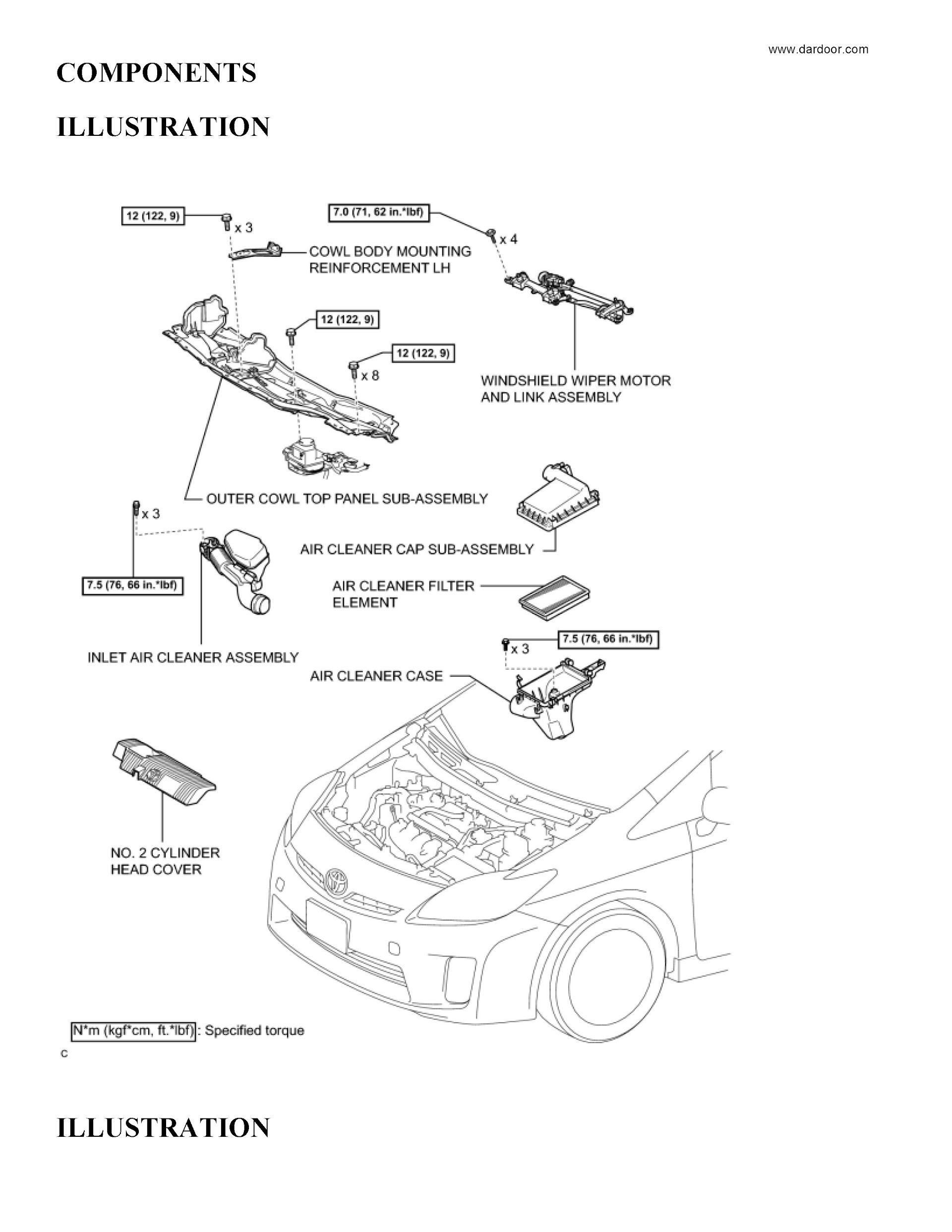
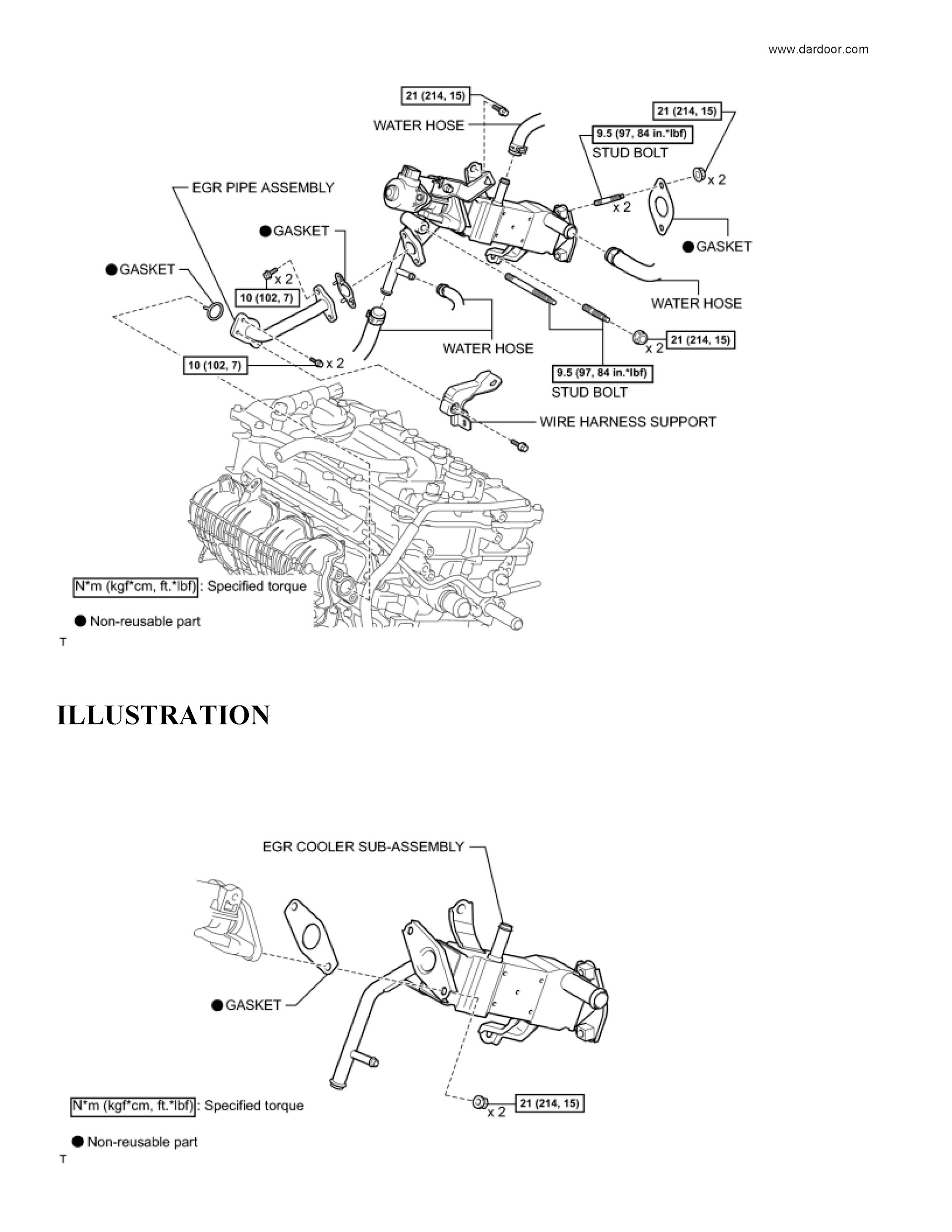
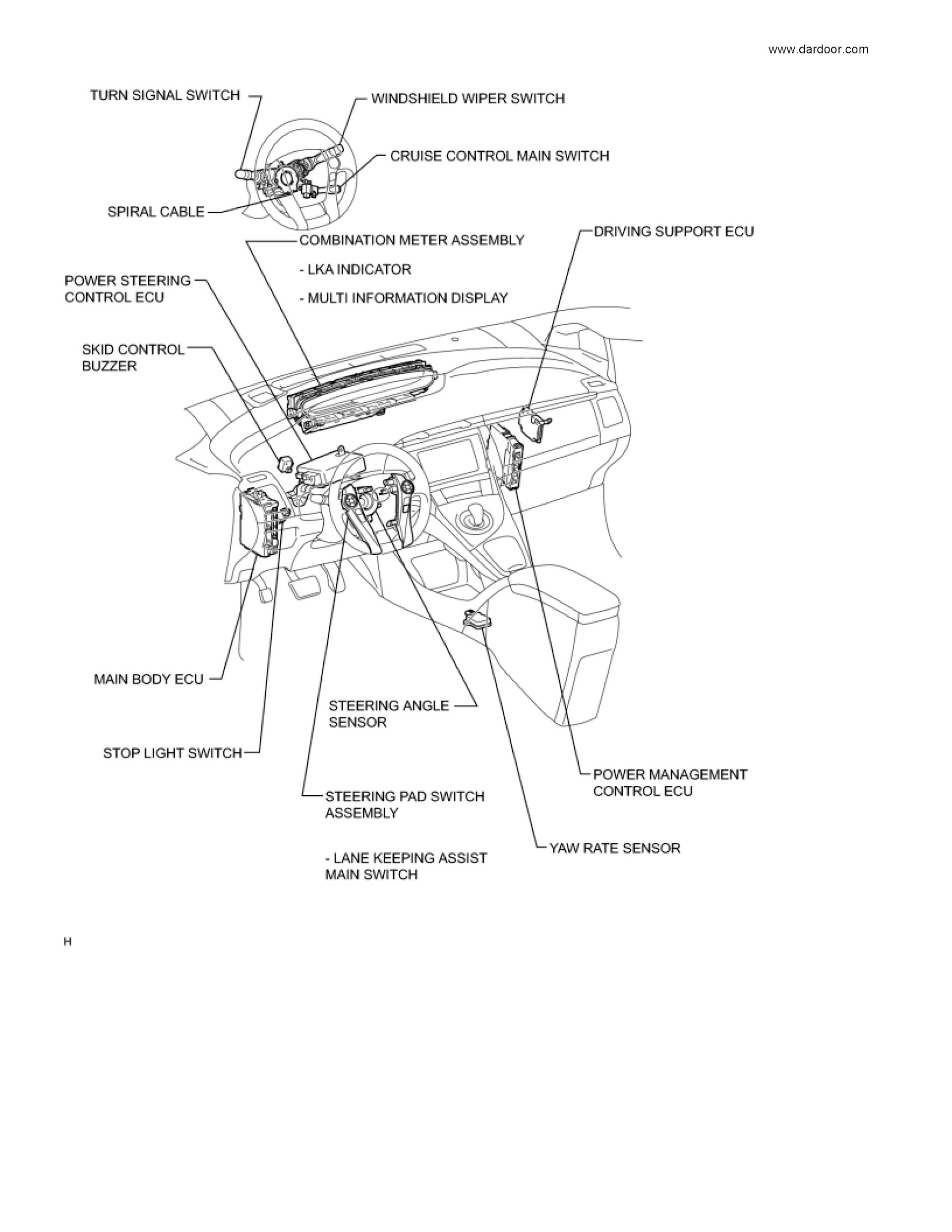
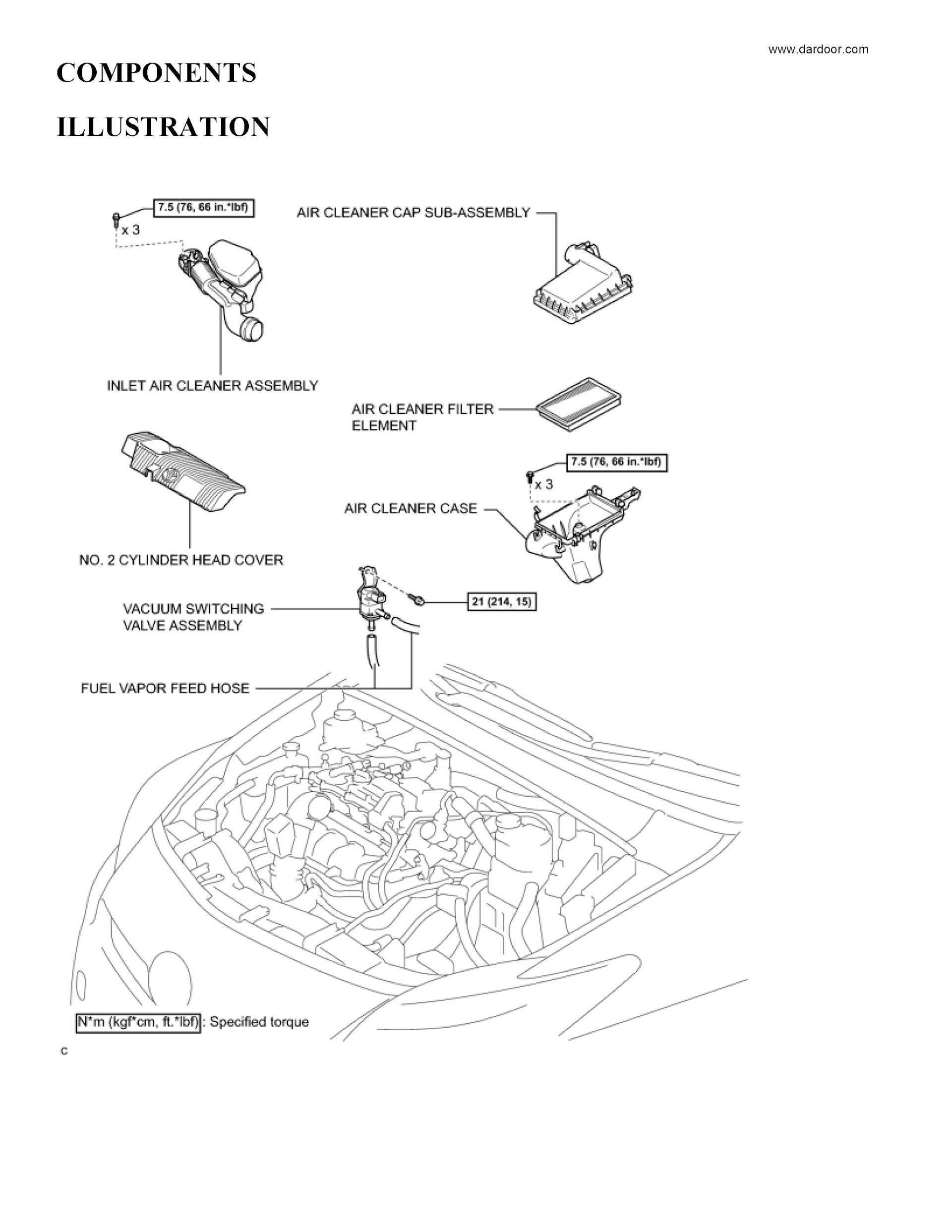
CAUTION: This manual provides detailed instructions for maintenance, disassembly, reassembly, component inspection, adjustment, and diagnostics—intended for use by experienced mechanics. Proper application of this guide will help ensure thorough repairs and maintain your vehicle in peak condition.
Important Note: Before purchasing this manual, please check whether your vehicle is subject to any active service recalls, as authorized dealerships may perform necessary repairs free of charge. When replacing parts, always use genuine OEM components to ensure safety, reliability, and long-term performance.
2010–2015 Toyota Prius – Full Vehicle Overview, Issues, DTCs & Maintenance Guide
The third-generation Toyota Prius (2010–2015) solidified its place as the world’s most popular hybrid vehicle, offering outstanding fuel efficiency, reliability, and eco-friendly performance. Known for its practicality, advanced hybrid drivetrain, and low running costs, the Prius became a top choice for commuters and eco-conscious drivers worldwide.
⚙️ Technical Specifications & Performance
- Engine: 1.8L Atkinson-cycle I4 + Hybrid Synergy Drive electric motor
- Total Power Output: 134 hp
- Transmission: eCVT (electronically controlled continuously variable transmission)
- Drivetrain: Front-wheel drive (FWD)
- 0–100 km/h: ~10.4 seconds
- Fuel Efficiency: 50–52 MPG combined (4.7 L/100 km)
- Battery: 1.3 kWh Nickel-Metal Hydride (NiMH)
- Dimensions: Length 4,460 mm, Width 1,745 mm, Height 1,490 mm
- Cargo Capacity: 445L (rear seats up)
🔧 Top 10 Common Mechanical Issues (Root Cause & Fix)
- Excessive oil consumption
– Root Cause: Worn piston rings in 1.8L engines.
– Fix: Engine rebuild with new rings or short-block replacement.
- Head gasket failure
– Root Cause: Overheating and cylinder pressure stress.
– Fix: Replace head gasket, resurface cylinder head.
- Brake booster failure
– Root Cause: Hydraulic accumulator leaks.
– Fix: Replace brake booster and accumulator assembly.
- Inverter overheating
– Root Cause: Insufficient cooling in hybrid inverter module.
– Fix: Replace inverter or install updated coolant pump.
- Suspension wear
– Root Cause: Weak struts and bushings under heavy use.
– Fix: Replace struts, shocks, and control arm bushings.
- Water pump leaks
– Root Cause: Electric water pump seal wear.
– Fix: Replace water pump with updated part.
- Coolant crossover pipe leaks
– Root Cause: Plastic pipe deterioration.
– Fix: Replace with improved metal or reinforced version.
- Steering intermediate shaft clunk
– Root Cause: Worn universal joint.
– Fix: Replace steering intermediate shaft.
- Premature brake pad wear
– Root Cause: Heavy regenerative braking transitions.
– Fix: Install high-quality ceramic pads.
- Exhaust heat shield rattle
– Root Cause: Loose fasteners and corrosion.
– Fix: Re-tighten or replace heat shield components.
💡 Top 10 Common Electrical Issues (Root Cause & Fix)
- Hybrid battery degradation
– Root Cause: NiMH battery cells lose capacity after 8–10 years.
– Fix: Replace or refurbish hybrid battery pack.
- Inverter failure
– Root Cause: Faulty power electronics under thermal stress.
– Fix: Replace inverter under extended warranty/recall.
- ABS warning light
– Root Cause: Faulty brake actuator electronics.
– Fix: Replace actuator assembly.
- Combination meter failure
– Root Cause: Capacitor failure in instrument cluster.
– Fix: Repair or replace combination meter.
- Touchscreen failure
– Root Cause: Delamination of LCD panel.
– Fix: Replace infotainment display.
- Smart key system failure
– Root Cause: Weak 12V battery or antenna fault.
– Fix: Replace 12V battery, reprogram key.
- Air conditioning failure
– Root Cause: Electric AC compressor short.
– Fix: Replace hybrid AC compressor.
- Headlight ballast failure
– Root Cause: HID ballast overheating.
– Fix: Replace ballast and bulb.
- Rear camera glitches
– Root Cause: Wiring harness wear.
– Fix: Replace or repair harness.
- Charging system warning
– Root Cause: Faulty DC-DC converter.
– Fix: Replace converter unit.
📊 Pros & Cons Comparison with Competitors
| Model |
Pros 👍 |
Cons 👎 |
| Toyota Prius |
Outstanding fuel economy; Proven hybrid system; Low running costs |
Underpowered performance; Road noise; Expensive hybrid repairs |
| Honda Insight |
Lower cost alternative; Efficient hybrid system |
Less refined ride; Smaller interior space |
| Ford Fusion Hybrid |
Roomy cabin; Smooth ride; Strong safety ratings |
Lower mpg than Prius; Higher maintenance costs |
| Chevrolet Volt |
Plug-in hybrid range; Sportier handling |
Small rear seat; Higher upfront cost |
| Hyundai Sonata Hybrid |
Attractive styling; Good warranty; Spacious interior |
Less efficient; First-gen battery concerns |
| Nissan Leaf |
Fully electric; Zero emissions |
Limited range; Long charging times (first-gen) |
– Maintenance Schedule
| Interval ⏱️ |
Maintenance Task 🔧 |
| Every 5,000 miles / 6 months |
Engine oil & filter replacement; tire rotation |
| Every 15,000 miles |
Replace cabin air filter; inspect brakes |
| Every 30,000 miles |
Replace engine air filter; inspect suspension |
| Every 60,000 miles |
Coolant replacement (engine & inverter) |
| Every 90,000 miles |
Spark plug replacement; brake fluid flush |
| Every 120,000 miles |
Hybrid battery inspection; transmission fluid service |
⚠️ Recalls, Advisories & Safety Alerts
- Inverter failure recall (2010–2014): Risk of shutdown while driving.
- Brake booster recall (2010–2012): Reduced braking performance due to hydraulic leak.
- Airbag inflator recall (Takata, 2010–2015): Explosive deployment risk.
- Steering intermediate shaft recall (2011): Loss of steering control.
- Hybrid system ECU recall (2010–2014): Software defect caused stalling.
- HVAC water leak advisory (2012–2015): Water leak into cabin from AC drain tube.
- Headlamp recall (2010–2011): HID headlights failing prematurely.
- Brake accumulator recall (2010–2013): Internal cracks reducing braking performance.
- Hybrid transaxle recall (2010–2012): Bearing wear leading to drivetrain noise.
- Smart key recall (2010–2011): Electrical fault preventing engine start.
🧾 Diagnostic Trouble Codes (DTC) Tables
Engine Control Module (ECM)
| Code |
Description |
| P0300 |
Random Cylinder Misfire |
| P0171 |
System Too Lean |
| P0113 |
Intake Air Temperature Sensor High |
| P0101 |
Mass Air Flow Sensor Range |
| P0420 |
Catalyst System Efficiency Below Threshold |
| P0A0F |
Engine Failed to Start |
| P3190 |
Poor Engine Power |
| P3191 |
Engine Does Not Start |
| P0A80 |
Replace Hybrid Battery Pack |
| P0456 |
EVAP System Small Leak |
Transmission Control Module (TCM)
| Code |
Description |
| P0700 |
Transmission Control System Malfunction |
| P0730 |
Incorrect Gear Ratio |
| P0A7F |
Hybrid Battery Pack Deterioration |
| P0A94 |
DC/DC Converter Performance |
| P0AA6 |
Hybrid Battery Voltage Isolation Fault |
| P0A92 |
Motor Generator Performance |
| P2797 |
Auxiliary Transmission Fluid Pump |
| P2819 |
Hydraulic Pressure Sensor Circuit |
| P2820 |
Pressure Control Solenoid Electrical |
| P2849 |
Shift Fork Position Circuit Range |
ABS / ESC System
| Code |
Description |
| C1241 |
Low Battery Positive Voltage |
| C1256 |
Accumulator Low Pressure |
| C1310 |
Malfunction in HV System |
| C1391 |
Abnormal Leak of Accumulator Pressure |
| C1203 |
ECU Communication Circuit |
| C1259 |
HV System Regenerative Malfunction |
| C1345 |
Linear Valve Offset Learning Undone |
| C1368 |
Capacitor Malfunction |
| C1377 |
Brake Pedal Load Sensing Malfunction |
| C1380 |
ABS Control Module Internal |
SRS Airbag System
| Code |
Description |
| B1801 |
Open in Driver Airbag Squib Circuit |
| B1811 |
Open in Passenger Airbag Squib Circuit |
| B1826 |
Open in Side Airbag Squib Circuit |
| B1901 |
Driver’s Belt Pretensioner Circuit Fault |
| B1906 |
Passenger’s Belt Pretensioner Circuit Fault |
| B1650 |
Airbag ECU Fault |
| B1610 |
Occupant Classification System Fault |
| B1660 |
Airbag Sensor Communication Fault |
| B1655 |
Crash Detection Fault |
| B1690 |
Airbag ECU Memory Fault |
Body Control / CAN Communication
| Code |
Description |
| U0100 |
Lost Communication with ECM |
| U0129 |
Lost Communication with Brake Control Module |
| U0140 |
Lost Communication with BCM |
| U0155 |
Lost Communication with Instrument Cluster |
| U0293 |
Lost Communication with Hybrid Powertrain Control |
| U1110 |
CAN Data Bus Off |
| U1000 |
Class 2 Communication Malfunction |
| U1130 |
Lost Communication with A/C Control |
| U1153 |
Lost Communication with Gateway Module |
| U0415 |
Invalid Data Received from ABS |
✅ Final Verdict & Conclusion
The 2010–2015 Toyota Prius continues to be the benchmark for hybrid vehicles, offering unbeatable fuel economy, proven long-term reliability, and practicality. While it suffers from issues such as oil consumption, inverter recalls, and costly hybrid component repairs, its low overall running costs and eco-friendly reputation make it a top choice for drivers prioritizing efficiency and sustainability.