


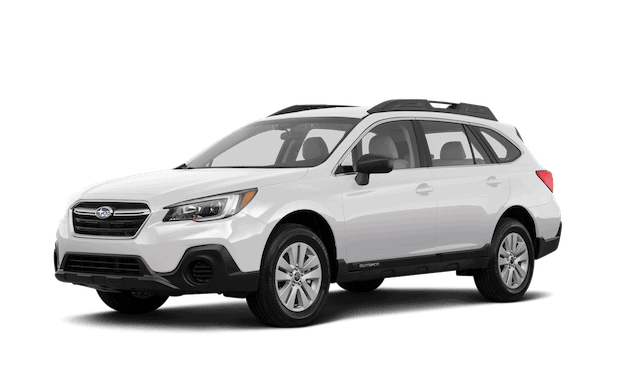
Get the original OEM workshop manual for the 2019 Subaru Legacy and Outback repair manual with the wiring diagram in PDF.
2019 Subaru Legacy and Outback Repair Manual
$16.90
This is the original OEM workshop manual for the 2019 Subaru Legacy and Outback repair manual with the wiring diagram in PDF format. It is the same manual that your local Subaru dealer mechanics use to diagnose and repair your car.
Engines Covered:
- 2.5L DOHC (Non-Turbo)
- 3.6L DOHC (Non-Turbo)
| File Format | |
| File Language | English |
| You’ll Get | 348 MB |
| Wiring Diagram | Included |
| Delivery Method | Instant Download |
This manual includes the procedures for maintenance, disassembling, reassembling, inspection, and adjustment of components and diagnostics for the guidance of experienced mechanics. Please peruse and utilize this manual to ensure complete repair work to keep your vehicle in optimum condition. When replacement of parts during repair work is needed, be sure to use Subaru genuine parts.
SAMPLE PAGES: 2019 Subaru Legacy an Outback Repair Manual
CAUTION: Please note that this manual is made for the use of persons who have special techniques and certifications. If non-specialized or uncertified technicians perform repairs or services only using this manual or without proper equipment or tools, this may cause severe injury to you or other persons nearby and also cause damage to your vehicle. In order to prevent dangerous operations and damage to your vehicle, please be sure to follow the instructions thoroughly.
2019 Subaru Legacy and Outback: Comprehensive Buyer’s Guide
Overview
The 2019 Subaru Legacy and Outback represent the sixth generation of these popular models, offering Subaru’s signature all-wheel drive, boxer engines, and reputation for safety and reliability.
Legacy: Midsize sedan focused on comfort, fuel efficiency, and all-weather capability Outback: Raised wagon/crossover variant with increased ground clearance and rugged styling
Both share the same platform, engines, and most mechanical components but target slightly different buyers—the Legacy appeals to traditional sedan buyers, while the Outback attracts those wanting SUV-like versatility.
Technical Specifications
Engine Options
2.5L 4-Cylinder (Base)
- Displacement: 2.5L DOHC flat-4 boxer
- Horsepower: 175 hp @ 5,800 rpm
- Torque: 174 lb-ft @ 4,000 rpm
- Transmission: Lineartronic CVT
- Fuel Economy: 25/32/28 mpg (city/highway/combined) – Legacy; 25/32/28 mpg – Outback
3.6L 6-Cylinder (Optional)
- Displacement: 3.6L DOHC flat-6 boxer
- Horsepower: 256 hp @ 6,000 rpm
- Torque: 247 lb-ft @ 4,400 rpm
- Transmission: Lineartronic CVT
- Fuel Economy: 20/27/23 mpg (city/highway/combined) – Legacy; 20/27/22 mpg – Outback
Dimensions & Capacity
Legacy
- Length: 189.6 inches
- Width: 72.4 inches
- Height: 58.1 inches
- Wheelbase: 108.3 inches
- Ground Clearance: 5.5 inches
- Cargo Volume: 15.0 cubic feet
- Seating: 5 passengers
Outback
- Length: 189.6 inches
- Width: 72.4 inches
- Height: 65.9 inches
- Wheelbase: 108.3 inches
- Ground Clearance: 8.7 inches
- Cargo Volume: 35.5 cubic feet (73.3 with seats folded)
- Seating: 5 passengers
Drivetrain
- All-Wheel Drive: Symmetrical AWD (standard on all trims)
- Suspension: MacPherson strut front, double wishbone rear
- Brakes: Ventilated disc front and rear
Towing Capacity
- 2.5L: Not rated for towing
- 3.6L: 2,700 lbs (Legacy); 3,000 lbs (Outback) when properly equipped
Top 10 Mechanical and Electrical Issues
1. CVT Transmission Juddering/Shuddering
Symptoms: Shaking or vibration during acceleration, especially from a stop or at low speeds (15-30 mph); hesitation when accelerating
Root Cause: CVT fluid degradation, torque converter issues, or software calibration problems. The CVT can develop internal wear or the valve body can malfunction.
Fix: CVT fluid replacement with updated fluid formulation; software update; in severe cases, valve body replacement or complete CVT replacement
Cost: $150-300 (fluid change); $500-1,200 (valve body); $4,000-7,000 (CVT replacement)
2. Excessive Oil Consumption
Symptoms: Low oil warning light; needing to add 1+ quarts between oil changes; blue smoke from exhaust
Root Cause: Piston ring design defect causing oil to bypass into combustion chamber. Primarily affects 2.5L engines built in certain production periods.
Fix: Subaru extended warranty coverage for affected vehicles; piston ring replacement or short block replacement under warranty; regular oil monitoring
Cost: $0 if covered under extended warranty; $3,000-5,000+ if not covered (engine rebuild/replacement)
3. Eyesight System Malfunctions
Symptoms: “Eyesight OFF” warning; adaptive cruise control not working; false collision warnings; lane departure warnings not functioning
Root Cause: Dirty windshield camera lens area, software glitches, camera misalignment, or sensor failures
Fix: Clean windshield camera area; software update; camera recalibration; camera replacement if faulty
Cost: $0 (cleaning/software); $150-300 (calibration); $800-1,500 (camera replacement)
4. Starter Motor Failure
Symptoms: Click-click-click sound when trying to start; intermittent no-start; grinding noise during starting
Root Cause: Starter motor brushes wear prematurely or solenoid contacts deteriorate, common issue on these model years
Fix: Starter motor replacement
Cost: $400-800 (parts and labor)
5. Infotainment System Freezing/Black Screen
Symptoms: Touchscreen unresponsive; screen goes black; system reboots randomly; backup camera not displaying
Root Cause: Software bugs in Starlink infotainment system; corrupted software; faulty head unit
Fix: System reset (hold power button for 15 seconds); software update from dealer; head unit replacement if hardware failure
Cost: $0 (reset/update); $1,200-2,000 (head unit replacement)
6. Wheel Bearing Noise
Symptoms: Humming, grinding, or growling noise that increases with speed; noise changes when turning; vibration through steering wheel
Root Cause: Premature wheel bearing wear, particularly on front wheels; contamination or inadequate lubrication
Fix: Wheel bearing hub assembly replacement
Cost: $300-500 per wheel (parts and labor)
7. Battery Drain/Electrical Issues
Symptoms: Dead battery after sitting overnight or for a few days; electrical accessories not working; radio presets lost
Root Cause: Parasitic battery drain from Starlink infotainment system or other modules not entering sleep mode properly
Fix: Software update to address parasitic drain; battery replacement if damaged from repeated deep discharge; module replacement if faulty
Cost: $150-250 (battery); $0-200 (software update); $300-800 (module replacement)
8. AC Compressor Failure
Symptoms: No cold air; AC clutch not engaging; squealing noise from engine bay; intermittent cooling
Root Cause: AC compressor clutch failure or internal compressor bearing failure; refrigerant leaks
Fix: AC compressor replacement; system recharge; leak repair if applicable
Cost: $800-1,500 (compressor replacement with recharge)
9. Rear Differential Whining/Noise
Symptoms: Whining or howling noise from rear, especially during acceleration or deceleration; noise changes with speed
Root Cause: Rear differential bearing wear or gear wear; inadequate lubrication; normal wear on higher-mileage vehicles
Fix: Rear differential fluid change; bearing replacement; complete differential rebuild or replacement in severe cases
Cost: $150-200 (fluid change); $800-1,500 (bearing replacement); $1,500-2,500 (differential rebuild)
10. Head Gasket Leaks (Less Common on 2019)
Symptoms: Coolant loss without visible leaks; white smoke from exhaust; overheating; oil mixed with coolant (milky appearance)
Root Cause: Head gasket failure—historically common on older Subarus, less frequent on 2019 models but still possible
Fix: Head gasket replacement; cylinder head resurfacing if warped
Cost: $2,000-3,500 (complete repair)
Top 5 Competitors
1. Honda Accord (vs Legacy) / CR-V (vs Outback)
-
- Strengths: More powerful engines, better infotainment, sportier handling, proven reliability
- Weaknesses: FWD standard (AWD optional and not as capable), less ground clearance on CR-V
- Price: Similar MSRP range
2. Toyota Camry (vs Legacy) / RAV4 (vs Outback)
-
- Strengths: Excellent reliability reputation, available hybrid, strong resale value
- Weaknesses: Less engaging to drive, AWD not standard on Camry
- Price: Comparable to slightly higher
3. Mazda6 (vs Legacy) / CX-5 (vs Outback)
-
- Strengths: Superior interior quality, engaging driving dynamics, upscale feel
- Weaknesses: Less cargo space, smaller back seat, no boxer engine character
- Price: Similar to slightly higher
4. Volkswagen Passat (vs Legacy) / Tiguan (vs Outback)
-
- Strengths: Refined European feel, spacious interior, available driver assistance features
- Weaknesses: Higher maintenance costs, reliability concerns, less resale value
- Price: Similar base, higher for loaded models
5. Ford Fusion AWD (vs Legacy) / Edge (vs Outback)
-
- Strengths: Available powerful engines, good tech features, comfortable ride
- Weaknesses: Reliability not as strong, higher depreciation, Fusion discontinued after 2020
- Price: Often discounted, competitive pricing
Top 10 Recalls, Advisories & TSB Highlights
Recalls
1. Recall WTF-19 (May 2019) – Brake Light Switch
- Issue: Brake light switch may fail, preventing brake lights from illuminating and disabling cruise control
- Vehicles Affected: ~290,000 Legacy and Outback
- Fix: Brake light switch replacement (free)
2. Recall WTG-19 (June 2019) – PCV Valve
- Issue: Positive Crankcase Ventilation (PCV) valve may not operate properly, potentially causing engine stalling
- Vehicles Affected: ~165,000 vehicles
- Fix: PCV valve inspection and replacement if necessary (free)
3. Recall WTL-54 (December 2019) – Engine Harness
- Issue: Engine wire harness may contact suspension component and wear through, potentially causing engine stall or fire
- Vehicles Affected: ~25,000 vehicles
- Fix: Harness rerouting and protective covering installation (free)
4. Recall WUB-47 (January 2020) – Fuel Pump
- Issue: Low-pressure fuel pump may fail, causing engine stalling or failure to start
- Vehicles Affected: Part of broader recall affecting multiple manufacturers
- Fix: Fuel pump replacement (free)
5. Recall WUJ-35 (March 2020) – Parking Brake
- Issue: Parking brake may not fully release, causing rear brake drag
- Vehicles Affected: ~8,000 vehicles
- Fix: Parking brake cable adjustment (free)
Technical Service Bulletins (TSBs)
6. TSB 02-157-19R – CVT Judder/Shudder
- Issue: CVT transmission shuddering during light acceleration
- Solution: CVT fluid replacement with updated formulation; software update
- Notes: Common complaint; fluid change often resolves issue
7. TSB 15-181-18R – Infotainment System Issues
- Issue: Starlink system freezing, slow response, or black screen
- Solution: Software update to latest version
- Notes: Multiple updates released; dealer should install latest
8. TSB 11-206-19 – Eyesight False Warnings
- Issue: False Pre-Collision Braking warnings or Eyesight system deactivation
- Solution: Software update; camera calibration
- Notes: Often occurs in rain or with dirty windshield
9. TSB 05-88-19 – Wind Noise from Doors
- Issue: Wind noise from front door seals at highway speeds
- Solution: Door seal adjustment or replacement
- Notes: Particularly affects driver’s side
10. TSB 03-137-18R – Excessive Oil Consumption
- Issue: 2.5L engine consuming more than 1 quart per 1,200 miles
- Solution: Engine inspection; possible piston ring replacement or short block replacement under extended warranty
- Notes: Covered under extended warranty for affected vehicles; oil consumption test required
Maintenance Schedule
Every 6,000 Miles or 6 Months
- Engine oil and filter change
- Rotate tires
- Inspect brake system (pads, rotors, fluid level)
- Inspect steering and suspension components
- Check all fluid levels
Every 12,000 Miles or 12 Months
- Replace engine air filter
- Inspect CVT fluid condition
- Inspect cabin air filter
- Inspect exhaust system
- Battery inspection
Every 24,000 Miles or 24 Months
- Replace cabin air filter
- Inspect fuel system and lines
- Inspect cooling system hoses and connections
Every 30,000 Miles
- Replace rear differential fluid (severe conditions)
- Replace front differential fluid (severe conditions)
- Inspect spark plugs
Every 36,000 Miles or 36 Months
- Replace brake fluid
- Inspect drive belts
Every 60,000 Miles
- Replace spark plugs
- Replace CVT fluid (severe driving conditions)
- Replace engine coolant
- Inspect valve clearance (not typically required unless noise present)
Every 97,500 Miles
- Replace timing chain and related components (if symptoms present; otherwise inspect)
Every 100,000+ Miles
- Replace CVT fluid (normal driving)
- Replace fuel filter (if equipped)
- Comprehensive inspection of all systems
Severe Driving Conditions Include: Trailer towing, frequent driving in dusty conditions, short trips under 5 miles in freezing temperatures, extensive idling, driving in stop-and-go traffic
10 FAQs for Buyers
1. Which engine should I choose: 2.5L or 3.6L?
The 2.5L 4-cylinder is adequate for most buyers—it offers better fuel economy and lower maintenance costs. Choose the 3.6L 6-cylinder if you regularly carry heavy loads, tow trailers, need more passing power for highway driving, or want a smoother, more refined powertrain. The 3.6L provides noticeably better acceleration but at the cost of 4-5 mpg.
2. Is the CVT transmission reliable?
The CVT is generally reliable but has had some issues with juddering/shuddering, particularly in earlier production models. Regular CVT fluid changes (every 60,000 miles or sooner for severe use) can prevent many issues. Subaru has improved CVT durability over the years, and the 2019 models benefit from refinements. Many owners report 150,000+ miles without major CVT problems when properly maintained.
3. Should I be concerned about oil consumption?
Some 2019 models with the 2.5L engine may experience excessive oil consumption due to a piston ring design issue. Subaru extended the warranty to 8 years/100,000 miles for this specific problem. Before purchasing, ask if the vehicle has had oil consumption issues or repairs. Check oil level regularly (every 1,000 miles) during the first few months of ownership to establish consumption patterns.
4. How reliable is the Eyesight safety system?
Eyesight is generally reliable and effective, though it can have false warnings in certain conditions (heavy rain, direct sunlight, dirty windshield). The system requires an unobstructed windshield camera area—keep it clean and don’t place stickers near the cameras. Software updates have addressed many early issues. Overall, Eyesight is one of the better driver assistance systems available.
5. What’s the real-world fuel economy?
2.5L: Expect 26-28 mpg combined in mixed driving; highway trips can achieve 30-32 mpg. City driving typically returns 23-25 mpg.
3.6L: Expect 21-23 mpg combined; highway around 26-28 mpg; city 18-20 mpg.
Factors affecting economy: AWD system adds weight, CVT can hold higher RPMs during acceleration, aggressive driving significantly reduces economy.
6. Legacy vs Outback: Which should I buy?
Choose Legacy if: You prefer sedan styling, don’t need extra cargo space, want slightly better fuel economy, primarily drive on paved roads, prefer lower ride height for easier entry
Choose Outback if: You need more cargo versatility, want the 8.7″ ground clearance for rough roads/snow, prefer the commanding seating position, occasionally go off-pavement, value the rugged aesthetic
Both share mechanical components and reliability, so choose based on practical needs and preferences.
7. Are there any common problems I should inspect before buying a used 2019?
Yes, check for:
- CVT transmission: Test drive at various speeds; feel for shuddering during light acceleration (15-30 mph)
- Oil consumption: Request maintenance records; look for frequent oil top-ups between services
- Eyesight system: Ensure all functions work properly; test adaptive cruise control and lane-keeping
- Infotainment: Test all functions; ensure screen responds quickly and doesn’t freeze
- Starter: Ensure engine starts immediately without hesitation or clicking sounds
- Wheel bearings: Listen for humming/grinding noises at highway speeds
- Service history: Confirm CVT fluid has been changed if over 60,000 miles
8. What is the typical lifespan of these vehicles?
With proper maintenance, 2019 Legacy and Outback models should easily reach 200,000+ miles. The boxer engine design is durable, and Subaru has improved long-term reliability. Key longevity factors:
- Regular oil changes (critical for boxer engines)
- CVT fluid changes at recommended intervals
- Timing chain maintenance if symptoms develop
- Addressing recalls and TSBs promptly
- Many owners report 250,000-300,000 miles with original engine/transmission
9. How much should I budget for annual maintenance?
Year 1-3 (under 36,000 miles): $500-800 annually (oil changes, tire rotations, basic inspections)
Year 4-5 (36,000-60,000 miles): $800-1,200 annually (add brake fluid, spark plugs, filters)
Year 6+ (60,000+ miles): $1,200-2,000 annually (add CVT fluid, coolant, differential fluids, potential brake service)
Unexpected repairs: Budget $500-1,000 annually for items like batteries, tires, or minor repairs. Major repairs (CVT, engine) are rare but can be expensive if not under warranty.
10. Is it worth buying the extended warranty?
For a 2019 model purchased used, consider:
Pros: CVT transmissions can be expensive to replace ($4,000-7,000); Eyesight components are costly; oil consumption issues may arise
Cons: Subaru reliability is generally good; many issues covered under existing extended warranties; aftermarket warranties often have exclusions and deductibles
Recommendation: If purchasing with 40,000-60,000 miles, a reputable extended warranty covering CVT and major components might be worthwhile. Avoid cheap third-party warranties. If under 30,000 miles with remaining factory warranty, you can likely skip it. Always read the fine print carefully.
Final Buyer Recommendations
✅ Strong Buy If:
- You prioritize all-weather capability with standard AWD
- You live in areas with snow, rain, or unpaved roads (Outback particularly)
- You want a safe, practical family vehicle with excellent crash ratings
- You value Eyesight driver assistance technology
- You prefer Subaru’s boxer engine character and handling balance
- You need good ground clearance without buying a larger SUV (Outback)
- You plan to keep the vehicle long-term (150,000+ miles)
⚠️ Proceed with Caution If:
- Vehicle has no service records or unclear maintenance history
- Mileage is over 60,000 without CVT fluid change
- You notice any CVT shuddering during test drive
- Oil consumption history is present or unknown
- You’re not comfortable with CVT technology (no traditional automatic option)
- You prioritize sporty performance over practicality
- You need significant towing capacity (max 3,000 lbs on 3.6L Outback)
❌ Avoid If:
- Vehicle shows signs of significant oil consumption without repair
- CVT has been replaced (unless under warranty with documentation)
- Multiple owners in short time period (red flag)
- Evidence of off-road abuse (damaged skid plates, bent suspension components)
- Deferred maintenance is evident (dirty fluids, worn brakes, neglected service)
- You want the latest infotainment technology (2019 system is dated)
💰 Value Proposition
The 2019 Legacy and Outback offer excellent value in the used market:
- Depreciation: Subarus hold value well but not excessively (unlike Tacomas/4Runners)
- Target Price Range: $18,000-$26,000 depending on trim, mileage, and condition
- Sweet Spot: 30,000-50,000 miles with documented maintenance from Subaru dealer
- Trim Recommendation: Premium or Limited trims offer best features-to-value ratio
🔧 Pre-Purchase Inspection Checklist
Before buying, have a trusted mechanic (preferably Subaru specialist) inspect:
- CVT transmission fluid condition and operation
- Engine oil consumption test (if possible)
- Eyesight system functionality
- Wheel bearings and suspension components
- Brake system condition
- Battery and electrical system health
- Cooling system pressure test
- Comprehensive diagnostic scan for fault codes
- Service records verification
- Recall completion verification
🎯 Bottom Line
The 2019 Subaru Legacy and Outback are solid, reliable choices for buyers seeking all-wheel-drive capability, safety features, and practical transportation. While they have some known issues (CVT shuddering, oil consumption, Eyesight quirks), most problems are addressable and many are covered under extended warranties.
Best for: Families, outdoor enthusiasts, cold-climate drivers, and those who value safety and reliability over luxury or performance.
Not ideal for: Performance enthusiasts, those seeking cutting-edge technology, or buyers who prefer traditional automatic transmissions.
With proper maintenance and careful selection, a 2019 Legacy or Outback can provide 200,000+ miles of dependable service. Focus on finding a well-maintained example with complete service records, and you’ll likely have a trouble-free ownership experience.
Related products
-
2009 Subaru Impreza Repair Manual
$16.90 Add to cart -
2018 Subaru WRX and WRX STI Repair Manual
$19.90 Add to cart -
2020 Subaru BRZ Repair Manual
$24.90 Add to cart -
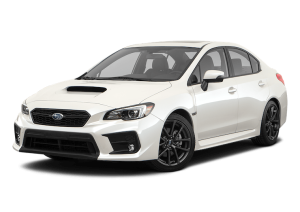
2019 Subaru WRX and WRX STI Repair Manual
$19.90 Add to cart -
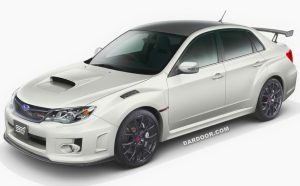
2011 Subaru Impreza Repair Manual (WRX and WRX STI)
$16.90 Add to cart -
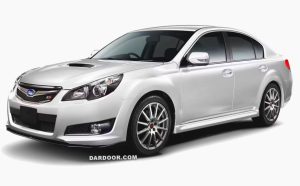
2010 Subaru Legacy Repair Manual
$16.90 Add to cart -
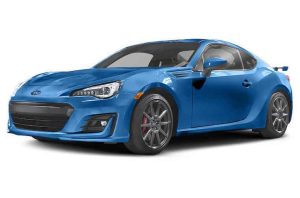
2019 Subaru BRZ Repair Manual
$16.90 Add to cart -
2014 Subaru Forester Repair Manual
$17.90 Add to cart