

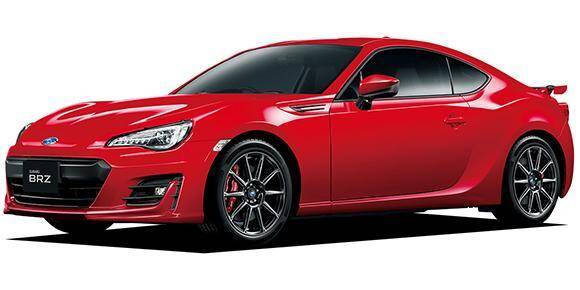
Get the original OEM service and workshop repair manual for the 2018 Subaru BRZ, available in a convenient PDF file format.
2018 Subaru BRZ Repair Manual
$16.90
This is the original OEM service and workshop repair manual for the 2018 Subaru BRZ, available in a convenient PDF file format. This comprehensive guide provides professional-level details, including diagnostic procedures, maintenance schedules, and repair instructions. It is the same trusted resource used by Subaru dealer mechanics to diagnose, service, and repair the Subaru BRZ.
| File Format | |
| File Language | English |
| You’ll Get | 185 MB |
| Delivery Method | Instant Download |
Features
- Model Covered:
- 2018 Subaru BRZ
- Content:
- Complete service and repair instructions.
- Detailed wiring diagrams for all systems.
- Manufacturer-authorized procedures.
- Format: High-quality, easy-to-navigate PDF.
Why Choose This Manual?
- Comprehensive Coverage: All systems, components, and procedures are included.
- OEM Accuracy: Dealer-approved information ensures precision and reliability.
- DIY Ready: Straightforward and easy-to-follow instructions for home mechanics.
Who Is This Manual For?
- BRZ Owners: Gain a better understanding of your car and perform maintenance with confidence.
- Professional Mechanics: Access detailed repair instructions and diagnostic charts.
- DIY Enthusiasts: Perfect for tackling repairs and upgrades at home.
Download Your Manual
Get the 2018 Subaru BRZ OEM Service & Workshop Repair Manual in PDF format today! Access everything you need to keep your BRZ running at peak performance.
This manual provides detailed instructions for maintenance, disassembly, reassembly, component inspection, adjustment, and diagnostics—intended for use by experienced mechanics. Proper application of this guide will help ensure thorough repairs and maintain your vehicle in peak condition.
Important Note: Before purchasing this manual, please check whether your vehicle is subject to any active service recalls, as authorized dealerships may perform necessary repairs free of charge. When replacing parts, always use genuine OEM components to ensure safety, reliability, and long-term performance.
SAMPLE PAGES: 2018 Subaru BRZ Repair Manual
CAUTION: This OEM service and workshop repair manual provides detailed procedures for maintenance, disassembly, reassembly, inspection, adjustment, and diagnostics. It is intended as a comprehensive guide for experienced mechanics. To ensure thorough and accurate repairs that maintain your vehicle’s optimal performance, please read and follow this manual carefully. When replacing parts during any repair work, always use genuine Subaru parts to ensure quality, safety, and reliability.
2018 Subaru BRZ – Comprehensive Guide
Overview
The 2018 Subaru BRZ is a lightweight, rear-wheel-drive sports coupe developed jointly with Toyota (sold as the 86/GT86). It emphasizes driving dynamics and handling over raw power, making it a pure enthusiast’s car.
Key Highlights:
- Naturally aspirated boxer engine with a low center of gravity
- 50/50 weight distribution for balanced handling
- Affordable sports car with manual transmission focus
- Minimal technology for a pure driving experience
Technical Specifications
Engine:
- 2.0L flat-4 boxer engine (FA20)
- 205 horsepower @ 7,000 rpm
- 156 lb-ft of torque @ 6,400-6,600 rpm
Transmission:
- 6-speed manual (standard)
- 6-speed automatic with paddle shifters (optional)
Performance:
- 0-60 mph: ~6.4 seconds (manual), ~7.6 seconds (automatic)
- Top speed: ~140 mph
- Curb weight: ~2,800 lbs
Drivetrain:
- Rear-wheel drive (RWD)
- Limited-slip differential
Dimensions:
- Wheelbase: 101.2 inches
- Length: 166.7 inches
- Width: 69.9 inches
- Height: 50.6 inches
- Ground clearance: 4.9 inches
Fuel Economy:
- Manual: 21 city / 29 highway / 24 combined mpg
- Automatic: 24 city / 33 highway / 27 combined mpg
Suspension:
- Front: MacPherson strut
- Rear: Double wishbone
Brakes:
- Front: 11.6-inch ventilated discs
- Rear: 11.4-inch ventilated discs
Wheels & Tires:
- 17-inch aluminum alloy wheels
- 215/45R17 tires (Michelin Primacy HP on Premium trim)
Trim Levels:
- Base
- Premium (adds navigation, dual-zone climate, upgraded audio)
- Limited (adds leather, push-button start, keyless entry)
Top 10 Mechanical & Electrical Issues
1. Cricket/Chirping Noise from Fuel Pump
Symptoms: High-pitched chirping or cricket-like sound from rear of car, especially when fuel tank is less than half full
Root Cause: Fuel pump resonance issue; the pump creates noise when fuel level drops and allows air/fuel mixture vibration
Fix: Replace fuel pump assembly or install updated fuel pump with dampener
Cost: $400-$800 (parts + labor)
2. Valve Spring Recall Issue (Engine Failure Risk)
Symptoms: Engine stalling, misfiring, loss of power, check engine light, catastrophic engine failure in severe cases
Root Cause: Defective valve springs can fracture, causing valve stem damage and potential engine failure
Fix: Valve spring inspection and replacement under recall (Subaru Recall WVJ-55/Toyota ZE5)
Cost: $0 (covered under recall), but engine replacement if damage occurred: $8,000-$12,000+
3. Torque Dip/Power Drop at Mid-Range RPM
Symptoms: Noticeable power loss between 3,000-4,500 rpm, flat spot in acceleration
Root Cause: Factory ECU tuning prioritizes emissions over performance; intake manifold design causes lean fuel mixture
Fix: ECU tune/remap, or install headers and exhaust system to improve flow
Cost: $500-$800 (tune), $1,500-$3,000 (headers + exhaust + tune)
4. Manual Transmission Gear Grinding (1st/2nd Gear)
Symptoms: Grinding noise when shifting into 1st or 2nd gear, difficulty engaging gears, especially when cold
Root Cause: Synchro wear, insufficient lubrication, or clutch not fully disengaging
Fix: Replace transmission fluid with higher-quality fluid, adjust clutch pedal, or replace synchros/clutch
Cost: $150-$300 (fluid change), $1,200-$2,500 (synchro replacement), $800-$1,500 (clutch replacement)
5. Rear Differential Clunking/Whining
Symptoms: Clunking noise during acceleration/deceleration, whining sound at highway speeds
Root Cause: Worn differential bushings, insufficient lubrication, or gear wear
Fix: Replace differential fluid, replace differential bushings, or rebuild differential
Cost: $100-$200 (fluid change), $300-$600 (bushing replacement), $1,500-$2,500 (differential rebuild)
6. Touch Screen Freezing/Unresponsive (Premium/Limited)
Symptoms: Infotainment screen freezes, doesn’t respond to touch, Bluetooth connectivity issues, audio cutting out
Root Cause: Software glitches, memory overflow, outdated firmware
Fix: Perform hard reset (hold power button), update software, or replace head unit if hardware failure
Cost: $0 (software update), $500-$1,200 (head unit replacement)
7. Cricket Noise from Throw-Out Bearing
Symptoms: Chirping/squealing noise when clutch pedal is pressed or released, noise disappears when pedal is fully depressed
Root Cause: Worn or dry throw-out bearing (clutch release bearing)
Fix: Replace throw-out bearing and resurface flywheel while clutch is out
Cost: $800-$1,500 (since transmission must be removed)
8. Oil Consumption Issues
Symptoms: Low oil level warnings, need to add oil between changes (more than 1 quart per 1,000 miles)
Root Cause: Piston ring design, valve stem seals wearing, or normal boxer engine oil consumption characteristics
Fix: Monitor oil levels regularly, use thicker oil (5W-30), replace valve stem seals, or engine rebuild in severe cases
Cost: $50-$100 (extra oil), $800-$1,500 (valve stem seals), $4,000-$8,000 (engine rebuild)
9. Squeaky/Creaky Dashboard
Symptoms: Rattling, squeaking, or creaking sounds from dashboard area, especially over bumps or in hot weather
Root Cause: Plastic dashboard components expanding/contracting, poor fitment, lack of padding
Fix: Disassemble dashboard and add foam tape or felt padding to contact points
Cost: $0-$50 (DIY), $200-$500 (professional)
10. Wheel Bearing Noise
Symptoms: Humming or grinding noise that increases with speed, noise changes when turning
Root Cause: Normal wear and tear on wheel bearings, especially if driven hard or on track
Fix: Replace wheel bearing assembly
Cost: $250-$500 per wheel (parts + labor)
Top 5 Competitors
1. Mazda MX-5 Miata
- Pros: Lighter, more nimble, convertible option, excellent handling
- Cons: Less practical, only 2 seats, less power
- Price: Similar ($26k-$33k new in 2018)
2. Ford Mustang EcoBoost
- Pros: More power (310 hp), more torque, better straight-line speed
- Cons: Heavier, less nimble, higher running costs
- Price: Slightly higher ($26k-$35k new in 2018)
3. Volkswagen GTI
- Pros: More practical (hatchback, 4 doors), turbocharged power, better interior quality
- Cons: Front-wheel drive, less engaging driving dynamics, higher maintenance costs
- Price: Similar ($27k-$35k new in 2018)
4. Honda Civic Si
- Pros: More practical (sedan), turbocharged, better fuel economy, more reliable
- Cons: Front-wheel drive, less driver engagement, softer suspension
- Price: Lower ($24k-$27k new in 2018)
5. Hyundai Veloster Turbo
- Pros: Turbocharged, unique styling, better warranty, more practical
- Cons: Front-wheel drive, quirkier styling, less refined
- Price: Lower ($23k-$28k new in 2018)
Top 10 Recalls, Advisories & TSB Highlights
Recalls:
1. Valve Spring Recall (WVJ-55 / NHTSA 18V-601)
- Issue: Defective valve springs can fracture causing engine damage
- Affected: 2012-2017 models (check if your 2018 is included)
- Action: Dealer inspects and replaces valve springs if needed
2. Brake Light Switch Recall (WVJ-54)
- Issue: Brake light switch may fail, causing brake lights to not illuminate
- Action: Replace brake light switch
3. Fuel Pump Impeller Recall (WVJ-70)
- Issue: Fuel pump impeller may crack causing engine stall
- Action: Replace fuel pump
4. Airbag Inflator Recall (Takata)
- Issue: Defective Takata airbag inflators may rupture
- Action: Replace airbag inflators
Technical Service Bulletins (TSBs):
5. TSB 02-157-18R – Cricket Noise from Fuel Tank
- Addresses high-pitched noise from fuel pump
- Solution: Replace fuel pump assembly
6. TSB 03-87-14 – Manual Transmission Gear Grinding
- Addresses difficult shifting and grinding
- Solution: Replace transmission fluid with updated specification
7. TSB 15-181-17 – Touch Screen Freezing
- Addresses infotainment system freezing
- Solution: Software update or head unit replacement
8. TSB 05-88-15R – Squeaks and Rattles from Dashboard
- Addresses interior noise issues
- Solution: Add padding to dashboard contact points
9. TSB 12-202-17 – Rear Differential Noise
- Addresses clunking from rear differential
- Solution: Replace differential fluid and inspect bushings
10. TSB 11-157-16 – Battery Drain Issues
- Addresses battery going dead after sitting
- Solution: Software update to reduce parasitic draw
Maintenance Schedule
Every 6,000 Miles or 6 Months:
- Engine oil and filter change
- Tire rotation
- Visual inspection of brakes, fluids, belts
Every 12,000 Miles or 12 Months:
- Replace engine air filter
- Replace cabin air filter
- Inspect brake pads and rotors
- Check all fluid levels
Every 30,000 Miles:
- Replace engine air filter (if not done)
- Inspect cooling system
- Inspect drive belts
- Rotate tires
Every 36,000 Miles:
- Replace rear differential fluid (sooner if tracked or driven hard)
- Inspect suspension components
Every 60,000 Miles:
- Replace brake fluid
- Replace coolant
- Inspect/replace spark plugs
- Manual transmission fluid change
- Automatic transmission fluid change (if applicable)
Every 100,000 Miles:
- Replace timing chain and tensioners (preventative)
- Replace water pump
- Inspect/replace valve stem seals if oil consumption is high
As Needed:
- Replace brake pads (typically 30,000-50,000 miles)
- Replace tires (25,000-40,000 miles depending on driving style)
- Replace battery (3-5 years)
Top 10 FAQs for Buyers
1. Should I buy a manual or automatic BRZ?
Answer: The manual is strongly recommended. The 6-speed manual is one of the best-shifting transmissions available and provides much more engagement. The automatic is fine but dulls the driving experience and is slower. About 70% of BRZs sold have manual transmissions.
2. How reliable is the 2018 BRZ?
Answer: Generally reliable with proper maintenance. Main concerns are the valve spring recall (check if completed), fuel pump noise, and typical boxer engine oil consumption. Regular oil changes and monitoring oil levels are crucial. Overall reliability is above average for a sports car.
3. Is the BRZ practical as a daily driver?
Answer: Yes, with caveats. It’s comfortable for daily driving with decent fuel economy (24-27 mpg combined). However, the back seats are nearly unusable for adults, trunk space is limited, and ground clearance is low (avoid in heavy snow). Best for single people or couples without kids.
4. How much does it cost to maintain?
Answer: Moderate. Annual maintenance costs average $500-$800 with regular oil changes every 6,000 miles ($60-$80), tires every 25,000-40,000 miles ($600-$1,000), and brake pads every 30,000-50,000 miles ($300-$500). Parts are reasonably priced, and the car is mechanically simple.
5. Can I use the BRZ in winter/snow?
Answer: Yes, but with winter tires. The low ground clearance (4.9″) limits deep snow capability, but with good winter tires, the RWD platform and limited-slip differential make it surprisingly capable in light snow. Avoid if you have unplowed roads or heavy snow.
6. What’s the difference between the BRZ and Toyota 86?
Answer: Minimal. They share the same engine, transmission, and platform. Differences: slightly different suspension tuning (BRZ is slightly softer), different front and rear bumpers, BRZ has slightly better standard features. Performance is virtually identical. Buy whichever has the better deal or appearance you prefer.
7. Is the BRZ underpowered?
Answer: It depends on your priorities. With 205 hp, it’s not fast in straight lines (0-60 in ~6.4 seconds). However, the lightweight chassis, balanced handling, and rev-happy engine make it extremely fun on twisty roads. If you want stoplight performance, look elsewhere. If you value handling and cornering, it’s perfect.
8. What should I look for when buying a used 2018 BRZ?
Answer: Check for: (1) valve spring recall completion, (2) maintenance records (especially oil changes), (3) signs of modifications (lowering, exhaust, tune), (4) accident history, (5) tire condition (uneven wear suggests alignment issues or hard driving), (6) test drive for transmission grinding and differential noises, (7) check for oil leaks around valve covers.
9. How much are insurance costs?
Answer: Moderate to high. As a sports car, insurance averages $1,500-$2,500/year depending on age, location, and driving record. It’s classified as a sports car, which increases rates. Young drivers (under 25) will pay significantly more. Get quotes before buying.
10. Should I buy a BRZ that’s been modified?
Answer: Proceed with caution. Light modifications (exhaust, wheels, suspension) are common and generally okay if done properly. Avoid cars with engine modifications (turbo, supercharger, aggressive tunes) unless you have documentation of professional installation and can accept higher risk. Track-driven cars show accelerated wear on tires, brakes, and differential.
Final Buyer Recommendations
Who Should Buy:
- Driving enthusiasts who prioritize handling over straight-line speed
- Those seeking an affordable, engaging sports car with manual transmission
- Buyers who appreciate lightweight, balanced chassis dynamics
- People without families or cargo needs
- Those willing to accept modest power for exceptional driving feel
Who Should Avoid:
- Buyers prioritizing acceleration and high horsepower
- Families needing back seat space or cargo capacity
- Those in areas with heavy snow and no garage
- Buyers expecting luxury features or advanced technology
- People who rarely drive on twisty roads
What to Look For:
✅ Complete maintenance records with regular oil changes
✅ Valve spring recall completion documentation
✅ Unmodified or lightly modified examples
✅ No accident history
✅ Even tire wear
✅ Clean interior with minimal wear
Red Flags:
🚩 Missing service records or irregular maintenance
🚩 Valve spring recall not completed
🚩 Heavy modifications (turbo, aggressive lowering, cut springs)
🚩 Signs of track use without proper maintenance
🚩 Transmission grinding or difficult shifting
🚩 Excessive oil consumption (more than 1 qt per 1,000 miles)
🚩 Uneven tire wear or alignment issues
Fair Market Value (2018 BRZ in 2026):
- Excellent condition, low miles (<30k): $20,000-$24,000
- Good condition, average miles (30k-60k): $17,000-$20,000
- Fair condition, higher miles (60k+): $14,000-$17,000
- Limited trim or special editions: Add $1,000-$2,000
Bottom Line
The 2018 Subaru BRZ is an excellent choice for driving enthusiasts seeking an affordable, lightweight sports car with exceptional handling dynamics. While it lacks raw power, its balanced chassis, responsive steering, and engaging manual transmission deliver a pure driving experience that’s increasingly rare. Reliability is generally good with proper maintenance, though watch for the valve spring recall and typical boxer engine quirks. It’s not practical as a family car, but as a fun, reliable sports car for spirited driving, it’s hard to beat at this price point. If you value driving engagement over straight-line speed, the BRZ is highly recommended.
Related products
-
2012 Subaru Legacy Repair Manual And Outback
$16.90 Add to cart -
2011-2014 Subaru Tribeca Repair Manual
$19.90 Add to cart -
2013 Subaru Legacy and Outback Repair Manual
$16.90 Add to cart -
2009 Subaru Impreza Repair Manual
$16.90 Add to cart -
2016 Subaru Legacy and Outback Repair Manual
$16.90 Add to cart -
2015 Subaru Legacy and Outback Repair Manual
$16.90 Add to cart -
2017 Subaru WRX and WRX STI Repair Manual
$19.90 Add to cart -
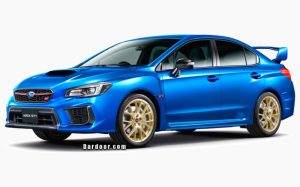
2020 Subaru WRX and WRX STI Repair Manual
$24.90 Add to cart