Get the official wiring diagrams manual for the 2018 Ford Focus, covering 1.0L and 2.3L engines in the third-generation C346 model in PDF.
Quick note: Specs and equipment vary by market (US/CA/EU) and trim (S/SE/SEL/Titanium, ST, RS, etc.). Always verify by VIN.
✅ Overview
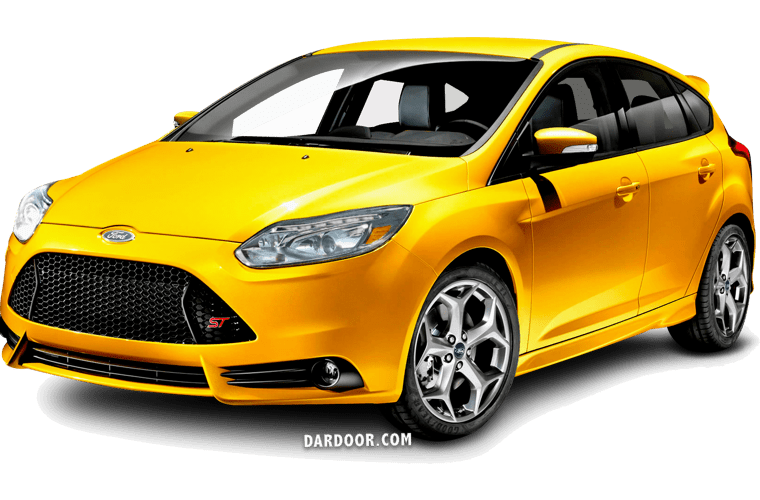
The 2018 Ford Focus is a compact car known for sharp handling, strong fuel economy (especially with the 1.0L EcoBoost), and wide trim variety (including performance trims like ST and RS in some markets). The most talked-about owner complaints center around EVAP purge valve / fuel tank vacuum issues and, on certain configurations, dual-clutch (DPS6/PowerShift) drivability and control-module problems.
🧾 Technical Specs (Common North American Configurations)
| Item | Typical Spec |
|---|---|
| Class | Compact (C-segment) |
| Drivetrain | FWD (most trims); AWD (RS) |
| Engines (common) | 2.0L I4 (~160 hp); 1.0L EcoBoost I3 (~123 hp); ST 2.0L EcoBoost (~252 hp); RS 2.3L EcoBoost (~350 hp) |
| Transmissions | 6-speed manual (varies); 6-speed dual-clutch automatic (varies); RS/ST commonly manual |
| Seating | 5 |
| Wheelbase | ~104.3 in (varies by body/market) |
| Cargo (sedan trunk) | ~13.2 cu ft (typical) |
Important: Sources used for cross-checking typical outputs and dimensions include Autotrader, MotorTrend, Edmunds, and Ford/US EPA fuel-economy listings.
🏁 Performance & Efficiency (Quick View)
- ⛽ Fuel economy (examples vary by engine/trans): 1.0L can be very efficient; ST/RS are performance-focused and consume more.
- 🛞 Driving feel: responsive steering and planted handling are consistent positives.
- 🚀 Acceleration: base trims are adequate; ST/RS are significantly quicker.
✅ Info: EPA listings show multiple Focus variants, including 1.0L and ST/RS configurations with different MPG results.
🔧 Top 10 Common Mechanical Issues (Owner-Reported)
-
⚙️ Dual-Clutch Transmission (DCT) shudder / harsh engagement (where equipped)
- Symptoms: shudder on takeoff, jerky low-speed driving, hesitation, clutch smell.
- Root cause: clutch material wear/contamination, adaptive learning drift, and/or known DPS6 design sensitivity (on affected setups).
- Fix: perform proper diagnosis + relearn; update software; replace clutch packs/seals if slipping/shudder persists.
- Typical cost (range): $150–$400 (diagnosis/relearn) • $1,200–$2,800 (clutch/service) • can be higher at dealers.
-
🛞 Premature front suspension wear (links/bushings/struts)
- Symptoms: clunks over bumps, loose steering feel, uneven tire wear.
- Root cause: bushing wear, end-link play, strut mount deterioration.
- Fix: replace worn components; align vehicle after repair.
- Typical cost (range): $250–$700 (links/bushings) • $700–$1,500 (struts/mounts + alignment).
-
🧯 Engine mounts wearing early
- Symptoms: vibration at idle, clunk when shifting, increased cabin buzzing.
- Root cause: mount rubber breakdown and fluid-filled mount leakage (varies by mount type).
- Fix: replace failed mounts; inspect all mounts together.
- Typical cost (range): $250–$900 depending on number of mounts and labor access.
-
🌀 EVAP purge valve-related drivability side effects (mechanical symptoms)
- Symptoms: rough idle after fueling, hard start, stalling, fuel gauge irregularities.
- Root cause: purge valve malfunction creating excessive tank vacuum and system faults.
- Fix: replace purge valve; inspect tank deformation and EVAP hoses; apply recall/CSP remedy if eligible.
- Typical cost (range): $180–$550 (purge valve) • $700–$1,800+ if fuel tank replacement is required.
-
🛠️ Wheel bearing noise
- Symptoms: humming/growling that changes with speed, sometimes worse when turning.
- Root cause: bearing wear from mileage, impacts, or water intrusion.
- Fix: replace hub/bearing assembly; confirm side via road test.
- Typical cost (range): $350–$900 per corner.
-
🧊 A/C weak cooling or compressor issues
- Symptoms: warm air, noisy compressor, intermittent cooling.
- Root cause: refrigerant leaks, compressor wear, condenser damage.
- Fix: leak test + repair; recharge; replace compressor if failed.
- Typical cost (range): $200–$450 (leak check/recharge) • $900–$1,800 (compressor repair).
-
🛑 Brake vibration / rotor warping
- Symptoms: steering wheel shake when braking, pedal pulsation.
- Root cause: rotor thickness variation from heat, pad deposits, or improper torque.
- Fix: resurface/replace rotors + pads; torque wheels correctly.
- Typical cost (range): $250–$700 per axle.
-
🧴 Oil seepage / gasket leaks (age + mileage dependent)
- Symptoms: oil smell, spots under car, gradual oil loss.
- Root cause: valve cover or front/rear seals aging; PCV issues can worsen seepage.
- Fix: identify leak source; replace gasket/seal; verify PCV function.
- Typical cost (range): $200–$1,200 depending on seal location.
-
🧯 Cooling system leaks / thermostat housing (varies by engine)
- Symptoms: coolant smell, low coolant warnings, overheating.
- Root cause: hose aging, thermostat housing seepage, clamp fatigue.
- Fix: pressure test; replace leaking parts; refill/bleed correctly.
- Typical cost (range): $200–$900.
-
🧷 1.0L oil pump belt / tensioner concerns (if equipped)
- Symptoms: low oil pressure warnings, loss of power, engine stall (worst case).
- Root cause: oil-drive belt or tensioner arm failure on certain 1.0L engines.
- Fix: recall remedy where applicable; replace belt/tensioner or engine repair per program instructions.
- Typical cost (range): $0 (recall) • $900–$3,000+ if out of coverage and damage occurred.
⚡ Top 10 Common Electrical Issues (Owner-Reported)
-
🧠 TCM failure / loss of engagement (DCT-equipped models)
- Symptoms: “Transmission Fault” messages, limp mode, won’t move, intermittent no-start.
- Root cause: TCM internal failure and heat/vibration exposure on affected DPS6 setups.
- Fix: diagnose; replace TCM; program/relearn; verify clutch condition.
- Typical cost (range): $450–$1,800 (parts/programming) — may be covered under certain warranty extensions/programs.
-
⚠️ Check Engine Light for EVAP / purge system codes
- Symptoms: MIL on, rough start after refuel, occasional stall.
- Root cause: purge valve sticking/leaking; EVAP leaks; tank vacuum issues.
- Fix: smoke test; replace purge valve; apply CSP/recall if VIN qualifies.
- Typical cost (range): $150–$650 (most cases) • higher if tank replacement is needed.
-
📱 SYNC/infotainment freezes or Bluetooth dropouts
- Symptoms: reboot loops, no audio, phone disconnects.
- Root cause: software glitches, module memory faults, weak battery causing brownouts.
- Fix: update software; reset module; load test battery; repair wiring if needed.
- Typical cost (range): $0–$250 (update/diagnosis) • $400–$1,200 (module replacement).
-
🔋 Battery drain / parasitic draw
- Symptoms: dead battery after sitting, slow crank, random warning lights.
- Root cause: aging battery, modules not sleeping, aftermarket accessories.
- Fix: parasitic draw test; repair offending circuit/module; replace battery if weak.
- Typical cost (range): $180–$450 (battery) • $250–$900+ (draw diagnosis + repair).
-
🚗 Door lock/actuator failures
- Symptoms: door won’t lock/unlock, intermittent key fob behavior.
- Root cause: actuator motor wear, latch mechanism binding, wiring fatigue in door jamb.
- Fix: replace actuator/latch; inspect wiring harness in door boot.
- Typical cost (range): $250–$650 per door.
-
💡 Headlights/DRLs flicker or bulbs fail often
- Symptoms: flicker, intermittent operation, warning messages.
- Root cause: bulb aging, moisture in housing, poor ground connections.
- Fix: replace bulbs; reseal housing; clean/repair grounds.
- Typical cost (range): $40–$250 (bulbs) • $200–$900 (housing/ground repairs).
-
🌀 Blend door actuator clicking (HVAC)
- Symptoms: clicking behind dash, wrong air temp direction.
- Root cause: actuator gear wear or calibration failure.
- Fix: replace actuator; recalibrate HVAC system.
- Typical cost (range): $180–$650 (labor varies with access).
-
🛞 TPMS warning stays on
- Symptoms: TPMS light on even with correct tire pressure.
- Root cause: dead sensor battery, sensor damage during tire service.
- Fix: scan TPMS IDs; replace faulty sensor; relearn procedure.
- Typical cost (range): $60–$150 per sensor + $40–$120 programming.
-
📷 Backup camera intermittency (where equipped)
- Symptoms: black screen, delayed image, intermittent guidelines.
- Root cause: moisture at camera connector, wiring fatigue, module glitch.
- Fix: inspect/clean connectors; repair harness; update module if applicable.
- Typical cost (range): $120–$900 depending on whether camera/harness/module is needed.
-
📡 CAN/Body communication glitches (sporadic warnings)
- Symptoms: random warnings, intermittent no-start, multiple lights at once.
- Root cause: low battery voltage, poor grounds, corrosion in connectors.
- Fix: voltage + ground testing; inspect connectors for corrosion; repair harness as needed.
- Typical cost (range): $150–$1,200+ depending on root cause.
👍👎 Pros & Cons (Table)
| Pros ✅ | Cons ⚠️ |
|---|---|
| Sporty handling and steering feel | EVAP purge valve / fuel tank vacuum issues reported |
| Strong fuel economy on 1.0L setups | DCT (where equipped) can have drivability + TCM complaints |
| Wide trim range (including ST/RS in some markets) | Some interior electronics can be glitchy as the car ages |
| Good parts availability and large service network | Suspension wear and NVH can increase with mileage |
🛠️ Maintenance Schedule (Practical, Owner-Friendly)
| Interval | Service | Notes |
|---|---|---|
| Every 8,000–12,000 km (5,000–7,500 mi) | 🛢️ Oil & filter | Shorten interval for severe driving, turbo use, or lots of idling. |
| Every 20,000–30,000 km | 🧼 Engine air filter • Cabin filter | Replace sooner in dusty/salty climates. |
| Every 40,000–60,000 km | 🛞 Tire rotation • Brake inspection | Check alignment if uneven wear appears. |
| Every 50,000–80,000 km | 🧪 Coolant check/flush (as needed) | Use correct spec coolant; bleed properly to avoid air pockets. |
| Every 60,000–100,000 km | 🧯 Spark plugs (varies by engine) | Turbo engines may prefer earlier changes. |
| Every 60,000–100,000 km (or by symptoms) | ⚙️ Transmission service (if applicable) | Follow exact spec for your transmission; DCT service is not “universal.” |
| Seasonally | 🔋 Battery test • Charging system check | Low voltage can trigger many “false” module faults. |
🧠 Pro tip: Maintenance intervals vary by engine and market—use your owner’s manual + VIN-specific schedule for exact requirements.
🥊 Top 5 Competitors
📘 Need the Factory Repair Manual for the 2018 Focus?
Get the 2018–2021 Ford Focus OEM Repair Manual with wiring diagrams here:
Download on Dardoor ↗
🚨 Recalls, Advisories & TSB Highlights (Top 10)
- Safety Recall / Fuel system vacuum & fuel tank deformation (Focus 2012–2018; purge valve issue): can lead to stalling and hard restart; typically involves software and/or component remedies. ✅
- Safety Recall 18S32 (Ford reference): related to purge valve / fuel system vacuum concerns on affected Focus builds. ✅
- Follow-up actions for the same fuel tank vacuum issue (including software correction updates): some vehicles required additional fixes after earlier updates. ✅
- Customer Satisfaction Program 24N07 (2012–2018 Focus): one-time no-cost purge valve replacement for extended time coverage (VIN dependent). ✅
- 1.0L engine oil-drive belt tensioner / oil pump belt safety recall (23S64; certain 2016–2022 Focus/EcoSport 1.0L): risk of loss of power and power brake assist if failure occurs. ✅
- 1.0L oil pump drive belt / tensioner service instructions and scope (NHTSA recall documents): includes parts/procedures and symptom progression notes. ✅
- DPS6 transmission clutch shudder warranty extension program (example program bulletin): revised clutch material for judder/shudder on light acceleration (applicability by build/VIN). ✅
- DPS6 TCM warranty extension program (example program bulletin): extended coverage for intermittent loss of engagement symptoms (VIN dependent). ✅
- Water leak/headliner stain TSB (Focus listed among affected vehicles): outlines stain removal after repairing leak sources. ✅
- Door water retention / sloshing noise bulletin: blocked drain holes can trap water inside doors; repair procedure addresses drainage. ✅
Important: recalls/programs are VIN-specific. Always check your VIN on official recall portals (NHTSA/Transport Canada/Ford).
🧠 DTC Trouble Code Tables (10 Codes Each)
🛠️ Engine Control Module (ECM) — Common Codes
| DTC | What it usually points to |
|---|---|
| P0171 | System too lean (vacuum leak, MAF, fuel delivery) |
| P0300 | Random/multiple misfire detected |
| P0301 | Cylinder 1 misfire |
| P0420 | Catalyst efficiency below threshold |
| P0456 | Small EVAP leak |
| P0455 | Large EVAP leak |
| P2196 | O2 sensor signal biased/stuck rich |
| P0113 | IAT sensor circuit high |
| P0128 | Coolant thermostat (temp below regulating) |
| P050A | Cold start idle air control performance |
⚙️ Transmission Control Module (TCM) — Common Codes
| DTC | What it usually points to |
|---|---|
| P0700 | Transmission control system malfunction (generic trigger) |
| P0720 | Output speed sensor circuit |
| P0730 | Incorrect gear ratio |
| P0731 | Gear 1 incorrect ratio |
| P0805 | Clutch position sensor circuit |
| P0810 | Clutch position control error |
| P087A | Clutch position sensor A circuit |
| P090C | Clutch actuator B control circuit low |
| P2832 | Shift fork A position circuit |
| P2872 | Clutch A stuck engaged / performance |
🛑 ABS / ESC (Brake System) — Common Codes
| DTC | What it usually points to |
|---|---|
| C003A | Wheel speed sensor circuit (example) |
| C0040 | Wheel speed sensor signal erratic |
| C1095 | ABS hydraulic pump motor circuit |
| C1100 | ABS module internal fault |
| C1145 | Yaw rate sensor / stability sensor issue |
| C1236 | Brake pressure sensor input |
| C1288 | Steering angle sensor signal |
| C1300 | ABS pump relay / power supply |
| U0121 | Lost communication with ABS module |
| U0415 | Invalid data received from ABS/ESC module |
🎈 SRS Airbag System — Common Codes
| DTC | What it usually points to |
|---|---|
| B0010 | Driver airbag deployment circuit |
| B0020 | Passenger airbag deployment circuit |
| B0051 | Seatbelt pretensioner circuit |
| B0070 | Passenger occupant sensor fault |
| B0081 | Airbag indicator lamp circuit |
| B0092 | Front impact sensor fault |
| B0100 | Side airbag circuit |
| B0101 | Curtain airbag circuit |
| U0151 | Lost communication with restraints control module |
| U3000 | Control module internal fault (generic) |
📡 Body Control / CAN Communication — Common Codes
| DTC | What it usually points to |
|---|---|
| U0100 | Lost communication with ECM/PCM |
| U0101 | Lost communication with TCM |
| U0121 | Lost communication with ABS module |
| U0140 | Lost communication with BCM |
| U0155 | Lost communication with instrument cluster |
| U0164 | Lost communication with HVAC module |
| U0199 | Lost communication with telematics module |
| B10D7 | Ignition/run-start input circuit (example BCM-type) |
| B11D9 | Door ajar / latch signal issue (example BCM-type) |
| U3000 | Module internal fault (often voltage/ground related) |
📝 Note:Code definitions can differ by scan tool and module variant. Use a capable scanner that reads Ford-specific modules for best accuracy./div>
❓ FAQ
1) What is the #1 issue owners mention for the 2018 Focus?
The most repeated pattern is EVAP purge valve / fuel system vacuum trouble (MIL, rough start after refuel, stalling), plus DCT/TCM-related issues on models equipped with the dual-clutch transmission.
2) How do I know if my Focus is covered by a recall or customer satisfaction program?
Use your VIN on official recall lookups. Programs like the purge valve replacement initiative are VIN/build-date dependent.
3) Is the 1.0L EcoBoost “wet belt / oil drive belt” something to worry about?
On certain vehicles, Ford issued a safety recall related to the oil-drive belt tensioner. If your VIN is eligible, the fix is handled under the recall.
4) What maintenance helps the most with reliability?
Consistent oil changes, keeping the battery/charging system healthy, and addressing small EVAP or vacuum leaks early prevents many cascading drivability and “module communication” issues.
5) Should I buy one used?
Yes—if you verify VIN history, recall status, and transmission behavior on a long test drive. A pre-purchase inspection is strongly recommended.
🏆 Final Verdict
The 2018 Ford Focus is a strong-value compact with great road manners and efficient engine options, but it demands smart shopping: confirm recall/CSP completion (especially EVAP purge valve-related items), verify the transmission type, and test thoroughly for shudder/hesitation if it has a dual-clutch setup. With recalls handled and maintenance kept up, it can be a solid daily driver.