


This is the original OEM workshop manual for the 2018-2020 Hyundai Veloster repair manual in PDF.
2018-2020 Hyundai Veloster Repair Manual
$19.90
This is the original OEM workshop manual for the 2018-2020 Hyundai Veloster repair manual in PDF.
Get the same comprehensive level of information that your Hyundai official dealer mechanics and technicians have in a simple PDF format. It’s simple and straightforward with only the manufacturer’s authorized procedures. Every single element of service, repair, and maintenance are included in this fully new updated service and repair manual.
| File Format | |
| File Language | English |
| You’ll Get | 51.4 MB |
| Page Count | 1,240 |
| Delivery Method | Instant Download |
This manual includes the procedures for maintenance, disassembling, reassembling, inspection, and adjustment of components and diagnostics for the guidance of experienced mechanics. Please peruse and utilize this manual to ensure complete repair work to keep your vehicle in optimum condition. First, you need to check if your car is subject to service recall so you can repair your car FREE of charge by your local dealer. When replacing parts during repair work, please make sure to use Hyundai genuine OEM spare parts.
CONTENTS: 2018-2020 Hyundai Veloster Repair Manual
- General Information.
- Clutch System.
- Manual Transaxle System.
- Body (Interior and Exterior).
- Body Electrical System.
- Brake System.
- Driveshaft and axle.
- Electronic Limited Slip Differential System.
- Emission Control System.
- Engine Control-Fuel System.
- Engine Electrical System.
- Engine Mechanical System (Theta 2.0 T-GDI).
- Heating, Ventilation And Air Conditioning.
- Restraint.
- Steering System.
- Suspension System.
Sample Pages
CAUTION: Please note that this manual is made for the use of persons who have special techniques and certifications. Suppose non-specialized or uncertified technicians perform repairs or services only using this manual or without proper equipment or tools. In that case, this may cause severe injury to you or other persons nearby and also cause damage to your vehicle. To prevent dangerous operations and damage to your vehicle, please be sure to follow the instructions thoroughly.
🛠️Common Issues with the 2018-2020 Hyundai Veloster
The 2018-2020 Hyundai Veloster is a sporty, three-door hatchback known for its unique design, fun driving dynamics, and modern tech features. Competing with the Honda Civic Si, Volkswagen Golf GTI, and Mazda3, the Veloster offers a mix of practicality, performance, and affordability.
However, transmission issues, turbo lag, and interior build quality concerns have been reported.

While generally reliable, some Veloster models have a few known issues.
1. Dual-Clutch Transmission (DCT) Issues (Veloster Turbo & N Models)
- Issue: The 7-speed dual-clutch transmission (DCT) can be jerky at low speeds and sometimes fail prematurely.
- Symptoms:
- Delayed or rough shifts, especially at low speeds.
- Transmission overheating warning light.
- Slipping or hesitation under acceleration.
- Solution:
- Perform DCT fluid changes every 30,000-40,000 miles.
- Hyundai has issued software updates to improve DCT shifting behavior.
- If severe issues occur, a transmission replacement may be needed (warranty coverage may apply).
2. Turbocharger Lag & Boost Issues (Veloster Turbo & N Models)
- Issue: The 1.6L turbocharged engine (Turbo models) and 2.0L turbo (Veloster N) can suffer from turbo lag and wastegate actuator problems.
- Symptoms:
- Delayed acceleration or loss of power.
- Check engine light (P0299 – Turbo Underboost Code).
- Solution:
- Perform regular turbo maintenance (oil changes every 5,000 miles).
- Inspect and replace the wastegate actuator if needed.
3. Interior Rattles & Cheap Plastic Build Quality
- Issue: Some owners report rattling noises from the dashboard and door panels, particularly at high speeds or on rough roads.
- Symptoms:
- Squeaks and rattles inside the cabin.
- Loose-feeling trim panels.
- Solution:
- Tighten interior trim clips or apply insulation padding to problem areas.
- Some owners use foam tape or soundproofing materials to reduce noise.
4. Weak Paint & Clear Coat Peeling
- Issue: Some Velosters have thin paint and clear coat peeling issues, especially in red, black, and white colors.
- Symptoms:
- Clear coat starts flaking off, especially on the hood, roof, and trunk.
- Paint scratches easily, even with minor contact.
- Solution:
- Apply ceramic coating or clear vinyl protection.
- Hyundai has provided paint warranty extensions for some models—check with the dealer.
5. Steering Wheel & Suspension Noises
- Issue: Some owners report clicking or clunking noises from the steering column and suspension.
- Symptoms:
- Clicking noise when turning the steering wheel.
- Clunking over bumps or uneven roads.
- Solution:
- Inspect and replace steering coupler or bushings.
- Lubricate the steering shaft if needed.
6. Fuel Injector & Carbon Buildup Issues
- Issue: The direct-injected engines (1.6L Turbo & 2.0L Turbo) can experience carbon buildup over time, reducing performance.
- Symptoms:
- Reduced acceleration or rough idle.
- Misfires or check engine light.
- Solution:
- Perform fuel injector cleaning every 40,000-60,000 miles.
- Use top-tier gasoline and consider catch can installation to reduce buildup.
7. Infotainment System Freezing & Bluetooth Issues
- Issue: Some Velosters experience infotainment screen freezing, Bluetooth connection failures, or Apple CarPlay/Android Auto glitches.
- Symptoms:
- Touchscreen lag or rebooting.
- Bluetooth audio cuts out or won’t connect.
- Solution:
- Perform a factory reset on the infotainment system.
- Hyundai dealers offer software updates to fix connectivity problems.
🛠️ Maintenance Schedule for the 2018-2020 Hyundai Veloster
Proper maintenance helps prevent transmission and turbo issues.
| Maintenance Item | Interval (Miles) | Interval (Km) |
|---|---|---|
| Oil Change (Synthetic 5W-30) | Every 5,000-7,500 | 8,000-12,000 |
| Transmission Fluid Change (DCT & Auto) | Every 30,000-40,000 | 48,000-64,000 |
| Brake Fluid Replacement | Every 30,000 | 48,000 |
| Coolant Flush | Every 100,000 | 160,000 |
| Spark Plug Replacement (Turbo Models) | Every 60,000 | 96,000 |
| Air Filter Replacement | Every 15,000 | 24,000 |
| Cabin Air Filter Replacement | Every 15,000 | 24,000 |
| Turbo & Charge Pipe Inspection | Every 30,000 | 48,000 |
| Carbon Cleaning (Direct Injection Models) | Every 40,000-60,000 | 64,000-96,000 |
⚡ Performance Specs
| Specification | Veloster 2.0 | Veloster Turbo | Veloster N |
|---|---|---|---|
| Engine | 2.0L I4 | 1.6L Turbo I4 | 2.0L Turbo I4 |
| Horsepower | 147 hp | 201 hp | 250-275 hp (Performance Pack) |
| Torque | 132 lb-ft | 195 lb-ft | 260 lb-ft |
| Transmission | 6-speed Auto / 6-speed Manual | 7-speed DCT / 6-speed Manual | 6-speed Manual |
| 0-60 mph | ~8.5 sec | ~6.2 sec | ~5.2 sec (Performance Pack) |
| Drivetrain | Front-Wheel Drive (FWD) | Front-Wheel Drive (FWD) | Front-Wheel Drive (FWD) |
| Fuel Economy (MPG) | 25 city / 33 highway | 27 city / 34 highway | 22 city / 28 highway |
✅ Pros & ❌ Cons of the 2018-2020 Hyundai Veloster
✅ Pros
✔ Unique Three-Door Design – One rear passenger door adds practicality.
✔ Fun-to-Drive Handling – Sporty suspension and steering feel.
✔ Good Fuel Economy – Up to 34 MPG highway in Turbo models.
✔ Turbo & N Models Offer Great Performance – Quick acceleration & engaging driving experience.
✔ Advanced Tech Features – Apple CarPlay, Android Auto, and digital gauge cluster.
❌ Cons
❌ DCT Transmission Issues – Can feel jerky or hesitate at low speeds.
❌ Turbo Lag & Boost Issues – Common in Turbo and N models.
❌ Interior Rattles & Cheap Plastics – Cabin materials aren’t premium.
❌ Paint Quality Issues – Some models suffer from peeling clear coat.
❌ Small Rear Seats – Tight space for adult passengers.
🏆 Competitors to the 2018-2020 Hyundai Veloster
| Competitor | Pros | Cons |
|---|---|---|
| Honda Civic Si | More reliable, fun handling | Less unique design |
| Volkswagen Golf GTI | Best interior quality, refined turbo | Higher price, costly repairs |
| Mazda3 Hatchback | Best styling & interior quality | Slower than Veloster Turbo |
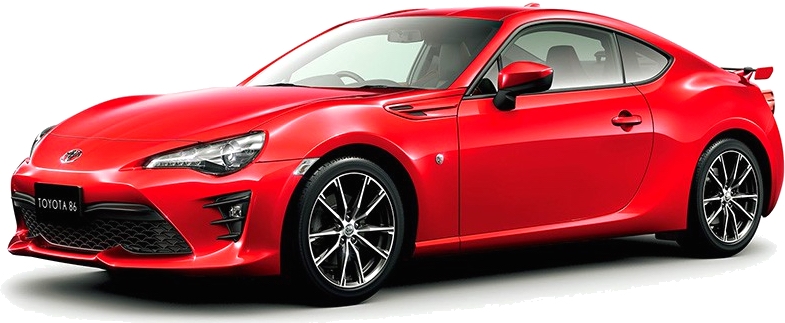
| Toyota 86 / Subaru BRZ | Best handling, RWD fun | Less practical, lower power |
| Mini Cooper S | Unique design, fun to drive | Expensive to maintain |
📌 Final Verdict: Is the 2018-2020 Hyundai Veloster Worth It?
The 2018-2020 Hyundai Veloster is a fun, unique, and stylish hatchback, but requires regular maintenance to prevent DCT and turbo issues.
👉 Verdict: Great for enthusiasts who want a fun, affordable, and unique car! 🚗💨
Related products
-

2010-2013 Hyundai Elantra Repair Manual
$16.90 Add to cart -

2011-2014 Hyundai Veloster Repair Manual
$16.90 Add to cart -

2010-2011 Hyundai Genesis Repair Manual
$16.90 Add to cart -

2006 Hyundai Santa Fe Wiring Diagram
$15.90 Add to cart -

2013-2018 Hyundai Santa Fe Repair Manual
$16.90 Add to cart -

2005-2007 Hyundai Santa Fe Repair Manual
$16.90 Add to cart -

2010-2015 Hyundai Elantra Repair Manual
$14.90 Add to cart -

2008-2010 Hyundai Tucson Wiring Diagram
$16.90 Add to cart