

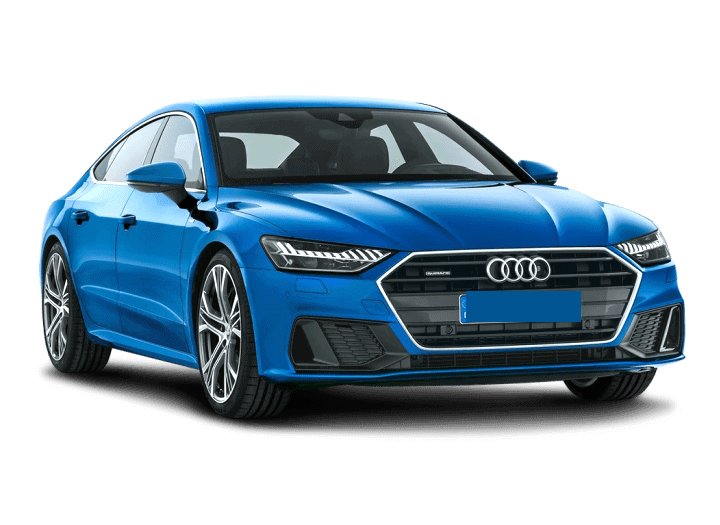

This is the original colored OEM service and workshop repair manual with the wiring diagram for the 2018-2020 Audi A6 and Audi A7 Sportback.
2018-2020 Audi A6 and A7 Sportback Repair Manual
$25.90
This is the original colored OEM service and workshop repair manual for the 2018-2020 Audi A6 and Audi A7 Sportback. The manual includes fully colored electrical wiring diagrams and provides detailed repair and maintenance procedures in a convenient PDF file format. It is the exact manual that Audi dealership technicians use, ensuring precision and reliability for professional repairs.
Engines Covered
- 4-cyl. TDI engine, 2.0l. 4-valve common rail (EA 288 EVO) DFBA DEZD DEZF.
- 4-cyl. direct injection engine (2.0l. 4-valve TFSI, EA 888 Gen. III) DKNA DLHA DLHB.
- 4-cyl. direct injection engine (2.0l. 4-valve TFSI, EA 888 Gen. III, B cycle) DKUA DKYA.
- 6-cyl. TDI engine, 3.0l. 4-valve common rail (EA897 – Gen. II) DDVB DDVE DDVF.
- 6-cyl. TDI engine, 3.0l. 4-valve common rail (EA897 Gen. I) CVMD.
- 6-cyl. direct injection engine (2.9l., 3.0l. 4-valve TFSI EA 839) DLZA DKMB.
| File Format | |
| File Language | English |
| You’ll Get | 221 MB |
| Wiring Diagram | Included |
| Delivery Method | Instant Download |
This OEM service and workshop repair manual include the procedures for maintenance, disassembling, reassembling, inspection, and adjustment of components and diagnostics for guidance of experienced mechanics. Please peruse and utilize this manual fully to ensure complete repair work to keep your vehicle in optimum condition. When replacement of parts during repair work is needed, be sure to use Audi genuine parts.
Table of Contents : 2018-2020 Audi A6 & A7 Sportback
Workshop Service and Repair Manual
- Maintenance.
- Technical data for engines.
- 4-cyl. TDI engine, 2.0l. 4-valve common rail (EA 288 EVO) DFBA DEZD DEZF.
- 4-cyl. direct injection engine (2.0l. 4-valve TFSI, EA 888 Gen. III) DKNA DLHA DLHB.
- 4-cyl. direct injection engine (2.0l. 4-valve TFSI,EA 888 Gen. III, B cycle) DKUA DKYA.
- 6-cyl. TDI engine, 3.0l. 4-valve common rail (EA897 – Gen. II) DDVB DDVE DDVF.
- 6-cyl. TDI engine, 3.0l. 4-valve common rail (EA897 Gen. I) CVMD.
- 6-cyl. direct injection engine (2.9l., 3.0l. 4-valve TFSI EA 839) DLZA DKMB.
- 6-cyl. TDI engine, 3.0l. 4-valve common rail (EA 897 – Gen. II, S6, S7) DEWA.
- Servicing 4-cyl. TDI engine, common rail (EA 288 EVO) DEZE DEZB DFBA DEZF DEZD.
- Servicing 4-cyl. engine, 2.0 ltr. 4-valve TFSI (EA888, Gen. III B cycle).
- Servicing 4-cyl. TDI engine, common rail (EA 288 Gen. I).
- Servicing 4-cyl. engine, 2.0 ltr. 4-valve TFSI (EA 888, Gen. III).
- Servicing 6-cylinder TDI engine, common rail (EA 897 Gen. II).
- Servicing 6-cyl. TDI engine, common rail (EA 897 Gen. I).
- Servicing 6-cyl. engine, 2.9 ltr., 3.0 ltr. 4-valve TFSI EA 839.
- Fuel supply system.
- 7-speed dual clutch gearbox 0CJ, 0CK, 0HL, 0DN, 0DP.
- 8-speed automatic gearbox 0D5.
- Servicing 7-speed dual clutch gearbox 0CJ, 0CL, 0CK, 0DN, 0DP, 0HL.
- Servicing 8-speed automatic gearbox.
- Rear final drive 0D2, 0D3, 0DB, 0B0, 0BX, 0DG, 0G2, 09R.
- Running gear, front-wheel drive, and four-wheel drive.
- WheelTyre Guide (Edition 10.2019).
- WheelTyre Guide (Edition 01.2019).
- Wheels and tires.
- Brake system.
- Driver-assist systems.
- Basic information on high-voltage vehicles.
- Communication.
- Fitting instructions radio communication systems.
- Air conditioner with refrigerant R134a.
- Air conditioners with refrigerant R1234yf – General information.
- Auxiliarysupplementary heater.
- Heating, air conditioning.
- General Body Repairs.
- Body Repairs.
- General body repairs, seats.
- General body repairs, interior.
- General body repairs, exterior.
- Electrical system_ General information.
- Electrical system.
Electrical Wiring Diagrams
- General Information.
- Electrical Wiring Diagrams.
Sample Pages
CAUTION: Please note that this manual is made for the use of persons who have special techniques and certifications. If non-specialized or uncertified technicians perform repairs or services only using this manual or without proper equipment or tools, this may cause severe injury to you or other persons nearby and also cause damage to your vehicle. In order to prevent dangerous operations and damage to your vehicle, please be sure to follow the instructions thoroughly.
Common Issues Reported By Owners
The 2020 Audi A6 and A7 Sportback are luxury vehicles known for their advanced technology, refined interiors, and dynamic performance. While these models are generally reliable and well-regarded, some owners have reported issues. Here’s an overview of the common problems and maintenance considerations:
Common Issues with the 2020 Audi A6 and A7 Sportback
1. Electrical System Malfunctions
- Issue: With numerous advanced electronics, these models may experience glitches in systems such as the infotainment, driver-assistance features, or lighting.
- Symptoms: Unresponsive MMI system, warning lights for driver assistance, or malfunctioning LED headlights or taillights.
- Solution: Apply software updates to affected systems or replace faulty components. A system reset may resolve minor issues.
2. Mild Hybrid System Issues
- Issue: Both models come with a 48-volt mild hybrid system that may encounter issues, such as belt alternator starter (BAS) failure or energy recuperation malfunctions.
- Symptoms: Reduced fuel efficiency, start/stop system not functioning, or hybrid system warnings.
- Solution: Inspect and replace the BAS or address wiring and software-related faults.
3. Transmission and Drivetrain Problems
- Issue: The 7-speed S-Tronic dual-clutch transmission may occasionally exhibit rough or delayed shifting, especially during low-speed maneuvers.
- Symptoms: Jerky gear changes, hesitation when accelerating, or difficulty engaging reverse.
- Solution: Perform a transmission fluid change and update the transmission control software. Persistent issues may require inspection of the mechatronic unit or clutch components.
4. Air Suspension Faults (Optional Equipment)
- Issue: Vehicles equipped with air suspension may experience issues, such as leaks in the system or failure of the compressor.
- Symptoms: Uneven ride height, suspension fault warnings, or a bouncy ride.
- Solution: Inspect for leaks in air struts or hoses and replace faulty components. Regular maintenance can prevent major failures.
5. Engine Oil Consumption
- Issue: Some 2.0L and 3.0L engines are prone to consuming more oil than expected, although this is less common in newer models compared to older Audis.
- Symptoms: Low oil warning light or the need to top off oil between service intervals.
- Solution: Monitor oil levels closely and perform oil consumption tests if the problem persists. Address any leaks or internal engine issues.
6. Infotainment and Connectivity Glitches
- Issue: The dual-touchscreen MMI system can occasionally freeze, lag, or fail to connect with smartphones via Bluetooth, Apple CarPlay, or Android Auto.
- Symptoms: Unresponsive screens, dropped connections, or inability to pair devices.
- Solution: Perform a system reset, update the software, or replace faulty hardware components if necessary.
7. Brake Rotor and Pad Wear
- Issue: Due to the vehicle’s weight and performance, brake components may wear out faster than expected, particularly with spirited driving.
- Symptoms: Squealing or grinding noises, vibrations during braking, or reduced braking performance.
- Solution: Replace brake pads and rotors as needed with high-quality OEM or aftermarket components.
8. Cooling System Issues
- Issue: Leaks in the water pump or thermostat housing can lead to overheating or coolant loss.
- Symptoms: Coolant level warnings, visible leaks, or engine overheating.
- Solution: Replace the water pump, thermostat, or associated gaskets as needed. Regular coolant flushes help maintain system health.
9. Advanced Driver Assistance System (ADAS) Problems
- Issue: Features like adaptive cruise control, lane-keeping assist, or traffic sign recognition may malfunction or give inaccurate readings.
- Symptoms: Driver-assistance system warnings, erratic behavior, or failure of features to activate.
- Solution: Recalibrate sensors and cameras or update the ADAS software. Faulty components may require replacement.
10. Interior Material Wear
- Issue: Some owners report premature wear on soft-touch surfaces, leather seats, or trim pieces, particularly with high usage or improper care.
- Symptoms: Fading, peeling, or cracking of materials.
- Solution: Regularly clean and condition interior materials. Replace damaged components if necessary.
Maintenance Tips for the 2020 Audi A6 and A7 Sportback
- Oil Changes: Use Audi-approved synthetic oil and follow the recommended service intervals.
- Transmission Service: Change the S-Tronic fluid and filter every 40,000 miles to ensure smooth operation.
- Software Updates: Keep the infotainment and ADAS systems updated to prevent glitches.
- Tire Maintenance: Rotate tires regularly and maintain proper alignment to prevent uneven wear.
- Brake Inspections: Check pads and rotors periodically, especially if the vehicle is driven aggressively.
- Cooling System Care: Flush the coolant and inspect the system regularly to prevent leaks and overheating.
Summary
The 2020 Audi A6 and A7 Sportback are luxurious, feature-rich vehicles offering excellent performance and comfort. However, they can be prone to certain issues, particularly with the electrical system, infotainment, and mild hybrid components. Regular maintenance, software updates, and addressing problems early can help keep these vehicles running smoothly.
If you’re considering purchasing one of these models, a pre-purchase inspection and review of the service history are highly recommended to ensure reliability and avoid unexpected repairs.
Related products
-

2018-2020 Audi A8 Repair Manual
$36.90 Add to cart -
2018-2020 Audi A6 Repair Manual
$29.90 Add to cart -

2018 Audi A6 Wiring Diagrams
$14.90 Add to cart -

2004-2008 Audi A4 S4 Quattro Repair Manual
$19.90 Add to cart -

2018-2020 Audi Q3 Wiring Diagrams
$16.90 Add to cart -

2008-2016 Audi Q5 Repair Manual
$15.90 Add to cart -

2005-2011 Audi A6 Repair Manual
$19.90 Add to cart -

2007-2014 Audi TT Repair Manual
$14.90 Add to cart