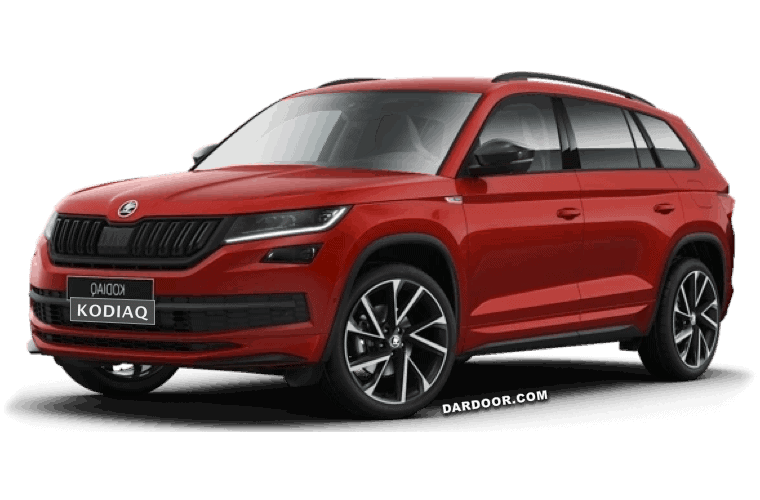
2017–2020 Skoda Kodiaq — OEM Workshop Service & Repair Manual (PDF)
Get the original OEM workshop service and auto repair manual for the 2017–2020 Skoda Kodiaq. This fully indexed PDF is the same factory documentation used by Skoda dealer technicians, providing step-by-step repair procedures, diagnostics, specifications, and complete electrical wiring diagrams.
| File Format |
PDF |
| File Language |
English |
| You’ll Get |
320 MB |
| Page Count |
5,664 |
| Wiring Diagram |
Included |
| Delivery Method |
Instant Download |
Repair and maintain your Skoda Kodiaq with the same documentation trusted by dealership technicians.
Engines Covered
- 1.4 TSI: 92 kW, 110 kW
- 1.8 TSI: 132 kW
- 2.0 TSI: 132 kW, 162 kW, 206 kW
- 2.0 TDI CR: 110 kW, 130 kW, 140 kW
Key Features
- Complete OEM Coverage: Factory-authorized service, repair, and maintenance procedures for all systems.
- Wiring Diagrams: Detailed electrical schematics, connector views, pinouts, and grounding points.
- Diagnostics & DTCs: Official Skoda fault codes, test values, and troubleshooting flowcharts.
- User-Friendly PDF: Fully searchable and printable for use on desktop, tablet, or mobile devices.
What’s Inside
- Routine maintenance schedules, fluids, capacities, and torque specifications
- Engine mechanical repair, fuel, cooling, intake & exhaust systems
- Transmission, drivetrain, AWD & differential servicing
- Brakes, ABS/ESC, suspension, steering, and chassis systems
- Complete electrical system with wiring diagrams and module locations
- Body, interior, HVAC, and SRS/airbag systems
Download & Compatibility
Delivery: Instant digital PDF download
Compatibility: Windows • macOS • iOS • Android
This manual provides detailed instructions for maintenance, disassembly, reassembly, component inspection, adjustment, and diagnostics—intended for use by experienced mechanics. Proper application of this guide will help ensure thorough repairs and maintain your vehicle in peak condition.
Important Note: Before purchasing this manual, please check whether your vehicle is subject to any active service recalls, as authorized dealerships may perform necessary repairs free of charge. When replacing parts, always use genuine OEM components to ensure safety, reliability, and long-term performance.
Table of Contents : 2017-2020 Skoda Kodiaq Repair Manual
-
- Petrol Engine Fuel System.
- Diesel Engine Fuel System.
- 4 92kW 110kW TSI Engine.
- 8 132kW 2.0 132kW 162kW 206kW TSI Engine.
- 0 110kW 130kW 140kW TDI CR Engine.
- 7-Speed Dual-Clutch Gearbox 0DL.
- Heating, Air Conditioning.
- Air Conditioning System.
- Auxiliary heating.
- Basic Equipment.
- Body Repairs.
- General Body Repairs Exterior.
- General Body Repairs Interior.
- Paint General Information.
- Paint Information.
- Body Repairs Interior.
- Brake Systems.
- Chassis Axles Steering.
- Current Flow Diagram – Basic Equipment.
- Propshaft and Rear Final Drive.
- DSG Gearbox 0D9.
- DSG Gearbox 02Q.
- MY19 Changes.
- Vehicle Presentation.
- Wheels Tyres.
SAMPLE PAGES
CAUTION: This OEM service and workshop repair manual provides detailed procedures for maintenance, disassembly, reassembly, inspection, adjustment, and diagnostics. It is intended as a comprehensive guide for experienced mechanics. To ensure thorough and accurate repairs that maintain your vehicle’s optimal performance, please read and follow this manual carefully. When replacing parts during any repair work, always
use genuine Škoda parts to ensure quality, safety, and reliability.
2017–2020 Škoda Kodiaq: Comprehensive Guide
Overview
The Škoda Kodiaq is a mid-size SUV that debuted in 2016 as Škoda’s first large SUV offering. Named after the Kodiak bear, it’s built on the Volkswagen Group’s MQB platform (shared with the VW Tiguan Allspace and SEAT Tarraco).
Key Highlights:
- Available in 5-seat or 7-seat configurations
- Premium interior quality with practical design
- Strong value proposition compared to VW/Audi equivalents
- European Car of the Year finalist in 2017
- Popular in European, Australian, and Asian markets
Technical Specifications
Engine Options
Petrol Engines:
- 1.4 TSI (150 PS/110 kW) – 4-cylinder turbocharged
- Torque: 250 Nm (184 lb-ft)
- 0-100 km/h: 9.8 seconds
- FWD only
- 2.0 TSI (180 PS/132 kW) – 4-cylinder turbocharged
- Torque: 320 Nm (236 lb-ft)
- 0-100 km/h: 8.0 seconds
- AWD available
Diesel Engines:
- 2.0 TDI (150 PS/110 kW) – 4-cylinder turbodiesel
- Torque: 340 Nm (251 lb-ft)
- 0-100 km/h: 9.4 seconds
- FWD or AWD
- 2.0 TDI (190 PS/140 kW) – 4-cylinder turbodiesel
- Torque: 400 Nm (295 lb-ft)
- 0-100 km/h: 8.0 seconds
- AWD only
Transmission & Drivetrain
- 6-speed manual (lower-powered models)
- 7-speed DSG dual-clutch automatic (most models)
- Front-wheel drive (FWD) standard
- All-wheel drive (AWD) available on higher trims
Dimensions & Capacity
- Length: 4,697 mm (185 in)
- Width: 1,882 mm (74 in)
- Height: 1,676 mm (66 in)
- Wheelbase: 2,791 mm (110 in)
- Curb Weight: 1,580–1,870 kg (3,483–4,123 lb)
- Cargo Capacity: 270–720 L (5-seat), 230–2,065 L (7-seat)
- Towing Capacity: Up to 2,500 kg (5,512 lb) when properly equipped
Fuel Economy (Combined)
- 1.4 TSI: 6.4–6.8 L/100km (35–37 mpg)
- 2.0 TSI: 7.4–8.2 L/100km (29–32 mpg)
- 2.0 TDI 150: 5.4–6.0 L/100km (39–44 mpg)
- 2.0 TDI 190: 5.7–6.3 L/100km (37–41 mpg)
Suspension & Brakes
- Front: MacPherson strut
- Rear: Multi-link
- Adaptive dampers available (DCC – Dynamic Chassis Control)
- Disc brakes all around (ventilated front)
Top 10 Mechanical & Electrical Issues
1. DSG Transmission Mechatronic Unit Failure
Symptoms:
- Jerky gear changes or harsh shifting
- Transmission slipping or hesitation
- Warning lights (gearbox fault)
- Vehicle going into limp mode
- Difficulty engaging gears from standstill
Root Cause: The 7-speed DQ200/DQ381 DSG mechatronic unit contains electronic and hydraulic control components that can fail due to overheating, oil contamination, or internal sensor failures. The dual-mass flywheel can also contribute to transmission stress.
Fix:
- Mechatronic unit replacement or rebuild
- DSG fluid and filter change
- Software update
- In severe cases, complete transmission replacement
Cost: £800–£3,500 ($1,000–$4,400 USD)
2. EGR Valve and Cooler Failure (Diesel Models)
Symptoms:
- Engine warning light/check engine light
- Loss of power, especially under acceleration
- Rough idling or engine stalling
- Black smoke from exhaust
- Increased fuel consumption
- Engine going into limp mode
Root Cause: Carbon buildup in the Exhaust Gas Recirculation (EGR) valve and cooler, particularly common in vehicles used for short journeys. The EGR cooler can also crack or leak, causing coolant loss.
Fix:
- EGR valve cleaning or replacement
- EGR cooler replacement if leaking
- DPF regeneration
- Software update for EGR control strategy
Cost: £300–£1,200 ($380–$1,500 USD)
3. DPF (Diesel Particulate Filter) Blockage
Symptoms:
- DPF warning light illuminated
- Significant loss of power
- Poor fuel economy
- Excessive exhaust smoke
- Difficulty starting
- Strong smell of diesel
- Engine entering limp mode
Root Cause: Inadequate regeneration cycles due to predominantly short-distance urban driving. The DPF becomes clogged with soot particles that aren’t burned off during normal highway driving.
Fix:
- Forced DPF regeneration using diagnostic tools
- DPF cleaning service
- DPF replacement in severe cases
- AdBlue system check (if equipped)
Cost: £150–£2,000 ($190–$2,500 USD) depending on whether cleaning or replacement is needed
4. Timing Chain Stretch/Tensioner Failure (1.4 TSI)
Symptoms:
- Rattling noise from engine, especially on cold start
- Check engine light
- Engine misfires
- Poor engine performance
- Rough running
- In severe cases, engine won’t start
Root Cause: The 1.4 TSI engine can suffer from premature timing chain stretch and tensioner failure, particularly in earlier production models. Oil quality and service intervals play a critical role.
Fix:
- Timing chain replacement
- Tensioner and guide rail replacement
- Oil pump chain replacement (preventive)
- Engine oil and filter change
Cost: £1,200–£2,500 ($1,500–$3,100 USD)
5. Water Pump Failure
Symptoms:
- Coolant leaks (often visible under vehicle)
- Engine overheating
- Temperature gauge reading high
- Coolant warning light
- Squealing or grinding noise from engine bay
- Steam from under hood
Root Cause: Plastic impeller degradation or bearing failure in the water pump, common on VAG group vehicles. The water pump is often integrated with the thermostat housing.
Fix:
- Water pump replacement
- Thermostat replacement (usually combined)
- Coolant system flush and refill
- Check for related hose deterioration
Cost: £350–£800 ($440–$1,000 USD)
6. Infotainment System Freezing/Rebooting
Symptoms:
- Touchscreen becomes unresponsive
- System randomly reboots
- Bluetooth connectivity issues
- Navigation system freezing
- Backup camera not displaying
- Audio cutting out
Root Cause: Software bugs in the MIB (Modular Infotainment Platform) system, particularly in 2017-2018 models. Can also be caused by corrupted SD card data or failing head unit hardware.
Fix:
- Software update at dealer
- Infotainment system reset
- SD card replacement
- Head unit replacement (in rare cases)
Cost: £0–£1,500 ($0–$1,900 USD) – often covered under warranty or goodwill
7. Turbocharger Actuator/Wastegate Issues
Symptoms:
- Lack of power, especially during acceleration
- Turbo underboost or overboost fault codes
- Whistling or whining noise from engine
- Check engine light
- Black or blue smoke from exhaust
- Reduced fuel economy
Root Cause: Electronic actuator failure, wastegate sticking due to carbon buildup, or vacuum system leaks affecting turbo control. Common on both petrol and diesel variants.
Fix:
- Turbo actuator replacement
- Wastegate cleaning/freeing
- Vacuum line inspection and replacement
- Complete turbocharger replacement if damaged
Cost: £400–£2,200 ($500–$2,750 USD)
8. AdBlue System Faults (Diesel with SCR)
Symptoms:
- AdBlue warning light
- “Vehicle will not start in XXX miles” message
- AdBlue consumption abnormally high or low
- Reduced engine power
- Starting prevented after countdown expires
Root Cause: AdBlue pump failure, heater element malfunction, quality sensor issues, or crystallization in the system. Cold weather can exacerbate problems. Contaminated or expired AdBlue can also cause issues.
Fix:
- AdBlue pump replacement
- AdBlue tank heater replacement
- System flush and cleaning
- Quality sensor replacement
- Software update
Cost: £300–£1,800 ($380–$2,250 USD)
9. Electronic Parking Brake Malfunction
Symptoms:
- Parking brake warning light stays on
- Error message on dashboard
- Parking brake won’t engage or release
- Grinding or clicking noise when operating
- Brake calipers seizing
Root Cause: Electric motor failure in the brake calipers, corroded cables, software glitches, or worn brake pads triggering the system. Common in vehicles exposed to harsh winter conditions with road salt.
Fix:
- Rear brake caliper replacement (with integrated motors)
- Brake pad replacement
- System reset and calibration
- Software update
Cost: £400–£1,200 ($500–$1,500 USD)
10. Sunroof Drain Blockage and Water Leaks
Symptoms:
- Water dripping from headliner
- Wet carpets (usually front footwells)
- Musty smell in cabin
- Condensation on windows
- Water stains on headliner
- Electrical issues due to water damage
Root Cause: Sunroof drain tubes become blocked with debris (leaves, dirt), causing water to overflow into the cabin. Poorly sealed door membranes and windshield seals can also contribute.
Fix:
- Sunroof drain tube cleaning
- Door membrane inspection and resealing
- Windshield seal replacement if needed
- Carpet drying and mold treatment
Cost: £100–£600 ($125–$750 USD)
Top 5 Competitors
- Pros: Same platform, premium badge, strong resale value, refined drive
- Cons: More expensive, similar issues, smaller third row
- Price Range: Typically 15-20% more expensive than Kodiaq
- Pros: Same platform/engines, sportier styling, good value
- Cons: Less refined interior, smaller dealer network
- Price Range: Similar to slightly less than Kodiaq
- Pros: Proven reliability, comfortable ride, spacious
- Cons: Less sophisticated interior, older platform, CVT transmission concerns
- Price Range: Competitive with Kodiaq
- Pros: 7-year warranty, excellent reliability, feature-rich
- Cons: Less premium feel, higher running costs on petrol models
- Price Range: Similar to Kodiaq
- Pros: Stylish design, excellent interior, individual rear seats
- Cons: Smaller boot with all seats up, some reliability concerns
- Price Range: Competitive pricing, good value
Top 10 Recalls, Advisories & TSB Highlights
1. Airbag Inflator Recall (Takata)
- Issue: Defective Takata airbag inflators that could rupture
- Affected: Various 2017-2018 models
- Action: Driver and/or passenger airbag inflator replacement
2. Seatbelt Pretensioner Recall
- Issue: Front seatbelt pretensioners may not function correctly in a collision
- Affected: 2017-2019 models
- Action: Seatbelt pretensioner inspection and replacement
3. Fuel Tank Strap Recall
- Issue: Fuel tank retaining straps may corrode and fail
- Affected: 2017-2018 models in certain markets
- Action: Fuel tank strap inspection and replacement with corrosion-resistant parts
4. Brake Servo Vacuum Pump Issue
- Issue: Brake servo vacuum pump may fail, resulting in increased brake pedal effort
- Affected: Diesel models 2017-2019
- Action: Vacuum pump inspection and replacement
5. Panoramic Sunroof Glass Shattering
- Issue: Panoramic sunroof glass may spontaneously shatter
- Affected: Various 2017-2019 models
- Action: Sunroof glass replacement with improved specification
6. TSB: DSG Transmission Software Update
- Issue: Jerky shifting, hesitation, or harsh engagement
- Solution: Software update to improve shift quality and mechatronic control
7. TSB: DPF Regeneration Strategy Update
- Issue: Frequent DPF warning lights and regeneration issues
- Solution: ECU software update for improved regeneration control
8. TSB: Infotainment System Update
- Issue: Screen freezing, Bluetooth connectivity problems, slow response
- Solution: Software update for MIB system
9. TSB: AdBlue System Software Update
- Issue: False AdBlue warnings, incorrect range calculations
- Solution: Software calibration update
10. Advisory: Rear Brake Caliper Corrosion
- Issue: Electronic parking brake calipers prone to corrosion in salt-exposed regions
- Solution: Regular inspection, cleaning, and lubrication; caliper replacement if seized
Maintenance Schedule
Every 12 months or 10,000 miles (16,000 km) – Oil Service
- Engine oil and filter change
- Visual inspection of brakes, suspension, lights
- Tire pressure and condition check
- Wiper blade inspection
- Battery test
Every 24 months or 20,000 miles (32,000 km) – Inspection Service
- All oil service items PLUS:
- Cabin air filter replacement
- Brake fluid check
- Coolant level check
- Air filter inspection
- Drive belt inspection
Every 3 years or 30,000 miles (48,000 km)
- DSG transmission fluid and filter change (critical)
- Brake fluid replacement
- Air filter replacement
- Fuel filter replacement (diesel)
- Spark plugs inspection (petrol, replace if needed)
Every 4 years or 40,000 miles (64,000 km)
- All previous service items
- Timing chain inspection (1.4 TSI)
- Haldex oil change (AWD models)
Every 60,000 miles (96,000 km)
- Spark plugs replacement (petrol)
- Coolant replacement
- Thorough brake system inspection
Additional Maintenance
- DPF Regeneration: Monitor and ensure regular long drives (diesel)
- AdBlue Top-up: As needed, typically every 6,000-10,000 miles
- Tire Rotation: Every 6,000-8,000 miles
- Wheel Alignment: Annually or if handling issues noted
10 FAQs for Buyers
1. Is the Kodiaq reliable?
The Kodiaq has average reliability. It shares components with VW/Audi, which means it inherits both their strengths and weaknesses. Common issues include DSG transmission problems, DPF/EGR issues on diesels, and water pump failures. Regular maintenance is crucial. Reliability ratings typically place it mid-table compared to Japanese competitors.
2. Should I buy petrol or diesel?
Choose diesel if: You drive over 15,000 miles annually, do regular long-distance journeys, need maximum towing capacity, and want best fuel economy.
Choose petrol if: You primarily do short urban trips, drive less than 12,000 miles annually, want to avoid DPF/EGR issues, or need lower initial purchase price.
The 2.0 TDI 150 offers the best balance of economy and performance for most buyers.
3. Do I need AWD?
AWD is beneficial if you live in areas with harsh winters, do regular off-road/rural driving, or tow regularly. For most urban and highway driving, FWD is adequate and offers better fuel economy. AWD adds weight, complexity (Haldex system maintenance), and cost.
4. What are the common problems I should check for when buying used?
- DSG transmission: Test for smooth shifting, no jerking or hesitation
- Engine oil leaks: Check around timing cover and oil pan
- Water leaks: Check carpets, headliner for stains or damp smell
- Infotainment: Test all functions including Bluetooth and navigation
- DPF warning light (diesel): Check service history for DPF-related work
- Timing chain noise (1.4 TSI): Listen for rattling on cold start
- Full service history: Absolutely essential, especially DSG services
5. How expensive is it to maintain?
Annual maintenance costs average £400-£800 ($500-$1,000) for routine services. Major services (DSG, timing components) can be £1,000+. Parts are VW Group prices—not cheap but widely available. Independent specialists can save 30-40% versus dealers. Budget £1,200-£1,800 annually including tires, brake pads, and unexpected repairs.
6. Is the 7-seat version practical?
The third row is best suited for children or short journeys. Adults will find it cramped. Boot space is significantly reduced with all seats up (230L vs 720L in 5-seater). The individual middle-row seats in 7-seaters are more versatile than the bench in 5-seaters. If you regularly need 7 seats, consider it; otherwise, the 5-seater offers more cargo flexibility.
7. What trim level should I buy?
- SE/Ambition: Good base specification, represents best value
- SE L/Style: Adds comfort features, LED lights, better infotainment
- Edition/Scout: Worth it if you want the specific features (AWD, styling)
- Sportline/L&K: Premium trim with all features but commands high used prices
Most buyers find the mid-range SE L/Style offers the sweet spot of features and value.
8. How does it compare to the VW Tiguan?
The Kodiaq is larger, offers 7 seats, has more boot space, and costs less. The Tiguan feels slightly more premium inside and has better brand prestige. Mechanically they’re nearly identical. The Kodiaq offers better value for money; the Tiguan offers better resale value. If you need space and value, choose Kodiaq. If you want VW badge and don’t need the extra space, choose Tiguan.
9. What’s the real-world fuel economy?
- 1.4 TSI: 32-36 mpg (7.3-6.5 L/100km)
- 2.0 TSI: 28-32 mpg (8.4-7.3 L/100km)
- 2.0 TDI 150: 42-48 mpg (5.6-4.9 L/100km)
- 2.0 TDI 190: 38-44 mpg (6.2-5.4 L/100km)
AWD models typically return 5-10% worse fuel economy. Actual results vary significantly based on driving style and conditions.
10. Are parts and repairs expensive?
Parts prices are typical VW Group level—moderate to high. Many parts are shared across VW/Audi/SEAT, ensuring good availability. Independent specialists can source aftermarket parts at 30-50% savings. Škoda dealer labor rates are typically £80-120/hour ($100-150). Timing chain job: £1,200-£2,500. DSG service: £300-500. Brake pads: £150-300. Overall, more expensive than Japanese brands but cheaper than premium German badges.
Final Buyer Recommendations
✅ Buy a Kodiaq if:
- You need a spacious, practical 7-seater at a reasonable price
- You value interior quality and modern features
- You’re comfortable with VW Group reliability and maintenance costs
- You can find one with full service history, especially DSG services
- You do sufficient mileage to justify diesel (if choosing diesel)
- You want better value than VW/Audi equivalents
⚠️ Be Cautious if:
- You’re looking at high-mileage examples without comprehensive service records
- The vehicle has been used primarily for short urban journeys (diesel)
- You find evidence of DSG transmission issues or previous repairs
- There’s no proof of timing chain inspection/replacement (1.4 TSI, high mileage)
- You want Japanese-level reliability and lower running costs
- Budget is very tight for unexpected repairs
🔍 Pre-Purchase Inspection Checklist:
- Verify complete service history (digital or stamped)
- DSG transmission: Test drive including slow-speed maneuvering, check for smooth operation
- Check for oil leaks, especially around timing cover
- Inspect for water damage: carpets, headliner, musty smell
- Test all infotainment functions thoroughly
- Cold start test: listen for timing chain rattle
- DPF status check via diagnostic scan (diesel)
- Check for outstanding recalls
- Inspect brake calipers for corrosion
- Review AdBlue system function (if equipped)
💰 Best Value Sweet Spot:
- 2018-2019 model year (post-facelift improvements, before high pandemic pricing)
- 2.0 TDI 150 SE L with DSG and AWD
- Mileage: 30,000-60,000 miles
- Full dealer service history with evidence of DSG services
- Single owner preferred
- Price range: £18,000-£24,000 ($22,500-$30,000 USD) depending on condition/spec
Overall Verdict
The 2017-2020 Škoda Kodiaq represents solid value in the mid-size SUV segment, offering premium features, excellent practicality, and competitive pricing compared to VW Group siblings. However, it’s not without issues—DSG transmission problems, diesel emissions system faults, and typical VW Group niggles mean this isn’t a “buy and forget” vehicle.
Best suited for: Families needing space and practicality who are willing to maintain the vehicle properly and budget for occasional repairs. The Kodiaq rewards diligent ownership with comfortable, capable transportation.
Not ideal for: Budget-conscious buyers seeking ultra-reliability, those doing exclusively short trips (diesel), or buyers who neglect maintenance schedules.
Bottom line: A good used Kodiaq with full history at the right price is an excellent buy. A neglected one with patchy service records could become a money pit. Do your homework, get a pre-purchase inspection, and budget appropriately for maintenance.