

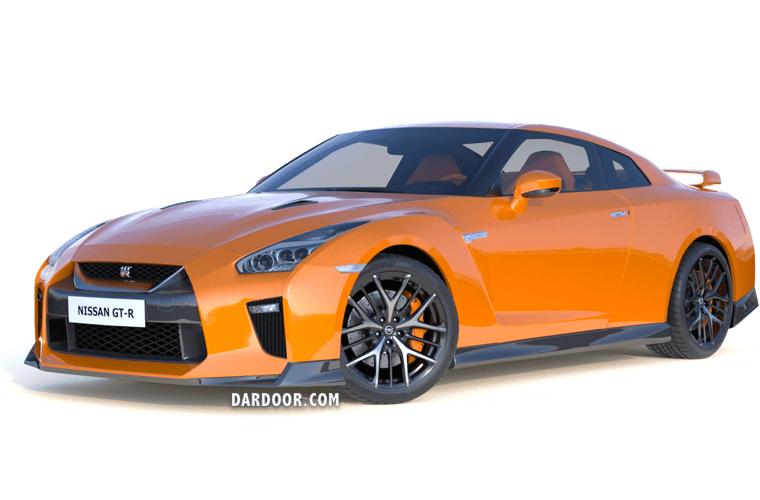
Get a complete and original workshop document for the 2016 Nissan GT-R repair manual, Model R35 series in PDF format.
2016 Nissan GT-R Repair Manual
$16.90
Welcome to our resource hub for the 2016 Nissan GT-R enthusiasts! Here, you’ll find the complete and original workshop document for the 2016 Nissan GT-R repair manual, Model R35 series, available in PDF format. This comprehensive guide contains all the necessary instructions needed to repair your GT-R, from minor fixes to major overhauls. It’s the same manual that your local Nissan dealer technicians use to diagnose and repair your car, ensuring you have access to professional-grade information and expertise. Dive in to keep your GT-R running at peak performance!
| File Format | |
| File Language | English |
| You’ll Get | 128 MB |
| Delivery method | Instant Download |
This manual provides detailed instructions for maintenance, disassembly, reassembly, component inspection, adjustment, and diagnostics—intended for use by experienced mechanics. Proper application of this guide will help ensure thorough repairs and maintain your vehicle in peak condition.
Important Note: Before purchasing this manual, please check whether your vehicle is subject to any active service recalls, as authorized dealerships may perform necessary repairs free of charge. When replacing parts, always use genuine OEM components to ensure safety, reliability, and long-term performance.
Table of Contents : 2016 Nissan GT-R Repair Manual
SAMPLE PAGES
CAUTION: This OEM service and workshop repair manual provides detailed procedures for maintenance, disassembly, reassembly, inspection, adjustment, and diagnostics. It is intended as a comprehensive guide for experienced mechanics. To ensure thorough and accurate repairs that maintain your vehicle’s optimal performance, please read and follow this manual carefully. When replacing parts during any repair work, always use genuine Nissan parts to ensure quality, safety, and reliability.
2016 Nissan GT-R: Comprehensive Guide
The 2016 Nissan GT-R is a high-performance sports car that represents the R35 generation’s mid-cycle refresh. Known as “Godzilla,” the GT-R combines supercar performance with relative practicality and all-weather capability thanks to its advanced all-wheel-drive system.
Key Highlights:
-
- Redesigned exterior with more aggressive styling
- Enhanced interior materials and updated infotainment
- Improved aerodynamics and chassis tuning
- Available in Premium, Black Edition, and Track Edition trims
- Hand-built engine assembled by a single “Takumi” craftsman
Technical Specifications
Engine:
-
- Type: 3.8L twin-turbocharged V6 (VR38DETT)
- Horsepower: 545 hp @ 6,400 rpm
- Torque: 463 lb-ft @ 3,200-5,800 rpm
- Compression ratio: 9.0:1
- Redline: 7,000 rpm
Transmission & Drivetrain:
-
- 6-speed dual-clutch automated manual (GR6)
- ATTESA E-TS all-wheel drive with electronic torque split
- Rear-mounted transaxle for optimal weight distribution
Performance:
-
- 0-60 mph: 2.7-2.9 seconds
- Quarter mile: ~11.2 seconds
- Top speed: 196 mph (electronically limited)
- Weight: 3,933 lbs (Premium), 3,865 lbs (Track Edition)
Chassis & Suspension:
-
- Independent double-wishbone front suspension
- Multi-link rear suspension
- Bilstein DampTronic shock absorbers with multiple modes
- Carbon-ceramic brakes (optional/Track Edition)
- 20-inch forged aluminum wheels
Dimensions:
-
- Length: 184.6 inches
- Width: 74.6 inches
- Height: 53.9 inches
- Wheelbase: 109.4 inches
Fuel Economy:
-
- City: 16 mpg
- Highway: 22 mpg
- Combined: 19 mpg
- Fuel tank: 19.5 gallons
- Premium fuel required
Top 10 Mechanical and Electrical Issues
1. Transmission Shudder/Judder
-
- Symptoms: Vibration or shuddering during acceleration, particularly in 1st-3rd gears; roughness during gear changes at low speeds
- Root Cause: Clutch pack wear, contaminated transmission fluid, or degraded clutch material in the dual-clutch system; can be exacerbated by aggressive launches or improper warm-up procedures
- Fix: Transmission fluid flush with Nissan-specified fluid, clutch pack replacement in severe cases, software update for transmission control module
- Cost: $500-$1,500 for fluid service; $5,000-$12,000 for clutch replacement
2. Turbocharger Failure
-
- Symptoms: Loss of boost pressure, excessive smoke from exhaust, whining or whistling noises, check engine light, reduced power output
- Root Cause: Oil starvation from track use or aggressive driving without proper cool-down; contaminated oil; bearing failure; wastegate actuator malfunction
- Fix: Turbocharger replacement (often both turbos replaced together), oil system inspection, replacement of oil feed/return lines
- Cost: $8,000-$15,000 per turbocharger (parts and labor)
3. Engine Oil Consumption
-
- Symptoms: Low oil level warnings, burning oil smell, blue smoke from exhaust during acceleration, need to add oil between changes
- Root Cause: Piston ring wear (common on high-mileage or heavily tracked cars), valve stem seal deterioration, turbo seal leakage
- Fix: Minor cases: monitor and top-off oil regularly; severe cases: engine rebuild with new piston rings, valve stem seals, turbo seals
- Cost: $200-$500 annually for extra oil; $15,000-$25,000 for engine rebuild
4. Differential Whine/Noise
-
- Symptoms: Whining, humming, or grinding noise from rear end that changes with speed; vibration through floorboard; noise increases during acceleration or deceleration
- Root Cause: Worn differential bearings, gear wear from hard launches, insufficient or contaminated differential fluid, improper break-in procedure
- Fix: Differential fluid change, bearing replacement, complete differential rebuild in severe cases
- Cost: $300-$600 for fluid service; $3,000-$6,000 for rebuild
5. Brake Rotor Warping
-
- Symptoms: Pulsating brake pedal, vibration through steering wheel during braking, uneven braking performance, visible scoring or discoloration on rotors
- Root Cause: Excessive heat from aggressive driving or track use, improper bedding procedure, metallurgy issues with OEM rotors, uneven pad deposits
- Fix: Rotor resurfacing (if within spec), rotor and pad replacement, upgrade to carbon-ceramic brakes for track use
- Cost: $2,500-$4,000 for standard rotor/pad replacement; $10,000-$15,000 for carbon-ceramic upgrade
6. Axle/CV Joint Boot Tears
-
- Symptoms: Clicking or popping noise during turns, grease visible on inside of wheels, vibration during acceleration, torn rubber boots visible on inspection
- Root Cause: Rubber boot deterioration from heat exposure, debris impact, age-related cracking, aggressive driving stressing joints
- Fix: CV boot replacement if caught early, complete axle replacement if joint is contaminated or damaged
- Cost: $400-$800 per boot replacement; $1,200-$2,000 per axle replacement
7. Touchscreen/Navigation Freezing
-
- Symptoms: Infotainment screen becomes unresponsive, GPS navigation freezes or crashes, backup camera intermittently fails, system requires frequent reboots
- Root Cause: Software bugs in Nissan’s infotainment system, corrupted data, failing head unit hardware, loose harness connections
- Fix: Software update from dealer, hard reset of system, head unit replacement if hardware failure confirmed
- Cost: $0-$200 for software updates; $1,500-$3,000 for head unit replacement
8. Coolant Leaks
-
- Symptoms: Sweet smell from engine bay, visible coolant puddles under car, low coolant warnings, engine running hot, steam from under hood
- Root Cause: Radiator hose deterioration, water pump seal failure, radiator end tank cracking, coolant reservoir cracks from heat cycling
- Fix: Hose replacement, water pump replacement, radiator replacement, pressure test to identify leak source
- Cost: $300-$800 for hoses; $800-$1,500 for water pump; $1,200-$2,000 for radiator
9. Fuel Pump Failure
-
- Symptoms: Engine cranks but won’t start, sputtering during acceleration, loss of power at highway speeds, whining noise from fuel tank, rough idle
- Root Cause: Fuel pump wear from high-performance demands, contaminated fuel, electrical connector corrosion, running fuel tank too low frequently
- Fix: Fuel pump replacement, fuel filter replacement, fuel system cleaning, electrical connector repair
- Cost: $1,200-$2,200 including parts and labor
10. Launch Control Clutch Wear
-
- Symptoms: Slipping during hard acceleration, burning smell, difficulty engaging gears, increased RPM without corresponding acceleration, juddering
- Root Cause: Excessive use of launch control feature, improper engagement technique, clutch material degradation from repeated high-stress launches
- Fix: Complete dual-clutch assembly replacement, transmission inspection for additional damage, software calibration
- Cost: $8,000-$15,000 for complete clutch replacement
Top 5 Competitors
1. Porsche 911 Carrera S (2016)
-
- Price: ~$115,000
- Performance: 0-60 in 3.9 seconds, 420 hp
- Advantages: Better build quality, more refined driving experience, stronger resale value, superior handling balance
- Disadvantages: More expensive, less raw performance per dollar, rear seats less practical
2. Chevrolet Corvette Z06 (2016)
-
- Price: ~$80,000-$90,000
- Performance: 0-60 in 2.95 seconds, 650 hp
- Advantages: More power, lower price, better dealer network, cheaper maintenance
- Disadvantages: Less sophisticated AWD system, less exotic, rear-wheel drive only
3. Audi R8 V10 (2016)
-
- Price: ~$165,000
- Performance: 0-60 in 3.2 seconds, 540 hp
- Advantages: Exotic styling, naturally aspirated V10 sound, better interior luxury, Quattro AWD
- Disadvantages: Significantly more expensive, less track-focused, higher running costs
4. BMW M4 (2016)
-
- Price: ~$66,000-$75,000
- Performance: 0-60 in 3.9 seconds, 425 hp
- Advantages: Lower cost, more daily-driver friendly, better fuel economy, more refined
- Disadvantages: Rear-wheel drive, less performance, not as focused, lighter weight
5. Mercedes-AMG GT S (2016)
-
- Price: ~$130,000
- Performance: 0-60 in 3.7 seconds, 503 hp
- Advantages: More luxurious interior, better styling (subjective), Mercedes brand prestige
- Disadvantages: More expensive, 2-seater only, less practical, rear-wheel drive
Top 10 Recalls, Advisories & TSB Highlights
Recalls
1. Hood Latch Recall (2016-2017)
- Issue: Hood may not latch properly, could open while driving
- Fix: Dealer inspection and latch striker replacement if necessary
- NHTSA Campaign: 17V-355
2. Fuel System Pressure Issue (2012-2016)
- Issue: Fuel pressure sensor may fail, causing engine stall
- Fix: Fuel pressure sensor replacement
- NHTSA Campaign: 16V-244
3. Passenger Occupant Detection System (2016-2017)
- Issue: Front passenger airbag may not deploy properly
- Fix: Software update and sensor mat replacement
- NHTSA Campaign: 17V-536
Technical Service Bulletins (TSB)
4. Transmission Shift Quality (TSB NTB16-042)
- Issue: Transmission judder or shudder during low-speed operation
- Solution: Transmission fluid replacement with updated specification fluid, software update
5. Brake Noise (TSB NTB15-089)
- Issue: Squealing or grinding noise from brakes during light application
- Solution: Brake pad replacement with revised friction material, rotor inspection
6. Engine Oil Cooler Leak (TSB NTB17-058)
- Issue: Oil seepage from engine oil cooler connections
- Solution: O-ring replacement, tightening of connections
7. Rear Differential Noise (TSB NTB15-072)
- Issue: Whining or humming noise from rear differential
- Solution: Differential fluid replacement with updated specification, software recalibration
8. Navigation System GPS Inaccuracy (TSB NTB16-095)
- Issue: GPS shows incorrect location or loses signal
- Solution: Software update for navigation system
9. A/C Compressor Noise (TSB NTB16-021)
- Issue: Rattling or knocking noise from A/C compressor at idle
- Solution: Compressor clutch replacement or complete compressor replacement
10. Paint Defects – Clear Coat Peeling (TSB NTB17-033)
- Issue: Clear coat delamination on certain paint colors, particularly dark colors
- Solution: Panel repainting with updated paint process (case-by-case warranty consideration)
Maintenance Schedule
Every 3,750 Miles or 6 Months
- Engine oil and filter change (critical for turbocharged engine)
- Multi-point inspection
- Tire rotation and pressure check
- Brake fluid level check
- Visual inspection of brake pads
Every 7,500 Miles or 12 Months
- Cabin air filter replacement
- Check all fluid levels
- Inspect drive belts
- Inspect suspension components
- Battery test
Every 15,000 Miles or 24 Months
- Engine air filter replacement
- Inspect brake rotors and pads
- Inspect exhaust system
- Inspect steering and suspension
- Check all lights and wipers
Every 30,000 Miles or 36 Months
- Brake fluid replacement (critical for track use)
- Transmission fluid inspection
- Differential fluid replacement
- Transfer case fluid replacement
- Spark plug inspection
Every 60,000 Miles
- Transmission fluid replacement (GR6 dual-clutch)
- Coolant replacement
- Spark plug replacement
- Inspect turbochargers
- Full brake system inspection
Track Use Maintenance (After Each Track Day)
- Immediate oil change
- Brake fluid flush
- Transmission and differential fluid check
- Tire inspection for wear/damage
- Suspension component inspection
- Coolant system check
- Turbocharger inspection
Additional Recommendations
- Use only Nissan-specified fluids (especially transmission and differential)
- Allow proper warm-up before aggressive driving (oil temp to 180°F+)
- Cool-down period after spirited driving (especially for turbos)
- Check tire pressures before each drive
- Annual alignment check if driven aggressively
10 FAQs for Buyers
1. What should I look for when buying a used 2016 GT-R?
Complete service history is critical, particularly oil changes every 3,750 miles. Ask about track use – cars with extensive track time will have accelerated wear. Inspect for transmission shudder during test drive, check for oil leaks around turbos and engine, examine brake rotor condition, and verify all recalls have been completed. Request documentation of any modifications. A pre-purchase inspection at a Nissan dealership or GT-R specialist is highly recommended ($200-400 but worth it).
2. How much does it cost to maintain a GT-R annually?
Budget $3,000-$5,000 annually for routine maintenance without track use. This includes four oil changes ($200 each), tire rotation, filters, and inspections. With track use, expect $8,000-$12,000+ annually due to accelerated brake wear, additional fluid changes, and increased tire wear. Major services (transmission fluid, differential service) at 30,000-mile intervals add $2,000-$3,000.
3. Is the GT-R reliable for daily driving?
Yes, when properly maintained. The GT-R is surprisingly practical with usable rear seats, decent trunk space, and all-weather AWD capability. However, ride quality is firm, fuel economy is poor (16-19 mpg), it requires premium fuel, and the low ground clearance can be challenging. Many owners daily drive their GT-Rs successfully, but it’s not as comfortable as a luxury sedan.
4. Can I use regular gas instead of premium?
Absolutely not. The GT-R requires 91+ octane premium fuel minimum (93 recommended). Using regular gas can cause engine knock, reduced performance, and potentially catastrophic engine damage to the high-compression turbocharged engine. This is non-negotiable and clearly stated in the owner’s manual.
5. What’s the difference between Premium, Black Edition, and Track Edition?
Premium: Base model with full features, standard seats, standard brakes. Black Edition: Adds black wheels, red-accented black interior, special badging, front spoiler lip, primarily cosmetic. Track Edition: Performance-focused with Recaro seats, lighter wheels, revised suspension tuning, no rear seats (weight savings), Track Pack option includes carbon-ceramic brakes. Track Edition is the choice for serious enthusiasts.
6. How long does the dual-clutch transmission last?
With proper use and maintenance, 80,000-120,000 miles is typical. However, aggressive launches (especially with launch control), track use, and inadequate warm-up can reduce life to 30,000-50,000 miles. Transmission fluid changes every 30,000 miles and proper warm-up procedures are essential. Clutch replacement costs $8,000-$15,000, so maintenance is critical.
7. Is the GT-R expensive to insure?
Yes. Expect $2,500-$5,000+ annually depending on age, driving record, location, and coverage. The GT-R is classified as a high-performance sports car with expensive parts and high repair costs. Some specialty insurers offer better rates for enthusiasts with clean records. Get quotes before purchasing.
8. What modifications are recommended?
If staying stock, focus on maintenance. Popular upgrades include: exhaust systems for better sound ($2,000-$5,000), intake systems ($500-$1,500), ECU tuning for power gains ($1,500-$3,000), upgraded brake pads and fluid for track use ($500-$1,000), and suspension upgrades ($2,000-$5,000). Note that modifications can void warranty and affect reliability. Many experts recommend keeping the car stock.
9. How does the 2016 compare to other GT-R model years?
2016 received a significant refresh with improved interior quality, updated styling, and better refinement versus 2015 and earlier. The 2017+ models received more power (565 hp) and further refinement. The 2016 represents excellent value – it has the modern styling and improved interior without the price premium of newer models. Mechanically very similar to 2015-2017 models.
10. What should I budget for ownership over 5 years?
Assuming 10,000 miles/year without track use: Maintenance $15,000-$25,000, tires (2-3 sets) $3,000-$6,000, insurance $12,500-$25,000, fuel $10,000-$12,000, potential repairs $5,000-$15,000. Total: $45,500-$83,000 over 5 years, or roughly $9,000-$16,000 annually beyond the purchase price. This doesn’t include depreciation or major component failures.
Final Buyer Recommendations
Who Should Buy a 2016 GT-R?
Ideal Buyers:
- Performance enthusiasts who value capability over brand prestige
- Experienced drivers who understand high-performance car maintenance requirements
- Those with budgets for $5,000+ annual maintenance and insurance costs
- Buyers who want supercar performance with relative practicality
- Track day enthusiasts who want a capable all-weather performer
Who Should Avoid:
- First-time sports car buyers (too much performance, too complex)
- Those seeking luxury and comfort as primary priorities
- Budget-conscious buyers unable to afford proper maintenance
- Anyone planning to skip maintenance or use regular fuel
- Buyers expecting Honda-level reliability with minimal upkeep
Key Buying Tips
- Service history is everything. Walk away from cars without complete documentation. The difference between a well-maintained GT-R and an abused one is enormous.
- Track history matters. Cars with extensive track use will have significantly more wear. Not necessarily a deal-breaker, but should be reflected in price and requires thorough inspection.
- Budget appropriately. The purchase price is just the beginning. Ensure you have reserves for maintenance, tires, and unexpected repairs.
- Get an expert inspection. A $300-500 pre-purchase inspection by a GT-R specialist or Nissan dealer can save you thousands by identifying existing or developing issues.
- Consider certified pre-owned. Nissan’s CPO program adds warranty coverage and ensures the car has been inspected, though 2016 models may now be outside CPO eligibility depending on age/mileage.
- Test the transmission thoroughly. During the test drive, pay close attention to shifts in all modes. Any shuddering, slipping, or harsh engagement is a red flag.
- Verify recalls completed. Check NHTSA database with VIN and ensure all recalls have been addressed.
- Inspect consumables. Brakes, tires, and fluids are expensive on the GT-R. Factor replacement costs into negotiation if these items are worn.
The Verdict
The 2016 Nissan GT-R represents exceptional value in the supercar category, offering performance that rivals cars costing twice as much. However, it demands respect, proper maintenance, and adequate financial resources. When maintained correctly, it’s a relatively reliable performance machine that can be driven year-round. When neglected, it becomes an expensive liability.
At current market prices ($65,000-$85,000 depending on mileage and condition), the 2016 GT-R offers tremendous performance per dollar. It’s one of the last analog supercars before the shift to hybrid powertrains and represents a unique value proposition.
Bottom line: If you’re financially prepared for the ownership costs, understand the maintenance requirements, and genuinely appreciate the GT-R’s capabilities, the 2016 model is an excellent choice. If you’re stretching your budget to afford the purchase price, wait until you can comfortably afford the total cost of ownership. This is a supercar that deserves proper care and feeding.
Related products
-
2014-2020 Nissan X-Trail Repair Manual (T32)
$24.90 Add to cart -
2015 Nissan 370Z Repair Manual
$19.90 Add to cart -
2015 Nissan Titan Repair Manual
$16.90 Add to cart -
2016 Nissan Rogue T32 Repair Manual
$19.90 Add to cart -
2015 Nissan Sentra Repair Manual
$16.90 Add to cart -
2015 Nissan Xterra Repair Manual
$16.90 Add to cart -
2015 Nissan Rogue Repair Manual T32
$16.90 Add to cart -
2015 Nissan Altima Repair Manual
$16.90 Add to cart