


Get the original OEM workshop service and repair manual for the 2014 Nissan Juke (F15 Series) in a simple, searchable PDF format.
2014 Nissan Juke Repair Manual
$16.90
2014 Nissan Juke (F15) — OEM Workshop Service & Repair Manual (PDF)
| File Format | |
| File Language | English |
| You’ll Get | 116.9 MB |
| Wiring Diagram | Included |
| Delivery Method | Instant Download |
Repair to factory standards—reduce guesswork and get repairs right the first time.
Coverage
- Model Year: 2014
- Model: Nissan Juke
- Series/Chassis: F15
- Sections Included: Mechanical, electrical, diagnostics, maintenance, and wiring diagrams
Key Features
- Official OEM Procedures
- Complete Wiring Diagrams
- Diagnostics & DTCs
- Searchable PDF
What’s Inside
- Maintenance schedules, fluids, capacities, and torque charts
- Engine service & repair procedures (market/trim dependent)
- Transmission & drivetrain service (including CVT/MT where equipped)
- Brakes, ABS, suspension, steering & alignment
- Electrical system: wiring diagrams, connector locations, grounds & modules
- Body, interior, HVAC, and SRS/airbag systems
- Diagnostic procedures and troubleshooting guides
Download & Compatibility
Delivery: Instant digital PDF download
Compatibility: Windows • macOS • iOS • Android
This manual provides detailed instructions for maintenance, disassembly, reassembly, component inspection, adjustment, and diagnostics—intended for use by experienced mechanics. Proper application of this guide will help ensure thorough repairs and maintain your vehicle in peak condition.
Important Note: Before purchasing this manual, please check whether your vehicle is subject to any active service recalls, as authorized dealerships may perform necessary repairs free of charge. When replacing parts, always use genuine OEM components to ensure safety, reliability, and long-term performance.
Table of Contents : 2014 Nissan Juke Repair Manual
SAMPLE PAGES
2014 Nissan Juke: Comprehensive Buyer’s Guide
Overview
The 2014 Nissan Juke is a subcompact crossover with distinctive, polarizing styling that debuted in 2011. Known for its quirky design and sporty handling, the Juke carved out a unique niche in the crossover market.
Key Characteristics:
- Unconventional, aggressive exterior design with high-mounted headlights
- Sport-tuned suspension offering car-like handling
- Available turbocharged engine and AWD
- Compact exterior with tight interior space
- Positioned as a fun, urban-oriented crossover
Technical Specifications
Engine Options:
- Base: 1.6L turbocharged 4-cylinder (MR16DDT)
- Horsepower: 188 hp @ 5,600 rpm
- Torque: 177 lb-ft @ 1,600-5,200 rpm (FWD) / 184 lb-ft (AWD)
Transmission:
- 6-speed manual (FWD only)
- CVT (Continuously Variable Transmission) – most common
Drivetrain:
- Front-wheel drive (FWD) standard
- All-wheel drive (AWD) available
Dimensions:
- Length: 162.4 inches
- Width: 69.5 inches
- Height: 61.8 inches
- Wheelbase: 99.6 inches
- Ground clearance: 6.1-7.9 inches (depending on trim)
- Curb weight: 2,930-3,251 lbs
Cargo & Interior:
- Passenger capacity: 5
- Cargo volume: 10.5 cu ft (seats up), 35.9 cu ft (seats down)
- Fuel tank: 11.8 gallons
Performance:
- 0-60 mph: ~7.0-8.0 seconds (varies by drivetrain)
- Fuel economy: 27-30 mpg city, 32-33 mpg highway (FWD CVT)
Trim Levels (2014):
- S
- SV
- SL
- NISMO (sport-oriented)
Top 10 Mechanical & Electrical Issues
1. CVT Transmission Failure/Juddering
Symptoms:
- Jerking, shuddering, or hesitation during acceleration
- Whining or grinding noises
- Transmission slipping or failing to engage
- Check engine light with CVT-related codes (P0700, P17F0)
Root Cause:
- Nissan’s CVT design in this era had inherent weaknesses
- Premature wear of transmission components
- Overheating issues
- Valve body defects
Fix:
- CVT fluid change (temporary relief)
- CVT valve body replacement
- Complete CVT transmission replacement (most common)
Cost: $1,500-$2,000 (fluid service), $3,500-$6,500 (replacement)
2. Turbocharger Failure
Symptoms:
- Loss of power/acceleration
- Blue or black smoke from exhaust
- Whining or whistling noise during acceleration
- Check engine light (P0299, P0234)
- Excessive oil consumption
Root Cause:
- Oil supply issues to turbocharger bearings
- Carbon buildup in turbo components
- Worn turbo seals or bearings
- Inadequate oil change intervals
Fix:
- Turbocharger replacement
- Check/repair oil feed lines
- Replace damaged intake/exhaust components
Cost: $1,200-$2,500 (parts and labor)
3. Timing Chain Noise/Failure
Symptoms:
- Rattling noise from engine, especially on cold start
- Noise disappears after engine warms up
- Check engine light (timing-related codes)
- Poor engine performance
Root Cause:
- Premature wear of timing chain tensioner
- Stretched timing chain
- Design flaw in timing chain components
- Low oil pressure
Fix:
- Replace timing chain, tensioner, and guides
- Replace timing chain cover gasket
- Oil change with proper grade oil
Cost: $1,200-$2,200
4. Fuel System Issues (Fuel Pump/Sending Unit)
Symptoms:
- Inaccurate fuel gauge readings
- Engine stalling or hesitation
- Difficulty starting
- Fuel gauge stuck on empty or full
- Check engine light (P0461, P0462, P0463)
Root Cause:
- Defective fuel level sending unit
- Faulty fuel pump
- Corroded electrical connections
- Manufacturing defect
Fix:
- Replace fuel pump assembly
- Replace fuel level sending unit
- Clean/repair electrical connections
Cost: $400-$900
5. Climate Control/AC Compressor Failure
Symptoms:
- AC blows warm air
- Loud grinding or squealing noise from AC compressor
- AC clutch not engaging
- Intermittent cooling
- Refrigerant leaks
Root Cause:
- Premature AC compressor clutch failure
- Compressor bearing wear
- Refrigerant leaks from seals
- Electrical issues with AC controls
Fix:
- AC compressor replacement
- Recharge refrigerant system
- Replace AC clutch
- Repair electrical connections
Cost: $800-$1,500
6. Steering Rack Issues
Symptoms:
- Clunking noise when turning
- Heavy or stiff steering
- Fluid leaks under vehicle
- Wandering or loose steering feel
Root Cause:
- Defective steering rack seals
- Worn steering rack bushings
- Manufacturing defects in power steering rack
Fix:
- Replace steering rack assembly
- Replace steering rack seals
- Power steering fluid flush
Cost: $800-$1,600
7. Front Strut Mount/Suspension Noise
Symptoms:
- Clunking or knocking noise over bumps
- Noise from front end when turning
- Poor handling or steering response
- Uneven tire wear
Root Cause:
- Premature wear of front strut mount bearings
- Failed strut mount bushings
- Worn control arm bushings
Fix:
- Replace front strut mounts
- Replace struts if damaged
- Replace control arm bushings
Cost: $400-$800
8. Oxygen Sensor Failures
Symptoms:
- Check engine light (P0130-P0167)
- Poor fuel economy
- Rough idle
- Failed emissions test
- Engine performance issues
Root Cause:
- Sensor contamination from oil burning
- Normal sensor degradation
- Exhaust leaks damaging sensors
Fix:
- Replace faulty oxygen sensor(s)
- Repair exhaust leaks if present
- Address any oil consumption issues
Cost: $150-$400 per sensor
9. Bluetooth/Navigation System Malfunctions
Symptoms:
- Bluetooth connectivity drops frequently
- Navigation system freezes
- Infotainment system reboots randomly
- Touch screen unresponsive
- Audio cutting out
Root Cause:
- Software bugs in infotainment system
- Faulty head unit hardware
- Corrupted system files
Fix:
- Software update at dealership
- Hard reset of infotainment system
- Head unit replacement (if hardware fault)
Cost: $0-$200 (software update), $800-$1,500 (replacement)
10. Engine Oil Consumption
Symptoms:
- Low oil warning light illuminates frequently
- Need to add oil between changes
- Blue smoke from exhaust
- Oil spots under vehicle
Root Cause:
- Worn piston rings
- Valve stem seal deterioration
- Turbocharger seal leaks
- PCV valve issues
Fix:
- Replace PCV valve (minor cases)
- Replace valve stem seals
- Engine rebuild or replacement (severe cases)
- Monitor and top off oil regularly
Cost: $100-$300 (PCV), $1,000-$2,000 (seals), $3,000-$6,000 (rebuild)
Top 5 Competitors (2014 Model Year)
1. Mini Cooper Countryman
- Pros: Premium interior, fun to drive, distinctive styling, better build quality
- Cons: More expensive, less reliable, higher maintenance costs
- Price Range: $23,000-$32,000 (new in 2014)
2. Mazda CX-5
- Pros: More spacious, better fuel economy, more reliable, better ride quality
- Cons: Less sporty, more conservative styling, slightly more expensive
- Price Range: $21,500-$29,000 (new in 2014)
3. Kia Soul
- Pros: More interior space, better warranty, lower price, more reliable
- Cons: Less powerful, FWD only, less sporty handling
- Price Range: $14,900-$21,000 (new in 2014)
4. Buick Encore
- Pros: Quieter ride, more upscale interior, better visibility
- Cons: Less powerful, higher price, less engaging to drive
- Price Range: $24,000-$31,000 (new in 2014)
5. Chevrolet Trax
- Pros: Similar size, more cargo space, AWD available
- Cons: Less powerful, less sporty, inferior interior materials
- Price Range: $20,000-$26,000 (new in 2014)
Top 10 Recalls, Advisories & TSB Highlights
Recalls
1. Fuel Pump Recall (NHTSA 14V-305)
- Issue: Fuel pump may fail, causing engine stall
- Affected: 2013-2014 Jukes
- Fix: Replace fuel pump assembly
2. Passenger Airbag Recall (Takata – Multiple campaigns)
- Issue: Airbag inflator may rupture, sending metal fragments into cabin
- Affected: Various years including 2014
- Fix: Replace airbag inflator
3. Hood Latch Recall (NHTSA 14V-017)
- Issue: Secondary hood latch may corrode and fail
- Affected: 2011-2014 Jukes
- Fix: Apply anti-corrosion treatment or replace latch
Technical Service Bulletins (TSBs)
4. TSB NTB14-058: CVT Judder/Shudder
- Issue: CVT may exhibit shuddering during acceleration
- Solution: CVT software update, valve body replacement
5. TSB NTB13-084a: Fuel Gauge Inaccuracy
- Issue: Fuel gauge reads incorrectly
- Solution: Replace fuel level sensor
6. TSB ITB14-057: Navigation System Freezing
- Issue: Navigation/infotainment system freezes or reboots
- Solution: Software update
7. TSB NTB14-003: Timing Chain Noise
- Issue: Rattling noise from engine on cold start
- Solution: Replace timing chain components under warranty extension
8. TSB NTB13-119: AC Compressor Noise
- Issue: Grinding or squealing noise from AC compressor
- Solution: Replace AC compressor clutch or compressor
9. TSB NTB14-076: Steering Clunk Noise
- Issue: Clunking noise when turning steering wheel
- Solution: Replace steering column components
10. TSB NTB13-091: Bluetooth Connectivity Issues
- Issue: Phone won’t connect or disconnects frequently
- Solution: Software update to head unit
Maintenance Schedule
Every 3,750-5,000 Miles (or 6 months)
- Engine oil and filter change
- Rotate tires
- Inspect brake pads and rotors
- Check fluid levels
Every 15,000 Miles (or 12 months)
- Replace cabin air filter
- Inspect drive belts
- Inspect exhaust system
- Check battery condition
Every 30,000 Miles (or 24 months)
- Replace engine air filter
- Inspect brake fluid (replace if needed)
- Inspect CVT fluid (AWD models)
- Inspect suspension components
- Replace spark plugs
Every 60,000 Miles
- CVT fluid change (CRITICAL for transmission longevity)
- Replace coolant
- Replace brake fluid
- Inspect/replace drive belts
- Inspect turbocharger components
Every 100,000 Miles
- Replace timing chain (recommended preventive maintenance)
- Major inspection of all systems
- Replace fuel filter
- Inspect/replace valve cover gaskets
As Needed
- Brake pad replacement: 25,000-60,000 miles
- Tire replacement: 40,000-60,000 miles
- Battery replacement: 3-5 years
- Wiper blades: 6-12 months
🔔 Special Note: CVT fluid changes are critical for the 2014 Juke. Despite Nissan’s “lifetime fluid” claim, changing CVT fluid every 30,000-60,000 miles can significantly extend transmission life.
10 FAQs for Buyers
1. Is the 2014 Nissan Juke reliable? The 2014 Juke has below-average reliability, primarily due to CVT transmission issues, turbocharger failures, and timing chain problems. Expect higher-than-average maintenance costs compared to competitors like the Mazda CX-5 or Kia Soul.
2. How long does the CVT transmission last? With proper maintenance (regular fluid changes), the CVT can last 100,000-150,000 miles. However, many fail prematurely at 60,000-100,000 miles. Budget for potential CVT replacement when buying high-mileage examples.
3. What’s the real-world fuel economy? Expect 24-27 mpg in mixed driving with the CVT. The manual transmission gets slightly better highway mileage. AWD models see a 1-2 mpg reduction.
4. Is the Juke good in snow? The AWD model performs adequately in snow with proper winter tires. The system is reactive (not proactive) and primarily sends power to the rear when front wheels slip. Ground clearance is limited at 6.1-7.9 inches.
5. How much does it cost to insure a 2014 Juke? Insurance averages $1,200-$1,800 annually, depending on location, driver age, and coverage. Rates are moderate for the subcompact crossover class.
6. What should I look for when buying a used 2014 Juke?
- CVT transmission operation (test drive at various speeds, check for shuddering)
- Timing chain noise on cold start
- Service records showing CVT fluid changes
- Turbocharger function (no smoke, proper boost)
- Check for open recalls
- Inspect for oil leaks and consumption
7. Is the NISMO version worth it? The NISMO adds sportier suspension, aerodynamic bodywork, upgraded interior, and slightly more power. It’s more expensive and has a firmer ride. Worth it if you prioritize sporty handling and unique styling; skip if you want comfort or practicality.
8. Can I fit car seats in the back? Yes, but rear seat space is tight. Two car seats fit, but three would be a squeeze. The high window line limits visibility for children, and rear legroom is minimal for adults.
9. What’s the towing capacity? The Juke is not rated for towing and has no factory tow hitch option. Aftermarket hitches exist for small trailers (500-1,000 lbs), but this voids warranties.
10. Are parts expensive? Parts are moderately priced, though some turbo and CVT components are expensive. Independent shops can service most issues. Availability is good since the Juke shares components with other Nissan models.
Final Buyer Recommendations
✅ Consider Buying If:
- You want unique, eye-catching styling
- You prioritize fun, sporty handling in a small crossover
- You’re okay with tight interior space for occasional use
- You can find a well-maintained example with full service records
- You budget for potential CVT and turbo repairs
- You want an affordable entry into turbocharged AWD crossovers
❌ Avoid If:
- You need maximum reliability and low maintenance costs
- You require significant cargo or rear passenger space
- You drive primarily in stop-and-go traffic (hard on CVT)
- You can’t afford a $3,000-$6,000 CVT replacement
- You want a quiet, comfortable highway cruiser
- You need a family vehicle for daily kid-hauling duty
💰 Pricing Guidance (2024 Used Market)
- Fair condition, 100k+ miles: $6,000-$9,000
- Good condition, 60k-100k miles: $9,000-$12,000
- Excellent condition, <60k miles: $12,000-$15,000
- NISMO trim adds: $1,000-$2,000 premium
🔧 Pre-Purchase Inspection Checklist
- Must have: CVT fluid change records
- Test drive 15+ minutes, including highway speeds
- Listen for timing chain rattle on cold start
- Check for turbo boost and unusual noises
- Verify all recalls completed (especially Takata airbag)
- Inspect for oil leaks around turbo and valve cover
- Test all infotainment and climate functions
- Check alignment and tire wear patterns
- Compression test if high mileage (>80k)
- Get pre-purchase inspection from qualified mechanic
🎯 Bottom Line
The 2014 Nissan Juke is a high-risk, high-reward purchase. Its distinctive styling and fun driving dynamics appeal to enthusiasts, but significant reliability concerns—especially the CVT transmission—make it a gamble. Only consider if you’re prepared for higher maintenance costs and potential major repairs. For most buyers seeking practical, reliable transportation, competitors like the Mazda CX-5 or Kia Soul offer better long-term value.
Best Use Case: Second car for urban commuting, enthusiast on a budget who enjoys unique styling and can wrench their own repairs.
Verdict: ⭐⭐½ out of 5 stars for general buyers | ⭐⭐⭐½ out of 5 for enthusiasts willing to accept the risks.
| Brands | |
|---|---|
| File Format | |
| File Size | 116.9 MB |
| Wiring Diagram Included | YES |
| Indexed | YES |
| Instant Download | YES |
| Searchable & Printable | YES |
| Permissions | All Permissions, No Password Protected |
| Delivery Method | Instant Fast Download Speed (The download link will appear on the checkout page after payment is complete) |
Related products
-

2014 Nissan Versa Note Repair Manual
$16.90 Add to cart -

2016 Nissan Quest Repair Manual
$16.90 Add to cart -

2016 Nissan Titan XD Repair Manual
$24.90 Add to cart -
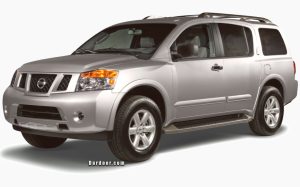
2015 Nissan Armada Repair Manual
$16.90 Add to cart -

2016-2020 Nissan Murano Repair Manual
$16.90 Add to cart -

2014 Nissan Versa Repair Manual
$16.90 Add to cart -

2016 Nissan Sentra Repair Manual
$16.90 Add to cart -

2016 Nissan GT-R Repair Manual
$16.90 Add to cart