

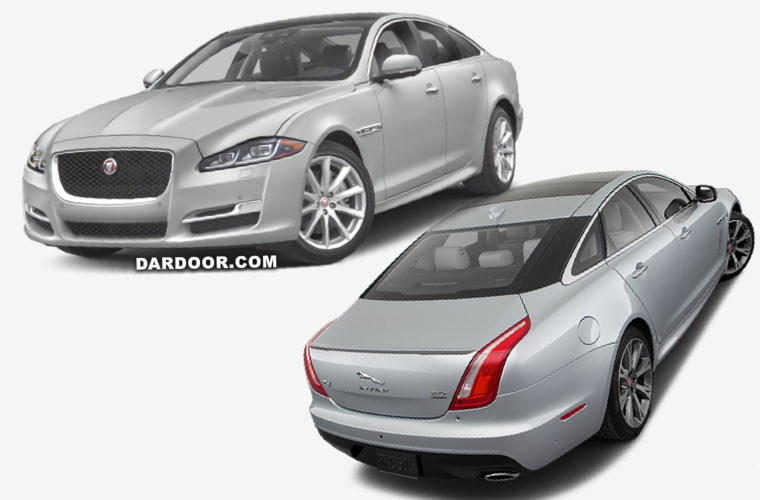
Get the original OEM workshop manual with the wiring diagram for the 2014-2019 Jaguar XJ (X351), in a convenient PDF file.
2014-2019 Jaguar XJ Repair Manual
$24.90
2014-2019 Jaguar XJ (X351) OEM Workshop Repair Manual
(Includes Wiring Diagrams | PDF Format)
Get the original OEM workshop manual for the 2014-2019 Jaguar XJ (X351), featuring comprehensive repair, service, and maintenance procedures. This PDF manual also includes detailed wiring diagrams—identical to the ones Jaguar dealership technicians use for accurate diagnostics and top-tier repairs.
| File Format | |
| File Language | English |
| You’ll Get | 110.2 MB |
| Pages Count | 9,157 |
| Wiring Diagram | Included |
| Delivery Method | Instant Download |
Download the 2014-2019 Jaguar XJ (X351) OEM Workshop Repair Manual in PDF format to keep your Jaguar running in prime condition, with full confidence in the manufacturer’s original service procedures.
Key Features
- Complete Coverage: Instructions for engine, transmission, brakes, suspension, body, and advanced electrical systems.
- Wiring Diagrams: Clear schematics to simplify troubleshooting and electrical repairs.
- OEM-Endorsed: The same authoritative content trusted by Jaguar-certified mechanics.
- User-Friendly PDF: Easily navigable layout for quick reference on any digital device.
Why This Manual?
- Professional Accuracy: Gain confidence from manufacturer-approved procedures and specifications.
- Comprehensive Content: Covers everything from routine maintenance to complex system overhauls.
- Cost & Time Savings: Perform authorized repairs independently and reduce dealership visits.
Ideal For
- Jaguar XJ Owners: Maintain or restore the vehicle’s luxury performance.
- Professional Mechanics: Access critical data for high-quality service.
- DIY Enthusiasts: Tackle repairs and upgrades with step-by-step, factory-level guidance.
This manual includes the procedures for maintenance, disassembling, reassembling, inspection, and adjustment of components and diagnostics for the guidance of experienced mechanics. Please peruse and utilize this manual fully to ensure complete repair work to keep your vehicle in optimum condition. When replacement of parts during repair work is needed, be sure to use Jaguar OEM parts.
Table of Contents : 2014-2019 Jaguar XJ (X351) Repair Manual
Sample Pages
CAUTION: This OEM service and workshop repair manual provides detailed procedures for maintenance, disassembly, reassembly, inspection, adjustment, and diagnostics. It is intended as a comprehensive guide for experienced mechanics. To ensure thorough and accurate repairs that maintain your vehicle’s optimal performance, please read and follow this manual carefully. When replacing parts during any repair work, always use genuine Jaguar parts to ensure quality, safety, and reliability.
2014–2019 Jaguar XJ (X351) – Comprehensive Guide
Overview
The 2014–2019 Jaguar XJ (X351) is a full-size luxury sedan that represents the second-generation X351 platform (introduced in 2010, facelifted in 2016). Known for its distinctive styling, aluminum-intensive construction, and British luxury character, the XJ competes in the premium flagship sedan segment.
Design Philosophy
- All-aluminum monocoque construction for reduced weight
- Sleek, modern design that departed from traditional Jaguar styling
- Available in standard and long-wheelbase (LWB) versions
- Emphasis on performance luxury rather than traditional comfort
Technical Specifications
Engine Options
3.0L Supercharged V6
- Displacement: 2,995 cc
- Power: 340 hp @ 6,500 rpm
- Torque: 332 lb-ft @ 3,500 rpm
- 0-60 mph: ~5.7 seconds
5.0L Supercharged V8 (XJR, XJR575)
- Displacement: 5,000 cc
- Power: 470-550 hp (XJR) / 575 hp (XJR575)
- Torque: 424-516 lb-ft
- 0-60 mph: ~4.4 seconds (XJR) / ~4.2 seconds (XJR575)
3.0L V6 Diesel (Not available in North America)
- Displacement: 2,993 cc
- Power: 275-300 hp
- Torque: 442-516 lb-ft
Transmission
- 8-speed ZF automatic transmission (all models)
- Rear-wheel drive (RWD) standard
- All-wheel drive (AWD) available on select models (2013+)
Dimensions
- Standard wheelbase: 119.4 inches
- Long wheelbase: 124.4 inches
- Length: 202.0 inches (standard) / 207.0 inches (LWB)
- Width: 74.9 inches
- Height: 57.3 inches
- Curb weight: 3,891–4,277 lbs (aluminum construction)
Performance
- Top speed: 121-174 mph (electronically limited, varies by model)
- Fuel economy: 16-19 mpg city / 24-30 mpg highway (V6)
- Fuel economy: 15-16 mpg city / 23-24 mpg highway (V8)
Chassis & Suspension
- Front: Double wishbone with coil springs
- Rear: Multi-link with coil springs
- Adaptive dynamics suspension available
- Electronic active differential (V8 models)
- Variable-ratio power steering
Brakes
- Front: Ventilated discs (14.0–15.7 inches)
- Rear: Ventilated discs (11.9–15.0 inches)
- Brembo brakes on performance models
Trim Levels (2014–2019)
- XJ Base/Premium Luxury
- XJ Portfolio
- XJ R-Sport
- XJL (Long Wheelbase variants)
- XJR (High-performance V8)
- XJR575 (2018–2019, ultimate performance variant)
Top 10 Mechanical and Electrical Issues
1. Timing Chain Tensioner Failure (5.0L V8)
Symptoms:
- Rattling noise on cold start
- Check engine light
- Rough idle
- Potential catastrophic engine failure if chain jumps
Root Cause:
- Weak or defective timing chain tensioners
- Inadequate oil pressure to tensioners
- Wear on timing chain guides
Fix:
- Replace timing chain, tensioners, and guides
- Update to revised parts
Cost: $3,500–$7,000
2. Water Pump Failure
Symptoms:
- Coolant leaks (often from weep hole)
- Overheating
- Whining noise from front of engine
- Low coolant warning
Root Cause:
- Premature bearing failure
- Seal degradation
- Common on both V6 and V8 engines
Fix:
- Replace water pump
- Flush cooling system
- Replace thermostat while accessible
Cost: $800–$1,500
3. Electronic Parking Brake (EPB) Module Failure
Symptoms:
- “Parking Brake Fault” message
- Brake fails to engage or release
- Grinding or clicking noise
- Warning lights on dashboard
Root Cause:
- EPB actuator motor failure
- Control module software glitches
- Corrosion on electrical connectors
Fix:
- Replace EPB actuator(s)
- Software update
- Replace control module if needed
Cost: $1,200–$2,500 (per actuator)
4. Adaptive Air Suspension Compressor Failure
Symptoms:
- “Suspension Fault” warning
- Vehicle sitting low
- Compressor runs continuously
- Uneven ride height
- Rough ride quality
Root Cause:
- Air compressor wear/failure
- Air spring leaks
- Valve block failures
- Moisture accumulation
Fix:
- Replace air suspension compressor
- Replace air springs if leaking
- Repair or replace valve block
Cost: $1,500–$4,000
5. Infotainment System Freezing/Failure
Symptoms:
- Touch screen unresponsive
- System reboots randomly
- Navigation failure
- Audio system malfunction
- Climate controls not working
Root Cause:
- Software bugs in InControl system
- Hard drive failure
- Overheating of electronics
- Corrupted data
Fix:
- Software update/reset
- Replace InControl module
- Replace hard drive
Cost: $500–$2,500
6. Supercharger Coupler/Isolator Failure (Supercharged Models)
Symptoms:
- Loss of power
- Loud squealing or grinding noise
- Check engine light
- Reduced boost pressure
Root Cause:
- Rubber coupler deterioration
- Misalignment
- Heat and vibration damage
Fix:
- Replace supercharger coupler/isolator
- Inspect supercharger bearings
- Check alignment
Cost: $800–$2,000
7. Differential Mount and Bushing Failure
Symptoms:
- Clunking noise during acceleration/deceleration
- Vibration through drivetrain
- Excessive movement of differential
- Noise over bumps
Root Cause:
- Worn rubber bushings
- Subframe mount deterioration
- Normal wear on high-mileage vehicles
Fix:
- Replace differential mounts
- Replace subframe bushings
- Inspect for additional wear
Cost: $1,000–$2,200
8. Battery Drain and Electrical Gremlins
Symptoms:
- Dead battery after sitting
- Various electrical warnings
- Modules staying awake
- Parasitic draw
- Intermittent electrical failures
Root Cause:
- Faulty modules not going to sleep
- Gateway module issues
- Aftermarket accessories
- Faulty door latches/switches
Fix:
- Diagnose parasitic draw
- Update module software
- Replace faulty modules
- Battery replacement
Cost: $300–$1,800
9. Coolant Crossover Pipe Leaks (V8)
Symptoms:
- Coolant smell in cabin
- Steam from engine bay
- Low coolant warnings
- Overheating
- Coolant visible on engine
Root Cause:
- O-ring degradation
- Thermal cycling stress
- Plastic pipe cracking (early models)
Fix:
- Replace coolant crossover pipe
- Replace all O-rings and seals
- Pressure test cooling system
Cost: $1,200–$2,500
10. Fuel Injector Failure (Direct Injection)
Symptoms:
- Rough idle
- Misfires
- Poor fuel economy
- Loss of power
- Check engine light (misfire codes)
- Hard starting
Root Cause:
- Carbon buildup on direct injectors
- Injector seal failure
- Electrical connector corrosion
- Internal injector failure
Fix:
- Replace failed injector(s)
- Carbon cleaning service
- Replace all injectors if multiple failures
Cost: $600–$2,000 (per injector)
Top 5 Competitors
1. BMW 7 Series (G11/G12, 2016–2019)
- Strengths: Advanced technology, strong engine lineup, refined driving dynamics
- Weaknesses: Complex electronics, higher depreciation
- Price Range: $83,000–$157,000 (new)
2. Mercedes-Benz S-Class (W222, 2014–2019)
- Strengths: Industry-leading luxury, comfort, technology innovation
- Weaknesses: Very expensive to maintain, complex systems
- Price Range: $96,000–$200,000+ (new)
3. Audi A8 (D4/D5, 2014–2019)
- Strengths: Quattro AWD, refined interior, tech features
- Weaknesses: Less engaging to drive, expensive repairs
- Price Range: $82,000–$138,000 (new)
4. Lexus LS (XF40/XF50, 2014–2019)
- Strengths: Exceptional reliability, quiet cabin, strong resale value
- Weaknesses: Conservative styling, less sporty
- Price Range: $73,000–$100,000 (new)
5. Porsche Panamera (2014–2019)
- Strengths: Sport sedan performance, excellent handling, versatile hatchback
- Weaknesses: Rear seat space, polarizing styling (first-gen)
- Price Range: $78,000–$180,000+ (new)
Top 10 Recalls, Advisories & TSB Highlights
Recalls
1. Fuel Leak Recall (2015–2017 Models)
- Issue: Fuel supply hose may crack and leak fuel
- Risk: Fire hazard
- Fix: Replace fuel supply hose assembly
2. Seat Belt Pretensioner Recall (2016–2017)
- Issue: Seat belt pretensioners may not deploy properly
- Risk: Increased injury risk in crash
- Fix: Replace seat belt pretensioner assemblies
3. Brake Vacuum Pump Recall (2016–2019)
- Issue: Brake vacuum pump may fail
- Risk: Reduced braking assistance
- Fix: Replace brake vacuum pump
4. Coolant Hose Recall (2015–2018)
- Issue: Coolant hose may leak
- Risk: Engine overheating, fire risk
- Fix: Replace affected coolant hoses
5. Software Update – Engine Control Module (Various Years)
- Issue: ECM software may cause stalling
- Risk: Loss of power while driving
- Fix: ECM software update
Technical Service Bulletins (TSBs)
6. TSB: Timing Chain Rattle on Cold Start
- Affected: 2014–2017 5.0L V8
- Solution: Updated timing chain tensioners and software calibration
7. TSB: Infotainment System Lockup
- Affected: 2014–2016 models with InControl
- Solution: Software update and possible module replacement
8. TSB: Air Suspension Compressor Noise
- Affected: 2014–2018 with adaptive suspension
- Solution: Revised compressor and mounting updates
9. TSB: Parking Brake Fault Messages
- Affected: 2014–2017 models
- Solution: EPB module software update
10. TSB: Water Leak into Trunk/Boot
- Affected: 2014–2016 models
- Solution: Revised tail light seals and trunk weatherstripping
Maintenance Schedule
Every 10,000 Miles / 12 Months
- Engine oil and filter change
- Multipoint inspection
- Tire rotation
- Brake inspection
- Fluid level checks
Every 20,000 Miles / 24 Months
- Cabin air filter replacement
- Engine air filter inspection
- Battery test
- Brake fluid inspection
Every 30,000 Miles / 36 Months
- Engine air filter replacement
- Spark plugs inspection (V6)
- Coolant level check
- Transmission fluid inspection
Every 60,000 Miles
- Spark plug replacement (V8)
- Transmission fluid change (if not lifetime fill)
- Differential fluid change (RWD models)
- Transfer case fluid (AWD models)
- Brake fluid flush
- Coolant replacement
Every 100,000 Miles
- Major service interval
- Supercharger oil change (supercharged models)
- Suspension component inspection
- Full brake system service
- Timing chain inspection (V8 – critical)
As Needed
- Brake pad/rotor replacement (typically 30,000–50,000 miles)
- Battery replacement (4–6 years)
- Tire replacement (25,000–40,000 miles depending on type)
- Wiper blade replacement
Note: Jaguar recommends more frequent servicing for “severe” driving conditions.
10 FAQs for Buyers
1. Is the 2014–2019 Jaguar XJ reliable?
The XJ has below-average reliability compared to competitors like Lexus LS but is improving. Common issues include timing chain problems (V8), electronic parking brake failures, and infotainment glitches. A comprehensive extended warranty is highly recommended.
2. What’s the difference between standard and long wheelbase?
The XJL adds 5 inches to the wheelbase (all in rear legroom), providing significantly more rear passenger space. It adds minimal weight due to aluminum construction and is ideal for chauffeur-driven use.
3. Should I buy the V6 or V8?
The supercharged V6 offers adequate performance with better fuel economy and lower maintenance costs. The V8 provides thrilling performance but has timing chain issues and higher running costs. For most buyers, the V6 is the sweet spot.
4. What is the fuel economy like in real-world driving?
Expect 18–22 mpg combined with the V6 and 16–20 mpg with the V8. Highway cruising can achieve mid-to-high 20s with the V6. The diesel (if available) delivers 30+ mpg combined.
5. How much does it cost to maintain a Jaguar XJ?
Annual maintenance averages $1,200–$2,000 for routine service. Budget $3,000–$5,000 annually for a higher-mileage vehicle (60,000+ miles) when factoring in repairs. Parts and labor are expensive at dealerships; independent specialists can save 30–40%.
6. Is the air suspension worth it?
The adaptive air suspension provides excellent ride quality and handling balance but is expensive to repair ($1,500–$4,000). If budget-conscious, conventional suspension is more reliable and cheaper to maintain.
7. What year is best to buy?
2016–2017 models offer the best value: they have the updated facelift design, improved technology, most recalls addressed, and haven’t depreciated as much as 2014–2015. Avoid early 2014–2015 unless heavily discounted.
8. How bad is the depreciation?
Severe. A $75,000 XJ loses 50–60% of value in 3 years and 70–75% in 5 years. This makes them excellent used buys but terrible new purchases unless leasing.
9. Can I daily drive an XJ in winter?
AWD models handle winter well with proper tires. RWD models need winter tires in snow-prone areas. Ground clearance is low. The aluminum body resists rust better than steel competitors.
10. What mileage is too high for a used XJ?
Below 60,000 miles is ideal. 60,000–80,000 miles is acceptable with full service history. Above 80,000 miles, budget heavily for timing chains (V8), suspension, and electrical repairs. Avoid high-mileage examples without extended warranty.
Final Buyer Recommendations
✅ BUY IF:
- You want a certified pre-owned (CPO) warranty – Essential protection for expensive repairs
- You prioritize style and performance – The XJ offers unique design and engaging dynamics
- You can budget $3,000–$5,000/year for maintenance – Realistic ownership costs
- You value depreciation as a buyer – Excellent used value proposition
- You have access to a trusted independent Jaguar specialist – Can save 30–40% vs. dealer rates
- You’re buying 2016+ with lower mileage (<60k) – Best reliability window
- You prefer the V6 supercharged – Good performance, fewer issues than V8
❌ AVOID IF:
- You need Honda/Lexus-level reliability – This is not that car
- You’re on a tight budget – Repair costs can be shocking
- You’re buying without warranty coverage – Too risky financially
- You need low running costs – Fuel, insurance, and maintenance are all premium
- You’re considering a 2014–2015 with high miles – Higher problem rate
- You can’t afford $5,000 surprise repair bills – Timing chains, air suspension, etc.
- You’re buying from an unknown history/salvage – Electrical nightmares likely
🎯 Sweet Spot Configuration:
- Year: 2016–2017 (post-facelift)
- Engine: 3.0L Supercharged V6
- Drivetrain: AWD (if in snow regions), otherwise RWD
- Wheelbase: Standard (unless you’re chauffeured)
- Trim: Portfolio or R-Sport
- Mileage: 30,000–50,000 miles
- Warranty: CPO or third-party extended warranty mandatory
- Suspension: Conventional (if available) for lower maintenance costs
💰 Pricing Guidance (2024 Used Market):
- 2014–2015: $20,000–$30,000
- 2016–2017: $28,000–$40,000
- 2018–2019: $35,000–$55,000
- XJR/XJR575: $45,000–$75,000
🔧 Pre-Purchase Inspection Must-Checks:
- ✅ Timing chain inspection (V8) – listen for rattle on cold start
- ✅ Full electronic scan for fault codes
- ✅ Air suspension function test (all corners)
- ✅ Electronic parking brake operation
- ✅ Infotainment system full functionality test
- ✅ Complete service history verification
- ✅ Coolant system pressure test
- ✅ Supercharger coupler inspection
- ✅ Battery and electrical system load test
- ✅ Differential and transmission mounts
Our Final Verdict
The 2014–2019 Jaguar XJ is a driver’s luxury sedan with striking design, aluminum construction, and engaging performance. It’s best suited for enthusiasts willing to accept higher maintenance costs for a unique ownership experience. The dramatic depreciation makes it an excellent used buy with proper warranty coverage, but a poor financial decision when new.
Buy a 2016–2017 V6 AWD with CPO warranty, budget appropriately, find a good independent specialist, and enjoy one of the most distinctive luxury sedans available. Just don’t expect Lexus reliability or operating costs.
| Brands | |
|---|---|
| File Format | |
| File Language | English |
| File Size | 110.2 MB |
| Page Count | 9,157 |
| Wiring Diagram Included | YES |
| Instant Download | YES |
Related products
-

1961-1970 Jaguar Mark 10 Repair Manual
$46.00 Add to cart -

2008-2009 Jaguar XF X250 Repair Manual
$16.90 Add to cart -

2017-2020 Jaguar F-Pace Repair Manual (X761)
$36.00 Add to cart -
2004-2010 Jaguar XJ X350 Repair Manual
$16.90 Add to cart -

2005-2009 Jaguar XK X150 Repair Manual
$16.90 Add to cart -

2017 Jaguar XE Wiring Diagram
$19.90 Add to cart -

2010-2014 Jaguar XK X150 Repair Manual
$16.90 Add to cart -
2010-2011 Jaguar XFR X250 Repair Manual
$16.90 Add to cart