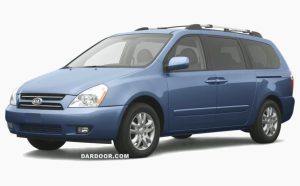
2013–2015 Kia Optima (TF) — OEM Workshop Service & Repair Manual (PDF)
| File Format |
PDF |
| File Language |
English |
| File Size |
114 MB |
| Delivery Method |
Instant Download |
Vehicle Coverage
- Model: Kia Optima (TF)
- Years: 2013, 2014, 2015
- Engines: 2.0L T-GDI • 2.4L GDI
- Format: PDF (easy to view, search, and print)
Contents (Two Folders Included)
Folder 1
Kia Optima 2013 — 2.0L Workshop Repair Manual
Engine-specific procedures, diagnostics, specs, and service instructions for the 2.0L T-GDI platform.
Folder 2
Kia Optima 2013 — 2.4L Workshop Repair Manual
Engine-specific procedures, diagnostics, specs, and service instructions for the 2.4L GDI platform.
Note: Folder naming may reflect the base year in the set; coverage applies to the 2013–2015 Optima TF with the listed engines.
Key Features
Official OEM Procedures
Factory repair steps, torque specs, sequences, and service standards.
Diagnostics & DTCs
Troubleshooting flowcharts, test values, and fault-code guidance.
Wiring Diagrams
Electrical schematics, connectors, grounds, and power distribution layouts.
Searchable PDF
Fast navigation for workshop use—print only what you need.
What’s Inside
- Engine mechanical service & specifications (2.0L T-GDI / 2.4L GDI)
- Cooling, lubrication, fuel, intake & exhaust procedures
- Transmission & drivetrain service (where applicable by trim/market)
- Brakes (ABS/ESC), suspension, steering & alignment
- Electrical systems: modules, networks, connectors, and wiring diagrams
- Body, interior, HVAC, SRS/airbags & safety systems
- Maintenance schedules, fluids, capacities, and torque charts
Download & Compatibility
Delivery: Instant digital download (PDF)
Compatibility: Windows • macOS • iOS • Android
This manual provides detailed instructions for maintenance, disassembly, reassembly, component inspection, adjustment, and diagnostics—intended for use by experienced mechanics. Proper application of this guide will help ensure thorough repairs and maintain your vehicle in peak condition.
Important Note: Before purchasing this manual, please check whether your vehicle is subject to any active service recalls, as authorized dealerships may perform necessary repairs free of charge. When replacing parts, always use genuine OEM components to ensure safety, reliability, and long-term performance.
Sample Pages: 2013-2015 Kia Optima Repair Manual
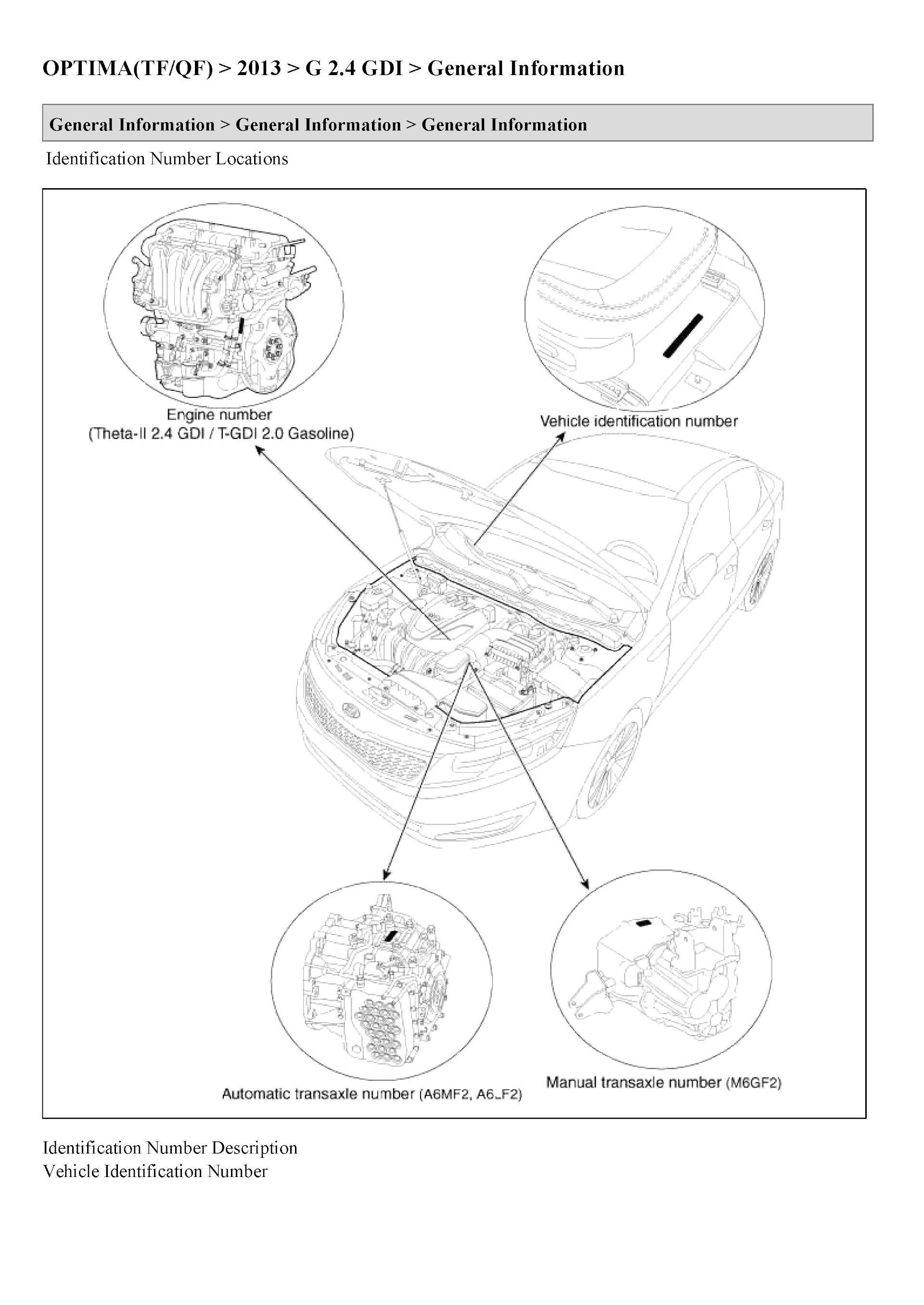
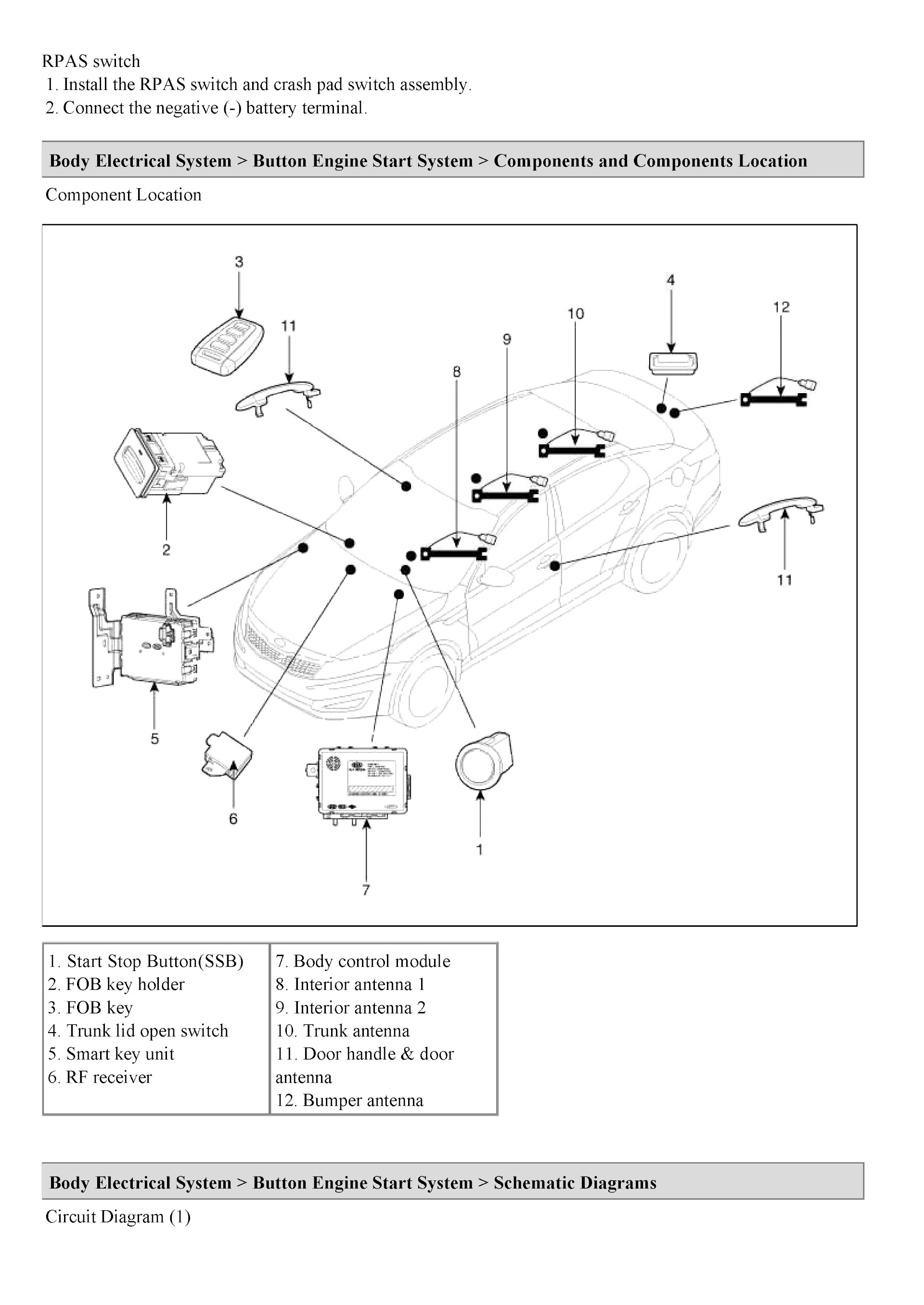
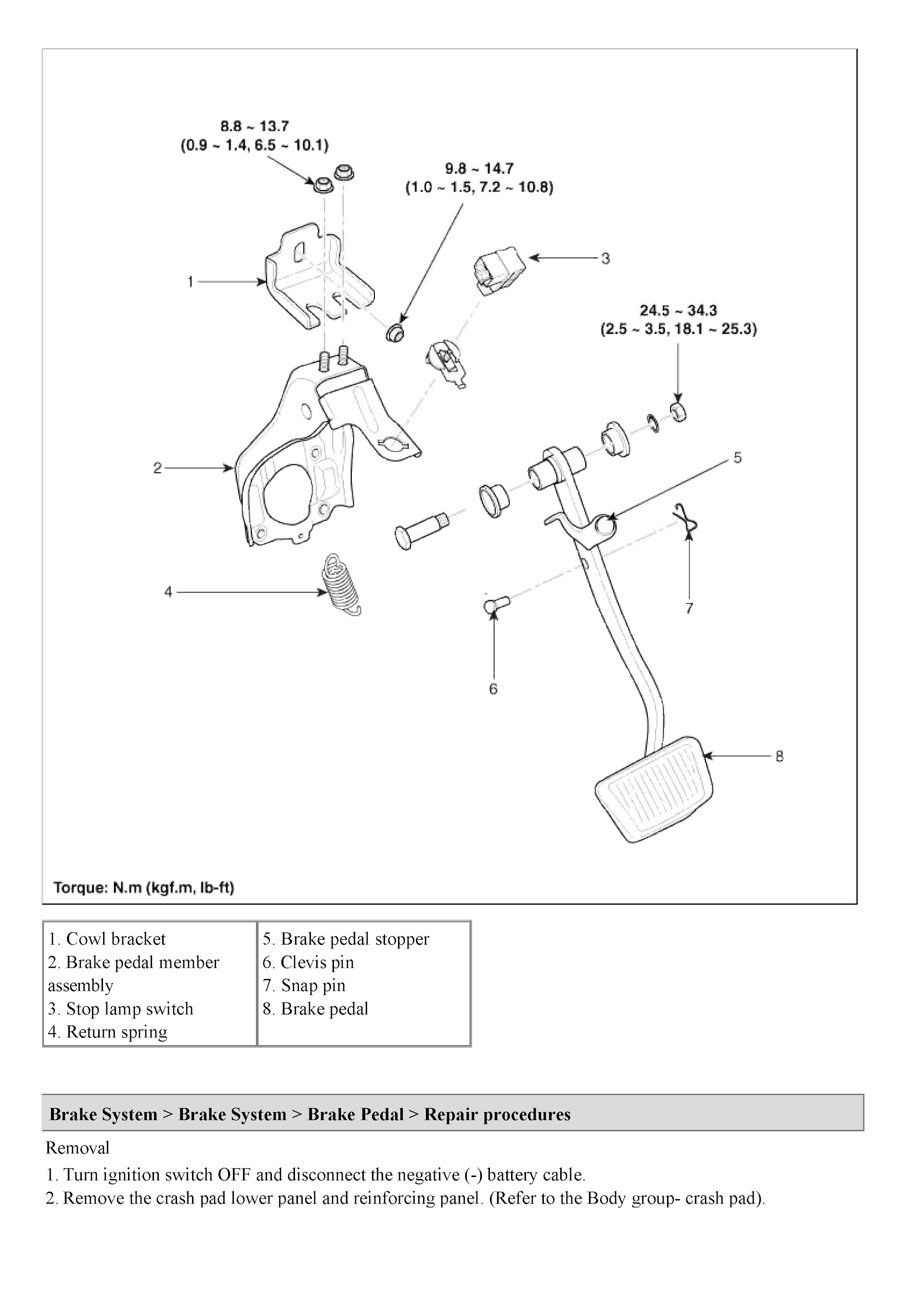
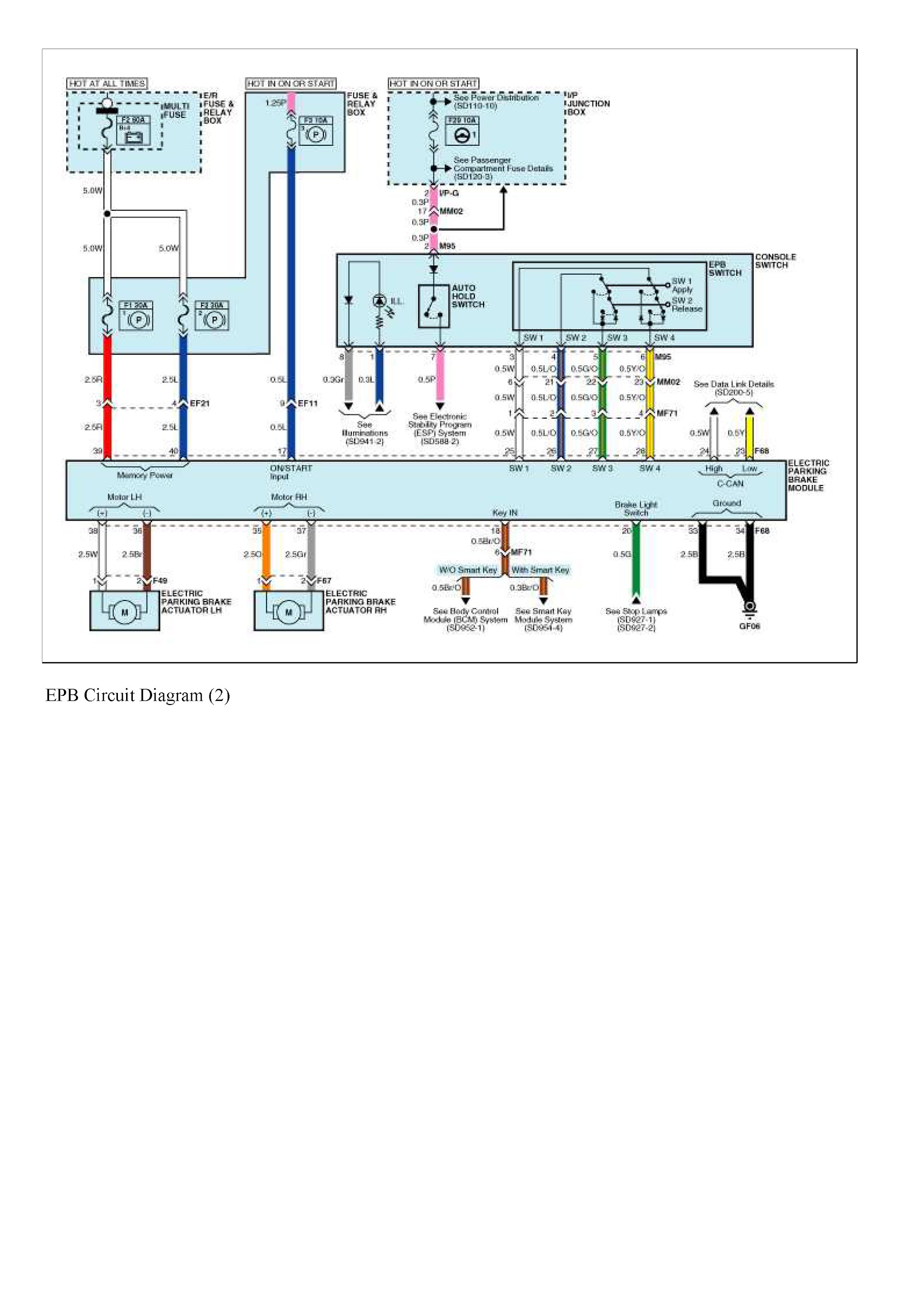
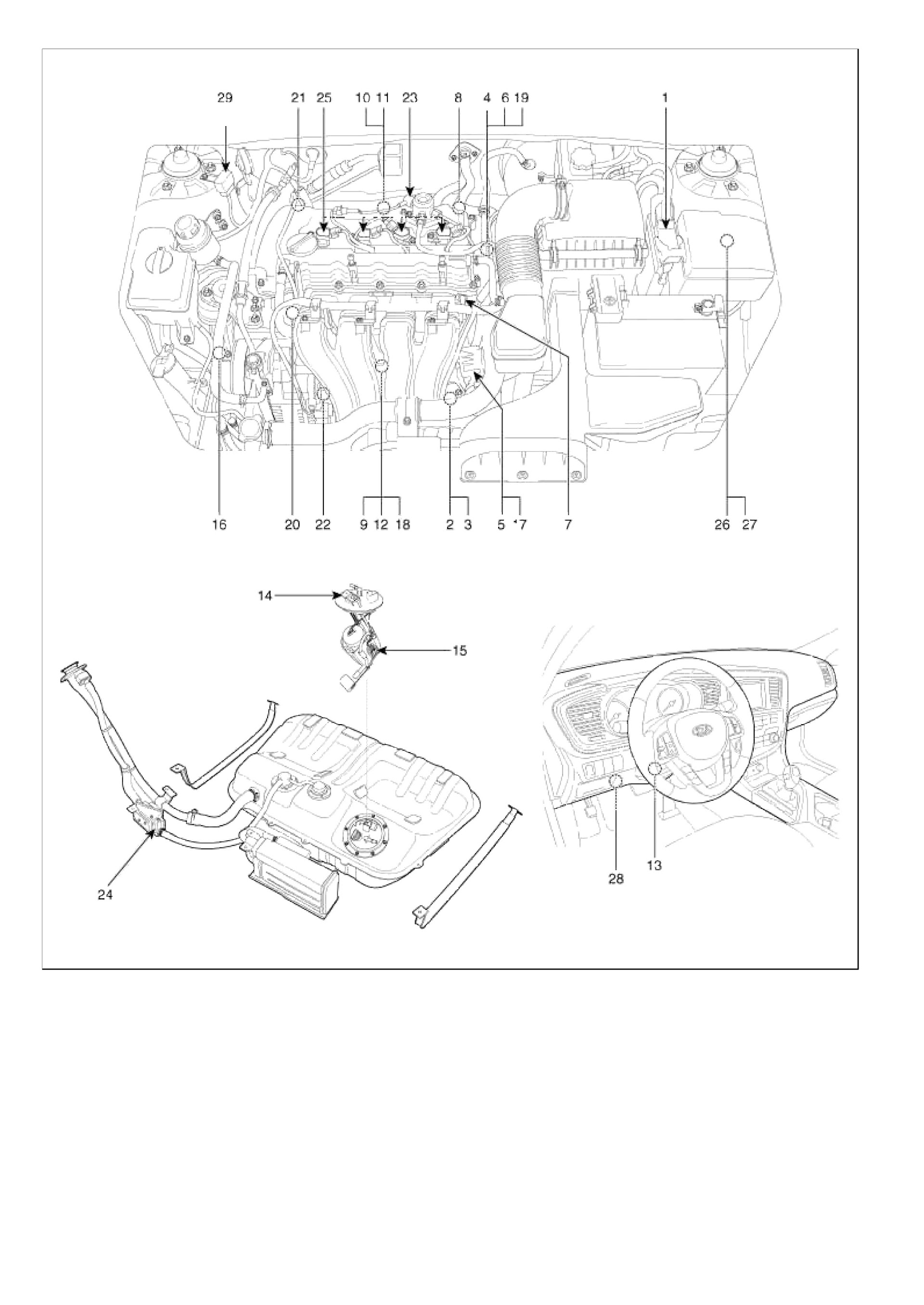
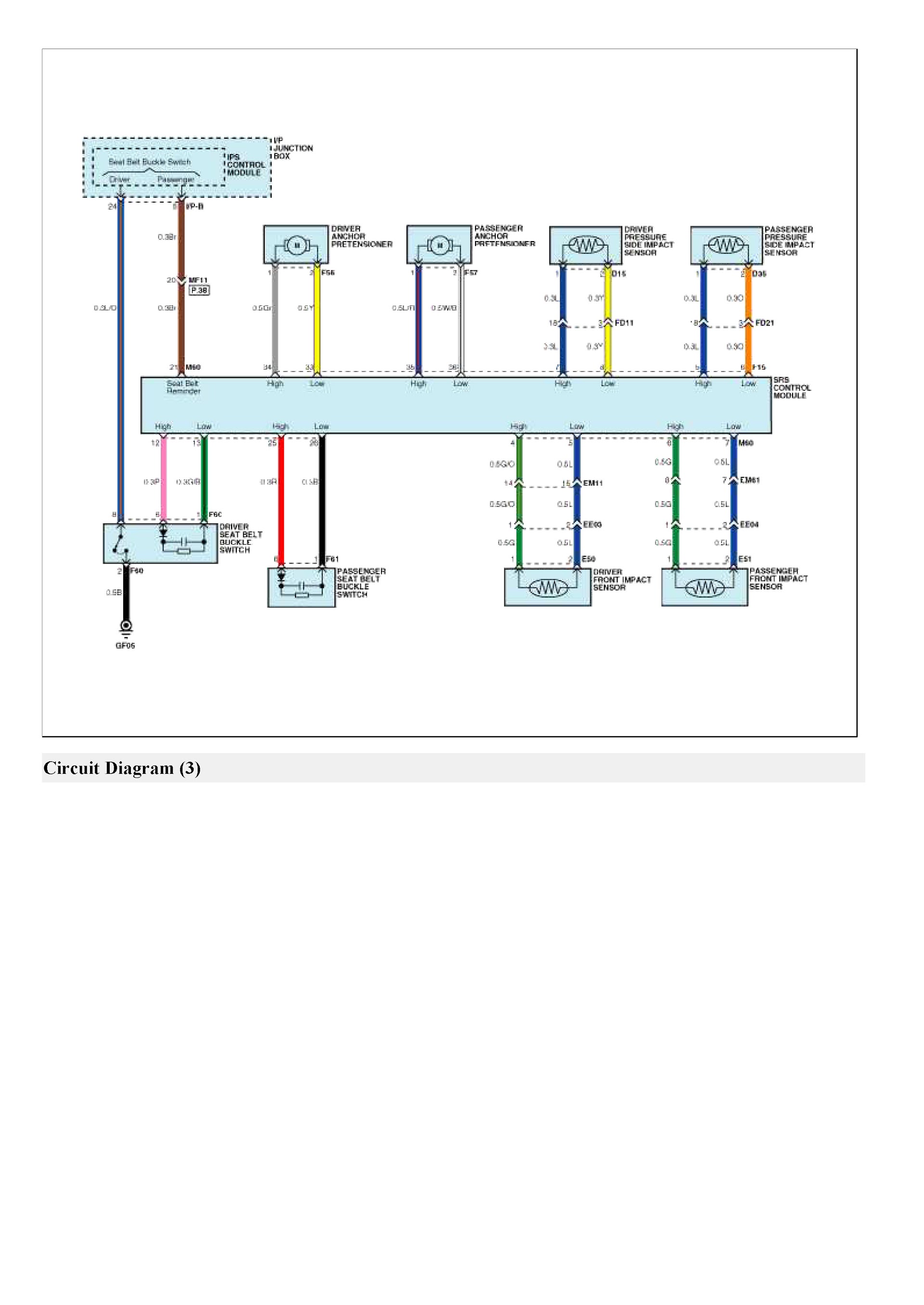
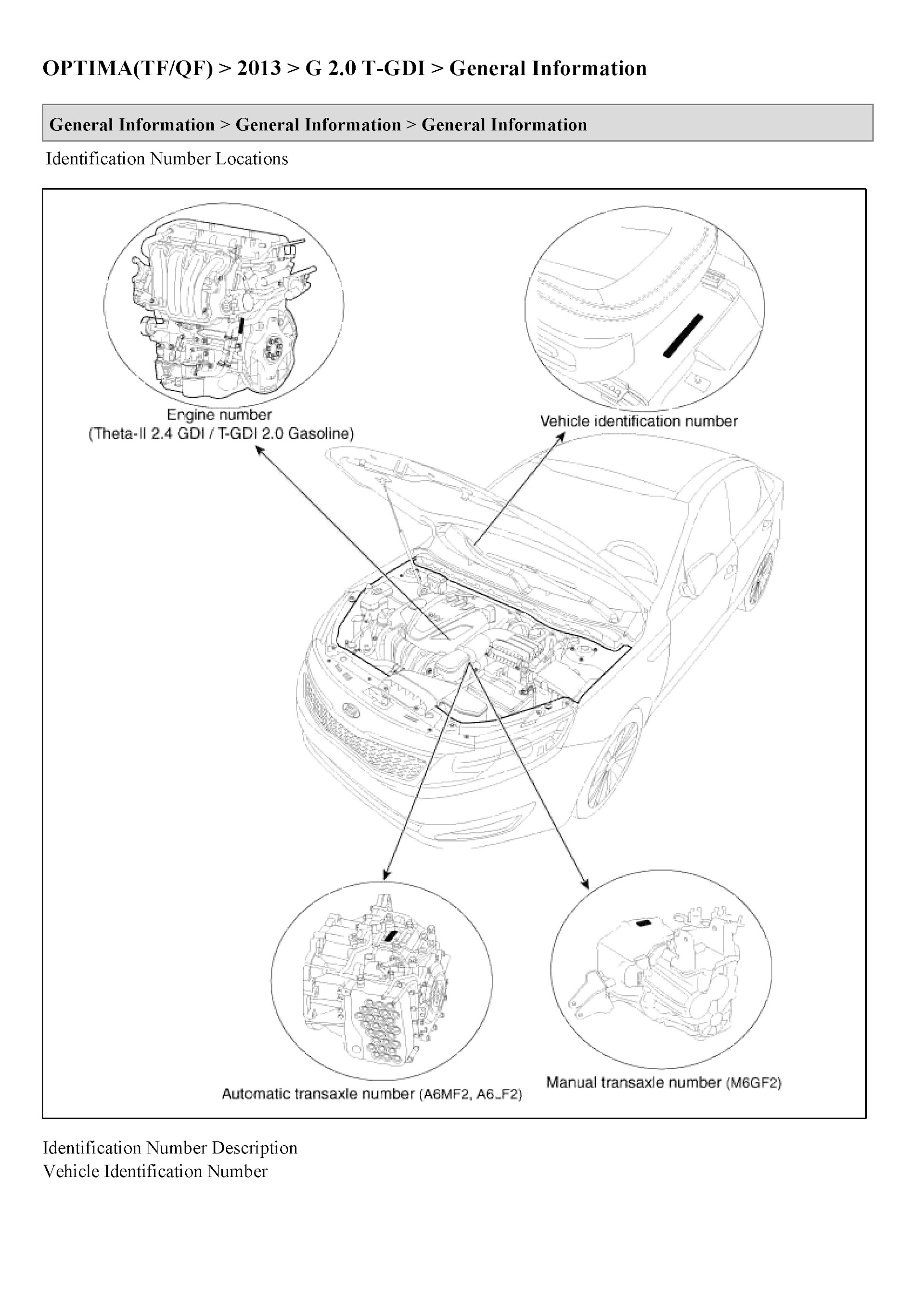
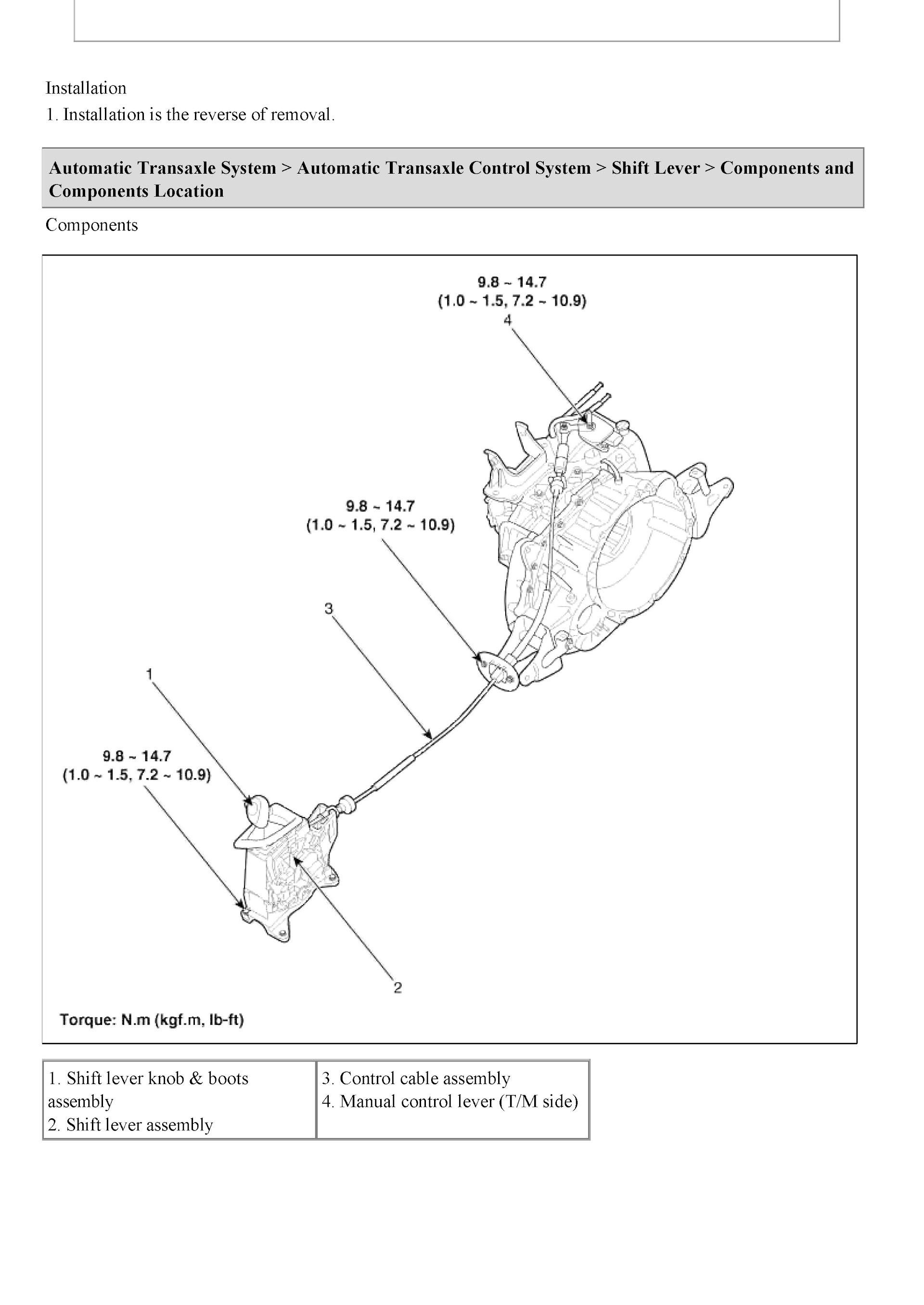
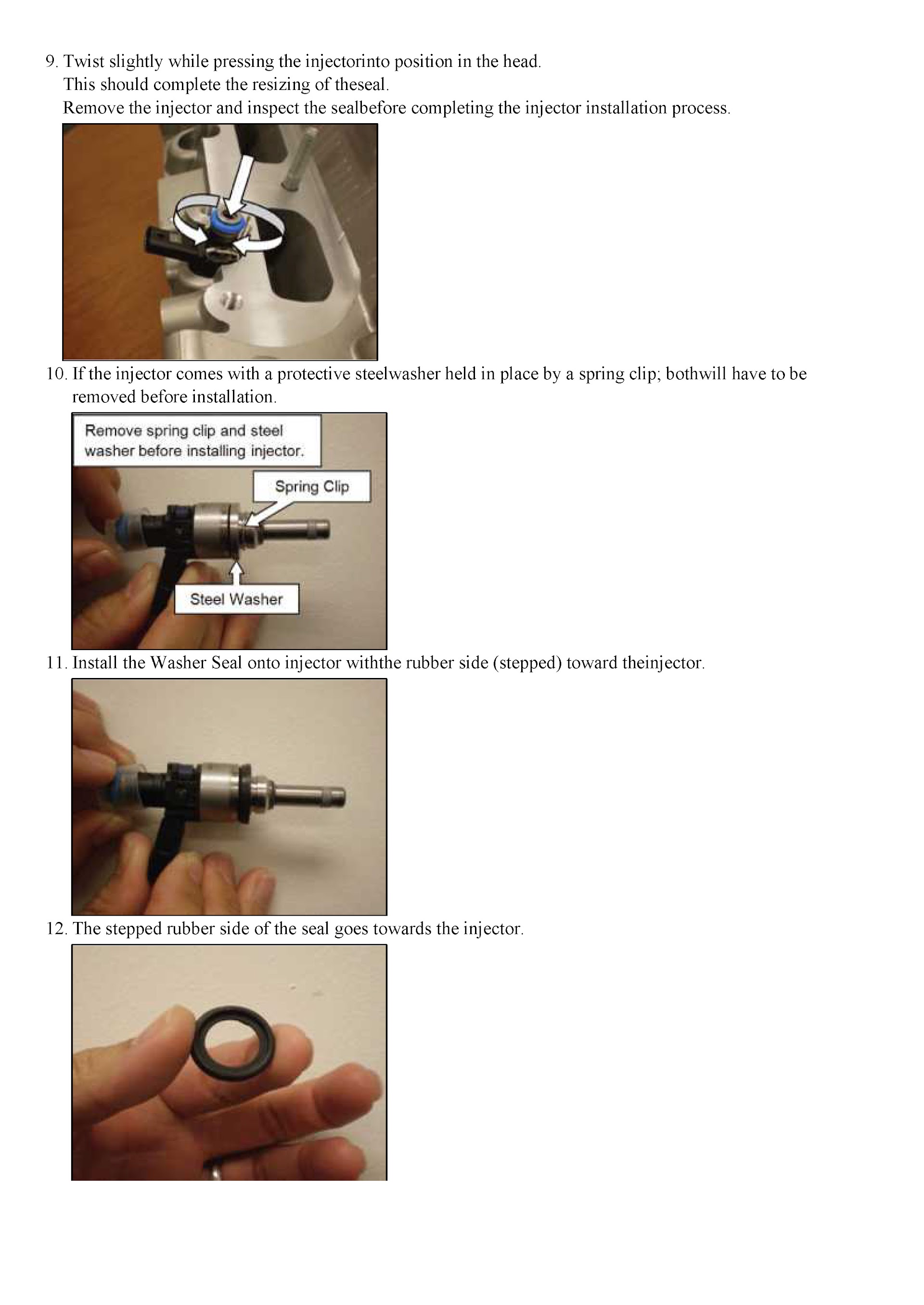
CAUTION: This OEM service and workshop repair manual provides detailed procedures for maintenance, disassembly, reassembly, inspection, adjustment, and diagnostics. It is intended as a comprehensive guide for experienced mechanics. To ensure thorough and accurate repairs that maintain your vehicle’s optimal performance, please read and follow this manual carefully. When replacing parts during any repair work, always use
genuine Kia parts to ensure quality, safety, and reliability.
Please check first if your car is subject to “Kia Safety Recall” Before you buy this repair manual.
Is Your Vehicle Affected By a Safety Recall?
Take Action
If you determine that your vehicle is affected, please contact an authorized Kia dealership immediately to schedule an appointment to have your vehicle repaired for FREE.
For the USA
To determine if your vehicle is affected by the recall, click on “Check my Kia” enter your Vehicle Identification Number (VIN) (Vehicles purchased in the US only).
- For Honda Recall: Call 1-888-234-2138
- For Acura Recall: Call 1-888-234-2138
For Canada
To find out if your Kia has any outstanding recall or product update notices enter your VIN (Vehicle Identification Number).
If you purchased your vehicle in Canada, please visit https://www.kia.ca/kia-recall
🚗 2013–2015 Kia Optima (TF) – Full Vehicle Overview, Issues, DTCs & Maintenance Guide
The 2013–2015 Kia Optima (TF generation) is a midsize sedan known for its bold design, strong value, and wide range of powertrain options. Offered with naturally aspirated, turbocharged, and hybrid engines, the Optima TF competes strongly in the family sedan segment while delivering modern styling and a comfortable, well-equipped interior.
⚙️ Technical Specifications & Performance
- Engine Options: 2.4L GDI I4 (192 hp), 2.0L Turbo GDI I4 (274 hp), 2.4L Hybrid (199 hp combined)
- Transmission: 6-speed automatic; 6-speed manual (select 2.4L trims)
- Drivetrain: Front-wheel drive (FWD)
- 0–100 km/h: ~9.5 sec (2.4L), ~7.4 sec (2.0T)
- Fuel Efficiency: 22–34 MPG combined (Hybrid up to 40 MPG)
- Seating Capacity: 5 passengers
- Boot Capacity: ~435 L
🔧 Top 10 Common Mechanical Issues (Root Cause & Fix)
- Engine knocking / bearing failure
🔍 Root Cause: Manufacturing debris and oil starvation in 2.4L & 2.0T engines.
🛠️ Fix: Engine inspection; short block replacement under recall or warranty.
- Excessive oil consumption
🔍 Root Cause: Worn piston rings and cylinder wall scoring.
🛠️ Fix: Engine rebuild or replacement.
- Turbocharger oil line clogging (2.0T)
🔍 Root Cause: Carbon buildup in oil feed line.
🛠️ Fix: Replace oil feed line with updated part.
- Transmission harsh shifting
🔍 Root Cause: Outdated TCM calibration.
🛠️ Fix: Software update or adaptive relearn.
- Brake pulsation
🔍 Root Cause: Warped front brake rotors.
🛠️ Fix: Replace rotors and pads with higher-quality components.
- Suspension clunking
🔍 Root Cause: Worn sway bar links and control arm bushings.
🛠️ Fix: Replace links and bushings.
- Steering coupling failure
🔍 Root Cause: Rubber flex coupler deterioration in EPS system.
🛠️ Fix: Replace steering column coupler.
- Cooling system leaks
🔍 Root Cause: Plastic radiator end tanks cracking.
🛠️ Fix: Replace radiator assembly.
- Wheel bearing noise
🔍 Root Cause: Premature bearing wear.
🛠️ Fix: Replace affected wheel hub assembly.
- Hybrid inverter overheating (Hybrid)
🔍 Root Cause: Restricted cooling airflow.
🛠️ Fix: Clean cooling ducts; replace inverter if damaged.
💡 Top 10 Common Electrical Issues (Root Cause & Fix)
- Infotainment screen freezing
🔍 Root Cause: Head unit software instability.
🛠️ Fix: Firmware update or head unit replacement.
- Keyless entry failure
🔍 Root Cause: Weak fob battery or BCM fault.
🛠️ Fix: Replace battery; reprogram BCM.
- Backup camera not working
🔍 Root Cause: Camera moisture ingress.
🛠️ Fix: Replace camera module.
- Dashboard warning lights intermittent
🔍 Root Cause: CAN bus grounding issues.
🛠️ Fix: Clean and secure ground points.
- Airbag warning light
🔍 Root Cause: Faulty seat occupancy sensor.
🛠️ Fix: Replace or recalibrate sensor.
- Power window failure
🔍 Root Cause: Window regulator motor wear.
🛠️ Fix: Replace regulator assembly.
- Battery drain overnight
🔍 Root Cause: BCM not entering sleep mode.
🛠️ Fix: Update BCM software; test parasitic draw.
- Heated seat not working
🔍 Root Cause: Burnt heating element.
🛠️ Fix: Replace seat heater pad.
- Electronic parking brake fault
🔍 Root Cause: Actuator motor failure (rear calipers).
🛠️ Fix: Replace EPB motor or caliper.
- Hybrid warning message (Hybrid)
🔍 Root Cause: HV battery sensor imbalance.
🛠️ Fix: BMS reset; replace faulty battery module.
📊 Pros & Cons Comparison with Competitors
| Model |
Pros 👍 |
Cons 👎 |
| Kia Optima |
Bold design; Strong turbo option; Good value |
Engine reliability concerns; Resale value |
| Toyota Camry |
Excellent reliability; Strong resale |
Conservative styling |
| Honda Accord |
Sporty handling; Efficient engines |
Road noise; Higher pricing |
| Hyundai Sonata |
Good features for price |
Similar engine issues |
| Ford Fusion |
Comfortable ride; AWD option |
Average reliability |
| Nissan Altima |
Good fuel economy |
CVT durability concerns |
🛠️ Maintenance Schedule
| Interval ⏱️ |
Maintenance Task 🔧 |
| Every 7,500 miles / 12 months |
Engine oil & filter replacement |
| Every 15,000 miles |
Tire rotation; brake inspection |
| Every 30,000 miles |
Replace air & cabin filters |
| Every 60,000 miles |
Transmission fluid service |
| Every 90,000 miles |
Coolant flush; inspect suspension |
| Every 100,000 miles |
Spark plugs; full inspection |
⚠️ Recalls, Advisories & Safety Alerts
- Engine bearing failure recall (2013–2015): Risk of engine seizure and fire.
- ABS module fire risk: Electrical short may cause engine bay fire.
- Airbag inflator recall (Takata): Inflator rupture risk.
- Fuel leak recall: Faulty fuel pipe connections.
- Parking brake failure: EPB may not hold vehicle.
- Steering coupling recall: Loss of steering assist.
- Brake hose deterioration: Reduced braking performance.
- Hybrid inverter recall: Overheating risk.
- Seatbelt pretensioner issue: Improper deployment.
- ECU software defect: Stalling and limp mode.
🧾 Diagnostic Trouble Codes (DTC) Tables
💻 Engine Control Module (ECM)
| Code |
Description |
| P0300 |
Random Cylinder Misfire |
| P0171 |
System Too Lean |
| P0011 |
Camshaft Timing Over-Advanced |
| P0420 |
Catalyst Efficiency Below Threshold |
| P1326 |
Knock Sensor Detection System |
| P0456 |
EVAP System Small Leak |
| P0507 |
Idle Speed High |
| P2191 |
System Too Lean at Higher Load |
| P0014 |
Exhaust Cam Timing Over-Advanced |
| P0605 |
ECU ROM Error |
⚙️ Transmission Control Module (TCM)
| Code |
Description |
| P0700 |
Transmission Control System Malfunction |
| P0711 |
Transmission Fluid Temp Sensor Range |
| P0722 |
Output Speed Sensor No Signal |
| P0733 |
Gear 3 Incorrect Ratio |
| P0741 |
TCC Performance or Stuck Off |
| P0755 |
Shift Solenoid B Malfunction |
| P0765 |
Shift Solenoid D Malfunction |
| P0796 |
Pressure Control Solenoid C |
| P0841 |
Transmission Fluid Pressure Sensor |
| P1825 |
TCM Internal Fault |
🛑 ABS / ESC (Brake System)
| Code |
Description |
| C0035 |
Left Front Wheel Speed Sensor |
| C0040 |
Right Front Wheel Speed Sensor |
| C0051 |
Steering Angle Sensor Fault |
| C0065 |
Brake Pressure Sensor Fault |
| C1206 |
Engine Torque Signal Fault |
| C1234 |
Wheel Speed Correlation Error |
| C1241 |
Low Battery Voltage |
| C1260 |
ESC System Disabled |
| C1290 |
Yaw Rate Sensor Fault |
| C1513 |
Brake Switch Circuit |
🎈 SRS Airbag System
| Code |
Description |
| B1000 |
Airbag Control Module Fault |
| B1016 |
Driver Airbag Circuit Open |
| B1020 |
Passenger Airbag Circuit Short |
| B1215 |
Seatbelt Pretensioner Fault |
| B1322 |
Side Airbag Resistance High |
| B1346 |
Occupant Detection Fault |
| B1412 |
Curtain Airbag Deployment Loop |
| B1448 |
Crash Sensor Communication Error |
| B1502 |
Airbag Power Supply Fault |
| B1620 |
SRS Internal Failure |
📡 Body Control / CAN Communication
| Code |
Description |
| U0100 |
Lost Communication with ECM |
| U0121 |
Lost Communication with ABS |
| U0140 |
Lost Communication with BCM |
| U0155 |
Lost Communication with Instrument Cluster |
| U1101 |
CAN Bus Communication Error |
| U1112 |
Lost Communication with EPS |
| U1123 |
Lost Communication with TPMS |
| U1208 |
Invalid Data from ESC |
| U1411 |
Invalid Data from BCM |
| U1601 |
Immobilizer Communication Error |
✅ Final Verdict & Conclusion
The 2013–2015 Kia Optima (TF) delivers strong styling, good performance options, and excellent value, particularly with the 2.0L turbo engine. However, engine reliability concerns and multiple recalls mean ownership requires diligence with maintenance and recall compliance. When properly serviced, the Optima remains a comfortable and competitive midsize sedan with standout design.