

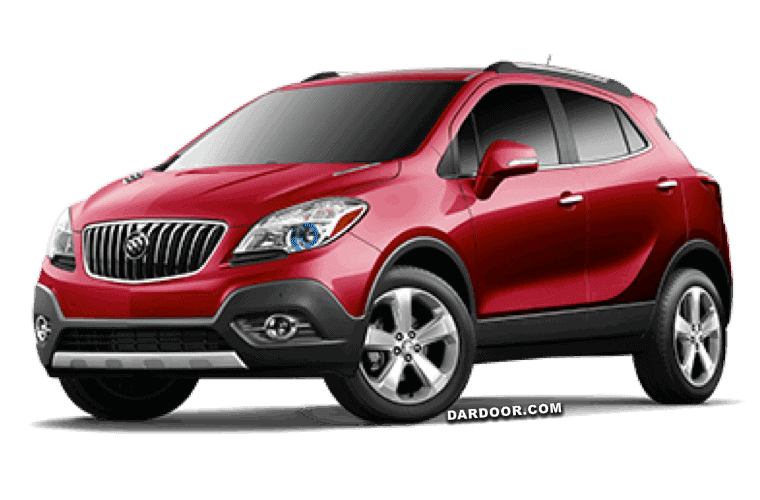
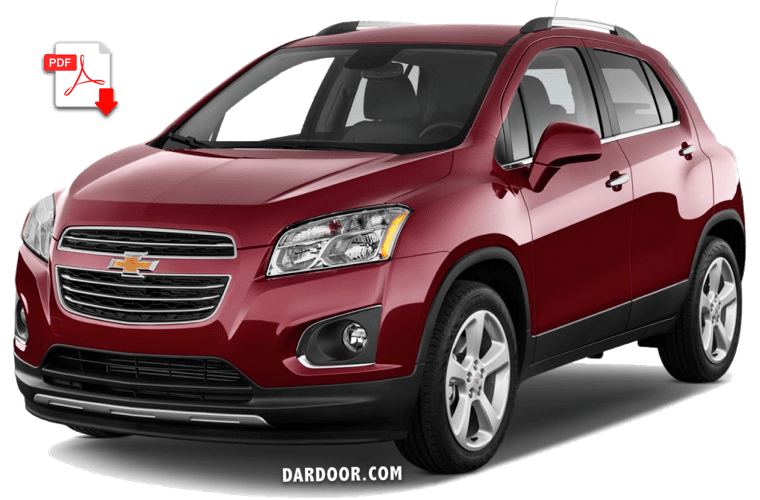
Get the OEM workshop repair manual with the wiring diagram for the 2013-2015 Buick Encore (1st Generation) provides the same dealership-level service information used by professional mechanics in PDF.
2013-2015 Buick Encore Repair Manual
$19.90
2013-2015 Buick Encore Workshop Service & Repair Manual – Instant Download
Your Ultimate Guide to Maintaining & Repairing the Buick Encore!
This official OEM workshop repair manual for the 2013-2015 Buick Encore (First Generation) provides the same dealership-level service information used by professional mechanics. Whether you’re a DIY enthusiast or an experienced technician, this comprehensive PDF manual includes step-by-step repair instructions, wiring diagrams, and manufacturer-authorized procedures to help you keep your vehicle in peak condition.
| File Format | |
| File Language | English |
| You’ll get | 201 MB |
| Page Count | 8,814 |
| Wiring Diagram | Included |
| Delivery Method | Instant Download |
Engines Covered:
✔ 1.4L LUJ Turbocharged
✔ 1.4L LUV Turbocharged
Also Known As:
✔ Chevrolet Trax / Tracker
✔ Opel Mokka
✔ Vauxhall Mokka (UK)
Key Features:
✅ Complete Wiring Diagrams – Essential for diagnosing and repairing electrical issues.
✅ Dealer-Authorized Repair Procedures – The most accurate and trusted information.
✅ Step-by-Step Mechanical & Electrical Instructions – From routine service to complex repairs.
✅ Easy-to-Use PDF Format – Access from any device, print only what you need.
What’s Inside?
- Full Engine Overhaul & Specifications
- Transmission & Drivetrain Repair
- Suspension, Brakes & Steering Systems
- Electrical System & Wiring Diagrams
- Body, Interior, and HVAC Systems
- Routine Maintenance & Service Procedures
🛠 Why Choose This Manual? Whether you need to change the oil, troubleshoot an engine issue, or perform a complete rebuild, this factory-approved Buick Encore manual ensures you have the right guidance at every step.
📥 Download Now & Take Full Control of Your Repairs!
Avoid guesswork and unreliable sources – get the official Buick Encore workshop manual today and maintain your vehicle with confidence!
This manual provides detailed procedures for maintenance, disassembly, reassembly, inspection, adjustment of components, and diagnostics, serving as a guide for experienced mechanics. Please review and utilize this manual thoroughly to ensure complete and accurate repairs, keeping your vehicle in optimal condition.
Before purchasing this manual, check if your vehicle is subject to a GM service recall so your local dealer can repair it free of charge. When replacing parts during repairs, always use genuine GM OEM spare parts to maintain quality and performance.
Table of Contents : 2013-2015 Buick Encore Repair Manual
Sample Pages
Warning: This OEM service and workshop repair manual provides detailed procedures for maintenance, disassembly, reassembly, inspection, adjustment, and diagnostics. It is intended as a comprehensive guide for experienced mechanics. To ensure thorough and accurate repairs that maintain your vehicle’s optimal performance, please read and follow this manual carefully. When replacing parts during any repair work, always use genuine Buick parts to ensure quality, safety, and reliability.
2013-2015 Buick Encore: Comprehensive Buyer’s Guide
Overview
The 2013-2015 Buick Encore was Buick’s entry into the subcompact luxury crossover segment, sharing its platform with the Chevrolet Trax. As Buick’s smallest and most affordable SUV, it targeted urban buyers seeking premium features in a compact package.
Generation: First generation (2013-2019)
Body Style: 5-door subcompact crossover SUV
Seating: 5 passengers
Manufacturing: South Korea (Bupyeong plant)
Technical Specifications
Engine & Performance
2013-2014:
- Engine: 1.4L turbocharged I4 (LUV/LUJ)
- Horsepower: 138 hp @ 4,900 rpm
- Torque: 148 lb-ft @ 1,850 rpm
- Transmission: 6-speed automatic
- Drivetrain: FWD standard, AWD optional
2015:
- Same 1.4L turbo as base engine
- Optional Engine: 1.4L turbocharged I4 (upgraded tune)
- Horsepower: 153 hp @ 5,600 rpm
- Torque: 177 lb-ft @ 2,000-4,000 rpm
Dimensions & Capacity
- Length: 168.4 inches
- Width: 69.9 inches
- Height: 65.2 inches
- Wheelbase: 100.6 inches
- Curb Weight: 3,100-3,300 lbs
- Cargo Space: 18.8 cu ft (48.4 cu ft seats folded)
- Fuel Tank: 14.0 gallons
- Towing Capacity: Not rated for towing
Performance Metrics
- 0-60 mph: ~9.5-10.5 seconds (depending on configuration)
- EPA Fuel Economy (FWD): 25 city / 33 highway / 28 combined mpg
- EPA Fuel Economy (AWD): 23 city / 30 highway / 26 combined mpg
Suspension & Brakes
- Front Suspension: MacPherson strut
- Rear Suspension: Compound crank (torsion beam)
- Front Brakes: 11.7-inch vented discs
- Rear Brakes: 10.9-inch solid discs
- Steering: Electric power-assisted rack-and-pinion
Trim Levels (2013-2015)
- Base – Cloth seats, basic features
- Convenience – Added fog lights, rear parking sensors
- Leather – Leather upholstery, heated front seats
- Premium – Navigation, Bose audio, chrome accents
- Premium Sport Touring (2015) – Sport appearance package
Top 10 Mechanical & Electrical Issues
1. Turbocharger Failure
Symptoms:
- Loss of power, especially during acceleration
- Loud whining or whistling noise from engine bay
- Blue or gray smoke from exhaust
- Check Engine Light with boost pressure codes (P0299, P0234)
- Oil consumption increases
Root Cause:
- Wastegate actuator failure in turbo unit
- Oil starvation due to delayed oil changes
- Turbo seal degradation
- PCV system malfunction causing oil contamination
Fix:
- Replace turbocharger assembly
- Replace associated vacuum lines and actuator
- Clean intercooler and intake system
- Update PCV valve if applicable
Cost: $1,200-$2,500 (parts and labor)
2. Timing Chain Stretch/Noise
Symptoms:
- Rattling noise from engine on cold starts
- Check Engine Light with cam/crank correlation codes (P0016, P0017)
- Rough idle or misfires
- Poor fuel economy
- Engine performance degradation
Root Cause:
- Inadequate oil pressure during startup
- Extended oil change intervals
- Timing chain tensioner weakness
- Design flaw in early 1.4L turbo engines
Fix:
- Replace timing chain, guides, and tensioners
- Replace variable valve timing (VVT) solenoids
- Flush engine oil system
- Often requires camshaft replacement if severely worn
Cost: $1,500-$3,000 (major repair)
3. Intake Manifold & PCV System Failure
Symptoms:
- Check Engine Light (P0171, P0174 lean codes)
- Rough idle and stalling
- Loss of power
- Whistling or hissing sounds from engine
- Oil consumption
Root Cause:
- PCV valve diaphragm failure
- Intake manifold vacuum leak
- Oil separator membrane deterioration
- Carbon buildup in intake system
Fix:
- Replace intake manifold assembly with updated part
- Replace PCV valve and hoses
- Clean intake valves (walnut blasting recommended)
- Replace valve cover if necessary
Cost: $800-$1,500
4. Water Pump Failure
Symptoms:
- Coolant leaks from front of engine
- Engine overheating
- Squealing noise from accessory belt area
- Low coolant warning light
- Sweet smell from engine bay
Root Cause:
- Seal deterioration (common around 60,000-80,000 miles)
- Bearing failure
- Plastic impeller degradation
- Corrosion from improper coolant maintenance
Fix:
- Replace water pump assembly
- Replace thermostat housing (often fails simultaneously)
- Flush and refill cooling system
- Replace serpentine belt and tensioner
Cost: $600-$1,200
5. Transmission Shudder/Jerking
Symptoms:
- Shuddering during acceleration (20-40 mph range)
- Harsh shifting between gears
- Delayed engagement when shifting to Drive
- Transmission slipping
- Check Engine Light with transmission codes
Root Cause:
- Torque converter clutch shudder
- Transmission fluid degradation
- Valve body wear
- Solenoid malfunction
Fix:
- Transmission fluid flush with GM Dexron VI
- Torque converter replacement (severe cases)
- Valve body cleaning or replacement
- Software update/reprogramming
Cost: $300-$500 (fluid service), $1,800-$3,500 (torque converter replacement)
6. Coolant Thermostat Housing Leak
Symptoms:
- Coolant puddles under vehicle
- Engine overheating or running cooler than normal
- Low coolant warning light
- Visible coolant seepage from thermostat area
- Steam from engine bay
Root Cause:
- Plastic thermostat housing cracks
- O-ring seal degradation
- Temperature cycling stress
- Poor quality plastic material
Fix:
- Replace thermostat housing assembly
- Replace thermostat
- Replace all coolant hoses connected to housing
- Refill and bleed cooling system
Cost: $400-$800
7. Rear Main Seal Oil Leak
Symptoms:
- Oil puddles under vehicle (center-rear)
- Oil stains on transmission bellhousing
- Low oil level warnings
- Oil smell in cabin or outside vehicle
- Visible oil accumulation at engine-transmission junction
Root Cause:
- Seal degradation from heat cycles
- Excessive crankshaft endplay
- Improper installation during previous repair
- PCV system issues causing excessive crankcase pressure
Fix:
- Remove transmission to access rear main seal
- Replace rear main seal
- Inspect and clean crankshaft surface
- Address any PCV issues
Cost: $800-$1,600 (labor-intensive repair)
8. Electronic Power Steering (EPS) Failure
Symptoms:
- “Service Power Steering” warning message
- Heavy or stiff steering
- Complete loss of power assist
- Intermittent steering assist
- Abnormal steering wheel resistance
Root Cause:
- Steering control module failure
- EPS motor malfunction
- Wiring harness corrosion
- Software glitches
Fix:
- Reprogram steering control module (software update)
- Replace EPS motor assembly (if mechanical failure)
- Repair wiring harness connections
- Replace steering column assembly (severe cases)
Cost: $150-$300 (software update), $800-$1,500 (motor replacement)
9. Fuel Injector Failure
Symptoms:
- Rough idle and misfires
- Check Engine Light with misfire codes (P0300-P0304)
- Hard starting, especially when cold
- Black smoke from exhaust
- Poor fuel economy
- Fuel smell
Root Cause:
- Carbon buildup on direct injection nozzles
- Injector seal leakage
- Electrical connector corrosion
- Internal injector component failure
Fix:
- Replace faulty fuel injector(s)
- Clean intake valves and combustion chambers
- Replace spark plugs
- Update fuel injector calibration software
Cost: $400-$800 (single injector), $1,200-$2,000 (all injectors)
10. Ignition Coil Failure
Symptoms:
- Engine misfires
- Check Engine Light with codes P0300-P0304
- Rough idle
- Hesitation during acceleration
- Reduced fuel economy
- Difficulty starting
Root Cause:
- Coil overheating from direct mounting on engine
- Moisture intrusion into coil pack
- Electrical stress from high compression ratio
- Age-related component degradation
Fix:
- Replace failed ignition coil(s)
- Replace spark plugs simultaneously
- Inspect and clean spark plug wells
- Check for underlying issues (fuel mixture, compression)
Cost: $150-$300 per coil (parts and labor), $400-$800 (all four)
Top 6 Competitors to the 2013-2015 Buick Encore
| Competitor | Pros | Cons |
|---|---|---|
| Chevrolet Trax (2013-2015) | Same engine & tech, slightly cheaper | Same turbo & transmission issues |
| Honda HR-V (2015-2016) | More cargo space, better reliability | Weaker engine, lower towing capacity |
| Mazda CX-3 (2015-2019) | Best handling, stylish design | Firm ride, tight rear seats |
| Ford Escape (2013-2015) | More powerful engine options | Higher maintenance costs |
| Toyota RAV4 (2013-2015) | Bulletproof reliability, larger cargo | More expensive, less premium interior |
| Subaru Crosstrek (2013-2015) | Standard AWD, off-road capable | Slower acceleration, basic tech |
Top 10 Recalls, Advisories & TSB Highlights
Recalls
1. NHTSA Campaign 14V363000 (June 2014)
- Issue: Front Safety Belt Anchor Bolts
- Vehicles Affected: 2013-2014 Encore
- Problem: Front seat belt anchor bolts may not be properly tightened, reducing effectiveness in a crash
- Fix: Dealer inspects and tightens or replaces anchor bolts
2. NHTSA Campaign 14V526000 (September 2014)
- Issue: Rear Axle Beam Fracture
- Vehicles Affected: 2013-2014 Encore (AWD models)
- Problem: Rear axle beam may fracture, causing loss of vehicle control
- Fix: Dealer replaces rear axle beam assembly
3. NHTSA Campaign 15V121000 (March 2015)
- Issue: Brake Vacuum Pump
- Vehicles Affected: 2013-2015 Encore
- Problem: Brake vacuum pump may fail, reducing brake assist and increasing stopping distances
- Fix: Dealer replaces brake vacuum pump
4. NHTSA Campaign 16V889000 (December 2016)
- Issue: Sunroof Glass Detachment
- Vehicles Affected: 2013-2016 Encore
- Problem: Panoramic sunroof glass panel may detach while driving
- Fix: Dealer inspects and replaces sunroof glass with improved adhesive
5. NHTSA Campaign 19V642000 (September 2019)
- Issue: Fuel Pump Module
- Vehicles Affected: 2013-2017 Encore
- Problem: Fuel pump module may crack, causing fuel leak and fire risk
- Fix: Dealer replaces fuel pump module
Technical Service Bulletins (TSBs)
6. TSB 14-06-04-002D (2014)
- Issue: Engine Oil Consumption
- Vehicles: 2013-2014 Encore with 1.4L turbo
- Problem: Excessive oil consumption between changes
- Solution: Piston ring replacement under warranty extension program
7. TSB 14-06-01-007A (2014)
- Issue: Timing Chain Noise
- Vehicles: 2013-2014 Encore
- Problem: Rattling noise on cold start from timing chain
- Solution: Replace timing chain, guides, tensioner, and camshaft
8. TSB 15-08-44-002A (2015)
- Issue: Transmission Shudder
- Vehicles: 2013-2015 Encore
- Problem: Vibration/shudder during light acceleration
- Solution: Transmission fluid flush with updated fluid specification
9. TSB 14-06-01-008E (2014)
- Issue: Check Engine Light – Intake Manifold
- Vehicles: 2013-2014 Encore
- Problem: P0171/P0174 lean codes due to PCV system failure
- Solution: Replace intake manifold and PCV components
10. TSB 15-00-89-004C (2015)
- Issue: IntelliLink Infotainment Freezing
- Vehicles: 2013-2015 Encore
- Problem: Touchscreen freezes or becomes unresponsive
- Solution: Software update for infotainment system
Maintenance Schedule
Every 3,000-5,000 Miles (or 6 Months)
- Oil and filter change (synthetic 5W-30)
- Tire rotation
- Inspect brake pads and rotors
- Check fluid levels
Every 15,000 Miles (or 12 Months)
- Replace engine air filter
- Inspect cabin air filter (replace if dirty)
- Inspect drive belt
- Battery test
Every 30,000 Miles (or 24 Months)
- Replace cabin air filter
- Inspect cooling system
- Inspect fuel system
- Inspect exhaust system
- Lubricate chassis components
Every 45,000 Miles
- Replace spark plugs
- Inspect ignition coils
- Transmission fluid inspection
Every 60,000 Miles
- Replace engine coolant
- Replace brake fluid
- Inspect water pump
- Inspect thermostat housing
Every 97,500 Miles
- Replace transmission fluid (if not previously done)
- Inspect timing chain system
As Needed
- Replace windshield wipers (6-12 months)
- Replace tires (typically 40,000-60,000 miles)
- Replace battery (typically 4-5 years)
- Brake pad replacement (typically 30,000-50,000 miles)
Critical Preventive Maintenance
- Oil changes: Use full synthetic oil and never exceed 5,000 miles between changes (turbo engine protection)
- Transmission fluid: Consider changing every 50,000 miles despite “lifetime fill” claim
- Timing chain inspection: Have inspected at 60,000 miles if rattling noise present
- PCV system: Monitor for oil consumption; address immediately if excessive
Top 10 FAQs for Buyers
1. Is the Buick Encore reliable?
The 2013-2015 Encore has below-average reliability, particularly with its 1.4L turbocharged engine. Common issues include turbocharger failure, timing chain problems, and intake manifold leaks. Consumer Reports rates it below average, and J.D. Power gives it a reliability score around 2.5-3/5. Budget for higher-than-average repair costs.
2. What are the most expensive repairs to expect?
The costliest repairs include:
- Timing chain replacement: $1,500-$3,000
- Turbocharger replacement: $1,200-$2,500
- Transmission torque converter: $1,800-$3,500
- Rear axle beam (AWD): $1,500-$2,500
These are common enough that you should factor them into ownership costs.
3. Should I buy FWD or AWD?
FWD is recommended for most buyers. The AWD system adds weight, reduces fuel economy by 2-3 mpg, and introduces the potential for rear axle beam problems (subject to recall). Unless you live in snowy climates and frequently need AWD capability, the FWD version is more reliable and economical.
4. What’s the real-world fuel economy?
Owners report:
- FWD: 26-29 mpg combined (city/highway mixed)
- AWD: 24-27 mpg combined
- Highway: 32-35 mpg (FWD), 29-32 mpg (AWD)
- City: 22-25 mpg (FWD), 20-23 mpg (AWD)
The small fuel tank (14 gallons) means range is only about 350-400 miles.
5. How much cargo space does it have?
The Encore offers 18.8 cubic feet behind the rear seats and 48.4 cubic feet with seats folded. This is less than competitors like the Mazda CX-5 (34.1/65.4 cu ft) but typical for the subcompact class. The rear seat doesn’t slide, limiting versatility.
6. Is it expensive to maintain and repair?
Yes, above average. Annual maintenance costs average $500-$700, but major repairs are common. Parts can be expensive due to the imported nature of the vehicle. Independent mechanics may charge less than dealers, but finding shops familiar with the 1.4L turbo is important. Extended warranty is highly recommended.
7. What trim level should I buy?
The Leather or Premium trim offers the best value. You get:
- Leather seats (easier to maintain)
- Heated front seats
- Better sound insulation
- Nicer interior materials
Avoid the base trim due to sparse features. The 2015 models with the upgraded 153-hp engine are preferable to 2013-2014 models.
8. How does it perform in winter/snow?
With AWD and winter tires, the Encore performs adequately in snow. The small size makes it easy to maneuver, and ground clearance (6.6 inches) is acceptable. However, the light weight (3,200 lbs) can make it feel less planted in severe weather. Electronic stability control helps, but it’s not a winter champion.
9. What’s the expected lifespan?
With diligent maintenance, expect 150,000-180,000 miles maximum. However, the 1.4L turbo engine often experiences major issues by 80,000-100,000 miles. Many owners report significant problems before 100,000 miles. This is not a 200,000+ mile vehicle like a Honda or Toyota.
10. Should I buy a 2013-2015 Encore used?
Proceed with extreme caution. Only consider if:
- Complete service records are available showing religious oil changes
- Major issues (timing chain, turbo, transmission) have already been addressed
- Price is significantly below market (account for repair reserves)
- You can afford an extended warranty
- Mileage is under 60,000
Alternatives like the Mazda CX-5, Honda HR-V, or even Chevrolet Equinox offer better reliability.
Final Buyer Recommendations
✅ Consider Buying If:
- You find a well-maintained example with complete service records and under 50,000 miles
- Major repairs have been completed (timing chain, turbo, transmission serviced)
- You want premium features at a budget price point
- You prioritize compact size for urban parking and maneuverability
- You can purchase an extended warranty to cover expensive repairs
- The price is $3,000-$5,000 below market to account for repair reserves
❌ Avoid Buying If:
- You need long-term reliability – This is not a dependable vehicle
- You have limited repair budget – Unexpected repairs are common and expensive
- No service records available – Too risky given known engine issues
- Mileage exceeds 75,000 – Major repairs become imminent
- You want low ownership costs – Maintenance and repairs will be high
- You can’t perform pre-purchase inspection – Critical to identify existing problems
🔍 Pre-Purchase Inspection Checklist:
Have a trusted mechanic inspect:
- Timing chain for excessive noise (cold start test)
- Turbocharger for boost leaks, unusual sounds, oil consumption
- Transmission for shudder, harsh shifts, fluid condition
- Coolant system for leaks at thermostat housing and water pump
- Oil leaks especially rear main seal
- PCV system and intake manifold for vacuum leaks
- Service records verification of oil change intervals
- Recall completion confirmation all recalls addressed
💡 Best Alternative Choices:
If the Encore doesn’t meet your needs, consider:
- Honda HR-V (2016+) – Superior reliability, similar size, better resale
- Mazda CX-5 (2013-2015) – More reliable, better driving dynamics, slightly larger
- Hyundai Tucson (2016+) – Better warranty, competitive features, solid reliability
- Toyota RAV4 (2013+) – Best-in-class reliability, higher resale value
- Subaru Crosstrek (2013+) – Standard AWD, excellent reliability, better off-road
Value Proposition:
The 2013-2015 Buick Encore offers questionable value unless priced significantly below market. While it provides a premium interior and comfortable ride for a subcompact, the mechanical issues and expensive repairs offset any initial savings. This is a vehicle that requires either:
- Deep discounting ($4,000-$6,000 below comparable competitors)
- Comprehensive warranty coverage (extended warranty essential)
- Mechanical expertise and willingness to DIY repairs
For most buyers, more reliable alternatives offer better long-term value.
Our Final Verdict
Rating: 5.5/10
The 2013-2015 Buick Encore is a high-risk purchase suitable only for informed buyers willing to accept above-average repair costs. While it offers nice features and comfortable transportation when running properly, the problematic 1.4L turbo engine and transmission issues make it difficult to recommend over more reliable competitors.
Best use case: Short-term ownership (2-3 years), city commuter with low annual mileage (under 10,000 miles/year), second vehicle status, or buyers with mechanical skills to handle repairs cost-effectively.
Bottom line: Unless you find an exceptional example with proven maintenance history at a bargain price, your money is better spent on a Honda HR-V, Mazda CX-5, or Toyota RAV4.
| Brands | |
|---|---|
| File Format | |
| File Language | English |
| File Size | 201 MB |
| Page Count | 8,814 |
| Wiring Diagram Included | YES |
| Instant Download | YES |
Related products
-

2006-2010 Chevrolet Captiva Repair Manual
$19.90 Add to cart -

2006-2008 Chevrolet HHR Repair Manual
$19.90 Add to cart -
2019 GMC Canyon Wiring Diagram
$19.90 Add to cart -
2012 Chevrolet Volt Repair Manual
$16.90 Add to cart -
2007-2010 Chevrolet Aveo Repair Manual
$19.90 Add to cart -

2012-2015 Chevrolet Sonic Repair Manual
$16.90 Add to cart -

2012-2017 Holden Colorado Repair Manual
$16.90 Add to cart -
2006-2010 Chevrolet Impala Repair Manual
$24.90 Add to cart