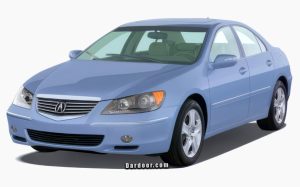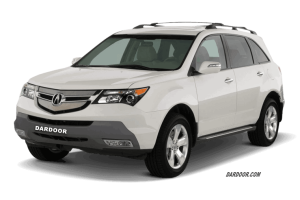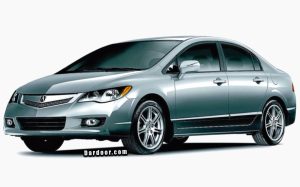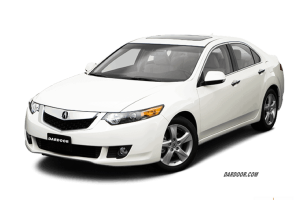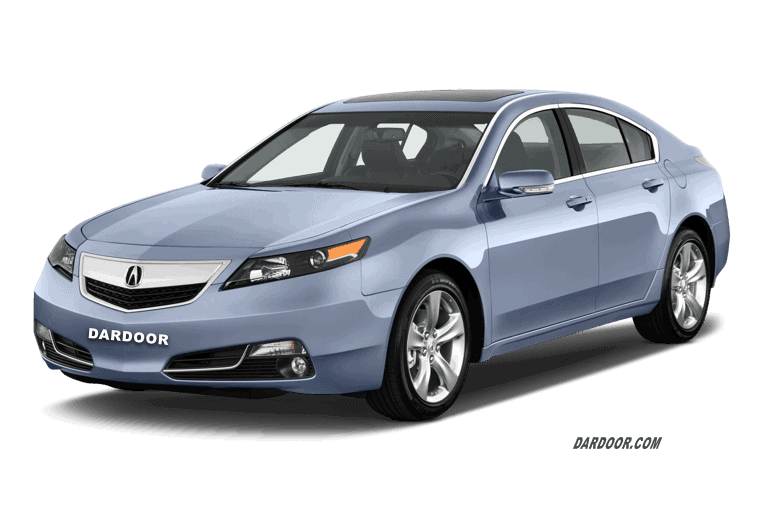
Unlock the full potential of your 2012-2014 Acura TL with this OEM workshop manual, designed exclusively for the fourth generation models.
🧭 Overview
The 2012–2014 Acura TL (UA8/UA9) is a premium midsize sedan known for its solid build quality, strong V6 power, confident highway manners, and a feature-rich cabin. Most owners choose the 3.5L FWD (UA8) for simplicity and comfort, while enthusiasts and snow-belt drivers often prefer the 3.7L SH-AWD (UA9) for grip and sharper handling.
If you’re buying used, focus on:
- ✅ transmission behavior (especially torque-converter judder),
- ✅ power steering/EPS behavior,
- ✅ oil consumption history,
- ✅ suspension wear, and
- ✅ completed airbag recall work.
🧾 Technical Specs (2012–2014)
🚗 UA8 (FWD) — 3.5L V6
- 🧠 Engine: 3.5L SOHC i-VTEC V6
- 💪 Output: ~280 hp / ~254 lb-ft (varies slightly by source/market)
- ⚙️ Transmission: 6-speed automatic (with manual mode)
- 🛞 Drivetrain: Front-Wheel Drive
- 🪑 Seating: 5
🛞 UA9 (SH-AWD) — 3.7L V6
- 🧠 Engine: 3.7L SOHC i-VTEC V6
- 💪 Output: ~305 hp / ~273 lb-ft (common published figures)
- ⚙️ Transmission: 6-speed automatic (some years/markets offered 6MT on SH-AWD)
- 🧲 Drivetrain: SH-AWD (torque-vectoring all-wheel drive)
- 🪑 Seating: 5
📝 Note:Specs vary by trim (Base/Tech/Advance) and market. Always verify using VIN/trim label and owner’s manual.
🏁 Performance
- 🚀 Power: Smooth V6 acceleration with strong midrange pull
- 🛣️ Ride: Stable and comfortable on highway; heavier steering feel than many rivals
- 🧲 SH-AWD advantage: Better corner exit traction + confident winter grip
- ⛽ Reality check: It’s a V6 sedan with premium weight—expect average fuel economy
⚠️ Is it Safe to Drive?
If you have an SRS (airbag) light, ABS/VSA light, overheating, or severe transmission shudder/slip,
treat it as urgent. These can impact braking, crash protection, or drivetrain control.
🛠️ Top 10 Common Mechanical Issues (Owner-Reported) — with Symptoms, Root Cause, Fix & Cost
- ⚙️ Torque Converter Lock-Up Judder (20–60 mph shudder)
👀 Symptoms: Shudder/vibration during light throttle cruise; “rumble strip” feel; may improve after fluid change
🔎 Root Cause: Torque converter lock-up clutch wear/contamination; fluid breakdown; calibration sensitivity
✅ Fix: Drain/fill with correct ATF; perform software update if applicable; if returns, replace torque converter (and re-learn/adapt as needed)
💰 Cost to Fix: $180–$450 (fluid service) / $1,400–$3,200 (torque converter + labor) - 🛢️ Excessive Oil Consumption (some V6 engines)
👀 Symptoms: Low oil level between changes; blue smoke on start-up (sometimes); oil smell; fouled plugs in severe cases
🔎 Root Cause: Piston ring wear/sticking; PCV system issues; extended oil intervals accelerating deposits
✅ Fix: Start with PCV inspection + compression/leak-down; update maintenance habits; if confirmed, piston/ring repair per OEM procedure (often covered under specific warranty extensions for eligible VINs)
💰 Cost to Fix: $120–$350 (PCV/diagnosis basics) / $2,800–$6,500 (pistons/rings repair) - 🧲 SH-AWD Rear Differential “Groan” / Binding (tight turns)
👀 Symptoms: Groaning or chatter in low-speed turns; rear-end “bind”; vibration after fluid neglect
🔎 Root Cause: SH-AWD fluid degraded/incorrect; clutch pack friction characteristics sensitive to fluid condition
✅ Fix: Replace SH-AWD fluid with correct OEM fluid; follow proper procedure; repeat service if badly neglected
💰 Cost to Fix: $160–$350 (fluid service) / $1,200–$2,800 (diff repair if damaged) - 🧊 Cooling System Seepage (radiator/hoses/thermostat aging)
👀 Symptoms: Sweet coolant smell; slow coolant loss; wet radiator seams; temp creeping in traffic
🔎 Root Cause: Aging plastic tanks, hose clamps, thermostat wear, or water pump seepage over time
✅ Fix: Pressure test; replace failed component(s); refresh coolant; bleed system correctly
💰 Cost to Fix: $140–$380 (hoses/thermostat) / $450–$1,100 (radiator) / $650–$1,400 (water pump service) - 🛑 Brake Pulsation / Vibration
👀 Symptoms: Steering shake under braking; pulsation pedal feel; worse after highway braking
🔎 Root Cause: Rotor thickness variation from heat; improper wheel torque; sticking caliper slides in some cases
✅ Fix: Measure runout; correct hub/rotor mating; replace rotors/pads; service caliper pins; torque wheels properly
💰 Cost to Fix: $320–$850 (pads/rotors) / $850–$1,600 (with calipers or additional hardware) - 🧰 Front Suspension Clunks (control arms/ball joints/bushings)
👀 Symptoms: Clunk over bumps; wandering; uneven tire wear; steering vibration
🔎 Root Cause: Bushing wear, ball joint play, and heavy front-end load over years/mileage
✅ Fix: Inspect play; replace worn control arm(s)/ball joints; align after repair
💰 Cost to Fix: $450–$1,200 (one side) / $900–$2,200 (both sides + alignment) - 🧯 Engine Mount Wear (vibration at idle/shift)
👀 Symptoms: Excess vibration in cabin at idle; thump on gear changes; harshness on acceleration
🔎 Root Cause: Rubber mount degradation; hydraulic mounts leaking (if equipped)
✅ Fix: Inspect mounts; replace failed mount(s); verify no misfire contributing to vibration
💰 Cost to Fix: $420–$1,400 (depending on number of mounts and access) - 🌀 Power Steering / Steering Rack Seepage (hydraulic systems where equipped)
👀 Symptoms: Fluid spots; steering feel changes; whining noise; low fluid level
🔎 Root Cause: Seal wear in rack/lines; age-related seepage
✅ Fix: Clean and verify source; replace line seals/hoses; replace rack if leaking internally; align after rack work
💰 Cost to Fix: $180–$520 (hoses/seals) / $1,200–$2,800 (rack replacement) - 🧪 Spark Plug/Coil Misfire Under Load
👀 Symptoms: Hesitation; flashing MIL; rough running; worse under acceleration or in wet conditions
🔎 Root Cause: Worn plugs; coil breakdown; oil in plug wells (rare but possible from valve cover seep)
✅ Fix: Scan misfire counters; replace plugs at interval; swap-test coils; repair oil seep if present
💰 Cost to Fix: $220–$520 (plugs) / $280–$900 (coils + plugs) / $650–$1,500 (if valve cover reseal needed) - 🧴 Valve Cover Gasket Seep (oil smell)
👀 Symptoms: Burning oil smell; small oil leaks; smoke from engine bay; wet valve cover edges
🔎 Root Cause: Gasket hardening from heat cycles over time
✅ Fix: Replace valve cover gasket(s); inspect PCV; clean mating surfaces; confirm no leaks post-repair
💰 Cost to Fix: $280–$850 (depending on bank access and whether spark plugs are serviced together)
⚡ Top 10 Common Electrical Issues (Owner-Reported) — with Symptoms, Root Cause, Fix & Cost
- 🧠 EPS / Power Steering Indicator + Heavy Steering (intermittent)
👀 Symptoms: Steering suddenly feels heavy; EPS light on/blinking; may reset after restart
🔎 Root Cause: EPS module logic/temperature sensitivity; voltage events; sensor/module aging (some VINs had warranty extensions/updates)
✅ Fix: Battery/charging test first; scan EPS; apply applicable software updates; replace EPS components only after confirmed diagnosis
💰 Cost to Fix: $0–$250 (updates/diagnosis) / $650–$2,400 (EPS component replacement) - 📺 Infotainment Freezing / Rebooting
👀 Symptoms: Screen lag, frozen navigation, random reboot, audio dropouts
🔎 Root Cause: Software glitches; aging head unit storage; low voltage; connector oxidation
✅ Fix: Check for available updates; load-test battery; clean/secure connectors; repair/replace head unit if confirmed faulty
💰 Cost to Fix: $0–$250 (updates/diagnosis) / $450–$1,800 (repair/replace module) - 🔊 Amplifier / Speaker Intermittent Sound
👀 Symptoms: One side silent; crackling; sound returns after bumps or cabin temp changes
🔎 Root Cause: Amp heat stress; solder fatigue; harness/connector issues
✅ Fix: Verify power/ground; inspect connectors; replace/repair amp if confirmed
💰 Cost to Fix: $160–$420 (diagnosis/repair minor wiring) / $450–$1,600 (amp replacement) - 🧯 Battery Drain / Parasitic Draw
👀 Symptoms: Dead battery after sitting; slow crank; repeated jump starts
🔎 Root Cause: Module staying awake; aftermarket accessories; aging battery; trunk/door switch issues
✅ Fix: Parasitic draw test; isolate circuit; rewire accessories correctly; replace weak battery
💰 Cost to Fix: $180–$450 (draw diagnosis) / $220–$380 (battery) / $350–$900 (module/switch repair) - 💡 HID/LED Headlight Flicker or Failure
👀 Symptoms: Flickering; one headlight out; intermittent operation
🔎 Root Cause: Aging bulbs/ballasts; moisture; wiring/ground resistance
✅ Fix: Check moisture; verify ballast output; replace bulb/ballast as needed; clean grounds
💰 Cost to Fix: $120–$380 (bulb) / $350–$1,200 (ballast/wiring) - 🪟 Power Window Slow / Auto-Up Reverses
👀 Symptoms: Slow movement; stops mid-travel; auto-up reverses; clicking noise
🔎 Root Cause: Regulator wear; dry channels; anti-pinch calibration drift
✅ Fix: Clean/lube channels; reset auto-up calibration; replace regulator/motor if worn
💰 Cost to Fix: $40–$140 (lube/reset) / $280–$850 (regulator/motor) - 🔑 Keyless Entry Range Issues / No Start (Smart Key related)
👀 Symptoms: Short fob range; “key not detected”; intermittent start authorization
🔎 Root Cause: Weak fob battery; antenna/receiver issues; interference; poor battery voltage
✅ Fix: Replace fob battery; test vehicle battery; scan for immobilizer/body codes; inspect antenna connections
💰 Cost to Fix: $5–$30 (fob battery) / $180–$450 (diagnosis/antenna) / $250–$1,200 (module replacement) - 🚗 Backup Camera Intermittent Black Screen
👀 Symptoms: Black screen in reverse; image cuts out; lines but no picture
🔎 Root Cause: Camera module aging; trunk harness strain; connector corrosion
✅ Fix: Inspect trunk harness; verify power/ground; replace camera if confirmed
💰 Cost to Fix: $150–$420 (harness repair) / $280–$850 (camera replacement) - 🌡️ HVAC Actuator Clicking / Wrong Vent Mode
👀 Symptoms: Clicking behind dash; stuck on defrost; inconsistent temperature
🔎 Root Cause: Blend/mode actuator gear wear or lost calibration
✅ Fix: Run HVAC self-test; recalibrate; replace failed actuator if confirmed
💰 Cost to Fix: $180–$450 (one actuator) / $450–$1,200 (multiple actuators + labor) - 🛞 TPMS Light (sensor batteries aging)
👀 Symptoms: TPMS warning stays on; returns after reset; one sensor not reading
🔎 Root Cause: Sensor internal battery end-of-life; sensor damage during tire service
✅ Fix: Scan sensor IDs; replace failed sensors; program/relearn IDs properly
💰 Cost to Fix: $60–$140 per sensor (parts) / $120–$220 per wheel installed/programmed
✅ Pros & ❌ Cons
| ✅ Pros | ❌ Cons |
|---|---|
| 💪 Strong, smooth V6 power (UA8/UA9) | ⚙️ Torque converter judder can be costly if ignored |
| 🧲 SH-AWD handling & winter traction (UA9) | 🛢️ Some engines may develop oil consumption with age |
| 🧱 Solid build quality + comfortable highway ride | ⛽ Fuel economy is average for a heavy V6 sedan |
| 🛋️ Premium interior features for the price | 🧠 Older infotainment tech vs newer rivals |
| 🔧 Great DIY/service access with OEM manual support | 🚨 Airbag recall history must be verified by VIN |
🗓️ Maintenance Schedule (Practical Owner Table)
| Interval | Service | Notes |
|---|---|---|
| Every 5,000 mi / 8,000 km | 🛢️ Engine oil & filter; inspect fluids/tires/brakes | Short trips, hot/cold climates: stay conservative |
| Every 15,000 mi / 24,000 km | 🛞 Rotate tires; inspect suspension; cabin filter | Watch inner tire wear & alignment |
| Every 30,000 mi / 48,000 km | 🧪 Brake fluid check; air filter; inspect serpentine belt | Replace brake fluid if dark/old |
| Every 30,000–45,000 mi (severity-based) | ⚙️ Transmission fluid service | Helps reduce TC judder risk; use correct OEM ATF |
| Every 30,000–60,000 mi (SH-AWD) | 🧲 SH-AWD rear differential fluid | Do sooner if groan/chatter appears |
| Every 60,000–90,000 mi | 🧊 Coolant service; thermostat/hose inspection | Pressure test if any loss is noticed |
| Every 100,000 mi / 160,000 km | 🔥 Spark plugs; full ignition inspection | Replace coils if weak; prevent misfire damage |
✅ Best practice: keep fluids fresh (especially ATF + SH-AWD fluid) and verify recall completion by VIN.
🏁 Top Competitors
🚨 Top 10 Recalls, Advisories, Safety Alerts & TSB Highlights (VIN-Dependent)
Recalls and campaigns vary by VIN and region. Always confirm using official recall lookup tools before buying a used TL.
- 🎈 Takata Driver Airbag Inflator Recall (multiple phases) — inflator rupture risk; dealer replacement/inspection required
- 🎈 Takata Airbag Remedy/Replacement-Part Population (later-phase campaign) — vehicles previously repaired with certain inflators may be recalled again
- ⚙️ TSB/Warranty Extension: Torque Converter Lock-Up Judder (2012–2014) — software update and/or torque converter replacement path
- 🧠 TSB/Warranty Extension: EPS Heavy Steering / EPS Indicator — diagnostic guidance + extension for certain vehicles
- 🛢️ Warranty Extension: Oil Consumption (pistons/rings) — eligibility depends on VIN and testing procedure
- 🛑 Brake/VSA advisories — any ABS/VSA warnings should be diagnosed immediately (wheel speed sensors, low voltage, yaw calibration)
- 🧯 Battery/Voltage-related module alerts — many “random lights” trace back to low battery or charging issues
- 🧲 SH-AWD fluid advisories — correct OEM fluid + procedure recommended to prevent groan/binding
- 🧊 Cooling-system advisories — coolant loss/overheating requires pressure test and immediate repair
- 🔍 Used-car safety advisory — verify all open recalls completed; keep documentation with service records
🧠 DTC Trouble Codes (10 Codes Per Module — Separate Tables)
📝 Note:For accurate diagnosis and live data, use Honda HDS (Honda Diagnostic System) or professional OBD-II scan tools that support enhanced Acura-specific codes.
🧩 Engine Control Module (ECM) — 10 Common Codes
| DTC | Description | Likely Cause | Common Fix |
|---|---|---|---|
| P0300 | Random/Multiple Misfire | Plugs/coils, vacuum leak, fuel issue | Scan misfire data; plugs/coils; smoke test; fuel trim diagnosis |
| P0301 | Misfire Cylinder 1 | Coil/plug/injector | Swap-test coil; inspect plug; injector balance test |
| P0171 | System Too Lean (Bank 1) | Vacuum leak, MAF, fuel delivery | Smoke test; clean MAF; fuel pressure test |
| P0174 | System Too Lean (Bank 2) | Vacuum leak, MAF, fuel delivery | Same as P0171; look for bank-specific clues |
| P0420 | Catalyst Efficiency (Bank 1) | Aging cat, exhaust leak, O2 drift | Check leaks; verify O2 waveforms; repair root cause |
| P0430 | Catalyst Efficiency (Bank 2) | Aging cat, exhaust leak, O2 drift | Same path as P0420 |
| P2646 | VTEC System Performance | Oil pressure, solenoid/switch | Verify oil level/condition; test solenoid; clean screens |
| P3400 | Cylinder Deactivation System | Oil pressure/switch, VCM control | Oil service; diagnose sensors/switches; update calibration if applicable |
| P0455 | EVAP Large Leak | Loose cap, cracked hose, vent/purge | Smoke EVAP; test purge/vent valves |
| P0128 | Coolant Temp Below Regulating | Thermostat stuck open | Replace thermostat; bleed cooling system |
⚙️ Transmission Control Module (TCM) — 10 Common Codes
| DTC | Description | Likely Cause | Common Fix |
|---|---|---|---|
| P0700 | TCM Requests MIL | Stored trans fault | Read manufacturer TCM codes; diagnose root fault |
| P0741 | TCC Performance/Stuck Off | TC clutch, solenoid, fluid | Verify slip; ATF service; solenoid/valve body checks |
| P0730 | Incorrect Gear Ratio | Low ATF, clutch slip | Check ATF; road test with data; pressure test if needed |
| P0715 | Input/Turbine Speed Sensor | Sensor/wiring | Inspect harness; scope sensor; replace if failed |
| P0720 | Output Speed Sensor | Sensor/wiring | Inspect; test; replace if confirmed |
| P0776 | Pressure Control Solenoid Performance | Solenoid/valve body wear | Electrical test; fluid inspection; valve body service |
| P0847 | Trans Fluid Pressure Sensor/Switch | Sensor or pressure issue | Verify pressure data; test sensor; repair as needed |
| P0962 | Pressure Control Solenoid Low | Wiring/solenoid fault | Check wiring; replace solenoid if confirmed |
| P2769 | TCC Solenoid Circuit Low | Solenoid/wiring | Harness check; solenoid test; repair/replace |
| P0894 | Transmission Component Slipping | Internal slip/low pressure | Confirm with data; pressure test; repair/rebuild if required |
🛑 ABS / ESC (Brake System) — 10 Common Codes
| DTC | Description | Likely Cause | Common Fix |
|---|---|---|---|
| C0035 | LF Wheel Speed Sensor | Sensor, tone ring, wiring | Inspect sensor gap; repair wiring; replace sensor |
| C0040 | RF Wheel Speed Sensor | Sensor, tone ring, wiring | Same diagnostic path |
| C0045 | LR Wheel Speed Sensor | Sensor, tone ring, wiring | Same diagnostic path |
| C0050 | RR Wheel Speed Sensor | Sensor, tone ring, wiring | Same diagnostic path |
| C1231 | ABS Voltage Low | Weak battery/charging | Battery load test; alternator check; clean grounds |
| C1300 | ABS ECU Malfunction | Power/ground or ECU | Verify power/ground; connector checks; replace ECU if confirmed |
| C1336 | Yaw/Steering Angle Not Calibrated | Calibration lost after alignment | Perform calibration procedure |
| C1459 | Brake Pressure Sensor | Sensor wiring/failed sensor | Scan data; verify wiring; replace sensor |
| C1210 | VSA System Malfunction | Related ABS/VSA inputs | Diagnose companion codes first |
| C1252 | Brake Booster/Pressure Issue | Hydraulic/booster fault | Confirm with tests; repair per OEM |
🎈 SRS Airbag System — 10 Common Codes
| DTC | Description | Likely Cause | Common Fix |
|---|---|---|---|
| B0010 | Driver Airbag Circuit | Connector, clock spring, module | Inspect SRS connectors; test clock spring; repair wiring |
| B0020 | Passenger Airbag Circuit | Connector/module | Inspect connectors; verify resistance per OEM |
| B0051 | Seat Belt Pretensioner | Pretensioner or wiring | Inspect seat harness; replace pretensioner if needed |
| B0040 | Side Airbag Circuit | Seat harness/connector | Inspect under-seat wiring; repair/replace |
| B0090 | OCS System Fault | Seat sensor/calibration | Recalibrate OCS; repair seat wiring |
| B0070 | Impact Sensor Fault | Sensor damage/corrosion | Inspect/replace sensor |
| B1000 | SRS Control Unit Fault | Module/power/ground | Check power/ground; replace module if confirmed |
| B0121 | Side Curtain Airbag | Harness/connector | Inspect pillar connectors; repair wiring |
| B0101 | Clock Spring Circuit | Clock spring wear | Replace clock spring; clear codes |
| B1101 | SRS Voltage/Backup Power | Low voltage event | Battery/charging test; inspect grounds |
📡 Body Control / CAN Communication — 10 Common Codes
| DTC | Description | Likely Cause | Common Fix |
|---|---|---|---|
| U0100 | Lost Comm With ECM/PCM | CAN fault, low voltage | Battery test; inspect CAN wiring; check grounds |
| U0121 | Lost Comm With ABS | ABS power/CAN | Verify ABS fuses/grounds; CAN continuity |
| U0140 | Lost Comm With BCM | BCM power/CAN | Check BCM power/ground; connector checks |
| U0155 | Lost Comm With Cluster | Cluster power/CAN | Check power/ground; inspect network connections |
| U0184 | Lost Comm With Radio | Infotainment network issue | Check radio supply; update/reflash; inspect connectors |
| U0073 | Control Module Bus Off | CAN short/open, module dragging bus | Isolate modules; inspect CAN wiring; repair short/open |
| B1241 | Low Voltage (Body ECU) | Weak battery/charging | Load-test battery; alternator test; clean grounds |
| B2312 | Door Lock Circuit | Actuator/wiring | Test actuator; repair wiring; replace actuator |
| B2431 | Trunk/Decklid Switch | Switch/harness issue | Test switch; repair harness |
| B2799 | Immobilizer Fault | Key/antenna/module | Try spare key; scan immobilizer; re-register keys |
🧠 Pro tip:If you see multiple U-codes + random warning lights, test the battery/charging system first—low voltage causes “network chaos”.
❓ Frequently Asked Questions (FAQ)
Is the 2012–2014 Acura TL reliable?
Generally yes—especially when fluids are kept fresh. The biggest “must-check” items are torque converter judder, oil consumption history, and completed airbag recall work.
Which TL is better: UA8 FWD (3.5) or UA9 SH-AWD (3.7)?
UA8 is usually cheaper to own and simpler. UA9 SH-AWD offers better traction and handling but can cost more in tires and SH-AWD differential fluid servicing.
What’s the most expensive common repair on these TLs?
The high-ticket items are torque converter replacement (when judder persists), piston/ring repairs for confirmed oil consumption, and steering/EPS component replacement if needed.
How do I know if the torque converter issue is present?
Test-drive at 20–60 mph with light throttle on a flat road. A “rumble strip” vibration that comes and goes during steady cruise is a classic sign.
Does a transmission fluid change fix the judder?
Sometimes it improves it temporarily. If it returns, the fix often requires software updates and/or torque converter replacement (after proper diagnosis).
Is it safe to drive with the SRS (airbag) light on?
No—an SRS light can mean airbags or pretensioners may not deploy correctly. Diagnose immediately and verify all airbag recalls are completed.
What maintenance matters most to prevent major issues?
Conservative oil changes, correct OEM ATF service intervals, SH-AWD fluid changes (UA9), and staying ahead of cooling system seepage are the biggest wins.
What should I check before buying a used TL?
Confirm open recalls by VIN, verify smooth cruising with no judder, check oil level/consumption records, inspect suspension for clunks, and scan for stored codes.
🏆 Final Verdict
The 2012–2014 Acura TL (UA8/UA9) remains a great used premium sedan if you buy the right example.
It delivers strong V6 performance, a solid cabin, and confident road manners—especially in SH-AWD form.
The “deal breakers” are mostly known and testable: torque converter judder, oil consumption, and steering/EPS behavior.
✅ Best buy: a well-maintained TL with documented fluid services, a clean scan report, and verified recall completion by VIN.
📘 OEM Repair Manual (Dardoor):
Download 2012–2014 Acura TL Repair Manual (UA8/UA9) — PDF ↗