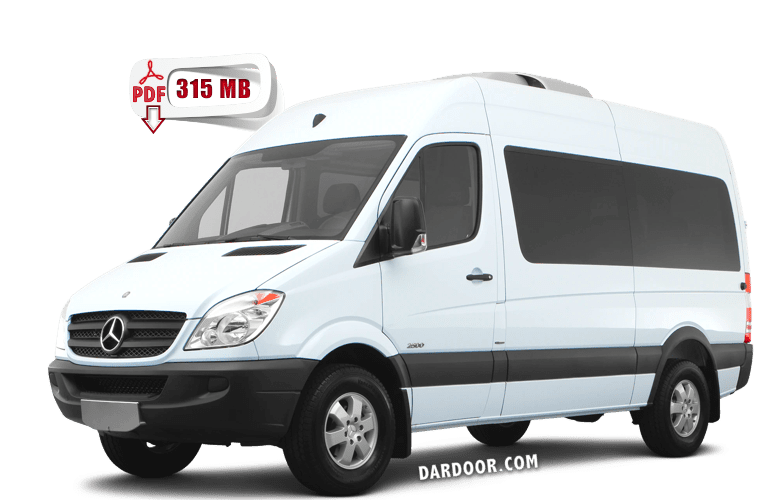
Get the official OEM workshop service and repair manual for the 2011–2019 Mercedes-Benz Sprinter, including both gasoline and diesel variants.
Overview
The Sprinter is an excellent choice if you need the specific advantages it offers (superior space efficiency, fuel economy, driving dynamics) and can afford the significantly higher ownership costs. It’s popular with professionals who can write off expenses and van lifers who value the interior space.
However, if reliability, affordable repairs, and widespread service availability are priorities, a Ford Transit or domestic alternative will likely be more sensible and cost-effective. The Sprinter rewards those who maintain it meticulously but punishes those who defer maintenance or experience bad luck with the emissions systems.
Best for: High-mileage highway use, professional conversions, those with substantial repair budgets, buyers who value refinement and space efficiency
Avoid if: You need affordable maintenance, DIY repairs, operate mainly in short trips, live far from Mercedes specialists, or have a tight budget for unexpected repairs
Technical Specs & Performance
- Body styles: Cargo, Passenger, Crew, Chassis Cab
- Engines (market dependent):
- 2.1L 4-cyl turbo diesel (OM651)
- 3.0L V6 turbo diesel (OM642)
- Transmissions: 5-speed automatic, 7-speed automatic (later years)
- Drivetrain: RWD (AWD available in later years)
- GVWR: ~8,550–11,030 lb (varies by configuration)
- Towing capacity: Up to ~7,500 lb (properly equipped)
Top 10 Common Issues (Symptoms, Cause, Fix, Cost)
1. DEF System Failures
Symptoms: Check engine light, reduced power/limp mode, “DEF system see owner’s manual” warning, no-start condition, DEF quality poor message
Root Cause: DEF heater failures, DEF pump failures, contaminated DEF fluid, faulty level sensors, frozen DEF lines in cold weather, corroded wiring connections
Fix: Replace DEF tank assembly (includes heater and pump), replace DEF injector, clean/replace DEF lines, update software, use quality DEF fluid only
Cost: $1,200-$3,500 depending on components needed
2. Diesel Particulate Filter (DPF) Clogging
Symptoms: Frequent regeneration cycles, reduced fuel economy, loss of power, black smoke from exhaust, strong diesel smell, check engine light with DPF codes
Root Cause: Excessive short trips preventing proper regeneration, low-quality diesel fuel, oil contamination from engine oil consumption, failed sensors, EGR system issues
Fix: Forced DPF regeneration using diagnostic tool, DPF cleaning service, DPF replacement if severely clogged, repair underlying oil consumption issues, software updates
Cost: $300-$800 for cleaning, $2,000-$4,000 for DPF replacement
3. Turbocharger Failures
Symptoms: Loss of power especially under acceleration, excessive black or blue smoke, loud whining or whistling noise from engine bay, oil consumption, check engine light with boost pressure codes
Root Cause: Oil starvation from clogged oil lines, carbon buildup on variable vane mechanism, actuator failures, worn turbo bearings, debris ingestion, age and high mileage wear
Fix: Replace turbocharger assembly, clean and replace oil feed lines, replace actuator if separate failure, update software calibration
Cost: $2,500-$4,500 including labor
4. EGR Cooler Leaks
Symptoms: Coolant loss with no visible external leaks, white smoke from exhaust, overheating, rough idle, coolant in exhaust stream, sweet smell from exhaust
Root Cause: Internal EGR cooler cracking due to thermal stress cycles, corrosion from coolant degradation, casting defects, pressure cycling failures
Fix: Replace EGR cooler assembly, flush cooling system, replace coolant, inspect for additional damage to EGR valve and related components
Cost: $1,500-$2,800
5. Oil Cooler Seal Failures
Symptoms: Significant oil leaks from front of engine, oil dripping on ground, low oil pressure warning, oil consumption requiring frequent top-ups, oil visible on engine block
Root Cause: Deteriorated o-ring seals in oil cooler housing, thermal cycling causing seal degradation, poor quality replacement seals, improper installation
Fix: Replace oil cooler and all associated seals, clean engine bay, check for oil contamination in cooling system, may require coolant flush if cross-contamination occurred
Cost: $1,200-$2,500
6. Glow Plug Swelling and Breakage
Symptoms: Hard starting in cold weather, rough running when cold, misfires, check engine light, one or more cylinders not firing properly, glow plug warning light
Root Cause: Glow plugs swell due to carbon buildup and high temperatures, tips break off during removal, inferior aftermarket glow plugs, excessive heat cycles
Fix: Careful glow plug removal (may require special tools), if broken requires cylinder head removal to extract broken pieces, replace all glow plugs as set, use only OEM parts
Cost: $500-$1,200 if removal is successful, $3,000-$6,000 if head removal required
7. Transmission Issues (5-Speed and 7-Speed)
Symptoms: Harsh shifting, slipping between gears, delayed engagement, shuddering during acceleration, transmission overheating, check engine light with transmission codes, grinding noises
Root Cause: Worn clutch packs, valve body failures, torque converter issues, inadequate transmission fluid changes, software calibration problems, conductor plate failures (7-speed)
Fix: Transmission fluid and filter service, valve body replacement or repair, conductor plate replacement (7-speed), software updates, complete transmission rebuild or replacement in severe cases
Cost: $500-$1,500 for fluid service and minor repairs, $3,500-$7,000 for major repairs or rebuild
8. Fuel Injector Failures
Symptoms: Rough idle, misfires, black smoke, poor fuel economy, hard starting, knocking noise from engine, check engine light with injector-specific codes, fuel smell
Root Cause: Low-quality diesel fuel, carbon buildup on injector tips, electrical connector corrosion, internal injector wear, contaminated fuel, lack of fuel additive use
Fix: Replace failed injector(s), though often recommended to replace all injectors simultaneously, clean fuel system, use quality diesel fuel and additives, update software
Cost: $400-$800 per injector, $2,500-$4,000 for full set of six
9. Electrical System Issues
Symptoms: Battery drain, no-start conditions, intermittent electrical failures, warning lights, malfunctioning accessories, radio/infotainment resets, module communication errors
Root Cause: Parasitic draws from faulty modules, corroded ground connections, failing alternator, battery deterioration, water intrusion in electrical components, SAM (Signal Acquisition Module) failures
Fix: Diagnose parasitic draw with multimeter, repair/replace faulty modules, clean and secure ground connections, replace alternator or battery as needed, reseal electrical connections
Cost: $200-$800 for minor issues, $1,000-$2,500 for module replacements
10. Suspension and Steering Component Wear
Symptoms: Clunking noises over bumps, poor handling, uneven tire wear, steering wheel vibration, vehicle pulling to one side, excessive body roll, squeaking sounds
Root Cause: Worn ball joints, tie rod ends, control arm bushings, shock absorbers, and sway bar links due to heavy loads, commercial use, and age. Front suspension particularly prone to wear.
Fix: Replace worn suspension components, perform wheel alignment, balance tires, may need multiple components replaced simultaneously for proper repair
Cost: $800-$2,500 depending on how many components need replacement
2011-2019 Mercedes-Benz Sprinter Pros & Cons
PROS
1. Exceptional Interior Space and Configurability The Sprinter offers class-leading interior height (up to 6’4″ standing room) and multiple wheelbase/roof configurations. This makes it ideal for cargo hauling, camper conversions, passenger transport, and commercial applications. The boxy design maximizes usable space.
2. Excellent Fuel Economy (Diesel Models) The diesel engines deliver 18-24 mpg, which is outstanding for a full-size van. This can result in significant fuel savings over gasoline competitors, especially for high-mileage commercial users.
3. Superior Driving Dynamics Compared to domestic vans, the Sprinter handles more like a large car than a truck. Better steering feel, tighter turning radius, and more refined ride quality make it easier to drive and maneuver in urban environments.
4. Strong Towing and Payload Capacity Properly equipped models can tow up to 7,500 lbs and carry payloads exceeding 5,000 lbs. The torquey diesel engines provide excellent pulling power for trailers and heavy loads.
5. High Resale Value Sprinters hold their value remarkably well, especially low-mileage examples and converted camper vans. The strong demand in the van life and commercial markets supports premium resale prices.
6. Comfortable Long-Distance Cruiser The refined highway ride, comfortable seating position, and good noise insulation (for a commercial van) make long trips less fatiguing than domestic alternatives.
7. Premium Build Quality and Materials Interior materials, fit and finish, and overall construction quality feel more upscale than Ford, Chevy, or Ram vans. Doors close with a solid feel and controls have a quality tactile response.
8. European Engineering and Design Advanced features like crosswind assist, rain-sensing wipers, heated seats, and sophisticated safety systems were available before they became common in domestic vans.
9. Versatile Applications Used successfully for everything from delivery vans to luxury passenger shuttles to adventure campers. The modular design adapts well to various commercial and personal needs.
10. Strong Diesel Torque Low-end torque makes the diesel Sprinter feel powerful when loaded, especially compared to gas V6 alternatives in other vans. Excellent for stop-and-go commercial use.
CONS
1. Extremely Expensive Repairs and Maintenance This is the biggest drawback. Parts cost 2-3 times more than domestic vans, labor rates are higher (requires Mercedes specialists), and complex systems mean frequent expensive failures. Annual maintenance can easily exceed $3,000-$5,000.
2. Problematic DEF/Emissions Systems The diesel emissions systems (DEF, DPF, EGR) are notoriously unreliable and expensive to repair. Failures can leave you stranded, repairs often cost $2,000-$4,000, and the systems require ongoing maintenance and monitoring.
3. Poor Dealer and Service Network Mercedes-Benz dealers are not as widespread as Ford or Chevy dealerships, especially in rural areas. Finding qualified technicians can be challenging, and many general mechanics won’t work on Sprinters.
4. Complex Technology Creates Multiple Failure Points While advanced features are nice, they create more things that can break. Electrical gremlins, sensor failures, and module issues are common and difficult to diagnose without specialized equipment.
5. Expensive Speciality Parts Even routine items like brake pads, rotors, and filters cost significantly more than domestic equivalents. Some parts must be ordered from Germany, causing delays and inflated costs.
6. Turbocharger Reliability Issues Turbo failures are common, especially on high-mileage vehicles. Replacement costs $2,500-$4,500 and turbos may only last 100,000-150,000 miles with hard use.
7. Glow Plug Nightmares Swollen glow plugs that break during removal can necessitate cylinder head removal, turning a $500 job into a $5,000+ disaster. This is a well-known issue that terrifies owners and mechanics alike.
8. Oil Leaks Are Common Oil cooler seals, valve cover gaskets, and various other seals tend to leak with age. While not always catastrophic, they’re annoying and expensive to properly repair.
9. Not Ideal for Short-Trip Use Diesel models need regular highway driving for DPF regeneration. Using a Sprinter primarily for short city trips will lead to clogged DPF, poor fuel economy, and expensive repairs.
10. Limited DIY Repair Capability Complex systems require specialized diagnostic tools (often $5,000+ professional scanners). Home mechanics will struggle with many repairs that would be straightforward on a Ford or Chevy van.
11. Rust and Corrosion Issues Despite being a Mercedes, these vans can rust, particularly in salt-belt states. Frame rust, body panel corrosion, and rotted floor pans are concerns on higher-mileage examples.
12. Insurance and Registration Costs Often classified as commercial vehicles, insurance can be more expensive. Some insurance companies charge premium rates, and registration fees may be higher depending on state classification.
13. Ride Can Be Harsh When Empty The suspension is designed for heavy loads. When running empty, the ride can be quite stiff and jarring over rough pavement, especially with the rear cargo area unloaded.
14. Expensive Entry Point Purchase prices are significantly higher than comparable Ford Transit or Ram ProMaster vans, both new and used. You’re paying a premium for the Mercedes badge from day one.
2011-2019 Mercedes-Benz Sprinter Maintenance Schedule
Every 10,000 miles (or annually):
- Engine oil and filter change (diesel uses more expensive oil)
- Inspect brake pads and rotors
- Check DEF level and quality
- Inspect drive belts and hoses
Every 20,000 miles:
- Cabin air filter replacement
- Tire rotation
- Brake fluid check
- Inspect suspension components
Every 30,000 miles:
- Engine air filter replacement
- Fuel filter replacement (critical for diesels)
- Inspect exhaust system and DPF
- Transmission fluid check
Every 40,000 miles:
- Spark plugs (gas engines)
- Coolant system inspection
Every 60,000-80,000 miles:
- Transmission fluid and filter change
- Differential fluid change (if applicable)
- Coolant flush and replacement
- Serpentine belt replacement
Every 120,000 miles:
- Timing chain inspection (though should be monitored regularly)
- Major service inspection
As needed:
- DEF refills (every 5,000-10,000 miles typically)
- DPF cleaning or replacement (every 100,000-150,000 miles)
- AdBlue system maintenance
Top 5 Competitors
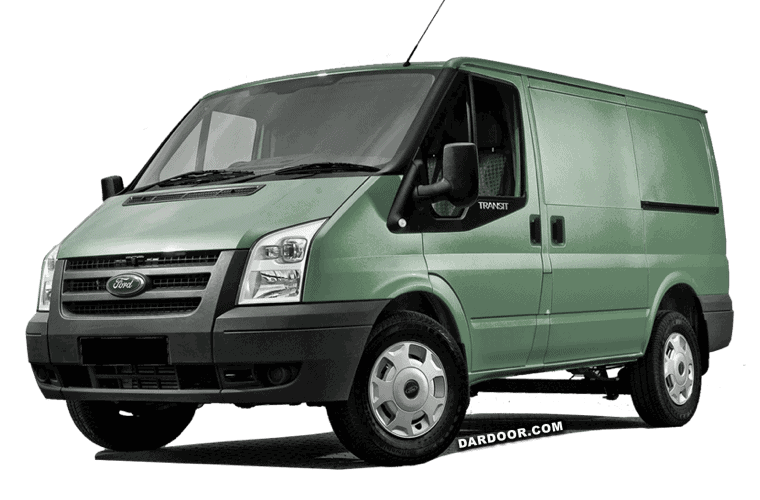
1. Ford Transit (2015–2019) Similar size range, more affordable parts and service, available EcoBoost gas engines, better dealer network in North America. Less refined ride but more reliable overall.
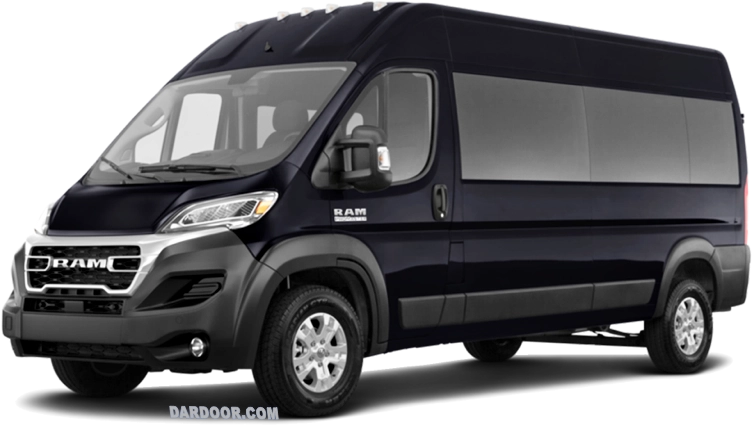
2. Ram ProMaster (2014–2019) Front-wheel drive layout, lower load floor, wide body design, Pentastar V6 gas engine. More affordable maintenance but less towing capacity than Sprinter.
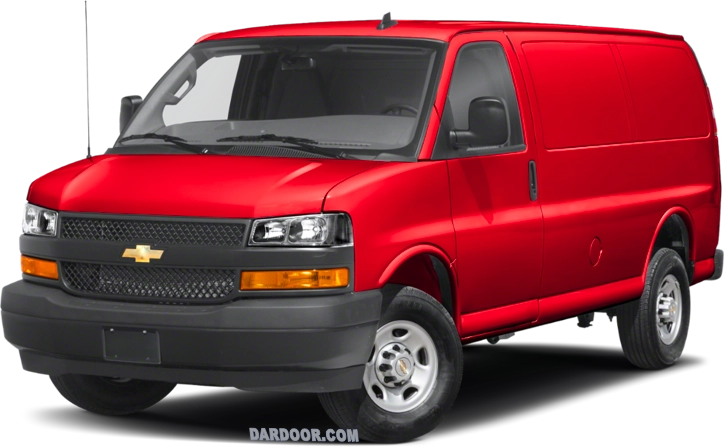
3. Chevrolet Express / GMC Savana Traditional body-on-frame design, widely available parts, V8 gas engines, proven reliability. Less fuel efficient and lower roof options than Sprinter.
4. Nissan NV (2012–2019) Available in high-roof configurations, V6 and V8 gas options, more affordable than Sprinter. Less cargo space and lower fuel economy.

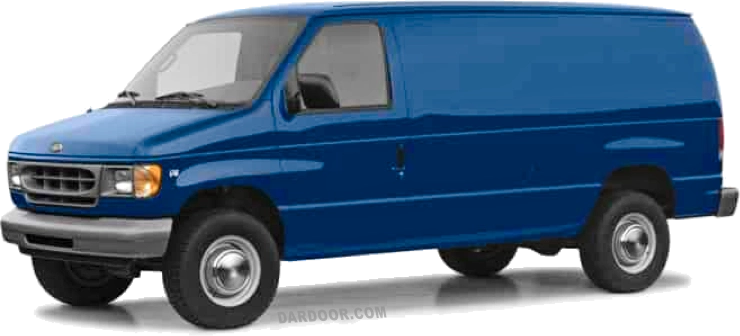
5. Ford E-Series (discontinued 2014) Body-on-frame construction, extremely reliable, cheap parts and repairs, strong V8 engines. Less modern, lower fuel economy, and discontinued partway through this generation.
Recalls, Advisories & Safety TSBs (Top 10)
1. DEF (Diesel Exhaust Fluid) System Failures Multiple recalls for DEF tank heaters, pumps, and level sensors. Can cause limp mode or no-start conditions. Affects 2010-2016 models extensively.
2. Takata Airbag Recall Driver-side airbag inflator recall affecting millions of vehicles including Sprinters from 2011-2017. Potentially dangerous airbag deployment.
3. Fuel Leak Risk Recall for fuel line o-rings that can deteriorate and cause fuel leaks, creating fire hazard. Affects various model years 2010-2016.
4. DPF (Diesel Particulate Filter) Regeneration Issues TSB for excessive DPF regeneration cycles, reduced fuel economy, and potential DPF clogging. Software updates and driving habit modifications recommended.
5. Transmission Output Shaft Seal Leak TSB addressing oil leaks from transmission output shaft seal. Common issue requiring seal replacement and possible transmission service.
6. Turbocharger Failure Multiple TSBs related to turbo actuator failures, boost pressure issues, and complete turbo failures. Often accompanied by check engine lights and loss of power.
7. EGR Cooler Failures TSB for EGR cooler leaks causing coolant loss and potential overheating. Can lead to expensive engine damage if not addressed.
8. Glow Plug Failures TSB for swollen glow plugs that can break off in cylinder head, requiring expensive head removal and repair. Particularly affects 2010-2014 models.
9. Rear Door Latch Failure Recall for rear cargo door latches that may not properly secure, allowing doors to open while driving. Safety hazard affecting multiple years.
10. Oil Cooler Seal Leaks Widespread TSB for oil cooler seal leaks causing significant oil loss. Very common issue requiring oil cooler replacement, often $1,500-$3,000 repair.
DTC Trouble Codes
Engine Control Module (ECM) — 10 Common Codes
| Code | Description | Likely Cause | Recommended Fix |
|---|---|---|---|
| P0300 | Random/Multiple Cylinder Misfire | Ignition, injectors, vacuum leak | Check spark plugs/ignition components (gas engines); for diesel check injectors, fuel pressure, vacuum leaks |
| P0401 | Exhaust Gas Recirculation (EGR) Flow Insufficient | Carbon buildup, EGR valve stuck | Clean/replace EGR valve and cooler, clear DTC |
| P0420 | Catalyst System Efficiency Below Threshold (Bank 1) | Catalyst aging, sensor drift | Verify upstream/downstream O2 sensors, inspect exhaust leaks, replace catalyst if confirmed |
| P0455 | Evaporative Emission System Leak (Large) | Loose cap, cracked hose, valve fault | Inspect fuel cap, lines, purge/vent valves; repair leaks |
| P0670 | Glow Plug Circuit Malfunction | Faulty glow plug/module | Test/replace suspect glow plug or module |
| P0087 | Fuel Rail/System Pressure Too Low | Fuel pump, filter, pressure sensor | Check fuel supply, filter, sensor; correct pressure |
| P0101 | Mass Air Flow (MAF) Circuit Range/Performance | Dirty/failed MAF, air leaks | Clean/replace MAF, inspect intake for leaks |
| P0118 | Engine Coolant Temp Sensor Circuit High | Sensor failure, wiring | Test/replace sensor, check wiring harness |
| P0234 | Turbocharger Overboost | Wastegate issue, boost leak | Inspect turbo control, hoses; repair wastegate actuator |
| P1299 | Engine Protection Limitation Active | Overheat, low oil pressure | Verify engine temp and oil pressure; correct underlying fault |
Transmission Control Module (TCM) — 10 Common Codes
| Code | Description | Likely Cause | Recommended Fix |
|---|---|---|---|
| P0700 | Transmission Control System Malfunction | TCM-reported fault | Read manufacturer-specific transmission codes; diagnose underlying cause |
| P0717 | Input/Turbine Speed Sensor No Signal | Sensor failure, wiring | Check wiring/connectors; replace sensor if needed |
| P0720 | Output Speed Sensor Circuit Malfunction | Faulty sensor or harness | Inspect sensor and harness; replace if faulty |
| P0730 | Incorrect Gear Ratio | Low fluid, slipping clutches, valve body | Check fluid level/condition; internal inspection if needed |
| P0740 | Torque Converter Clutch Circuit Malfunction | Solenoid/valve body, wiring | Inspect TCC solenoid; test wiring, replace as needed |
| P0755 | Shift Solenoid A Malfunction | Shift solenoid failure or harness issue | Replace solenoid; check wiring |
| P0830 | Parking Brake Switch Input Circuit | Switch or circuit fault | Test parking brake switch; repair circuit |
| P0841 | Transmission Fluid Pressure Sensor/Switch A Circuit Range/Performance | Sensor or pressure issues | Check fluid level; test sensor; repair as indicated |
| P0871 | Transmission Fluid Pressure Sensor/Switch B Circuit Range/Performance | Sensor or circuit fault | Test/replace sensor; verify wiring |
| P1899 | Transmission Control Module Requested MIL Illumination | TCM internal fault | TCM diagnostics; possible replacement |
ABS / ESC (Brake System) — 10 Common Codes
| Code | Description | Likely Cause | Recommended Fix |
|---|---|---|---|
| C0035 | Left Front Wheel Speed Sensor | Faulty sensor, tone ring | Inspect sensor and ring; replace if needed |
| C0040 | Right Front Wheel Speed Sensor | Sensor fault, wiring | Inspect/replace sensor |
| C0051 | Left Rear Wheel Speed Sensor | Contamination, wiring | Clean/replace sensor; check harness |
| C0056 | Right Rear Wheel Speed Sensor | Sensor, harness | Inspect; replace if necessary |
| C0110 | ABS Hydraulic Pump Motor Circuit | Pump motor or relay | Test/replace pump motor or related circuits |
| C0205 | Left Front ABS Sensor Missing Signal | Sensor issue or wiring | Verify sensor signal; replace if needed |
| C0210 | Right Front ABS Sensor Missing Signal | Same as above | Review sensor and harness |
| C1231 | Wheel Speed Sensor Rear Right Input | Sensor or connection fault | Check sensor and connector cleanliness |
| C1249 | ABS Module Failure | Internal module or communication fault | Scan module; repair/replace wiring or ABS unit |
| C1300 | ABS ECU Malfunction | Power/ground issue | Verify power and ground; replace ABS ECU if needed |
SRS Airbag System — 10 Common Codes
| Code | Description | Likely Cause | Recommended Fix |
|---|---|---|---|
| B0001 | Driver Airbag Circuit Open | Clock spring or connector | Inspect clock spring and connectors; replace as required |
| B0010 | Passenger Airbag Circuit | Harness or module fault | Test wiring; repair; replace module if needed |
| B0100 | Seat Belt Pretensioner Circuit | Pretensioner fault | Inspect/reset system; replace pretensioner |
| B0161 | Occupant Classification System Fault | Seat sensor or harness | Diagnose seat OCS system; repair as appropriate |
| B0187 | Side Airbag Circuit | Connector/wiring issue | Inspect/repair connectors and wiring |
| B0239 | Curtain Airbag Circuit Fault | Wiring or sensor failure | Inspect roof pillar harness; replace sensor if needed |
| B1000 | SRS ECU Internal Fault | Unit fault or communication | Replace/repair SRS ECU; confirm connectors good |
| B1100 | Impact Sensor Fault | Sensor or harness | Test and replace impact sensor |
| B1651 | Seat Belt Tension Sensor | Broken harness near seat | Repair harness; replace sensor |
| B1799 | SRS System Malfunction | General system fault | Full system scan; fix underlying faults |
Body Control / CAN Communication — 10 Common Codes
| Code | Description | Likely Cause | Recommended Fix |
|---|---|---|---|
| U0073 | Control Module Communication Bus Off | CAN short/open | Inspect CAN wiring; isolate and repair fault |
| U0100 | Lost Communication With ECM | Battery/ground issue | Check power/ground; test CAN lines |
| U0121 | Lost Communication With ABS Module | CAN power/ground problem | Test ABS wiring and CAN network |
| U0140 | Lost Communication With Body Control Module | Module fault or bus fault | Check BCM power/ground; CAN continuity |
| U0155 | Lost Communication With Instrument Cluster | Cluster or bus issue | Verify cluster harness; scan for related codes |
| U0164 | Lost Communication With Radio | Infotainment network fault | Test radio power, ground, bus connections |
| U0293 | Lost Communication With Brake Module | CAN wiring issue | Inspect brake module connectors and wiring |
| B1241 | Body ECU Low Voltage | Battery/charging issue | Load-test battery; inspect alternator and grounds |
| B2321 | Rear Door Switch Circuit | Faulty switch or wiring | Test switch; repair harness |
| B2799 | Immobilizer/System Malfunction | Key registration issue | Re-register keys; inspect antennas and BCM |
Frequently Asked Questions
1. What engine options are available? The 2011–2019 Sprinter came with several diesel engines: a 2.1L 4-cylinder turbo diesel (BlueTEC), 3.0L V6 turbo diesel, and later a 3.0L V6 diesel (OM642). Gas options included a 3.5L V6 and 2.0L 4-cylinder turbo. The diesels are most common and offer better fuel economy (18-24 mpg).
2. What’s the difference between 2500 and 3500 models? The numbers indicate payload capacity. The 2500 has a lower GVWR (Gross Vehicle Weight Rating) around 8,550 lbs, while the 3500 can handle up to 11,030 lbs. The 3500 often has dual rear wheels for additional stability and capacity.
3. How reliable are these Sprinters? Reliability is mixed. While the drivetrain can be durable with proper maintenance, these vans are known for expensive repairs, particularly with emissions systems (DEF, DPF), turbos, and electrical issues. Budget significantly for maintenance.
4. What’s the typical lifespan and mileage expectancy? With proper maintenance, Sprinters can reach 250,000-400,000 miles. Commercial fleet vehicles often accumulate high mileage. However, major components like the turbo, injectors, and emissions systems may need replacement before hitting these numbers.
5. Are parts and repairs expensive? Yes, significantly more than domestic vans. Expect to pay premium prices for parts and labor. Independent Mercedes specialists are often more affordable than dealerships but still costly compared to Ford or Chevy van repairs.
6. What are common roof height and wheelbase options? Three roof heights: standard, high roof, and super-high roof. Wheelbase options include 144″, 170″, and 170″ extended. Combinations vary by year and model, affecting interior space and maneuverability.
7. Should I buy diesel or gas? Diesel offers better fuel economy and torque for heavy loads but comes with complex emissions systems prone to expensive failures. Gas engines are simpler and cheaper to maintain but have lower mpg and less towing capacity.
8. What should I look for during a pre-purchase inspection? Check for DEF system issues, DPF regeneration problems, oil leaks (especially oil cooler seals), rust on the frame and body, turbo functionality, transmission shifting quality, and complete service records. A Mercedes specialist inspection is essential.
9. Is the Sprinter good for camper van conversion? Yes, the Sprinter is extremely popular for conversions due to its standing height, various configurations, and relatively efficient diesel engines. High-roof 170″ extended models are most sought-after but command premium prices.
10. What’s a fair price range for used models? Prices vary widely based on mileage, condition, and configuration. Expect $15,000-$35,000 for 2011-2015 models with 100,000-200,000 miles, and $25,000-$50,000+ for 2016-2019 models with lower mileage. Converted camper vans command significant premiums.
Overall Ownership Advice
The 2011-2019 Mercedes-Benz Sprinter can be a capable commercial or recreational vehicle, but requires diligent maintenance and a substantial repair budget. The diesel emissions systems are the most problematic and expensive areas. Consider extended warranties, maintain detailed service records, use quality fuels and fluids, and budget $3,000-$5,000 annually for maintenance and repairs beyond routine services.