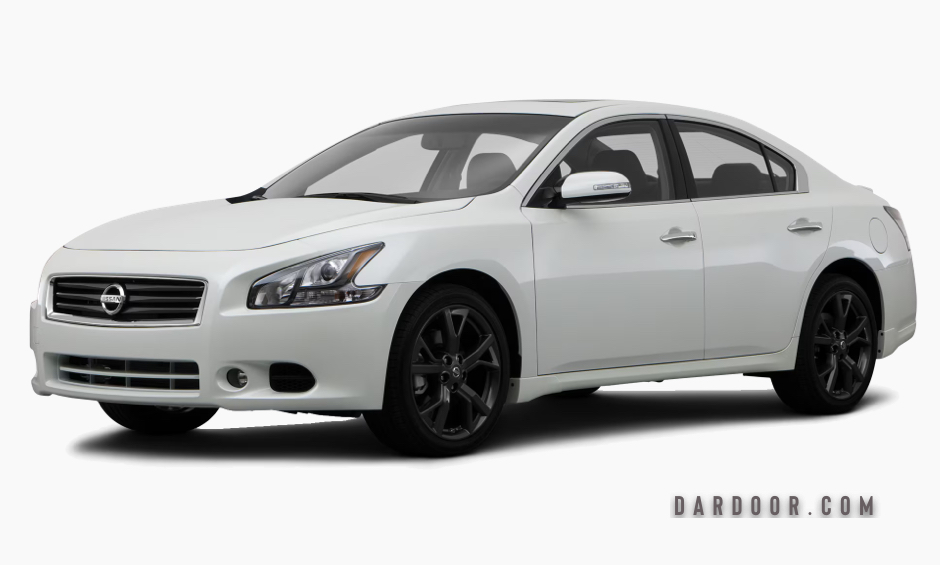
2011-2014 Nissan Maxima Repair Manual

$16.90

Get the OEM workshop manual for the 2011–2014 Nissan Maxima (A35)with the wiring diagram in fully indexed PDF .

2011–2014 Nissan Maxima — OEM Workshop Service & Repair Manual (PDF)

Get the original factory workshop manual for the 2011–2014 Nissan Maxima (A35). This fully indexed PDF is the same dealer-level documentation Nissan technicians use, featuring step-by-step repair instructions, diagnostics, torque specifications, and complete electrical wiring diagrams so you can service and repair with confidence.

File Format PDF
File Language English
File Size 101.3 MB
Page Count 4,959
Wiring Diagram Included
Delivery Method Instant Download

Vehicle Coverage

  • Model Years: 2011, 2012, 2013, 2014
  • Platform: A35 Series
  • Engine: 3.5L V6 VQ35DE
  • Transmission: Xtronic CVT Automatic

Key Features

Complete OEM Coverage

Factory procedures for service, repair, and maintenance across all systems.

Wiring Diagrams

Detailed schematics, connector views, pinouts, grounds, and power distribution.

Diagnostics & DTCs

Fault codes with flowcharts, test values, and troubleshooting steps.

User-Friendly PDF

Searchable bookmarks and print-ready pages for workshop or home use.


What’s Inside

  • Routine maintenance schedules, fluids, and torque specifications
  • Engine mechanical repair & overhaul (VQ35DE)
  • CVT transmission diagnostics and service
  • Brakes, ABS, suspension, steering, and alignment
  • Electrical system with full wiring diagrams and connector locations
  • HVAC, body, interior, and SRS/airbag systems
  • Diagnostic flowcharts and repair procedures

Download & Compatibility

Delivery: Instant digital PDF download
Compatibility: Windows • macOS • iOS • Android

Work to factory standards—reduce guesswork and get repairs right the first time.

This manual provides detailed instructions for maintenance, disassembly, reassembly, component inspection, adjustment, and diagnostics—intended for use by experienced mechanics. Proper application of this guide will help ensure thorough repairs and maintain your vehicle in peak condition.

Important Note: Before purchasing this manual, please check whether your vehicle is subject to any active service recalls, as authorized dealerships may perform necessary repairs free of charge. When replacing parts, always use genuine OEM components to ensure safety, reliability, and long-term performance.


Table of Contents: 2011-2014 Nissan Maxima Repair Manual

Table of Contents: 2011-2014 Nissan Maxima Repair Manual


SAMPLE PAGES

2011-2014 Nissan Maxima Repair Manual2011-2014 Nissan Maxima Repair Manual2011-2014 Nissan Maxima Repair Manual2011-2014 Nissan Maxima Repair Manual


CAUTION: This OEM service and workshop repair manual provides detailed procedures for maintenance, disassembly, reassembly, inspection, adjustment, and diagnostics. It is intended as a comprehensive guide for experienced mechanics. To ensure thorough and accurate repairs that maintain your vehicle’s optimal performance, please read and follow this manual carefully. When replacing parts during any repair work, always use genuine Nissan parts to ensure quality, safety, and reliability.

🚗 2011–2014 Nissan Maxima – Full Vehicle Overview, Issues, DTCs & Maintenance Guide

The 2011–2014 Nissan Maxima is a full-size sport sedan positioned as Nissan’s flagship passenger car. Powered exclusively by a strong 3.5L V6 and paired with a CVT transmission, the Maxima focuses on performance-oriented driving, premium features, and aggressive styling. While known for comfort and power, long-term ownership highlights several mechanical and electronic concerns that buyers should understand.

⚙️ Technical Specifications & Performance

  • Engine: 3.5L V6 (VQ35DE – 290 hp, 261 lb-ft)
  • Transmission: Xtronic CVT (FWD)
  • Drivetrain: Front-wheel drive (FWD)
  • 0–100 km/h: ~6.0 seconds
  • Fuel Economy: ~19–26 MPG combined
  • Seating Capacity: 5 passengers
  • Trunk Capacity: ~402 L

🔧 Top 10 Common Mechanical Issues (Root Cause & Fix)

  1. CVT transmission failure
    🔍 Root Cause: Overheating, belt wear, and degraded CVT fluid.
    🛠️ Fix: Regular CVT fluid service; replace transmission if slipping persists.
  2. Timing chain noise
    🔍 Root Cause: Chain stretch and worn tensioners on high-mileage engines.
    🛠️ Fix: Replace timing chain, guides, and tensioners.
  3. Engine oil consumption
    🔍 Root Cause: Worn piston rings and valve seals.
    🛠️ Fix: Engine rebuild or frequent oil level monitoring.
  4. Motor mount failure
    🔍 Root Cause: Excess torque stressing rubber mounts.
    🛠️ Fix: Replace engine mounts with updated OEM parts.
  5. Premature brake wear
    🔍 Root Cause: Heavy curb weight and aggressive driving style.
    🛠️ Fix: Upgrade to high-quality pads and rotors.
  6. Power steering pump noise
    🔍 Root Cause: Internal pump wear and fluid aeration.
    🛠️ Fix: Replace pump and flush steering system.
  7. Cooling fan failure
    🔍 Root Cause: Motor burnout and relay issues.
    🛠️ Fix: Replace cooling fan assembly.
  8. Wheel bearing noise
    🔍 Root Cause: Bearing wear from vehicle weight.
    🛠️ Fix: Replace affected wheel bearing hub.
  9. Exhaust heat shield rattle
    🔍 Root Cause: Corrosion loosening shield mounts.
    🛠️ Fix: Secure or replace heat shields.
  10. Suspension bushing wear
    🔍 Root Cause: Soft rubber bushings aging prematurely.
    🛠️ Fix: Replace control arm bushings.

💡 Top 10 Common Electrical Issues (Root Cause & Fix)

  1. Dashboard warning lights
    🔍 Root Cause: CAN communication glitches or low battery voltage.
    🛠️ Fix: Scan system, update BCM, replace battery if weak.
  2. Push-button start failure
    🔍 Root Cause: Faulty brake switch or key fob detection.
    🛠️ Fix: Replace brake switch or reprogram key.
  3. Navigation / infotainment freezing
    🔍 Root Cause: Software bugs and aging head unit hardware.
    🛠️ Fix: Update firmware or replace head unit.
  4. Power window failure
    🔍 Root Cause: Weak window regulators.
    🛠️ Fix: Replace window regulator and motor.
  5. Battery drain overnight
    🔍 Root Cause: BCM not entering sleep mode.
    🛠️ Fix: Reflash BCM and test parasitic draw.
  6. ABS warning light
    🔍 Root Cause: Failed wheel speed sensors.
    🛠️ Fix: Replace faulty sensor and recalibrate ABS.
  7. Airbag warning light
    🔍 Root Cause: Seat occupancy sensor failure.
    🛠️ Fix: Replace or recalibrate occupant sensor.
  8. Climate control malfunction
    🔍 Root Cause: Blend door actuator failure.
    🛠️ Fix: Replace actuator motor.
  9. Rearview camera not working
    🔍 Root Cause: Corroded wiring or camera failure.
    🛠️ Fix: Replace camera module.
  10. Keyless entry issues
    🔍 Root Cause: Weak antenna module or key fob battery.
    🛠️ Fix: Replace battery or reprogram system.

📊 Pros & Cons Comparison with Competitors

Model Pros 👍 Cons 👎
Nissan Maxima Strong V6; Sporty handling; Premium interior CVT reliability; FWD only; Fuel consumption
Toyota Avalon Excellent reliability; Smooth ride Less sporty; Conservative styling
Honda Accord V6 Balanced performance; Reliability Interior less upscale
Ford Taurus Comfortable ride; AWD option Heavy; Average fuel economy
Chevrolet Impala Spacious; Affordable used pricing Interior quality varies
Hyundai Azera Strong value; Long warranty Weaker resale value

🛠️ Maintenance Schedule

Interval ⏱️ Maintenance Task 🔧
Every 5,000 miles Engine oil & filter replacement
Every 15,000 miles Brake and suspension inspection
Every 30,000 miles Replace air & cabin filters
Every 60,000 miles CVT fluid replacement
Every 90,000 miles Spark plug replacement
Every 100,000 miles Coolant flush & belt inspection

⚠️ Recalls, Advisories & Safety Alerts

  • Airbag inflator rupture risk (Takata recall)
  • Steering lock failure causing loss of control
  • Fuel gauge inaccurate readings
  • Brake master cylinder internal leak
  • CVT software calibration errors
  • Rear suspension toe link corrosion
  • Occupant classification sensor malfunction
  • Electrical ground connection corrosion
  • Power steering pressure hose leak
  • Engine stalling due to crank sensor failure

🧾 Diagnostic Trouble Codes (DTC) Tables

💻 Engine Control Module (ECM)

P0300 Random Misfire Detected
P0171 System Too Lean
P0100 MAF Sensor Malfunction
P0420 Catalyst Efficiency Below Threshold
P0128 Coolant Thermostat Malfunction
P0507 Idle Speed High
P0605 ECM ROM Error
P0455 EVAP Large Leak
P0340 Camshaft Position Sensor
P0335 Crankshaft Position Sensor

⚙️ Transmission Control Module (TCM)

P0700 Transmission Control System Fault
P0730 Incorrect Gear Ratio
P0746 Pressure Control Solenoid Performance
P0776 Pressure Control Solenoid Stuck
P0868 Transmission Fluid Pressure Low
P0720 Output Speed Sensor
P0740 Torque Converter Clutch
P0715 Input Speed Sensor
P1778 CVT Step Motor
P1701 TCM Communication Error

🛑 ABS / ESC

C0035 Wheel Speed Sensor LF
C0040 Wheel Speed Sensor RF
C1109 ABS Pump Motor
C1110 ABS Control Unit
C1143 Yaw Rate Sensor
C1130 Engine Signal Error
C1155 Steering Angle Sensor
C1163 ABS Pressure Sensor
C1179 Brake Switch Circuit
C1180 ABS Communication Error

🎈 SRS Airbag System

B1018 Driver Airbag Circuit
B1020 Passenger Airbag Circuit
B1049 Side Airbag Sensor
B1054 Pretensioner Circuit
B1122 Occupant Sensor
B1130 Airbag Control Module
B1140 Crash Zone Sensor
B1150 Seat Belt Buckle
B1180 Airbag Power Supply
B1190 SRS Communication Error

📡 Body Control / CAN Communication

U0100 Lost Communication with ECM
U1000 CAN Communication Line
U1010 TCM Communication
U1200 ABS Communication
U1243 BCM Communication Error
U1262 Steering Control Module
U1300 CAN Bus Off
U1310 AV Control Unit
U1320 Combination Meter
U1336 Immobilizer Communication

✅ Final Verdict & Conclusion

The 2011–2014 Nissan Maxima delivers strong V6 performance, premium comfort, and sporty character, but long-term ownership is heavily influenced by CVT reliability and maintenance history. With proper servicing and careful inspection, it can be a rewarding full-size sedan offering performance that rivals more expensive competitors.