OVERVIEW & TECHNICAL SPECIFICATIONS
General Overview
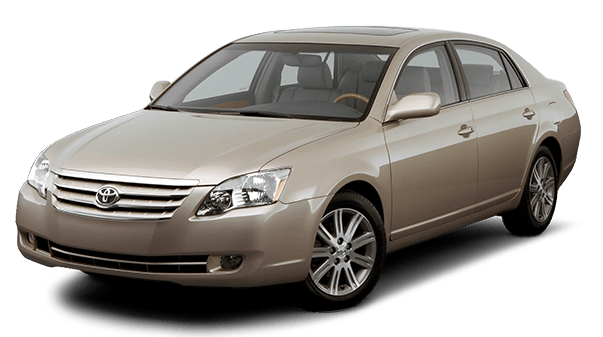
The 2006–2008 Toyota Avalon is a full-size luxury sedan representing the third generation of the Avalon nameplate (2005–2012 platform). Built on the same K-Platform as the Toyota Camry, the Avalon positioned itself as a more upscale, performance-oriented alternative with exclusive V-6 engine offerings. This generation features refined styling, premium interior materials, and Toyota’s reputation for reliability—though the 2006 model year is notably problematic.
Engine & Transmission Specifications
2006–2007 Models:
- Engine: 3.5L V6 DOHC (Dual Overhead Cam) 24-valve with dual variable valve timing on intake and exhaust
- Power Output: 268 hp @ 6200 RPM
- Torque: 248 lb-ft @ 4700 RPM
- Transmission: 5-speed automatic electronically controlled (ECT-i) with sequential manual shift and overdrive
- Drivetrain: Front-wheel drive (FWD) standard; no AWD option
2008 Model:
- Engine: Same 3.5L V6 DOHC 24-valve with dual variable valve timing
- Power Output: 268 hp @ 6200 RPM
- Torque: 248 lb-ft @ 4700 RPM
- Transmission: 6-speed automatic super electronically controlled (new for 2008) with sequential multi-mode shifter
- Drivetrain: Front-wheel drive (FWD) standard
Exterior Dimensions & Design
Body Style: 4-door sedan Length: 197.2 inches Width: 72.8 inches Wheelbase: 111.0 inches Headroom: 38.8 inches (front), varies rear Legroom: 41.3 inches (front) Curb Weight: Approximately 3,600 lbs Ground Clearance: 5.3 inches
2008 Refresh: Features new front bumper design, updated chrome grille, restyled HID headlamps with swept-back design, and chrome exterior door handles.
Interior & Features
Seating: 5 passengers (4 adults + 1 child) Cargo Space: 16.1 cubic feet trunk Interior Trim: Leather upholstery available on higher trims; upscale fabric on base models Technology:
- 5-inch or 6.5-inch LCD touchscreen (2008+ with navigation option)
- DVD-based navigation system available via Premium Package
- Power windows, locks, and mirrors standard
- Dual-zone automatic climate control standard
- Cruise control with steering wheel controls (base model variation)
Creature Comforts:
- Reclining rear seats on higher trims
- 10-way power driver seat with lumbar support
- Heated front seats available on Touring/Limited trims
- Panoramic sunroof option
- Premium audio system (6-disc CD changer)
Fuel Economy
2006–2007: 22 mpg City / 31 mpg Highway (5-speed automatic) 2008: Estimated 20-22 mpg City / 28-30 mpg Highway (6-speed automatic; slight decrease due to heavier 6-speed transmission)
Trim Levels Available
- XL (base, 2006 only): Standard features, cloth interior
- XLS: Mid-level trim with enhanced convenience features
- Touring: Sporty appearance package, upgraded interior
- Limited (2006–2007): Luxury trim with leather and premium equipment
- Touring/Limited (2008): Combined luxury and performance features
MSRP (Original)
- 2006: $26,775–$34,585
- 2007: $27,395–$33,965
- 2008: $41,840 (XLS starting price, Canada)
TOP 10 MECHANICAL & ELECTRICAL ISSUES
1. Oil Leaks & Loss of Oil Pressure Without Warning
Symptoms:
- Puddles of oil under the vehicle when parked
- Low oil pressure warning light illuminated on dashboard
- Sudden drop in oil level between services
- Engine knocking or ticking sounds
- Complete loss of oil pressure while driving
Root Cause: Defective oil hoses (particularly the oil supply hose to the engine block) fail due to manufacturing defects or rubber degradation. Some Avalons have experienced catastrophic oil loss within 40,000–60,000 miles. Additionally, internal gaskets can deteriorate prematurely, causing seepage.
Fix:
- Identify source via dye test or direct inspection
- Replace defective oil hoses and associated gaskets
- Perform complete oil and filter change
- Inspect engine for damage from low oil conditions
Estimated Cost: $400–$1,500+ depending on severity; may require engine work if damage has occurred
2. Oxygen Sensor Failures (Air/Fuel Sensor Malfunction)
Symptoms:
- Check Engine Light (CEL) illuminated with codes P2195, P0138, P0031
- VSC (Vehicle Stability Control) and SLIP lights activate on dashboard
- Rough idle or hesitation during acceleration
- Fuel economy degradation
- Engine running excessively rich or lean
Root Cause: Air/fuel (A/F) sensors in the exhaust manifold develop electrical faults or become fouled due to carbon buildup. Issues may be related to defective exhaust manifolds that allow sensor circuits to malfunction. Some bulletins suggest this is widespread in 2005–2007 models.
Fix:
- Diagnose sensor codes with OBD-II scanner
- Replace affected A/F sensor (Bank 1, Sensor 1 or Sensor 2)
- Inspect exhaust manifold for cracks or defects
- May require exhaust manifold replacement if integral to the problem
- Clear fault codes after repair
Estimated Cost: $150–$400 for sensor alone; $1,000–$1,700+ if exhaust manifold replacement needed
3. Transmission Hesitation & Shift Solenoid Failure
Symptoms:
- Transmission hesitates or jerks when shifting from 2nd to 3rd gear
- Transmission stays in neutral before engaging
- Rough or delayed shifts at low speeds
- Shift solenoid fault codes (OBD-II diagnosis required)
- Vehicle unable to shift out of Park in some cases (shift interlock failure)
Root Cause: Defective shift solenoids (electromagnetic actuators) fail to engage properly. Throttle Position Sensor (TPS) malfunction can trigger similar symptoms. In rare cases, the transmission control module receives corrupted data preventing smooth gear changes.
Fix:
- Scan transmission codes and determine faulty solenoid location
- Replace shift solenoid (Bank A or B)
- If TPS is faulty, replace throttle position sensor
- Reprogram transmission control module if necessary
- Check transmission fluid condition and top off if low
Estimated Cost: Shift solenoid: $200–$500 plus $200–$400 labor; TPS: $150–$400 including labor
4. Accelerator Pedal Sticking or Becoming Hard to Depress
Symptoms:
- Accelerator pedal becomes difficult to press down
- Pedal sticks in partially depressed position
- Vehicle continues accelerating despite releasing pedal
- Pedal returns slowly to idle position
- Dangerous sudden acceleration situations
Root Cause: Defective accelerator pedal mechanism has mechanical friction or binding issues. In some cases, the electronic throttle control cable has corrosion or the pedal pivot becomes stuck. This was subject to multiple safety recalls affecting various Toyota models (2006–2010).
Fix:
- Check for mechanical obstructions under dashboard
- Clean and lubricate pedal pivot points
- Inspect cable routing for damage or binding
- Replace accelerator pedal assembly if mechanical flaw confirmed
- Ensure electronic throttle control responds correctly
Estimated Cost: $150–$600 (lubrication/minor repair); $300–$900 (pedal assembly replacement)
5. Ignition Coil Failures & Cylinder Misfire
Symptoms:
- Check Engine Light flashing or illuminated
- Engine misfire, especially at highway speeds
- Cylinder misfire codes (P0300 series codes)
- Rough idle and hesitation during acceleration
- Visible spark in cylinder fire pattern diagnostics
- Loss of power and fuel economy
Root Cause: Ignition coil packs degrade and fail after 80,000–120,000 miles of service. Moisture intrusion into coil connections and internal component degradation are contributing factors. Multiple coils can fail sequentially within 10,000–20,000 miles of each other.
Fix:
- Scan for misfire codes using OBD-II
- Identify which cylinder(s) are misfiring
- Replace faulty ignition coil pack (typically 1–3 coils fail)
- Replace spark plugs if also due for service
- Clear fault codes after replacement
- Monitor for reoccurrence
Estimated Cost: $80–$150 per coil; $250–$600 for multiple coils plus labor ($100–$300)
6. Brake Caliper Sticking & Premature Rotor Wear
Symptoms:
- Brake pedal feels spongy or unresponsive
- Brake pads wear unevenly (one side faster than other)
- Brake rotors become warped or develop excessive scoring
- Brake noise (squealing, grinding, or metal-on-metal sounds)
- Vehicle pulls to one side during braking
- Brakes overheat after moderate to light driving
- Frozen or stuck brake calipers preventing wheel movement
Root Cause: Brake calipers develop internal corrosion and seals degrade, causing the piston to stick in the extended or retracted position. Moisture ingress into the caliper bore accelerates this failure. Poor-quality replacement pads can also exacerbate the problem.
Fix:
- Inspect all four brake calipers
- Replace frozen or stuck calipers (do not attempt to rebuild in most cases)
- Replace brake pads on affected wheel(s)
- Machine or replace rotors if worn beyond minimum thickness
- Flush brake fluid to remove moisture and contaminants
- Perform brake system bleed after reassembly
Estimated Cost: $600–$1,200 for all four calipers + rotors + pads + labor; frozen caliper only: $200–$600
7. Electrical System Failures (ABS/Brake Light, CAN Bus Issues)
Symptoms:
- ABS light and BRAKE light illuminated on dashboard
- Speedometer, odometer, and fuel gauge stop working
- Temperature gauge malfunction
- Air conditioner stops working
- Cruise control disabled
- Multiple warning lights (check engine, VSC, SLIP)
- Complete electrical bus failure affecting all dashboard displays
Root Cause: Defective ABS control module shorts out or fails internally, disrupting the CAN (Controller Area Network) bus that connects all vehicle systems. Water intrusion into electrical connectors and corrosion of circuit board components degrade the system. Battery issues and corroded battery terminals can also trigger cascading electrical failures.
Fix:
- Scan for ABS module codes and CAN bus errors
- Inspect battery terminals for corrosion and clean if necessary
- Replace battery if voltage is low (should be 12.6V at rest)
- Inspect ABS control module connector for moisture or corrosion
- Repair or replace ABS control module (most common fix)
- In some cases, reflash the module’s firmware
- Check all related sensors (wheel speed sensors, brake pressure sensor)
Estimated Cost: ABS module replacement: $500–$1,200; sensor repair/replacement: $150–$400 per sensor
8. Vapor Canister & Charcoal Pellet Release
Symptoms:
- Fuel odor under the engine compartment or from underneath vehicle
- Check Engine Light illuminated with code P0441 (Evaporative Emission System)
- Rattling sound from under the car
- Charcoal pellets visible inside fuel tank opening
- Vent valve sticking or plugged
Root Cause: The charcoal canister that absorbs fuel vapors degrades internally, releasing fine charcoal pellets. These pellets travel through the fuel system and plug the vent valve or enter the engine, triggering emissions codes. This is a widespread defect in 2006 and some 2011/2015 models.
Fix:
- Scan for evaporative emission system codes
- Inspect and clean or replace vapor canister
- Clean or replace vent valve
- Flush fuel system lines if charcoal has entered fuel tank
- Replace fuel filter
- Clear fault codes
Estimated Cost: $300–$600 (vapor canister + labor); $100–$200 (vent valve only)
9. Idle Air Control Valve Fouling
Symptoms:
- Engine takes longer to idle down after acceleration
- Engine refuses to accelerate below 2,000 RPM
- Rough or erratic idle
- Hesitation during light acceleration
- Vehicle may stall at stop lights
- Engine check light may illuminate
Root Cause: Debris accumulation inside the idle air control valve (IACV) restricts airflow and prevents proper idle speed regulation. Carbon buildup from internal engine deposits and poor fuel quality contribute to this problem.
Fix:
- Remove and inspect IACV
- Clean with carburetor or throttle body cleaner
- In severe cases, replace the valve completely
- Also clean throttle body and intake manifold surfaces
- Use quality fuel with detergents to prevent recurrence
Estimated Cost: $100–$300 (cleaning); $200–$500 (replacement)
10. Dashboard Cracking & Cracking/Sticky/Melting Dashboard
Symptoms:
- Cracks appearing in the dashboard surface
- Dashboard becomes sticky or tacky to the touch
- Dashboard material appears to be melting or warping
- Discoloration and fading of dashboard
- Adhesive degradation causing gaps between panels
- Problem worsens in hot weather or humid conditions
Root Cause: Manufacturing defect in the dashboard material formulation. Low-quality adhesives and plastics degrade under UV exposure and heat cycling. High temperatures (especially in vehicles parked in sun) accelerate the breakdown process. Humidity and moisture can cause sticky residue.
Fix:
- For minor cracks: Use dashboard repair kits or adhesives
- For cracking/melting: Request warranty coverage (may apply even after warranty period under warranty enhancement programs)
- Severe cases require full dashboard replacement
- Apply UV-protective film or sunshades to prevent recurrence
- Park in shade when possible
Estimated Cost: $150–$400 (repair kit or professional restoration); $1,000–$2,500 (full dashboard replacement)
TOP 5 COMPETITORS
- Positioning: Luxury sport sedan with emphasis on performance
- Engine: 3.5L V6 (300 hp) — more powerful than Avalon
- Transmission: 5-speed automatic with manual mode
- Key Differences: More aggressive styling, sportier suspension, higher HP, sunroof as standard on higher trims
- Advantages: More powerful engine, sportier driving dynamics, distinctive design
- Disadvantages: Less reliable than Avalon, higher maintenance costs, interior quality varies by trim
- Positioning: Mid-size sedan offering flexibility between compact and full-size
- Engine Options: 2.4L 4-cyl (190 hp) or 3.0L/3.5L V6 (244–271 hp)
- Transmission: 5-speed or 6-speed automatic
- Key Differences: Slightly smaller dimensions, wider engine/transmission lineup, more conservative styling
- Advantages: Excellent reliability, strong resale value, good fuel economy, easier to park
- Disadvantages: Less interior room than Avalon, less luxury-oriented, base 4-cylinder lacks power
- Positioning: Full-size sedan at competitive price point
- Engine: 3.8L V6 (263 hp) — comparable power to Avalon
- Transmission: 5-speed automatic
- Key Differences: More affordable purchase price, value-oriented trim levels, simpler interior design
- Advantages: Lower purchase price, decent power, improving reliability by 2007–2008
- Disadvantages: Lower perceived quality, weaker brand reputation, less refined interior
- Positioning: American luxury sedan with bold styling
- Engine: 2.7L V6 (178 hp) or 5.7L V8 (370 hp)
- Transmission:5-speed automatic
- Key Differences: Much larger and heavier, dramatic styling, rear-wheel drive, available V8 power
- Advantages: Distinctive appearance, powerful V8 option, unique personality
- Disadvantages: Poor fuel economy, less reliable than Avalon, higher repair costs, compromised handling
- Positioning: Premium luxury sedan with emphasis on refinement
- Engine: 3.3L V6 (225 hp, ES 330) or 3.5L V6 (272 hp, ES 350)
- Transmission: 5-speed or 6-speed automatic
- Key Differences: Lexus premium brand, more refined interior, better sound insulation, superior reliability
- Advantages: Exceptional reliability, luxurious interior, superior build quality, excellent resale value
- Disadvantages: Significantly higher purchase price, less performance-oriented, smaller backseat than Avalon
TOP 10 RECALLS, ADVISORIES & TSB HIGHLIGHTS
RECALLS (Safety-Related)
- Accelerator Pedal Recall (NHTSA Recall #08V191000, 2008–2010 Models & Earlier Variants)
- Issue: Accelerator pedal may stick or become hard to depress, increasing crash risk
- Vehicles Affected: 2006–2008 Avalon (among many Toyota models)
- Fix: Free replacement of accelerator pedal assembly at Toyota dealership
- Status: Complete — recall remedied in 2008–2009
- Airbag Inflator Defect (NHTSA Special Service Campaign 60B)
- Issue: Supplemental Restraint System (SRS) airbags may not deploy correctly in collision
- Vehicles Affected: 2006 Avalon and select other Toyota models
- Fix: Replacement of defective airbag inflators
- Status: Complete — affected vehicles remedied
- Seat Belt System Defect
- Issue: Seat belt pretensioners may malfunction in crash scenario
- Vehicles Affected: 2006–2008 models (limited scope)
- Fix: Inspection and potential seat belt extender installation
- Status: Resolved
TECHNICAL SERVICE BULLETINS (TSBs) — KEY HIGHLIGHTS
- TSB: Oxygen/Air-Fuel Sensor Malfunction (P2195, P0138 Codes)
- Affected Models: 2005–2007 Avalon, 2007–2008 Camry
- Procedure: Addresses known issue where A/F sensor circuit voltage fluctuates
- Recommended Fix: Replace air-fuel sensor and inspect exhaust manifold for cracks
- Labor: 1.5–2.5 hours
- TSB: Transmission Shift Hesitation (Shift Solenoid Malfunction)
- Affected Models: 2000–2007 automatic transmission Avalons
- Issue: Hesitation when shifting 2nd to 3rd gear at low speeds; shift solenoid fault
- Procedure: Reprogram transmission control module (TCM) firmware or replace shift solenoid
- Labor: 2–4 hours for programming; 1–2 hours for solenoid replacement
- TSB: Vapor Canister Charcoal Pellet Release
- Affected Models: 2006 Avalon, 2011, 2015 models
- Issue: Charcoal pellets escape from vapor canister and plug vent valve
- Procedure: Inspect and replace vapor canister; clean vent valve and fuel system lines
- Labor: 2–3 hours
- TSB: Dashboard Cracking/Stickiness (Warranty Enhancement Program)
- Affected Models: 2005–2022 Toyota vehicles (including Avalon)
- Issue: Dashboard cracks or becomes sticky due to heat/humidity exposure
- Procedure: Warranty enhancement program covers repair/replacement under extended terms
- Reimbursement: Available through warranty phase (reimbursement ended December 2014, but coverage continues for repairs)
- TSB: Water Intrusion & Musty Odor (Soft Service Campaign)
- Affected Models: 2005–2022 model year Toyota vehicles
- Issue: Water intrusion from weatherstripping and seals causes musty smell
- Procedure: Inspect door and window seals; apply weatherproofing compound; remove moisture from cabin
- Labor: 1–2 hours
- TSB: Oil Hose Failure & Oil Loss
- Affected Models: Limited scope 2006–2007 Avalons
- Issue: Defective oil supply hose fails, causing rapid oil loss
- Procedure: Replace oil hose assembly; inspect for engine damage; perform oil/filter service
- Labor: 2–4 hours (depends on severity)
- TSB: Brake Caliper Sticking & Corrosion
- Affected Models: Select 2005–2008 models
- Issue: Brake calipers freeze due to internal corrosion
- Procedure: Replace frozen calipers; replace pads and rotors; flush brake fluid
- Labor: 3–5 hours for all four wheels
MAINTENANCE SCHEDULE
Routine Maintenance Intervals (Per Toyota Service Manual)
Every 5,000 Miles or 5 Months:
- Oil and oil filter change (conventional oil; use 0W-20 or 5W-30 per owner’s manual)
- Visual inspection of fluid levels (coolant, transmission, brake, power steering)
- Check brake pads for wear and condition
Every 10,000 Miles or 10 Months:
- Rotate tires (if not done at 5K interval)
- Inspect suspension components
Every 15,000 Miles or 15 Months:
- Replace engine air filter
- Inspect cabin air filter (replace if clogged)
- Check brake system operation
Every 30,000 Miles or 30 Months:
- Replace cabin air filter (if not done at 15K)
- Inspect transmission fluid condition and level
- Inspect exhaust system for leaks/damage
Every 60,000 Miles or 60 Months:
- Inspect spark plugs (replace if worn, typically 100K intervals for this generation)
- Inspect belts and hoses for cracks/leaks
- Rotate tires again (if applicable)
Every 90,000 Miles or 90 Months:
- CRITICAL: Timing chain inspection (do not replace unless worn; chains typically last 150K+ miles)
- Inspect water pump for weeping/corrosion
- Transmissions: Consider fluid change (optional, not required by Toyota every interval)
- Inspect differential fluid (FWD only has transmission)
Every 100,000 Miles or 10 Years:
- Replace spark plugs (if original)
- Inspect suspension bushings and tie rods
- Check transmission fluid (change if discolored or burnt smelling)
Every 150,000 Miles or 15 Years:
- Major inspection of all fluid systems
- Brake system inspection and possible fluid replacement
- Coolant flush and replacement
Recommended Optional Services
Every 15,000–20,000 Miles:
- Fuel injector cleaning (helps prevent buildup)
- Throttle body cleaning (especially if idle issues exist)
Every 30,000–50,000 Miles:
- Transmission fluid change (extends transmission life; not required by Toyota)
- Differential service (FWD: transmission only)
Every 50,000 Miles:
- Air conditioning system inspection and possible refrigerant top-off
Every 60,000–80,000 Miles:
- Brake fluid replacement (protects against moisture absorption)
- Coolant system inspection
Special Attention Items for This Generation
- Oil changes: Do NOT exceed Toyota’s recommended interval; oil leaks make this critical
- Ignition coils: Monitor for misfire codes; replace proactively around 100K miles
- Brake system: Given caliper issues, inspect every service; replace pads before they wear rotors
- Transmission: Keep fluid level monitored; consider fluid change at 60–80K miles for longevity
- Air/fuel sensors: If check engine light appears, address promptly (P2195, P0138 codes common)
TOP 10 FREQUENTLY ASKED QUESTIONS FOR BUYERS
1. Is the 2006–2008 Toyota Avalon reliable?
Answer: The 2006 is notably problematic and should be avoided; 2007 is borderline; 2008 is more reliable with the new 6-speed transmission. Overall, Avalon ranks 3rd out of 12 full-size sedans in reliability (4.0 out of 5.0). Compared to competitors, Toyota’s name recognition remains strong, but this generation has documented issues. Owner reports indicate 2006 models have higher repair rates, particularly engine oil leaks and electrical problems.
2. What are the most common problems I should expect?
Answer: Top issues in order of frequency: (1) Oil leaks/loss of pressure, (2) Oxygen sensor failures, (3) Transmission hesitation, (4) Electrical system failures (ABS/CAN bus), (5) Ignition coil failures, (6) Brake caliper sticking, (7) Accelerator pedal sticking, (8) Dashboard cracking, (9) Vapor canister issues, (10) Engine knock/misfire. Engine problems dominate the 2006 (54% of repairs per TrueDelta data), while electrical issues are most common in 2007 (42% of repairs).
3. Should I buy a 2006 Avalon?
Answer: No, strongly avoid. The 2006 is plagued with oil leaks, electrical failures, and accelerator pedal issues. It has 7 safety recalls and extensive warranty claims. Unless heavily discounted for parts, this model is not recommended even for budget-conscious buyers.
4. How do the 2007 and 2008 compare?
Answer: The 2007 is a middle-ground option with fewer problems than 2006 but more than 2008. Electrical issues are more prominent in 2007 (42% of repairs vs. 32% engine). The 2008 introduces a more robust 6-speed transmission, updated styling, and better overall reliability. If choosing between the two, 2008 is preferred if budget allows.
5. What is the expected lifespan/longevity of this Avalon generation?
Answer: With proper maintenance, these Avalons can reach 150,000–200,000+ miles. However, early intervention on known issues (oil leaks, ignition coils, brake calipers) is essential. Many owners report trouble-free ownership past 150K miles after addressing early defects. Neglecting maintenance or deferring repairs will dramatically shorten lifespan.
6. How much will maintenance and repairs cost annually?
Answer: Average annual repair cost is approximately $463 based on RepairPal data, making it an excellent ownership cost. However, this can spike to $1,500–$3,000+ in years when major repairs occur (transmission work, electrical system overhauls, engine repairs). Budget for regular maintenance ($300–$600/year) plus potential major repairs ($1,000–$2,000 every 5–7 years).
7. What fuel economy should I expect?
Answer: EPA ratings for 2006–2007 are approximately 22 mpg city / 31 mpg highway (5-speed auto). Real-world results often dip to 19–28 mpg depending on driving habits and conditions. The 2008 with its 6-speed transmission shows slightly lower ratings (20–22 city / 28–30 highway) due to heavier transmission, but highway efficiency improves at sustained speeds. These numbers are respectable for a full-size sedan.
8. How much should I pay for a used 2006–2008 Avalon?
Answer: (2024 market prices approximate) — 2006 with high mileage: $3,000–$6,000 (if reliable history available); 2007 with 100K+ miles: $5,000–$9,000; 2008 with similar mileage: $7,000–$12,000. Prices vary by local market, condition, mileage, accident history, and service records. Always get a pre-purchase inspection; known issues can reduce value by $1,000–$3,000.
9. Should I buy an extended warranty for a 2006–2008 Avalon?
Answer: Highly recommended, especially for 2006 and 2007 models. Extended warranties can save $2,000–$5,000 if major repairs occur (transmission, engine, electrical). Ensure coverage includes engine, transmission, electrical, suspension, and steering. Warranty cost typically $1,000–$2,500 for 5–7 years/100K miles coverage.
10. How does the Avalon compare to the Camry and other competitors?
Answer: The Avalon is larger, more upscale, and more powerful than the Camry, targeting drivers seeking luxury and space. vs. Nissan Maxima: Avalon is more reliable and refined; Maxima is sportier and more powerful. vs. Honda Accord: Accord is more practical and fuel-efficient; Avalon offers more room and luxury. vs. Lexus ES: Lexus superior in reliability and refinement but costs significantly more. The Avalon occupies the sweet spot between mid-size and full-size segments.
FINAL BUYER RECOMMENDATIONS
Who Should Buy This Car?
- Families needing spacious full-size sedan: The Avalon offers exceptional interior room, particularly the rear seat, making it ideal for family use.
- Drivers seeking luxury without premium brand pricing: Avalon delivers upscale interior and features at mid-luxury pricing.
- Long-commute drivers: Comfortable seats, smooth ride, and decent highway fuel economy suit extended driving.
- Toyota brand loyalists: Established reliability reputation and extensive dealer network are attractive.
Who Should Avoid This Car?
- Budget-conscious buyers (under $5,000): Avoid 2006 models; expect significant repair costs.
- Drivers prioritizing fuel economy: While respectable for class, Avalon is thirstier than some competitors.
- Sports driving enthusiasts: Avalon is refined but not performance-oriented; suspension is comfort-focused, not sporty.
- Drivers in harsh/corrosive climates: Brake calipers and electrical systems prone to corrosion issues.
Pricing Strategy
Best Value: 2008 model with 80,000–120,000 miles, clean service history, and single owner. This sweet spot balances lower purchase price ($7,000–$12,000) with improved 6-speed transmission and updated styling.
Avoid at Any Price: 2006 models regardless of mileage or condition. Even at $3,000, repair risk exceeds value.
Negotiation Tips:
- Request complete service history; missing records indicate poor maintenance
- Get pre-purchase inspection for oil leaks, transmission smoothness, electrical functionality
- Negotiate $500–$1,000 discount if known issues exist (oil leak, check engine light, rough shifts)
- Ask for warranty transfer if original owner’s warranty remains valid
Pre-Purchase Inspection Checklist
Before purchasing, ensure inspection includes:
- Engine: Check for oil leaks around pan gasket, oil filter, and hoses; inspect oil color (should be brown, not black)
- Transmission: Test shifts 1st→2nd, 2nd→3rd smoothness; listen for hesitation; ensure no grinding/slipping
- Electrical: Verify all dashboard lights, radio, climate control, power windows/locks function correctly
- Brakes: Inspect for noise, pulsation, or soft pedal; check caliper appearance for corrosion
- Ignition coils: Verify no check engine light; if present, get OBD-II scan report
- Air-fuel sensors: Confirm no P2195/P0138 codes in history
- Accelerator pedal: Test smoothness, resistance, and return to idle
- Dashboard: Inspect for cracks, discoloration, or sticky surfaces
- Undercarriage: Look for oil stains, exhaust damage, rust
Maintenance Commitment Required
Ownership success depends on strict adherence to maintenance schedule:
- Oil changes every 5,000 miles (non-negotiable given oil leak issues)
- Tire rotation every 10,000 miles
- Regular fluid level checks (weekly or bi-weekly)
- Immediate attention to warning lights (especially engine/check engine)
- Proactive ignition coil replacement around 100,000 miles (before failure)
- Brake system inspection annually
Final Verdict
2006: ⚠️ AVOID — Too many early-year defects; not recommended for any buyer.
2007: ⚠️ PROCEED WITH CAUTION — Acceptable if priced well, pre-purchase inspected, and extended warranty obtained. Electrical issues are common.
2008: ✅ RECOMMENDED — Best year of this generation; improved 6-speed transmission, updated styling, fewer reported defects. Good value if maintenance history is clean.
Overall: The 2006–2008 Avalon represents a comfortable, spacious full-size sedan with Toyota’s reliability heritage, but buyer vigilance is essential. The generation’s early-year defects, particularly oil leaks and electrical gremlins, require thorough inspection. For buyers willing to invest in maintenance and accept modest repair costs, the 2007–2008 (especially 2008) can provide rewarding ownership with 150,000+ miles of service life. Avoid the 2006 entirely and consider 2008 the sweet spot for value and reliability.