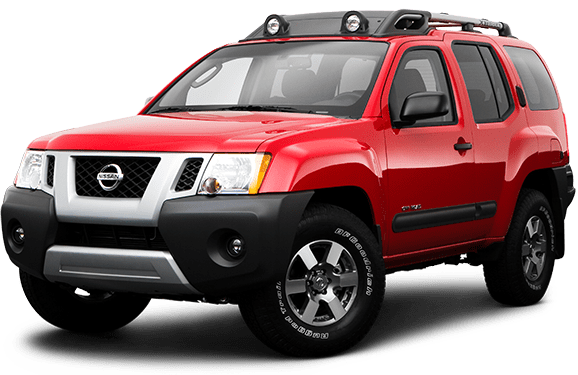
2009 Nissan Xterra Repair Manual

$16.90

Get the OEM workshop service and repair manual with the wiring diagram for the 2009 Nissan Xterra (N50 Series) in fully indexed PDF.

2009 Nissan Xterra — OEM Workshop Service & Repair Manual (N50 Series)

Get the original OEM workshop service and repair manual for the 2009 Nissan Xterra (N50 Series). This fully indexed PDF is the exact same manual used by Nissan dealership technicians, providing factory-authorized procedures, diagnostics, and complete electrical wiring diagrams to help you repair and maintain your Xterra with confidence.


File Format PDF
File Language English
You’ll Get 99.6 MB
Wiring Diagram Included
Delivery Method Instant Download
Repair with confidence using the same manual trusted by Nissan dealer technicians.

Vehicle Coverage

  • Model Year: 2009
  • Platform: Nissan Xterra N50 Series
  • Engines: 4.0L V6 (VQ40DE)
  • Transmissions: 6-speed manual • 5-speed automatic
  • Drivetrain: 2WD & 4WD

Key Features

Complete OEM Coverage

Factory repair procedures for engine, transmission, suspension, brakes, drivetrain, HVAC, and body systems.

Wiring Diagrams

Detailed electrical schematics, connector views, ground points, and power distribution layouts.

User-Friendly PDF

Searchable, bookmarked, and printable for quick reference on any device.


What’s Inside

  • Routine maintenance schedules, fluids, and torque specifications
  • Engine mechanical repair & overhaul (VQ40DE)
  • Automatic & manual transmission service
  • 4WD system, transfer case, and driveline repairs
  • Suspension, steering, brakes, ABS & traction control
  • Complete electrical system with wiring diagrams
  • Body, interior, HVAC, and SRS/airbag systems

Download & Compatibility

Delivery: Instant digital PDF download
Compatibility: Windows • macOS • iOS • Android

This manual provides detailed instructions for maintenance, disassembly, reassembly, component inspection, adjustment, and diagnostics—intended for use by experienced mechanics. Proper application of this guide will help ensure thorough repairs and maintain your vehicle in peak condition.

Important Note: Before purchasing this manual, please check whether your vehicle is subject to any active service recalls, as authorized dealerships may perform necessary repairs free of charge. When replacing parts, always use genuine OEM components to ensure safety, reliability, and long-term performance.


Table of Contents : 2009 Nissan Xterra Repair Manual

Table of Contents : 2009 Nissan Xterra Repair Manual

SAMPLE PAGES

2009 Nissan Xterra Repair Manual2009 Nissan Xterra Repair Manual2009 Nissan Xterra Repair Manual2009 Nissan Xterra Repair Manual2009 Nissan Xterra Repair Manual2009 Nissan Xterra Repair Manual2009 Nissan Xterra Repair Manual

2009 Nissan Xterra (N50) — Overview, Specs, Common Problems, Recalls, DTC Codes & Buyer Verdict

The 2009 Nissan Xterra is a body-on-frame, off-road-first SUV built around Nissan’s 4.0L VQ40DE V6 and a rugged 4WD system. It’s loved for durability and trail capability—but owners still report a familiar set of weak points worth checking before you buy.

Best for: off-road use, winter beating, simple towing, “I don’t care about luxury” daily driving.

Overview

  • Platform: Body-on-frame (truck-based), designed for durability and off-road use.
  • Personality: More “trail tool” than “mall cruiser.”
  • Drivetrain: RWD or 4WD depending on trim; low-range available on 4WD models.
  • Engine family: Nissan VQ40DE 4.0L DOHC V6.

Technical Specs & Performance

Spec 2009 Xterra (N50)
Engine 4.0L V6 (VQ40DE), DOHC 24-valve
Output 261 hp @ 5,600 rpm / 281 lb-ft @ 4,000 rpm
Transmission 6-speed manual or 5-speed automatic (varies by trim)
Drive RWD or 4WD (trim-dependent)
Fuel economy (varies by config) KBB lists multiple EPA figures depending on 2WD/4WD and manual/auto
Max towing (when properly equipped) Up to 5,000 lb
Wheelbase 106 in (2,700 mm)
0–60 mph (real-world test) Edmunds tested a 4WD at ~7.6 sec

Pros & Cons

👍 Pros 👎 Cons
Body-on-frame toughness Fuel economy isn’t its love language
Legit off-road ability (especially 4WD trims)  Can be noisy/rough compared to crossovers
Simple, serviceable drivetrain Known “repeat offender” issues (see below)
Useful towing for the class Rust can be a deal-breaker in salt states

Top 10 Common Mechanical Issues (Reported by Owners)

1- Radiator-to-transmission cooler failure (automatic) “SMOD”

    • Symptoms: Strawberry-milkshake fluid, slipping, harsh shifts, overheating, delayed engagement.
    • Root cause: Internal radiator cooler breach mixes coolant and ATF (common on certain years/parts).
    • Fix: Replace radiator (or bypass cooler), flush/repair transmission if contamination occurred.
    • Cost: $450–$900 (radiator & labor) or $2,500–$5,500+ (if transmission rebuild/replace is needed).

2- Timing chain guide wear / chain rattle (VQ40DE)

    • Symptoms: Whine/rattle (often cold), poor running, potential timing-related codes.
    • Root cause: Guide wear and chain stretch over time (oil quality/intervals matter).
    • Fix: Replace timing chain set (chains, guides, tensioners) and inspect related components.
    • Cost: $1,200–$2,800 (shop-dependent).

3- Catalytic converter efficiency failure

    • Symptoms: Check Engine Light, P0420/P0430, loss of power, fuel smell.
    • Root cause: Aging catalysts, misfires, or upstream O2 issues that overload the cat.
    • Fix: Diagnose misfires/O2 first; replace failed converter(s) if confirmed.
    • Cost: $900–$2,500+ (depending on OEM vs aftermarket and how many cats).

4- Cooling system leaks (hoses / thermostat / water pump seep)

    • Symptoms: Coolant smell, overheating, low coolant, wet spots near pump.
    • Root cause: Age/hardening seals, thermostat sticking, pump wear.
    • Fix: Pressure test, replace leaking components, refill/bleed properly.
    • Cost: $180–$650 (hoses/thermostat) or $450–$950 (water pump).

5- Wheel bearing growl (front/rear)

    • Symptoms: Humming that changes with speed, vibration, uneven tire wear.
    • Root cause: Bearing wear from mileage, off-road loads, or water intrusion.
    • Fix: Replace hub/bearing assembly; verify axle seals if rear.
    • Cost: $350–$850 per corner.

6- Rear axle seal leaks

    • Symptoms: Gear oil smell, wet backing plates, reduced diff fluid, brake contamination.
    • Root cause: Seal wear, bearing wear, or venting issues building pressure.
    • Fix: Replace seals (and bearings if needed), clean/repair affected brakes.
    • Cost: $350–$1,200 (depends on bearing/brake involvement).

7- Suspension clunks (control arm bushings / ball joints)

    • Symptoms: Clunks over bumps, wandering steering, uneven tire wear.
    • Root cause: Bushing fatigue and joint wear; off-road accelerates it.
    • Fix: Replace worn arms/bushings/ball joints; align afterward.
    • Cost: $450–$1,400 (scope-dependent).

8- Brake pedal pulsation / warped rotors

    • Symptoms: Steering shake under braking, pulsing pedal, longer stops.
    • Root cause: Heat cycling + rotor thickness variation; sticking caliper can contribute.
    • Fix: Replace rotors/pads; service calipers/slides; bed brakes correctly.
    • Cost: $280–$750 (front axle typical).

9- Cam/crank sensor failures (no-start/stall)

    • Symptoms: Random stall, long crank, no-start, misfire-like behavior.
    • Root cause: Sensor aging/heat soak; wiring/connectors can also be at fault.
    • Fix: Replace faulty sensor(s); check harness routing and connectors.
    • Cost: $180–$450.

10- Driveshaft U-joint wear (vibration/clunk)

    • Symptoms: Clunk shifting R↔D, vibration at speed, squeak when moving off.
    • Root cause: U-joint wear from age, loads, lack of lubrication (if serviceable).
    • Fix: Replace U-joints or driveshaft assembly; verify angles.
    • Cost: $220–$650.

 Top 10 Common Electrical Issues (Reported by Owners)

1- Front airbag crash zone sensor corrosion (recall-related)

    • Symptoms: Airbag warning light on, potential non-deployment risk.
    • Root cause: Salt/water intrusion causing internal rust and signal interruption (NHTSA 08V-690)
    • Fix: Replace sensor with redesigned unit (dealer recall action)
    • Cost: $0 if open recall applies; otherwise typically $250–$600.

 2- Driver airbag emblem detachment risk (recall-related)

    • Symptoms: No warning until an airbag deploys (safety recall).
    • Root cause: Emblem posts may crack; emblem/retainer can detach as a projectile (23V067 / PC944–PC946)
    • Fix: Dealer recall remedy once available/installed
    • Cost: $0 if open recall applies.

3- Garmin Nuvi 750 navigation unit battery overheating (equipment recall)

    • Symptoms: GPS overheating, swelling, burn smell; potential fire risk.
    • Root cause: Battery in specific Garmin units can overheat (10V401)
    • Fix: Garmin service replaces battery and inserts spacer (recall action)
    • Cost: $0 if the recalled unit is installed/eligible.

4- Power window regulator failure

    • Symptoms: Window drops, slow movement, clicking/grinding, stuck open/closed.
    • Root cause: Cable/friction wear inside regulator assembly.
    • Fix: Replace regulator/motor assembly; inspect guides.
    • Cost: $220–$650 per door.

5- Blower motor resistor failure (HVAC fan only works on high)

    • Symptoms: Fan speeds 1–3 dead, speed 4 works, intermittent airflow.
    • Root cause: Resistor overheating and burning out.
    • Fix: Replace resistor; confirm blower motor draw is normal.
    • Cost: $120–$320.

6- Key/immobilizer or ignition switch wear

    • Symptoms: No crank, intermittent start, security light behavior.
    • Root cause: Ignition switch wear or immobilizer/key communication issues.
    • Fix: Diagnose scan data; repair switch or reprogram/replace key components if needed.
    • Cost: $180–$900 (ranges widely by root cause).

7- EVAP small leak codes (P0456/P0448 type)

    • Symptoms: Check Engine Light, fuel smell near rear, failed emissions test.
    • Root cause: Leaks around vent control valve mounting/seal; Nissan has guidance on O-ring repair for certain EVAP cases
    • Fix: Smoke test EVAP; repair seal/O-ring as applicable, replace failed components only after diagnosis
    • Cost: $120–$550 (diagnosis-dependent).

8- TPMS sensor battery failure

    • Symptoms: TPMS light, intermittent warnings, sensor not reading.
    • Root cause: Internal sensor battery depletion with age.
    • Fix: Replace sensor(s), relearn/initialize.
    • Cost: $60–$140 per sensor + labor/programming ($40–$120).

9- Clock spring failure (steering wheel electronics)

    • Symptoms: Airbag light, horn not working, steering wheel buttons dead.
    • Root cause: Ribbon cable fatigue inside clock spring.
    • Fix: Replace clock spring; clear codes; verify SRS operation.
    • Cost: $280–$650.

10- CAN communication faults (U-codes / network issues)

    • Symptoms: Multiple warning lights, no-comm with modules, intermittent electrical weirdness.
    • Root cause: Low voltage, poor grounds, failing module, network resistance issues; Nissan provides diagnostic flow guidance for CAN concerns
    • Fix: Battery/charging test, ground inspection, CAN resistance checks, isolate the faulty module
    • Cost: $150–$1,200+ (simple ground vs module replacement).

🧰 Maintenance Schedule (Practical Owner-Friendly)

Interval Service Notes
Every 5,000 mi / 8,000 km  Oil + filter Shorten interval if towing/off-road or lots of idling.
Every 15,000 mi / 24,000 km  Engine air filter + cabin filter More often in dusty/off-road conditions.
Every 30,000 mi / 48,000 km Brake inspection + fluid check Clean/lube caliper slides; check pad taper.
Every 30,000–60,000 mi Transmission fluid service Earlier if towing/heat; confirm correct spec.
Every 30,000–50,000 mi Diff + transfer case fluids (4WD) Off-road/water crossings = earlier.
Every 60,000 mi / ~100,000 km  Coolant service Inspect hoses, thermostat behavior, pressure cap.
Every 90,000–105,000 mi Spark plugs Use correct plug type; avoid cheap substitutes.
Every 2–3 years Brake fluid Helps ABS longevity and pedal feel.
Seasonally Rust prevention + underbody wash Critical in salt climates (frames, seams, mounts).

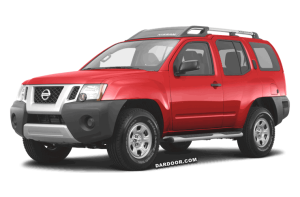
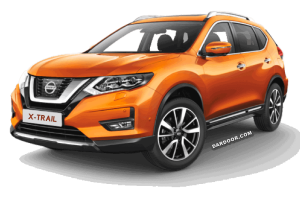
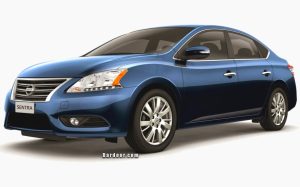
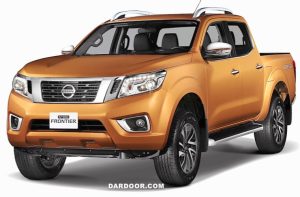
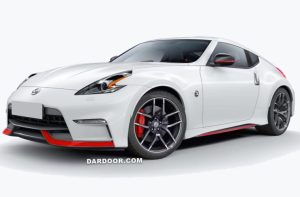
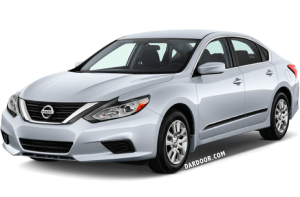
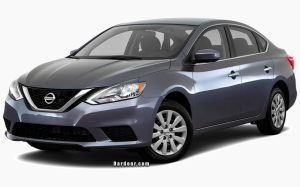
Top 5 Competitors (With Dardoor Links)


Top 10 Recalls, Advisories, Safety Alerts & TSB Highlights

🔔 Note: Always confirm open recalls using your VIN (NHTSA + Nissan lookup).
  1. 23V067 (PC944/PC945/PC946): Driver airbag emblem may detach during deployment (projectile risk).
  2. 10V401: Garmin Nuvi 750 navigation device battery may overheat (fire risk).
  3. 10E043: Aftermarket seat covers may interfere with side airbags (equipment recall).
  4. 10E019: Replacement lower control link parts may have weak welds (handling/crash risk).
  5. 08V690 (R0807): Front crash zone sensor corrosion may prevent airbag deployment in salt states.
  6. Service Campaign PC007 (NTB09-055A): 2009 Frontier/Xterra torsion tube weld campaign (no longer active per bulletin).
  7. EVAP leak guidance (P0456-type cases): Nissan bulletin guidance includes sealing/O-ring repair approach for certain EVAP vent mounting leaks.
  8. ABS/VDC wheel speed sensor diagnosis: Nissan diagnostic procedure highlights contamination/damage checks for intermittent ABS/VDC issues.
  9. CAN network diagnostics: Nissan troubleshooting guidance for U1000/U1001 and network resistance checks.
  10. General recall/repair guidance: Use NHTSA recall search and Nissan VIN lookup to verify eligibility and remedy status.

DTC Trouble Code List (Top 10 per Module)

Engine Control Module (ECM) — 10 Common Codes

Code Meaning
P0300 Random/Multiple Cylinder Misfire
P0301 Cylinder 1 Misfire Detected
P0101 MAF Sensor Range/Performance
P0171 System Too Lean (Bank 1)
P0420 Catalyst System Efficiency Below Threshold (Bank 1)
P0430 Catalyst System Efficiency Below Threshold (Bank 2)
P0455 EVAP Large Leak Detected
P0456 EVAP Very Small Leak Detected
P0011 Intake Valve Timing Control (Bank 1)
P2A00 O2 Sensor Circuit Range/Performance (Bank 1 Sensor 1)

Transmission Control Module (TCM) — 10 Common Codes

Code Meaning
P0700 Transmission Control System (MIL Request)
P0715 Input/Turbine Speed Sensor Circuit
P0720 Output Speed Sensor Circuit
P0730 Incorrect Gear Ratio
P0744 TCC Solenoid Intermittent
P0746 Pressure Control Solenoid Performance/Stuck
P0755 Shift Solenoid “B” Malfunction
P0776 Pressure Control Solenoid “B” Performance/Stuck
P0841 Transmission Fluid Pressure Sensor/Switch Range
P1764 Direct Clutch Solenoid / Control Circuit (manufacturer-specific)

ABS / ESC (Brake System) — 10 Common Codes

Code Meaning
C1109 Battery Voltage Abnormal
C1110 ABS Actuator Relay / Control Issue
C1111 ABS Pump Motor Function
C1130 Engine Signal / CAN Link Issue
C1140 Steering Angle Sensor Circuit
C1142 Yaw Rate Sensor Circuit
C1155 Wheel Speed Sensor (Front LH)
C1165 Wheel Speed Sensor (Front RH)
C1175 Wheel Speed Sensor (Rear LH)
C1185 Wheel Speed Sensor (Rear RH)

SRS Airbag System — 10 Common Codes

Code Meaning
B1018 Driver Airbag Module Circuit
B1020 Passenger Airbag Module Circuit
B1049 Side Airbag Module Circuit
B1054 Seat Belt Pretensioner Circuit
B1065 Occupant Classification Sensor
B1070 Crash Zone Sensor (Front) Circuit
B1081 Airbag Diagnosis Sensor Unit
B1090 Spiral Cable / Clock Spring Circuit
B1134 Side Curtain Airbag Circuit
B1145 SRS Warning Lamp / Indicator Circuit

Body Control / CAN Communication — 10 Common Codes

Code Meaning
U1000 CAN Communication Line (General)
U1001 CAN Communication (ECM related)
U0100 Lost Communication With ECM/PCM “A”
U0101 Lost Communication With TCM
U0121 Lost Communication With ABS Control Module
U0140 Lost Communication With BCM
U0155 Lost Communication With Instrument Cluster
B2600 Immobilizer / Key System Malfunction
B261A Ignition Relay / Start Control Issue
B2190 Door Switch / Keyless Entry Circuit Fault

FAQ (Owner Questions)

Is the 2009 Xterra a good off-road SUV?

Yes—this generation was built for real trail work (body-on-frame, low range on 4WD trims, durable driveline). The trade-off is ride comfort and fuel economy.

What’s the “SMOD” issue everyone talks about?

It’s when the radiator’s internal transmission cooler can fail and mix coolant with ATF—mainly a concern on automatic-equipped trucks. If you’re shopping used, verify the radiator part history or proactively replace it.

How do I check open recalls properly?

Use your VIN on the official NHTSA recall tool and Nissan’s VIN lookup to confirm open campaigns and remedy status.

What’s the smartest pre-purchase inspection focus?

Rust, cooling system health, transmission shift quality (automatic), wheel bearings, suspension clunks, and any stored codes. Also confirm recall completion.


Final Verdict

The 2009 Nissan Xterra (N50) is one of the last “honest” mid-size SUVs: tough, simple, and genuinely off-road capable. If you want a comfy, quiet crossover—look elsewhere. If you want a trail-ready box that can take hits and keep moving, it’s still a strong buy as long as you verify recalls, watch for known drivetrain/cooling issues, and avoid rust-heavy examples.

Buy it if: you value durability, 4WD capability, and simple mechanicals.

Skip it if: you want fuel efficiency, modern tech, or luxury comfort.