

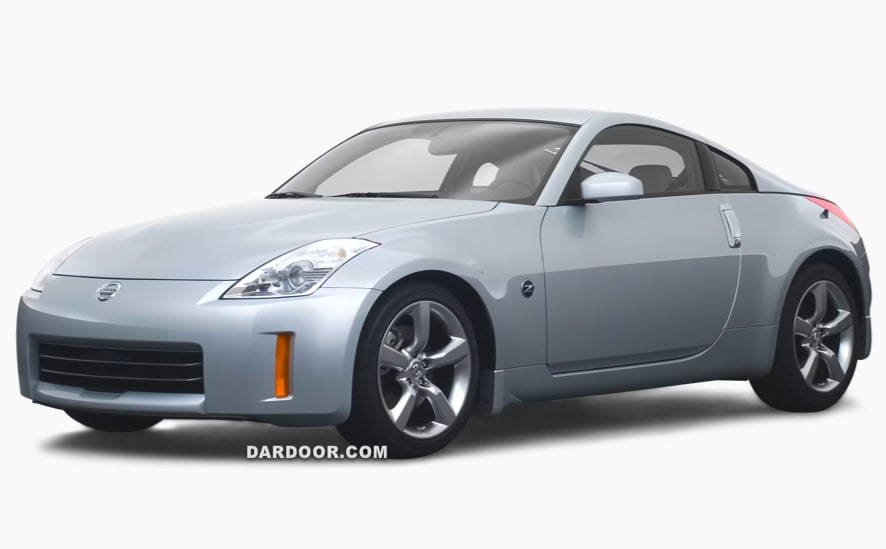
Get the original OEM workshop document with the wiring diagram for the 2005-2006 Nissan 350Z repair manual, Model Z33 Series in PDF format.
2005-2006 Nissan 350Z Repair Manual
$16.90
2005–2006 Nissan 350Z (Z33) — OEM Workshop Service & Repair Manual (PDF)
| File Format | |
| File Language | English |
| You’ll Get | 132.6 MB |
| Wiring Diagram | Included |
| Delivery Method | Instant Download |
Work to factory standards—reduce guesswork and get repairs right the first time.
Coverage
- Model Years: 2005, 2006
- Chassis: Nissan 350Z (Z33)
- Engine: 3.5L V6 (VQ35DE)
- Transmissions: 6-speed manual / 5-speed automatic (where equipped)
Key Features
Complete OEM Coverage
Factory service and repair procedures across all mechanical and electrical systems.
Wiring Diagrams Included
Electrical schematics, connector views, pinouts, grounds, and power distribution.
Diagnostics & DTCs
Official troubleshooting steps, test values, and diagnostic flowcharts.
User-Friendly PDF
Searchable and printable—quickly find the exact procedure you need.
What’s Inside
- Maintenance schedules, fluids, capacities, and torque specifications
- Engine mechanical, fuel, cooling, lubrication, intake/exhaust, and emissions
- Transmission service (manual/automatic), clutch, driveline, and differential
- Brakes, ABS, suspension, steering, and alignment
- Electrical: wiring diagrams, module locations, connectors, grounds, and fuses
- Body, interior, HVAC, and SRS/airbag systems
Download & Compatibility
Delivery: Instant digital PDF download
Compatibility: Windows • macOS • iOS • Android
This manual provides detailed instructions for maintenance, disassembly, reassembly, component inspection, adjustment, and diagnostics—intended for use by experienced mechanics. Proper application of this guide will help ensure thorough repairs and maintain your vehicle in peak condition.
Important Note: Before purchasing this manual, please check whether your vehicle is subject to any active service recalls, as authorized dealerships may perform necessary repairs free of charge. When replacing parts, always use genuine OEM components to ensure safety, reliability, and long-term performance.
Table of Contents : 2005-2006 Nissan 350Z Repair Manual
SAMPLE PAGES
CAUTION: This OEM service and workshop repair manual provides detailed procedures for maintenance, disassembly, reassembly, inspection, adjustment, and diagnostics. It is intended as a comprehensive guide for experienced mechanics. To ensure thorough and accurate repairs that maintain your vehicle’s optimal performance, please read and follow this manual carefully. When replacing parts during any repair work, always use genuine Nissan parts to ensure quality, safety, and reliability.
2005-2006 Nissan 350Z: Comprehensive Buyer’s Guide
Overview
The 2005-2006 Nissan 350Z (chassis code Z33) is a two-seat sports car that revitalized Nissan’s Z-car heritage. Known for its aggressive styling, powerful V6 engine, and rear-wheel-drive dynamics, it offered enthusiasts an affordable performance car alternative to pricier European sports cars.
Key Highlights
- Generation: Fifth generation Z-car (Z33, 2003-2009)
- Body Styles: 2-door coupe, 2-door roadster (convertible)
- Philosophy: Pure sports car focused on performance and driving engagement
- Market Position: Competed with Ford Mustang GT, Chevrolet Corvette (base), Mazda RX-8, and Porsche Boxster
Technical Specifications
Engine Options
VQ35DE 3.5L V6 (2005)
- Displacement: 3,498 cc (213.5 cu in)
- Configuration: 60-degree V6, DOHC, 24 valves
- Power: 287 hp @ 6,200 rpm
- Torque: 274 lb-ft @ 4,800 rpm
- Compression Ratio: 10.3:1
- Fuel System: Multi-point fuel injection
VQ35HR 3.5L V6 (2006, introduced mid-year)
- Displacement: 3,498 cc
- Configuration: 60-degree V6, DOHC, 24 valves
- Power: 306 hp @ 6,800 rpm
- Torque: 268 lb-ft @ 4,800 rpm
- Compression Ratio: 10.6:1
- Features: Rev-up engine with improved breathing, higher redline (7,000 rpm vs 6,600 rpm)
Transmission
- 6-speed manual (standard, close-ratio Aisin)
- 5-speed automatic with manual mode (optional)
Performance
- 0-60 mph: 5.3-5.8 seconds (manual)
- Quarter Mile: 13.9-14.3 seconds
- Top Speed: 155 mph (electronically limited)
- Curb Weight: 3,188-3,428 lbs (depending on trim/body style)
Chassis & Suspension
- Platform: Nissan FM platform
- Drive: Rear-wheel drive
- Front Suspension: Independent, double wishbone
- Rear Suspension: Independent, multi-link
- Brakes:
- Front: 12.8-inch vented discs (Brembo on Track models)
- Rear: 12.1-inch vented discs
- Steering: Vehicle-speed-sensitive power rack-and-pinion
Dimensions
- Wheelbase: 104.3 inches
- Length: 169.9 inches
- Width: 72.8 inches
- Height: 52.0 inches (coupe), 51.8 inches (roadster)
- Ground Clearance: 5.1 inches
Fuel Economy (EPA Estimates)
- Manual: 20 city / 26 highway mpg
- Automatic: 19 city / 25 highway mpg
- Fuel Tank: 20.0 gallons
- Premium fuel recommended (91 octane)
Trim Levels (2005-2006)
- Base – Standard equipment, cloth seats
- Enthusiast – Performance package, limited-slip differential
- Performance – Larger wheels, sport-tuned suspension
- Touring – Leather interior, upgraded audio, convenience features
- Track – Brembo brakes, Rays forged wheels, aggressive aero
- Grand Touring – Combines Touring luxury with Track performance
- 35th Anniversary Edition (2005) – Special badging, unique colors
Top 10 Mechanical & Electrical Issues
1. Window Motor Failure
-
- Symptoms: Power windows move slowly, get stuck halfway, or fail to operate; clicking/grinding noise from door panel
- Root Cause: Window regulator motor failure due to worn brushes and gears; common problem exacerbated by age and heat exposure in door panels
- Fix: Replace window motor/regulator assembly; may require door panel removal and alignment adjustment
- Cost: $300-$600 per window (parts: $150-$300, labor: $150-$300)
2. Clutch Slave Cylinder Failure
-
- Symptoms: Soft or spongy clutch pedal, difficulty shifting gears, clutch pedal stays to floor, fluid leaking near transmission bell housing
- Root Cause: Internal seals in the concentric slave cylinder (CSC) degrade over time; located inside the transmission bell housing, making it a common weak point
- Fix: Replace clutch slave cylinder; requires transmission removal; recommended to replace clutch assembly simultaneously if mileage is high (>60k miles)
- Cost: $800-$1,500 (slave cylinder alone: $100-$200, but labor-intensive; $1,200-$2,500 if replacing clutch at same time)
3. Tire Feathering/Uneven Wear
-
- Symptoms: Excessive inside or outside edge tire wear, road noise, vibration, poor handling; tires may need replacement every 15,000-20,000 miles
- Root Cause: Aggressive factory camber settings (especially rear), lack of adjustability in rear suspension, spirited driving accelerates wear; improper alignment maintenance
- Fix: Regular alignment checks every 10,000 miles; consider aftermarket adjustable camber arms; tire rotation (though limited effectiveness); drive more conservatively
- Cost: $100-$200 per alignment; $400-$800 for adjustable suspension arms; $600-$1,200 for tire replacement set
4. Fuel Gauge Sending Unit Failure
-
- Symptoms: Erratic fuel gauge readings, gauge shows empty when tank is full or vice versa, gauge fluctuates wildly, check engine light may illuminate
- Root Cause: Fuel level sensor in the tank fails due to wear on resistance strip; contaminated fuel can accelerate degradation
- Fix: Replace fuel pump/sending unit assembly; requires fuel tank removal or access through rear hatch area
- Cost: $400-$800 (parts: $200-$400, labor: $200-$400)
5. Wheel Bearing Failure
-
- Symptoms: Humming or grinding noise that increases with speed, noise changes when turning (louder when turning one direction), vibration through steering wheel or chassis
- Root Cause: Front and rear wheel bearings wear out from normal use, aggressive driving, and impacts; sealed units cannot be serviced and must be replaced
- Fix: Replace wheel bearing hub assembly; alignment check recommended after replacement
- Cost: $300-$600 per wheel (parts: $100-$250, labor: $200-$350)
6. Steering Lock Failure
-
- Symptoms: Car won’t start, steering wheel locked, dash warning light for steering lock, key stuck in ignition
- Root Cause: Electronic steering lock mechanism fails (common on 2005-2007 models); can fail due to weak battery, electrical issues, or mechanical wear inside the lock assembly
- Fix: Replace steering lock assembly; some owners bypass/delete the system entirely with aftermarket kits
- Cost: $500-$1,000 for OEM replacement (parts: $300-$600, labor: $200-$400); $150-$300 for delete kit
7. Differential Bushing Wear
-
- Symptoms: Clunking noise from rear when accelerating or decelerating, especially during aggressive starts/stops; vibration at highway speeds; visible movement in differential
- Root Cause: Rubber differential mounting bushings deteriorate over time and with aggressive driving; particularly common on manual transmission models
- Fix: Replace differential bushings with OEM or upgraded polyurethane bushings
- Cost: $400-$800 (parts: $100-$250, labor: $300-$550); polyurethane upgrades add $50-$150
8. Engine Oil Consumption
-
- Symptoms: Low oil warning light, need to add 1+ quarts between oil changes, blue smoke from exhaust on startup or acceleration
- Root Cause: Piston ring wear, valve stem seal degradation; VQ35DE engines known for moderate oil consumption, especially at higher mileage (>100k miles) or with aggressive driving/high RPM use
- Fix: Monitor oil level regularly and top off as needed; severe cases may require piston ring replacement or engine rebuild; use high-quality synthetic oil
- Cost: Monitoring/top-offs: $20-$40 per quart; ring replacement: $2,000-$4,000; engine rebuild: $4,000-$7,000
9. Catalytic Converter Failure
-
- Symptoms: Check engine light (P0420/P0430 codes), rattling noise from under car, reduced power, sulfur smell, poor fuel economy
- Root Cause: Catalytic converters degrade over time due to heat cycles and contamination; failure accelerated by oil consumption, running rich, or misfires
- Fix: Replace catalytic converter(s); both pre-cats and main cats can fail; aftermarket options available but may not pass emissions in strict states
- Cost: $800-$2,000 per side (parts: $400-$1,000 each, labor: $400-$1,000); OEM more expensive than aftermarket
10. Door Handle Mechanism Failure
-
- Symptoms: Exterior door handle feels loose, doesn’t open door, breaks off, interior cable detaches
- Root Cause: Plastic door handle mechanism and internal cables wear and break; particularly common on driver’s side from frequent use; plastic becomes brittle with age and UV exposure
- Fix: Replace door handle assembly and internal cable mechanism
- Cost: $200-$450 per door (parts: $100-$200, labor: $100-$250)
Top 5 Competitors (2005-2006)
1. Ford Mustang GT (2005-2006)
- Engine: 4.6L V8, 300 hp
- Price (New): $25,000-$30,000
- Advantages: More power, V8 sound, muscle car heritage, better aftermarket support, cheaper maintenance
- Disadvantages: Heavier, less refined handling, solid rear axle (until 2015)
2. Mazda RX-8 (2005-2006)
- Engine: 1.3L Rotary (Renesis), 238 hp
- Price (New): $26,000-$32,000
- Advantages: 4 seats, unique rotary engine, better balanced chassis, suicide doors
- Disadvantages: Poor fuel economy (16/22 mpg), requires frequent maintenance, reliability concerns, less torque
3. Chevrolet Corvette C6 (2005-2006)
- Engine: 6.0L V8 (LS2), 400 hp
- Price (New): $44,000-$52,000
- Advantages: Significantly more power, better performance, iconic status, V8 torque
- Disadvantages: More expensive (nearly double), higher insurance costs, less daily-drivable
4. Porsche Boxster (2005-2006)
- Engine: 2.7L or 3.2L flat-6, 240-280 hp
- Price (New): $45,000-$58,000
- Advantages: Mid-engine balance, Porsche badge, superior handling dynamics, convertible only
- Disadvantages: Much more expensive, costly maintenance, less power, smaller aftermarket
5. Chrysler Crossfire (2005-2006)
- Engine: 3.2L V6, 215 hp (base), 330 hp (SRT-6)
- Price (New): $30,000-$45,000
- Advantages: Unique styling, Mercedes platform/engine, available supercharger (SRT-6)
- Disadvantages: Less power (base), cramped interior, poor visibility, questionable reliability, limited trunk space
Top 10 Recalls, Advisories & TSB Highlights
Recalls
1. Recall 05V-519 (2005-2006) – Airbag Inflator
-
- Issue: Passenger airbag inflator may rupture during deployment, causing metal fragments to injure occupants
- Scope: Part of Takata airbag recall affecting millions of vehicles
- Fix: Replace passenger airbag inflator assembly
- Status: Check VIN at NHTSA.gov; ongoing campaign
2. Recall 06V-030 (2006) – Fuel System
-
- Issue: Fuel gauge may not accurately indicate fuel level, potentially causing vehicle to run out of fuel unexpectedly
- Scope: 2006 models with certain fuel sending units
- Fix: Replace fuel gauge sending unit
- Status: Completed
3. Recall 13V-423 (2005-2006) – Airbag System
-
- Issue: Occupant classification system (OCS) may incorrectly classify passenger seat as empty when occupied, deactivating airbag
- Scope: Certain 2005-2006 350Z models
- Fix: Reprogram OCS control unit
- Status: Completed
Technical Service Bulletins (TSBs)
4. TSB NTB05-099a (2005-2006) – Clutch Chatter
-
- Issue: Clutch chatter or vibration during engagement, especially when cold
- Cause: Flywheel surface finish or clutch disc material
- Fix: Resurface flywheel and/or replace clutch components using updated parts
- Cost: Covered under warranty; out-of-warranty: $800-$1,500
5. TSB NTB06-020 (2006) – Engine Tick/Rattle Noise
-
- Issue: Ticking or rattling noise from engine at idle or light acceleration
- Cause: Timing chain tensioner wear or exhaust heat shield vibration
- Fix: Inspect and replace timing chain tensioner if needed; secure heat shields
- Cost: Warranty coverage; out-of-warranty: $500-$1,200 for tensioner
6. TSB ITB05-042 (2005-2006) – Bluetooth Connectivity
-
- Issue: Difficulty pairing mobile phones with factory Bluetooth system
- Cause: Software compatibility issues
- Fix: Update Bluetooth module software
- Cost: Free at dealer
7. TSB NTB05-086 (2005-2006) – Transmission Noise
-
- Issue: Grinding or whining noise from transmission, especially in 5th/6th gear
- Cause: Transmission bearing wear or synchronizer issues
- Fix: Replace transmission bearings or synchronizers; transmission fluid change with Nissan Matic-S
- Cost: Fluid change: $150-$250; bearing replacement: $1,500-$3,000
8. TSB NTB06-075 (2006) – Steering Wheel Vibration
-
- Issue: Steering wheel vibration at highway speeds (60-70 mph)
- Cause: Wheel balance, tire uniformity, or driveshaft balance issues
- Fix: Road force balance wheels, inspect tires for defects, balance driveshaft if needed
- Cost: Wheel balance: $60-$120; driveshaft balance: $200-$400
9. TSB NTB05-111 (2005-2006) – A/C Odor
-
- Issue: Musty or moldy smell from A/C vents
- Cause: Bacteria/mold growth on evaporator core
- Fix: Clean evaporator with antibacterial treatment, replace cabin air filter
- Cost: $100-$250
10. TSB NTB06-043 (2006) – Fuel Economy Concerns
-
- Issue: Lower than expected fuel economy
- Cause: Driving habits, tire pressure, air filter condition, ECU calibration
- Fix: Check tire pressure, replace air filter, ECU reflash if applicable, driver education on fuel-efficient driving
- Cost: Minimal; tire pressure check/air filter: $20-$50
Maintenance Schedule
Every 3,750 Miles or 3 Months
- Engine oil and filter change (conventional oil) OR 7,500 miles (synthetic)
- Tire rotation and pressure check
- Visual brake inspection
- Fluid level checks (coolant, brake, power steering, windshield washer)
Every 15,000 Miles or 12 Months
- Cabin air filter replacement
- Inspect brake pads and rotors
- Inspect suspension components
- Inspect exhaust system
- Check battery condition
Every 30,000 Miles or 24 Months
- Engine air filter replacement
- Replace brake fluid (performance driving: annually)
- Inspect drive belts
- Transmission fluid inspection (change if discolored)
- Differential fluid inspection
Every 60,000 Miles or 48 Months
- Replace spark plugs
- Replace engine coolant
- Replace transmission fluid (manual and automatic)
- Replace differential fluid
- Inspect timing chain tensioner
- Replace fuel filter
- Inspect steering components and tie rods
Every 100,000 Miles
- Replace timing chain (if showing wear)
- Comprehensive suspension inspection and potential bushing replacement
- Coolant system hoses inspection/replacement
- Complete brake system overhaul (if needed)
As Needed
- Clutch replacement (manual): 50,000-100,000+ miles depending on driving style
- Battery replacement: 3-5 years
- Tires: 20,000-40,000 miles (depends heavily on driving style and alignment)
- Brake pads: 25,000-50,000 miles (front), 40,000-70,000 miles (rear)
- Wiper blades: 6-12 months
Performance Driving Additions
- More frequent oil changes (every 3,000-5,000 miles)
- Brake fluid flush every 6-12 months
- Inspect brake pads after every track day
- Check wheel bearing condition regularly
- Monitor tire wear more frequently
10 FAQs for Buyers
1. What’s the difference between the 2005 and 2006 models?
The major change is the introduction of the revised VQ35HR engine mid-year 2006 (also called the “Rev-Up” engine in some markets). The 2006 HR engine produces 306 hp versus 287 hp in 2005, has a higher redline (7,000 rpm), and features improved breathing. However, not all 2006 models received the HR engine—check the VIN or engine bay badge. Other changes include minor interior updates and additional color options. The HR engine is generally preferred for enthusiasts due to increased power and engagement.
2. Manual or automatic—which should I buy?
The 6-speed manual is highly recommended for the full sports car experience. It offers better performance, more engagement, and is what the 350Z was designed around. The 5-speed automatic is acceptable for daily driving but feels less sporty and reduces the driving experience significantly. Manual models also hold value better. If you can drive manual, choose it. The only exception is if you face heavy traffic daily and prioritize comfort over engagement.
3. How reliable is the VQ35DE/HR engine?
Generally reliable and durable when properly maintained. These engines can easily exceed 200,000 miles with regular oil changes and maintenance. Common issues include moderate oil consumption (check level monthly), timing chain tensioner wear (addressable), and valve cover gasket leaks (minor). The HR engine has fewer issues with oil consumption. Use quality synthetic oil, change it regularly (5,000-7,500 miles), and address any leaks promptly. Avoid extended high-RPM use when cold.
4. What should I look for when inspecting a used 350Z?
Check for:
- (1) Oil consumption—ask about frequency of top-offs;
- (2) Clutch feel—spongy pedal indicates slave cylinder issues;
- (3) Tire wear patterns—inside edge wear shows alignment/camber issues;
- (4) Window operation—test all windows multiple times;
- (5) Service history—oil changes, differential fluid, transmission fluid;
- (6) Accident history—front-end damage affects alignment permanently;
- (7) Modifications—aftermarket parts can indicate hard driving or poor workmanship;
- (8) Undercarriage—look for scraping damage (low ground clearance);
- (9) Test drive—listen for differential clunk, wheel bearings, transmission grinding;
- (10) VIN check for open recalls, especially Takata airbag.
5. Is the 350Z expensive to maintain?
Moderate maintenance costs for a sports car. Oil changes run $60-$100 (synthetic), tires wear faster than sedans ($600-$1,200/set every 20-30k miles), and premium fuel is recommended. Brake pads and fluids need more frequent service if driven spiritedly. Clutch replacement is expensive ($1,200-$2,500) but infrequent with proper driving. Parts are reasonably priced as they’re Nissan, but labor can be higher due to sports car design. Budget $1,500-$2,500/year for regular maintenance plus $1,000-$2,000 for unexpected repairs. Less expensive than German sports cars, more than economy cars.
6. Can the 350Z be a daily driver?
Yes, but with caveats. It’s practical for 1-2 people with minimal cargo needs. The ride is firm but not punishing, though you’ll feel bumps more than a sedan. Visibility is acceptable despite the low seating position. Ground clearance (5.1″) means care is needed with speed bumps and steep driveways. Fuel economy is mediocre (20-25 mpg mixed). No rear seats means it’s not family-friendly. Winter driving is challenging without proper tires (summer performance tires are dangerous in cold/snow). For a single person or couple without kids, it’s viable, but consider a second vehicle for practicality.
7. How does the Track model differ from base/touring models?
Track models feature: Brembo 4-piston front brakes (significantly better stopping power and fade resistance), lightweight Rays forged wheels (reduce unsprung weight), front and rear spoilers (modest downforce, mostly aesthetic), sport-tuned suspension (firmer, better handling), strut tower brace, and unique badging. Track models are the most desirable for enthusiasts and hold value best. Worth the premium if you plan spirited driving or track days. Grand Touring models combine Track performance with Touring luxury (leather, better audio, navigation).
8. What common modifications should I avoid on a used 350Z?
Red flags:
- (1) Forced induction (turbo/supercharger) without supporting mods (fueling, engine internals)—often causes reliability issues;
- (2) Cheap coilover suspension—degrades ride quality and handling;
- (3) Extreme wheel/tire fitment—causes rubbing, accelerated wear, alignment issues;
- (4) Aftermarket ECU tunes from unknown sources—can damage engine;
- (5) Cut springs—dangerous and ruins handling;
- (6) Poorly installed body kits—indicates questionable workmanship;
- (7) Extreme camber (“stance”)—accelerates tire wear, reduces grip;
- (8) Removed emissions equipment—illegal and causes drivability issues. Quality mods from reputable brands (exhaust, intake, suspension from known manufacturers) are generally okay.
9. Is the 350Z good for track days?
Yes, it’s an excellent beginner-to-intermediate track car. Strong points: capable chassis, balanced weight distribution, reliable engine, good aftermarket support for performance parts, relatively affordable consumables. Weaknesses: brakes can fade (upgrade pads/fluid minimum; Brembo brakes on Track models help), oil temperatures can spike (oil cooler recommended for track use), limited tire selection at stock sizes. For occasional track days, a well-maintained stock or lightly modified 350Z is great. For serious tracking, budget for brake upgrades, oil cooler, better cooling, track-focused tires, and safety equipment (helmet, harness, roll bar).
10. What’s a fair price for a 2005-2006 350Z in 2024-2026?
Prices vary by condition, mileage, and trim. General ranges:
- Base/Enthusiast (100k+ miles, average condition): $8,000-$12,000; (60-100k miles, good condition): $12,000-$16,000.
- Touring/Performance (100k+ miles): $10,000-$14,000; (60-100k miles, good): $14,000-$18,000. Track/Grand Touring (100k+ miles): $12,000-$16,000; (60-100k miles, excellent): $16,000-$22,000.
- 35th Anniversary or low-mileage examples (<40k miles, excellent): $20,000-$28,000+.
- Roadsters command $1,000-$3,000 premium.
Modified cars are typically worth less unless mods are high-quality and documented. Clean title, maintenance records, and accident-free history significantly affect value.
Final Buyer Recommendations
Who Should Buy a 2005-2006 350Z?
Ideal Buyers:
- Driving enthusiasts seeking an engaging, driver-focused sports car
- Those who appreciate naturally aspirated engine character and manual transmissions
- Buyers wanting Japanese reliability in an affordable sports car package
- Track day enthusiasts looking for a capable platform without exotic car costs
- Someone who values style, performance, and heritage over luxury or technology
Not Ideal For:
- Families needing rear seats or significant cargo space
- Daily commuters in heavy traffic (unless accepting of manual transmission)
- Those seeking cutting-edge technology, infotainment, or luxury features
- Buyers on tight budgets unable to handle moderate maintenance costs
- People in snowy climates without access to a second vehicle or winter tires
Key Considerations Before Purchase
Strengths:
- Engaging driving dynamics – Excellent handling balance, responsive steering, rear-wheel-drive fun
- Reliable VQ35 engine – Proven powertrain with strong aftermarket support
- Distinctive styling – Aggressive, timeless design that still turns heads
- Affordable performance – Strong performance-per-dollar ratio compared to competitors
- Strong enthusiast community – Abundant resources, forums, clubs, and aftermarket parts
- Daily drivable – Can serve as only car for the right person/situation
Weaknesses:
- Common mechanical issues – Window motors, clutch slave cylinder, tire wear require attention
- Firm ride quality – Not ideal for comfort-seekers; impacts felt on rough roads
- Limited practicality – Two seats only, small trunk, low ground clearance
- Oil consumption – Requires monitoring and occasional top-offs, especially higher mileage
- Dated interior – Materials and technology lag behind modern standards
- Moderate fuel economy – 20-25 mpg mixed, requires premium fuel
Buying Checklist
Must-Haves:
- Complete service records, especially oil changes and major services
- Clean title with no accidents (frame/structural damage affects alignment permanently)
- Functional windows (all four should operate smoothly without grinding)
- No active warning lights (check engine, airbag, ABS)
- Good clutch feel if manual (no sponginess indicating slave cylinder issues)
Highly Recommended:
- Manual transmission (6-speed) over automatic
- Track or Grand Touring trim for best features and resale value
- Lower mileage (<100,000 miles) for reduced likelihood of major issues
- 2006 model with VQ35HR engine for extra power
- Maintenance records showing differential and transmission fluid changes
Red Flags:
- Excessive modifications, especially forced induction without supporting mods
- Evidence of track use without corresponding maintenance (worn brake components, oil burning)
- Unusual tire wear patterns without recent alignment
- Rust (check undercarriage, wheel wells, especially in salt states)
- Multiple owners in short period (suggests issues)
- Deferred maintenance (visible oil leaks, worn tires, dirty fluids)
Budget Planning
Purchase Price: $10,000-$22,000 (depending on condition, mileage, trim)
First Year Ownership Costs:
- Insurance: $1,200-$2,400/year (sports car rates, varies by age/location)
- Fuel: $2,000-$3,000/year (12,000 miles @ 22 mpg, $3.50/gal premium)
- Maintenance: $1,500-$2,500 (routine services, oil, tires, brakes)
- Repairs: Budget $1,000-$3,000 reserve for unexpected issues (window motors, clutch, etc.)
Total First Year: $5,700-$10,900 (excluding purchase price and taxes/registration)
Final Verdict
The 2005-2006 Nissan 350Z remains an excellent choice for enthusiasts seeking an affordable, engaging sports car. Its strengths—driving dynamics, reliable VQ35 engine, distinctive styling, and strong value proposition—outweigh its weaknesses for the right buyer. While it requires more maintenance attention than a commuter sedan and has typical sports car compromises (firm ride, limited practicality), it delivers genuine driving excitement.
Buy if: You want a true driver’s car with manual transmission, can handle moderate maintenance costs, and don’t need rear seats or SUV practicality. Prioritize cars with service records, avoid heavily modified examples, and budget for known issues like window motors and tire wear.
Skip if: You need maximum practicality, want cutting-edge technology, face harsh winter climates without a second vehicle, or prefer automatic transmissions and plush comfort over driving engagement.
For the driving enthusiast willing to accept its quirks and maintenance needs, the 2005-2006 350Z offers a compelling blend of performance, style, and reliability at an accessible price point. It’s a modern classic that rewards spirited driving while remaining usable for daily duties.
Overall Rating: 8/10 – An excellent enthusiast sports car with minor compromises typical of the segment.
| Brands | |
|---|---|
| File Language | English |
| File Format | |
| File Size | 132.6 MB |
| Indexed | YES |
| Instant Download | YES |
| Permissions | All Permissions, No Password Protected |
| Searchable & Printable | YES |
| Wiring Diagram Included | YES |
| Delivery Method | Instant Fast Download Speed (The download link will appear on the checkout page after payment is complete) |
Related products
-
2015 Nissan Murano Repair Manual
$16.90 Add to cart -
2014 Nissan Sentra Repair Manual
$16.90 Add to cart -
2017 Nissan Sentra Repair Manual
$16.90 Add to cart -
2014 Nissan Versa Note Repair Manual
$16.90 Add to cart -

2014 Nissan Versa Repair Manual
$16.90 Add to cart -
2009 Nissan Murano Repair Manual
$14.90 Add to cart -
2016 Nissan Pathfinder Repair Manual
$16.90 Add to cart -
2017 Nissan Rogue Repair Manual T32 Series
$19.90 Add to cart