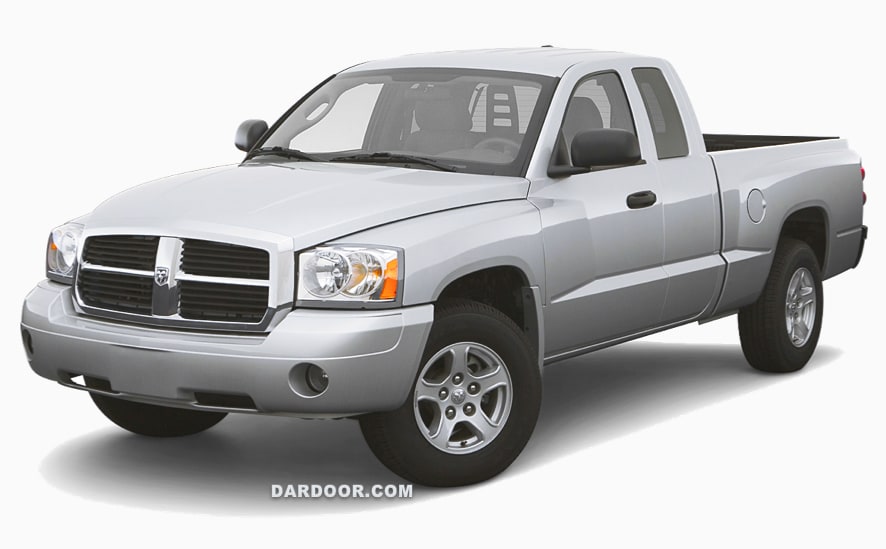
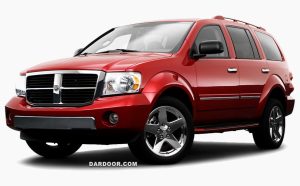
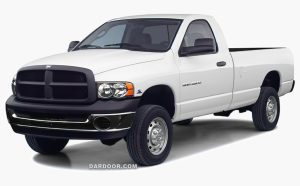
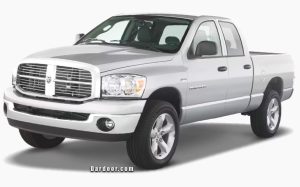
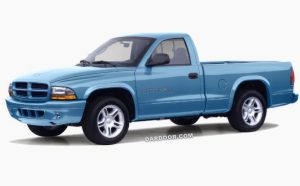
2004 Dodge Dakota OEM Repair Manual with Wiring Diagram – PDF Download
Get the original OEM workshop service and repair manual for the 2004 Dodge Dakota in a simple and easy-to-use PDF format. This factory manual includes the same repair procedures, maintenance instructions, and wiring diagrams used by dealer technicians, making it the ideal guide for accurate diagnostics and professional-quality repairs.
| File Format |
PDF |
| File Language |
English |
| File Size |
81.8 MB |
| Page Count |
2,272 |
| Wiring Diagram |
Included |
| Delivery Method |
Instant Download |
Keep your 2004 Dodge Dakota running strong with factory-authorized repair information.
Engines Covered
- 3.7L V6
- 3.9L V6
- 4.7L V8
- 5.9L V8
Key Features
- Complete OEM CoverageIncludes factory-authorized service, repair, and maintenance procedures for the 2004 Dodge Dakota.
- Wiring Diagrams Included; Detailed electrical schematics for accurate troubleshooting and repair of all major electrical systems.
- Step-by-Step Instructions; Clear procedures with service notes, specifications, and repair sequences to help you get the job done right.
- User-Friendly PDF Format; Fully searchable and printable, making it easy to use on your computer, tablet, or phone.
What’s Inside
- Routine maintenance schedules and service intervals
- Engine repair and overhaul procedures
- Transmission, drivetrain, suspension, and steering service
- Brake system repair and troubleshooting
- Complete electrical system wiring diagrams
- HVAC, body, interior, and safety system repairs
- Diagnostic procedures, testing steps, and fault tracing
Why Choose This Manual?
Whether you are a professional mechanic or a hands-on truck owner, this official Dodge Dakota OEM repair manual gives you the trusted information needed to service your vehicle with confidence. Avoid guesswork and work with the same factory data used by dealership technicians.
Download & Compatibility
Delivery: Instant digital PDF download
Compatibility: Windows • macOS • iOS • Android
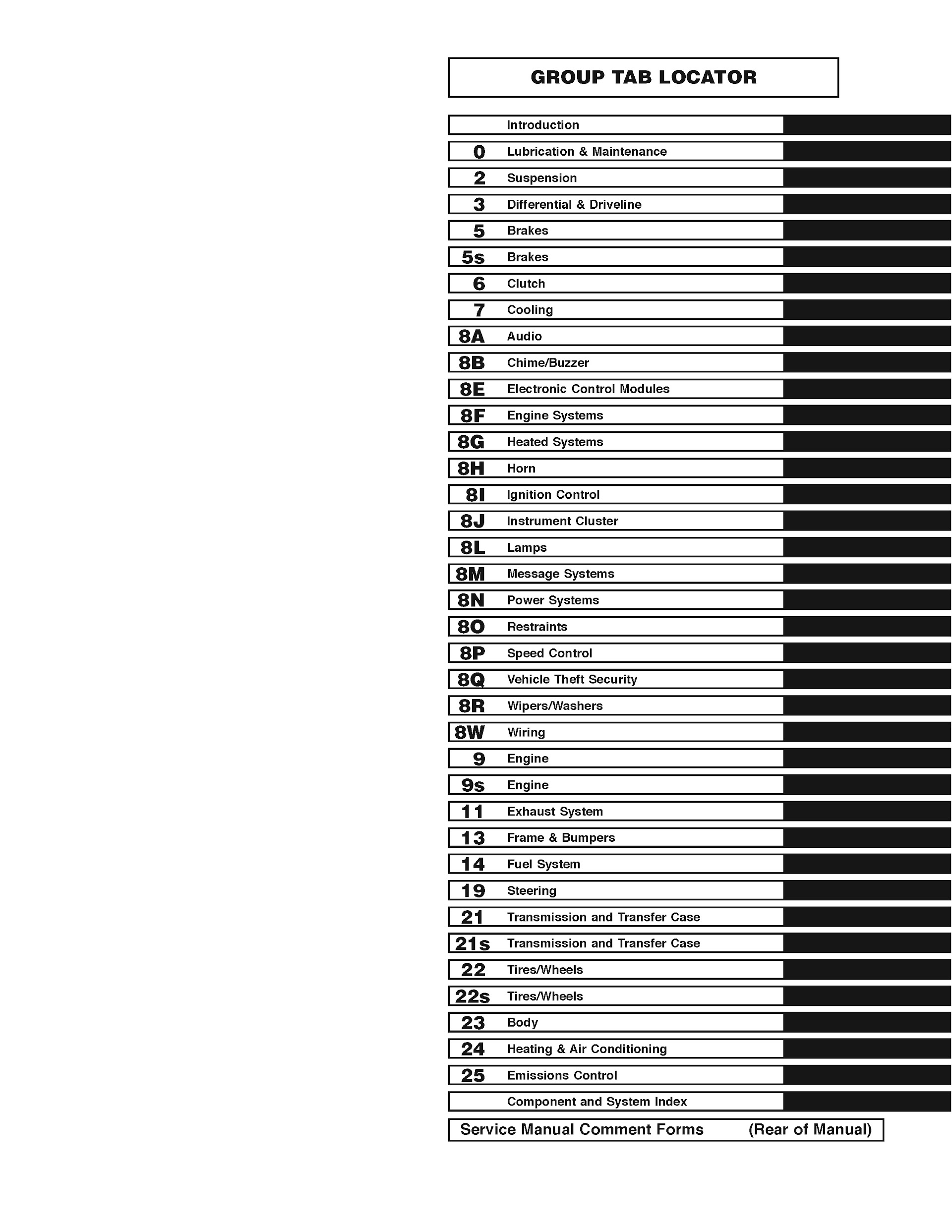
Table of Contents : 2004 Dodge Dakota Repair Manual
Sample Pages
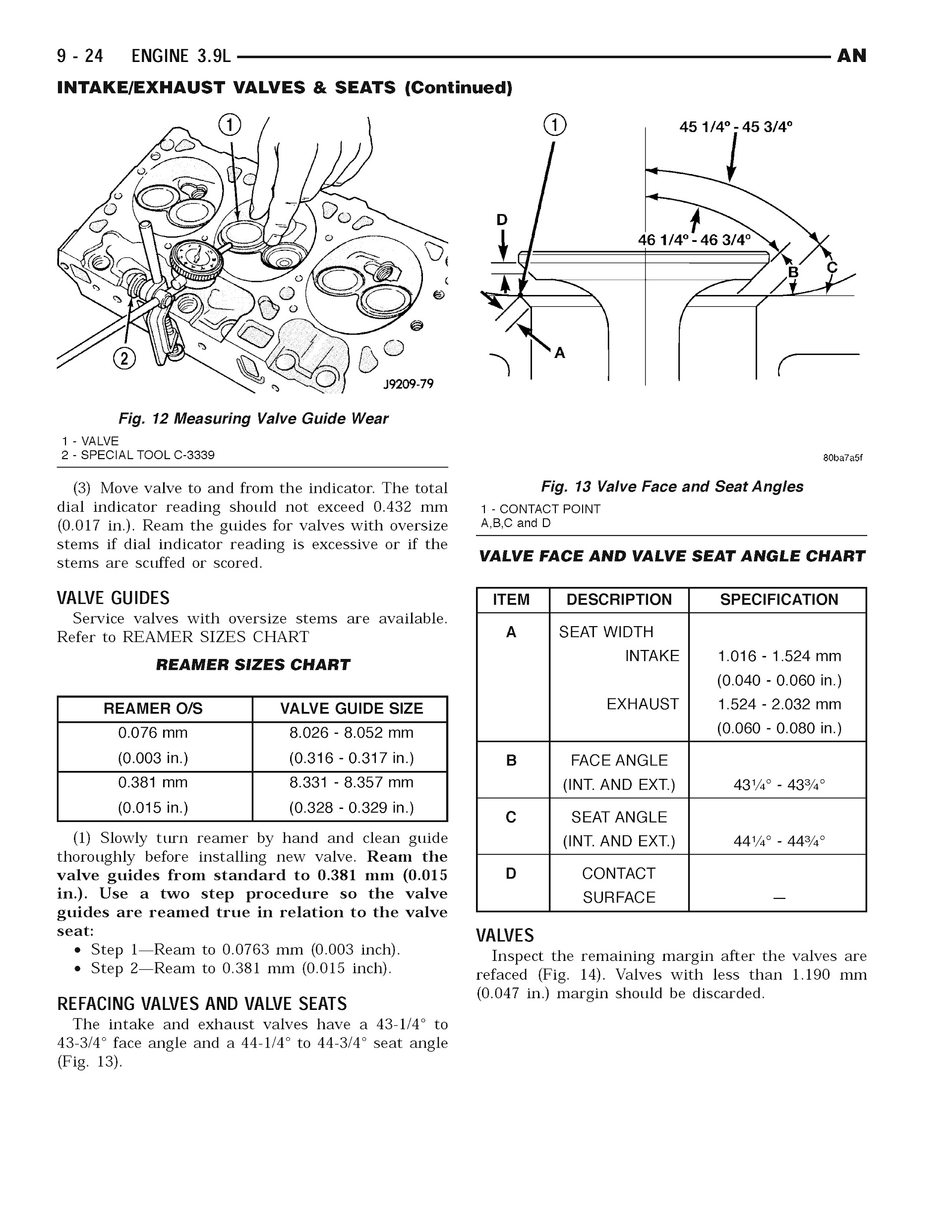
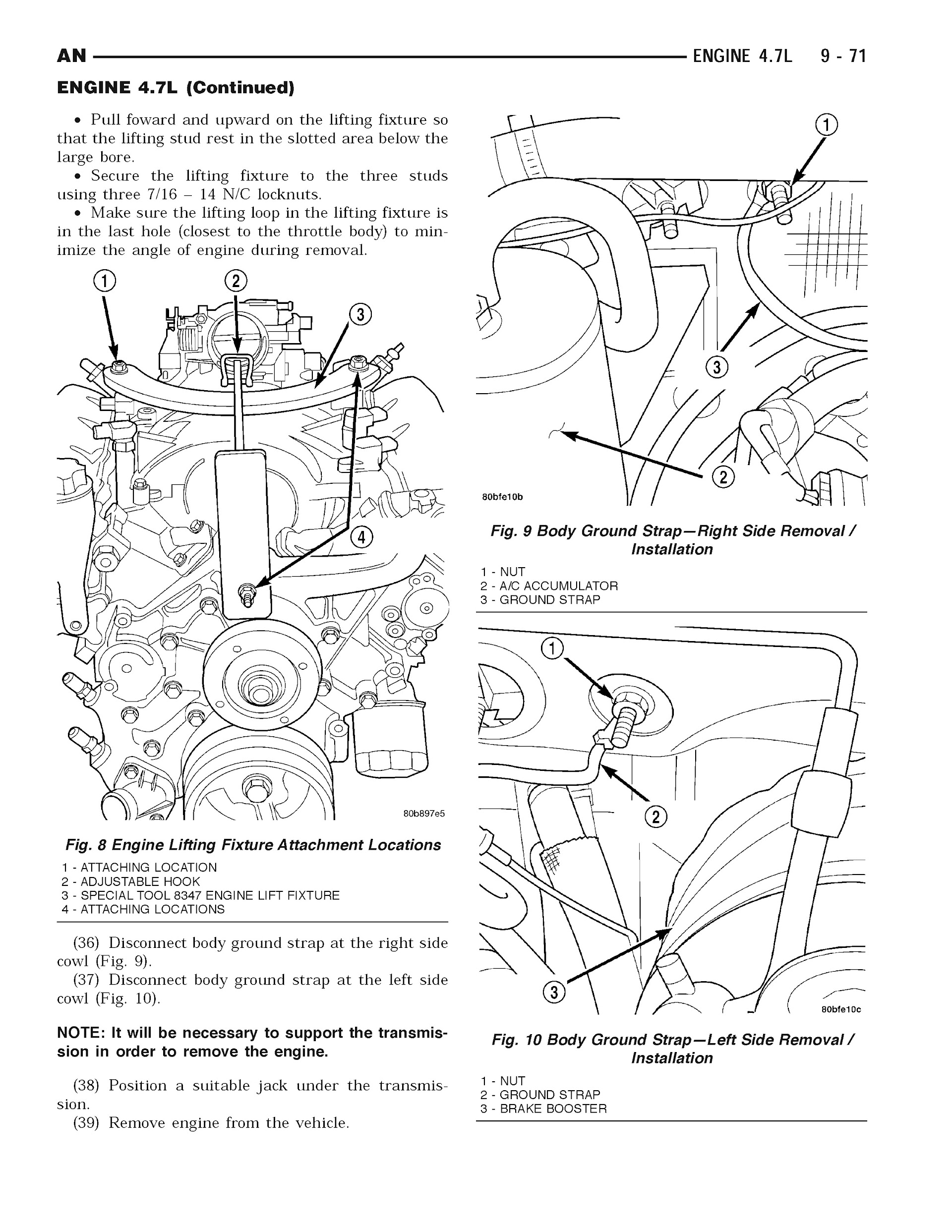
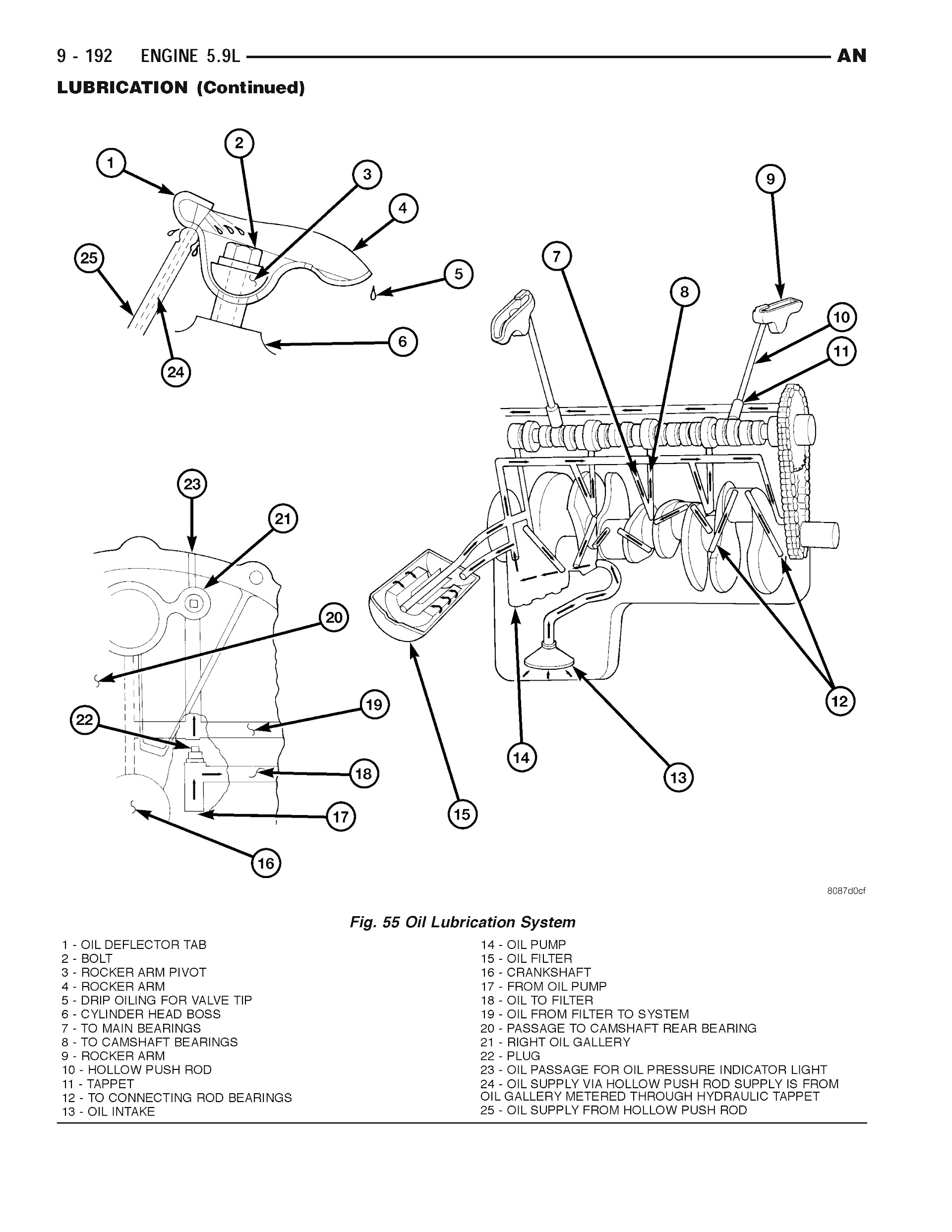
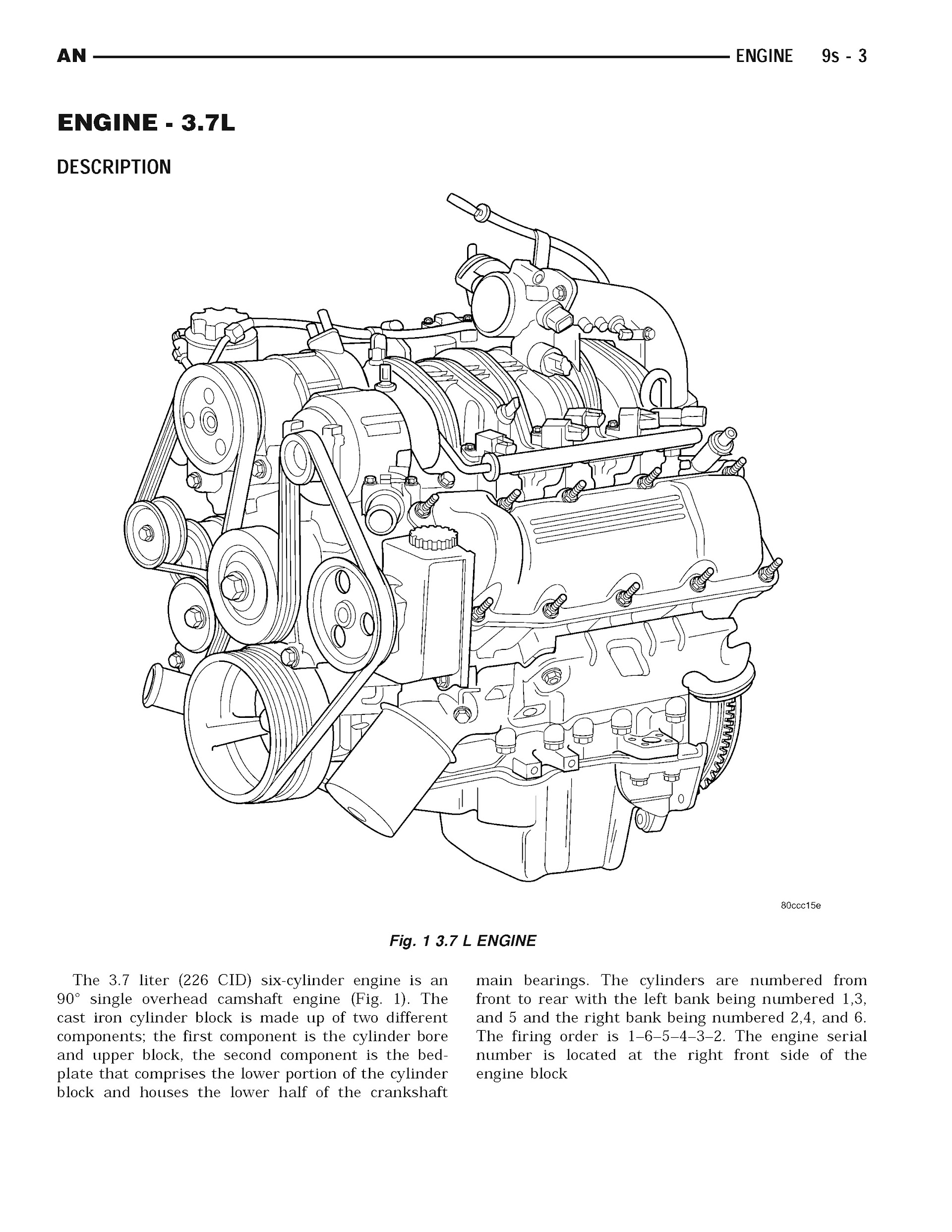
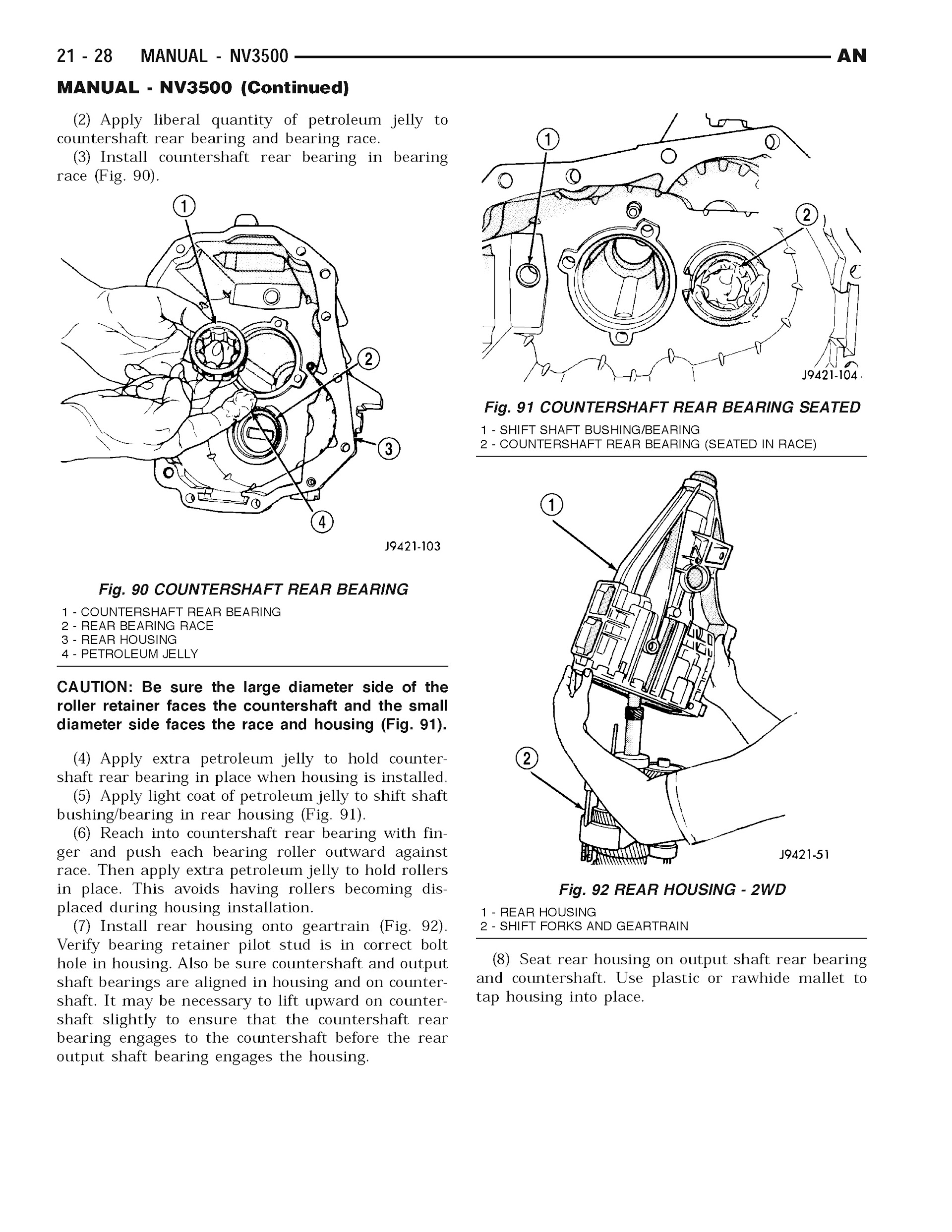
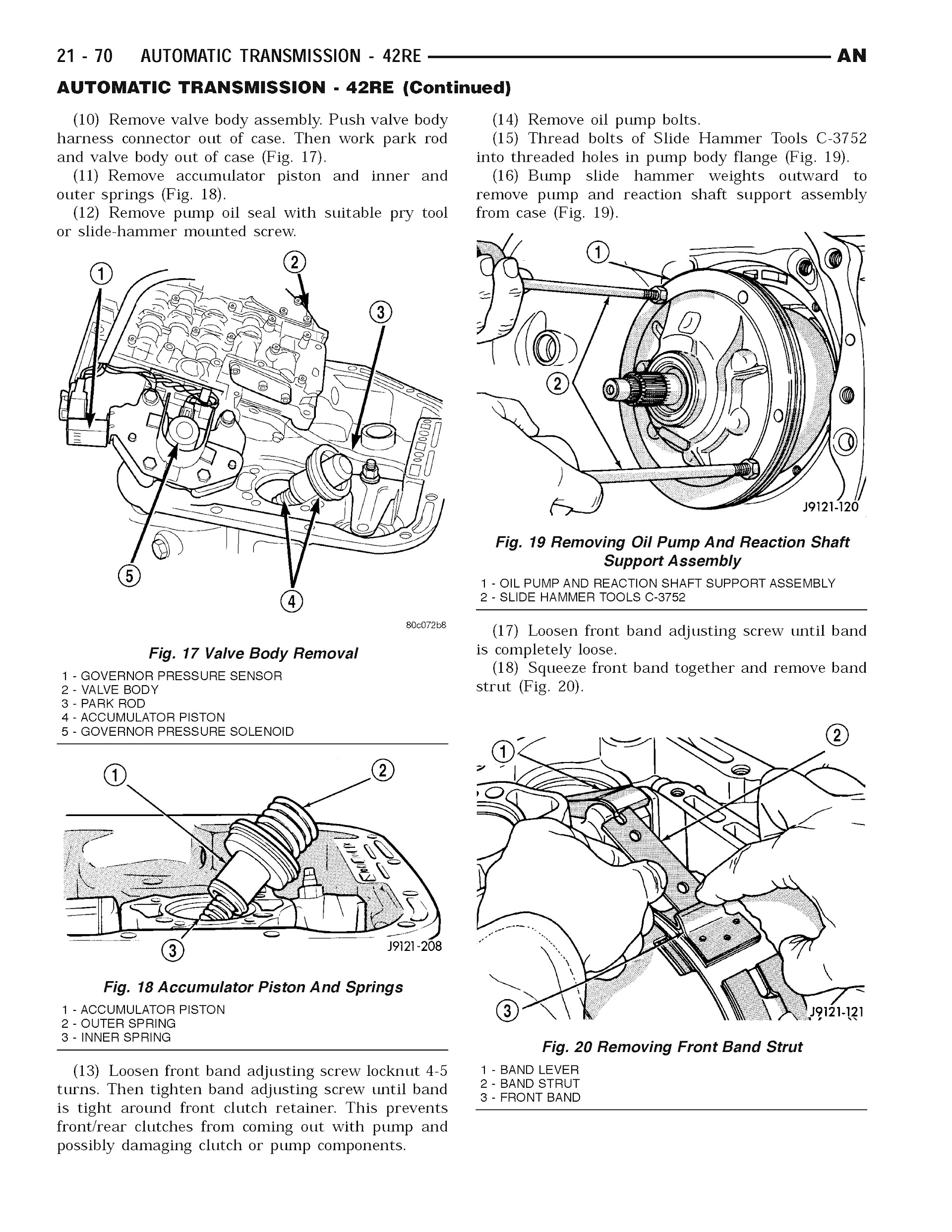
CAUTION: This OEM service and workshop repair manual provides detailed procedures for maintenance, disassembly, reassembly, inspection, adjustment, and diagnostics. It is intended as a comprehensive guide for experienced mechanics. To ensure thorough and accurate repairs that maintain your vehicle’s optimal performance, please read and follow this manual carefully. When replacing parts during any repair work, always use genuine Dodge parts to ensure quality, safety, and reliability./box]
2004 Dodge Dakota: Comprehensive Buyer’s Guide
Overview
The 2004 Dodge Dakota is a mid-size pickup truck that was part of the second generation (1997-2004). It offered a balance between compact and full-size trucks, providing versatility for both personal and light commercial use.
Body Styles:
- Regular Cab (2-door)
- Club Cab (extended cab with rear-hinged access doors)
- Quad Cab (4-door crew cab)
Bed Lengths:
- 5.3 feet (Club/Quad Cab)
- 6.5 feet (Regular/Club Cab)
Technical Specifications
Engine Options
3.7L V6 (Base Engine)
- Displacement: 3.7L (226 ci)
- Horsepower: 210 hp @ 5,200 rpm
- Torque: 235 lb-ft @ 4,000 rpm
- Configuration: SOHC, 12-valve
4.7L V8 (Optional)
- Displacement: 4.7L (287 ci)
- Horsepower: 230 hp @ 4,600 rpm
- Torque: 290 lb-ft @ 3,600 rpm
- Configuration: SOHC, 16-valve
5.9L V8 (R/T Performance Model)
- Displacement: 5.9L (360 ci)
- Horsepower: 250 hp @ 4,000 rpm
- Torque: 350 lb-ft @ 3,200 rpm
- Configuration: OHV, 16-valve (Magnum)
Transmission Options
- 5-speed manual transmission (3.7L only)
- 4-speed automatic (42RE with V6, 45RFE with V8)
Drivetrain
- Rear-wheel drive (RWD) standard
- Part-time 4-wheel drive (4WD) available
- Selec-Trac full-time 4WD available (certain trims)
Dimensions & Capacity
Regular Cab:
- Wheelbase: 112.0 inches
- Length: 210.4 inches
- Width: 70.6 inches
- Height: 69.3 inches
Quad Cab:
- Wheelbase: 131.0 inches
- Length: 221.0 inches
- Width: 70.6 inches
- Height: 70.9 inches
Towing & Payload:
- Maximum towing capacity: 6,500 lbs (with 4.7L V8 and proper equipment)
- Maximum payload: 1,450-1,800 lbs (depending on configuration)
- GVWR: 5,200-6,350 lbs
Fuel System
- Fuel tank capacity: 22 gallons (most models)
- Fuel type: Regular unleaded gasoline
Fuel Economy (EPA Estimates)
- 3.7L V6 2WD: 15 city / 20 highway mpg
- 4.7L V8 2WD: 14 city / 18 highway mpg
- 4WD models: 1-2 mpg lower
Suspension
- Front: Independent, upper and lower A-arms, coil springs
- Rear: Live axle with leaf springs
Brakes
- Front: 12.0-inch vented disc
- Rear: 11.0-inch drum (V6) or 13.0-inch disc (V8)
- 4-wheel ABS standard
Steering
- Type: Recirculating ball, power-assisted
- Turning diameter: 37.7-41.7 feet (depending on wheelbase)
10 Top Mechanical & Electrical Issues
1. Ball Joint Failure
Symptoms:
- Clunking noise when going over bumps
- Steering wander or looseness
- Uneven tire wear
- Front-end vibration
- Vehicle pulling to one side
Root Cause: The 2004 Dakota’s front suspension ball joints are prone to premature wear due to inadequate lubrication seals and heavy stress from the independent front suspension design. The lower ball joints typically fail first.
Fix: Replace both upper and lower ball joints on both sides. Includes alignment after replacement.
Cost: $600-$1,200 (parts: $200-$400, labor: 3-5 hours)
2. Transmission Slipping/Failure (45RFE)
Symptoms:
- Delayed engagement when shifting from Park to Drive
- Harsh shifting or slipping between gears
- Transmission overheating
- Check Engine Light with P0700-series codes
- Loss of reverse or specific gears
Root Cause: The 45RFE automatic transmission (V8 models) has weak clutch packs and pressure solenoids. Inadequate cooling and infrequent fluid changes accelerate wear. The overdrive clutches are particularly vulnerable.
Fix: Transmission rebuild or replacement. Minor issues may be resolved with solenoid pack replacement and fluid service.
Cost: Solenoid pack: $400-$800 | Full rebuild: $1,800-$3,500 | Remanufactured replacement: $2,500-$4,000
3. Intake Manifold Plenum Gasket Leak (4.7L V8)
Symptoms:
- Rough idle or stalling
- Loss of power/hesitation on acceleration
- Check Engine Light (P0171, P0174 lean codes)
- Hissing sound from engine bay
- Poor fuel economy
Root Cause: The 4.7L V8 uses a two-piece intake manifold with a plenum gasket that deteriorates over time, causing vacuum leaks. The gasket material breaks down from heat cycling.
Fix: Replace intake manifold plenum gasket. Often includes cleaning EGR passages and replacing related vacuum hoses.
Cost: $400-$800 (parts: $50-$150, labor: 3-4 hours)
4. Rear Differential Pinion Seal Leak
Symptoms:
- Gear oil dripping from rear differential
- Oil spots on driveway under rear axle
- Whining or grinding noise from rear end
- Burning smell (if oil contacts exhaust)
- Low differential fluid level
Root Cause: The pinion seal on the Chrysler 9.25″ rear axle deteriorates from age, heat, and improper preload. The seal can’t withstand yoke runout or worn u-joints that cause vibration.
Fix: Replace pinion seal, check pinion bearing preload, replace differential fluid. If bearing is damaged, full pinion bearing replacement required.
Cost: Seal only: $250-$450 | With pinion bearing: $600-$1,000
5. Evaporative Emission System Leaks
Symptoms:
- Check Engine Light (P0442, P0455, P0456 EVAP codes)
- Fuel smell near vehicle
- Failed emissions test
- Gas cap warning light
- Difficulty fueling (nozzle keeps clicking off)
Root Cause: The EVAP system canister, purge valve, leak detection pump (LDP), and vapor lines crack or fail. The LDP is particularly prone to diaphragm failure. Rubber hoses become brittle over time.
Fix: Diagnose with smoke test, replace failed components (commonly: LDP, purge solenoid, canister, or vapor lines). Gas cap replacement is simplest first step.
Cost: Gas cap: $20-$40 | LDP: $150-$350 | Purge valve: $100-$250 | Vapor canister: $200-$400
6. Electrical Window Regulator Failure
Symptoms:
- Power windows move slowly or not at all
- Window falls into door
- Grinding or clicking noise when operating window
- Window operates in one direction only
- Intermittent window operation
Root Cause: The cable-driven window regulators use plastic components that wear and break. The cables fray, and the motor gears strip under load. Driver’s side fails most frequently due to higher usage.
Fix: Replace window regulator assembly (motor typically comes as complete unit).
Cost: $200-$400 per window (parts: $80-$200, labor: 1-2 hours)
7. Blend Door Actuator Failure (HVAC)
Symptoms:
- No heat or no A/C on one side (dual-zone systems)
- Clicking noise from dashboard
- Temperature control doesn’t respond
- Air only blows from certain vents
- Temperature fluctuates randomly
Root Cause: The blend door actuators (small motors that control airflow direction and temperature mixing) have plastic gears that strip. The actuators fail from constant use and temperature extremes inside the dash.
Fix: Replace blend door actuator(s). Requires removal of dash components to access.
Cost: $150-$400 per actuator (parts: $30-$80, labor: 1-3 hours depending on location)
8. Fuel Pump Failure
Symptoms:
- Engine cranks but won’t start
- Stalling during acceleration or at idle
- Sputtering at high speeds
- Loss of power under load
- Whining noise from fuel tank
- Check Engine Light (P0230, P0231)
Root Cause: The in-tank electric fuel pump wears out from age, debris in fuel, or running the tank consistently low. The pump motor and strainer become clogged or fail electrically.
Fix: Replace fuel pump module assembly (includes pump, strainer, sending unit). Fuel tank must be dropped.
Cost: $500-$900 (parts: $200-$400, labor: 2-3 hours)
9. Steering Rack Leaks
Symptoms:
- Power steering fluid leaks
- Groaning noise when turning
- Increased steering effort
- Steering feels loose or has excessive play
- Fluid dripping under vehicle near front wheels
Root Cause: The rack and pinion steering system develops seal leaks from age and heat. The seals deteriorate, allowing fluid to leak from the rack boots. Pressure line connections also loosen.
Fix: Replace steering rack assembly or rebuild (if caught early, may only need new seals). Replace power steering fluid.
Cost: Seal repair: $400-$700 | Rack replacement: $800-$1,500
10. Oxygen Sensor Failure
Symptoms:
- Check Engine Light (P0131-P0141, P0151-P0161)
- Poor fuel economy
- Rough idle
- Failed emissions test
- Hesitation or surging during acceleration
- Strong fuel smell from exhaust
Root Cause: Oxygen sensors degrade from heat exposure, fuel contaminants, and age. The Dakota has 4 O2 sensors (2 upstream, 2 downstream) that typically fail around 80,000-120,000 miles.
Fix: Replace failed oxygen sensor(s). Upstream sensors fail more frequently and affect fuel trim. Use OEM or quality aftermarket sensors.
Cost: $150-$300 per sensor (parts: $50-$150, labor: 0.5-1 hour each)
Top 5 Competitors
- Strengths: Superior reliability, excellent resale value, strong off-road capability, 3.4L V6 (190 hp)
- Weaknesses: Less powerful engines, smaller cab space, less towing capacity (3,500-6,500 lbs)
- Comparison: Tacoma offers better long-term reliability but Dakota provides more power and interior room
- Strengths: Competitive pricing, modern styling, 3.5L I5 (220 hp) or 2.8L I4
- Weaknesses: First model year issues, less refined ride, smaller payload
- Comparison: Similar size class but Dakota has more engine options and proven track record
- Strengths: Reliable 3.3L V6 (180 hp) or 4.0L V6 (265 hp on SC model), good off-road packages
- Weaknesses: Less towing capacity, smaller interior, dated design
- Comparison: Frontier’s V6 engines competitive with Dakota, but Dakota offers better cabin space
- Strengths: Wide availability, affordable, compact size, 3.0L V6 or 4.0L V6 (207 hp)
- Weaknesses: Aging platform, less power, smaller payload/towing
- Comparison: Ranger is more compact and fuel-efficient, Dakota offers more truck capability
5. Chevrolet S-10 (2004 – Final Year)
- Strengths: Lower price point, proven reliability, economical 2.2L I4 or 4.3L V6
- Weaknesses: Outdated design, less interior space, lower towing capacity
- Comparison: S-10 being phased out for Colorado; Dakota offers more modern features and power
Top 10 Recalls, Advisories & TSB Highlights
Recalls
1. NHTSA Recall 04V-355 (Power Steering Hose)
- Issue: Power steering pressure hose may leak fluid
- Risk: Loss of power steering assist, increased crash risk
- Fix: Replace power steering pressure hose
- Vehicles Affected: ~47,000 Dakotas
2. NHTSA Recall 04V-562 (Spare Tire Cable)
- Issue: Spare tire carrier cable may corrode and fail
- Risk: Spare tire could fall from vehicle while driving
- Fix: Inspect and replace spare tire carrier cable assembly
- Vehicles Affected: Various 2004 models
3. NHTSA Recall 08V-350 (Airbag Non-Deployment)
- Issue: Airbag control module software error
- Risk: Frontal airbags may not deploy in a crash
- Fix: Reprogram airbag control module
- Vehicles Affected: Multiple 2004 Dodge models including Dakota
Technical Service Bulletins (TSBs)
4. TSB 02-004-04 – Engine Stalling/MIL On
- Issue: 3.7L and 4.7L engines may stall or have Check Engine Light due to throttle body carbon buildup
- Solution: Clean throttle body, update PCM calibration
- Symptoms: Idle surge, stalling, rough idle
5. TSB 21-002-05 – Transmission Shudder
- Issue: 45RFE transmission shudder during light acceleration (40-60 mph)
- Solution: Install revised torque converter, update transmission software
- Symptoms: Vibration during acceleration, transmission slip feeling
6. TSB 25-003-04 – Steering Clunk Noise
- Issue: Clunk or rattle from steering column when turning
- Solution: Replace steering column shaft coupler
- Symptoms: Noise when turning, especially at low speeds
7. TSB 08-030-04 – HVAC Blend Door
- Issue: Clicking noise from dashboard, temperature control issues
- Solution: Replace blend door actuator(s)
- Symptoms: Clicking from dash, temperature inconsistency, no heat/AC
8. TSB 18-029-04 – Rear Axle Noise
- Issue: Whining or humming from rear differential
- Solution: Replace differential fluid with synthetic, check pinion bearing preload
- Symptoms: Rear end whine that increases with speed
9. TSB 23-009-04 – ABS Light Illumination
- Issue: ABS warning light comes on intermittently
- Solution: Inspect wheel speed sensors, clean sensor rings, update ABS module
- Symptoms: ABS light on, ABS system disabled
10. TSB 19-001-05 – Fuel Gauge Inaccurate
- Issue: Fuel gauge reads incorrectly or erratically
- Solution: Replace fuel level sending unit
- Symptoms: Fuel gauge stuck, jumps around, or shows wrong level
Maintenance Schedule
Every 3,000-5,000 Miles
- Engine oil and filter change
- Rotate tires
- Inspect brake pads/shoes
- Check fluid levels (coolant, brake, power steering, transmission)
Every 15,000 Miles
- Replace engine air filter
- Inspect drive belts
- Lubricate ball joints and tie rod ends (if equipped with grease fittings)
- Inspect steering linkage
Every 30,000 Miles
- Replace cabin air filter (if equipped)
- Inspect brake rotors/drums
- Flush and replace brake fluid
- Inspect suspension components
- Check battery condition
- Inspect exhaust system
- Service 4WD system (transfer case fluid)
Every 50,000 Miles
- Replace spark plugs (3.7L V6)
- Inspect/replace PCV valve
- Flush cooling system and replace coolant
- Inspect fuel system (lines, tank, cap)
Every 60,000 Miles
- Transmission fluid and filter change (45RFE/42RE)
- Rear differential fluid change
- Replace serpentine belt
- Inspect water pump
Every 100,000 Miles
- Replace spark plugs (4.7L, 5.9L V8)
- Replace timing chain (if showing slack – not a regular maintenance item)
- Inspect/replace engine mounts
- Replace thermostat
As Needed
- Replace wiper blades (every 6-12 months)
- Replace battery (every 3-5 years)
- Inspect/replace tires (when tread depth below 4/32″)
- Flush power steering fluid (every 50,000 miles or as needed)
10 FAQs for Buyers
1. What’s the most reliable engine in the 2004 Dakota?
The 3.7L V6 is generally the most reliable and economical option. It has fewer issues than the 4.7L V8, though it lacks power for heavy towing. The 4.7L offers better performance but has the intake manifold gasket issue. The 5.9L (R/T only) is rare but strong for towing.
2. How many miles can a 2004 Dakota last?
With proper maintenance, the Dakota can reach 200,000-250,000 miles. The 3.7L V6 and chassis are quite durable. Transmission and front-end components typically need attention around 100,000-150,000 miles. Rust is the biggest long-term concern in salt-belt states.
3. Is the 4WD system reliable?
The part-time and Selec-Trac 4WD systems are generally reliable. The transfer case is robust, but regular fluid changes (every 30,000 miles) are critical. The front axle disconnect system can fail, causing 4WD engagement issues. Budget for vacuum line repairs and actuator replacement.
4. What should I look for when inspecting a used 2004 Dakota?
Check for: ball joint play, transmission shifting quality, rear differential leaks, frame/body rust (especially cab corners and bed), exhaust manifold cracks (ticking noise), EVAP system issues (Check Engine Light), power steering leaks, and bed floor condition. Test all power windows and HVAC controls.
5. How does towing capacity compare to competitors?
The Dakota’s maximum 6,500 lbs (4.7L V8, properly equipped) beats the Ranger (5,860 lbs) and Tacoma (6,500 lbs maximum), matches the Frontier, but falls short of the heavier-duty mid-size trucks. Real-world towing with the V6 should stay under 4,000 lbs for comfortable performance.
6. Are parts expensive and readily available?
Parts are affordable and widely available. Being a Chrysler product with shared components across the Dodge/Jeep lineup, aftermarket support is excellent. OEM parts are reasonably priced. Expect to pay less than Toyota/Nissan but similar to Ford/GM for common wear items.
7. What’s the actual fuel economy in real-world driving?
Expect 14-16 mpg city and 18-20 mpg highway with the V6 2WD. The 4.7L V8 gets 12-14 city and 16-18 highway. 4WD models lose 1-2 mpg. Heavy loads, aggressive driving, and older age reduce these figures. Premium fuel is not required for any engine.
8. Is the Quad Cab worth it over the Club Cab?
Yes, if you need rear-seat access regularly. The Quad Cab has full rear doors and more legroom. Club Cab rear-hinged doors are awkward for passengers. Both share similar bed lengths (5.3 ft). Quad Cab has better resale value but is less common and costs more.
9. What are the most expensive repairs to budget for?
Transmission rebuild ($2,500-$4,000), steering rack replacement ($800-$1,500), ball joint replacement ($600-$1,200), fuel pump ($500-$900), and HVAC blend door repairs ($400-$1,200 if dash removal required). Set aside $1,500-$2,500 annually for maintenance on higher-mileage trucks.
10. Should I buy a high-mileage Dakota (150,000+ miles)?
Only if it has documented maintenance records, particularly transmission services, and has had ball joints and front-end components replaced. Have a pre-purchase inspection done. Trucks over 150,000 miles should be priced under $5,000-$6,000 and you should budget immediately for upcoming repairs. Look for rust-free examples.
Final Buyer Recommendations
Buy If:
- You need a mid-size truck with V8 power and decent towing (up to 6,500 lbs)
- You want more interior space than compact trucks but don’t need full-size capability
- You’re comfortable with moderate DIY maintenance or have a trusted mechanic
- You can find a well-maintained example with service records
- You’re looking for an affordable used truck (prices typically $3,000-$8,000)
- You prefer rear-wheel drive and traditional truck layout
Avoid If:
- You prioritize fuel economy (15-17 mpg combined is typical)
- You need maximum reliability for high-mileage daily commuting
- You live in a salt-belt state and can’t find a rust-free example
- You require modern safety features (no stability control, limited airbags)
- You want a truck with strong resale value
- You don’t want to deal with common issues like ball joints and transmissions
Best Configuration:
- Engine: 4.7L V8 (best balance of power and durability for towing)
- Drivetrain: 2WD (more reliable, better MPG unless you need 4WD)
- Cab: Quad Cab (much more practical, better resale)
- Options: Sport or SLT trim with tow package, limited-slip differential
Fair Market Value (2024)
- Low mileage (<80,000): $7,000-$12,000
- Average mileage (80,000-150,000): $4,000-$7,500
- High mileage (150,000+): $2,500-$5,000
- Condition, region, and configuration significantly affect pricing
First-Year Ownership Budget:
- Immediate needs: $500-$1,500 (catch-up maintenance, minor repairs)
- Annual maintenance: $800-$1,200 (oil changes, tires, brakes)
- Contingency fund: $1,000-$2,000 (unexpected repairs like transmission or ball joints)
- Total Year 1: $2,300-$4,700
Pre-Purchase Inspection Checklist:
- ✓ Frame and body rust (cab corners, bed floor, frame rails)
- ✓ Ball joints and front suspension (grab wheels and check for play)
- ✓ Transmission shifting quality (test drive in all gears)
- ✓ Rear differential fluid condition and leaks
- ✓ Check Engine Light codes (bring OBD2 scanner)
- ✓ Power windows, locks, mirrors operation
- ✓ HVAC function (heat and A/C on both sides)
- ✓ Brake pedal feel and rotor condition
- ✓ Steering play and power steering leaks
- ✓ Exhaust manifold cracks (listen for ticking)
What is the final verdict?
The 2004 Dodge Dakota is a solid choice for budget-conscious buyers who need mid-size truck capability and understand they’re buying a 20-year-old vehicle. It offers strong V8 power, good towing, and practical interior space at affordable prices. However, it requires proactive maintenance and willingness to address common issues like ball joints, transmissions, and electrical components.
Best for: Weekend warriors, light-duty contractors, recreational towers, and buyers seeking value over refinement.
Not ideal for: Daily long-distance commuters, those seeking modern safety/technology, or buyers who want a maintenance-free ownership experience.
If you find a well-maintained example with documented service history—especially with recent ball joints, transmission service, and no frame rust—the Dakota can provide years of reliable, affordable truck service.