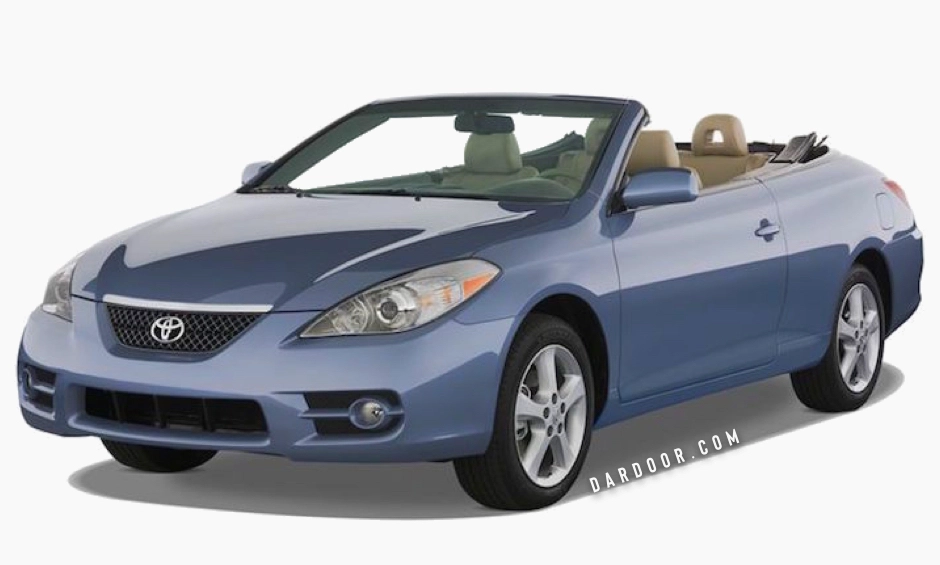
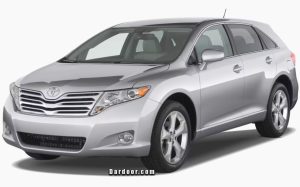
2004–2008 Toyota Camry Solara — OEM Workshop Service & Repair Manual (PDF)
| File Format |
PDF |
| File Language |
English |
| You’ll Get |
145.3 MB |
| Wiring Diagram |
Included |
| Delivery Method |
Instant Download |
Work with the same factory documentation trusted by Toyota dealership professionals.
Applicable Models
- MCV31L – GKANKA
- MCV31L – GKAGKA
Engines Covered
- 2.4L 2AZ-FE DOHC I4
- 3.3L 3MZ-FE DOHC V6
Key Features
- Complete OEM Coverage
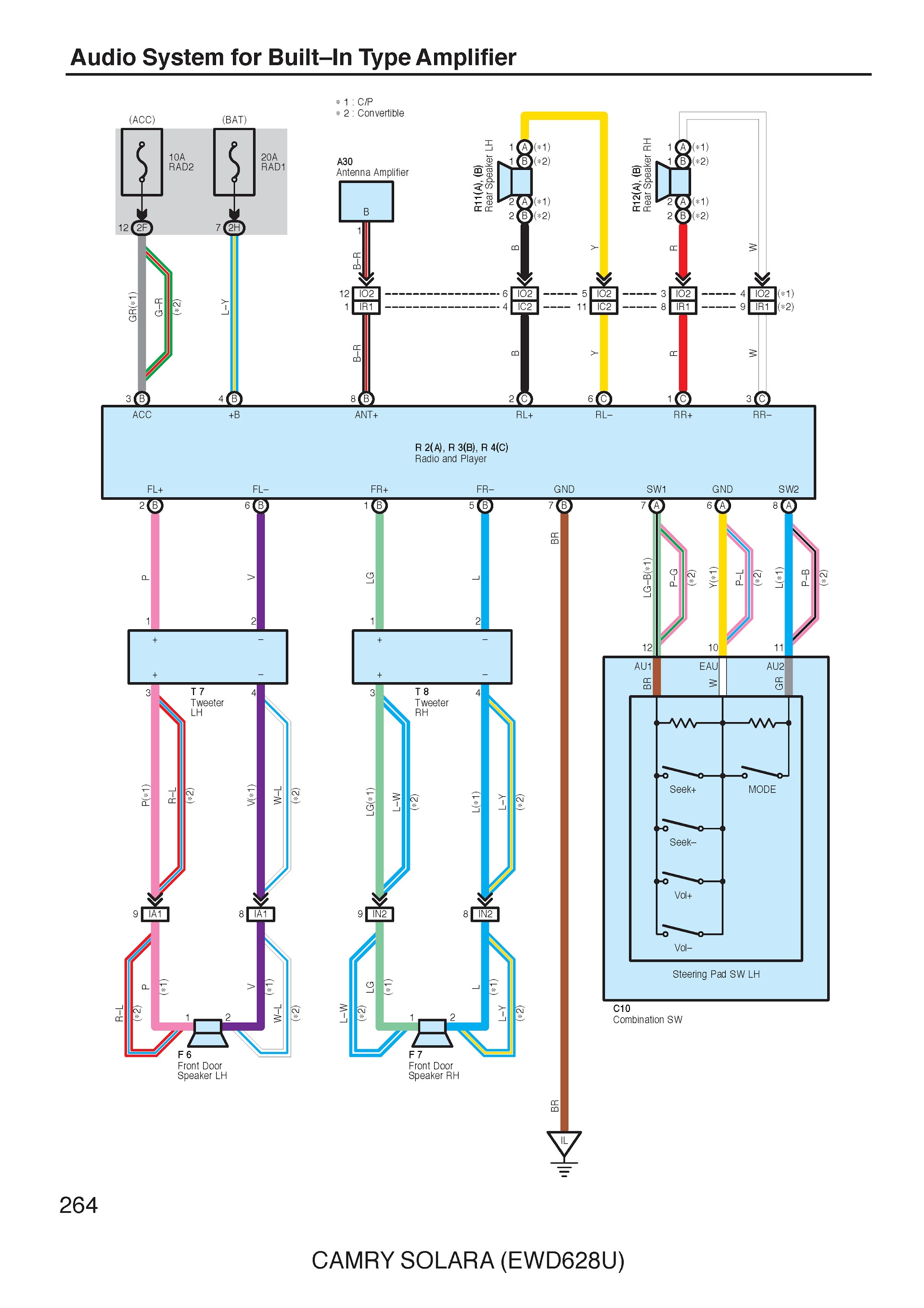
- Electrical Wiring Diagrams
- Body Repair Manual
- Diagnostics & DTCs
What’s Inside
- Routine maintenance schedules and fluid specifications
- Engine mechanical repair and overhaul procedures
- Transmission, suspension, steering, and brake systems
- Electrical system diagnostics and wiring diagrams
- HVAC, interior, SRS/airbag systems
- Body structure repair and alignment procedures
Download & Compatibility
Delivery: Instant digital PDF download
Compatibility: Windows • macOS • iOS • Android
SAMPLE PAGES: 2004-2008 Toyota Camry Solara Repair Manual
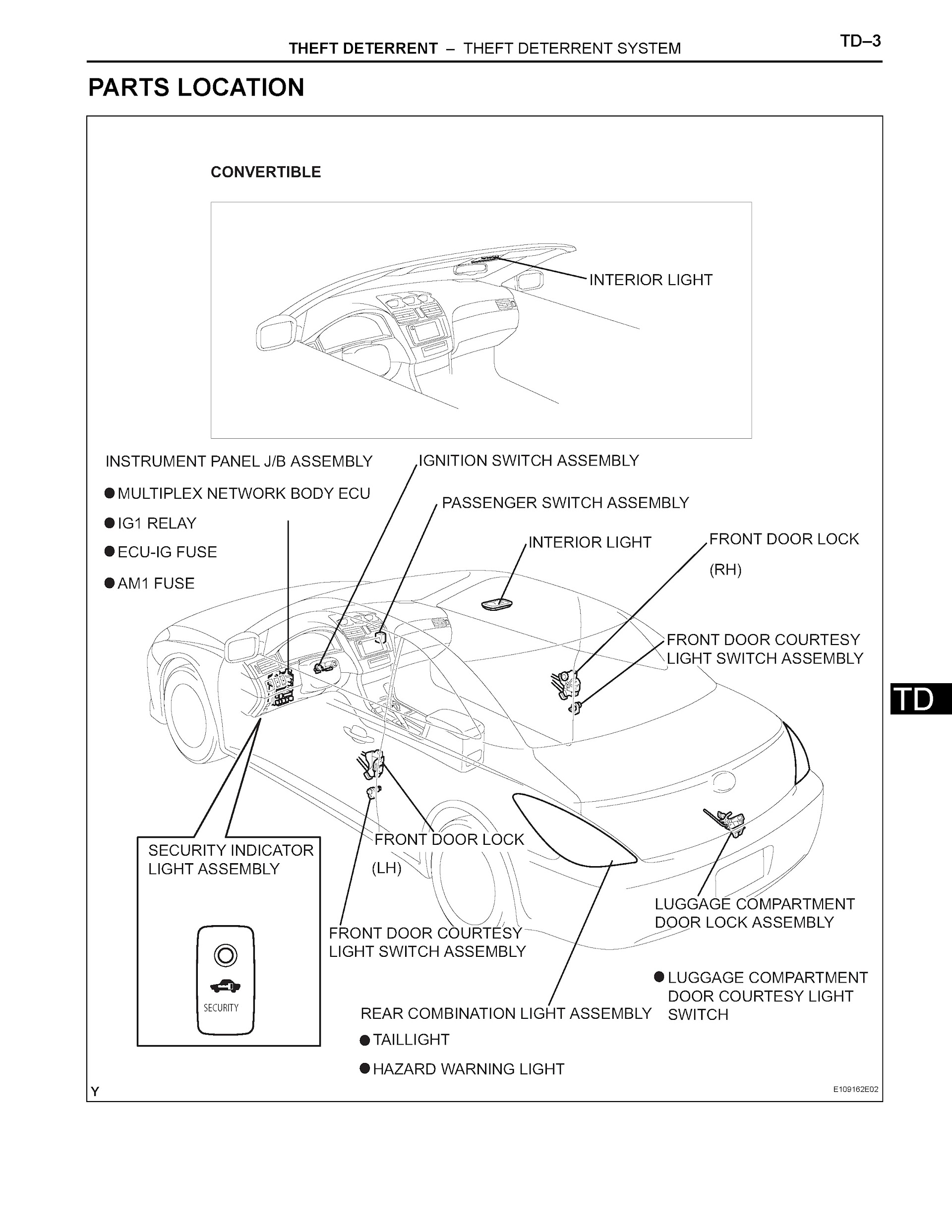
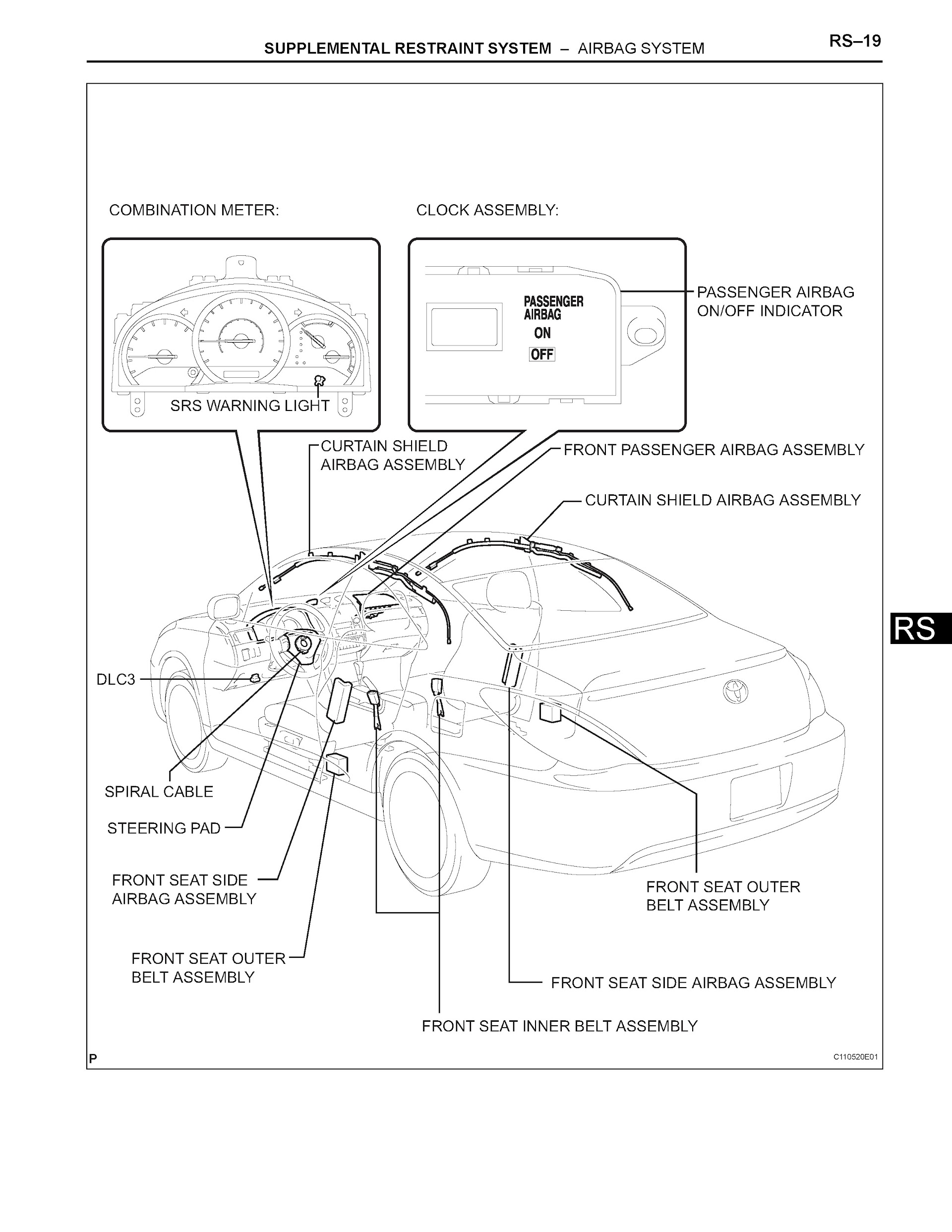
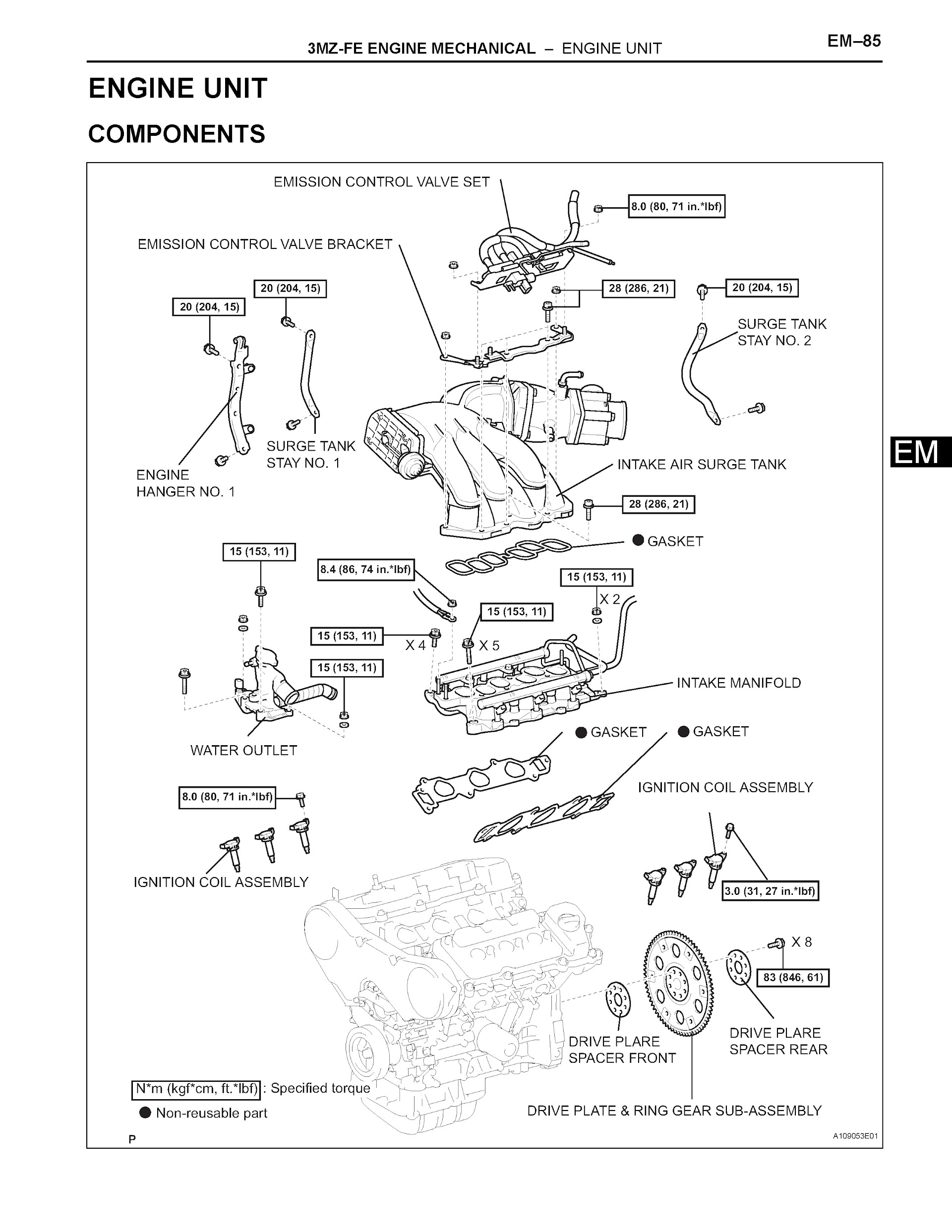
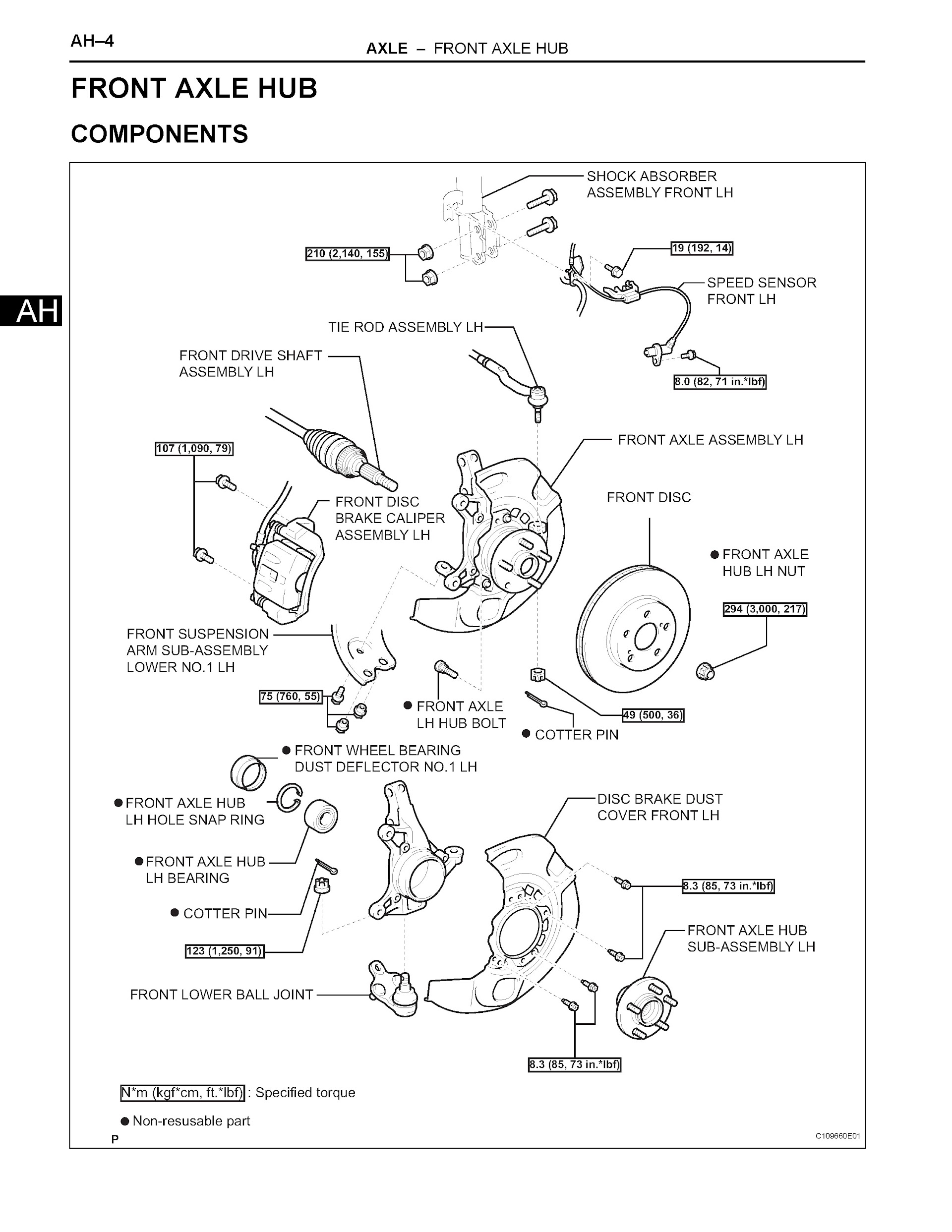
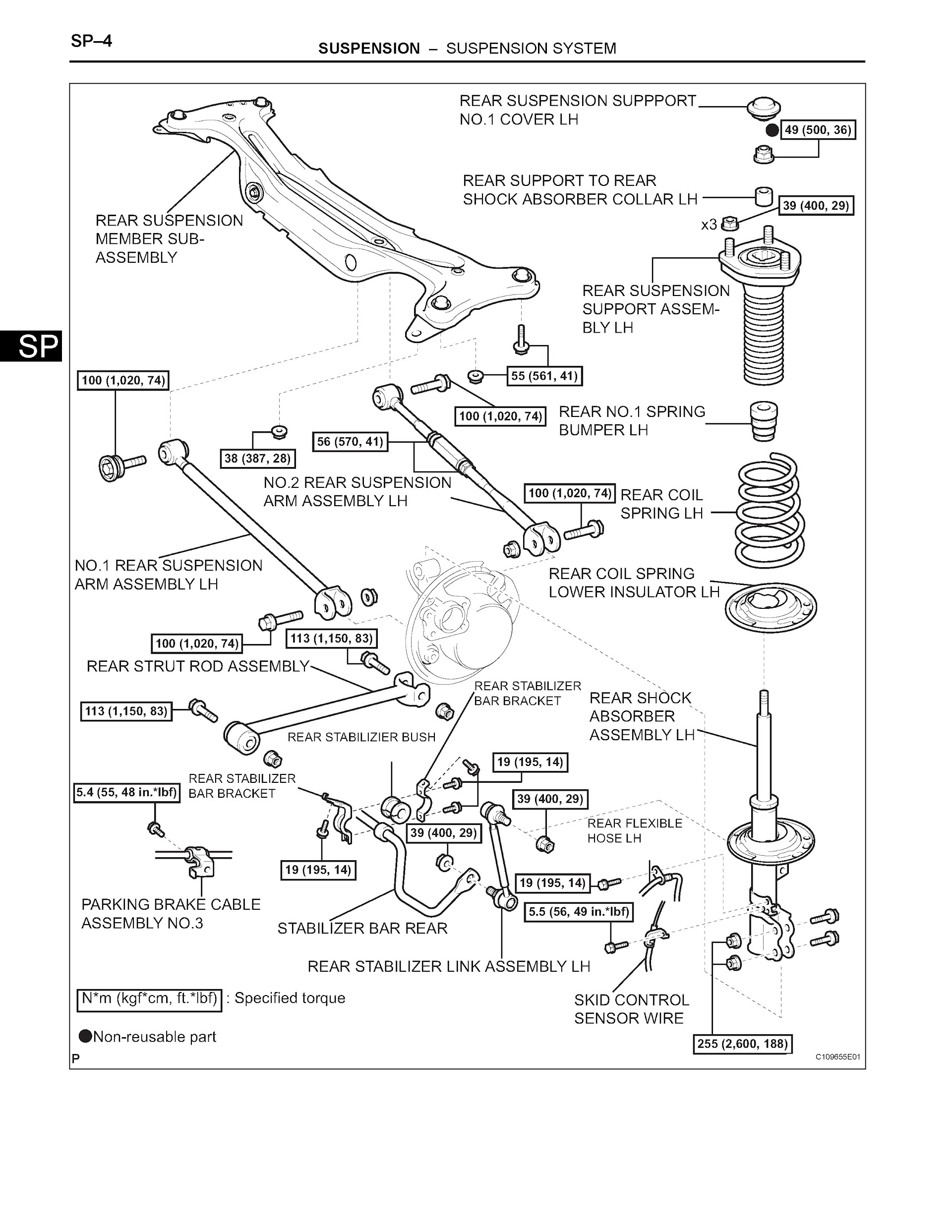
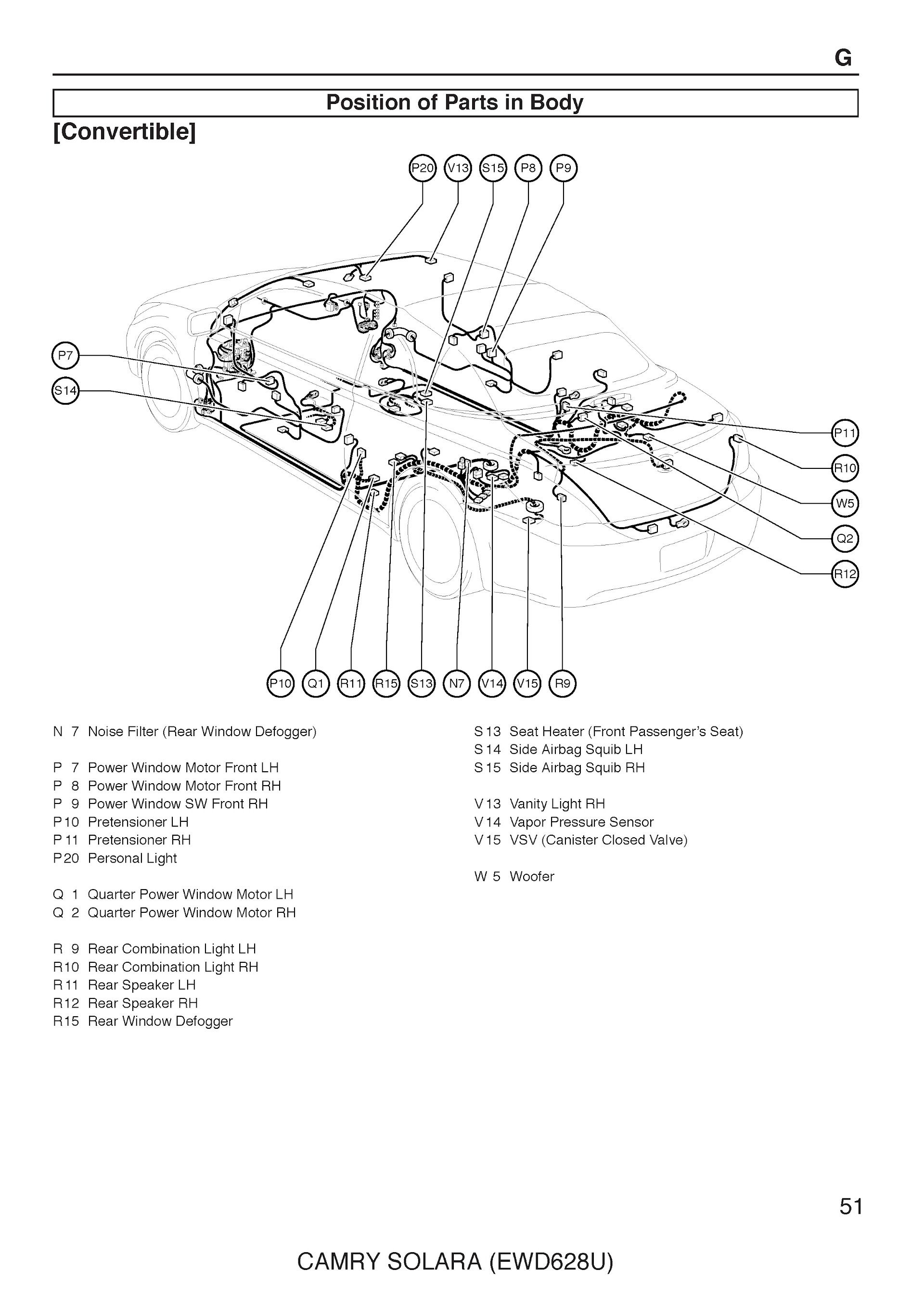
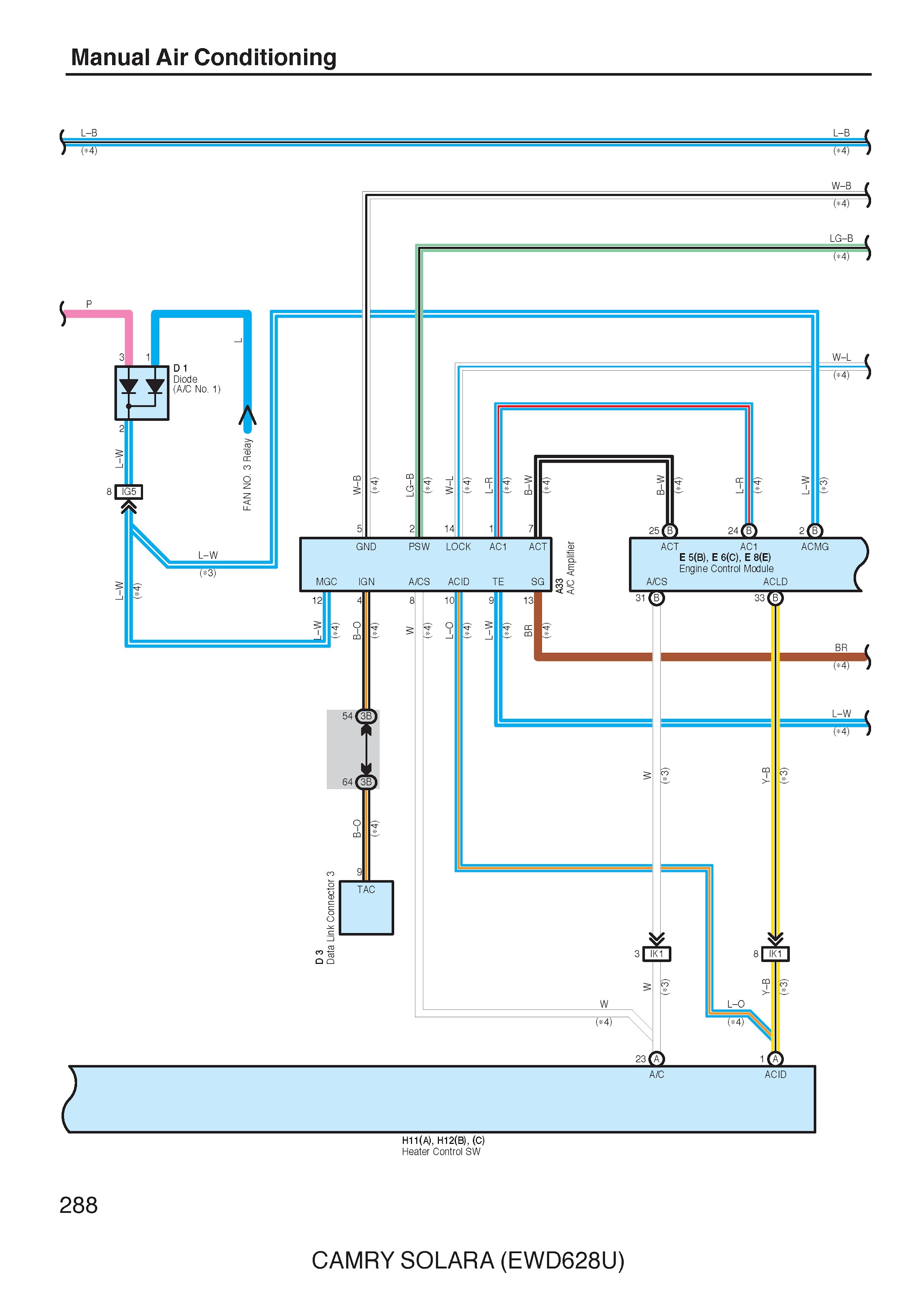
2004–2008 Toyota Camry Solara
Overview
The Toyota Camry Solara (2004–2008) is a mid-size coupe and convertible based on the Toyota Camry sedan platform. This second-generation Solara offered a sportier, two-door alternative to the practical Camry sedan.
Body Styles:
- 2-door coupe
- 2-door convertible (power soft top)
Engine Options:
- 2.4L 4-cylinder (2AZ-FE): 157 hp, 162 lb-ft torque
- 3.3L V6 (3MZ-FE): 225 hp, 240 lb-ft torque
Transmission:
- 5-speed manual (4-cylinder only, rare)
- 5-speed automatic (most common)
Trim Levels:
- SE (4-cylinder or V6)
- SLE (V6, 2004–2006)
- Sport (V6, 2007–2008)
Dimensions & Capacity:
- Wheelbase: 107.1 inches
- Length: 192.1 inches
- Seating: 5 passengers (coupe), 4 passengers (convertible)
- Curb weight: 3,086–3,461 lbs
Fuel Economy (EPA estimates):
- 4-cylinder: 21/30 mpg (city/highway)
- V6: 19/27 mpg
Technical Specifications
| Specification |
4-Cylinder |
V6 |
| Engine |
2.4L I4 DOHC 16V |
3.3L V6 DOHC 24V |
| Displacement |
2,362 cc |
3,311 cc |
| Horsepower |
157 @ 5,600 rpm |
225 @ 5,600 rpm |
| Torque |
162 lb-ft @ 4,000 rpm |
240 lb-ft @ 3,600 rpm |
| Compression Ratio |
9.8:1 |
10.8:1 |
| Fuel System |
Sequential multi-port EFI |
Sequential multi-port EFI |
| Valve Train |
DOHC, VVT-i |
DOHC, VVT-i |
| Fuel Requirement |
Regular unleaded (87 octane) |
Regular unleaded (87 octane) |
Drivetrain:
- Layout: Front-engine, front-wheel drive
- Final Drive Ratio: 4.312:1 (4-cyl), 3.909:1 (V6)
Suspension:
- Front: Independent MacPherson struts, coil springs, stabilizer bar
- Rear: Independent dual-link struts, coil springs, stabilizer bar
Brakes:
- Front: 11.1-inch ventilated discs
- Rear: 11.1-inch solid discs (V6) or drums (4-cyl)
- ABS standard
Steering:
- Type: Rack-and-pinion, power-assisted
- Turning Circle: 36.1 feet
Top 10 Mechanical & Electrical Issues
1. Excessive Oil Consumption (4-Cylinder Engine)
Symptoms:
- Low oil warning light illuminating frequently
- Need to add 1+ quarts of oil between oil changes
- Blue smoke from exhaust on startup or acceleration
- Fouled spark plugs
Root Cause: The 2AZ-FE engine suffers from defective piston rings that fail to properly seal, allowing oil to burn in the combustion chamber. This was a widespread Toyota/Lexus issue affecting millions of vehicles.
Fix:
- Engine rebuild with updated pistons and rings
- Complete engine replacement in severe cases
- Some vehicles eligible for Toyota’s warranty extension program
Cost: $3,000–$6,000 (out of warranty); potentially covered under extended warranty program
2. VVT-i Oil Line Leak
Symptoms:
- Oil dripping from front of engine
- Oil spots under vehicle after parking
- Burning oil smell from engine bay
- Low oil level between changes
Root Cause: The Variable Valve Timing (VVT-i) oil line, located between the engine block and cylinder head, develops cracks or the rubber hose deteriorates due to heat and age.
Fix:
- Replace VVT-i oil line/hose
- Clean affected areas
- Check oil level and top off
Cost: $200–$400
3. Dashboard Cracking and Melting
Symptoms:
- Cracks forming on dashboard surface, especially near windshield
- Sticky or melted texture on dashboard
- Warping of dashboard panels
- More common in hot climates
Root Cause: Defective dashboard material that breaks down when exposed to heat and UV rays. This affected multiple Toyota models from this era.
Fix:
- Dashboard replacement
- Dashboard cover (temporary solution)
- Toyota offered a recall/warranty extension for some vehicles (check eligibility)
Cost: $800–$2,500 (if not covered by warranty extension)
4. Power Window Regulator Failure
Symptoms:
- Window moves slowly or unevenly
- Grinding or clicking noise when operating window
- Window falls into door or won’t stay up
- Window stuck in up or down position
Root Cause: Plastic components in the window regulator assembly wear out or break, particularly the clips and guide rails that support the window glass.
Fix:
- Replace window regulator assembly
- May need to replace window motor if damaged
- Both front windows commonly affected
Cost: $300–$600 per window
5. Convertible Top Motor/Hydraulic Pump Failure
Symptoms:
- Convertible top won’t open or close
- Top operates very slowly
- Grinding or whining noise from top motor
- Top gets stuck mid-operation
- Hydraulic fluid leak near motor
Root Cause: The convertible top hydraulic pump motor wears out over time, seals deteriorate causing fluid leaks, or electrical connections corrode.
Fix:
- Replace hydraulic pump motor
- Repair or replace hydraulic lines if leaking
- Check and refill hydraulic fluid
- Clean/repair electrical connections
Cost: $800–$1,800
6. Transmission Solenoid Issues
Symptoms:
- Harsh or delayed shifting
- Transmission slipping between gears
- Check engine light with transmission codes (P0750, P0753, P0758)
- Erratic shift patterns
- Stuck in one gear (limp mode)
Root Cause: The shift solenoids in the 5-speed automatic transmission become clogged with debris or fail electrically, preventing proper gear engagement.
Fix:
- Replace failed solenoid(s)
- Transmission fluid flush
- Replace transmission filter
- In some cases, valve body replacement needed
Cost: $400–$1,200 (solenoid replacement); $1,500–$2,500 (valve body)
7. Evaporator Temperature Sensor Failure
Symptoms:
- A/C cycles on and off rapidly
- A/C blows warm air intermittently
- A/C doesn’t cool effectively
- No error codes displayed
Root Cause: The evaporator temperature sensor, located inside the HVAC unit, fails and sends incorrect temperature readings to the A/C system, causing the compressor to cycle improperly.
Fix:
- Replace evaporator temperature sensor
- Requires dashboard/HVAC unit disassembly
- Recharge A/C system if refrigerant lost during repair
Cost: $400–$800
8. Front Lower Control Arm Bushings
Symptoms:
- Clunking noise over bumps
- Vibration in steering wheel
- Uneven tire wear
- Vehicle pulling to one side
- Poor handling or wandering
Root Cause: The rubber bushings in the front lower control arms deteriorate over time from road stress, age, and exposure to elements, causing excessive play.
Fix:
- Replace front lower control arms (bushings typically not sold separately)
- Perform wheel alignment after replacement
- Usually both sides replaced together
Cost: $400–$800 (both sides with alignment)
9. Starter Motor Failure
Symptoms:
- Engine cranks slowly or not at all
- Clicking sound when turning key
- Intermittent starting issues, especially when hot
- Grinding noise during starting
- No response when turning key
Root Cause: The starter motor or solenoid wears out over time, particularly the brushes, bearings, or electrical contacts. Heat from the engine can accelerate failure.
Fix:
- Replace starter motor assembly
- Check battery and connections first
- Test charging system
Cost: $300–$600
10. Oxygen Sensor Failure
Symptoms:
- Check engine light illuminated
- Codes P0135, P0141, P0155, P0161
- Decreased fuel economy
- Rough idle
- Failed emissions test
- Hesitation during acceleration
Root Cause: Oxygen sensors (Bank 1 Sensor 1/2, Bank 2 Sensor 1/2 on V6) degrade over time from heat exposure and carbon buildup, providing inaccurate readings to the ECU.
Fix:
- Replace affected oxygen sensor(s)
- Typically front sensors (upstream) fail first
- Clear diagnostic codes
Cost: $150–$350 per sensor
Top 5 Competitors
- Pros: More powerful V6 option (240 hp), sportier handling, excellent reliability
- Cons: Firmer ride, less trunk space
- How it compares: The Accord Coupe offers more engaging driving dynamics and a slightly more powerful V6, but the Solara provides a smoother ride and better value.
- Pros: More aggressive styling, powerful V6 (270 hp), modern features
- Cons: Released late (2008), higher depreciation
- How it compares: The Altima Coupe is more powerful and stylish but lacks the Solara’s proven reliability record.
- Pros: Available hardtop convertible, lower used prices, more modern styling
- Cons: Poor reliability, lower resale value, GM build quality issues
- How it compares: The G6 offers more style for less money but can’t match the Solara’s reliability and longevity.
- Pros: Lower purchase price, available V6
- Cons: Poor reliability, cheap interior, weak resale value
- How it compares: The Sebring is significantly less reliable and less refined than the Solara.
5. Volkswagen Eos (2007–2016)
- Pros: Retractable hardtop, European styling, upscale interior
- Cons: Expensive maintenance, complex top mechanism issues, higher ownership costs
- How it compares: The Eos is more sophisticated but much more expensive to maintain than the Solara.
Top 10 Recalls, Advisories & TSB Highlights
Recalls
1. Floor Mat Entrapment (2007–2008 models)
- Issue: Unsecured or incompatible floor mats can interfere with accelerator pedal
- Recall #: 10V017000
- Fix: Install redesigned retention clips, provide warning label
2. Airbag Inflator Rupture – Takata Recall
- Issue: Passenger airbag inflator may rupture, sending metal fragments into cabin
- Recall #: Multiple (15V-124, 16V-072, etc.)
- Fix: Replace passenger airbag inflator assembly
3. Spare Tire Carrier Cable Corrosion (All models)
- Issue: Spare tire carrier cable can corrode and fail, causing tire to drop
- Recall #: 19V-668
- Fix: Inspect and replace spare tire carrier cable if corroded
4. Steering Intermediate Shaft (2004–2006)
- Issue: Steering intermediate shaft may corrode in salt-belt states, causing loss of steering
- Recall #: 16V-068
- Fix: Inspect and replace intermediate shaft if corroded
Technical Service Bulletins (TSBs)
5. Dashboard Cracking (2004–2008)
- TSB #: Various warranty extensions offered
- Issue: Dashboard surface cracks and deteriorates prematurely
- Solution: Dashboard replacement under extended warranty program (check eligibility)
6. Excessive Engine Oil Consumption (2006–2008 4-cylinder)
- TSB #: Warranty enhancement program (ZE3)
- Issue: 2AZ-FE engine consumes excessive oil due to piston ring defects
- Solution: Extended warranty coverage for engine repair/replacement
7. Brake Judder/Pulsation
- TSB #: BR-002-07
- Issue: Vibration felt through brake pedal and steering wheel during braking
- Solution: Resurface or replace front brake rotors, specific machining procedure
8. A/C Compressor Cycling
- TSB #: AC-001-06
- Issue: A/C compressor cycles on/off rapidly, poor cooling
- Solution: Replace evaporator temperature sensor, update diagnostic procedures
9. Transmission Shift Quality
- TSB #: TC-005-05
- Issue: Harsh 1-2 upshift, delayed engagement
- Solution: Update transmission control software, transmission fluid service
10. Wind Noise from Doors (Convertible)
- TSB #: BD-003-06
- Issue: Excessive wind noise from door seals on convertible models
- Solution: Adjust or replace door weatherstripping, realign doors
Maintenance Schedule
Every 5,000 Miles or 6 Months
- Engine oil and filter change
- Rotate tires
- Inspect brake pads and rotors
- Check fluid levels (coolant, brake, power steering, washer)
- Inspect wiper blades
Every 15,000 Miles or 18 Months
- Inspect air filter (replace if dirty)
- Inspect cabin air filter (replace if dirty)
- Inspect drive belts
- Lubricate door hinges and locks
- Inspect convertible top mechanism and lubricate (convertible models)
Every 30,000 Miles or 36 Months
- Replace engine air filter
- Replace cabin air filter
- Inspect fuel lines and connections
- Inspect cooling system hoses
- Replace brake fluid
- Inspect front and rear suspension components
- Inspect exhaust system
- Inspect steering linkage and boots
Every 60,000 Miles or 72 Months
- Replace spark plugs
- Inspect/replace drive belts if worn
- Replace transmission fluid (severe service: every 30K miles)
- Inspect valve clearance (4-cylinder only)
- Replace engine coolant
- Inspect timing belt cover and components
Every 90,000 Miles
- Replace timing belt (V6 only – interference engine)
- Replace water pump (recommended with timing belt)
- Replace accessory drive belts
- Inspect/replace engine mounts
- Comprehensive brake system inspection
As Needed
- Battery: Test/replace every 3–5 years
- Tires: Replace when tread depth reaches 3/32″
- Wiper blades: Replace every 6–12 months
- Brake pads: Replace when thickness reaches 3mm
- Convertible top hydraulic fluid: Check annually
Note: Severe service conditions (frequent short trips, extreme temperatures, towing, dusty conditions) require more frequent maintenance intervals.
10 FAQs for Buyers
1. Should I buy the 4-cylinder or V6 model?
The V6 is the better choice if you can afford slightly higher fuel costs. It provides significantly better acceleration (0-60 in 7.5 seconds vs. 9+ seconds), smoother power delivery, and better highway passing capability. The 4-cylinder suffers from the oil consumption issue and feels underpowered, especially with the automatic transmission. The V6’s additional reliability issues (timing belt) are manageable with proper maintenance.
2. How reliable is the Camry Solara?
Generally reliable with proper maintenance, but the 4-cylinder models have significant oil consumption issues. Expect typical reliability from a Toyota with fewer major problems than domestic competitors, but budget for the common issues like VVT-i oil lines, window regulators, and dashboard cracking. The V6 models are generally more reliable if the timing belt is maintained.
3. What’s the fuel economy difference between coupe and convertible?
Minimal difference in real-world driving. The convertible weighs about 200–300 lbs more, which may reduce fuel economy by 1–2 mpg. However, driving with the top down at highway speeds can decrease fuel economy by 10–20% due to increased aerodynamic drag.
4. How much does it cost to replace the convertible top?
A complete convertible top replacement (fabric, frame, labor) costs $1,500–$3,000 depending on top quality and labor rates. The OEM-style top is more expensive but fits better. The convertible top typically lasts 7–10 years before needing replacement, depending on climate and care.
5. Are parts expensive for the Solara?
Parts are moderately priced and widely available since the Solara shares most components with the Camry sedan. Aftermarket options are abundant for common wear items. Convertible-specific parts (top mechanism, hydraulic components) are more expensive but not prohibitively so for a specialty vehicle.
6. What should I look for when test driving?
- Check oil level and condition (milky oil indicates head gasket issues)
- Listen for timing belt noise on V6 (rattling from front of engine)
- Test all windows multiple times (regulator issues common)
- Operate convertible top completely up and down (if applicable)
- Feel for transmission smoothness during all shifts
- Check for dashboard cracks
- Inspect for oil leaks around VVT-i line
- Listen for suspension clunks over bumps
- Test A/C cooling effectiveness
7. How long do these cars typically last?
With proper maintenance, 200,000–250,000+ miles is achievable, though the 4-cylinder oil consumption issue may limit engine life. The V6 can easily exceed 200,000 miles if the timing belt is changed on schedule. Many well-maintained examples are still on the road with high mileage.
8. Is the Solara expensive to insure?
Insurance costs are moderate, similar to other mid-size coupes. The convertible typically costs 10–20% more to insure than the coupe due to higher theft risk and replacement costs. Rates vary by location, age, and driving record. Get quotes before purchasing.
9. What’s the best model year to buy?
2007–2008 models are preferable as they have received most of the early production fixes and TSB updates. They also have slightly updated styling and features. However, 2006 models represent the best value with similar reliability. Avoid early 2004 models if possible.
10. Can I daily drive a convertible year-round?
Yes, if you live in a moderate climate. The convertible has a good heater and the top provides adequate insulation. However, in harsh winters or extreme heat, the coupe is more practical. Convertible top care is essential in snow/ice climates (never operate frozen top). Consider garage parking to extend top life.
Final Buyer Recommendations
Should You Buy a 2004–2008 Toyota Camry Solara?
Buy If:
- You want a reliable, affordable coupe or convertible
- You prefer Toyota’s reputation for longevity
- You need a practical sporty car with reasonable maintenance costs
- You’re willing to address the 4-cylinder oil consumption issue or choose the V6
- You want something less common than a Camry sedan but with similar reliability
- You value comfort over sporty handling
Avoid If:
- You want engaging, sporty driving dynamics (consider Honda Accord Coupe)
- You need rear seat space for adults (rear seats are cramped)
- You live in areas with harsh winters (convertible top durability concerns)
- You want modern technology and safety features
- You’re not willing to maintain the timing belt on V6 models
- You require better fuel economy (newer vehicles offer significantly better MPG)
Best Configuration:
2007–2008 Solara V6 SE Coupe – Offers the best balance of reliability, performance, and value. The V6 provides adequate power, fewer oil consumption issues, and better resale value. The coupe avoids convertible top complications while the later model years have most bugs worked out.
What to Pay (2024 Market):
- Good condition coupe: $6,000–$10,000
- Good condition convertible: $8,000–$13,000
- Excellent low-mileage examples: $12,000–$16,000
Pre-Purchase Inspection Checklist:
- ✓ Complete service history (especially timing belt on V6) ✓ Oil consumption test (4-cylinder models)
- ✓ Dashboard condition
- ✓ Convertible top operation and condition
- ✓ Window regulators function
- ✓ No transmission codes or shifting issues
- ✓ VVT-i oil line condition
- ✓ Suspension bushings and components
- ✓ A/C operation
- ✓ Check for open recalls via VIN
Bottom Line
The 2004–2008 Toyota Camry Solara is a solid choice for buyers seeking an affordable, reliable coupe or convertible with Toyota’s proven dependability. While it won’t excite driving enthusiasts, it offers comfortable cruising, reasonable running costs, and the practicality of Camry parts availability.
The V6 models are the sweet spot, providing adequate performance without the 4-cylinder’s oil consumption headaches. Be prepared to address common issues like dashboard cracking, window regulators, and convertible top maintenance.
Overall, it’s one of the most sensible choices in the used sporty coupe/convertible segment, offering Toyota reliability in a more stylish package than the Camry sedan.
Recommendation Rating: 7.5/10 – A very good choice for buyers prioritizing reliability and value over performance and modern features.