

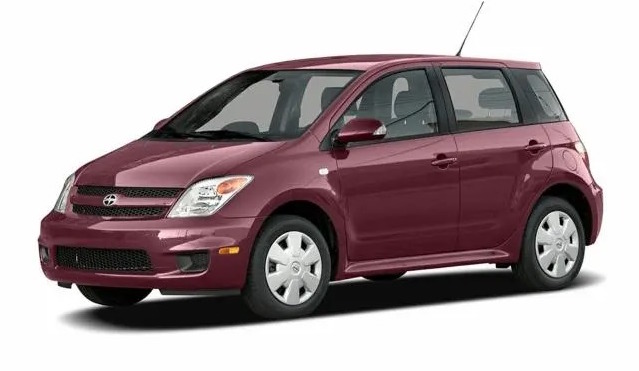
Get the OEM workshop manual with the wiring diagram for the 2004-2006 Toyota Scion xA, available in a user-friendly PDF format.
2004-2006 Toyota Scion xA Repair Manual
$19.90
Comprehensive Guide for Diagnosing, Testing, Servicing, and Repairing Your Scion xA (2004-2006)
Get the official OEM workshop manual for the 2004-2006 Toyota Scion xA, available in a user-friendly PDF format. This detailed manual provides the same trusted procedures and information used by Toyota dealer technicians to diagnose, service, and repair your Scion xA, ensuring professional-quality results for every repair.
| File Format | |
| File Language | English |
| You’ll Get | 120.7 MB |
| Wiring Diagram | Included |
| Delivery Method | Instant Download |
Key Sections:
- Vehicle Overview: Specifications, maintenance schedules, and recommended fluids.
- Engine and Transmission: Diagnostics, teardown, and rebuild procedures.
- Suspension and Steering: Servicing of front and rear suspension, steering adjustments, and troubleshooting.
- Brakes and Safety Systems: Maintenance of ABS, brake hydraulics, and airbag systems.
- Heating, Ventilation, and Air Conditioning (HVAC): Repair and maintenance of climate control systems.
- Interior and Exterior Repairs: Adjustments for doors, windows, and other interior components.
Why This Manual is Essential
- Dealer-Level Information: Access the same data trusted by professional Toyota technicians.
- DIY-Ready: Perfect for enthusiasts and mechanics, regardless of experience level.
- Cost-Effective: Save money on repairs by following authorized procedures yourself.
- Immediate Access: Digital format allows for instant use and portability.
Additional Benefits
- Ensure vehicle integrity and reliability with tested and effective techniques.
- Safeguard personal safety by following proper service methods.
- Learn the correct use of tools and equipment for safe and successful repairs.
Get the 2004-2006 Toyota Scion xA Service and Workshop Repair Manual today to confidently handle diagnostics, repairs, and maintenance. With this detailed guide, you’ll have everything you need to keep your Scion xA running smoothly!
This manual provides detailed instructions for maintenance, disassembly, reassembly, component inspection, adjustment, and diagnostics—intended for use by experienced mechanics. Proper application of this guide will help ensure thorough repairs and maintain your vehicle in peak condition.
Important Note: Before purchasing this manual, please check whether your vehicle is subject to any active service recalls, as authorized dealerships may perform necessary repairs free of charge. When replacing parts, always use genuine OEM components to ensure safety, reliability, and long-term performance.
SAMPLE PAGES: 2006 Toyota Scion xA
CAUTION: This OEM service and workshop repair manual provides detailed procedures for maintenance, disassembly, reassembly, inspection, adjustment, and diagnostics. It is intended as a comprehensive guide for experienced mechanics. To ensure thorough and accurate repairs that maintain your vehicle’s optimal performance, please read and follow this manual carefully. When replacing parts during any repair work, always use genuine Toyota parts to ensure quality, safety, and reliability.
2006 Toyota Scion xA – Comprehensive Guides
Overview
The 2006 Scion xA was a subcompact hatchback designed to attract younger buyers to the Toyota brand. It was part of Scion’s inaugural lineup and offered affordable, fuel-efficient urban transportation with a distinctive boxy design.
Key Characteristics:
- Compact 5-door hatchback with seating for 5
- Part of the first-generation xA (2004-2006)
- Built on Toyota’s NBC platform (shared with Toyota Yaris/Echo)
- Discontinued after 2006, replaced by the xD in 2008
- Known for reliability, fuel economy, and customization potential
2006 Toy
Technical Specifications
Engine:
- 1.5L inline-4 (1NZ-FE)
- 103 horsepower @ 6,000 rpm
- 101 lb-ft torque @ 4,200 rpm
- DOHC, 16-valve with VVT-i (Variable Valve Timing)
Transmission:
- 5-speed manual (standard)
- 4-speed automatic (optional)
Dimensions & Weight:
- Length: 154.3 inches
- Width: 66.5 inches
- Height: 60.8 inches
- Wheelbase: 93.3 inches
- Curb weight: 2,340-2,400 lbs
- Ground clearance: 5.5 inches
Fuel Economy:
- Manual: 32 city / 38 highway mpg
- Automatic: 30 city / 34 highway mpg
- Fuel tank: 11.1 gallons
Drivetrain:
- Front-wheel drive only
Suspension:
- Front: MacPherson strut with stabilizer bar
- Rear: Torsion beam with stabilizer bar
Brakes:
- Front: 9.0-inch ventilated discs
- Rear: 7.1-inch drums
- ABS standard
Wheels & Tires:
- 15-inch steel wheels (alloys optional)
- 185/60R15 tires
Cargo Capacity:
- 11.8 cubic feet (seats up)
- 26.8 cubic feet (rear seats folded)
Top 10 Mechanical & Electrical Issues
1. Engine Oil Consumption (1NZ-FE Engine)
-
- Symptoms: Low oil warning light, blue smoke from exhaust, need to add oil between changes, engine knock if severely low
- Root Cause: Piston ring design allows oil to bypass into combustion chamber; excessive carbon buildup on rings
- Fix: Monitor oil levels regularly and top off; severe cases require piston ring replacement or engine rebuild
- Cost: $20-50 for oil top-ups; $1,500-3,000 for piston ring replacement/engine work
2. Automatic Transmission Slipping/Hesitation
-
- Symptoms: Delayed engagement when shifting from Park to Drive, rough shifts, slipping between gears, shuddering during acceleration
- Root Cause: Worn clutch packs, low/dirty transmission fluid, failing solenoids in U140E/U140F transmission
- Fix: Transmission fluid flush and filter change; solenoid replacement; transmission rebuild in severe cases
- Cost: $150-250 for fluid service; $300-600 for solenoid replacement; $1,800-2,800 for rebuild
3. Alternator Failure
-
- Symptoms: Dimming headlights, battery warning light, electrical accessories malfunctioning, difficulty starting, whining noise from engine bay
- Root Cause: Bearing wear, voltage regulator failure, brush wear after 100,000+ miles
- Fix: Replace alternator (remanufactured units widely available)
- Cost: $300-500 installed (parts + labor)
4. Evaporative Emissions (EVAP) System Leaks
-
- Symptoms: Check engine light with P0440, P0441, P0442 codes, fuel smell, failed emissions test
- Root Cause: Cracked EVAP hoses, faulty purge valve, leaking charcoal canister, loose or damaged gas cap
- Fix: Inspect and replace gas cap first; smoke test to identify leaks; replace failed components (hoses, purge valve, canister)
- Cost: $15-30 for gas cap; $100-200 for purge valve; $200-400 for canister; $50-150 for hoses
5. Oxygen Sensor Failures
-
- Symptoms: Check engine light (P0135, P0141, P0420 codes), poor fuel economy, rough idle, hesitation during acceleration
- Root Cause: Sensor degradation over time, contamination from oil consumption or poor fuel quality
- Fix: Replace failed oxygen sensor(s) – typically upstream (pre-cat) sensors fail first
- Cost: $150-300 per sensor installed
6. Starter Motor Failure
-
- Symptoms: Click but no crank when turning key, intermittent no-start, grinding noise during start attempt
- Root Cause: Worn starter motor brushes, solenoid contacts, or bendix gear after extended use
- Fix: Replace starter motor assembly
- Cost: $250-450 installed
7. Power Window Regulator Failure
-
- Symptoms: Window moves slowly, falls into door, makes grinding/clicking noise, won’t move up or down
- Root Cause: Plastic regulator teeth strip or cables fray; common issue especially on driver’s side
- Fix: Replace window regulator assembly (often comes with motor)
- Cost: $150-300 per window (parts + labor)
8. Cooling System Issues (Radiator/Thermostat)
-
- Symptoms: Engine overheating, temperature gauge fluctuating, coolant leaks, heater blowing cold air
- Root Cause: Plastic radiator end tanks cracking with age, stuck thermostat, water pump bearing failure
- Fix: Replace radiator, thermostat, or water pump as needed; flush cooling system
- Cost: $250-400 for radiator; $100-200 for thermostat; $300-500 for water pump
9. Ignition Coil Failure
-
- Symptoms: Misfires, rough idle, check engine light (P0300-P0304 codes), loss of power, poor fuel economy
- Root Cause: Heat and electrical stress causing coil windings to fail over time
- Fix: Replace failed ignition coil(s); often recommended to replace all 4
- Cost: $80-150 per coil; $200-400 for all 4 installed
10. CV Axle/Boot Deterioration
-
- Symptoms: Clicking/popping noise during turns, vibration during acceleration, grease on inside of wheels
- Root Cause: CV boot tears allow grease to escape and dirt to enter, damaging CV joint
- Fix: Replace CV axle assembly (cheaper than repairing joint)
- Cost: $200-350 per axle installed
Top 5 Competitors (2006)
1. Honda Fit
- Pros: More powerful (109 hp), better handling, superior “Magic Seat” versatility, more cargo space
- Cons: Slightly more expensive, firmer ride
- Price Range: $13,850-16,560 (2006 MSRP)
2. Nissan Versa
- Pros: More interior space, available sedan option, comfortable ride
- Cons: Less engaging to drive, cheaper interior materials
- Price Range: $12,990-15,990 (2007 model)
3. Chevrolet Aveo
- Pros: Lower base price, similar size and practicality
- Cons: Less reliable, poorer build quality, weaker resale value
- Price Range: $11,920-14,320 (2006 MSRP)
4. Kia Rio
- Pros: Better warranty (10yr/100k), similar price point, good value
- Cons: Less refined, lower resale value, dated design
- Price Range: $11,995-13,995 (2006 MSRP)
5. Mazda3 Sport (5-door)
- Pros: More powerful (148-156 hp), better handling dynamics, premium feel
- Cons: More expensive, lower fuel economy
- Price Range: $15,245-21,045 (2006 MSRP)
Top 10 Recalls, Advisories & TSB Highlights
Recalls
1. 05V363000 – Windshield Wiper Motor (Aug 2005)
- Issue: Wiper motor may fail due to internal damage
- Fix: Dealer replaces wiper motor assembly free
2. 06V078000 – Seat Belt Pretensioner (Mar 2006)
- Issue: Front seat belt pretensioners may not deploy properly in crash
- Fix: Dealer replaces pretensioner assemblies free
3. 10V017000 – Accelerator Pedal (Jan 2010)
- Issue: Accelerator pedal may stick due to friction in throttle mechanism (part of Toyota’s massive recall)
- Fix: Dealer modifies or replaces accelerator pedal assembly free
4. 10V139000 – Floor Mat Interference (Apr 2010)
- Issue: Unsecured or incompatible floor mats can trap accelerator pedal
- Fix: Dealer provides new all-weather mats with retention clips free
Technical Service Bulletins (TSBs)
5. TSB-0094-06 – Manual Transmission Noise
- Issue: Grinding/rattling noise from transmission in neutral
- Fix: Software update to transmission control module; bearing replacement if needed
6. TSB-0138-05 – Brake Squeal
- Issue: Front brake squeal during light braking
- Fix: Replace brake pads with revised compound; resurface rotors
7. TSB-0066-06 – A/C Odor
- Issue: Musty smell from air conditioning system
- Fix: Clean evaporator with chemical treatment; replace cabin air filter
8. TSB-0152-06 – Rattle from Dashboard
- Issue: Rattling noise from instrument panel area over bumps
- Fix: Install foam padding at specific attachment points
9. TSB-0089-07 – Fuel Gauge Fluctuation
- Issue: Fuel gauge needle bounces or reads inaccurately
- Fix: Replace fuel level sending unit in tank
10. TSB-TC002-03 – Check Engine Light (EVAP)
- Issue: P0441, P0446 codes for EVAP system
- Fix: Update ECU software; inspect/replace EVAP system components
Maintenance Schedule
Every 5,000 Miles / 6 Months
- Engine oil and filter change
- Rotate tires
- Inspect brake pads and rotors
- Check fluid levels (coolant, brake, power steering)
Every 15,000 Miles / 12 Months
- Replace cabin air filter
- Inspect drive belts
- Inspect suspension components
- Check battery condition
Every 30,000 Miles / 24 Months
- Replace engine air filter
- Replace spark plugs
- Inspect/replace brake fluid
- Inspect cooling system hoses
- Inspect exhaust system
Every 60,000 Miles / 48 Months
- Replace transmission fluid (especially for automatic)
- Replace coolant
- Inspect/replace drive belts
- Replace fuel filter (if equipped)
- Inspect CV axle boots
Every 90,000-100,000 Miles
- Replace timing chain tensioner (inspect chain for wear)
- Replace serpentine belt and tensioner
- Replace water pump (preventative)
- Comprehensive brake system service
- Inspect valve clearances
As Needed
- Battery replacement (typically 3-5 years)
- Wiper blades (6-12 months)
- Tires (40,000-60,000 miles depending on type)
- Brake pads (30,000-50,000 miles)
10 FAQs for Buyers
1. Is the 2006 Scion xA reliable? Yes, generally very reliable due to Toyota engineering. The 1NZ-FE engine and platform are proven. Main concerns are oil consumption on higher-mileage examples and typical wear items. Expect 200,000+ miles with proper maintenance.
2. What’s the real-world fuel economy? Owners report 30-33 mpg combined driving. Highway can reach 36-40 mpg with manual transmission. City driving typically yields 28-32 mpg. The small fuel tank (11.1 gallons) means frequent fill-ups but low overall fuel costs.
3. Manual or automatic transmission – which is better? The 5-speed manual is more engaging, slightly more reliable, and gets better fuel economy. The 4-speed automatic is adequate but can develop slipping issues at higher mileage. For reliability and fun, choose manual.
4. How much does insurance cost? Very affordable. As a small, low-powered economy car with good safety ratings, insurance is typically $800-1,200/year for full coverage depending on driver age and location. Excellent choice for young drivers.
5. What’s a fair price for a 2006 xA today? Condition matters greatly. Expect $3,000-5,500 for examples with 100,000-150,000 miles in good condition. Under 100k miles: $5,000-7,000. Over 150k miles: $2,000-4,000. Prices vary by region and demand.
6. Are parts expensive or hard to find? Parts are very affordable and widely available since many components share Toyota/Yaris parts. Aftermarket support is excellent. Common maintenance items are cheap. Expect lower ownership costs than most competitors.
7. Can I fit in the back seat comfortably? Rear seat space is tight for adults, especially legroom. Fine for children or short trips. At 154 inches long, it’s genuinely compact. Tall drivers may struggle with headroom even up front despite the boxy design.
8. How does it handle in snow/winter? Front-wheel drive with good weight distribution handles well in snow with proper winter tires. Low ground clearance (5.5 inches) struggles in deep snow. Light weight can cause traction issues on ice. Overall adequate but not exceptional.
9. What should I look for when inspecting a used xA? Check oil level and condition (oil consumption issues), listen for transmission slipping, inspect CV boots for tears, check for rust (especially in salt-belt states), verify all electrical accessories work, scan for check engine codes, examine service records.
10. Is it worth buying in 2025? For budget-conscious buyers needing reliable A-to-B transportation, yes. It’s nearly 20 years old, so expect age-related issues. Best for low-mileage examples under $5,000 with documented maintenance. Not ideal if you need modern safety features, power, or refinement.
Final Buyer Recommendations
BUY IF:
- You need ultra-reliable, cheap transportation
- Annual mileage is low-moderate (under 12,000 miles)
- You primarily drive in urban/suburban environments
- You value fuel economy and low maintenance costs
- You can perform basic maintenance yourself
- You’re comfortable with a small, basic car
- You find a well-maintained example with service records
- Budget is under $6,000
AVOID IF:
- You need highway power for merging/passing
- You regularly carry 4-5 adults
- You require modern safety features (no side airbags, stability control, etc.)
- You live in an area with deep winter snow
- You need significant cargo capacity
- The example shows signs of neglect or has high mileage without documentation
- You want a quiet, refined driving experience
- You need the latest technology (Bluetooth, backup camera, etc.)
Pre-Purchase Inspection Checklist:
- Oil level check and inspection for leaks/consumption
- Transmission operation (especially automatic slipping)
- Suspension inspection (struts, control arms, CV boots)
- Brake system condition and functionality
- Cooling system pressure test
- Scan for check engine codes (EVAP, O2 sensors common)
- Test all electrical systems (windows, locks, A/C)
- Undercarriage rust inspection
- Tire condition and wear patterns
- Comprehensive service record review
Best Value Pick:
Look for a 2006 xA with manual transmission, under 120,000 miles, priced around $4,000-5,000 with documented oil changes and no check engine light. This sweet spot offers reliable transportation at minimal cost while avoiding extremely high-mileage examples that may need significant repairs soon.
Our Final Verdict:
The 2006 Scion xA is an excellent budget choice for buyers who prioritize reliability, fuel economy, and low ownership costs over power, space, and modern amenities. It’s best suited as a commuter car, student vehicle, or second car for errands. Toyota’s engineering means it can easily exceed 200,000 miles with proper care, making it one of the most economical vehicles to own long-term. Just ensure you buy a well-maintained example and budget for age-related repairs on this nearly 20-year-old vehicle.
Related products
-
2007 Toyota Sienna Wiring Diagram
$16.90 Add to cart -
Sale!
Free Download 2007 Toyota Avanza Wiring Diagram
Original price was: $16.90.$0.00Current price is: $0.00. Add to cart -
Sale!
Free Download: Toyota Tacoma Wiring Diagram (2005-2006)
Original price was: $16.90.$0.00Current price is: $0.00. Add to cart -
2003-2006 Toyota Prius Repair Manual
$16.90 Add to cart -
2006 Toyota Camry Solara Wiring Diagram
$14.90 Add to cart -
Sale!
2007 Toyota Matrix Wiring Diagram
Original price was: $16.90.$0.00Current price is: $0.00. Add to cart -
2007-2013 Toyota Corolla Repair Manual
$24.00 Add to cart -
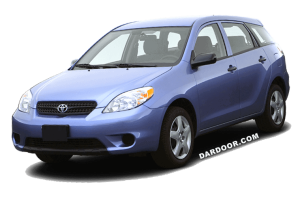
2004-2007 Toyota Corolla Matrix Repair Manual
$16.90 Add to cart