

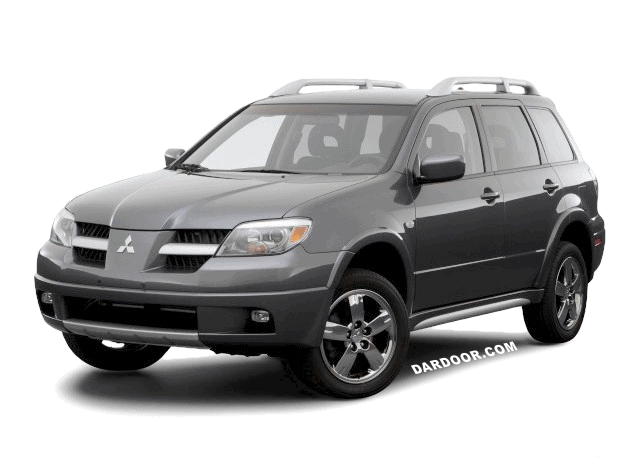
Download the OEM workshop repair manual with the wiring diagram for the 2003, 2004, 2005, and 2006 Mitsubishi Outlander (CU series).
2003-2006 Mitsubishi Outlander Repair Manual
$16.90
2003–2006 Mitsubishi Outlander OEM Workshop Repair Manual + Wiring Diagrams – PDF Download
🔧 Your Complete Factory Repair Resource – All in One PDF!
Download the OEM workshop service and repair manual for the 2003, 2004, 2005, and 2006 Mitsubishi Outlander (CU series). This PDF manual is the same one used by Mitsubishi dealership technicians—covering everything from general maintenance to complex diagnostics and repairs, including full wiring diagrams for electrical troubleshooting.
| File Format | |
| File Language | English |
| You’ll Get | 129.5 MB |
| Page Count | 2,973 |
| Wiring Diagram | Included |
| Delivery Method | Instant Download |
💡 Why This Manual?
Whether you’re performing routine maintenance or diving into a major engine overhaul, this OEM manual ensures you’re working with the exact procedures used by authorized Mitsubishi technicians. Ideal for DIYers, mechanics, and enthusiasts looking to keep their Outlander running strong.
📥 Instant Download – Easy-to-Use PDF Format
💻 View on Any Device – Print What You Need
🔧 Own a 2003–2006 Outlander? Get Dealer-Level Repair Info Today.
Download your official OEM workshop manual now and repair with confidence!
This manual includes the procedures for maintenance, disassembling, reassembling, inspection, and adjustment of components and diagnostics for the guidance of experienced mechanics. Please peruse and utilize this manual fully to ensure complete repair work to keep your vehicle in optimum condition. When replacement of parts during repair work is needed, be sure to use Mitsubishi genuine parts.
CONTENTS: 2003-2006 Mitsubishi Outlander Repair Manual
SAMPLE PAGES
CAUTION: Please note that this manual is made for the use of persons who have special techniques and certifications. If non-specialized or uncertified technicians perform repairs or services only using this manual or without proper equipment or tools, this may cause severe injury to you or other persons nearby and also cause damage to your vehicle. In order to prevent dangerous operations and damage to your vehicle, please be sure to follow the instructions thoroughly.
🛠️ Common Issues with the 2003-2006 Mitsubishi Outlander
🚗 Vehicle Overview
| 🔧 Feature | 📋 Details |
| 🚙 Body Style | 5-door compact crossover SUV |
| 👨👩👧👦 Seating | 5 passengers |
| ⚙️ Drive Options | FWD or AWD |
| 🏗️ Platform | Based on Mitsubishi Lancer |
| 🏭 Assembly | Japan |
⚙️ Engine & Performance
| 🔧 Component | 📋 Specification |
| 🛠️ Engine | 2.4L Inline-4 |
| 🚗 Horsepower | 140 hp (2003–2005) / 160 hp (2006) |
| 🔄 Torque | 162 lb-ft |
| ⚙️ Transmissions | 5-speed manual / 4-speed automatic |
| ⛽ Fuel Economy | 18 mpg city / 23–24 mpg highway |
🧰 Maintenance & Reliability
| 🔧 Task | ⏱️ Interval / Notes |
| 🛢️ Oil Change | Every 3,000–5,000 miles |
| ⛓️ Timing Belt | Replace around 60,000 miles |
| 🛑 Brake Pads/Rotors | Inspect and replace as needed |
| 🧪 O2 Sensors | Prone to failure, check if CEL is on |
| 💧 Valve Cover Gasket | May leak oil, common with age |
| ⚙️ Steering Ball Joints | Require replacement every few years |
✅ Pros & ❌ Cons
| ✅ Pros | ❌ Cons |
| Smooth and comfortable ride | Underpowered engine |
| Flexible cargo space | Basic interior materials |
| Available AWD | Cargo capacity lags behind some rivals |
| Affordable in used market | Limited tech and feature set |
🆚 Key Competitors
| 🚘 Model | 👍 Strengths |
| 🟢 Honda CR-V | Reliable, better engine options |
| 🟡 Toyota RAV4 | Strong resale value, well-rounded |
| 🔵 Subaru Forester | AWD standard, top safety scores |
Common Mechanical Issues
-
Engine Problems
- 2.4L 4G69 Engine:
- Timing Belt Failure: Critical to replace every 60,000–70,000 miles. Neglect can cause catastrophic engine damage.
- Oil Leaks: Valve cover gasket, oil pan, or camshaft seals often leak, leading to low oil levels.
- 2.0L 4G63 Engine (Pre-2004):
- Coolant Leaks: Faulty water pumps or radiator hoses.
- 2.4L 4G69 Engine:
-
Transmission
- Automatic Transmission (F4A4/F5A5):
- Rough shifting, slipping, or delayed engagement.
- Torque Converter Failure: Shuddering during acceleration.
- AWD Transfer Case:
- Grinding noises or failure to engage 4WD due to worn bearings or fluid starvation.
- Automatic Transmission (F4A4/F5A5):
-
Suspension & Steering
- Strut/Shock Absorber Failure: Clunking noises over bumps.
- Control Arm Bushings: Worn bushings cause handling instability or uneven tire wear.
- Power Steering Leaks: Hoses or rack-and-pinion seals degrade over time.
-
Brake System
- Premature Rotor Warping: Pulsation during braking.
- ABS Module Failures: Dashboard warnings or erratic braking behavior.
Common Electrical Issues
-
Alternator Failure:
- Causes battery drain or charging system warnings.
-
Power Window Regulators:
- Motors or cables fail, leaving windows stuck.
-
HVAC System:
- Blend Door Actuator Failure: Inconsistent heating/cooling or stuck vents.
- A/C Compressor Clutch: Wears out, disabling air conditioning.
-
Electrical Gremlins:
- Faulty wiring harnesses or corroded connectors trigger random issues (e.g., flickering lights, non-functional gauges).
Key Recalls
- Takata Airbag Inflators: NHTSA 16V-356 (driver’s airbag may rupture; affects 2003–2006 models).
- Fuel Pump Wiring: Some models recalled for fuel pump circuit issues causing stalling (check VIN via NHTSA).
Recommendations
-
Timing Belt Replacement:
- Replace the belt, tensioner, and water pump every 60k miles to avoid engine failure.
-
Transmission Maintenance:
- Flush ATF every 30k–40k miles and inspect for leaks.
-
Address Recalls:
- Confirm Takata airbag and fuel pump recalls are resolved.
-
Pre-Purchase Inspection:
- Check for oil/coolant leaks, transmission behavior, and suspension noise.
- Test AWD functionality (if equipped).
-
Budget for Repairs:
- Set aside 1,000–2,000 annually for potential repairs (e.g., alternator, suspension, timing belt).
Reliability Note
The 2005–2006 models saw minor improvements, but overall, the Outlander’s reliability is below average due to aging components and costly repairs. Strengths include affordability and AWD capability, but prioritize models with:
-
- Documented timing belt/water pump replacement.
- Minimal rust (check undercarriage and wheel wells).
- Full service history (transmission fluid changes are critical).
Avoid: High-mileage examples without maintenance records.
Best For: Budget buyers willing to tackle DIY repairs or those seeking a cheap AWD option.
Pro Tip: Use OEM parts for critical repairs (e.g., timing components) to ensure longevity.
Related products
-

2019-2022 Mitsubishi ASX Repair Manual
$24.90 Add to cart -
2008-2014 Mitsubishi Triton L200 Repair Manual
$19.90 Add to cart -
2017-2020 Mitsubishi i-MiEV Wiring Diagram
$16.90 Add to cart -
2008-2016 Mitsubishi Lancer Evolution X Repair Manual
$19.90 Add to cart -
2009-2012 Mitsubishi Galant Repair Manual
$24.90 Add to cart -
2004-2011 Mitsubishi Grandis Repair Manual
$16.90 Add to cart -
2007-2011 Mitsubishi Outlander Repair Manual
$16.90 Add to cart -

2018-2021 Mitsubishi Outlander Repair Manual
$24.90 Add to cart