

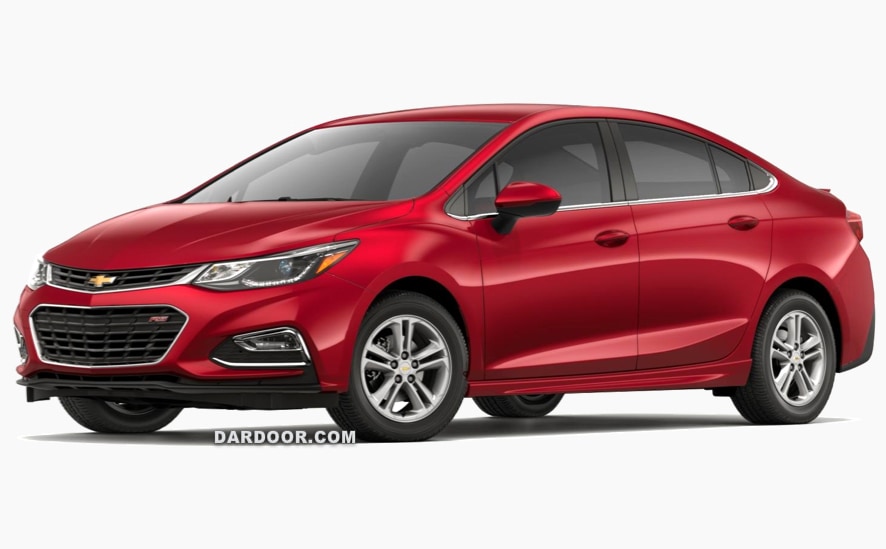
Download the 2010-2016 Chevrolet Cruze OEM repair manual with the wiring diagram today and empower yourself to handle any repair or maintenance task!
2010-2016 Chevrolet Cruze Repair Manual
$16.90
Get the most out of your 2010-2016 Chevrolet Cruze with this original OEM workshop manual. This comprehensive PDF includes all the necessary repair instructions and detailed wiring diagrams that professional technicians use to diagnose and fix your vehicle effectively.
| File Format | |
| File Language | Engish |
| You’ll Get | 66.5 MB |
| Wiring Diagram | Included |
| Delivery Method | Instant Download |
Whether you’re a seasoned mechanic or a DIY enthusiast, this manual is your go-to resource for maintaining and repairing your Cruze with confidence.
- Complete and Original OEM Workshop Document
- Covers All Aspects of Repair and Maintenance
- Includes Detailed Wiring Diagrams
- Professional-Grade Instructions for Accurate Repairs
- User-Friendly PDF Format
Download the 2010-2016 Chevrolet Cruze repair manual today and empower yourself to handle any repair or maintenance task!
This manual includes the procedures for maintenance, disassembling, reassembling, inspection, and adjustment of components and diagnostics for the guidance of experienced mechanics. Please use this manual to ensure complete repair work to keep your vehicle in optimum condition. When replacement parts during repair work are needed, be sure to use Chevrolet OEM genuine parts.
Table of Contents : 2010-2016 Chevrolet Cruze Repair Manual
GENERAL INFORMATION
-
- Dangers, Warnings, and Cautions
- General Information
- Vehicle Diagnostic Information
- Vibration Diagnosis and Correction
- Diagnostic Trouble Codes Index (DTC)
- Maintenance and Lubrication
ACCESSORIES & EQUIPMENT
-
- Cruise Control
- Fixed and Moveable Windows
- Horns
- Immobilizer
- Mirrors
- Object Detection
- Power Seats
- Programming and Setup
- Remote Functions
- Seat Heating and Cooling
- Secondary and Configurable Customer Controls
- Theft Deterrent
- Vehicle Access
- Wipers and Washers
- Wiring Systems and Power Management
- Air/Wind Noise
- Bolted Exterior Body Panels and Closures
- Bumpers and Fascias
- Collision Repair
- Exterior Trim
- Floor Coverings and Headlining
- Frame and Underbody
- Instrument Panel and Console Trim
- Interior Trim and Paneling
- Paint and Coatings
- Plastic Panel Information and Repair
- Seat Hardware, Trim, and Upholstery
- Squeaks and Rattles
- Sunroof
- Water leaks
- Lighting
- Cellular, Entertainment, and Navigation
- Data Communications
- Displays and Gauges
BRAKES
-
- Antilock Brake System
- Disc Brakes
- Drum Brakes
- Hydraulic Brakes
- Park Brake
DRIVELINE/AXLE
-
- Wheel Drive Shafts
ELECTRICAL
-
- Power Outlets
- Wiring Systems and Power Management
ENGINE
-
- Engine Cooling
- Engine Electrical
- Engine Exhaust
- Engine Mechanical – 1.4L LUV
- Engine Mechanical – 1.8L LUW and LWE
- Engine Mechanical – 2.0L VCDi LNP
ENGINE PERFORMANCE
-
- Engine Controls and Fuel – 1.4L LUV
- Engine Controls and Fuel – 1.8L LUW and LWE
- Firing Order & Cylinder Identification
HVAC
-
- Heating, Ventilation, and Air Conditioning
- HVAC – Automatic
- HVAC – Manual
RESTRAINTS
-
- Seat Belts
- Supplemental Inflatable Restraints
STEERING
-
- Power Steering
- Steering Wheel and Column
SUSPENSION
-
- Front Suspension
- Rear Suspension
- Suspension General Diagnosis
- Tire Pressure Monitoring
- Tires and Wheels
- Wheel Alignment
TRANSMISSION
-
- Automatic Transmission – 6T30/6T40 (1 of 2)
- Automatic Transmission – 6T30/6T40 (2 of 2)
- Clutch
- Manual Transmission – M32
- Shift Lock Control
WIRING DIAGRAMS
-
- System Wiring Diagrams
Sample Pages
A Few Pages Will Help You Make The Right Decision.
CAUTION: This manual is intended for use by individuals with specialized training and proper certification. Attempting repairs or maintenance using only this manual—without the necessary skills, tools, or equipment—may result in serious injury to yourself or others and may also cause significant damage to the vehicle. To ensure safety and prevent vehicle damage, always follow the instructions carefully and use appropriate tools and procedures.
🚗 2010–2016 Chevrolet Cruze: Full Guide to Issues, Maintenance, Recalls & More
⚙️ Common Mechanical Issues
| 🛠️ Problem | ⚡️ Details |
|---|---|
| Coolant Leaks | Thermostat housing and water outlet prone to cracking |
| Timing Chain Wear | 1.4L turbo engines suffer premature timing chain stretch |
| Clutch Problems (Manual) | Premature clutch wear and failure in earlier models |
| Turbo Failure | 1.4L engines may develop turbo oil seal issues |
| Valve Cover/PCV Issues | Frequent PCV valve failures lead to high idle and rough running |
Common Mechanical Issues Reported By Owners
-
Engine Problems
-
- 1.4L Turbocharged Engine (2011–2016):
- Coolant Leaks: Faulty thermostat housing, water pump, or plastic coolant reservoir cracks, leading to overheating or engine fires (recall issued).
- Turbocharger Failure: Oil starvation or wastegate issues cause loss of power, excessive smoke, or rattling noises.
- PCV Valve Failure: Clogged valves lead to excessive oil consumption or blown piston rings.
- 1.8L Naturally Aspirated Engine (2010–2015):
- Head Gasket Failure: Overheating due to coolant leaks or poor gasket design.
- Timing Chain Stretch: Rattling noises at startup; chain guides wear prematurely.
- 1.4L Turbocharged Engine (2011–2016):
-
Transmission Issues
-
- 6-Speed Automatic (6T40):
- Shuddering/Slipping: Torque converter clutch failure or worn solenoids.
- Shift Linkage Problems: Recalled in 2011–2012 models for faulty brackets causing unintended shifting.
- Manual Transmission: Clutch master/slave cylinder leaks or premature clutch wear.
- 6-Speed Automatic (6T40):
-
Cooling System
-
- Thermostat Housing Cracks: Plastic housing degrades, causing coolant leaks (common in all engines).
- Radiator Fan Failure: Overheating due to electrical faults or fan motor burnout.
-
Suspension & Brakes
-
- Front Control Arm Bushings: Cracked bushings cause clunking over bumps.
- Premature Brake Wear: Rotors warp easily; brake lines prone to rust in snowy regions.
-
Oil Leaks
-
- Valve Cover Gasket: Leaks oil onto the exhaust manifold, creating burning smells.
- Oil Pan Gasket: Seals degrade, leading to drips and low oil levels.
⚡ Electrical Issues
| 💡 Problem | 📋 Details |
|---|---|
| Radio and Infotainment Bugs | Display freezing and unresponsive touch screens |
| Check Engine Light (CEL) | Frequent for EVAP system or PCV-related issues |
| Door Lock Actuator Failure | Front doors stop locking/unlocking electronically |
| Battery Drain | Caused by OnStar and retained accessory power systems |
Common Electrical Issues Reported By Owners
- Infotainment System: MyLink screen freezes, Bluetooth disconnections, or unresponsive controls.
- Battery Drain: Faulty body control modules (BCM) or aftermarket accessories cause parasitic draw.
- Power Window Regulators: Motors fail, leaving windows stuck.
- Faulty Sensors:
- Mass Airflow (MAF) Sensor: Triggers check engine lights (P0171/P0101 codes).
- Oxygen Sensors: Failures lead to poor fuel economy or emissions issues.
- Ignition Switch Problems: Intermittent power loss or stalling (recall for 2011–2012 models).
🚀 Performance Overview
| 🔥 Metric | 1.4L Turbo | 1.8L NA | 2.0L Diesel |
|---|---|---|---|
| Horsepower | 138 hp | 138 hp | 151 hp |
| Torque | 148 lb-ft | 125 lb-ft | 264 lb-ft |
| Fuel Economy | 26/38 mpg | 25/36 mpg | 27/46 mpg |
| 0-60 mph | 8.4 sec | 9.0 sec | 8.6 sec |
🏆 Main Competitors
✅ Pros and ❌ Cons
| ✅ Pros | ❌ Cons |
|---|---|
| Good fuel efficiency | Reliability concerns on 1.4L turbo |
| Comfortable ride and quiet cabin | Expensive repairs on emission components |
| Diesel variant offers strong torque | Interior plastics feel cheap |
| Available safety features for class | Resale value lower than Japanese rivals |
🛣 Maintenance Schedule
| 🔧 Service | ⏰ Interval | 📋 Notes |
|---|---|---|
| Oil Change | 5,000–7,500 miles | Synthetic oil required for turbo engines |
| Spark Plugs | 60,000 miles | Use OEM iridium plugs |
| Coolant Flush | 5 years / 150,000 miles | Dex-Cool recommended |
| Transmission Fluid | 45,000–60,000 miles | Severe service interval |
| Brake Fluid | Every 3 years | DOT 3 or DOT 4 |
| PCV Valve/Valve Cover | Every 60,000 miles | Failure prone—replace proactively |
🚨 Recalls
| 📣 Recall | 🔥 Issue | 🔧 Remedy |
|---|---|---|
| Engine Shield Fire Risk | Oil leaks onto engine shield | Remove or modify shield |
| Brake Assist Fault | Vacuum pump failure | Pump replacement or vacuum line update |
| Airbag Inflator | Takata recall for side-impact airbags | Replace airbag module |
| Ignition Switch Issue | Key can be removed while engine is on | Replace ignition cylinder |
Key Recalls
- Coolant Leak/Fire Risk (2011–2013 models): NHTSA 14V-394. Faulty coolant reservoir caps led to engine fires.
- Takata Airbags (2010–2013 models): NHTSA 16V-356. Inflators may rupture.
- Shift Linkage (2011–2012 models): NHTSA 12V-563. Improperly installed brackets caused unintended gear shifts.
- Ignition Switch (2011–2012 models): NHTSA 14V-047. Switches could shut off while driving.
🛠️ Key TSBs
| 📁 TSB No. | 🔍 Issue | 🛠️ Fix |
|---|---|---|
| PI1007 | Rough idle, PCV valve failure | Replace valve cover and check intake pressure |
| PI1083 | Coolant leak at water outlet | Replace thermostat and outlet housing |
| 16-NA-109 | Turbo underboost condition | Inspect and replace turbo bypass valve |
| 13-06-01-003E | Timing chain noise | Replace chain and tensioners |
Recommendations
- Coolant System Maintenance:
- Replace plastic coolant parts with aluminum upgrades (thermostat housing, reservoir).
- Use Dex-Cool coolant and inspect for leaks regularly.
- Turbocharger Care (1.4L Models):
- Change oil every 3k–5k miles with full synthetic.
- Let the engine idle briefly before shutdown to cool the turbo.
- Transmission Service:
- Flush automatic transmission fluid every 60k miles.
- Address shuddering early to avoid torque converter failure.
- Pre-Purchase Inspection:
- Check for coolant leaks, oil consumption, and transmission behavior.
- Scan for codes (e.g., P0597 thermostat circuit, P1101 MAF sensor).
- Recall Compliance:
- Verify unresolved recalls via NHTSA VIN lookup ↗ .
Reliability Note
The 2013–2016 models saw minor improvements, but the Cruze remains prone to coolant leaks and electrical gremlins. The 1.4L turbo offers better fuel economy but demands meticulous maintenance. Avoid neglected examples or those with unrepaired recalls.
Pro Tips:
- Opt for the 2.0L diesel (2014–2016) for better longevity, but watch for emissions system issues.
- Budget $1,000 – $2,500 annually for repairs on high-mileage models.
- Prioritize cars with service records showing coolant system and transmission upkeep.
By addressing critical issues early and adhering to maintenance schedules, the Cruze can be a cost-effective choice, but proceed with caution and thorough inspection.
📚 References
- NHTSA – www.nhtsa.gov ↗
- GM TSB Database
- Dardoor Automotive Manuals ↗
Related products
-
2007-2010 Chevrolet Aveo Repair Manual
$19.90 Add to cart -

2012-2015 Chevrolet Sonic Repair Manual
$16.90 Add to cart -
2014-2019 Chevrolet Tahoe Repair Manual
$24.90 Add to cart -
2006-2008 Chevrolet HHR Repair Manual
$19.90 Add to cart -

2011-2016 Chevrolet Captiva Repair Manual
$16.90 Add to cart -
2013-2016 GMC Acadia Repair Manual
$24.90 Add to cart -

2012-2017 Holden Colorado Repair Manual
$16.90 Add to cart -

2014-2016 Buick Encore Repair Manual
$19.90 Add to cart