

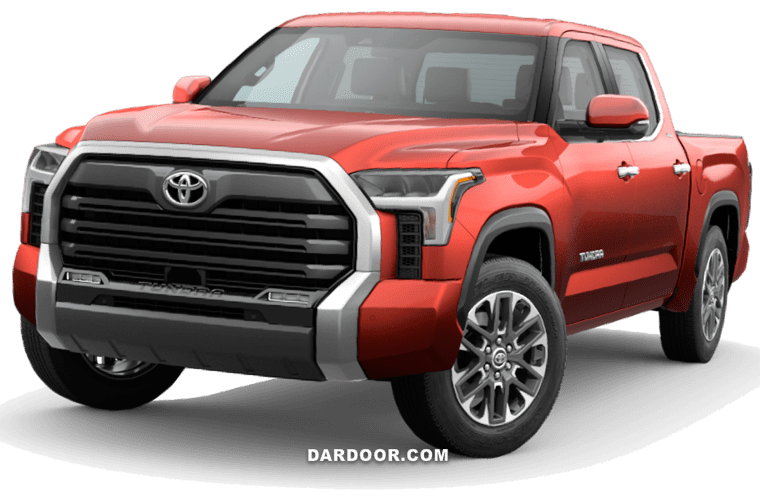
This is the original OEM workshop manual for the 2022-Present Toyota Tundra Wiring Diagram, Third Generation (XK70), Gasoline and Hybrid, all styles, Reference Manual (EM40P0U), in PDF.
2022-Present Toyota Tundra Wiring Diagram
$36.00
This is the original OEM workshop manual for the 2022-Present Toyota Tundra Wiring Diagram, Third Generation (XK70), Gasoline and Hybrid, all styles, Reference Manual (EM40P0U), in PDF.
Engines Covered: –
- V35A-FTS, GASOLINE
- V35A-FTS HEV, HYBRID
| File Format | |
| File Language | English |
| You’ll Get | 24.7 MB |
| Pages Count | 1,319 |
| Delivery Method | Instant Download |
| Searchable & Printable | YES |
Table of Contents : 2022+ Toyota Tundra Wiring Diagram
Sample Pages
CAUTION: This OEM service and workshop repair manual provides detailed procedures for maintenance, disassembly, reassembly, inspection, adjustment, and diagnostics. It is intended as a comprehensive guide for experienced mechanics. To ensure thorough and accurate repairs that maintain your vehicle’s optimal performance, please read and follow this manual carefully. When replacing parts during any repair work, always use genuine Toyota parts to ensure quality, safety, and reliability.
2022-Present Toyota Tundra: Comprehensive Guide
The 2022-present Toyota Tundra represents the fourth generation of Toyota’s full-size pickup truck, featuring a complete redesign after the third generation ran from 2007-2021. This generation marks a significant departure with new powertrains, modern technology, and updated styling.
Key Highlights
- Launch: Debuted for 2022 model year
- Platform: TNGA-F (Toyota New Global Architecture – Frame)
- Body Style: Crew cab configurations (CrewMax and Double Cab)
- Manufacturing: San Antonio, Texas
Technical Specifications – Engine
3.5L Twin-Turbo V6 (Standard)
- Displacement: 3,445 cc
- Configuration: Twin-turbocharged V6
- Horsepower: 389 hp @ 5,200 rpm
- Torque: 479 lb-ft @ 2,400-3,600 rpm
- Transmission: 10-speed automatic
3.5L Twin-Turbo V6 Hybrid (i-FORCE MAX)
- Displacement: 3,445 cc
- Configuration: Twin-turbocharged V6 + electric motor
- Combined Horsepower: 437 hp
- Combined Torque: 583 lb-ft
- Transmission: 10-speed automatic with integrated electric motor
- Battery: 1.87 kWh nickel-metal hydride
Performance Specs
| Specification | Standard V6 | Hybrid V6 |
| 0-60 mph | ~6.5 seconds | ~6.0 seconds |
| Max Towing Capacity | 12,000 lbs | 12,000 lbs |
| Max Payload | ~1,940 lbs | ~1,685 lbs |
| Fuel Economy (2WD) | 18/24/20 mpg | 20/24/22 mpg |
| Fuel Economy (4WD) | 17/22/19 mpg | 19/22/20 mpg |
Dimensions
- Wheelbase: 145.7″ (Double Cab), 157.7″ (CrewMax)
- Length: 233.6″ (Double Cab), 245.6″ (CrewMax)
- Width: 80.2″
- Height: 77.0-78.0″ (depending on configuration)
- Bed Lengths: 6.5′ or 8.1′ (Double Cab), 5.5′ or 6.5′ (CrewMax)
Drivetrain
- 2WD: Rear-wheel drive
- 4WD: Part-time or full-time (depending on trim)
- Transfer Case: Electronic shift-on-the-fly
- Rear Axle: Electronic locking differential (available)
Suspension
- Front: Independent double-wishbone with coil springs
- Rear: Solid axle with leaf springs (SR, SR5, Limited) or coil springs (Platinum, 1794, TRD Pro, Capstone)
- Adaptive Suspension: Available on higher trims
Brakes
- Front: 13.9″ ventilated discs
- Rear: 13.6″ ventilated discs
- ABS: 4-wheel with Electronic Brake-force Distribution
Fuel Capacity
- Standard: 23.0-26.4 gallons (depending on configuration)
- Long-range: 38.0 gallons (available)
Top 10 Mechanical and Electrical Issues
1. Turbocharger Wastegate Rattle/Failure
Symptoms:
- Rattling noise from engine bay at idle or low RPM
- Loss of power during acceleration
- Check engine light (P0234 – Turbocharger overboost)
- Excessive smoke from exhaust
Root Cause: Defective wastegate actuator or wastegate valve sticking in the turbocharger assembly. Early production turbos had quality control issues with wastegate components.
Fix: Turbocharger replacement or wastegate actuator replacement
Cost: $1,500-$3,500 (often covered under warranty)
2. Hybrid Battery Cooling System Failure
Symptoms:
- Warning lights on dashboard
- Reduced hybrid system performance
- Battery overheat warnings
- Reduced fuel economy
Root Cause: Blocked cooling vents or failed cooling fan for the hybrid battery pack. Dust and debris accumulation restricts airflow.
Fix: Clean cooling system vents, replace cooling fan if failed
Cost: $200-$800 (cleaning to fan replacement)
3. Transmission Shudder/Harsh Shifting
Symptoms:
- Shuddering during acceleration (especially 3rd-4th gear)
- Harsh downshifts when slowing
- Delayed engagement when shifting to Drive
- Slipping sensation during gear changes
Root Cause: Adaptive learning issues with 10-speed transmission software or torque converter lockup clutch judder. Some cases involve transmission fluid contamination.
Fix: Software update/reflash, transmission fluid flush, torque converter replacement (severe cases)
Cost: $0-$150 (software update) to $2,000-$4,000 (torque converter)
4. Infotainment System Freezing/Black Screen
Symptoms:
- Touchscreen becomes unresponsive
- Complete black screen on startup
- Audio system cuts out randomly
- Backup camera not displaying
- Android Auto/Apple CarPlay disconnecting
Root Cause: Software bugs in the Toyota Audio Multimedia system, corrupt system files, or failing head unit hardware.
Fix: Software update, system reset, head unit replacement (if hardware failure)
Cost: $0-$200 (updates/reset) to $1,500-$2,500 (head unit replacement)
5. Fuel Pump Failure
Symptoms:
- Engine stalling or no-start condition
- Rough idle and hesitation
- Loss of power under load
- Check engine light (P0087 – Fuel rail pressure too low)
- Difficulty starting when hot
Root Cause: Defective low-pressure fuel pump in the fuel tank. Some early production pumps had manufacturing defects causing premature failure.
Fix: Fuel pump replacement
Cost: $800-$1,500 (parts and labor)
6. Rear Coil Spring Sagging (Platinum/1794/TRD Pro/Capstone)
Symptoms:
- Rear end appears lower than normal
- Uneven ride height side-to-side
- Reduced towing/payload capacity feel
- Bottoming out over bumps with moderate loads
Root Cause: Inadequate spring rate on trucks equipped with rear coil spring suspension under heavy loads or towing. Design specification issue.
Fix: Aftermarket heavy-duty springs or Toyota replacement springs
Cost: $600-$1,200
7. Front Driveshaft U-Joint Failure
Symptoms:
- Clunking noise from front drivetrain (4WD models)
- Vibration during acceleration in 4WD
- Squeaking when turning in 4WD mode
- Grinding sensation from front differential area
Root Cause: Inadequate lubrication or premature wear of universal joints on the front driveshaft, particularly in trucks used frequently in 4WD mode.
Fix: Front driveshaft replacement or U-joint replacement
Cost: $400-$900
8. Backup Camera Distortion/Condensation
Symptoms:
- Blurry or distorted backup camera image
- Condensation or water droplets inside camera lens
- Camera image freezing
- Guidelines misaligned or not appearing
Root Cause: Seal failure on backup camera assembly allowing moisture intrusion, or defective camera sensor.
Fix: Backup camera replacement
Cost: $300-$600
9. Adaptive Cruise Control False Warnings
Symptoms:
- Random pre-collision warnings with no obstacles
- Adaptive cruise control disengaging unexpectedly
- Lane departure warnings activating incorrectly
- “Clean radar sensor” message appearing frequently
Root Cause: Radar sensor misalignment, contamination on sensor, or software calibration issues with Toyota Safety Sense 2.5 system.
Fix: Radar sensor cleaning and recalibration, software update, or sensor replacement
Cost: $0-$200 (cleaning/calibration) to $800-$1,500 (sensor replacement)
10. Panoramic Moonroof Leaks/Wind Noise
Symptoms:
- Water dripping from headliner near moonroof
- Wet carpet or headliner staining
- Excessive wind noise at highway speeds
- Whistling sound from roof area
Root Cause: Clogged sunroof drain tubes, improperly adjusted glass panel, or defective weather stripping.
Fix: Drain tube cleaning, weather strip replacement, moonroof adjustment/realignment
Cost: $150-$800 (depending on severity)
Top 5 Competitors
1.Ford F-150
Strengths:
- Multiple engine options including hybrid and EV (Lightning)
- Best-in-class payload and towing in certain configurations
- Advanced technology features (BlueCruise hands-free driving)
- Aluminum body for weight savings
Weaknesses:
- More expensive at comparable trim levels
- Complex powertrains may have reliability concerns
- Higher depreciation than Tundra
Starting Price: ~$38,000
2. Chevrolet Silverado 1500
Strengths:
- Diverse engine lineup (turbocharged 4-cylinder to V8)
- Excellent cabin space and storage
- Strong towing capacity (up to 13,300 lbs)
- Competitive pricing
Weaknesses:
- Interior quality inconsistent across trim levels
- Lower fuel economy than Tundra hybrid
- Less refined ride quality
Starting Price: ~$37,000
3.Ram 1500
Strengths:
- Class-leading interior luxury and comfort
- Smooth ride quality with available air suspension
- Excellent fuel economy with diesel option
- High-tech features and user-friendly infotainment
Weaknesses:
- Reliability concerns compared to Tundra
- Higher ownership costs
- Resale value not as strong as Toyota
Starting Price: ~$40,000
4. GMC Sierra 1500
Strengths:
- Upscale interior appointments
- MultiPro tailgate versatility
- Capable off-road trims (AT4)
- Premium materials and quietness
Weaknesses:
- Higher price point than competitors
- Similar reliability concerns as Silverado counterpart
- Fuel economy lags behind Tundra hybrid
Starting Price: ~$40,000
5. Nissan Titan
Strengths:
- Lower price point
- Standard V8 engine
- Good warranty coverage
- Straightforward, proven drivetrain
Weaknesses:
- Outdated technology and interior design
- Lower towing capacity than competitors
- Weakest resale value in segment
- Smallest dealer network for service
Starting Price: ~$43,000
Top 10 Recalls, Advisories & TSB Highlights
Recalls
1. Recall 22TA22 (November 2022) – Turbocharger Engines Stalling
-
- Issue: Engine stall due to debris in fuel pump
- Affected Units: ~31,000 trucks (2022 models)
- Fix: Fuel pump replacement
2. Recall 23TA29 (May 2023) – Towing Hitch Receiver
-
- Issue: Tow hitch may separate from frame
- Affected Units: ~30,000 trucks (2022-2023)
- Fix: Hitch receiver inspection and replacement
3. Recall 23TA47 (July 2023) – Improperly Manufactured Tow Hooks
-
- Issue: Front tow hooks may fracture under load
- Affected Units: ~4,000 trucks (2022-2023)
- Fix: Tow hook replacement
4. Recall 24TA13 (January 2024) – Seat Belt Webbing
-
- Issue: Rear seat belt webbing may contact sharp edges
- Affected Units: ~28,000 trucks (2022-2023)
- Fix: Inspection and protective material installation
Technical Service Bulletins (TSBs)
5. TSB T-SB-0076-23 – Transmission Shift Quality
-
- Issue: Harsh shifts or shudder during acceleration
- Solution: Transmission software update
- Models: 2022-2023 Tundra
6. TSB T-SB-0095-23 – Audio Multimedia System Issues
-
- Issue: Black screen, freezing, or no audio
- Solution: Software update and system reset procedure
- Models: 2022-2024 Tundra
7. TSB T-SB-0112-22 – Turbocharger Noise
-
- Issue: Rattling or buzzing noise from engine at idle
- Solution: Turbocharger inspection and possible replacement
- Models: 2022 Tundra
8. TSB T-SB-0048-24 – Wind Noise from Doors
-
- Issue: Excessive wind noise at highway speeds
- Solution: Door seal adjustment and replacement
- Models: 2022-2024 Tundra
9. TSB T-SB-0033-23 – Backup Camera Image Quality
-
- Issue: Blurry or distorted backup camera image
- Solution: Camera recalibration or replacement
- Models: 2022-2023 Tundra
10. TSB T-SB-0124-23 – Rear Suspension Noise
-
- Issue: Creaking or popping from rear suspension
- Solution: Leaf spring bushing lubrication or replacement
- Models: 2022-2024 Tundra (leaf spring models)
Maintenance Schedule
Every 5,000 Miles or 6 Months
- Engine oil and filter change (0W-20 synthetic oil)
- Tire rotation
- Multi-point inspection
Every 10,000 Miles or 12 Months
- Cabin air filter inspection (replace if needed)
- All fluids level check
Every 15,000 Miles or 18 Months
- Engine air filter inspection
Every 30,000 Miles
- Engine air filter replacement
- Cabin air filter replacement (if not done earlier)
- Brake fluid inspection
Every 40,000 Miles
- Spark plugs inspection (replace if needed)
Every 60,000 Miles
- Transmission fluid inspection
- Front and rear differential fluid inspection
- Transfer case fluid inspection (4WD models)
- Drive belt inspection
- Cooling system inspection
Every 100,000 Miles
- Transmission fluid replacement
- Differential fluid replacement (front and rear on 4WD)
- Transfer case fluid replacement (4WD)
- Spark plug replacement
- Engine coolant replacement
- Drive belt replacement (if not done earlier)
Special Conditions (Severe Duty)
More frequent service required if:
- Towing a trailer regularly
- Extensive idling or stop-and-go driving
- Driving in dusty conditions
- Off-road driving
- Driving in extreme temperatures
Severe duty adjustments:
- Oil changes every 5,000 miles
- Tire rotation every 5,000 miles
- Differential and transfer case fluid every 30,000 miles
- Transmission fluid every 60,000 miles
10 FAQs for Buyers
1. Should I get the hybrid or standard V6?
The i-FORCE MAX hybrid is worth the extra $3,500-$4,000 for most buyers. You get:
- 48 more horsepower (437 vs 389 hp)
- 104 more lb-ft of torque (583 vs 479 lb-ft)
- Better fuel economy (2-3 mpg improvement)
- Smoother power delivery
- Better resale value
The standard V6 makes sense if you’re budget-conscious and don’t need maximum towing power, or if you rarely tow heavy loads.
2. What’s the real-world fuel economy?
Standard V6:
- City: 15-17 mpg
- Highway: 21-23 mpg
- Combined: 17-19 mpg
Hybrid V6:
- City: 18-20 mpg
- Highway: 22-24 mpg
- Combined: 19-21 mpg
Heavy towing drops economy to 10-14 mpg depending on load. The hybrid’s advantage is most noticeable in city driving and moderate towing.
3. Which trim level offers the best value?
SR5 offers the sweet spot for most buyers:
- Reasonable starting price (~$48,000)
- 8-way power driver seat
- Larger touchscreen
- All essential features
- Available packages for leather and tech upgrades
Limited is worth considering for those wanting more comfort without jumping to luxury pricing. The Platinum/1794trims offer luxury but at a significant premium that may not be recouped at resale.
4. How reliable is the new twin-turbo engine?
It’s still early to determine long-term reliability (only 2-3 years of data), but initial signs are mixed:
Positive indicators:
- Based on proven V6 architecture
- Most owners report no issues
- Toyota’s reputation for durability
Concerns:
- Turbocharger issues in early production
- More complexity than previous V8
- Limited long-term data
Recommendation: Ensure you have warranty coverage, especially for used purchases.
5. Is the Tundra good for towing?
Yes, the Tundra is an excellent towing vehicle:
- Max towing: 12,000 lbs (both engines)
- Integrated trailer brake controller
- Tow/Haul mode
- Available adaptive suspension
- Good rearview camera with trailer guidelines
The hybrid’s extra torque makes towing smoother and easier, especially from stops and on hills. However, fuel economy while towing is average for the class (10-14 mpg).
6. What about off-road capability?
The TRD Pro is the most capable off-road:
- Fox suspension with remote reservoirs
- 33″ tires
- Front skid plates
- Locking rear differential
- Multi-terrain select
TRD Off-Road offers excellent capability at a lower price. Even SR5 4WD models are surprisingly capable for moderate off-roading with available locking differential.
7. How does it compare to the old V8 Tundra?
Advantages of new Tundra:
- More power (389-437 hp vs 381 hp)
- Better fuel economy (3-5 mpg improvement)
- Modern technology and safety features
- More refined ride and handling
- Better interior quality
What you lose:
- V8 sound and character
- Proven long-term reliability (V8 had 14+ years)
- Simplicity (fewer turbos and electronics)
8. Should I buy new or wait for used?
Buy new if:
- You want latest technology and warranty coverage
- You plan to keep it long-term (10+ years)
- You need specific configuration options
- Interest rates are favorable
Wait for used if:
- You’re budget-conscious (depreciation is steep year 1-2)
- You want to avoid early production issues
- You don’t need the latest features
- Used inventory has improved (it’s still limited)
9. What are the must-have options?
Essential:
- Tow package (if you ever tow)
- Technology package (360-degree camera, upgraded display)
- Bed liner (protects resale value)
Highly recommended:
- Locking rear differential (capability and resale)
- Running boards (ease of access)
- Adaptive suspension (if available on your trim)
Skip:
- Moonroof (adds weight, potential leak issues)
- Second-row reclining seats (limited usefulness)
10. What’s the expected reliability and maintenance cost?
Reliability Rating: Still developing, but early signs point to above average for the segment.
Estimated Annual Maintenance:
- Years 1-3: $500-$800 (routine maintenance)
- Years 4-6: $1,000-$1,500 (includes brake service)
- Years 7-10: $1,500-$2,500 (additional component replacements)
Warranty Coverage:
- Basic: 3 years/36,000 miles
- Powertrain: 5 years/60,000 miles
- Hybrid components: 8 years/100,000 miles (hybrid models)
- Rust perforation: 5 years/unlimited miles
Final Buyer Recommendations
Highly Recommended For:
✅ Buyers wanting a modern, capable truck with Toyota reliability
-
- The new Tundra addresses most weaknesses of the previous generation while maintaining Toyota’s reputation for durability.
✅ Those who tow regularly (especially hybrid)
-
- The i-FORCE MAX’s 583 lb-ft of torque makes towing significantly easier and more confident.
✅ Long-term owners
-
- Toyota’s track record and comprehensive warranty make this a smart choice if you plan to keep the truck 10+ years.
✅ Tech-savvy buyers
-
- Modern infotainment, safety features, and driver aids are class-competitive and well-executed.
✅ Those prioritizing fuel economy in a full-size truck
-
- The hybrid delivers best-in-class fuel economy without sacrificing capability.
Consider Alternatives If:
⚠️ You need maximum towing capacity (13,000+ lbs)
-
- Ford F-150 and RAM 1500 offer higher towing ratings in certain configurations.
⚠️ You’re on a tight budget
-
- Starting prices are higher than some competitors, and Toyota dealers rarely discount heavily.
⚠️ You prefer proven long-term reliability data
-
- The new powertrain is only 2-3 years old; consider waiting another year or two for more reliability data, or look at used 2007-2021 V8 models.
⚠️ You want maximum interior luxury
-
- RAM 1500 offers superior interior refinement and comfort at comparable price points.
⚠️ You need a regular cab or 8-foot bed with crew cab
-
- These configurations aren’t currently available in the new Tundra.
Best Configuration Recommendations
Budget-Conscious: Tundra SR5 Double Cab 4×4 with standard V6
- Price: ~$48,000-$52,000
- Why: Best value with essential features, good capability, acceptable fuel economy
Best Overall Value: Tundra SR5 CrewMax 4×4 Hybrid with Technology Package
- Price: ~$55,000-$58,000
- Why: Optimal blend of capability, efficiency, features, and long-term value
Maximum Capability: Tundra TRD Pro CrewMax 4×4 Hybrid
- Price: ~$75,000-$78,000
- Why: Ultimate off-road capability, best resale value, maximum torque for towing
Luxury Choice: Tundra 1794 Edition CrewMax 4×4 Hybrid
- Price: ~$68,000-$72,000
- Why: Excellent interior, unique styling, strong resale, not as ostentatious as Capstone
Key Buying Tips
- Negotiate carefully – Toyota dealers have limited incentives, but you can still negotiate on dealer-installed accessories and financing.
- Inspect for early production issues – For 2022-early 2023 models, check service history for turbocharger, transmission, or fuel pump issues.
- Consider extended warranty – Given the new powertrain technology, an extended warranty (Toyota or reputable third-party) provides peace of mind.
- Test drive both engines – Experience the difference in power delivery between standard and hybrid before deciding.
- Check for open recalls – Use NHTSA’s VIN lookup to ensure all recalls have been completed.
- Budget for accessories – Bed liners, tonneau covers, and running boards are essential and add $1,500-$3,000 to total cost.
- Research dealer reputation – Toyota service quality varies significantly by dealer; choose one with excellent service department reviews.
- Avoid first model year if buying used – 2022 models had more teething issues; 2023+ are generally more refined.
Bottom Line
The 2022-present Toyota Tundra represents a significant improvement over its predecessor and is a strong competitorin the full-size truck segment. The twin-turbo V6 and hybrid powertrains offer excellent performance and efficiency, while modern technology brings the Tundra into the current era.
Overall Rating: 8.5/10
Pros & Cons
Pros:
- Outstanding hybrid powertrain
- Modern technology and safety features
- Strong towing and payload capacity
- Toyota reliability reputation
- Excellent resale value
Cons:
- Higher starting price than some competitors
- Limited long-term reliability data on new engines
- Some early production quality issues
- Interior not as luxurious as RAM 1500
- No regular cab or long bed crew cab options
Verdict
If you value Toyota’s reliability reputation, want excellent fuel economy for a full-size truck, and need strong towing capability, the Tundra hybrid is one of the best choices in the segment. However, if you’re looking for maximum towing, interior luxury, or a proven track record, consider test-driving competitors before making your final decision.
| Brands | |
|---|---|
| File Format | |
| File Language | English |
| You'll Get | 24.7 MB |
| Page Count | 1,319 |
| Instant Download | YES |
Related products
-
2008-2015 Toyota Tundra Repair Manual
$36.00 Add to cart -
2004-2007 Toyota Corolla Matrix Repair Manual
$16.90 Add to cart -
2005-2012 Toyota Avalon Repair Manual
$19.90 Add to cart -
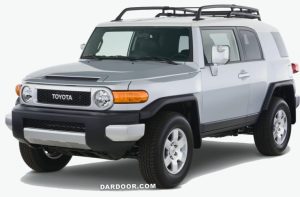
2007-2009 Toyota FJ Cruiser Repair Manual
$16.90 Add to cart -
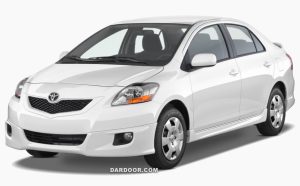
2007 Toyota Yaris Repair Manual
$16.90 Add to cart -
Sale!
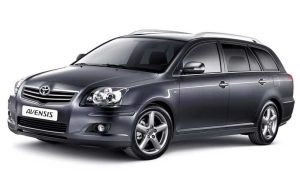
Free Download 2002-2007 Toyota Avensis Wiring Diagram
Original price was: $19.90.$0.00Current price is: $0.00. Add to cart -
Sale!
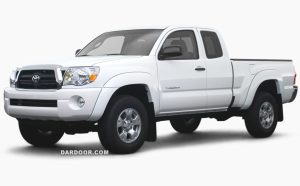
Free Download: Toyota Tacoma Wiring Diagram (2005-2006)
Original price was: $16.90.$0.00Current price is: $0.00. Add to cart -
Sale!
Free 2006 Toyota 4Runner Wiring Diagram
Original price was: $16.90.$0.00Current price is: $0.00. Add to cart