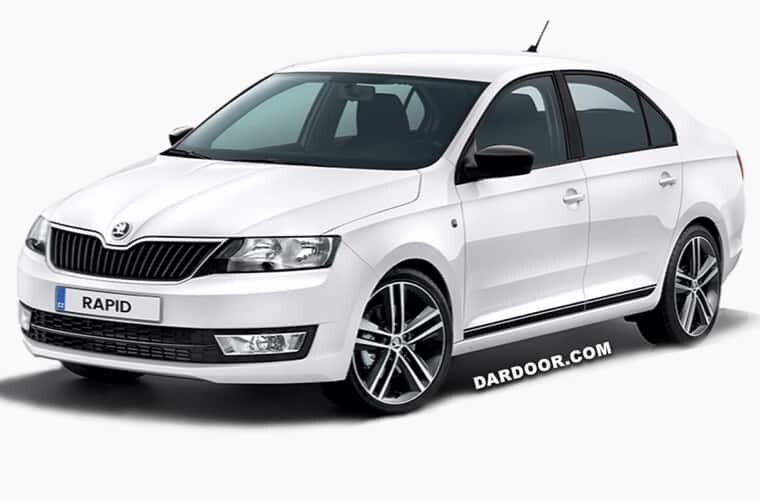
2012-2020 Skoda Rapid Repair Manual

$16.90

Get the original OEM workshop service and repair manual for the 2012–2020 Škoda Rapid, complete with electrical wiring diagrams in a simple, easy-to-use PDF format.

2012–2020 Škoda Rapid — OEM Workshop Service & Repair Manual (PDF)

Get the original OEM workshop service and repair manual for the 2012–2020 Škoda Rapid, complete with electrical wiring diagrams in a simple, easy-to-use PDF format. It is the same factory manual used by official Škoda dealer technicians, giving you detailed, manufacturer-approved procedures for accurate maintenance and repair.

File Format PDF
File Language English
You’ll Get 113.8 MB
Page Count 5,607
Wiring Diagrams Included
Delivery method Instant Download
Work to factory standards—reduce guesswork and get repairs right the first time with genuine Škoda documentation.

Engines Covered

  • 1.2L TSI
  • 1.4L TSI
  • 1.5L TDI CR & 1.6L TDI CR
  • 1.6L MPI

Key Features

Complete OEM Coverage

Factory procedures for service, repair, and maintenance across all major vehicle systems.

Wiring Diagrams Included

Clear electrical schematics, connector views, ground locations, and power distribution layouts.

Dealer-Authorized Procedures

The same step-by-step instructions Škoda service centers rely on for accurate diagnostics and repairs.

User-Friendly PDF

Searchable, bookmark-enabled, and printable—ideal for both workshop and home use.

What’s Inside

  • Engine repair & overhaul procedures (TSI, TDI CR, and MPI engines)
  • Transmission & drivetrain service and adjustment
  • Brakes, ABS, suspension & steering systems
  • Complete electrical system wiring diagrams & connector pinouts
  • Body, interior, HVAC & comfort systems
  • Service intervals, fluid specifications & torque values
  • Diagnostic Trouble Codes (DTCs) and step-by-step troubleshooting guides

Download & Compatibility

Delivery: Instant digital PDF download
Compatibility: Windows • macOS • iOS • Android

This manual provides detailed instructions for maintenance, disassembly, reassembly, component inspection, adjustment, and diagnostics—intended for use by experienced mechanics. Proper application of this guide will help ensure thorough repairs and maintain your vehicle in peak condition.

Important Note: Before purchasing this manual, please check whether your vehicle is subject to any active service recalls, as authorized dealerships may perform necessary repairs free of charge. When replacing parts, always use genuine OEM components to ensure safety, reliability, and long-term performance.

Table of Contents : 2012-2020 Skoda Rapid Repair Manual

Table of Contents : 2012-2020 Skoda Rapid Repair Manual

Sample Pages


CAUTION: This OEM service and workshop repair manual provides detailed procedures for maintenance, disassembly, reassembly, inspection, adjustment, and diagnostics. It is intended as a comprehensive guide for experienced mechanics. To ensure thorough and accurate repairs that maintain your vehicle’s optimal performance, please read and follow this manual carefully. When replacing parts during any repair work, always use genuine Skoda parts to ensure quality, safety, and reliability.

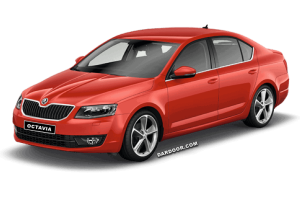
🚗 2012–2020 Skoda (Octavia) – Full Vehicle Overview, Issues, DTCs & Maintenance Guide

The 2012–2020 Skoda Octavia is a hugely popular C-segment family car, offering excellent space, value,
and efficiency. Built on Volkswagen Group platforms and sharing many components with the VW Golf,
the Octavia is known for its huge boot, practical liftback/estate body styles, and a wide range of
petrol, diesel and later small-capacity turbocharged engines. It targets families, taxi fleets and
high-mileage drivers who want solid engineering without a premium badge price.

⚙️ Technical Specifications & Performance

  • Body Styles: 5-door liftback (hatch), 5-door estate (Combi)
  • Engine Options (global):
    1.2 TSI, 1.4 TSI, 1.5 TSI, 1.8 TSI, 2.0 TSI (incl. vRS),
    1.6 TDI, 2.0 TDI in various power outputs
  • Power Output: ~105–245 hp depending on engine/trim
  • Transmission: 5/6-speed manual, 6/7-speed DSG dual-clutch automatic
  • Drivetrain: Front-wheel drive (FWD), some 4×4 (AWD) variants
  • 0–100 km/h: ~10.5–11.5 s (1.6 TDI / 1.2 TSI), ~6.6 s (2.0 TSI vRS)
  • Combined Fuel Consumption: ~4.0–7.5 L/100 km (varies by engine & gearbox)
  • Boot Capacity: ~590 L (liftback), ~610 L (estate), >1,700 L seats folded

🔧 Top 10 Common Mechanical Issues (Root Cause & Fix)

  1. Premature clutch and dual-mass flywheel wear
    🔍 Root Cause: High torque from TDI/TSI turbo engines and frequent city driving cause DMF and clutch to wear early.
    🛠️ Fix: Replace clutch kit and dual-mass flywheel with OEM or upgraded components; advise smoother take-off and avoid riding the clutch.
  2. Timing chain/tensioner issues on early TSI engines
    🔍 Root Cause: Early EA111/EA888 TSI engines had weaker tensioners and chain stretch, leading to rattling on cold start.
    🛠️ Fix: Replace timing chain, guides and tensioner with the revised updated kit; keep to regular oil changes with correct spec oil.
  3. EGR valve and DPF clogging (diesel models)
    🔍 Root Cause: Short trips and low-speed usage cause soot buildup in EGR valve and diesel particulate filter.
    🛠️ Fix: Clean or replace EGR valve; perform forced DPF regeneration or replace DPF if saturated; recommend occasional longer highway drives.
  4. Front suspension knocking
    🔍 Root Cause: Wear in anti-roll bar links, strut top mounts or control arm bushes over rough roads.
    🛠️ Fix: Replace drop links, top mounts or control arm bushes; perform alignment afterwards.
  5. Rear axle squeaks and creaks
    🔍 Root Cause: Dry or worn rear trailing arm bushings and shock absorber mounts.
    🛠️ Fix: Replace rear bushes and/or shocks; lubricate contact points where applicable.
  6. Water pump and thermostat housing leaks
    🔍 Root Cause: Plastic water pump housings and thermostat flanges can crack or warp with heat cycles.
    🛠️ Fix: Replace water pump and thermostat housing with OEM or improved design; refill and bleed cooling system.
  7. Brakes juddering or vibrating
    🔍 Root Cause: Warped front brake discs from repeated heavy braking or cheap aftermarket parts.
    🛠️ Fix: Resurface or replace brake discs and pads with quality components; torque wheel bolts to spec.
  8. Steering wheel vibration at speed
    🔍 Root Cause: Wheel imbalance, worn tyres or bent rims, sometimes combined with slightly worn suspension joints.
    🛠️ Fix: Dynamic wheel balancing, check tyre condition and pressures, replace worn suspension joints and re-align.
  9. Driveshaft/CV joint wear
    🔍 Root Cause: Split CV boots leading to grease loss and dirt ingress.
    🛠️ Fix: Replace damaged CV boots; if noise present on full lock, replace complete driveshaft or CV joint.
  10. AC performance dropping in hot weather
    🔍 Root Cause: Condenser damage/stone impacts or gradual refrigerant loss from seals.
    🛠️ Fix: Pressure test and repair leaks; replace condenser if damaged; recharge AC with correct gas and oil.

💡 Top 10 Common Electrical Issues (Root Cause & Fix)

  1. Infotainment (Bolero/Amundsen/Columbus) freezing or rebooting
    🔍 Root Cause: Firmware bugs or internal memory corruption.
    🛠️ Fix: Perform software/firmware update at dealer or specialist; in severe cases, replace head unit.
  2. Central locking and keyless entry glitches
    🔍 Root Cause: Weak key fob battery, door module moisture, or worn lock actuators.
    🛠️ Fix: Replace fob battery; scan for door module faults; replace affected door lock actuator.
  3. Instrument cluster warning lights (ABS/ESP/steering) with no obvious fault
    🔍 Root Cause: Intermittent CAN-bus communication errors or low battery voltage.
    🛠️ Fix: Test battery and charging system; clear codes; inspect main grounds; update control module software if available.
  4. Parking sensors beeping constantly
    🔍 Root Cause: One or more ultrasonic sensors contaminated or failed.
    🛠️ Fix: Identify faulty sensor via diagnostics; clean or replace sensor; check loom in rear bumper.
  5. Electric window failures
    🔍 Root Cause: Regulator cable fraying or motor wear, especially on driver’s side.
    🛠️ Fix: Replace window regulator and/or motor assembly; lubricate window channels.
  6. Start/stop system not working
    🔍 Root Cause: Weak AGM battery, sensor data out of range, or control module logic inhibiting stop/start.
    🛠️ Fix: Test battery (replace if weak); scan for related codes; check clutch/brake/bonnet sensors.
  7. Rear light cluster condensation or partial failure
    🔍 Root Cause: Poor sealing allowing moisture in, corroding contacts.
    🛠️ Fix: Dry and clean contacts; reseal or replace lamp cluster.
  8. Airbag warning light
    🔍 Root Cause: Loose under-seat wiring, clock spring wear in steering wheel, or side airbag connector issues.
    🛠️ Fix: Check and secure under-seat connectors; replace clock spring or affected sensor as required.
  9. HVAC blower motor intermittent
    🔍 Root Cause: Worn blower motor brushes or failing resistor pack.
    🛠️ Fix: Replace blower motor and/or resistor; check cabin filter not blocked.
  10. Reverse camera flickering (if fitted)
    🔍 Root Cause: Broken wiring in tailgate loom or failing camera unit.
    🛠️ Fix: Inspect and repair loom at tailgate hinge area; replace camera if no image.

📊 Pros & Cons Comparison with Competitors

Model Pros 👍 Cons 👎
Skoda Octavia (2012–2020) Huge boot and rear space; Efficient TDI/TSI engines; Solid VW-group underpinnings; Good long-distance comfort Some TSI/DSG/EGR issues; Interior less premium than VW; Road noise on some trims
Volkswagen Golf Refined ride; High-quality cabin; Broad engine range Less boot space; Higher purchase price; Options quickly get expensive
Ford Focus Sharp handling; Good steering feel; Wide availability Rear space not as generous; Some EcoBoost & Powershift concerns
Opel/Vauxhall Astra Comfortable seats; Often good value used; Decent equipment Boot smaller; Some diesel reliability concerns; Interior quality mixed
Toyota Corolla Excellent reliability; Low running costs; Strong resale Boot smaller than Octavia; Driving feel less engaging; Fewer powerful variants
Hyundai i30 Good standard equipment; Long warranty; Reasonable comfort Less character; Slightly smaller cabin; Resale weaker than Toyota/VW
Honda Civic Reliable engines; Efficient; Distinctive styling and handling Rear visibility; Boot layout varies by generation; Interior ergonomics divisive

🛠️ Maintenance Schedule (Typical – Always Check Local Schedule)

Interval ⏱️ Maintenance Task 🔧
Every 15,000 km or 12 months Engine oil and filter; visual inspection of belts, hoses, tyres, brakes
Every 30,000 km Replace cabin filter; check air filter; inspect suspension and steering joints
Every 60,000 km Replace air filter; replace fuel filter (diesel); inspect spark plugs (petrol)
Every 90,000–120,000 km Replace spark plugs (petrol TSI); change DSG oil & filter (if wet-clutch); brake fluid change
Every 120,000–150,000 km Coolant flush; inspect water pump, thermostat, and auxiliary belts
Every 2 years (time-based) Brake fluid replacement; AC service/inspection

⚠️ Recalls, Advisories & Safety Alerts

  • Airbag inflator (Takata-related) recalls on some markets: Risk of metal fragments on deployment; airbags replaced with revised inflators.
  • Front seat belt tensioner issues: Possible insufficient restraint in certain collision scenarios; tensioners replaced.
  • Child seat ISOFIX anchorage strength bulletin: In rare cases, fixings required inspection and reinforcement.
  • ABS/ESC control module software update: Under specific conditions ABS may not respond as intended; software updated.
  • Engine bay fire risk on some TDI models: Fuel/return line or injector leak potential; lines checked and replaced where necessary.
  • Sunroof drainage and water ingress: Blocked drains leading to water entering cabin; dealers cleaned drains and, where required, replaced seals.
  • Rear axle alignment campaign: Some vehicles left factory with incorrect toe settings; dealers adjusted tracking and replaced components if worn.
  • DSG gearbox software update: To reduce harsh shifts and potential clutch wear; updated TCU software flashed.
  • Brake servo/vacuum pipe recall: Possible loss of brake assistance due to leaking hose; affected hoses replaced.
  • Front passenger airbag deactivation switch concern: Faulty indication or switch function; switch and wiring checked and rectified.

🧾 Diagnostic Trouble Codes (DTC) Tables

 💻 Engine Control Module (ECM)
Code Description
P0171 System Too Lean (Bank 1)
P0300 Random/Multiple Cylinder Misfire Detected
P0301 Cylinder 1 Misfire Detected
P0302 Cylinder 2 Misfire Detected
P0303 Cylinder 3 Misfire Detected
P0304 Cylinder 4 Misfire Detected
P0420 Catalyst System Efficiency Below Threshold (Bank 1)
P0299 Turbocharger/Supercharger Underboost Condition
P0401 EGR Flow Insufficient Detected
P2458 Diesel Particulate Filter Regeneration Duration Too Long

⚙️ Transmission Control Module (TCM)

Code Description
P0700 Transmission Control System Malfunction (request from TCM)
P0730 Incorrect Gear Ratio
P0720 Output Speed Sensor Circuit Malfunction
P0741 Torque Converter Clutch Circuit Performance or Stuck Off
P2711 Unexpected Mechanical Gear Disengagement
P17BF Hydraulic Pressure Loss in Transmission
P189C Gear Selector Position Implausible
P2763 Turbine Speed Sensor Circuit High
P0841 Transmission Fluid Pressure Sensor/Switch A Range/Performance
P0868 Transmission Fluid Pressure Low

🛑 ABS / ESC (Brake System)

Code Description
C0035 Left Front Wheel Speed Sensor Circuit
C0040 Right Front Wheel Speed Sensor Circuit
C0045 Left Rear Wheel Speed Sensor Circuit
C0050 Right Rear Wheel Speed Sensor Circuit
C0065 Brake Pressure Sensor Circuit
C0110 ABS Pump Motor Circuit Malfunction
C1234 Wheel Speed Correlation Fault
C121C Torque Request Signal Denied
C1411 Yaw Rate Sensor Malfunction
C10AC Longitudinal Acceleration Sensor Fault

🎈 SRS Airbag System

Code Description
B1000 Airbag Control Module Internal Fault
B1016 Driver Airbag Igniter Circuit Open
B1020 Passenger Airbag Igniter Circuit Short
B140F Seat Belt Tensioner Circuit Fault
B1053 Side Airbag Deployment Loop Fault
B1101 Crash Sensor Supply Voltage Low
B1209 Occupant Classification System Fault
B1302 Crash Sensor Supply Circuit Fault
B1352 Crash Event Storage Full
B108A Seat Position Sensor Fault

📡 Body Control / CAN Communication

Code Description
U0100 Lost Communication with ECM/PCM
U0121 Lost Communication with ABS/ESC Control Module
U0140 Lost Communication with Body Control Module
U0155 Lost Communication with Instrument Cluster
U1110 CAN Data Bus Off
U1008 Lost Communication with Steering Control Module
U113E Lost Communication with Parking Aid Module
U1123 Lost Communication with Tyre Pressure Monitoring System
U0415 Invalid Data Received from ABS Module
U0428 Invalid Data Received from Steering Angle Sensor Module

✅ Final Verdict & Conclusion

The 2012–2020 Skoda Octavia is one of the most rational and capable family cars in its class. It offers outstanding interior and boot space, efficient engines and solid long-distance comfort at sensible running costs. Known issues around TSI timing chains, DSG gearboxes, and diesel EGR/DPF systems are well documented and manageable with proper maintenance and correct oil and service intervals. For buyers who prioritise practicality, value and discreet VW-group engineering over flashy badges, the Octavia remains an excellent used-car choice.


Brands

File Format

PDF

File Language

English

You'll Get

113.8 MB

Page Count

5,607

Wiring Diagram Included

YES

Instant Download

YES