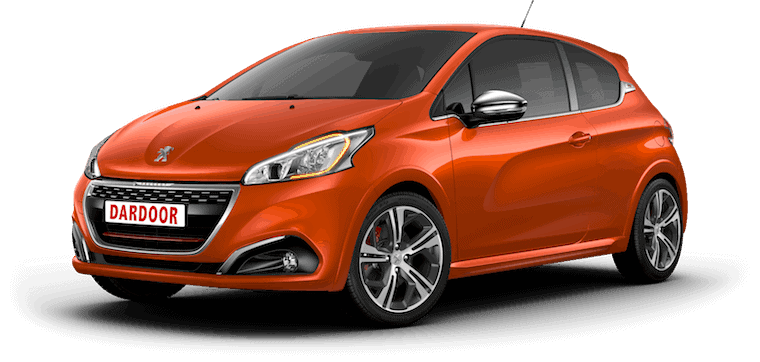
2012-2018 Peugeot 208 OEM Workshop Service & Repair Manual
(PDF Format | Genuine OEM Guide)
Access the genuine OEM workshop service and repair manual for the 2012-2018 Peugeot 208, delivered in a simple PDF file format. This comprehensive manual provides step-by-step illustrated instructions for everything from basic maintenance to complete engine overhauls, exactly as used by Peugeot dealership technicians.
| Files Format |
PDF |
| File Language |
English |
| You’ll Get |
266.7 MB |
| Delivery Method |
Instant Download |
Key Features
- Dealer-Grade Accuracy: The same level of detailed information trusted by Peugeot technicians.
- Comprehensive Procedures: Covers all aspects of service, repair, and maintenance.
- User-Friendly PDF Format: Easily searchable and accessible on any device.
- Illustrated Instructions: Clear visuals simplify complex procedures for both professionals and DIY enthusiasts.
Why Choose This Manual?
- Cost-Effective: Save on repair costs by handling maintenance yourself.
- Comprehensive Coverage: Includes all vehicle systems—engine, transmission, brakes, suspension, and more.
- DIY-Friendly: Simplifies tasks with easy-to-follow, step-by-step instructions.
Who Is This Manual For?
- Peugeot 208 Owners: Ideal for maintaining and repairing your car.
- Professional Mechanics: A reliable reference for precise service procedures.
- DIY Enthusiasts: Perfect for tackling repairs with confidence and accuracy.
Download the 2012-2018 Peugeot 208 OEM Workshop Manual today and keep your car running smoothly with trusted, manufacturer-approved service instructions!
This manual provides detailed procedures for maintenance, disassembly, reassembly, inspection, adjustment of components, and diagnostics, serving as a comprehensive guide for experienced mechanics. Please thoroughly review and utilize this manual to ensure complete and accurate repairs, keeping your vehicle in optimal condition. When replacing parts during repairs, always use genuine
Peugeot OEM parts to maintain performance and reliability.
Sample Pages: 2012-2018 Peugeot 208 Repair Manual
CAUTION: This OEM service and workshop repair manual provides detailed procedures for maintenance, disassembly, reassembly, inspection, adjustment, and diagnostics. It is intended as a comprehensive guide for experienced mechanics. To ensure thorough and accurate repairs that maintain your vehicle’s optimal performance, please read and follow this manual carefully. When replacing parts during any repair work, always use genuine Peugeot parts to ensure quality, safety, and reliability.
Common Issues with the 2012-2018 Peugeot 208
The 2012-2018 Peugeot 208 is a stylish and compact hatchback that replaced the Peugeot 207. It offers a blend of efficiency, comfort, and modern technology, making it a popular choice for city drivers. However, like many cars, it has some known reliability issues. Below is a comprehensive overview of the 2012-2018 Peugeot 208, including common issues, maintenance tips, and key features.
1. Timing Chain Stretch (1.2L PureTech Engine)
- Issue: The 1.2L PureTech petrol engine can suffer from timing chain stretch, leading to performance issues.
- Symptoms: Rattling noise from the engine, check engine light, loss of power.
- Solution: Replace the timing chain and tensioner if noise is detected. Regular oil changes with high-quality synthetic oil help prevent premature wear.
2. Turbocharger Issues (1.2L PureTech and 1.6L THP Engines)
- Issue: The turbocharger in petrol models, especially 1.2L PureTech and 1.6L THP, can fail due to oil starvation.
- Symptoms: Loss of power, excessive smoke from the exhaust, or whistling noise from the turbo.
- Solution: Regular oil and filter changes with high-quality oil prevent turbo issues. Ensure oil supply lines are clean.
3. Clutch and Gearbox Problems (Manual and Automatic)
- Issue: The manual transmission’s clutch can wear prematurely, while the ETG5 (automated manual) gearbox is known for slow and jerky shifts.
- Symptoms: Difficulty engaging gears, slipping clutch, or rough gear changes in ETG5 models.
- Solution: Clutch replacement may be necessary for manual models. ETG5 owners should ensure software updatesand consider driving adjustments to minimize jerky shifts.
4. Electrical Issues
- Issue: Various electrical faults have been reported, including problems with the infotainment system, central locking, and power windows.
- Symptoms: Freezing touchscreen, windows not working, or random warning lights.
- Solution: Update the infotainment system software, inspect wiring, and replace faulty components if needed.
5. Suspension Wear (Front Struts and Bushings)
- Issue: The front suspension struts and bushings may wear out prematurely, especially in areas with poor road conditions.
- Symptoms: Noisy suspension, knocking sounds over bumps, or uneven tire wear.
- Solution: Inspect and replace worn struts or bushings. Regular alignment checks help prevent premature wear.
6. Diesel Particulate Filter (DPF) Blockage (1.6L BlueHDi Diesel)
- Issue: Diesel models with a DPF (Diesel Particulate Filter) can become clogged if frequently driven on short trips.
- Symptoms: Loss of power, increased fuel consumption, or DPF warning light.
- Solution: Regular highway driving (15-20 minutes at highway speeds) helps regenerate the filter. DPF cleaning or replacement may be needed if clogged.
7. Coolant Leaks and Overheating
- Issue: Some models experience coolant leaks due to faulty hoses or water pump issues.
- Symptoms: Engine overheating, low coolant levels, or coolant warning light.
- Solution: Regularly inspect coolant levels and check for leaks. Replace water pump and hoses if necessary.
Maintenance Tips for the 2012-2018 Peugeot 208
- Oil and Filter Changes: Use high-quality synthetic oil and replace it every 10,000-15,000 km (6,000-9,000 miles).
- Timing Chain Maintenance: If driving a 1.2L PureTech petrol, listen for chain noise and replace the timing chain if needed.
- Transmission Fluid Change: Change manual transmission fluid every 60,000 km (37,000 miles); ETG5 requires software updates for smoother shifts.
- Brake System: Inspect and replace brake pads and discs every 30,000-50,000 km (18,000-31,000 miles).
- Cooling System: Replace coolant every 4-5 years and check hoses for leaks.
- Suspension Checks: Inspect bushings, control arms, and struts every 40,000-60,000 km (25,000-37,000 miles).
- DPF Maintenance (Diesel Models): Drive on the highway at least once a week to prevent filter clogging.
Key Features of the 2012-2018 Peugeot 208
Engine Options
- Petrol Engines:
- 1.0L VTi (68 hp) – Basic option, fuel-efficient but underpowered.
- 1.2L PureTech (82-130 hp) – Popular engine, known for timing chain issues.
- 1.6L THP (165-208 hp, GTi models) – High-performance version.
- Diesel Engines:
- 1.4L HDi (68 hp) – Economical but underpowered.
- 1.6L BlueHDi (75-120 hp) – Excellent fuel efficiency but requires DPF maintenance.
Transmission Options
- 5-speed or 6-speed manual transmission (most common).
- ETG5 (automated manual) – Known for jerky shifts.
- 6-speed EAT6 automatic (later models, smoother than ETG5).
Fuel Economy
- Petrol Models: ~5.0-6.0 L/100 km (39-47 mpg).
- Diesel Models: ~3.5-4.5 L/100 km (52-65 mpg).
Interior and Technology
- Infotainment System: 7-inch touchscreen with Apple CarPlay and Android Auto (later models).
- Climate Control: Manual or automatic depending on trim.
- i-Cockpit: Small steering wheel and digital instrument cluster for a sporty feel.
- Boot Space: 285 liters (expanded to 1,152 liters with seats folded).
Safety Features
- ESP (Electronic Stability Program) – Standard.
- ABS with EBD (Electronic Brakeforce Distribution).
- Six airbags (front, side, and curtain).
- Rear parking sensors (higher trims).
- Autonomous Emergency Braking (AEB) – Available in later models.
Trim Levels
- Access: Basic model with manual windows and limited features.
- Active: Adds touchscreen, Bluetooth, and air conditioning.
- Allure: Features alloy wheels, automatic climate control, and better interior finishes.
- GT Line: Sportier styling, upgraded suspension, and premium features.
- GTi: High-performance model with a 1.6L turbocharged engine and sport-tuned suspension.
Pros and Cons
Pros
✔ Stylish and modern design.
✔ Efficient and economical engines.
✔ Comfortable ride and good handling.
✔ Well-equipped infotainment system (later models).
✔ Strong resale value and low running costs.
Cons
❌ Timing chain issues in 1.2L PureTech models.
❌ ETG5 automated manual transmission is slow and jerky.
❌ Diesel models require regular DPF maintenance.
❌ Some interior materials feel cheap.
❌ Limited rear passenger space.
Competitors
- Volkswagen Polo – More refined but typically more expensive.
- Ford Fiesta – Sportier handling but less fuel-efficient.
- Renault Clio – Similar economy with a more modern interior.
- Opel Corsa – Cheaper alternative with a comfortable ride.
- Toyota Yaris – Reliable, but less engaging to drive.
Summary
The 2012-2018 Peugeot 208 is a stylish and fuel-efficient hatchback that offers a comfortable ride and modern technology. While it has some known reliability concerns, especially timing chain issues (1.2L PureTech), ETG5 transmission jerks, and turbocharger failures, regular maintenance can help prevent major problems. It’s an excellent choice for city drivers looking for an affordable and stylish car with good fuel economy. If reliability is a priority, manual petrol models or later diesel versions with proper maintenance are the best options.