

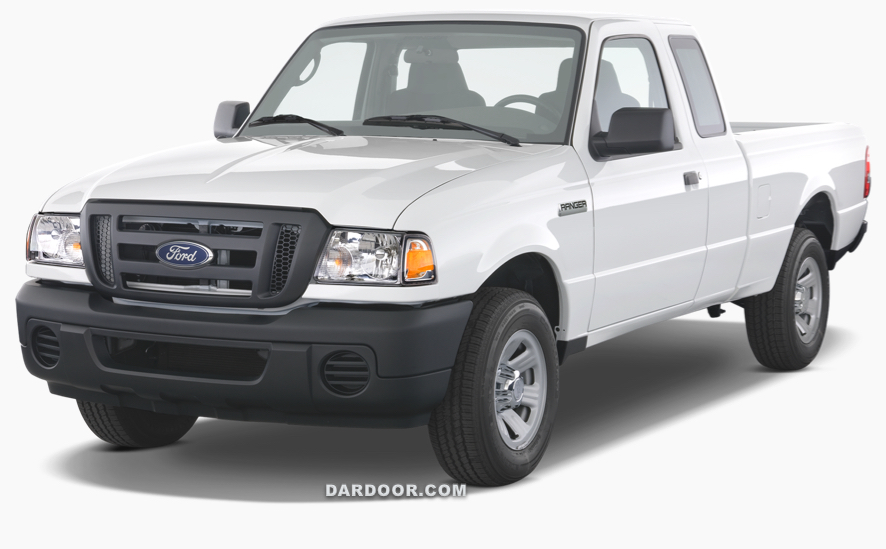
This is the original OEM workshop document for the 2011 Ford Ranger repair manual (T6) with the wiring diagram in PDF format.
2011 Ford Ranger Repair Manual
$16.90
🔧 OEM Manual for the 2011 Ford Ranger – All You Need in One File!
Get your hands on the original OEM workshop service and repair manual for the 2011 Ford Ranger in searchable PDF format, including complete wiring diagrams. This is the exact same manual used by Ford dealership technicians to diagnose and repair the vehicle—now available to you!
| File Format | |
| File Language | English |
| You’ll Get | 83 MB |
| Wiring Diagram | Included |
| Delivery Method | Instant Download |
PDF Contents Files
1-Body & Equipment Manual (PDF, 1 MB)
2-Body Repair Manual (PDF, 16 MB)
3-Wiring Diagrams (PDF, 15 MB)
4-Workshop Manual (PDF, 51 MB)
✅ What’s Included:
- 🧰 Detailed Repair Procedures:
- Engine and Transmission Overhaul
- Drivetrain & Differential
- Brake System (ABS Included)
- Suspension & Steering
- Exhaust & Emission Control
- HVAC System
- Restraints and Safety Systems (Airbags, Seatbelts)
- Body & Frame
- Paint & Corrosion Protection
- ⚡ Complete Wiring Diagrams:
- Engine Management & Sensors
- Lighting, Power Windows, Door Locks
- Charging and Starting Systems
- CAN Bus & Module Communication
💡 Why Choose This Manual?
-
- 🧑🔧 Dealer-Level Accuracy: The same procedures and specs Ford-certified technicians use
- 📘 Fully Indexed PDF: Search keywords or go straight to the section you need
- 🛠️ DIY Friendly: Clear diagrams, torque specs, and step-by-step guidance
- 🖨️ Printable Pages: Print just the section you need while you work
📥 Instant Download Available – No Waiting, No Shipping
Whether you’re doing routine maintenance, chasing down a fault, or performing major repairs, this 2011 Ford Ranger OEM Manual has you covered from bumper to bumper.
This is the original OEM workshop document for the 2011 Ford Ranger repair manual (T6) with the wiring diagram in PDF format.
Table of Contents: 2011 Ford Ranger Repair Manual
SAMPLE PAGES: 2011 Ford Ranger Repair Manual
🛠️ Common Issues with the 2011 Ford Ranger
The 2011 Ford Ranger marked the final model year of this iconic compact pickup in the U.S. before its return in 2019. Durable, straightforward, and favored for its reliability and off-road potential, the 2011 Ranger is a no-nonsense workhorse. Let’s break it down into everything you need to know—from performance and maintenance to common issues and comparisons.
📌 Quick Specs
| Feature | Detail |
| Model Years | 2011 (Final year of 3rd Gen in U.S.) |
| Body Styles | Regular Cab, SuperCab |
| Trim Levels | XL, XLT, Sport |
| Engines | 2.3L I4, 4.0L V6 |
| Drivetrain | RWD or 4WD |
| Transmission | 5-speed Manual / 5-speed Automatic |
| Towing Capacity | Up to 5,800 lbs (V6 with tow package) |
| Max Payload | ~1,660 lbs |
| MPG | 19 city / 24 highway (2.3L RWD Manual) |
⚙️ Engine & Performance
| Engine | Horsepower | Torque | Fuel Economy (MPG) | Towing Capacity |
| 2.3L I4 | 143 hp | 154 lb-ft | 19/24 (RWD Manual) | ~2,300 lbs |
| 4.0L V6 | 207 hp | 238 lb-ft | 15/20 (4WD Auto) | Up to 5,800 lbs |
- ✅ The 2.3L I4 is best for fuel economy and light-duty use.
- ✅ The 4.0L V6 is ideal for towing and more rugged driving, especially off-road or in 4×4 configurations.
🚦 Trim Level Breakdown
| Trim | Key Features |
| XL | Basic work truck, vinyl seats, steel wheels |
| XLT | Power windows/locks, cloth seats, chrome trim |
| Sport | Sportier styling, alloy wheels, optional skid plates |
🧰 Maintenance Schedule
| Service Item | Interval |
| Oil Change | Every 5,000–7,500 miles |
| Transmission Fluid | Every 30,000 miles (Auto) |
| Coolant | Every 60,000 miles |
| Brake Fluid | Every 2–3 years |
| Spark Plugs | Every 100,000 miles (V6) |
| Timing Chain | No replacement (chain, not belt) |
| Differential Fluid | Every 30,000–50,000 miles (4WD) |
🧩 Note: Stick to Motorcraft or OEM-spec fluids/filters for best performance.
⚠️ Common Issues & Reliability
The 2011 Ranger is known for long-term durability, but here are some things to watch out for:
🔧 Common Mechanical Issues:
- Rust on Frame and Underbody
- Especially in snowbelt states; inspect thoroughly.
- Solution: Rustproofing and undercoating help prevent progression.
- Timing Chain Rattle (4.0L V6)
- Chain guides can wear over time causing noise.
- Catch it early to avoid full teardown.
- Front Suspension Wear (Ball Joints, Bushings)
- Clunks or poor alignment often trace back to these.
- Moog or OEM replacements recommended.
- Transmission Shifting Issues (Automatic)
- Usually due to fluid neglect or solenoid problems.
- Fluid flush and software reprogramming can help.
- Crankshaft Position Sensor Failure (2.3L I4)
- Causes rough idling, stalling. Inexpensive fix (~$50 part).
🔌 Recalls & TSBs
- Takata Airbag Recall – One of the largest across all vehicles; affects driver/passenger airbags.
- Fuel Tank Strap Corrosion Recall – Risk of the tank falling due to corroded straps.
- Rear Axle Pinion Seal TSB – Can leak and damage the differential over time.
📞 VIN check recommended via NHTSA.gov to verify recall completion.
🆚 Competitors & Alternatives
| Model | Pros | Cons |
| Toyota Tacoma | Bulletproof reliability, resale value | More expensive |
| Chevy Colorado | Smooth ride, more tech features | Not as tough off-road |
| Nissan Frontier | Low purchase price, strong V6 | Dated interior, poor MPG |
| Mazda B-Series | Same platform as Ranger | Fewer parts available |
| Jeep Comanche (used) | Unique pickup appeal | Hard to find, poor safety |
| Ford F-150 (early 2010s) | Bigger truck, more options | Worse MPG, pricier maintenance |
✅ Pros
-
- Durable body-on-frame construction
- Simple to maintain
- Good towing capability (V6)
- Compact size for tight spaces
- Parts are plentiful and affordable
- High resale value due to last-year model status
❌ Cons
-
- Cramped rear seating (especially SuperCab)
- Outdated interior design
- Poor fuel economy with V6
- No extended cab with full-size rear doors
- CVT not available (some may see this as a plus)
🔚 Final Verdict
If you’re looking for a dependable, no-frills pickup, the 2011 Ford Ranger is a top contender. It’s especially attractive as a second vehicle, off-roader, or work truck. With minimal electronics and proven mechanicals, it’s a rare example of an old-school truck that still gets the job done.
✔️ Best Config:
4.0L V6 4WD SuperCab Sport – balances power, off-road ability, and utility.
Related products
-
2011-2014 Ford F-150 Repair Manual
$36.00 Add to cart -
2005-2010 Ford Mustang Repair Manual and GT S197
$24.90 Add to cart -
2012-2013 Ford Focus Repair Manual
$16.90 Add to cart -
2007-2012 Ford Focus Repair Manual
$19.90 Add to cart -
2015-2018 Ford Mustang Repair Manual
$24.90 Add to cart -
2015-2016 Ford Ranger PX MK2 Repair Manual
$24.90 Add to cart -

2006 Ford S-Max and Galaxy Repair Manual
$16.90 Add to cart -
2018-2020 Ford F-150 Repair Manual
$42.00 Add to cart