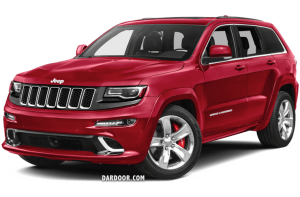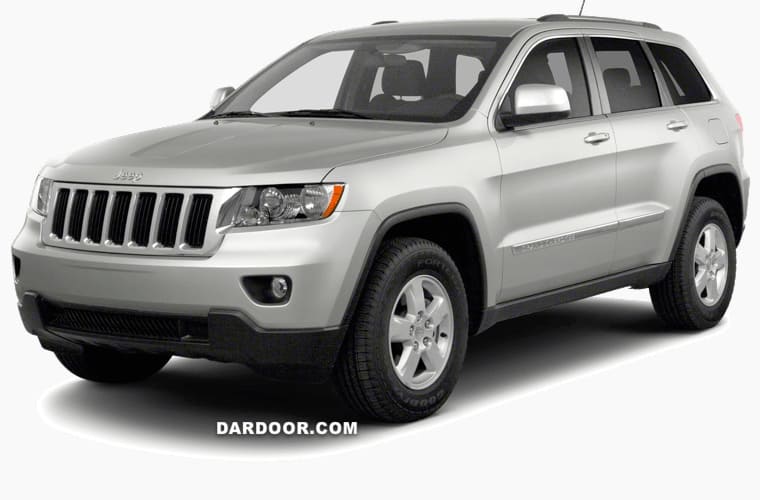
Get the complete repair guide with the wiring diagram for the 2011-2013 Jeep Grand Cherokee with this official OEM workshop manual in PDF format.
🔎 Quick Navigation
📌 Overview
The 2011–2013 Jeep Grand Cherokee (WK2) is known for a comfortable interior, strong towing capability, and serious off-road hardware when equipped. Popular engine choices include the 3.6L Pentastar V6 and 5.7L HEMI V8, with a high-performance 6.4L SRT variant available in this era. Typical owner complaints cluster around fuel pump relay/TIPM faults, oil leaks, and air suspension problems on Quadra-Lift models. Fuel economy and towing figures vary by engine/drive configuration.
⚙️ Technical Specs & Performance
🚙 Key Specs (Typical for 2011–2013 Range)
- 🛞 Platform: Jeep Grand Cherokee (WK2), RWD or 4WD depending on trim
- ⚙️ Transmissions: commonly 5-speed automatic in early years; later trims/engines may vary by package/market
- 🧲 Engines (common):
- ⛽ 3.6L V6: ~290 hp / 260 lb-ft
- ⛽ 5.7L V8: ~360 hp / 390 lb-ft
- 🔥 6.4L SRT V8: ~470 hp (performance model)
- 🧰 Towing (varies by configuration): up to ~5,000 lb (V6) and ~7,400 lb (V8) with proper equipment
🏁 Performance (Reference Figures)
- ⏱️ 0–60 mph (approx): V6 commonly in the ~7.5–8.5s range (period estimates)
- 🚀 SRT 0–60 mph: about mid-4s (tested)
- ⛽ Fuel economy varies widely by engine/trim (official EPA/DOE listings and trim breakdowns)
🧰 Top 10 Common Mechanical Issues (Reported by Owners)
-
🛢️ Engine Oil Leak (Oil Cooler/Filter Housing area on 3.6L)
- Symptoms: Burnt-oil smell, oil pooling in “V” area, drops on driveway, low oil level warning
- Root Cause: Heat cycling + plastic housing/gaskets seep over time; gasket deformation
- Fix: Replace oil cooler/filter housing + seals (many prefer upgraded aluminum housing); clean valley and verify no new leaks
- Cost: $450–$1,200 (parts + labor varies by shop/region)
-
🔊 3.6L “Tick” (Rocker Arm / Lifter Wear)
- Symptoms: Ticking at idle, misfire under load, rough running, sometimes CEL
- Root Cause: Worn roller lifters/rockers can damage cam lobes over time
- Fix: Inspect valvetrain; replace affected lifters/rockers; if cam is scored, replace camshaft(s) too
- Cost: $900–$2,800 (higher if cam replacement is required)
-
🌡️ Cooling System Issues (Thermostat/Water Pump seep)
- Symptoms: Overheating, coolant smell, low coolant, intermittent heater performance
- Root Cause: Pump seal wear, thermostat sticking, aging hoses
- Fix: Pressure test; replace water pump/thermostat as needed; refill/bleed cooling system properly
- Cost: $350–$1,050
-
🛞 Brake Booster Water Intrusion / Corrosion (cold-weather risk)
- Symptoms: Hard brake pedal in freezing temps, reduced power assist, longer stopping distance
- Root Cause: Booster shell corrosion can allow water ingestion; freezing water compromises assist
- Fix: Check recall status; booster inspection/replacement per campaign if applicable
- Cost: $0 if covered by recall; otherwise $600–$1,600
-
🌀 Quadra-Lift Air Suspension (if equipped): compressor/air spring leaks
- Symptoms: Vehicle sagging overnight, “Service Air Suspension” message, uneven ride height, harsh ride
- Root Cause: Air spring cracking, line leaks, compressor wear from overwork
- Fix: Smoke/soapy-water leak test; replace leaking air strut(s) or lines; compressor/dryer as needed; calibrate height
- Cost: $900–$3,500+ depending on parts replaced
-
🧭 Transfer Case / 4WD Actuator Concerns
- Symptoms: 4WD warning, binding, clunk on engagement, stuck in one mode
- Root Cause: Actuator motor wear, low/old fluid, driveline alignment issues
- Fix: Scan for drivetrain codes; service fluid; inspect actuator and wiring; replace actuator if confirmed faulty
- Cost: $250–$1,400
-
⚙️ Transmission Shift Quality (harsh/late shifts on some setups)
- Symptoms: Harsh 2–3 shift, delayed engagement, flare, shudder (varies by unit/maintenance)
- Root Cause: Fluid degradation, adaptive values, solenoid wear, valve body issues
- Fix: Verify correct fluid/spec; service fluid/filter where applicable; relearn/adaptives; valve body/solenoids if needed
- Cost: $250–$2,500+
-
🛞 Front Suspension Wear (control arm bushings/ball joints)
- Symptoms: Clunk over bumps, wandering steering, uneven tire wear
- Root Cause: Bushing fatigue, ball joint wear accelerated by potholes/heavy wheels
- Fix: Inspect play; replace worn arms/ball joints; alignment after repairs
- Cost: $350–$1,300
-
🧱 Exhaust Manifold Bolt / Leak (more common on V8s over time)
- Symptoms: Ticking on cold start, exhaust smell, louder under load
- Root Cause: Heat cycles loosen/break bolts; gasket leakage
- Fix: Replace bolts/studs; resurface/replace manifold if warped; new gasket
- Cost: $450–$1,800
-
🧴 Differential/Driveline Fluid Neglect (noise/vibration)
- Symptoms: Whine on acceleration, vibration at highway speeds, clunk on throttle changes
- Root Cause: Old/low gear oil, worn bearings, U-joint/CV wear
- Fix: Service fluids; inspect driveline; replace worn bearings/U-joints/CV axles as required
- Cost: $180–$1,600+
Note: Owner-reported trends include engine stalling/no-start complaints often associated with fuel pump relay/TIPM behaviors and related campaigns.
⚡ Top 10 Common Electrical Issues (Reported by Owners)
-
🧠 TIPM / Fuel Pump Relay Failure (stall/no-start)
- Symptoms: Crank/no-start, random stall while driving, starts after cycling ignition, intermittent fuel pump behavior
- Root Cause: Fuel pump relay circuit issues inside the TIPM (Totally Integrated Power Module)
- Fix: Check recall status; install external relay kit per campaign; repair/replace TIPM if needed
- Cost: $0 if recall-covered; otherwise $300–$1,800
Owner complaint clusters: TIPM “won’t start / hard start” and stalling reports are heavily documented for this era. -
🔋 Battery Drain / Parasitic Draw
- Symptoms: Dead battery overnight, repeated jump-starts, random low-voltage glitches
- Root Cause: Modules not sleeping (radio, door module), aged battery, corroded grounds
- Fix: Perform parasitic draw test; update software if applicable; repair wiring/ground; replace battery if weak
- Cost: $180–$850
-
📺 Uconnect/Infotainment Freezing or Black Screen
- Symptoms: Touchscreen lag, reboot loops, no audio, Bluetooth dropouts
- Root Cause: Head unit aging, software bugs, internal memory faults
- Fix: Software update/reflash; check power/grounds; replace head unit if hardware failure confirmed
- Cost: $120–$1,300
-
🌬️ HVAC Blend Door Actuator Failure
- Symptoms: Clicking behind dash, stuck hot/cold on one side, weak defrost performance
- Root Cause: Plastic gears strip; actuator motor wears
- Fix: Replace affected actuator(s); recalibrate HVAC doors
- Cost: $180–$650
-
🔑 Keyless Entry / Start Issues (fob not detected, intermittent)
- Symptoms: “Key not detected,” intermittent start, short range on fob
- Root Cause: Weak fob battery, antenna/module faults, wiring issues
- Fix: Replace fob battery; scan for BCM codes; test antennas; repair wiring or replace module if required
- Cost: $10–$600 (varies widely)
-
🪟 Window Regulator / Switch Failure
- Symptoms: Window stuck, slow movement, switch works intermittently
- Root Cause: Regulator cable wear, motor fatigue, switch contact wear
- Fix: Replace regulator/motor assembly or switch as diagnosed
- Cost: $220–$780
-
🚪 Door Lock Actuator Failure
- Symptoms: Won’t lock/unlock, rapid clicking, remote works on some doors only
- Root Cause: Actuator motor wear, latch mechanism binding
- Fix: Replace actuator/latch assembly; verify wiring in door jamb
- Cost: $180–$650
-
🧭 Parking Sensors / Rear Camera Intermittent
- Symptoms: No image, “camera unavailable,” sensors beep randomly
- Root Cause: Moisture intrusion, sensor failure, harness corrosion
- Fix: Inspect connectors; replace faulty sensor/camera; repair harness as needed
- Cost: $120–$900
-
⚙️ Alternator Failure (charging issues / possible stall)
- Symptoms: Battery light, dimming lights, low voltage, potential stall in severe cases
- Root Cause: Internal alternator failure on certain vehicles; safety campaigns exist for some builds
- Fix: Verify campaign status; replace alternator; confirm stable charging voltage
- Cost: $0 if recall-covered; otherwise $450–$1,100
-
💡 Random Warning Lights (ABS/ESC/4WD) from low voltage or sensor faults
- Symptoms: ABS/ESC lights, traction control disabled message, intermittent faults after start
- Root Cause: Weak battery/charging, wheel speed sensor issues, wiring corrosion
- Fix: Test battery/charging first; scan ABS module; inspect wheel speed sensors and harnesses
- Cost: $120–$900
✅ Pros & ❌ Cons
| ✅ Pros | ❌ Cons |
|---|---|
| 🧲 Strong towing capability (especially V8) | 🧠 TIPM/fuel relay issues can cause stall/no-start |
| 🏔️ Legit 4×4 systems and off-road ability (when equipped) | 🛢️ 3.6L oil cooler housing leaks are common over time |
| 🛋️ Comfortable ride + upscale trims available | 🌀 Quadra-Lift air suspension repairs can be expensive |
| 🔥 SRT performance option is very quick | ⛽ V8 fuel economy is significantly lower |
TIPM-related complaint patterns and stall/no-start behavior are widely reported for this era, including campaign documents addressing fuel pump relay failure modes.
🛠️ Maintenance Schedule (Simple, Owner-Friendly)
| Interval ⏱️ | Service Items 🧰 |
|---|---|
| Every 5,000–8,000 miles | 🛢️ Oil & filter • 🔍 Inspect leaks • 🛞 Tire rotation • 🧪 Top up fluids |
| Every 15,000 miles | 🌬️ Engine air filter • 🧼 Cabin filter • 🧯 Brake inspection • 🧭 Suspension check |
| Every 30,000 miles | ⚙️ Transmission service (as applicable) • 🧊 Coolant system inspection • 🛞 Alignment check |
| Every 60,000 miles | 🧯 Brake fluid exchange • 🧊 Coolant refresh (interval varies) • 🛞 Differential/transfer case fluids (4×4) |
| Every 90,000–105,000 miles | ⚡ Spark plugs (engine-dependent) • 🔩 Belt inspection • 🧪 Full fluid review |
Maintenance intervals vary by engine/usage (towing, severe cold, off-road). Always follow the OEM schedule for your exact trim and powertrain.
🏁 Top Competitors
- 🚙 Toyota 4Runner↗ : Superior off-road capability and reliability but less luxurious.
- 🚙 Ford Explorer ↗: Offers more interior space and advanced safety features.
- 🚙 Honda Pilot ↗: A family-friendly option with better reliability and fuel efficiency.
- 🚙 Chevrolet Traverse ↗: More cargo and passenger space, but less off-road capable.
- 🚙 Land Rover Discovery ↗: Similar off-road capability and luxury features, but with higher maintenance costs.
- 🚙 Dodge Durango (3-row SUV alternative) ↗
- 🚙 Nissan Pathfinder (family SUV alternative) ↗
- 🚙 Ford Flex (space/comfort alternative) ↗
🚨 10 Recalls • Advisories • Safety Alerts • TSB Highlights (2011–2013 Focus)
- ⛽ Fuel Pump Relay / TIPM (stall/no-start) — campaign addressing relay failure and installing an external relay where required.
- ⛽ Follow-up Fuel Pump Relay remedy (certain builds) — additional action for affected vehicles where prior remedy may not fully resolve stall risk.
- 🔥 2019 fuel pump relay follow-up recall (fire/stall risk on some previously repaired vehicles) — additional repair action in some cases.
- 🧯 Brake Booster corrosion / water ingestion (cold-weather hard pedal) — inspect/replace booster as applicable.
- 🧯 Brake Booster shield verification — verify shield installation was performed correctly under a prior campaign.
- ⚡ Alternator failure on certain vehicles — alternator may fail suddenly; can lead to stall and safety system impacts.
- 🧠 ABS module concern (traction isolation valve / hard pedal feel) — reprogramming campaign (Canada notice).
- 🧱 Trailer hitch / rear structural reinforcement inspection & repair (certain vehicles with hitch).
- 🔑 Wireless Ignition Node (WIN) module may stick between START/RUN (campaign covering WK Grand Cherokee).
- 🧯 Hard brake pedal feel (related braking performance concerns) — safety communications and coverage for brake feel concerns exist for certain builds.
Always verify open recalls by VIN via Mopar’s official recall lookup and/or NHTSA for U.S. vehicles.
🧾 DTC Trouble Code List (10 Codes per System)
🧠 Engine Control Module (ECM) — 10 Common OBD-II Codes
| Code | Meaning | What to Check First |
|---|---|---|
| P0300 | Random/Multiple Cylinder Misfire | Spark plugs, coils, vacuum leaks |
| P0301 | Cylinder 1 Misfire | Coil/plug/injector for cyl 1 |
| P0171 | System Too Lean (Bank 1) | Intake leaks, MAF/MAP, fuel pressure |
| P0174 | System Too Lean (Bank 2) | Vacuum leak, fuel delivery |
| P0420 | Catalyst Efficiency Below Threshold (Bank 1) | Exhaust leaks, O2 sensors, catalyst |
| P0430 | Catalyst Efficiency Below Threshold (Bank 2) | O2 sensors, exhaust leaks |
| P0128 | Coolant Temperature Below Thermostat Regulating Temp | Thermostat, coolant level, sensor |
| P0456 | EVAP Small Leak | Gas cap, purge/vent, smoke test |
| P0440 | EVAP System Fault | Hoses, purge solenoid, vent valve |
| P0507 | Idle Control System RPM Higher Than Expected | Throttle body, vacuum leaks |
⚙️ Transmission Control Module (TCM) — 10 Common Codes
| Code | Meaning | What to Check First |
|---|---|---|
| P0700 | Transmission Control System (MIL Request) | Scan TCM for specific sub-codes |
| P0715 | Input/Turbine Speed Sensor Circuit | Sensor, connector, wiring |
| P0720 | Output Speed Sensor Circuit | OSS sensor, harness |
| P0730 | Incorrect Gear Ratio | Fluid level, solenoids, clutches |
| P0740 | TCC Circuit / Performance | Torque converter clutch, solenoid |
| P0741 | TCC Stuck Off / Slip | Fluid condition, converter, valve body |
| P0750 | Shift Solenoid A | Solenoid pack, wiring |
| P0755 | Shift Solenoid B | Solenoid pack, connectors |
| P0760 | Shift Solenoid C | Valve body, solenoid pack |
| P0871 | TFP Sensor/Switch Range/Performance | Pressure sensor, fluid, wiring |
🛑 ABS / ESC (Brake System) — 10 Common Codes
| Code | Meaning | What to Check First |
|---|---|---|
| C0035 | LF Wheel Speed Sensor | Sensor/hub wiring |
| C0040 | RF Wheel Speed Sensor | Sensor, tone ring |
| C0045 | LR Wheel Speed Sensor | Sensor, connector corrosion |
| C0050 | RR Wheel Speed Sensor | Sensor, harness |
| C0131 | ABS Pressure Sensor | Sensor readings, wiring |
| C121C | Torque Request Signal Denied | Engine/ABS comms, CAN |
| C123F | Steering Angle Sensor Plausibility | SAS calibration, alignment |
| C2200 | ABS Module Internal | Module power/ground first |
| C2116 | Battery Voltage Out of Range | Battery/alternator health |
| C102A | Brake Switch Signal | Brake switch, wiring |
🎈 SRS Airbag System — 10 Common Codes
| Code | Meaning | What to Check First |
|---|---|---|
| B0010 | Driver Airbag Circuit | Connectors, clockspring |
| B0020 | Passenger Airbag Circuit | Seat wiring, connectors |
| B0030 | Side Airbag Circuit | Seat harness, impact sensor |
| B0040 | Curtain Airbag Circuit | Pillar connectors, module |
| B0051 | Deployment Commanded (history) | Crash data, module state |
| B0091 | Occupant Classification System | Seat mat/sensor calibration |
| B0101 | Front Impact Sensor | Sensor, connector corrosion |
| B0111 | Side Impact Sensor | Door/side sensor wiring |
| B0129 | Pretensioner Circuit | Seat belt connector, resistance |
| B1000 | SRS Module Internal Fault | Power/ground, scan tool verification |
📡 Body Control / CAN Communication — 10 Common Codes
| Code | Meaning | What to Check First |
|---|---|---|
| U0100 | Lost Comm With ECM/PCM | Battery voltage, CAN wiring |
| U0101 | Lost Comm With TCM | TCM power/ground, CAN |
| U0121 | Lost Comm With ABS Module | ABS fuse, connector, CAN |
| U0140 | Lost Comm With BCM | BCM power/grounds |
| U0151 | Lost Comm With Restraints Module | SRS module connectors |
| U0184 | Lost Comm With Radio | Radio fuse, bus, module sleep |
| U0197 | Lost Comm With Phone Module | Uconnect module, wiring |
| U0001 | High-Speed CAN Comm Bus | Bus shorts, battery/grounds |
| B162C | Key Sense / RF Hub Signal | Fob battery, antenna |
| B1A35 | Door Ajar / Latch Signal | Latch switch, door wiring |
Tip: Always diagnose using live data + freeze-frame, and verify power/ground before condemning modules (TIPM/BCM/ABS).
❓ FAQ
1) What’s the #1 issue to watch for on 2011–2013 Grand Cherokee?
Many owners report stall/no-start behavior tied to fuel pump relay/TIPM problems, and campaigns exist to address this on certain vehicles.
2) Is the 3.6L Pentastar reliable?
It’s widely used, but common complaints include oil leaks and occasional valvetrain tick if lifters/rockers wear. Preventive maintenance and early diagnosis help.
3) Should I avoid Quadra-Lift (air suspension)?
It’s great when working, but repairs can be expensive if air springs/compressor leak or fail. If you buy one, budget for potential air system service.
4) How do I check open recalls?
Use your VIN on Mopar’s official recall lookup and confirm through official sources for your country.
5) Which engine is best for towing?
The V8 is typically preferred for heavier towing; period sources list significantly higher tow ratings vs the V6 when properly equipped.
🏆 Final Verdict
The 2011–2013 Jeep Grand Cherokee is a capable SUV with strong towing and real 4×4 ability, especially in well-equipped trims. The key to ownership is buying smart: confirm fuel pump relay/TIPM campaigns are completed, check for oil leaks, and (if equipped) verify air suspension health. With recalls addressed and maintenance kept up, it can be a comfortable, versatile SUV—just don’t ignore early warning signs.