Overview
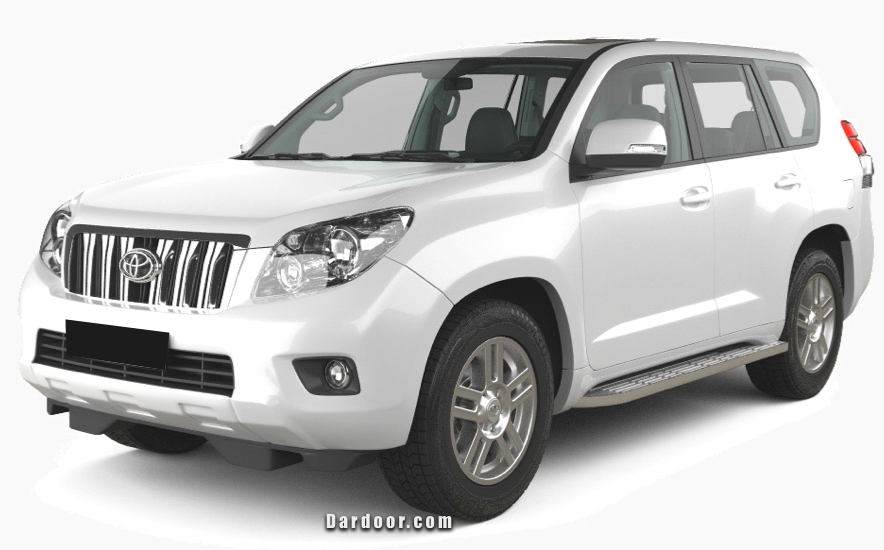
The 2008–2012 Toyota Land Cruiser Prado (known as the Lexus GX 460 in North America for 2010+ models, and as the 4Runner in some markets) is a mid-size luxury SUV renowned for its rugged off-road capability, reliability, and premium features. This generation (J150 series) represented a significant update with improved comfort and technology while maintaining Toyota’s legendary durability.
Market Position
- Mid-size luxury SUV with serious off-road credentials
- Body-on-frame construction for durability
- Popular in Middle East, Asia, Australia, and as Lexus GX in North America
- Known for exceptional resale value and longevity
Technical Specifications
Engine Options
Primary Engine (Most Markets):
- Type: 1GR-FE 4.0L V6
- Power: 276 hp @ 5,600 rpm
- Torque: 381 Nm (281 lb-ft) @ 4,400 rpm
- Configuration: DOHC, 24-valve
- Fuel: Gasoline/Petrol
Diesel Options (Select Markets):
- 1KD-FTV 3.0L Turbo Diesel I4: 173 hp, 410 Nm torque
- 2KD-FTV 2.7L Turbo Diesel I4: 163 hp, 343 Nm torque (some markets)
Transmission
- 5-speed automatic transmission (standard on most models)
- 6-speed automatic (introduced on some 2010+ models)
Drivetrain
- Full-time 4WD or part-time 4WD (market dependent)
- Torsen limited-slip center differential
- Locking rear differential (select trims)
- Low-range transfer case
- Multi-terrain select system (select trims)
- Crawl control (2010+, select trims)
Dimensions & Capacity
- Length: 4,780-4,820 mm (188-190 inches)
- Width: 1,885 mm (74.2 inches)
- Height: 1,845-1,880 mm (72.6-74 inches)
- Wheelbase: 2,790 mm (109.8 inches)
- Seating: 5 or 7 passengers
- Cargo Capacity: 621-2,025 liters (21.9-71.5 cu ft)
- Towing Capacity: 2,500-3,000 kg (5,500-6,600 lbs)
- Ground Clearance: 215-220 mm (8.5-8.7 inches)
Fuel System
- Fuel tank: 87-89 liters (23-23.5 gallons)
- Fuel economy: 12-15 L/100km city, 9-11 L/100km highway (gasoline)
- Diesel: 8-10 L/100km combined
Suspension
- Front: Independent double wishbone with coil springs and stabilizer bar
- Rear: 4-link with coil springs and stabilizer bar
- Kinetic Dynamic Suspension System (KDSS) available on select trims
Brakes
- Front: Ventilated disc brakes
- Rear: Ventilated disc brakes
- ABS with Electronic Brake-force Distribution (EBD)
- Brake Assist
- Vehicle Stability Control (VSC)
- Traction Control (TRAC)
Top 10 Mechanical & Electrical Issues Reported By Owners
1. Secondary Air Injection System Failure
Symptoms:
- Check engine light illuminated
- P0410, P0441, or P0446 error codes
- Failed emissions testing
- Rough idle on cold starts
- Slight decrease in fuel economy
Root Cause:
- Secondary air injection pump failure due to carbon buildup
- One-way check valve failure allowing exhaust gases into pump
- Vacuum solenoid deterioration
- System primarily used for emissions on cold starts
Fix:
- Replace secondary air injection pump assembly
- Replace one-way check valve
- Clear error codes and test system
- Some owners opt to remove system entirely (check local emissions laws)
Cost: $800-$1,500 (pump replacement), $200-$400 (valve only)
2. Transmission Shift Solenoid Issues
Symptoms:
- Harsh or delayed shifting
- Transmission slipping between gears
- Check engine light with codes P0750-P0770
- Stuck in one gear (limp mode)
- Transmission hesitation when accelerating
Root Cause:
- Solenoid wear from high mileage
- Contaminated transmission fluid causing valve body issues
- Electrical connector corrosion
- Internal wear in valve body passages
Fix:
- Replace faulty shift solenoid(s)
- Perform transmission fluid flush with Toyota WS ATF
- Clean or replace valve body if severely contaminated
- Inspect and clean electrical connectors
Cost: $400-$900 (solenoid replacement), $1,500-$2,500 (valve body work)
3. Front Lower Control Arm Bushing Wear
Symptoms:
- Clunking noise from front suspension over bumps
- Steering wheel vibration at highway speeds
- Uneven tire wear (inner or outer edge)
- Vehicle pulls to one side
- Decreased handling precision
Root Cause:
- Rubber bushing deterioration from age and stress
- Excessive off-road use accelerating wear
- Exposure to salt, chemicals, and temperature extremes
- Design susceptibility to wear in this generation
Fix:
- Replace lower control arm bushings (or entire control arms)
- Perform wheel alignment after replacement
- Inspect upper control arms and ball joints while accessing area
- Consider upgraded aftermarket bushings for improved durability
Cost: $600-$1,200 (bushing replacement), $800-$1,500 (full control arm replacement)
4. HVAC Blower Motor Failure
Symptoms:
- No air flow from vents on any speed setting
- Blower only works on highest speed setting
- Squealing or grinding noise from dashboard
- Intermittent blower operation
- Burning smell from vents
Root Cause:
- Blower motor bearing failure
- Blower motor resistor/transistor failure
- Debris accumulation in blower housing
- Electrical connection corrosion
- Moisture intrusion damaging motor
Fix:
- Replace blower motor assembly
- Replace blower motor resistor/transistor
- Clean debris from intake and housing
- Inspect and repair cabin air filter housing seal
- Check electrical connections
Cost: $200-$450 (blower motor), $150-$300 (resistor), $350-$600 (both)
5. Rear Differential Pinion Seal Leak
Symptoms:
- Oil spots on driveway beneath rear differential
- Visible oil accumulation on differential housing
- Low differential fluid level
- Whining or grinding noise from rear end
- Burning smell during driving (severe cases)
Root Cause:
- Pinion seal wear from age and mileage
- Improper installation during previous service
- Excessive pinion bearing preload
- Damaged seal surface on pinion shaft
- Off-road use putting stress on seals
Fix:
- Replace pinion seal
- Inspect pinion bearings for wear
- Check and adjust pinion bearing preload
- Replace differential fluid
- Inspect for additional seal leaks
Cost: $400-$800 (seal replacement), $1,200-$2,000 (if bearings need replacement)
6. Alternator Failure/Bearing Noise
Symptoms:
- Squealing or grinding noise from engine bay
- Battery warning light illuminated
- Dimming headlights or interior lights
- Electrical accessories malfunctioning
- Battery repeatedly dying
- Burning rubber smell
Root Cause:
- Alternator bearing failure (common around 100,000+ miles)
- Voltage regulator failure
- Worn brushes inside alternator
- Belt tension issues causing premature wear
- Water intrusion from off-road use
Fix:
- Replace alternator assembly
- Inspect and replace serpentine belt if worn
- Check battery condition and connections
- Test charging system voltage output
- Clean battery terminals and cables
Cost: $400-$750 (aftermarket alternator), $600-$1,200 (OEM Toyota alternator)
7. Brake Master Cylinder Leakage
Symptoms:
- Brake pedal slowly sinking to floor when stopped
- Soft or spongy brake pedal feel
- Low brake fluid level requiring frequent top-ups
- Fluid visible on firewall or booster
- Reduced braking effectiveness
- ABS warning light (in some cases)
Root Cause:
- Internal seal degradation in master cylinder
- Contaminated brake fluid causing seal damage
- Age-related wear (common after 8-10 years)
- Moisture absorption in brake fluid
- Manufacturing defect in certain production batches
Fix:
- Replace brake master cylinder assembly
- Flush and replace all brake fluid
- Bleed brake system thoroughly
- Inspect brake booster operation
- Check for additional leaks in brake lines
Cost: $350-$700 (master cylinder replacement), add $100-$200 for complete fluid flush
8. Throttle Body Carbon Buildup
Symptoms:
- Rough or unstable idle
- Hesitation during acceleration
- Reduced fuel economy
- Check engine light with P0505 code
- Stalling at stop lights
- Poor throttle response
Root Cause:
- Carbon deposits accumulating on throttle plate and bore
- Blow-by gases from PCV system
- Low-quality fuel contributing to deposits
- Lack of regular maintenance/cleaning
- Direct injection creating more carbon buildup
Fix:
- Remove and clean throttle body with throttle body cleaner
- Clean Idle Air Control (IAC) valve
- Perform ECU idle relearn procedure
- Inspect PCV system for proper operation
- Use fuel system cleaner additives periodically
Cost: $150-$300 (professional cleaning), $50-$100 (DIY with proper cleaner)
9. Starter Motor Failure
Symptoms:
- Clicking sound when turning key (no engine cranking)
- Grinding noise during starting
- Intermittent no-start condition
- Slow cranking even with good battery
- Starter engages but doesn’t turn engine
- Complete no-crank condition
Root Cause:
- Starter motor solenoid contacts wear
- Starter motor brushes worn out
- Bendix drive gear damage
- Heat soak from proximity to exhaust
- Electrical connection corrosion
- Common failure point at 120,000+ miles
Fix:
- Replace starter motor assembly
- Clean and tighten all electrical connections
- Test battery and charging system
- Inspect flywheel ring gear for damage
- Check starter mounting bolts for tightness
Cost: $350-$650 (aftermarket starter), $500-$900 (OEM Toyota starter)
10. Height Control Suspension Compressor Failure (KDSS/AHC equipped models)
Symptoms:
- Suspension height warning light illuminated
- Vehicle sits lower than normal (one or all corners)
- Compressor runs continuously
- Suspension doesn’t adjust to load
- Air compressor noise even when parked
- Harsh ride quality
Root Cause:
- Air compressor wear from age and use
- Air line leaks in system
- Height sensor failure
- Accumulator failure losing pressure
- Relay or control module issues
- Seal deterioration in struts
Fix:
- Replace air suspension compressor
- Inspect and repair air lines/fittings
- Replace height control sensors if faulty
- Test and replace accumulator if needed
- Some owners convert to conventional suspension
Cost: $1,200-$2,500 (compressor replacement), $3,000-$5,000+ (multiple component failure)
Top 5 Competitors
Strengths:
- More powerful 5.6L V8 engine (317-400 hp)
- More luxurious interior appointments
- Smoother on-road ride
- Competitive pricing
Weaknesses:
- Lower resale value than Prado
- Higher fuel consumption
- Less proven long-term reliability
- Not as capable off-road
Price Range (Used): $15,000-$35,000
Strengths:
- Excellent off-road capability
- Super-Select 4WD system very capable
- Competitive pricing
- Good diesel engine options
Weaknesses:
- Reliability concerns compared to Toyota
- Lower resale value
- Dated interior technology
- Less refined on-road manners
Price Range (Used): $12,000-$25,000
Strengths:
- Superior luxury and technology features
- Exceptional off-road capability (Terrain Response)
- More powerful engines available
- Premium brand prestige
Weaknesses:
- Significantly lower reliability
- Much higher maintenance and repair costs
- Poor resale value
- Complex electronics prone to failure
Price Range (Used): $15,000-$35,000
Strengths:
- Good on-road handling
- Available powerful HEMI V8
- Competitive pricing
- Modern interior design
Weaknesses:
- Lower reliability ratings
- Less body-on-frame durability
- Interior quality inconsistent
- Not as capable off-road as Prado
Price Range (Used): $10,000-$25,000
Strengths:
- Excellent on-road dynamics
- Luxurious interior
- Advanced technology features
- Strong diesel engine options
Weaknesses:
- High maintenance costs
- Complex systems prone to expensive failures
- Poor reliability reputation
- Limited off-road capability compared to Prado
Price Range (Used): $12,000-$28,000
Overall: The Land Cruiser Prado offers the best balance of reliability, off-road capability, and resale value among these competitors, though it may lag in luxury features and on-road refinement compared to some rivals.
Top 10 Recalls, Advisories & TSB Highlights
1. Floor Mat Entrapment Recall (2009-2010)
- Issue: Accelerator pedal could become trapped by improperly installed or incompatible floor mats
- Affected: Multiple Toyota/Lexus models including Prado/GX
- Solution: Modified floor mat design, pedal repositioning, installation of brake override system
- Severity: High – potential unintended acceleration
2. Spiral Cable (Airbag) Recall
- Issue: Spiral cable in steering column could break, disabling airbag and horn
- Affected: Various 2008-2011 models
- Solution: Replace spiral cable assembly in steering column
- Severity: High – airbag may not deploy in crash
3. TSB: Transmission Shift Solenoid Harness
- Issue: Transmission shift solenoid harness connectors susceptible to moisture intrusion
- Symptoms: Harsh shifting, check engine light
- Solution: Install revised harness with improved sealing
- Severity: Moderate – affects transmission operation
4. Fuel Tank Coating Recall (Select Markets)
- Issue: Fuel tank interior coating could deteriorate, causing fuel smell
- Affected: Certain production dates 2008-2010
- Solution: Replace fuel tank assembly
- Severity: Moderate – fuel odor, potential leak risk
5. TSB: Engine Ticking Noise (VVT-i System)
- Issue: Ticking noise from engine on cold start due to VVT-i gear
- Symptoms: Metallic ticking for 1-2 minutes after cold start
- Solution: Software update to oil pressure control, revised VVT-i components
- Severity: Low – mostly noise concern, rarely causes failure
6. TSB: Brake Pedal Feel
- Issue: Spongy brake pedal feel, particularly in humid climates
- Symptoms: Soft pedal, longer stopping distances
- Solution: Improved brake fluid specification, bleeding procedure
- Severity: Moderate – affects braking performance
7. KDSS System Software Update
- Issue: Kinetic Dynamic Suspension System inconsistent operation
- Symptoms: Suspension warning light, reduced stabilizer performance
- Solution: ECU software update for KDSS control module
- Severity: Low – affects ride quality and handling
8. TSB: Rear Differential Noise
- Issue: Whining or humming from rear differential at certain speeds
- Symptoms: Noise between 40-60 mph, increases with speed
- Solution: Revised differential fluid specification, potential gear replacement
- Severity: Low to Moderate – mostly noise concern
9. Sunroof Water Leak TSB
- Issue: Sunroof drain tubes clogging, causing water intrusion
- Symptoms: Water dripping from headliner, wet carpets
- Solution: Clean drain tubes, improved drain tube routing
- Severity: Moderate – can cause interior water damage
10. TSB: Navigation System Update
- Issue: Outdated maps and software in navigation system
- Symptoms: Incorrect routing, missing roads
- Solution:Navigation system software and map updates
- Severity: Low – convenience issue
🔔 Note: Recall and TSB availability varies by market. Check with local Toyota dealer using VIN for specific vehicle history.
Maintenance Schedule
Every 5,000 km / 3,000 miles or 3 Months
- Engine oil and filter change (conventional oil)
- Inspect fluid levels (coolant, brake, power steering, differential)
- Visual inspection of belts and hoses
- Tire pressure check and adjustment
Every 10,000 km / 6,000 miles or 6 Months
- Engine oil and filter change (synthetic oil interval)
- Rotate tires
- Inspect brake pads and rotors
- Inspect suspension components
- Check all exterior lights
Every 20,000 km / 12,000 miles or 12 Months
- Replace cabin air filter
- Inspect engine air filter (replace if needed)
- Inspect drive belts for wear
- Lubricate driveshaft slip joints
- Inspect exhaust system
Every 40,000 km / 24,000 miles or 24 Months
- Replace engine air filter
- Inspect spark plugs
- Inspect fuel lines and connections
- Inspect cooling system hoses
- Check battery condition
- Inspect front and rear differential fluid level
Every 60,000 km / 36,000 miles or 36 Months
- Replace engine coolant (first time, then every 2 years)
- Replace brake fluid
- Replace transmission fluid (severe conditions)
- Inspect and clean throttle body
- Replace fuel filter (diesel models)
- Inspect valve clearances (diesel models)
Every 80,000 km / 48,000 miles
- Replace spark plugs (platinum/iridium)
- Inspect ignition coils
- Replace front differential fluid
- Replace rear differential fluid
- Inspect transfer case fluid
Every 100,000 km / 60,000 miles
- Replace timing belt (if equipped – some engines use timing chain)
- Replace water pump (recommended with timing belt)
- Inspect/replace accessory drive belts
- Flush and replace transmission fluid
- Inspect fuel injectors and perform cleaning service
- Replace transfer case fluid
Every 150,000 km / 90,000 miles
- Comprehensive brake system inspection
- Replace all differential fluids
- Inspect steering components
- Replace all drive belts regardless of condition
- Comprehensive suspension inspection
As Needed / Severe Service
Severe service includes:
- Extensive idling and/or low-speed driving
- Towing a trailer or using a carrier
- Driving on rough, dusty, or muddy roads
- Off-road driving
- Taxi, police, or commercial use
Severe service modifications:
- Change engine oil every 5,000 km / 3,000 miles
- Inspect brake system every 10,000 km
- Replace transmission fluid every 40,000 km
- Inspect suspension and steering every 10,000 km
- More frequent air filter replacement
Additional Inspections
Before Long Trips:
- Check all fluid levels
- Inspect tire condition and pressure (including spare)
- Test all lights and signals
- Check windshield wiper condition
- Verify spare tire tools are present
Off-Road Specific (after each trip):
- Inspect underbody for damage
- Clean differential breathers
- Check for fluid leaks
- Inspect suspension bushings
- Clean and lubricate hinges and latches
10 FAQs for Buyers
1. What’s the difference between the Prado and Lexus GX 460?
The Lexus GX 460 (2010+) is essentially a luxury version of the Land Cruiser Prado sold in North America. Key differences include:
- GX has more luxurious interior materials and features
- Different front-end styling and badging
- GX comes with standard V8 engine in some markets
- Prado may offer diesel engines not available in GX
- GX typically commands higher prices
- Mechanical components largely identical
- Both share same reliability and capability
🔔 Note: If buying used, the Prado often offers better value unless you specifically want the luxury features of the GX.
2. Is the 4.0L V6 engine reliable?
Yes, the 1GR-FE 4.0L V6 is one of Toyota’s most reliable engines. With proper maintenance, these engines routinely exceed 300,000-400,000 km (200,000-250,000 miles). Key points:
- Very few major engine failures reported
- Main issues are secondary components (alternator, starter, sensors)
- Regular oil changes are critical
- Some models have timing chain (not belt), requiring less maintenance
- Secondary air injection system can be problematic but not engine-threatening
- Slightly underpowered for vehicle weight when fully loaded
- Excellent track record in harsh climates
👉 Maintenance tip: Use Toyota-specified oil and change at recommended intervals for maximum longevity.
3. What should I look for when buying a used Prado from this generation?
Essential inspection points:
Mechanical:
- Service history documentation (critical for resale)
- Transmission shifting smoothness (test drive on highway)
- Front suspension clunking (lower control arm bushings)
- Differential leaks (inspect pinion seals)
- Engine starting (listen for starter grinding)
- Air conditioning performance (blower motor function)
Exterior:
- Frame rust (especially if used in snow/salt areas)
- Underbody damage from off-road use
- Roof rack condition if equipped
- Sunroof operation and leak history
Interior:
- All electronic features functional
- Navigation system operation
- Seat wear consistent with mileage
- Water damage from sunroof leaks
Documentation:
- Complete service records
- Recall completion verification
- Carfax/vehicle history report
- Original owner manuals and keys
🛑 Red flag: Avoid vehicles with incomplete service history, evidence of major accidents, or significant modifications without professional installation.
4. How does it perform off-road compared to competitors?
The Prado is one of the most capable off-road vehicles in its class:
Strengths:
- Body-on-frame construction for durability
- Excellent approach/departure angles
- Torsen limited-slip center differential
- Low-range transfer case with selectable modes
- KDSS (Kinetic Dynamic Suspension) enhances both on-road handling and off-road articulation
- Crawl control for technical terrain (2010+)
- Multi-terrain select optimizes traction
- High ground clearance (220mm)
Compared to competitors:
- vs. Land Rover Discovery: Prado more reliable but Discovery has more advanced electronics
- vs. Jeep Grand Cherokee: Prado more capable, especially with KDSS
- vs. Nissan Patrol: Similar capability, Patrol more powerful but heavier
- vs. Mitsubishi Pajero: Very competitive, Pajero’s Super-Select excellent but Prado edges reliability
Limitations:
- Not as extreme as Wrangler Rubicon or Land Cruiser 200
- Somewhat heavy for tight trail work
- Running boards can limit clearance
Bottom line: Excellent all-around off-roader that balances capability with daily drivability.
5. What’s the real-world fuel economy?
Gasoline 4.0L V6:
- City: 14-17 L/100km (14-17 mpg)
- Highway: 10-12 L/100km (20-24 mpg)
- Combined: 12-14 L/100km (17-20 mpg)
- Worst case (4WD, loaded, off-road): 16-20 L/100km (12-15 mpg)
Diesel engines (where available):
- City: 9-11 L/100km (21-26 mpg)
- Highway: 7-9 L/100km (26-34 mpg)
- Combined: 8-10 L/100km (24-29 mpg)
Factors affecting fuel economy:
- 4WD vs 2WD configuration
- Tire size and type
- Roof racks and accessories
- Driving style
- Terrain and conditions
- Vehicle loading
- Maintenance status
Tips to improve fuel economy:
- Maintain proper tire pressure
- Remove roof racks when not needed
- Use 2WD mode when conditions allow
- Regular maintenance (air filter, spark plugs)
- Avoid excessive idling
- Smooth acceleration and braking
6. Are parts expensive and readily available?
Parts availability: Generally excellent worldwide due to Toyota’s global presence
Cost comparison:
- Service parts (oil filters, air filters, brake pads): Moderate – comparable to other Japanese brands
- Wear items (bushings, sensors, belts): Moderate – $50-$300 per item
- Major components (alternator, starter, AC compressor): $300-$800 aftermarket, $500-$1,500 OEM
- Body panels and trim: Can be expensive, especially for chrome and unique Prado parts
- Lexus GX parts: Generally 20-30% more expensive than Prado equivalents
Money-saving tips:
- Use OEM Toyota parts for critical components
- Aftermarket acceptable for wear items (filters, pads)
- Online retailers often 30-50% cheaper than dealers
- Some parts interchangeable with 4Runner and FJ Cruiser
- Independent Toyota specialists charge less than dealers for labor
Average annual maintenance cost: $800-$1,500 (excluding major repairs)
7. How does the 5-speed automatic transmission hold up?
The 5-speed automatic (A750F/A750E) is generally very reliable when properly maintained:
Strengths:
- Proven design used across Toyota lineup
- Simple, robust construction
- Adequate for normal driving and moderate towing
- Easy to service and rebuild if needed
Weaknesses:
- Can feel outdated compared to modern 8-10 speed transmissions
- Less fuel efficient than newer transmissions
- Shift solenoids can fail at high mileage (120,000+ km)
- Torque converter shudder reported in some units
Maintenance critical:
- Change ATF every 60,000 km (40,000 km for severe use)
- Use only Toyota WS (World Standard) ATF fluid
- Inspect for leaks at pan gasket and cooler lines
- Avoid “lifetime” fluid claims – change it regularly
Warning signs of problems:
- Harsh or delayed shifting
- Slipping between gears
- Shuddering during acceleration
- Transmission overheating
👉 Bottom line: With regular fluid changes, should last 250,000+ km without major issues.
8. Is it worth getting the KDSS (Kinetic Dynamic Suspension System)?
What is KDSS? Hydraulic system that can disconnect stabilizer bars for improved off-road articulation while maintaining stability on-road.
Pros:
- Significantly better off-road wheel articulation
- Improved on-road handling and reduced body roll
- Maintains comfortable ride quality
- Noticeable advantage in technical off-road situations
- Good resale value feature
Cons:
- More complex system with potential failure points
- Expensive to repair ($1,500-$3,000+ if hydraulic components fail)
- Requires specific maintenance attention
- Some off-road aftermarket parts incompatible
- Slightly higher insurance costs in some regions
Should you get it?
- Yes, if: You do serious off-roading, want best handling, budget allows for potential repairs
- No, if: Mostly road driving, want simplicity, concerned about repair costs
- Used buying: KDSS-equipped vehicles often command $2,000-$5,000 premium
Reliability note: KDSS is generally reliable but does add complexity. Failure rate increases after 10+ years or in harsh off-road conditions.
9. What’s the typical lifespan and reliability expectation?
Expected lifespan with proper maintenance:
- Engine: 400,000-500,000+ km (250,000-300,000+ miles)
- Transmission: 300,000-400,000 km with fluid changes
- Overall vehicle: 20-25+ years is common
Reliability ratings:
- Consistently ranks among most reliable SUVs
- J.D. Power ratings typically “Better Than Average” to “Great”
- Consumer Reports: “Much Better Than Average” reliability
- Owner satisfaction scores very high (85-90%)
Common longevity factors:
- Best: Complete service history, garaged, highway miles, regular maintenance
- Good: Regular maintenance, mixed use, dealer serviced
- Fair: Some service gaps, city driving, harsh climate
- Poor: Neglected maintenance, heavy off-road abuse, flood/accident damage
High-mileage considerations:
- Many examples with 300,000+ km still running strong
- Resale value remains strong even at high mileage
- Critical: Documentation of maintenance at higher miles
- Some components need refresh: suspension bushings, alternator, starter
Bottom line: Among the most reliable SUVs ever made. With care, can serve 2-3 owners over decades.
10. Should I buy a gasoline or diesel version?
Gasoline (4.0L V6) – Best for:
- North American buyers (diesel not readily available)
- Lower upfront cost
- Simpler maintenance
- Quieter operation
- Better cold-weather starting
- Higher resale value in some markets
Gasoline drawbacks:
- Higher fuel consumption (20-30% more than diesel)
- Less torque for towing
- Higher running costs over time
Diesel (3.0L Turbo) – Best for:
- High annual mileage drivers (20,000+ km/year)
- Serious towing needs
- Markets with cheaper diesel fuel
- Long-distance highway driving
- Off-road use (better low-end torque)
Diesel drawbacks:
- More expensive to purchase
- More complex and expensive maintenance
- DPF (diesel particulate filter) issues if mostly short trips
- Potential emissions system problems
- More costly repairs
- May face restrictions in urban areas (emissions zones)
Cost analysis example (over 5 years, 100,000 km):
- Gasoline: Lower purchase price, higher fuel costs
- Diesel: Higher purchase price, lower fuel costs, potentially higher maintenance
- Break-even: Typically around 15,000-20,000 km per year
Recommendation:
- Choose gasoline if: North America, under 15,000 km/year, want simplicity
- Choose diesel if: Available in market, 20,000+ km/year, regular towing, fuel cost savings matter
Diagnostic Trouble Codes (DTC)
Engine Control Module (ECM)
| P0300 |
Random cylinder misfire |
| P0171 |
System too lean |
| P0420 |
Catalyst efficiency below threshold |
| P0101 |
Mass air flow circuit range |
| P0110 |
IAT sensor malfunction |
| P0200 |
Injector circuit malfunction |
| P0400 |
EGR flow malfunction |
| P0500 |
Vehicle speed sensor malfunction |
| P0600 |
Serial communication error |
| P0700 |
Transmission control system malfunction |
Transmission Control Module (TCM)
| P0715 |
Input speed sensor |
| P0720 |
Output speed sensor |
| P0730 |
Incorrect gear ratio |
| P0740 |
TCC circuit malfunction |
| P0750 |
Shift solenoid A |
| P0755 |
Shift solenoid B |
| P0760 |
Shift solenoid C |
| P0770 |
Shift solenoid E |
| P0790 |
Neutral switch |
| P0841 |
Transmission fluid pressure sensor |
ABS / ESC
| C0035 |
Left front wheel speed sensor |
| C0040 |
Right front wheel speed sensor |
| C0045 |
Left rear wheel speed sensor |
| C0050 |
Right rear wheel speed sensor |
| C0110 |
ABS pump motor |
| C0131 |
ABS control module |
| C0155 |
Steering angle sensor |
| C0200 |
Hydraulic control circuit |
| C1234 |
Yaw rate sensor |
| C1241 |
Low battery positive voltage |
SRS Airbag System
| B0100 |
Driver airbag circuit |
| B0101 |
Passenger airbag circuit |
| B0110 |
Side airbag module |
| B0130 |
Seat belt pretensioner |
| B0140 |
Side airbag sensor |
| B0150 |
Passenger seat occupancy sensor |
| B1181 |
Airbag ECU internal failure |
| B1200 |
Frontal crash sensor |
| B1210 |
Passenger airbag cutoff |
| B1220 |
Clock spring circuit |
Body Control / CAN Communication
| U0100 |
Lost communication with ECM |
| U0101 |
Lost communication with TCM |
| U0121 |
Lost communication with ABS |
| U0140 |
Lost communication with BCM |
| U0155 |
Lost communication with IPC |
| U0164 |
Lost communication with HVAC |
| U0184 |
Lost communication with radio |
| U0199 |
Lost communication with door module |
| U0200 |
Lost communication with seat module |
| U0300 |
Software incompatibility with ECM |
Final Buyer Recommendations
Who Should Buy a 2008–2012 Land Cruiser Prado?
Ideal buyers:
- Families needing reliable, safe transportation with off-road capability
- Outdoor enthusiasts who want adventure capability with daily drivability
- Buyers prioritizing reliability and low total cost of ownership
- Those planning to keep vehicle long-term (10+ years)
- Markets where Toyota service and parts readily available
- Buyers who value resale value retention
Think twice if:
- You prioritize cutting-edge technology and luxury
- Fuel economy is a primary concern
- Budget is tight for maintenance and repairs
- You rarely venture off pavement
- You prefer more modern safety features (newer models have Toyota Safety Sense)
Best Model Years to Target
2010-2012: Models Preferred: