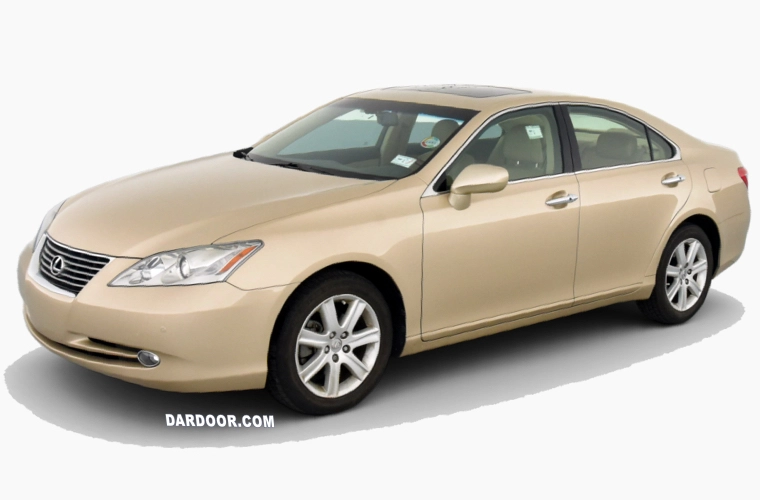
2007–2012 Lexus ES 350 (XV40) — OEM Workshop Service & Repair Manual (PDF)
Get the original Lexus factory workshop manual for the 2007–2012 Lexus ES 350, meticulously designed for the fifth-generation XV40 platform. This comprehensive OEM manual is the same documentation used by Lexus dealership technicians, providing precise repair procedures, diagnostics, torque specifications, and complete wiring diagrams.
| File Format |
PDF |
| File Language |
English |
| You’ll Get |
476.3 MB |
| Page Count |
11,235 |
| Wiring Diagram |
Included |
| Delivery Method |
Instant Digital PDF Download |
Repair with confidence using the same factory manual trusted by Lexus technicians worldwide.
Vehicle & Powertrain Coverage
- Model: Lexus ES 350
- Generation: XV40 (5th Generation)
- Model Years: 2007, 2008, 2009, 2010, 2011, 2012
- Engine: 3.5L V6 2GR-FE
- Transmission: Automatic Transaxle U660E
- Wiring Diagram Reference: EM01Y0U
Key Features
Complete OEM Coverage
- Factory-approved service, repair, and maintenance procedures for all vehicle systems.
Engine & Transmission Detail
- Full mechanical coverage for the 2GR-FE V6 engine and U660E automatic transaxle.
Electrical Wiring Diagrams
- Comprehensive schematics, connector views, pinouts, grounds, and power distribution.
Diagnostics & DTCs
- Dealer troubleshooting flowcharts and diagnostic trouble code references.
What’s Inside
- Routine maintenance schedules, fluids, capacities, and torque specs
- 2GR-FE engine mechanical, fuel, cooling, intake & exhaust systems
- U660E automatic transaxle service and diagnostics
- Brakes, ABS, suspension, steering & alignment
- Complete electrical system with wiring diagrams (EM01Y0U)
- Body, interior, HVAC, SRS/airbag systems
- Step-by-step diagnostic and repair procedures
Download & Compatibility
Delivery: Instant digital PDF download
Compatibility: Windows • macOS • iOS • Android
This manual provides detailed instructions for maintenance, disassembly, reassembly, component inspection, adjustment, and diagnostics—intended for use by experienced mechanics. Proper application of this guide will help ensure thorough repairs and maintain your vehicle in peak condition.
Important Note: Before purchasing this manual, please check whether your vehicle is subject to any active service recalls, as authorized dealerships may perform necessary repairs free of charge. When replacing parts, always use genuine OEM components to ensure safety, reliability, and long-term performance.
SAMPLE PAGES: 2007-2009 Lexus ES 350 Repair Manual
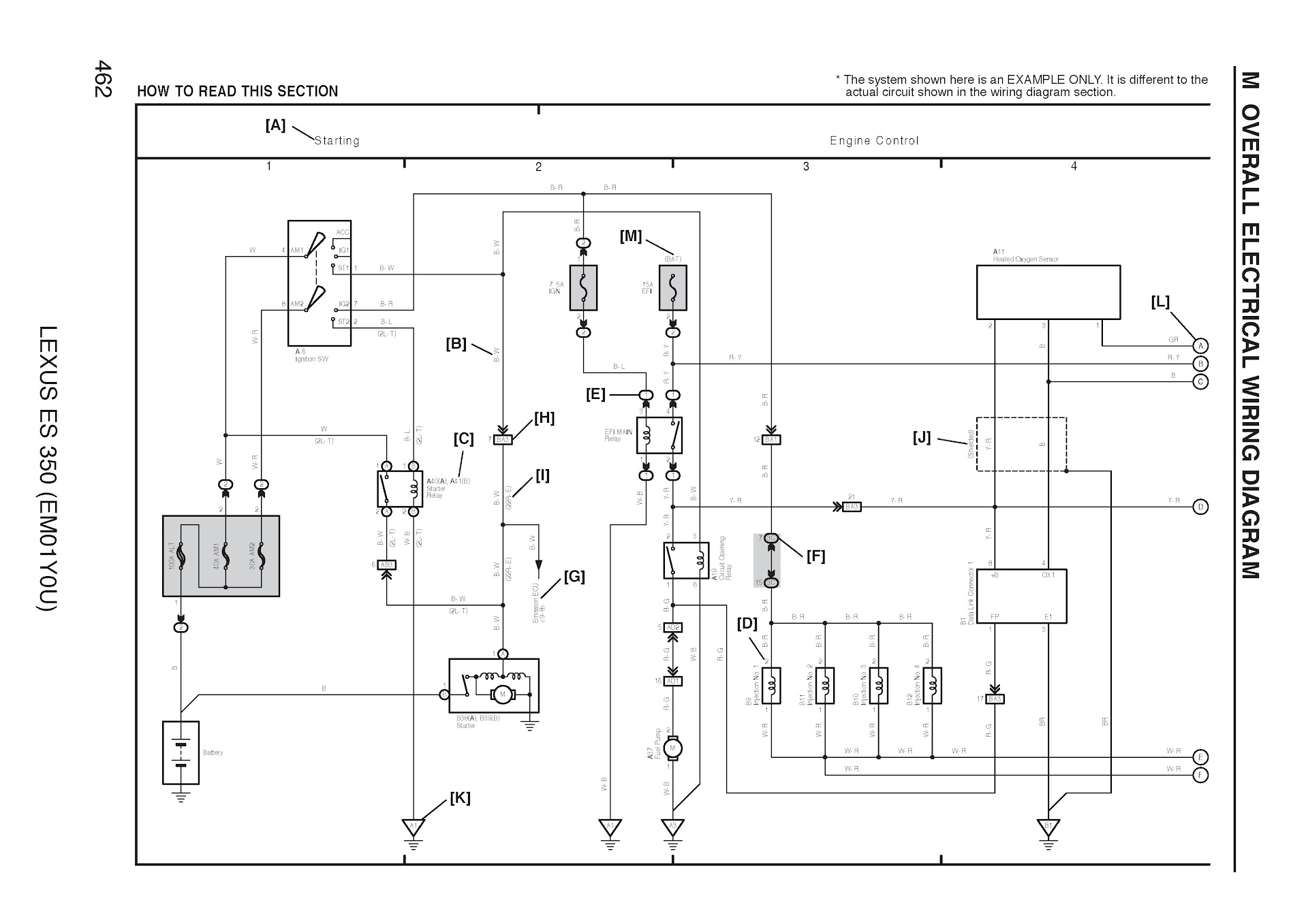
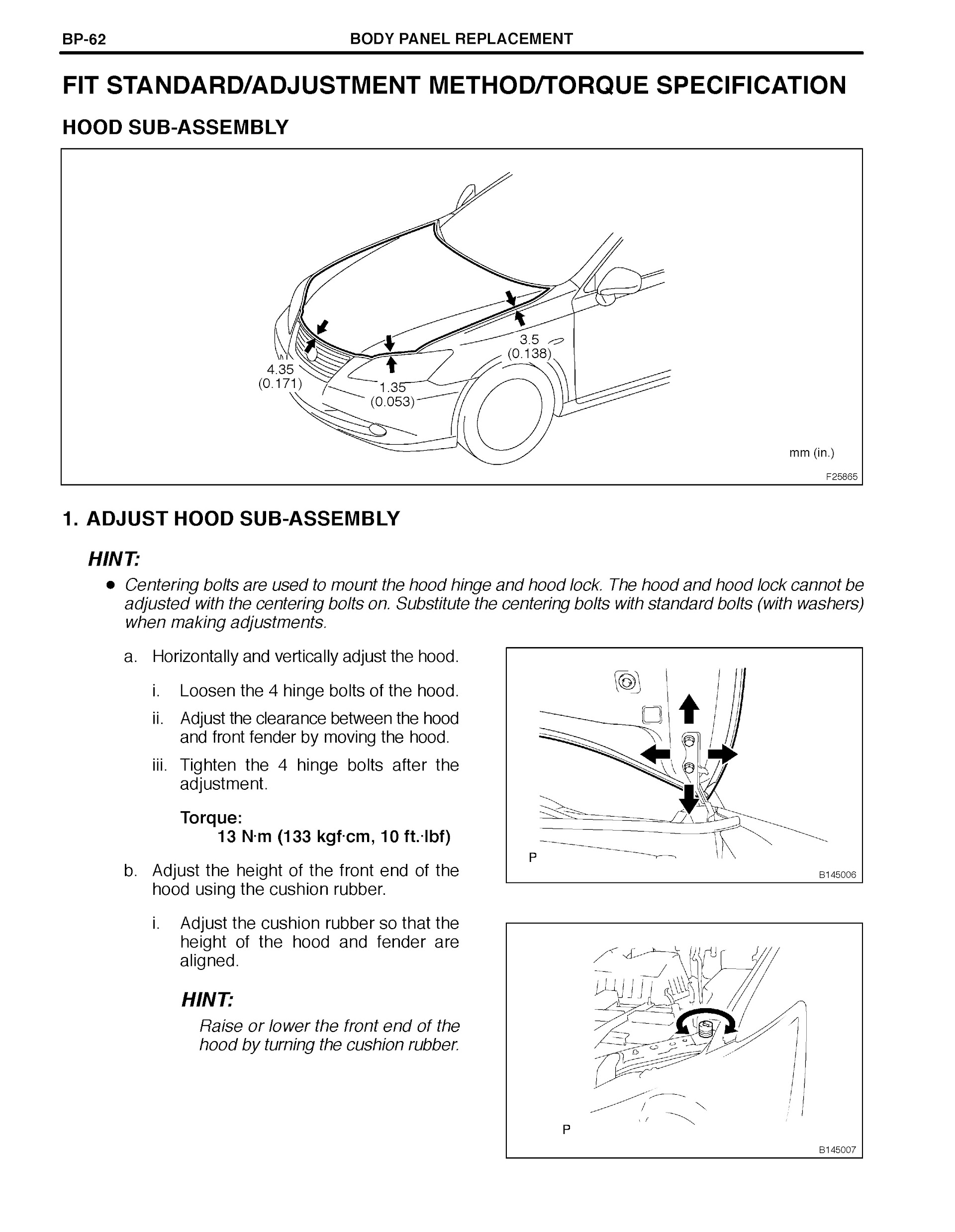
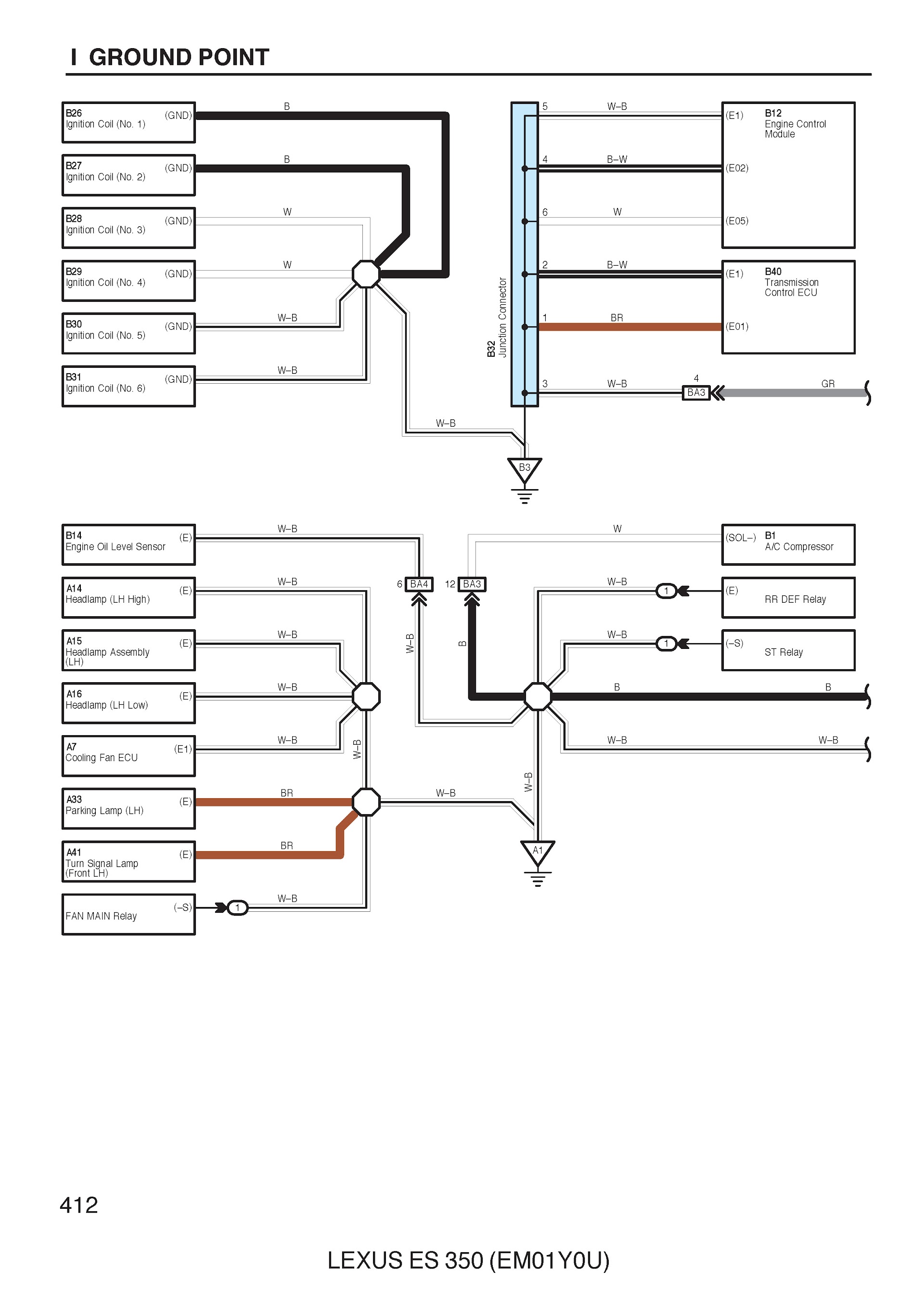
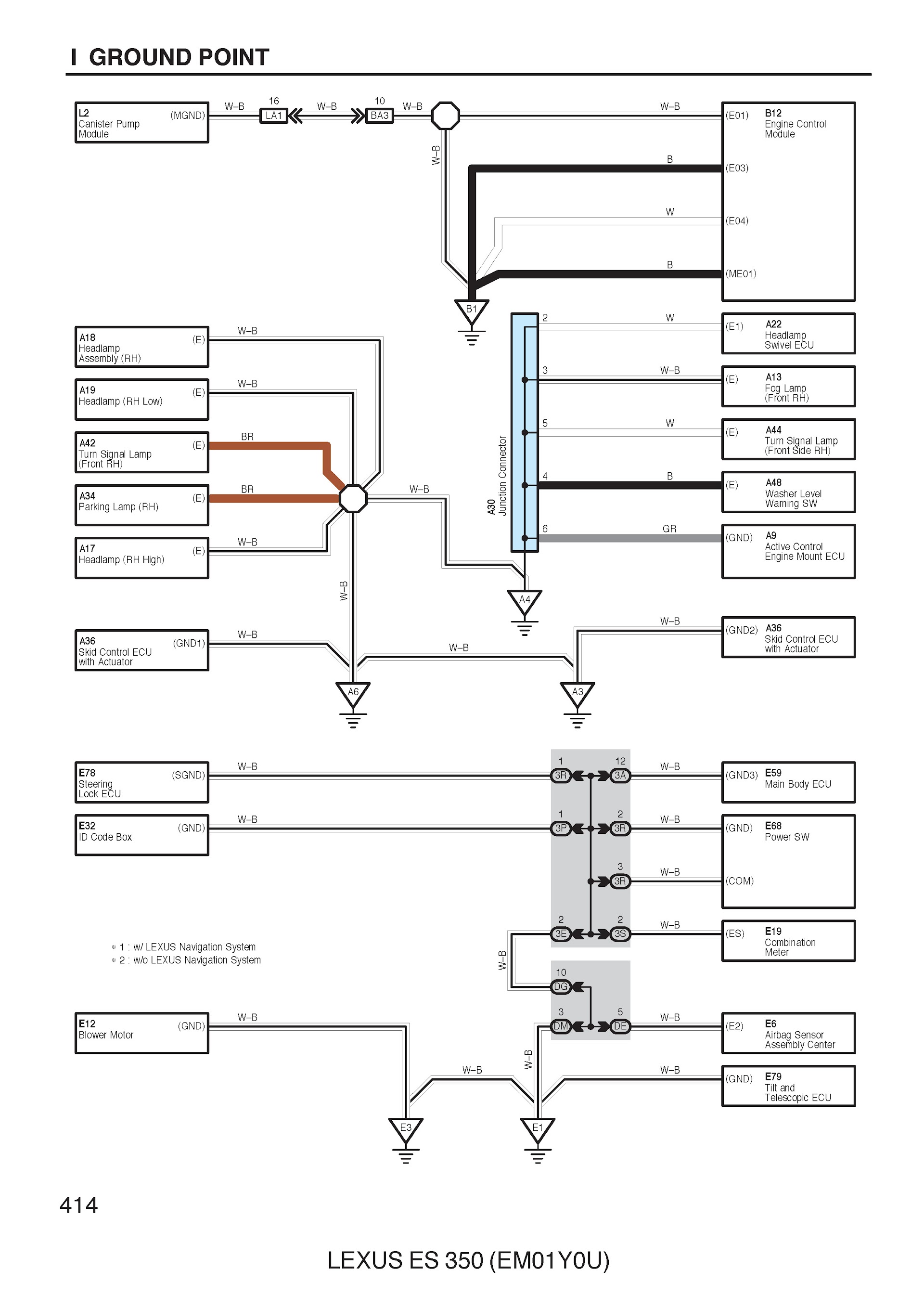
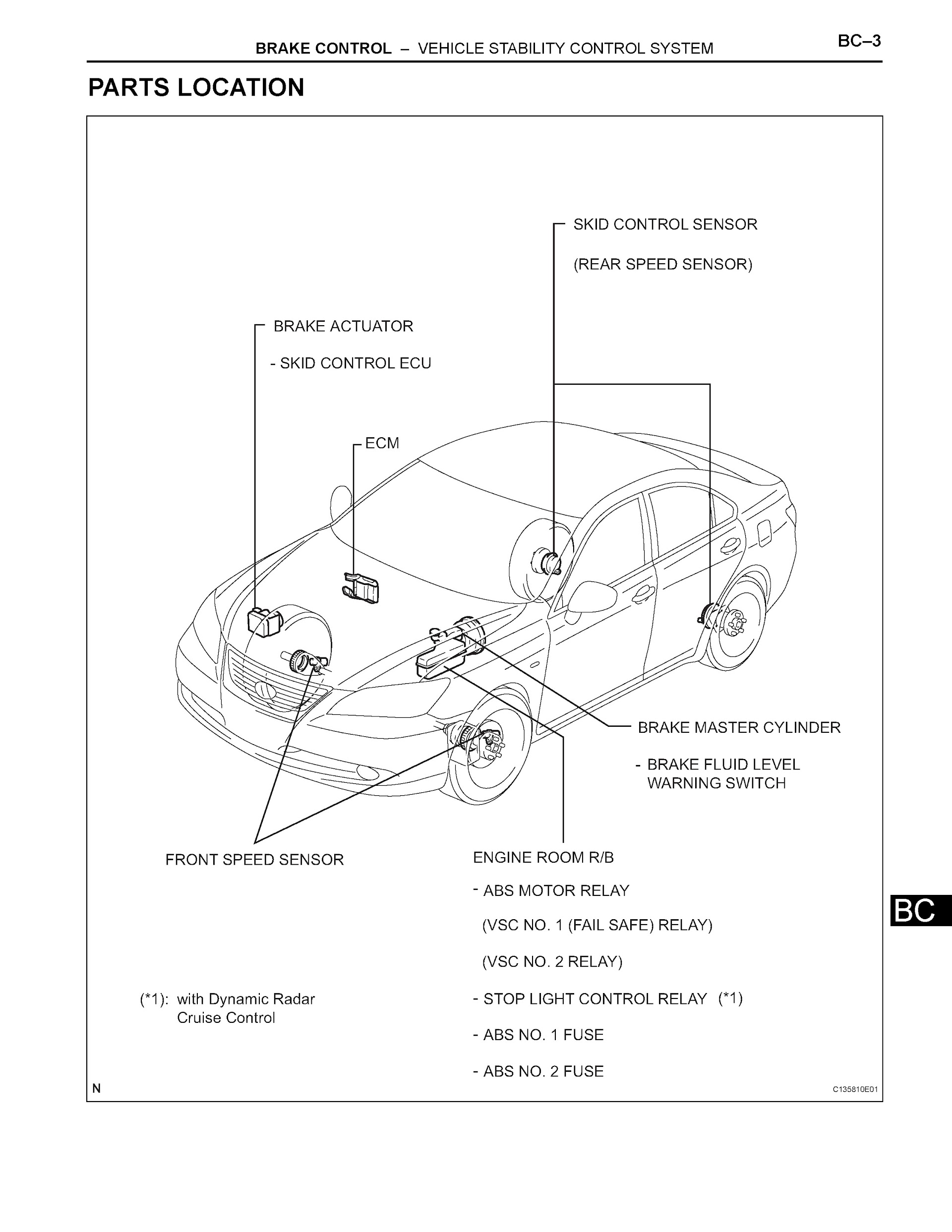
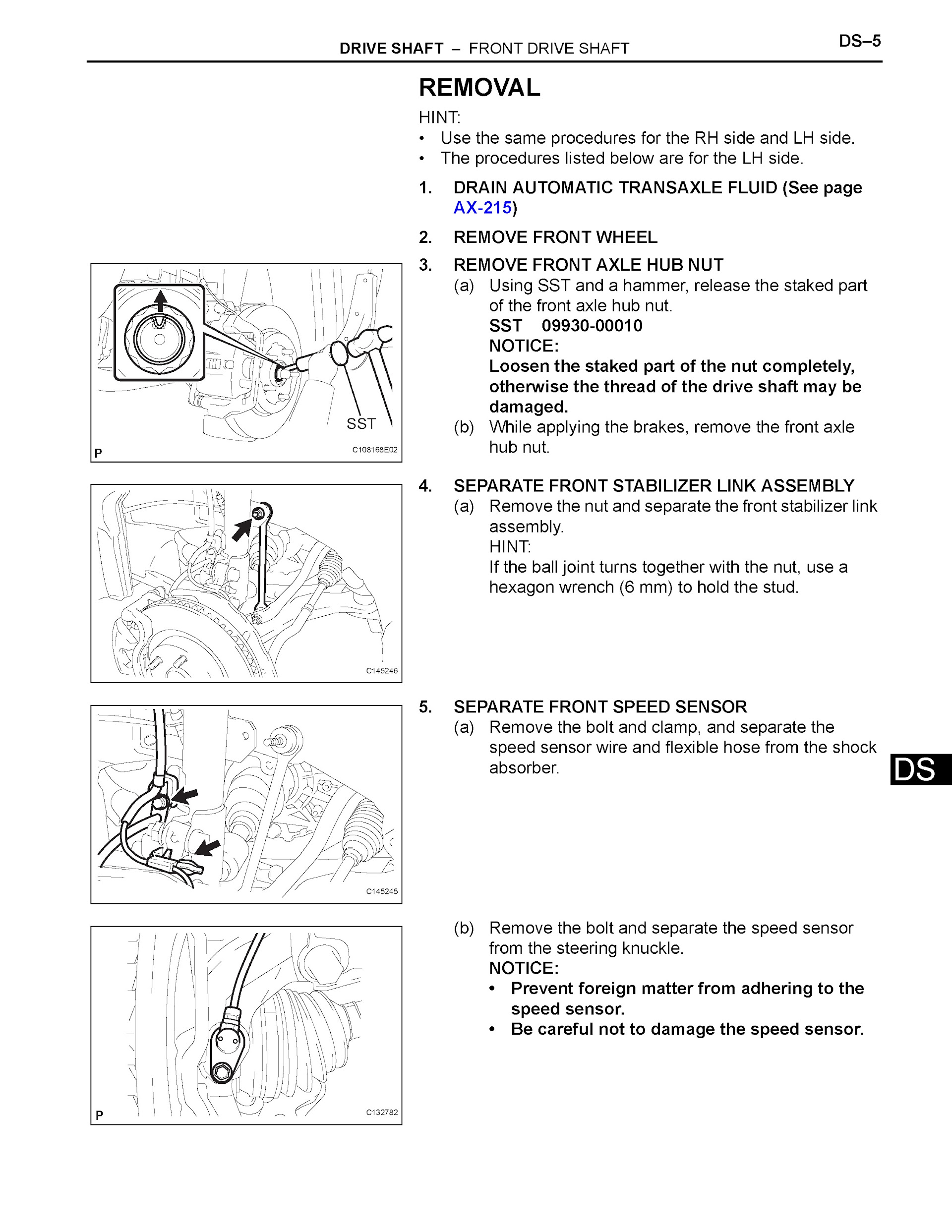
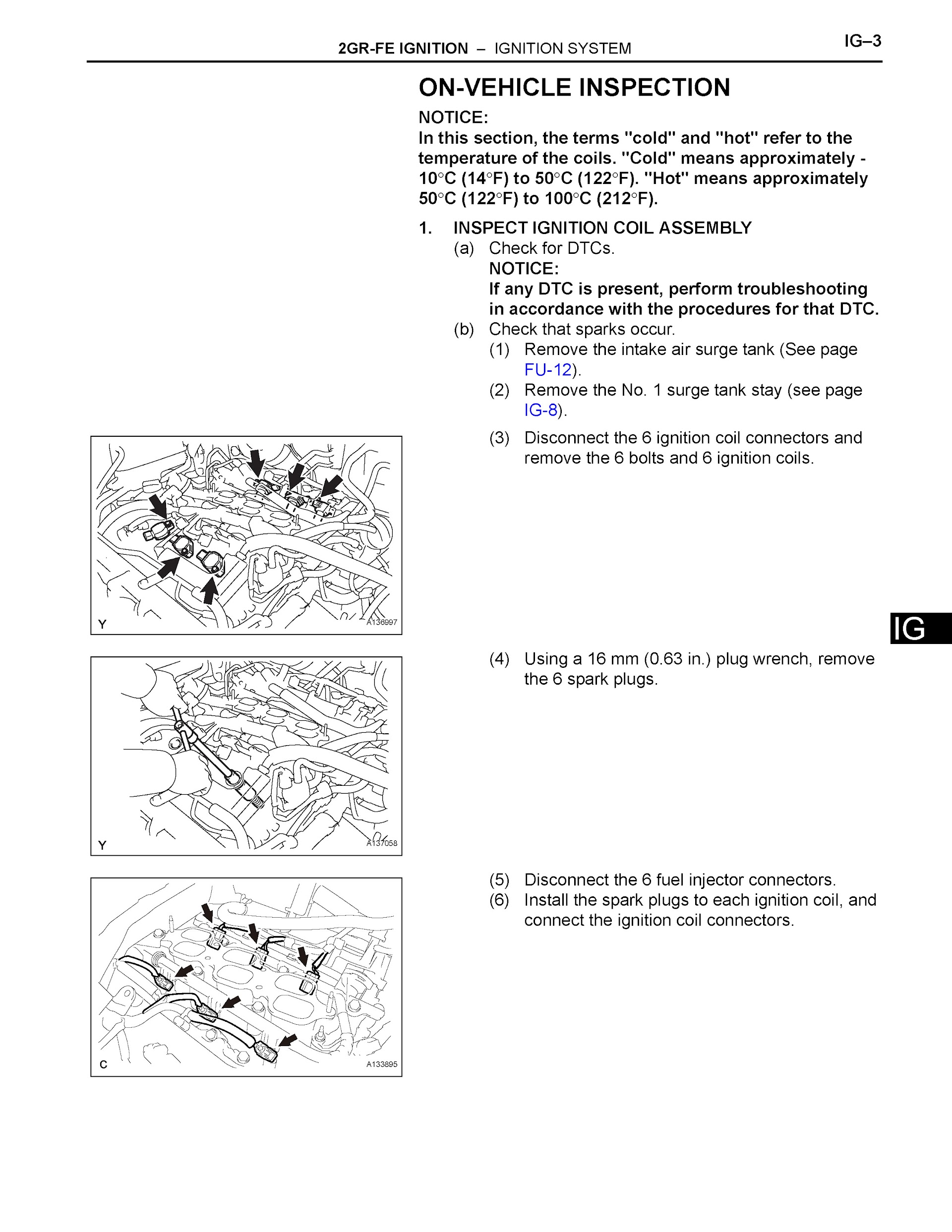
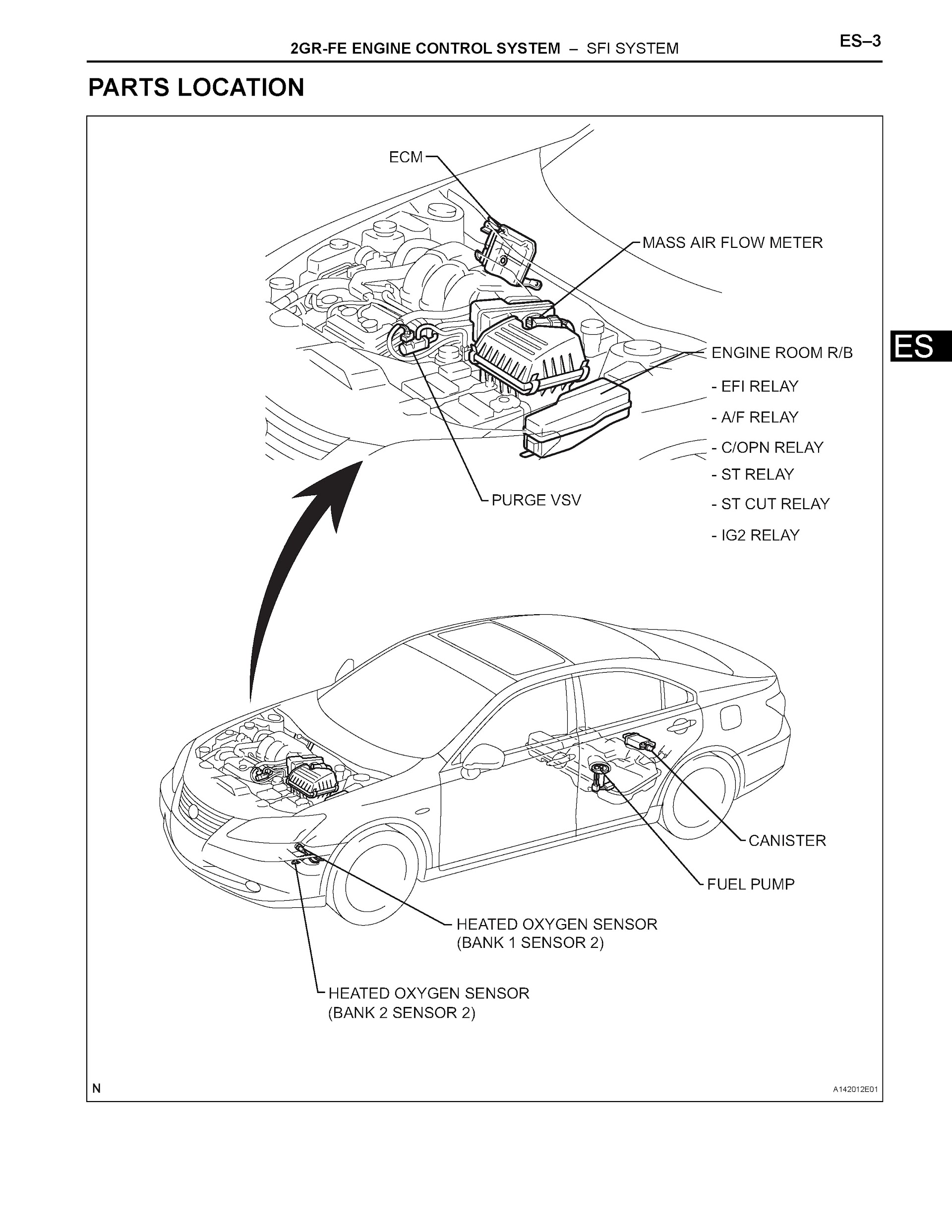
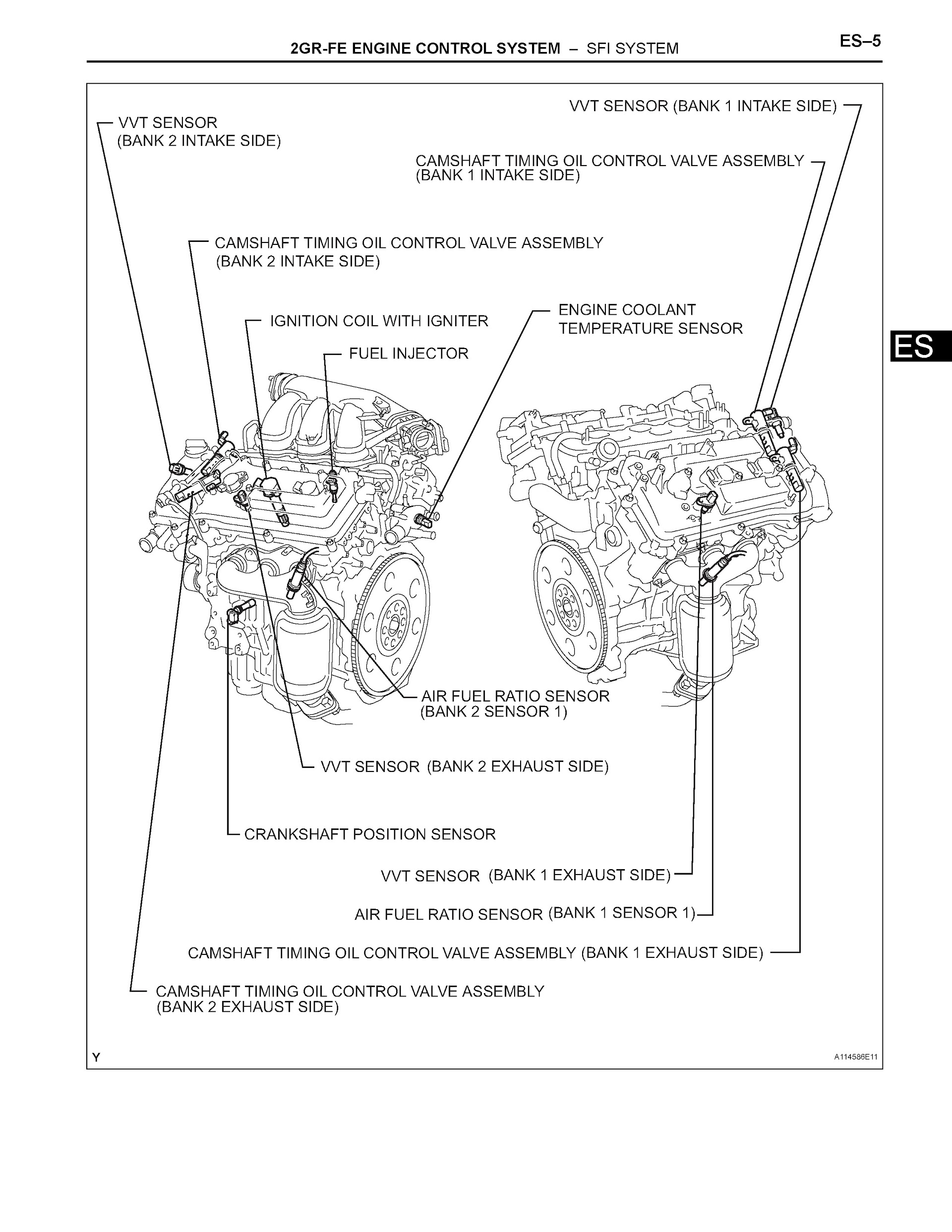
CAUTION: This OEM service and workshop repair manual provides detailed procedures for maintenance, disassembly, reassembly, inspection, adjustment, and diagnostics. It is intended as a comprehensive guide for experienced mechanics. To ensure thorough and accurate repairs that maintain your vehicle’s optimal performance, please read and follow this manual carefully. When replacing parts during any repair work, always
use genuine Toyota parts to ensure quality, safety, and reliability.
2007-2009 Lexus ES 350: Comprehensive Buyer’s Guide
Overview
The 2007-2009 Lexus ES 350 is a luxury midsize sedan that replaced the ES 330. It offered a refined driving experience, premium interior, and Toyota/Lexus reliability. This fifth-generation ES (XV40) was positioned as an entry-level luxury sedan with a focus on comfort and quietness.
Key Highlights:
- Luxurious, quiet cabin with high-quality materials
- Strong V6 engine with smooth performance
- Excellent reliability record compared to competitors
- Comprehensive standard features
- Comfortable ride quality
- Minor updates across the model years (2008 added USB port, 2009 minor cosmetic changes)
Technical Specifications
Engine:
- 3.5L V6 (2GR-FE)
- 272 horsepower @ 6,200 rpm
- 254 lb-ft torque @ 4,700 rpm
Transmission:
Drivetrain:
- Front-wheel drive (FWD) only
Dimensions:
- Length: 191.1 inches
- Width: 71.7 inches
- Height: 57.1 inches
- Wheelbase: 109.3 inches
- Curb Weight: 3,460-3,580 lbs
Performance:
- 0-60 mph: ~6.8 seconds
- Top Speed: 130 mph (electronically limited)
- Fuel Economy: 19 city / 27 highway mpg
Fuel Capacity:
- 18.5 gallons (premium recommended, regular acceptable)
Suspension:
- Front: MacPherson strut
- Rear: Dual-link strut
Brakes:
- Front: 11.7-inch ventilated discs
- Rear: 11.1-inch solid discs
- ABS standard
Wheels & Tires:
- 17-inch alloy wheels (standard)
- 215/55R17 tires
Seating:
- 5 passengers
- Leather upholstery standard
Cargo:
- 15.2 cubic feet trunk space
Top 10 Mechanical & Electrical Issues
1. Oil Consumption/Leaking Oil
-
- Symptoms: Low oil warning light, visible oil spots under vehicle, burning oil smell, blue smoke from exhaust
- Root Cause: Oil cooler hose leaks (common), valve cover gasket leaks, or excessive oil consumption due to piston ring design
- Fix: Replace oil cooler hoses and clamps, replace valve cover gaskets, monitor oil levels regularly
- Cost: $300-$800 (hoses/gaskets); $2,500-$4,000 (internal engine work if severe consumption)
2. Melting Dashboard
-
- Symptoms: Dashboard becomes sticky, shiny, reflective, or appears to be melting/deforming
- Root Cause: Defective dashboard material that degrades over time, especially in hot climates
- Fix: Dashboard replacement (covered under extended warranty/settlement in some cases)
- Cost: $0-$3,000 (depending on warranty coverage; Lexus settled class-action lawsuit)
3. Transmission Hesitation/Harsh Shifting
-
- Symptoms: Delayed engagement, harsh shifts between gears, hesitation during acceleration
- Root Cause: Transmission software calibration issues, worn transmission fluid
- Fix: Software update/reflash, transmission fluid flush and replacement
- Cost: $150-$400 (fluid service); $0-$200 (software update at dealer)
4. Water Pump Failure
-
- Symptoms: Coolant leaks, engine overheating, whining noise from front of engine, steam from hood
- Root Cause:Water pump bearing or seal failure (common around 80,000-120,000 miles)
- Fix: Replace water pump and thermostat (typically done together)
- Cost: $500-$900
5. Power Steering Hose Leaks
-
- Symptoms: Power steering fluid leaks, whining noise when turning, heavy steering, low fluid warnings
- Root Cause:Deteriorated rubber hoses, particularly high-pressure hose
- Fix: Replace power steering hoses, refill fluid
- Cost: $300-$600
6. Front Strut Mount Bearing Failure
-
- Symptoms: Clunking or knocking noise over bumps, especially when turning, uneven tire wear
- Root Cause: Worn strut mount bearings (common wear item) F
- ix: Replace front strut mounts (often done with struts)
- Cost: $400-$800 (mounts only); $800-$1,400 (with struts)
7. Secondary Air Injection System Failure
-
- Symptoms: Check engine light, P0410/P0418/P0419 codes, failed emissions test
- Root Cause: Failed air pump, clogged air injection valves, or vacuum switching valve failure
- Fix: Replace air pump, clean or replace valves
- Cost:$600-$1,200
8. Brake Actuator Noise
-
- Symptoms: Buzzing or humming noise from under hood for 10-15 seconds after starting, especially in cold weather
- Root Cause: Normal operation of ABS brake actuator self-check (not actually a problem)
- Fix: None needed (normal characteristic); if excessive, replace brake actuator
- Cost: $0 (normal); $1,500-$2,500 (if replacement needed)
9. Window Regulator Failure
-
- Symptoms: Window moves slowly, window tilts when moving, window won’t go up/down, grinding noise
- Root Cause: Plastic components in window regulator break or wear out
- Fix: Replace window regulator assembly
- Cost:$300-$600 per window
10. HID Headlight Ballast Failure
-
- Symptoms: One or both headlights flickering, not turning on, or shutting off randomly
- Root Cause: Failed HID ballast (electronic control unit)
- Fix: Replace HID ballast(s) and possibly bulbs
- Cost: $200-$500 per side
Top 5 Competitors (2007-2009)
- Acura TL – Sportier handling, more powerful V6, similar reliability
- Infiniti G35 Sedan – More performance-oriented, rear-wheel drive, sportier character
- Lincoln MKZ – American luxury alternative, AWD available, similar price point
- Buick LaCrosse – More affordable, softer ride, less prestigious brand
- Audi A4 – European luxury, AWD available, higher maintenance costs
Top 10 Recalls, Advisories & TSB Highlights
Recalls
- Floor Mat Entrapment (2007-2010) – Unsecured floor mats could interfere with accelerator pedal; use proper retention clips
- Airbag Inflator Rupture – Takata – Defective Takata airbag inflators could rupture; replace affected airbags immediately
- Fuel Pressure Sensor O-Ring – Potential fuel leak from cracked o-ring; inspect and replace sensor
Technical Service Bulletins (TSBs)
- Dashboard Discoloration/Melting (TSB-0199-14) – Dashboard material degrades; replacement under warranty extension
- Transmission Shift Quality (TSB-TC003-09) – Harsh or delayed shifts; software update available
- Steering Wheel Trim Peeling – Leather/wood trim peeling or bubbling; replacement under warranty
- Brake Actuator Noise (TSB-BR005-08) – Normal self-check noise; customer education, replacement if excessive
- Power Steering Whine (TSB-ST003-08) – Whining noise during turns; power steering fluid replacement with updated fluid
- Engine Oil Consumption (TSB-EG033-12) – Excessive oil consumption; monitor consumption, possible engine repair
- Condensation in Headlights/Taillights – Moisture inside light assemblies; improved sealing or vent modification
Important: Check vehicle history for open recalls at
NHTSA.gov using the VIN before purchase.
Maintenance Schedule
Every 5,000 Miles or 6 Months
- Engine oil and filter change (synthetic recommended)
- Tire rotation
- Inspect brake pads and rotors
- Check fluid levels
Every 15,000 Miles
- Cabin air filter replacement
- Inspect drive belts
Every 30,000 Miles
- Engine air filter replacement
- Inspect cooling system hoses
- Inspect suspension components
- Brake fluid inspection
Every 60,000 Miles
- Transmission fluid change (drain and fill)
- Coolant replacement
- Spark plug replacement
- Inspect and potentially replace drive belts
- Differential fluid change (if applicable)
Every 90,000 Miles
- Replace engine coolant
- Inspect/replace water pump (preventative)
- Inspect timing belt cover area for leaks
As Needed
- Battery replacement (typically 4-6 years)
- Brake pad/rotor replacement
- Tire replacement
- Wiper blade replacement
- Power steering fluid flush
🔔 Note: Lexus originally recommended 5,000-mile oil changes. With modern synthetic oil, 5,000-7,500 miles is appropriate depending on driving conditions.
10 Frequently Asked Questions for Buyers
Q1: Is the 2007-2009 ES 350 reliable? Yes, the ES 350 is among the most reliable luxury sedans. It shares the proven 3.5L V6 engine with the Toyota Camry and Avalon. Expect 200,000+ miles with proper maintenance.
Q2: Should I use premium or regular gasoline? Premium (91+ octane) is recommended for optimal performance, but regular (87 octane) is acceptable. You may notice slightly reduced power and fuel economy with regular.
Q3: What’s the melting dashboard issue? Many 2007-2009 ES 350s experienced dashboard deterioration where the surface becomes sticky or shiny. Lexus extended warranty coverage through a class-action settlement. Check if your VIN qualifies for free replacement.
Q4: How much does it cost to maintain annually? Expect $800-$1,200/year for routine maintenance (oil changes, tire rotations, filters). Budget an additional $500-$1,000/year for repairs on a 15+ year-old vehicle. Parts are more expensive than non-luxury brands but less than European competitors.
Q5: Are parts expensive? Yes, Lexus parts are premium-priced, but many components are shared with Toyota Camry/Avalon, offering aftermarket alternatives. OEM parts cost 30-50% more than domestic brands but are generally high quality.
Q6: What should I look for when buying used? Check for oil leaks (especially oil cooler hoses), dashboard condition, complete service records, check engine lights, transmission smoothness, and open recalls. Get a pre-purchase inspection.
Q7: Is the ES 350 good in snow? It’s front-wheel drive, which helps compared to RWD, but ground clearance is limited. With good winter tires, it handles light snow adequately. Not ideal for heavy winter climates without winter tires.
Q8: What’s the difference between 2007, 2008, and 2009 models? Minimal differences: 2008 added a USB port; 2009 had minor exterior styling tweaks and updated colors. All three years are mechanically similar.
Q9: How does it compare to a Toyota Avalon? The ES 350 shares its platform and engine with the Avalon but offers quieter cabin, more luxurious interior materials, softer ride, and premium brand prestige. The Avalon is more affordable to buy and maintain.
Q10: What mileage is too high? These engines regularly exceed 200,000 miles. Well-maintained examples with 150,000+ miles can still be good buys if service history is documented. Avoid examples with neglected maintenance regardless of mileage.
Final Buyer Recommendations
✅ BUY IF:
- You want a reliable, comfortable luxury sedan for daily driving
- You prioritize quiet cabin and smooth ride over sporty handling
- You have maintenance records showing regular oil changes and services
- The dashboard issue has been addressed or vehicle qualifies for replacement
- No major deferred maintenance (timing components, fluids, brakes)
- Price reflects current market value ($6,000-$12,000 depending on condition/mileage)
⚠️ PROCEED WITH CAUTION IF:
- No service records available (could indicate neglect)
- Evidence of oil leaks or excessive oil consumption
- Dashboard is deteriorating and not covered by warranty
- Transmission shifts harshly or hesitates
- Open safety recalls haven’t been completed
- Price seems too good to be true (often indicates hidden problems)
❌ AVOID IF:
- Check engine light is on with no explanation
- Evidence of accident damage or frame damage
- Strong oil burning smell or blue exhaust smoke
- Major deferred maintenance (needs transmission work, engine work, etc.)
- Owner cannot provide maintenance history
- Rust issues (especially in northern climates)
Best Practices
- Always get a pre-purchase inspection from an independent Lexus/Toyota specialist ($100-$200 well spent)
- Run a vehicle history report (Carfax/AutoCheck) to check for accidents and service records
- Check for open recalls at NHTSA.gov using the VIN
- Verify dashboard warranty eligibility if it shows deterioration
- Budget for immediate maintenance – assume it needs fluids, filters, and possibly brakes/tires
- Test drive thoroughly – highway merging, cold starts, tight turns, rough roads
- Negotiate based on needed repairs – use inspection findings as leverage
Sweet Spot:
A 2008-2009 ES 350 with 80,000-120,000 miles, complete service history, no dashboard issues (or already replaced), and recent major service (transmission fluid, coolant, etc.) represents the best value. Expect to pay $8,000-$11,000 for a well-maintained example.
Final Verdict
The 2007-2009 Lexus ES 350 remains an excellent choice for buyers seeking a reliable, comfortable luxury sedan at an affordable price. While parts and repairs cost more than mainstream brands, the legendary reliability and build quality make it a smart long-term investment. With proper care, these vehicles can easily serve you for another 100,000+ miles. The key is finding one with documented maintenance history and addressing the dashboard issue proactively.