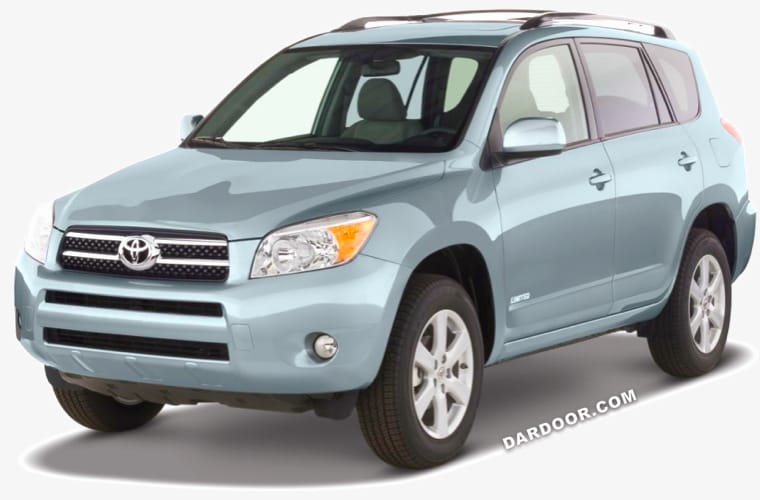
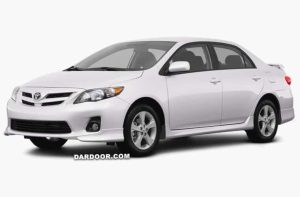
2006–2012 Toyota RAV4 (XA30) — OEM Workshop Service & Repair Manual (PDF)
Download the original OEM workshop service and repair manual for the 2006–2012 Toyota RAV4, covering the third-generation XA30 series. This is the same factory documentation used by Toyota dealership technicians, providing step-by-step repair procedures, specifications, diagnostics, and complete electrical wiring diagrams.
| File Format |
PDF |
| File Language |
English |
| You’ll Get |
376.3 MB |
| Wiring Diagram |
Included |
| Delivery Method |
Instant Download |
Models Covered
- Generation: Third Generation (XA30)
- Production Years: 2006, 2007, 2008, 2009, 2010, 2011, 2012
- Series Codes: ACA30, ACA33, ACA38, ALA30
- Drive Configurations: Left-Hand Drive (LHD) & Right-Hand Drive (RHD)
Engines Covered
- 2AZ-FE: 2.4-Liter Inline 4-Cylinder
- 2GR-FE: 3.5-Liter V6
Download the 2006 Toyota RAV4 OEM Workshop Manual now and have all the information you need to maintain and repair your RAV4 right at your fingertips! 🚗📘
Key Features
- Engines: Complete repair guidance for both the 2AZ-FE (2.4L) and 2GR-FE (3.5L V6) engines.
- Drivetrain: Information for both front-wheel drive (FWD) and all-wheel drive (AWD) systems.
- Suspension and Brakes: Detailed maintenance and repair instructions.
- HVAC System: Coverage for heating, ventilation, and air conditioning.
- Electrical Systems: Comprehensive wiring diagrams and troubleshooting for all systems.
What’s Inside
- Engine mechanical repair & overhaul procedures
- Automatic transmission & drivetrain service
- Suspension, steering, brakes & ABS
- Complete electrical system & wiring diagrams
- Body, interior, HVAC & SRS/airbag systems
- Maintenance schedules, fluids, capacities & torque specs
Why You Need This Manual
- Professional-Level Repairs: Get the same information trusted by Toyota dealer technicians.
- DIY-Friendly: Simple, easy-to-follow instructions for all skill levels.
- Cost-Effective: Save on repair costs by doing the work yourself.
- Comprehensive Coverage: Everything you need for repair, maintenance, and troubleshooting.
Benefits of Using This Manual
- Keep your RAV4 in peak condition with expert-level guidance.
- Gain confidence to tackle repairs and maintenance independently.
- Access dealer-grade information in a convenient and affordable PDF format.
- Prolong the lifespan and reliability of your Toyota RAV4.
Download & Compatibility
Delivery: Instant digital PDF download
Compatibility: Windows • macOS • iOS • Android
This manual provides detailed instructions for maintenance, disassembly, reassembly, component inspection, adjustment, and diagnostics—intended for use by experienced mechanics. Proper application of this guide will help ensure thorough repairs and maintain your vehicle in peak condition.
Important Note: Before purchasing this manual, please check whether your vehicle is subject to any active service recalls, as authorized dealerships may perform necessary repairs free of charge. When replacing parts, always use genuine OEM components to ensure safety, reliability, and long-term performance.
Table of Contents : 2006 Toyota RAV4 Repair Manual
A- Service and Repair Manual
-
- 2AZ-FE Charging
- 2AZ-FE Cooling
- 2AZ-FE Emission Control
- 2AZ-FE Engine Control System
- 2AZ-FE Engine Mechanical
- 2AZ-FE Exhaust
- 2AZ-FE Fuel
- 2AZ-FE Ignition
- 2AZ-FE Lubrication
- 2AZ-FE Starting
- 2GR-FE Charging
- 2GR-FE Cooling
- 2GR-FE Emission Control
- 2GR-FE Engine Control System
- 2GR-FE Engine Mechanical
- 2GR-FE Exhaust
- 2GR-FE Fuel
- 2GR-FE Ignition
- 2GR-FE Intake
- 2GR-FE Lubrication
- 2GR-FE Starting
- Air Conditioning
- Axle
- Brake
- Brake Control
- CAN Communication
- Cruise Control
- Differential
- Door Lock
- Drive Shaft
- Engine Immobiliser
- Exterior
- GF1A Transfer
- Horn
- Instrument Panel
- Interior
- Introduction
- Lighting
- Maintenance
- Meter
- Mirror
- Other System
- Parking Brake
- Power Steering
- Preparation
- Propeller Shaft
- Seat
- Seat Belt
- Service Specifications
- Sliding Roof
- Steering Column
- Supplemental Restraint System
- Suspension
- Tire and Wheel
- U140F Automatic Transaxle
- U151E Automatic Transaxle
- U151F Automatic Transaxle
- U241E Automatic Transaxle
- Wiper and Washer
B- Electrical Wiring Diagrams
-
- Abbreviations
- Connector List
- Electrical Wiring Routing
- Glossary Of Terms And Symbols
- Ground Point
- How To Use This Manual
- Introduction
- Overall Electrical Wiring Diagram
- Part Number Of Connectors
- Power Source (Current Flow Chart)
- Relay Locations
- System Circuits
- Troubleshooting
C- New Car Features
-
- Appendix
- Body
- Body Electrical
- Chassis and Drivetrain
- Engine and Engine Control
- Introduction and Model Code
- New Features
D- Extras
-
- 2006 Trailer Wire Harness.
- 2006 – TVIP V4 Remote Engine Starter Install.
- AC Description.
- Oil Filter V6.
- RS3200 2006.
- Oil Filter I4.
- Canadian Molding Installation Instructions.
- 2006 4WD System.
- Upper Console.
- Airconditioning Control.
- Appendix.
- Pre-Delivery Service Check List.
- Customize Parameters
- Programming Remote.
SAMPLE PAGES
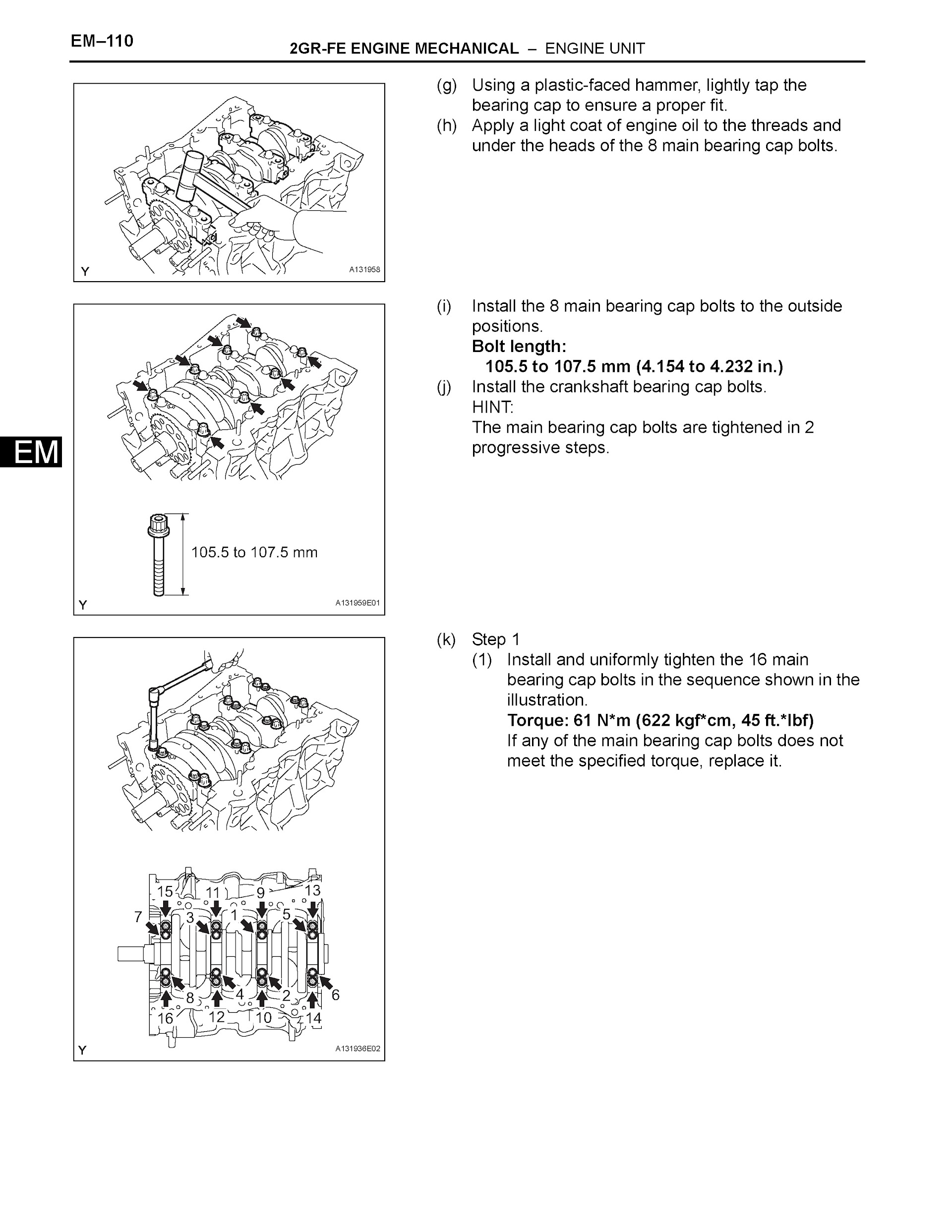
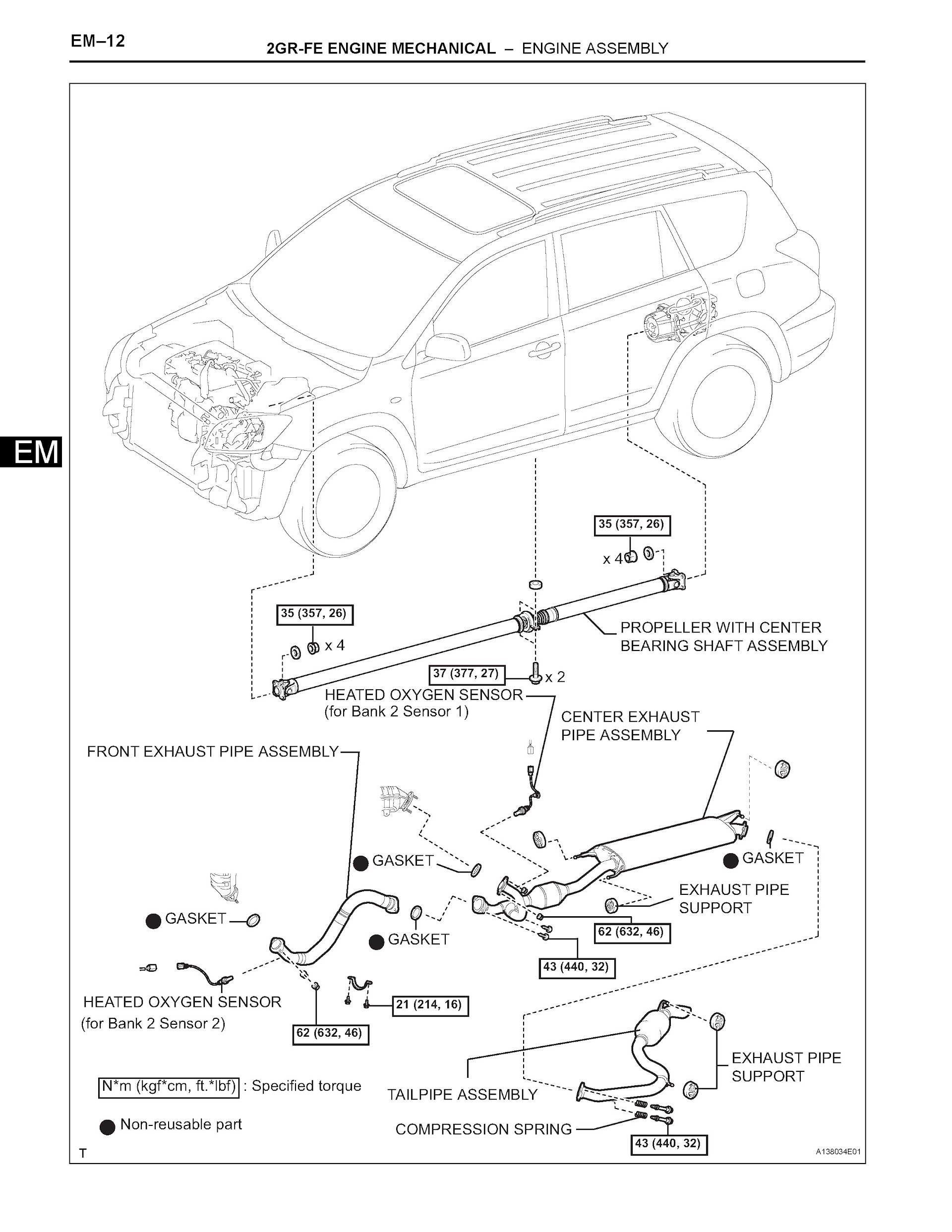
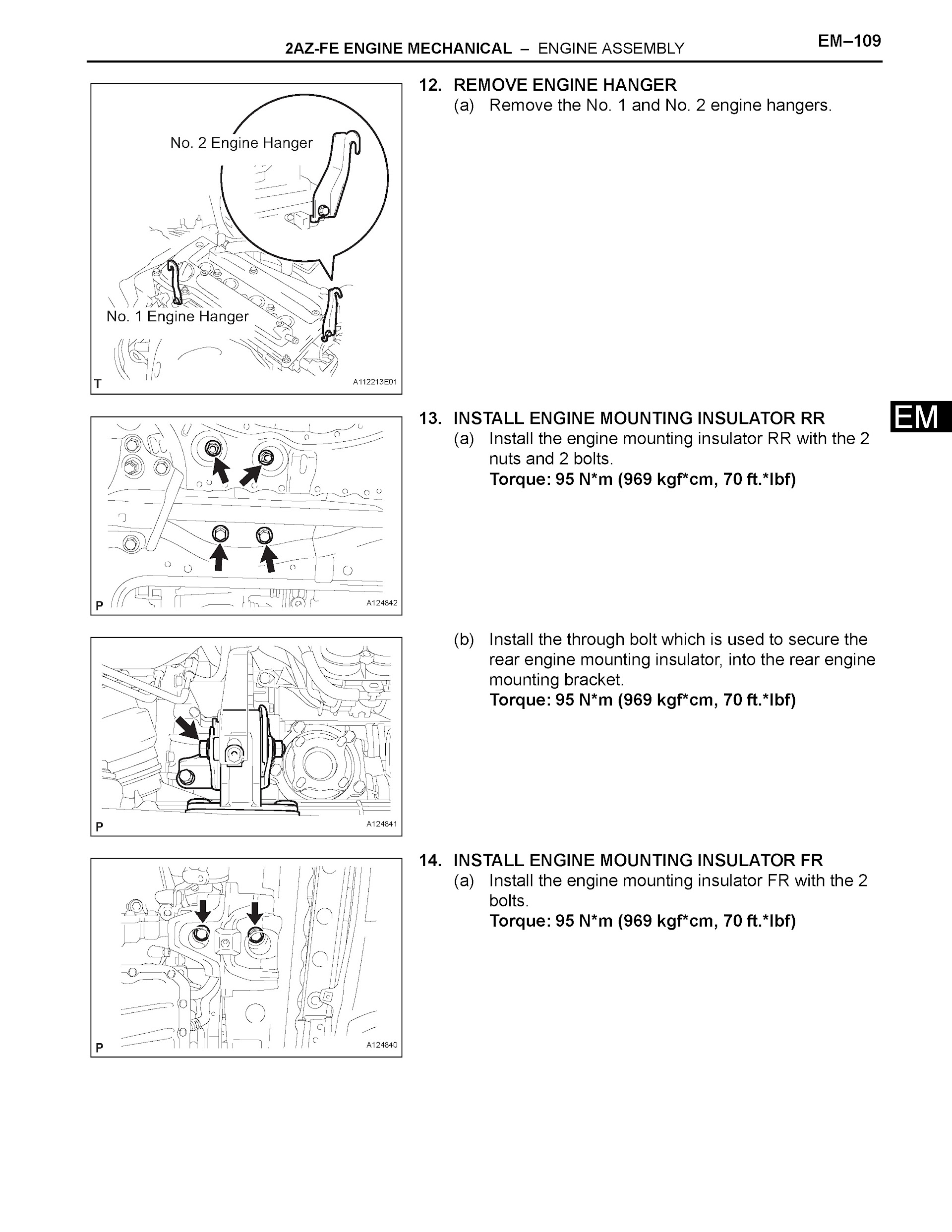
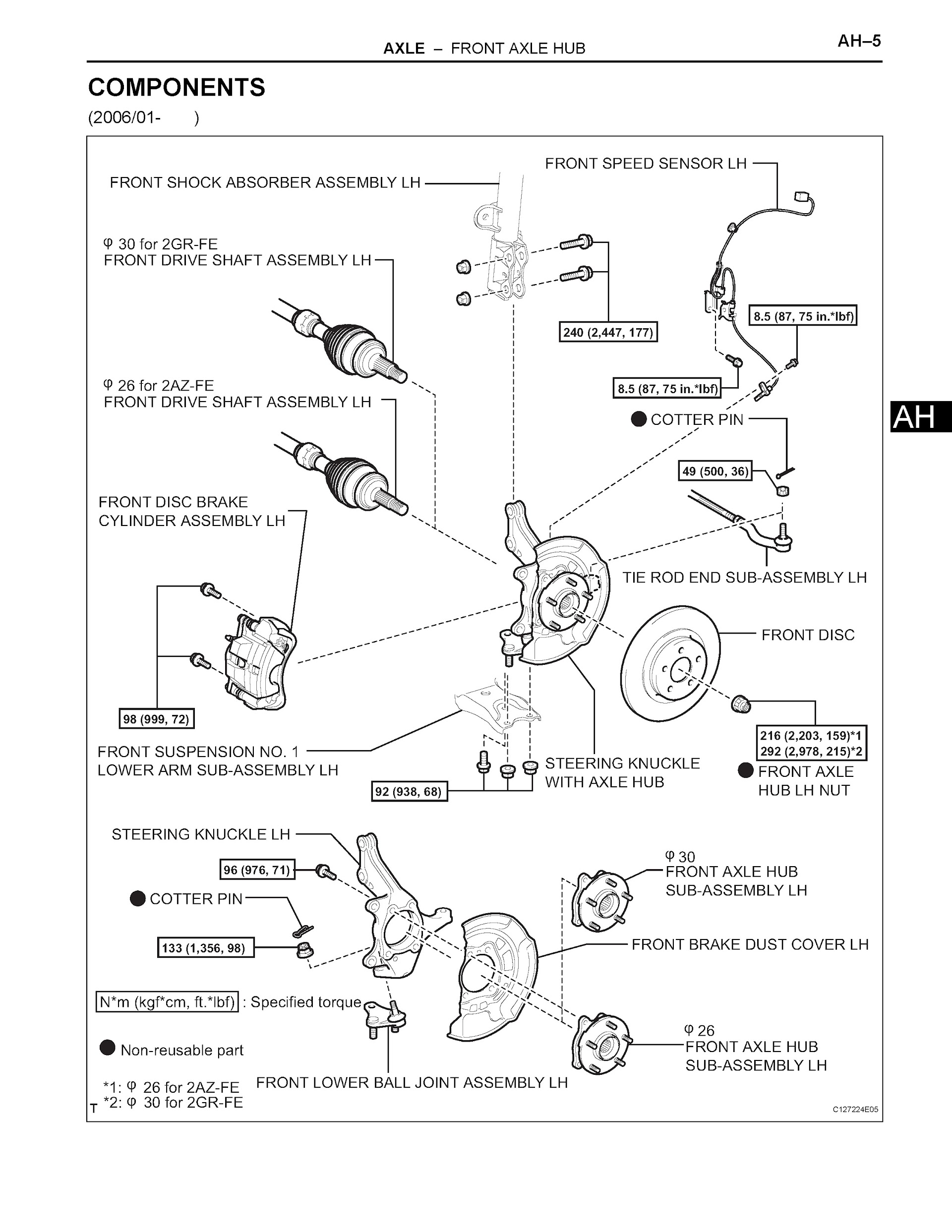
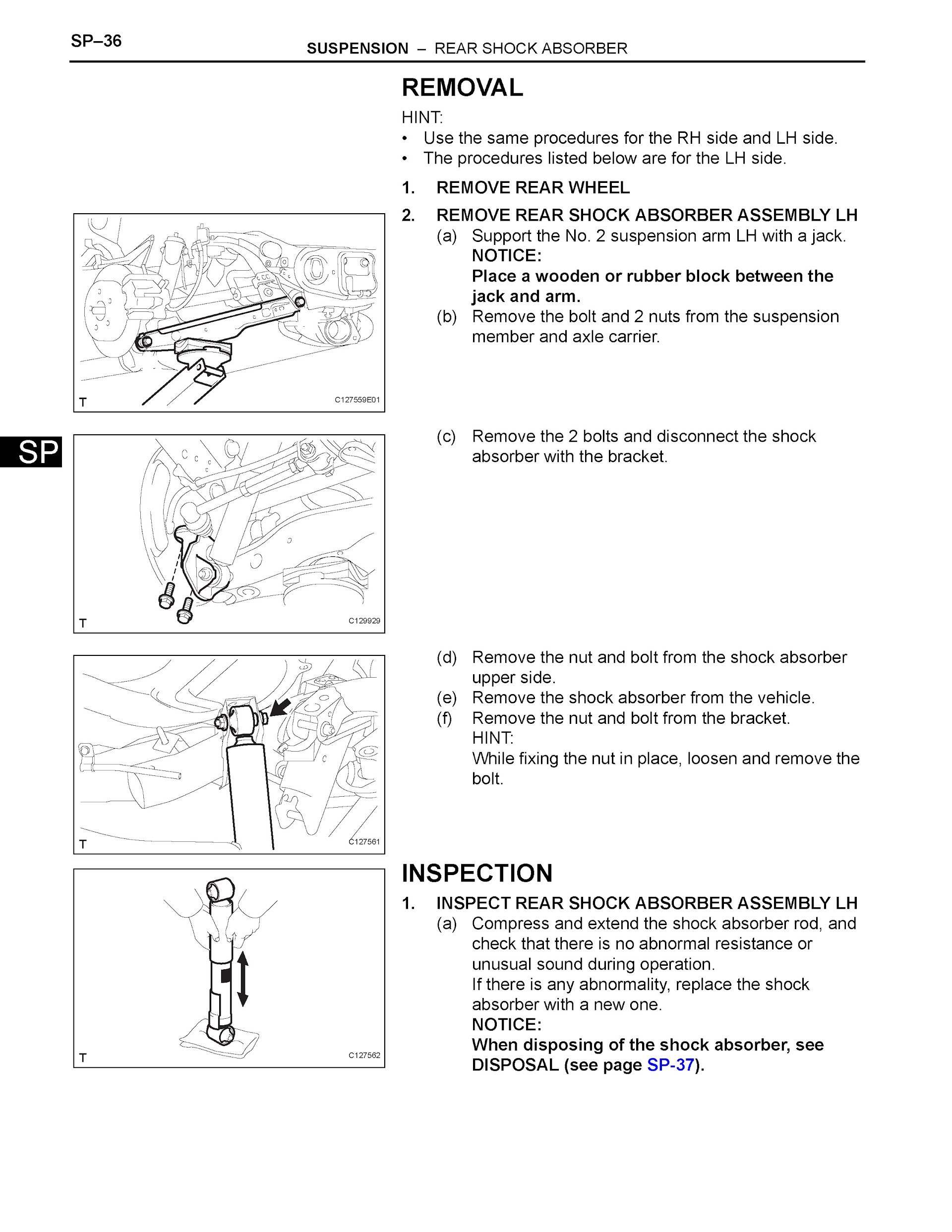
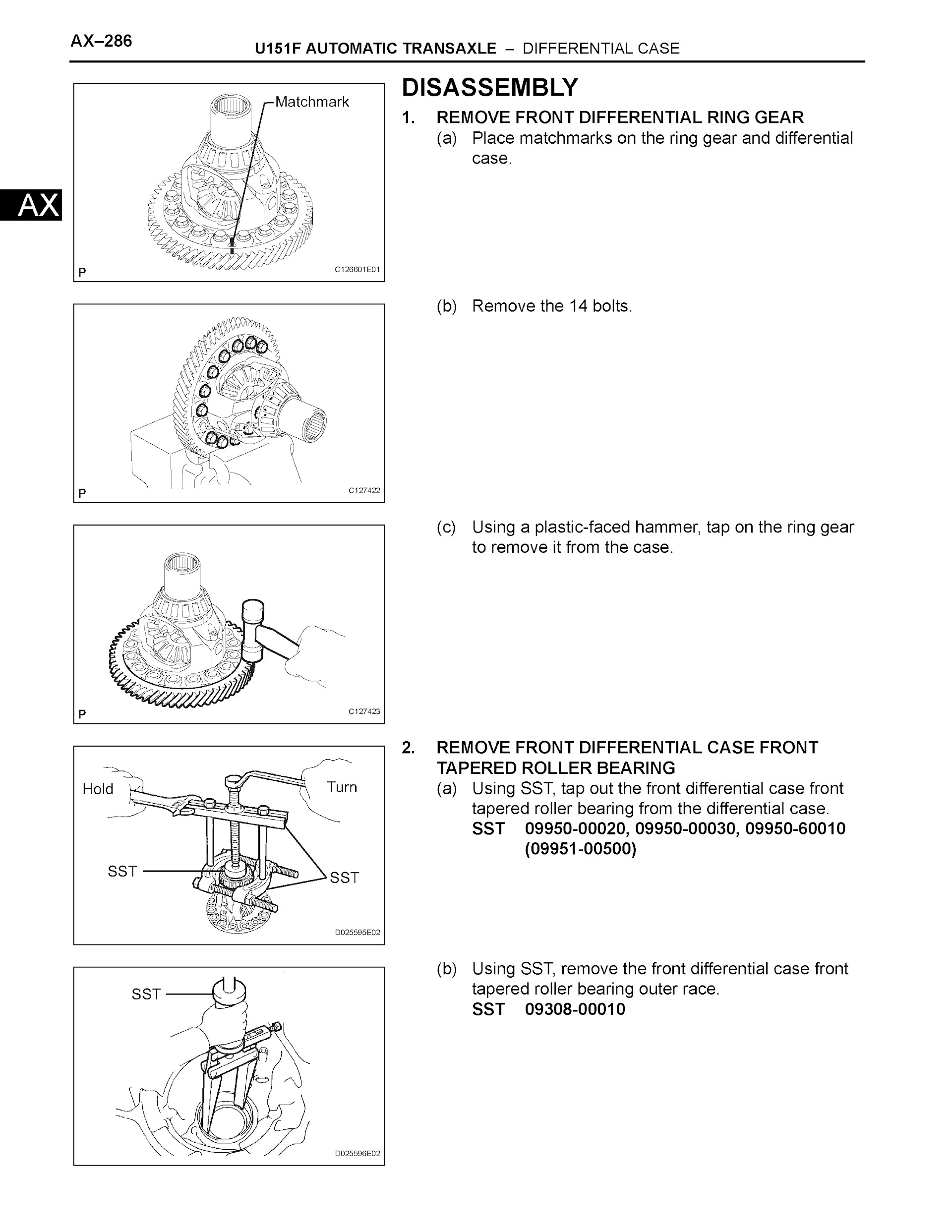
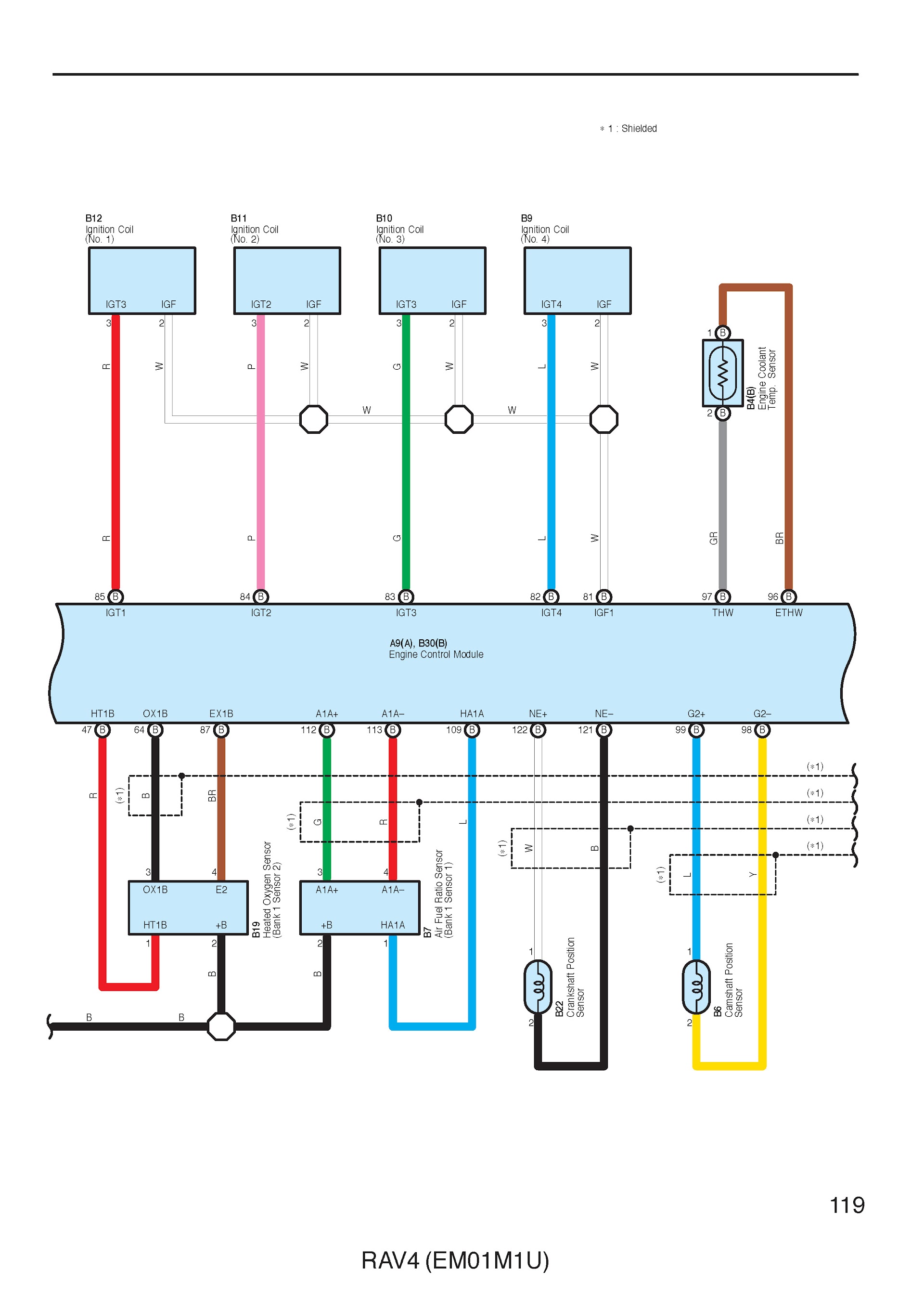
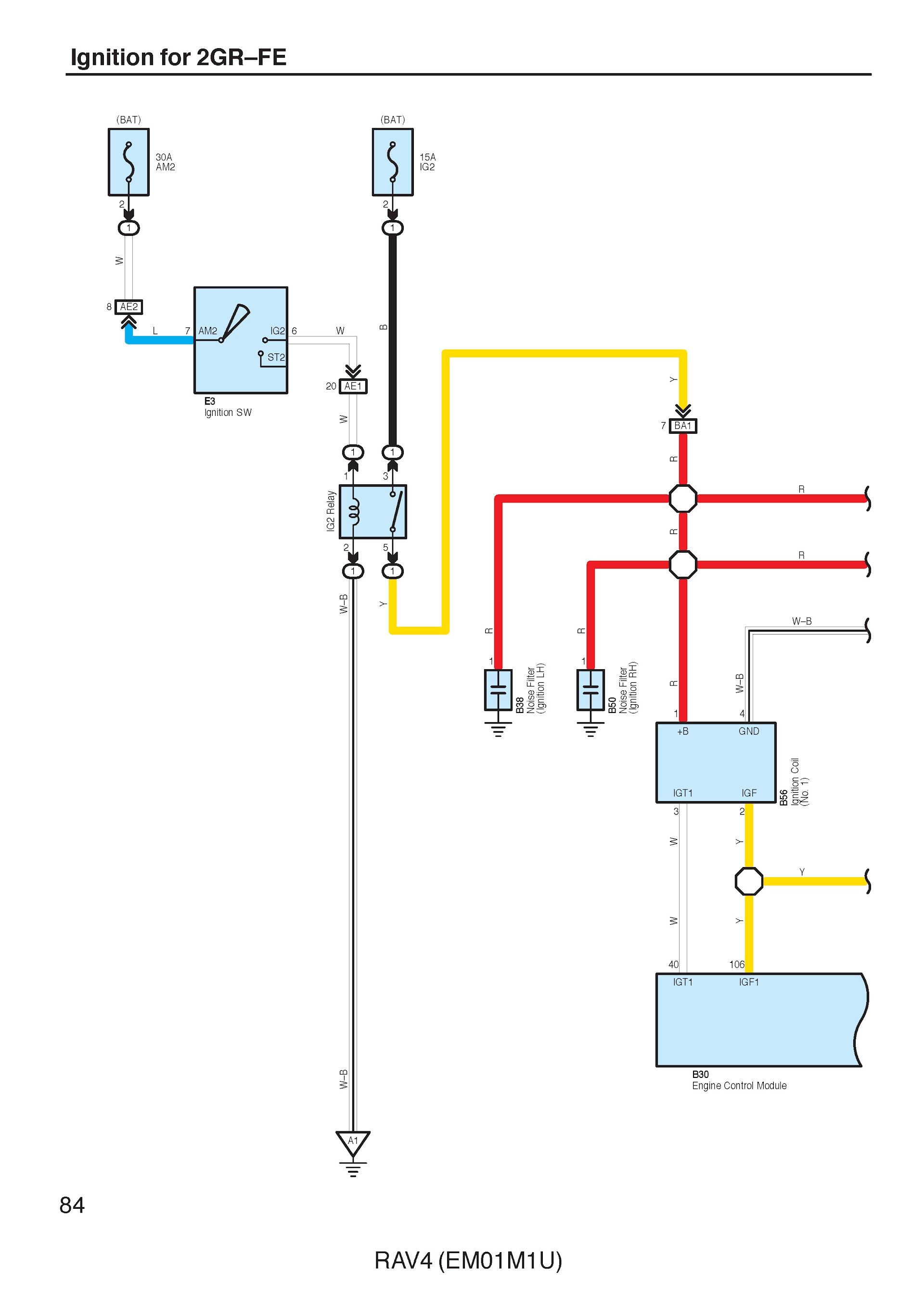
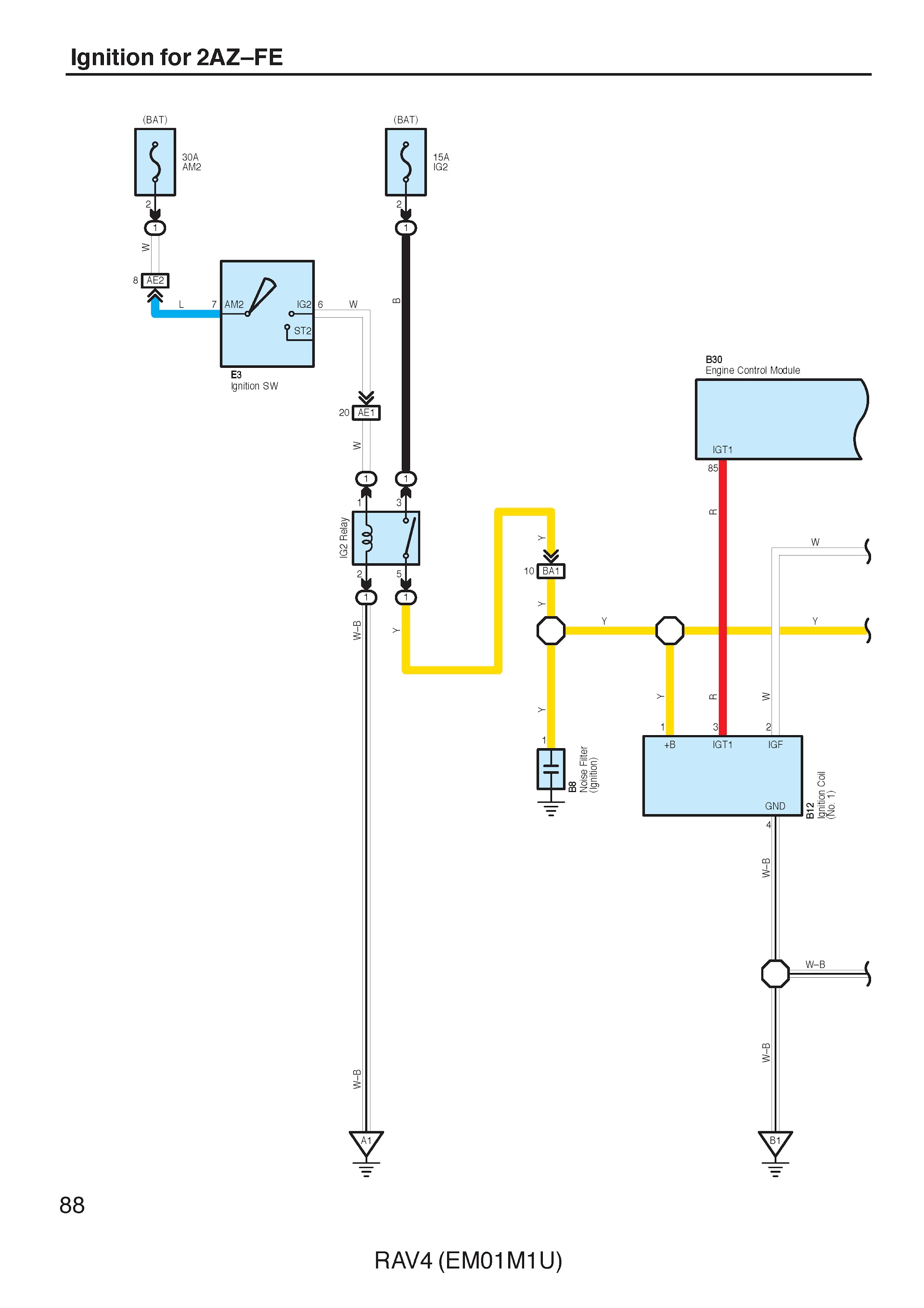
CAUTION: This OEM service and workshop repair manual provides detailed procedures for maintenance, disassembly, reassembly, inspection, adjustment, and diagnostics. It is intended as a comprehensive guide for experienced mechanics. To ensure thorough and accurate repairs that maintain your vehicle’s optimal performance, please read and follow this manual carefully. When replacing parts during any repair work, always use
genuine Toyota parts to ensure quality, safety, and reliability.
🚗 2006–2012 Toyota RAV4 – Full Vehicle Overview, Issues, DTCs & Maintenance Guide
The 2006–2012 Toyota RAV4 (XA30 generation) marked the transition of the RAV4 into a more powerful and family‑friendly compact SUV. Offering available V6 power, optional third‑row seating (early years), and Toyota’s reputation for reliability, this generation became one of the most popular compact SUVs worldwide.
⚙️ Technical Specifications & Performance
- Engine Options: 2.4L I4 (166 hp), 2.5L I4 (179 hp – later years), 3.5L V6 (269 hp)
- Transmission: 4‑speed automatic, 5‑speed automatic (V6)
- Drivetrain: FWD / AWD
- 0–100 km/h: ~9.5 sec (I4), ~6.5 sec (V6)
- Fuel Efficiency: 21–28 MPG combined
- Towing Capacity: 1,500 lbs (I4) / 3,500 lbs (V6)
- Seating Capacity: 5 seats (7 seats optional early years)
🔧 Top 10 Common Mechanical Issues (Root Cause & Fix)
- Excessive oil consumption (2.4L)
🔍 Root Cause: Defective piston rings in early 2AZ‑FE engines.
🛠️ Fix: Replace piston rings or short block under updated spec.
- Water pump leaks
🔍 Root Cause: Seal wear over time.
🛠️ Fix: Replace water pump and coolant.
- Rear differential whine (AWD)
🔍 Root Cause: Worn bearings or old gear oil.
🛠️ Fix: Replace differential fluid or rebuild differential.
- Transmission harsh shifting
🔍 Root Cause: Valve body wear or old ATF.
🛠️ Fix: Fluid exchange; valve body repair if needed.
- Premature brake wear
🔍 Root Cause: Vehicle weight and soft factory pads.
🛠️ Fix: Upgrade to higher‑quality pads and rotors.
- Suspension knocking
🔍 Root Cause: Worn sway bar links and strut mounts.
🛠️ Fix: Replace stabilizer links and mounts.
- V6 rear driveshaft clunk
🔍 Root Cause: Slip yoke wear and driveline lash.
🛠️ Fix: Lubricate or replace driveshaft components.
- Engine mount failure
🔍 Root Cause: Rubber deterioration over time.
🛠️ Fix: Replace engine mounts.
- Overheating under load
🔍 Root Cause: Clogged radiator or weak cooling fans.
🛠️ Fix: Flush cooling system; replace fan assembly.
- Exhaust heat shield rattle
🔍 Root Cause: Corroded mounting points.
🛠️ Fix: Secure or replace heat shield.
💡 Top 10 Common Electrical Issues (Root Cause & Fix)
- Check Engine Light (EVAP codes)
🔍 Root Cause: Loose or failing gas cap.
🛠️ Fix: Replace gas cap; clear codes.
- Power window failure
🔍 Root Cause: Window regulator motor wear.
🛠️ Fix: Replace regulator assembly.
- ABS warning light
🔍 Root Cause: Faulty wheel speed sensor.
🛠️ Fix: Replace sensor and recalibrate.
- Dashboard lights flickering
🔍 Root Cause: Weak alternator or battery.
🛠️ Fix: Replace alternator or battery.
- Keyless entry not responding
🔍 Root Cause: Fob battery or receiver issues.
🛠️ Fix: Replace battery; reprogram key.
- HVAC blower not working
🔍 Root Cause: Burnt blower resistor.
🛠️ Fix: Replace resistor pack.
- Airbag warning light
🔍 Root Cause: Seat occupancy sensor failure.
🛠️ Fix: Replace or recalibrate sensor.
- Rear wiper failure
🔍 Root Cause: Corroded motor wiring.
🛠️ Fix: Repair wiring or replace motor.
- Headlight intermittent failure
🔍 Root Cause: Worn bulb sockets.
🛠️ Fix: Replace sockets and bulbs.
- Battery drain overnight
🔍 Root Cause: Stuck body control module relay.
🛠️ Fix: Diagnose parasitic draw; replace faulty relay.
📊 Pros & Cons Comparison with Competitors
| Model |
Pros 👍 |
Cons 👎 |
| Toyota RAV4 |
Excellent reliability; Available V6; Strong resale |
Firm ride; Basic interior |
| Honda CR‑V |
Spacious cabin; Smooth ride |
No V6 option; AWD weaker |
| Ford Escape |
Engaging handling; V6 available |
Lower reliability |
| Nissan X‑Trail / Rogue |
Comfortable ride; Good cargo space |
CVT issues; Less powerful engines |
| Mazda CX‑7 |
Sporty handling; Turbo option |
Poor fuel economy |
| Hyundai Tucson |
Good value; Long warranty |
Interior quality average |
🛠️ Maintenance Schedule
| Interval ⏱️ |
Maintenance Task 🔧 |
| Every 5,000 miles |
Engine oil & filter change |
| Every 15,000 miles |
Tire rotation; brake inspection |
| Every 30,000 miles |
Replace air & cabin filters; inspect ATF |
| Every 60,000 miles |
Transmission fluid change; coolant service |
| Every 90,000 miles |
Inspect suspension and steering |
| Every 120,000 miles |
Replace water pump (preventive) |
⚠️ Recalls, Advisories & Safety Alerts
- Oil consumption campaign (2.4L engines)
- Steering shaft recall (2006–2008)
- ECU software update for stalling
- Rear suspension arm corrosion recall
- Airbag inflator recall (Takata)
- Fuel pump relay failure
- Seat belt pretensioner recall
- ABS module moisture intrusion
- Spare tire carrier corrosion
- Brake master cylinder seal defect
🧾 Diagnostic Trouble Codes (DTC) Tables
💻 Engine Control Module (ECM)
| Code |
Description |
| P0171 |
System Too Lean |
| P0300 |
Random Misfire |
| P0420 |
Catalyst Efficiency Below Threshold |
| P0457 |
EVAP Leak (Gas Cap) |
| P0100 |
Mass Air Flow Circuit |
| P0110 |
Intake Air Temp Circuit |
| P0125 |
Insufficient Coolant Temperature |
| P0335 |
Crankshaft Position Sensor |
| P0500 |
Vehicle Speed Sensor |
| P0606 |
ECM Processor Fault |
⚙️ Transmission Control Module (TCM)
| Code |
Description |
| P0700 |
Transmission Control System Malfunction |
| P0715 |
Input Speed Sensor Circuit |
| P0720 |
Output Speed Sensor Circuit |
| P0730 |
Incorrect Gear Ratio |
| P0740 |
Torque Converter Clutch Circuit |
| P0750 |
Shift Solenoid A |
| P0760 |
Shift Solenoid C |
| P0770 |
Shift Solenoid E |
| P0796 |
Pressure Control Solenoid C |
| P2714 |
Pressure Control Solenoid D |
🛑 ABS / ESC
| Code |
Description |
| C0200 |
Front Speed Sensor RH |
| C0205 |
Front Speed Sensor LH |
| C0210 |
Rear Speed Sensor RH |
| C0215 |
Rear Speed Sensor LH |
| C1223 |
ABS Control System Fault |
| C1231 |
Yaw Rate Sensor |
| C1241 |
Low Battery Voltage |
| C1275 |
Brake Actuator |
| C1290 |
Engine Control System Malfunction |
| C1336 |
Zero Point Calibration |
🎈 SRS Airbag System
| Code |
Description |
| B0100 |
Driver Airbag Circuit |
| B0110 |
Passenger Airbag Circuit |
| B0130 |
Side Airbag Circuit |
| B1150 |
Seat Belt Pretensioner |
| B1181 |
Occupant Classification System |
| B1200 |
Center Airbag Sensor |
| B1221 |
Side Curtain Airbag |
| B1260 |
Airbag Power Supply |
| B1801 |
Driver Squib Circuit |
| B1811 |
Passenger Squib Circuit |
📡 Body Control / CAN Communication
| Code |
Description |
| U0100 |
Lost Communication with ECM |
| U0121 |
Lost Communication with ABS |
| U0140 |
Lost Communication with BCM |
| U0155 |
Lost Communication with Instrument Cluster |
| U1000 |
CAN Communication Error |
| U1100 |
Lost Communication with Gateway |
| U1110 |
Lost Communication with Hybrid ECU |
| U1120 |
Lost Communication with Steering ECU |
| U1201 |
Invalid Data Received |
| U1300 |
Bus Line Error |
✅ Final Verdict & Conclusion
The 2006–2012 Toyota RAV4 remains one of the most dependable compact SUVs ever produced. With available V6 performance, strong resale value, and proven durability, it stands out despite known oil‑consumption and suspension issues. Proper maintenance makes this generation an excellent long‑term ownership choice.