Mitsuoka Orochi: The Supercar That Was Never Meant to Be One
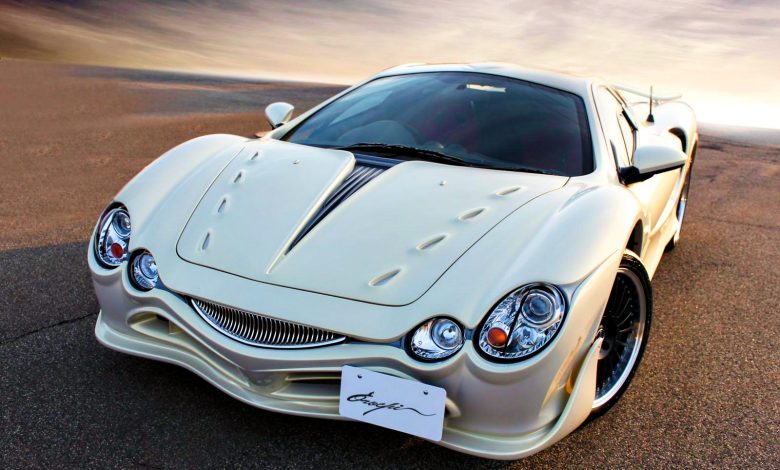
When we think of Japan’s greatest cars, models like the Toyota Supra, Nissan Skyline GT-R, and Honda NSXimmediately come to mind. These are machines that have earned their legendary status through performance, engineering excellence, and motorsport pedigree. But then there’s the Mitsuoka Orochi—a car that broke every rule in the supercar handbook, not by accident, but by design.
Often ridiculed for its bizarre looks and underwhelming performance, the Orochi has been misunderstood since day one. It wasn’t built to set lap records or take on Ferrari. Instead, it was a rolling piece of automotive art, meant to evoke emotion rather than adrenaline. And with the Year of the Snake upon us, there’s no better time to revisit this serpentine oddity.




The Orochi: Named After a Mythical Serpent
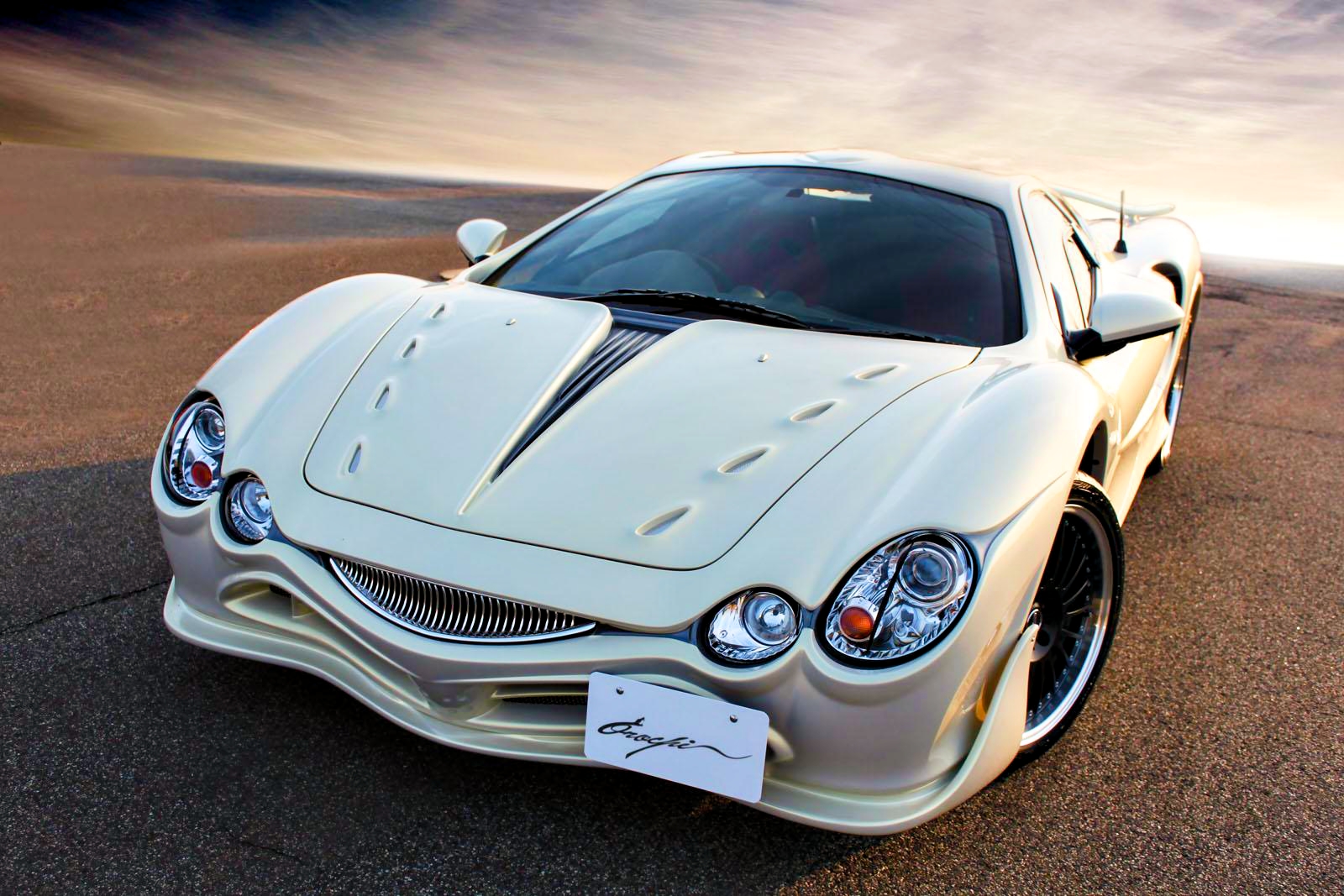
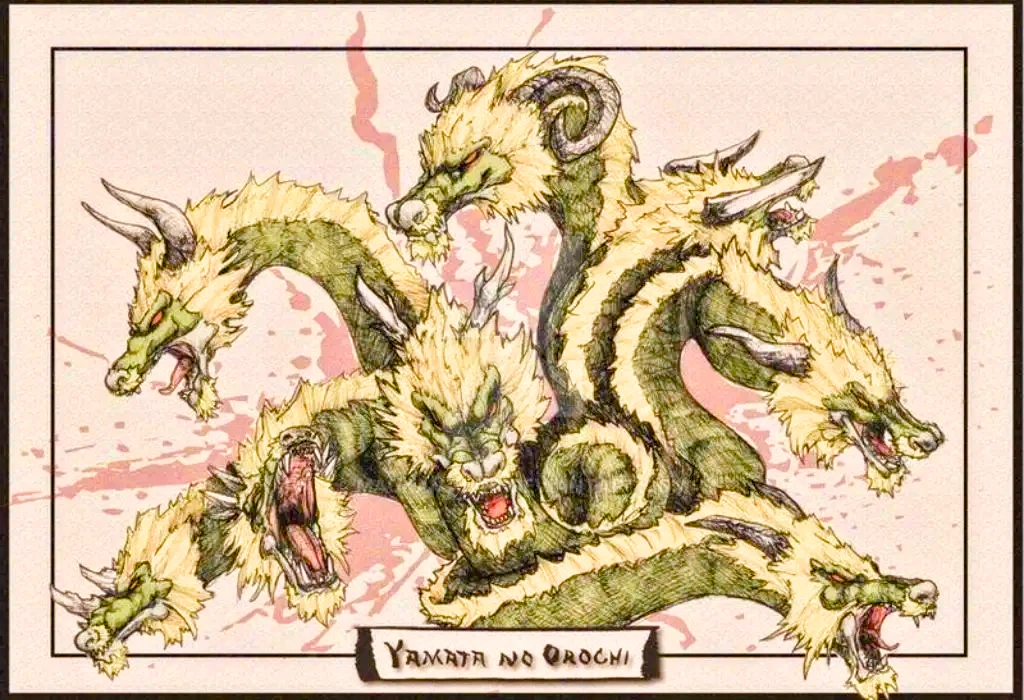
The Mitsuoka Orochi takes its name from Yamata no Orochi, a fearsome eight-headed, eight-tailed dragon from Japanese folklore. According to legend, this massive serpent terrorized villages until it was slain by the storm god Susanoo.
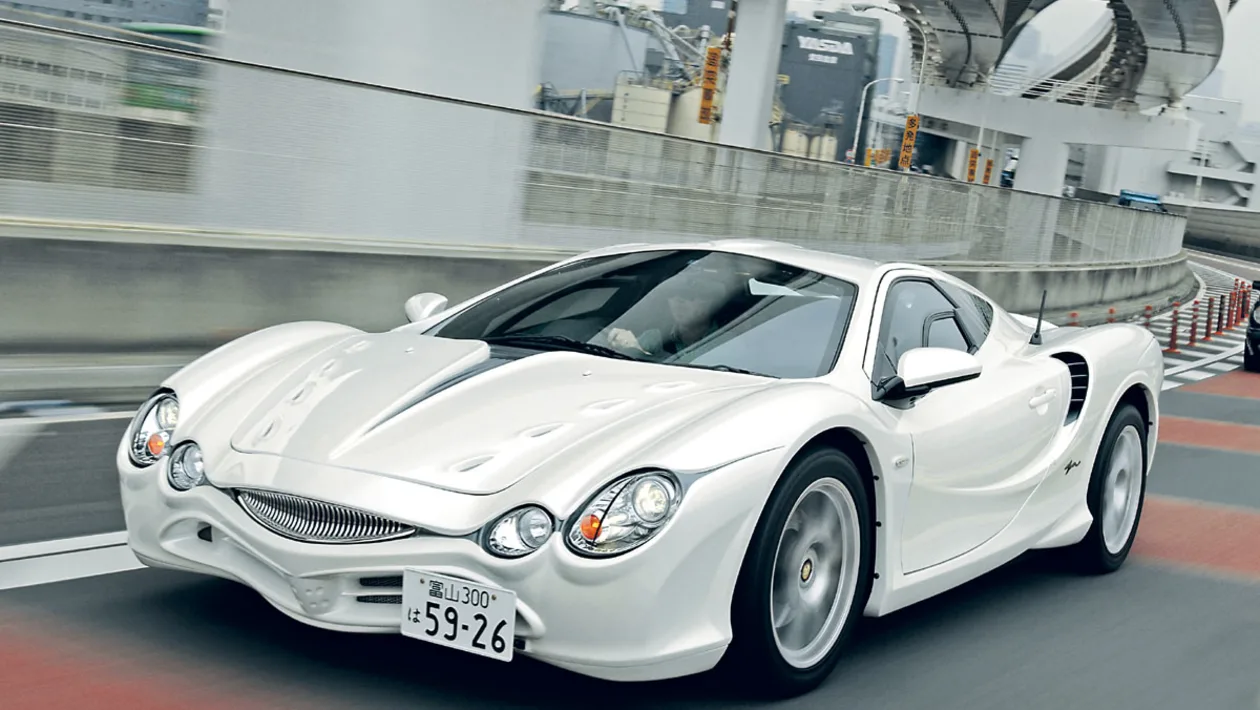
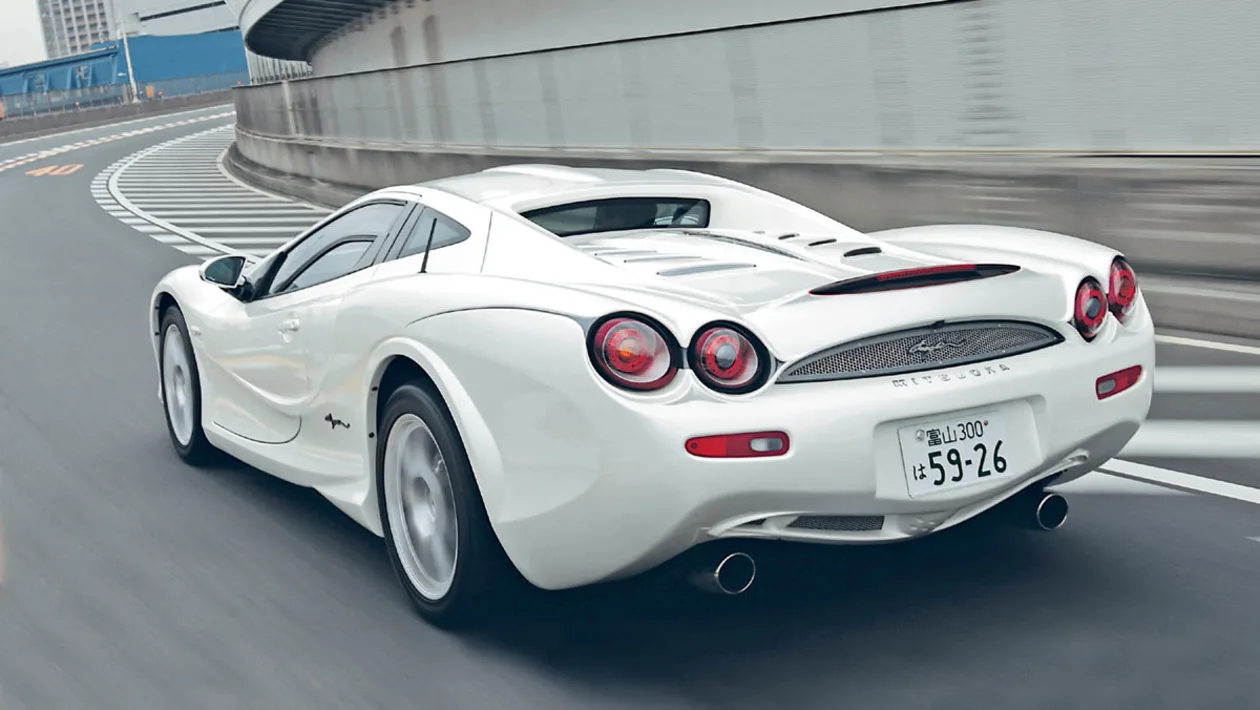
Much like its namesake, the Orochi’s design is both mesmerizing and intimidating. Its flowing, reptilian curves, exaggerated fenders, and aggressive headlights make it look like something from another dimension. Some call it ugly; others find it daringly beautiful. But one thing is undeniable—it looks like nothing else on the road.
A Frankenstein of Japanese Sports Cars
Unlike other Mitsuoka models, which are usually modified versions of existing cars, the Orochi was built from the ground up—albeit using parts sourced from some of Japan’s finest sports cars.
Here’s what lurks beneath the Orochi’s wild bodywork:
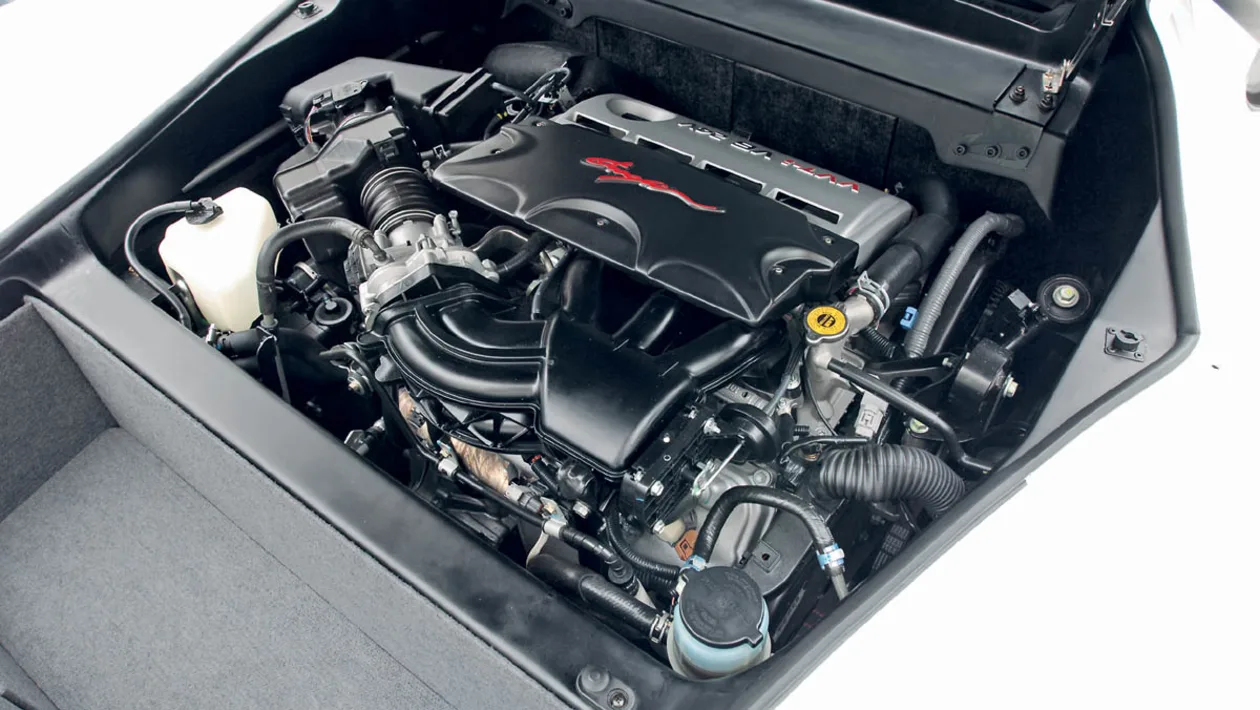
- Engine: Toyota 3MZ-FE 3.3L V6 (found in the Toyota Highlander and Sienna) – 233 hp
- Taillights: Mazda RX-8 (kouki model)
- CHMSL (Center High Mount Stop Light): Honda S2000
- Rear reflectors & reverse lights: Mazda RX-7 (FD3S)
- Steering wheel: Suzuki
- Brakes: Honda Legend
- Suspension components: Reportedly from the Mazda MX-5 Miata, though their exact location is a mystery
This mash-up of Japanese performance parts gave the Orochi some credibility, but Mitsuoka never intended for it to be a performance machine. Instead, it was about exclusivity and aesthetics.
Luxury Over Lap Times
With only a 5-speed automatic transmission, the Orochi was never meant to be a track car. The mid-engine, rear-wheel-drive layout suggests sporting potential, but Mitsuoka tuned the suspension for comfort rather than handling. The seats were even suspended for extra plushness.
A manual transmission would have been a natural choice for enthusiasts, but due to Japan’s strict automotive certification laws, offering a manual would have doubled the costs of approval. To keep production costs down, Mitsuoka stuck with the automatic.
- Acceleration? Not blistering.
- Handling? More grand tourer than supercar.
- Attention-grabbing presence? Off the charts.
With an original price tag of ¥8.5 million to ¥9.5 million (around $90,000 USD at the time), the Orochi was priced similarly to a Porsche 911. But while a 911 delivered precision performance, the Orochi delivered drama and exclusivity.
Limited Editions & One-Off Creations
Despite its limited production run of 400 units, Mitsuoka found ways to keep the Orochi fresh and exclusive through special editions:
1. Orochi Kabuto
- Featured carbon fiber aero parts
- Platinum leaf accents for an extra touch of luxury
2. Supercharged Orochi
- A one-off, likely built for a private client
- Displayed at Mitsuoka’s showroom
3. Rickenbacker Edition
- A collaboration with guitar-maker Rickenbacker
- Guitar tailpiece embroidery in the seats and wood trim throughout the interior
4. Final Orochi Edition (2014)
- Only five units produced
- Marked the official end of production
5. Evangelion Orochi (2014)
- Created in collaboration with the anime Neon Genesis Evangelion
- Sold via lottery through 7-Eleven stores
6. Devilman Orochi (2018)
- A special edition tied to the Devilman manga
- Featured even more radical styling
7. Liberty Walk Widebody Orochi (2022)
- The most aggressive-looking Orochi ever
- Fitted with Liberty Walk’s signature widebody kit and Group 5 Nissan Silvia livery
With each new version, the Orochi’s styling became more extreme, cementing its status as one of the most polarizing cars in history.
The Orochi’s True Legacy
For years, the Mitsuoka Orochi was mocked—criticized for its unconventional styling, lack of power, and high price. But in retrospect, it was never meant to be a performance car.
The real fault lies with the media, which assumed that because it was mid-engine and expensive, it had to be a supercar. Mitsuoka never marketed it as such.
Instead, the Orochi was always intended to be a statement piece—a car for those who wanted to drive something totally unique, totally unrepeatable. It didn’t need to be fast. It just needed to be unforgettable.
And on that front, the Mitsuoka Orochi succeeded spectacularly.
The Mitsuoka Orochi is a rare and distinctive vehicle that has garnered attention for its unique design and limited production run. Here’s an overview of its pricing, both at launch and in the current used car market:
Original Pricing
Upon its debut in 2006, the Mitsuoka Orochi was priced at approximately ¥10,500,000, which was around $89,000 USD at that time. Over the years, especially with the release of various special editions, the price increased, reaching up to $125,000 USD by 2014. hotcars.com
Current Used Market Pricing
Given its limited production of just 400 units, the Orochi remains a sought-after collector’s item. In the used car market, prices can vary based on factors such as mileage, condition, and edition. For instance, a 2008 model with 110,000 km was listed at $42,340 USD, while another 2008 model with 36,922 km was priced at $83,940 USD. beforward.jp
It’s important to note that due to its exclusivity and unique appeal, the Orochi often commands a premium in the used car market. However, availability is limited, and prices can fluctuate based on demand and the specific characteristics of each vehicle.
For those interested in acquiring a Mitsuoka Orochi, it’s advisable to monitor specialized dealerships and auction platforms that cater to rare and collectible vehicles.
Final Thoughts: Beauty Is in the Eye of the Beholder
Whether you love it or hate it, the Mitsuoka Orochi remains one of the boldest cars ever built. It may not have the raw performance of a Nissan GT-R or the handling of an NSX, but it has something those cars don’t—pure, unapologetic eccentricity.
In a world where supercars are increasingly built for perfect aerodynamics and peak efficiency, the Orochi reminds us that cars can still be about passion and artistry.
So, if you ever see one in the wild, take a moment to appreciate it. Because for every Ferrari or Lamborghini out there, there’s only one Orochi—a true automotive myth, reborn in steel and fiberglass.