Electric Cars in 2025: The Year EVs Finally Grew Up (And What 2026 Will Decide)
EV trends, real-world impressions, and what to expect in 2026
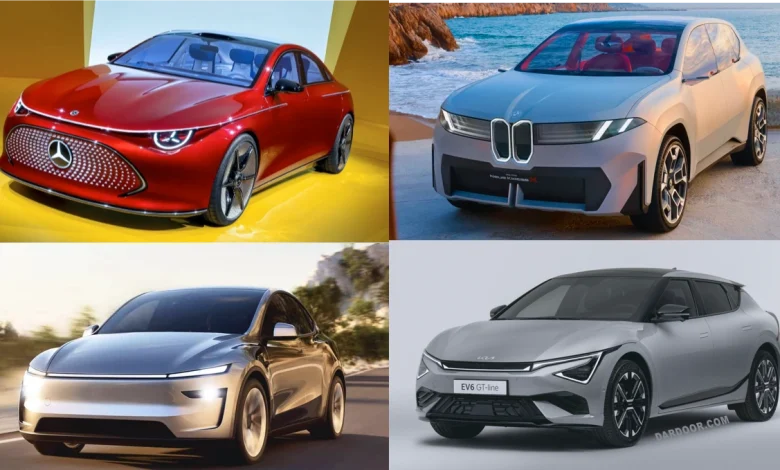
2025 was the turning point for EV range, charging speed, and choice—here’s what stood out, and what 2026 will bring.
Quick Take: EVs in 2025 ⚡
- Long-distance EVs became normal as real-world range and charging networks improved.
- Fast charging dipped below 20 minutes in the best 800V setups (10–80%).
- Choice exploded: budget EVs, premium SUVs, efficient sedans, and tech-forward platforms.
- No single winner—but two clear “personalities” defined the year: balanced practicality vs bold innovation.
Why 2025 Was a Turning Point for Electric Cars
In automotive time, 2025 felt like the year electric vehicles crossed an important threshold: they stopped being “almost ready” and started feeling fully usable for real life. That doesn’t mean every EV is perfect—far from it—but the core blockers that made buyers hesitate for years (range anxiety, slow charging, limited variety) are shrinking fast.
The most noticeable change is how EVs behave on the highway. The best models can now hold strong efficiency at higher speeds, and when you do need to stop, charging is increasingly closer to a quick pit stop than a long break. Combine that with far more body styles and price points, and it becomes clear why choosing a single “best EV” in 2025 is nearly impossible.
So instead of forcing a winner, we picked two favorites: one that perfects everyday usability, and one that pushes the category forward.
Two Editorial Favourites (and Why)
After testing more than 20 electric cars across multiple segments, we landed on two subjective favorites that couldn’t be more different:
- The all-rounder: Kia EV6 (Facelift) — a highly balanced EV with excellent charging and user-friendly controls.
- The technology demonstrator: BMW iX3 (“New Class”) — a leap in battery size, interface design, and premium innovation.
If you’re shopping in 2025–2026, these two “personalities” are a helpful way to filter the market:
Favorite #1: Kia EV6 (Facelift) — The Perfection of Normality ✅
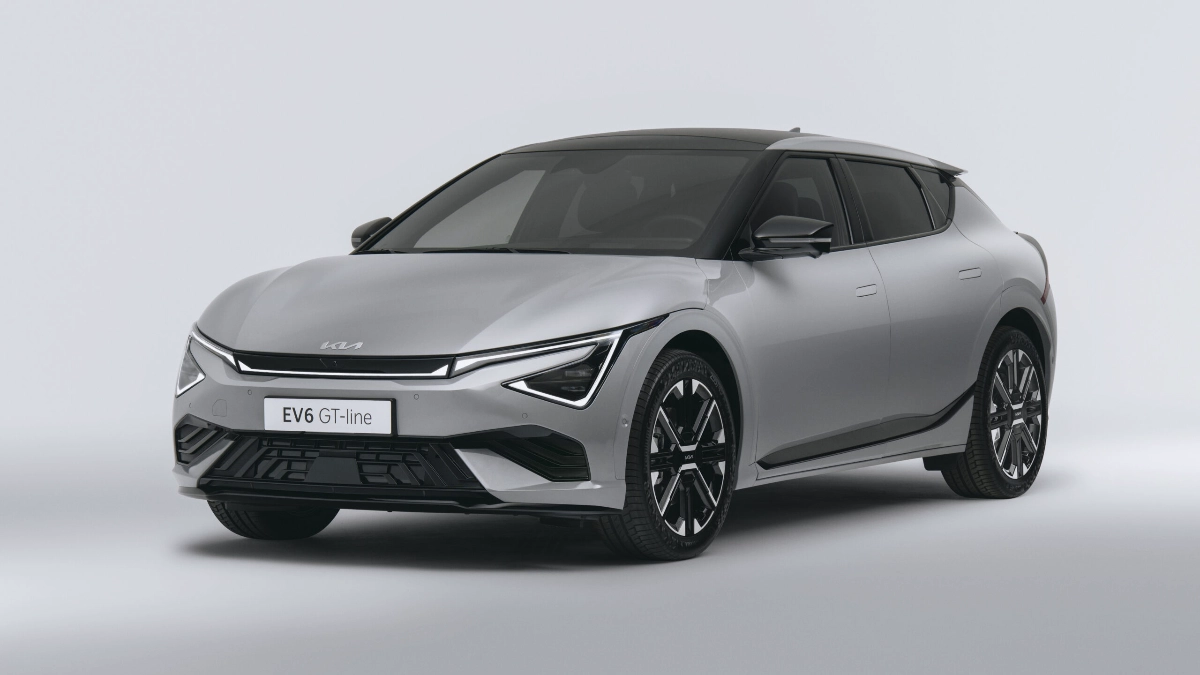
The Kia EV6 launched in 2022, but the 2025 facelift is where it feels fully mature. It’s not the biggest, fastest, or flashiest EV in the lineup— and that’s exactly the point. The EV6 wins by being consistently good at everything.
What the EV6 facelift gets right
- 84 kWh battery that’s big enough for everyday driving and capable road trips.
- Up to 258 kW charging (real-world peak), with 10–80% in under ~20 minutes in ideal conditions.
- Solid motorway range—around 307 km even at brisk 150–160 km/h pacing.
- Usable cabin tech: clear infotainment + physical buttons (a rare win in 2025).
- Route planning that works with practical charging filters and fewer surprises on long drives.
Where it still annoys
Traffic sign recognition remains a weak point, sometimes reacting late to speed changes. It’s not a deal-breaker, but it’s one of the few areas where the EV6 feels less polished than the rest of the vehicle.
Favorite #2: BMW iX3 (“New Class”) — The Bavarian Quantum Leap 🚀
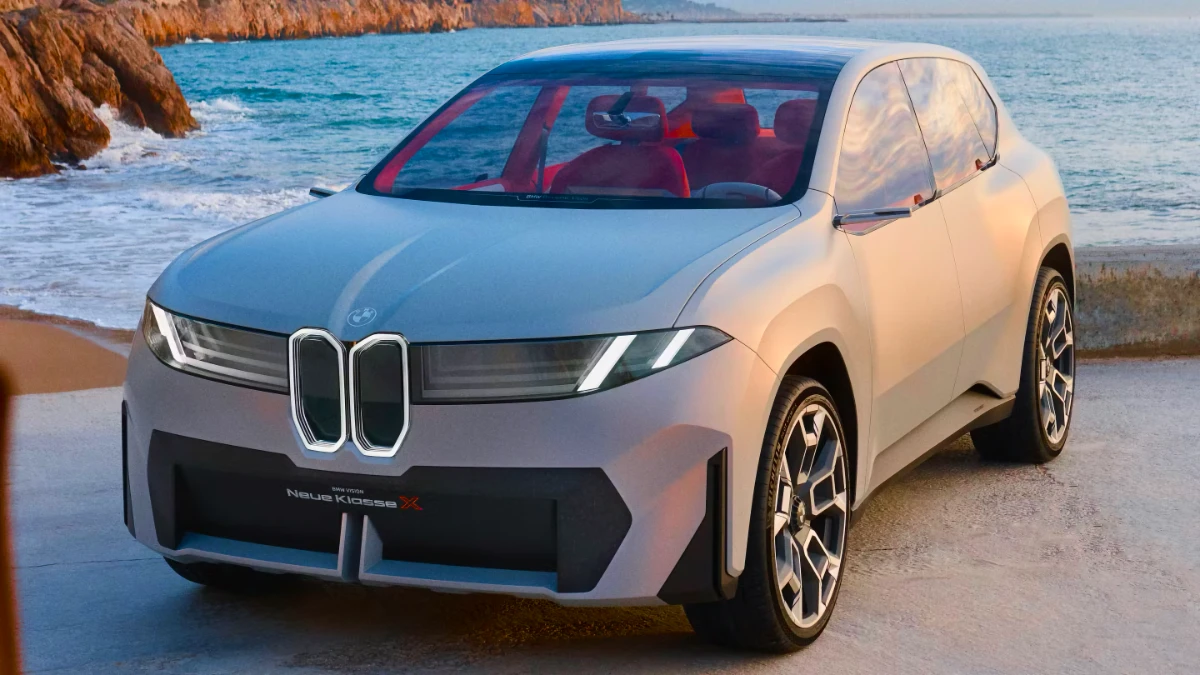
BMW’s “New Class” direction signals something bigger than a model refresh: it’s an attempt to reset what premium EVs should be. The iX3 is the clearest example of that ambition—especially in how it tackles range confidence and driver interface design.
The headline tech
- 108.5 kWh battery that dramatically reduces range anxiety and increases trip flexibility.
- Panoramic cockpit strip at the base of the windshield, replacing the classic instrument cluster.
- Highway assistant aiming at true hands-free driving (with some early-stage attention-detection quirks).
The key insight is that BMW isn’t only chasing more kilometers—it’s also trying to reduce mental load. By moving key information into a clean panoramic display, the driver gets fewer distractions and less “dashboard clutter.” It’s the kind of change that looks small on a spec sheet, but feels big on a long drive.
The Challenger: Mercedes CLA EV — Extreme Efficiency Meets 800V ⚙️
If the Kia EV6 is balance and the BMW iX3 is innovation, the Mercedes CLA EV is pure optimization. With consumption figures reported under 15 kWh/100 km and modern 800-volt charging architecture, it represents the next efficiency-focused wave of EV design.
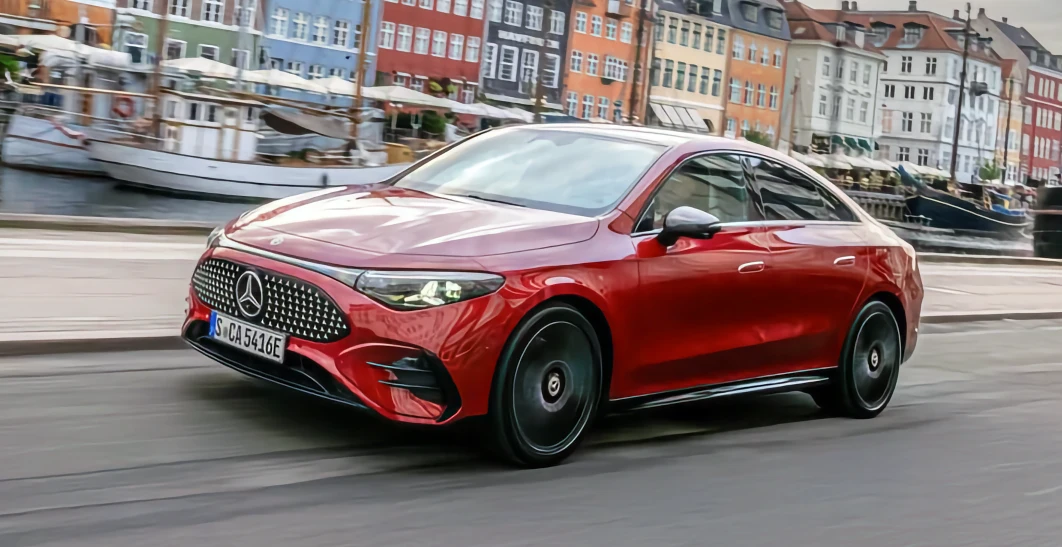
In practice, that efficiency translates into a simple advantage: less energy per kilometer means fewer charging stops, shorter stops, and lower running costs over time. If Mercedes nails real-world consistency (in cold, heat, and highway use), the CLA could be a top pick for 2026 buyers who care about total cost of ownership.
Tesla: The Elephant in the Room: , Complicated Momentum 🐘
Tesla remains the benchmark for certain parts of the EV experience—especially software integration and charging convenience in many regions. The Model Y “Juniper” is widely seen as an excellent product evolution. However, brand momentum matters, and Tesla’s public narrative has become harder for many buyers to separate from leadership unpredictability and a slower pace of truly new model launches.
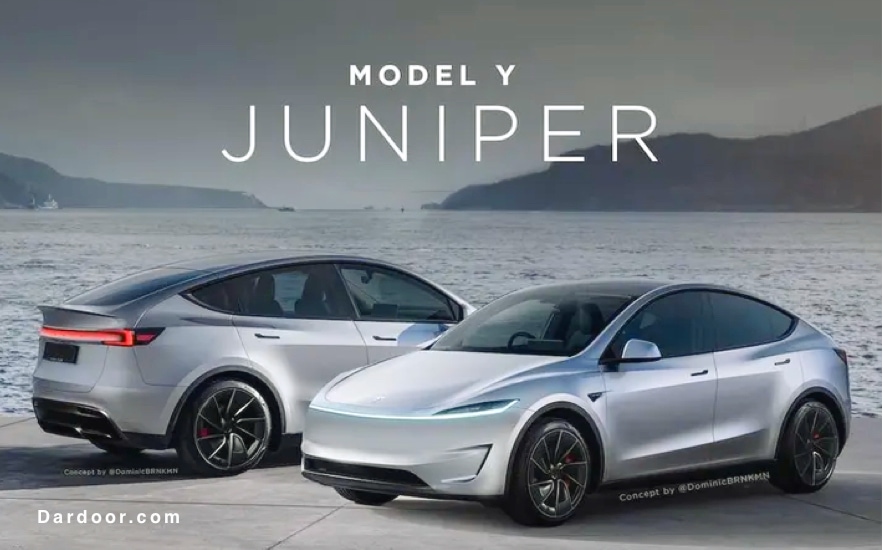
The result in 2025 is a strange split: Tesla can still deliver a technically strong vehicle, but it’s no longer the default “safe bet” in the way it once was for a broad audience. Whether that changes in 2026 depends less on specs—and more on strategy.
Top EV Trends We Saw in 2025 📈
1) Real highway range became believable
2025 is the first year where many EVs feel genuinely road-trip ready without mental gymnastics. The best models aren’t just efficient at 90 km/h—they hold up far better at 120–130+ km/h, which is where long-distance reality lives.
2) Sub-20 minute charging moved from rare to realistic
Peak charging numbers are one thing; maintaining a strong curve is another. Still, improved thermal management, better cell chemistry, and 800V platforms helped move fast charging closer to “coffee stop timing.”
3) Interiors split into two camps
Some brands are retreating from full touchscreen overload by reintroducing physical buttons (Kia’s approach). Others are reinventing the entire interface concept (BMW’s panoramic strip direction). Buyers now have real choices in how “digital” their car feels.
4) Efficiency is back as a bragging right
After years of battery-size arms races, 2025 brought efficiency back into focus—because efficiency is what makes range, charging, and cost work together.
5) Price pressure intensified
Competition—especially from Chinese manufacturers—continues to compress prices and force established brands to justify premiums with software, charging performance, quality, or genuinely new platforms.
What to Expect in 2026: The Year of Decision 🔮
If 2025 was the year EVs became broadly good, 2026 looks like the year the market becomes brutally clear: brands that offer the best balance of range + charging + efficiency + price will win, while “almost good” models will struggle.
What we’re watching most
- Affordable small EVs finally arriving in force—like the rumored VW ID. Polo direction—bringing EV ownership to more households.
- Premium platform rollouts accelerating (CLA Shooting Brake, GLB-class EV expansion) with better efficiency and faster charging.
- More honest EV shopping: buyers comparing charging curves, winter performance, and total running cost—not just battery size.
- Software and driver assist maturity: fewer gimmicks, more reliability, clearer value.
The key shift is psychological: customers no longer have to “accept compromises” to go electric. In 2026, EV shopping becomes normal shopping—choose what fits your life, budget, and taste.
2025 Favorites vs 2026 Expectations (At a Glance)
| Theme | What 2025 proved | What 2026 will decide |
|---|---|---|
| Range | Highway-capable EVs became common | Who delivers consistent real-world range in all seasons |
| Charging | Sub-20 min (10–80%) became achievable | Who maintains strong charging curves, not just peaks |
| Efficiency | Efficiency returned as a top differentiator | Which platforms hit <15 kWh/100 km without compromises |
| Interior UX | Buttons vs “new interface” philosophies emerged | Which approach drivers actually prefer long term |
| Value | Competition forced sharper pricing | Who wins the best range/charge/price package in each segment |
FAQ: EV Trends, Buying, and What 2026 Means
Are EVs finally good for long-distance driving in 2025?
Yes—many EVs now deliver credible motorway range and fast charging. The best models can road-trip with fewer compromises, especially those with strong charging curves and well-integrated route planning.
What matters more: battery size or charging speed?
For most drivers, the winning combo is good efficiency + a strong charging curve. A huge battery helps, but if charging is slow or inconsistent, long trips still feel painful.
Why is the Kia EV6 facelift a top pick?
It combines solid real-world range, very fast charging, and an easy-to-use interior with physical controls. It’s not extreme in any one metric—it’s simply excellent overall.
What makes BMW’s “New Class” approach different?
BMW is treating the EV shift as a full reset: larger batteries, new interface concepts (like a panoramic display strip), and a stronger push toward hands-free driving and premium tech integration.
Why is efficiency like “under 15 kWh/100 km” a big deal?
Higher efficiency reduces charging stops, shortens charging time, and lowers running cost. It’s the metric that makes range and charging feel easier in daily use.
Is Tesla still a smart buy in 2025–2026?
Tesla vehicles can still be excellent on performance, software, and charging ecosystem—but buyer confidence also depends on model cadence, long-term strategy, and how the brand’s direction is perceived.
What should buyers prioritize when shopping for an EV in 2026?
Look at real-world highway range, winter performance, charging curve consistency, route planning quality, and total ownership cost—including serviceability and access to proper repair information.
Final Word: 2025 Made EVs Normal—2026 Will Make Them Competitive
The EV story in 2025 isn’t about one champion—it’s about maturity. Cars like the Kia EV6 facelift prove that everyday EV ownership can feel effortless, while models like BMW’s iX3 “New Class” show how quickly the premium segment is evolving. Add efficiency leaders like the Mercedes CLA EV, and it’s clear that the era of compromises is ending.
In 2026, the market won’t reward hype. It will reward the best combination of efficiency, charging performance, usable tech, and price. And for buyers who care about keeping their EV in top shape long term, access to the right OEM repair information will matter more than ever.