Windshield Washer Motor and Reservoir Replacement
Complete step-by-step guide to diagnosing, removing, and replacing a windshield washer motor and reservoir
💦 Introduction
🚦 Symptoms of a Faulty Washer Motor or Reservoir
- No washer fluid sprays when activating the switch.
- Pump motor makes noise but no fluid comes out.
- Fluid leaks under the car near the reservoir.
- Washer warning light appears on the dashboard (if equipped).
- Reservoir cracked or broken from freezing weather or impact.
- Washer motor silent when switch is pressed (possible electrical failure).
🧰 Tools and Materials Needed
- Socket wrench set (8mm, 10mm common sizes)
- Phillips and flathead screwdrivers
- Trim removal tools
- Needle-nose pliers
- Replacement washer motor and reservoir (OEM recommended)
- Hose clamps (if needed)
- Work gloves and safety glasses
- Jack and jack stands (for underbody access)
- Multimeter (for electrical testing)
- Windshield washer fluid (never substitute with plain water in freezing climates)
⚙️ How the Washer Motor and Reservoir Work
The system consists of the following:
- Reservoir: Stores washer fluid, usually located in the engine bay or wheel well.
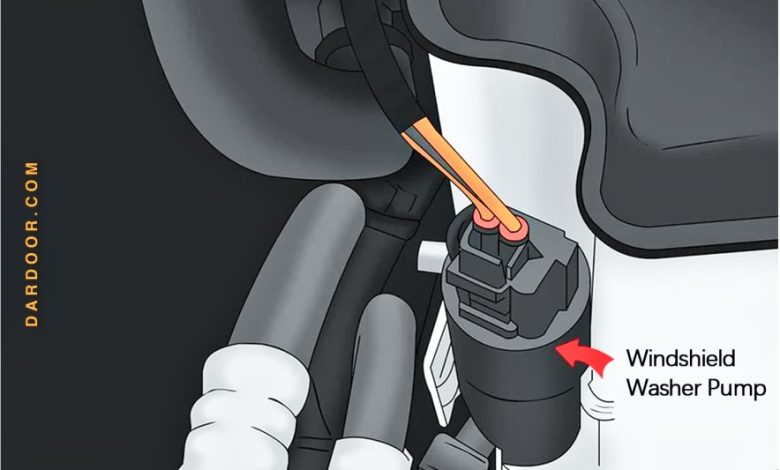
- Motor (pump): A small electric pump mounted at the base of the reservoir that pushes fluid to the nozzles.
- Hoses: Carry fluid from the pump to the nozzles.
- Nozzles: Spray fluid onto the windshield (or headlights in some vehicles).
When you press the washer switch, the pump activates, forcing fluid through the system. Failures can occur in the pump, reservoir, hoses, or electrical connections.
📋 Step-by-Step Replacement Procedure
1. Preparation
- Park on level ground, engage the parking brake, and disconnect the negative battery cable.
- If the reservoir is located behind the bumper or wheel well, raise the car with a jack and secure it with jack stands.
2. Access the Reservoir
The location varies by vehicle:
- Engine bay: Easy to access by removing bolts and covers.
- Wheel well: Requires removing the wheel and inner fender liner.
- Behind bumper: Bumper cover may need partial removal.
3. Drain Washer Fluid
- Place a container under the reservoir.
- Disconnect the hoses from the pump to drain remaining fluid.
4. Disconnect Electrical Connectors
Unplug the washer pump wiring harness. Use a multimeter to check for power if diagnosing electrical faults.
5. Remove the Reservoir and Pump
- Unbolt the reservoir from the body (typically 2–4 bolts).
- Pull the reservoir out carefully, guiding the pump and hoses free.
- On some vehicles, the pump is removable from the reservoir—transfer it if reusing.
6. Install the New Reservoir and Pump
- Place the new reservoir into position.
- Reconnect the pump and wiring harness.
- Attach hoses securely with clamps.
- Reinstall bolts and tighten evenly.
7. Reassemble and Test
- Refill reservoir with washer fluid.
- Reconnect the battery.
- Activate the washer switch to verify proper spray.
- Check for leaks at hoses and pump connections.
⚠️ Troubleshooting Washer Motor and Reservoir Issues
| Problem | Cause | Repair |
|---|---|---|
| No spray, no sound | Blown fuse, bad switch, or dead motor | Check fuse/relay, test motor with multimeter |
| No spray, motor runs | Empty reservoir, clogged hose or nozzle | Refill fluid, clean or replace hose/nozzle |
| Leak under car | Cracked reservoir or loose hose | Replace reservoir, secure hose connections |
| Weak spray | Failing pump or clogged filter | Replace pump, flush system |
💲 Cost of Washer Motor and Reservoir Replacement
- DIY parts: $30–$120 for motor and reservoir kit.
- Professional labor: 1–2 hours ($100–$200).
- Total professional repair: $150–$350 depending on vehicle.
❓ Frequently Asked Questions
Q: Can I replace just the motor without the reservoir?
A: Yes, if only the motor is faulty. However, if the reservoir is cracked, replace both together for reliability.
Q: Why does my reservoir keep cracking?
A: Freezing temperatures with plain water inside cause expansion. Always use proper washer fluid with antifreeze properties.
Q: Can I use tap water instead of washer fluid?
A: Not recommended. Tap water can freeze, cause algae growth, and clog nozzles.
Q: How often should I refill the reservoir?
A: Check monthly and top up as needed. Heavy use in winter may require weekly refills.
🛡️ Maintenance & Prevention Tips
- Use only approved windshield washer fluid for your climate.
- Inspect hoses and nozzles annually for blockages or leaks.
- Flush the system every 2 years to prevent sediment buildup.
- Operate the washers occasionally to keep the pump lubricated.
- Check the reservoir cap seal to prevent contamination.
✅ Conclusion
The windshield washer motor and reservoir may seem like minor components, but they are essential for clear visibility and safe driving. Fortunately, replacement is a straightforward process with basic tools and patience. By following this guide, you’ll be able to diagnose problems, replace faulty parts, and restore proper washer system function. Regular maintenance and the use of quality washer fluid will ensure long-term reliability and keep your windshield spotless in all driving conditions.