Window Control Switch Repair and Testing
Diagnosing, repairing, and testing faulty window control switches
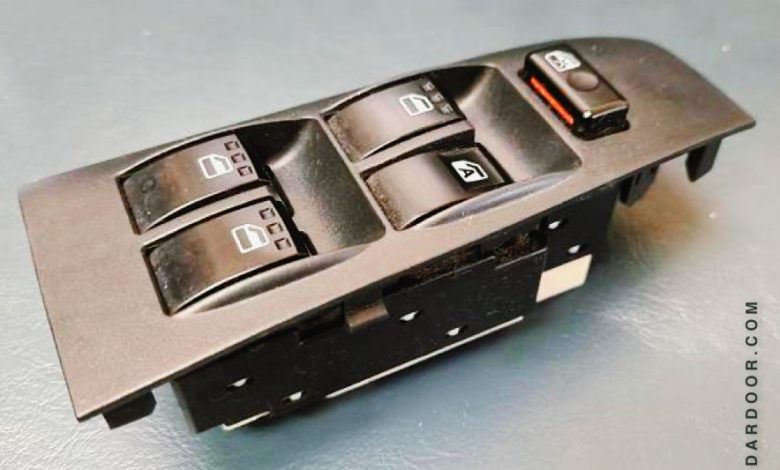
This comprehensive repair guide covers everything you need to know about window control switch repair and testing. You’ll learn how to diagnose whether the switch or another component is faulty, tools you’ll need, step-by-step removal and testing, repair/replacement procedures, and preventive maintenance tips to extend the life of your power window system.
🚦 Symptoms of a Faulty Window Control Switch
- Window doesn’t respond when pressing the switch.
- Window moves in one direction only (up but not down, or vice versa).
- Window works intermittently.
- Multiple windows fail simultaneously (master switch failure).
- Switch feels loose or physically broken.
- Burn marks, corrosion, or discoloration around the switch housing.
🧰 Tools and Materials Needed
- Plastic trim removal tools
- Multimeter (for electrical testing)
- Phillips and flathead screwdrivers
- Torx drivers (depending on vehicle)
- Electrical contact cleaner
- Replacement window switch (OEM or high-quality aftermarket)
- Dielectric grease (for electrical protection)
- Safety gloves
⚙️ How Window Control Switches Work
The window control switch acts as a gateway for electrical current between the battery and the window motor. When pressed, it reverses polarity to the motor, making the window move up or down. Vehicles typically have two switch types:
- Master switch: Located on the driver’s door, controls all windows.
- Individual switches: Located at each passenger door, controlling only that window.
📋 Step-by-Step Window Switch Removal
1. Preparation
- Park the vehicle on level ground and turn off the ignition.
- Disconnect the negative battery cable to avoid electrical shorts.
2. Remove Trim or Panel
- Use a plastic trim tool to pry up the switch panel. On some vehicles, this may require removing the entire door panel.
- Take care not to scratch surrounding trim.
3. Disconnect the Switch
- Press the release tabs on the wiring harness connectors.
- Gently pull connectors free—do not yank on wires.
4. Inspect the Switch
Look for visible damage: burnt smell, melted plastic, corrosion, or loose buttons.
🔍 Testing the Window Control Switch
Use a multimeter to confirm whether the switch is working properly:
- Set the multimeter to continuity or resistance mode.
- Probe the input and output terminals of the switch while pressing the button.
- If the multimeter shows no continuity, the switch is faulty.
Bench Testing (Optional)
You can also connect the switch to a 12V power source and small test motor to verify polarity reversal.
🔧 Repairing or Replacing the Switch
Repair (if possible)
- Spray electrical contact cleaner inside the switch.
- Work the switch repeatedly to clean contacts.
- Apply dielectric grease to terminals.
Replacement
- Install the new switch into the panel.
- Reconnect electrical connectors firmly.
- Reinstall trim or door panel.
- Reconnect the battery and test all window functions.
⚠️ Troubleshooting Common Issues
| Problem | Cause | Repair |
|---|---|---|
| No windows work | Blown fuse, faulty master switch, or wiring issue | Check fuse first, then test master switch |
| One window doesn’t work | Faulty individual switch or motor | Test switch, replace if faulty |
| Window only moves one direction | Worn internal switch contacts | Replace switch |
| Intermittent function | Dirty or corroded contacts | Clean with contact cleaner |
❓ Frequently Asked Questions
Q: Can I replace just the button cap of my switch?
A: No, switches are sealed units. If the button is broken, the whole switch must be replaced.
Q: Why did multiple windows stop working at once?
A: This usually points to a faulty master switch or a blown fuse rather than individual switches.
Q: How long should a window switch last?
A: Typically 8–12 years, depending on usage and environmental exposure.
Q: Is an aftermarket switch okay to use?
A: Yes, but OEM switches generally last longer and fit better. Choose high-quality aftermarket brands if OEM is unavailable.
🛡️ Maintenance & Prevention Tips
- Avoid spilling drinks or liquids near switches.
- Operate windows gently—avoid repeated fast clicking.
- Clean switches with compressed air if dust builds up.
- Inspect fuses and relays annually as part of electrical maintenance.
✅ Conclusion
A malfunctioning window control switch is frustrating and inconvenient, but the repair is typically straightforward. With basic tools, a multimeter, and a replacement switch, most DIYers can restore power window functionality in less than an hour. Regular cleaning and preventive care help avoid premature switch failure. By following this comprehensive guide, you’ll gain the knowledge and confidence to diagnose, test, and repair window control switches like a professional.