Timing Belt Replacement & Inspection: A Comprehensive DIY Guide
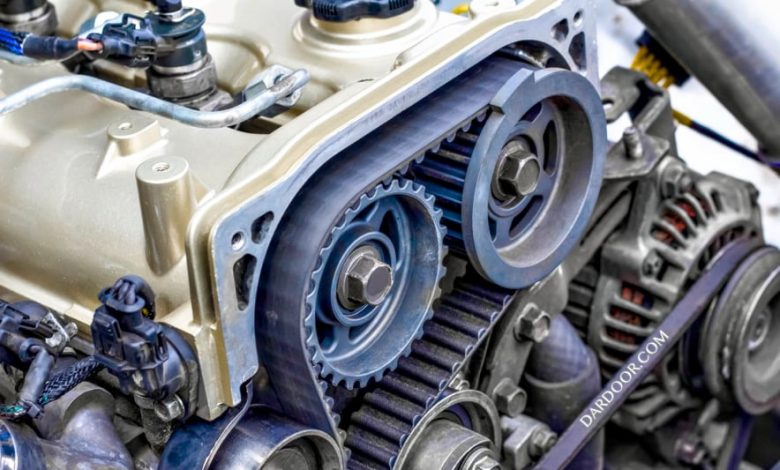
Timing Belt Replacement & Inspection: A Comprehensive DIY Guide ⏱️
Replacing a timing belt is one of the most crucial—but often overlooked—maintenance tasks in internal combustion engines. An overdue belt can snap, causing catastrophic engine damage. In this in-depth 3,000-word guide, we’ll cover timing belt function, lifespan, inspection procedures, replacement steps, tensioning methods, related component checks, and preventive best practices—all annotated with official resources from Dardoor.
1. Why Replace a Timing Belt?
The timing belt synchronizes engine camshafts and crankshaft rotation. Because it’s made of reinforced rubber, over time it degrades—loosing teeth, cracking or glazing. In interference engines, a snapped belt can lead to bent valves, broken pistons, and wrecked cylinder heads. Even in non‑interference designs, engine failure is likely. Regular replacement prevents costly damage and maintains engine harmony.
2. OEM Replacement Intervals
Manufacturers issue specific intervals—typically between 60,000 and 100,000 miles or 5–7 years. Variations depend on engine type and driving conditions.
Following OEM guidance ensures you don’t risk sudden engine failure due to belt wear.
3. Timing System Components Overview
The timing assembly includes:
- Timing Belt: Rubber with internal fiberglass or Kevlar cords.
- Tensioner & Idler Pulleys: Maintain correct belt tension and route.
- Water Pump: Often driven by the timing belt—ideal to replace concurrently.
- Camshaft & Crankshaft Sprockets: Precisely timed components synchronized by the belt.
- Seals & Gaskets: Belt removal requires seal replacement (e.g., cam seal, crank seal).
4. Preparation & Tools Required
Gather tools, replacement parts, and create a clean workspace before starting:
- OEM timing belt, tensioner pulley, idler, water pump, seals
- Cam/crank locking tools (model-specific)
- Socket & wrench set, torque wrench
- Breaker bar, jack and stands
- Screwdrivers, crank damper puller, drain pan
- New coolant, sealant, gloves, flashlight
5. Pre-Replacement Inspection
With all components exposed:
- Inspect belt for cracking, missing teeth, or glazing.
- Check pulleys for bearing noise or play.
- Observe water pump for leaks or shaft play.
- Check cam and crank seals for oil seepage.
6. Step‑by‑Step Removal
- Disconnect battery and drain coolant if replacing water pump.
- Remove accessory belt(s), crank pulley, and timing cover.
- Rotate engine to TDC (Top Dead Center) on cylinder 1; align timing marks.
- Lock cam and crank in position using OEM locking tools.
- Loosen tensioner to release belt; remove belt, tensioner, and idler.
- Remove water pump and seals; clean and inspect housing.
7. Installation & Tensioning
- Install new water pump with correct gasket and torque specs.
- Install new tensioner and idler pulleys per angle or preload specs.
- Route timing belt starting at crank sprocket—maintain tension on non-tensioned side.
- Release tensioner so belt sits taut; torque tensioner fastener per OEM spec.
- Double-check cam/crank alignment; rotate two revolutions and recheck marks.
- Reinstall covers, pulleys, accessory belts, and refill coolant.
8. Timing Check & Cam/Crank Alignment
Proper synchronization ensures safe engine operation:
- Rotate engine two full turns by hand to ensure no interference.
- Stop at TDC and inspect all alignment marks again.
- If marks are misaligned, repeat installation—misaligned timing causes poor performance or damage.
10. Post‑Installation Testing
- Reconnect battery and start engine; listen for abnormal noises.
- Check for coolant, oil, or coolant leaks around replaced seals.
- Take short test drive, monitor idle smoothness and acceleration.
- Recheck coolant level after engine has warmed up and cooled down.
- Inspect timing cover area for weeping fluids after test drive.
11. Preventive Maintenance Tips
- Record replacement date/mileage for future interval tracking.
- Inspect belt and components at mid-interval (30–50K miles).
- Monitor coolant temperature and oil condition—as overheating accelerates belt degradation.
- Consider preventive repalcement of water pump near interval milestone.
12. Frequently Asked Questions
Q1: Can I reuse the old tensioner?
No—the spring weakens over time. Always install a new OEM or high-quality replacement.
Q2: What happens if I skip timing belt replacement?
On interference engines, belt failure means bent valves and severe engine damage often requiring rebuild.
Q3: How do I know if my engine has interference valves?
Check OEM engine specifications—these are detailed in the Engine Timing Diagram.
Q4: What’s the difference between auto and manual tensioners?
Automatic tensioners use internal springs, manual require adjustment—OEM guidance clarifies which your engine uses.
13. Conclusion & Further Resources
Replacing the timing belt—and all associated components—is a vital maintenance task that preserves engine health and reliability. Use OEM schedules and torque specs from Dardoor to ensure a precise, professional result.