The V6 Revolution: How Six Cylinders Conquered the Supercar Realm

For decades, the supercar pantheon was dominated by the mechanical symphonies of V8s, V10s, and V12s—engines that roared with unapologetic excess. But as the automotive world shifts toward efficiency without compromise, an unlikely contender has risen: the V6. Once relegated to grocery-getters and rental cars, today’s V6 engines are technological titans, blending turbocharged fury, hybrid sophistication, and racing DNA to redefine supercar performance.
Here’s how the V6 evolved from underdog to overlord, with 11 groundbreaking engines leading the charge.
The Hybrid Vanguard: Electrified Power Meets Precision
1. Ferrari 296 GTB: F163 Twin-Turbo V6 Hybrid
-
- Specs: 3.0L twin-turbo V6 + e-motor | 819 hp | 546 lb-ft torque
- Legacy: Ferrari’s first road-going V6 since the 1974 Dino marries F1 hybrid tech with road-car passion. The 120-degree V-angle lowers the center of gravity, while the electric motor erases turbo lag. The result? A 2.9-second 0–60 mph sprint and a 217 mph top speed, all while singing to an 8,500 rpm crescendo. This isn’t just an engine—it’s Ferrari’s love letter to the future.

2. McLaren Artura: M630 Twin-Turbo V6 Hybrid
-
- Specs: 3.0L twin-turbo V6 + axial-flux e-motor | 671 hp | 531 lb-ft torque
- Innovation: McLaren swapped its iconic V8 for a lighter, hotter V6 paired with a compact e-motor. The “hot-vee” turbo layout (turbos nestled between cylinder banks) slashes lag, while the hybrid system adds 30 miles of silent cruising. The Artura isn’t a step back—it’s a leap toward sustainable savagery.

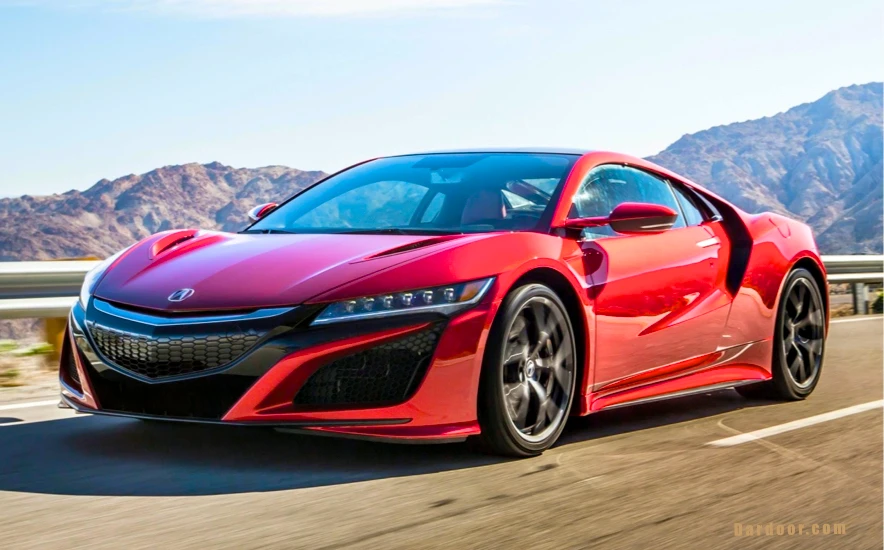
3. Acura NSX: JNC1 Twin-Turbo V6 Hybrid
-
- Specs: 3.5L twin-turbo V6 + 3 e-motors | 573 hp | 476 lb-ft torque
- Mastery: Honda’s NSX hybrid system pairs a mid-mounted V6 with electric torque vectoring at the front wheels. The result? A 2.9-second 0–60 mph time and handling so precise it feels telepathic. The NSX proved hybrids could thrill—long before the world took notice.
ICE Rebels: Turbocharged Titans Defying Displacement
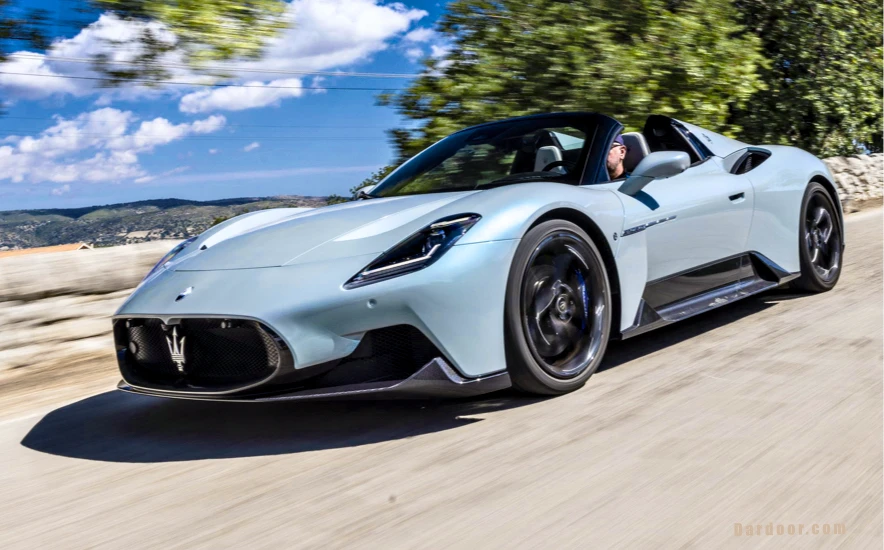
4. Maserati MC20: Nettuno Twin-Turbo V6
-
- Specs: 3.0L twin-turbo V6 | 621 hp | 538 lb-ft torque
- Breakthrough: Maserati’s in-house Nettuno engine borrows F1’s pre-chamber combustion, igniting leaner fuel mixes for explosive power. With no hybrid assist, it revs to 7,500 rpm and rockets the MC20 to 211 mph—a visceral reminder that combustion engines still have tricks up their sleeves.
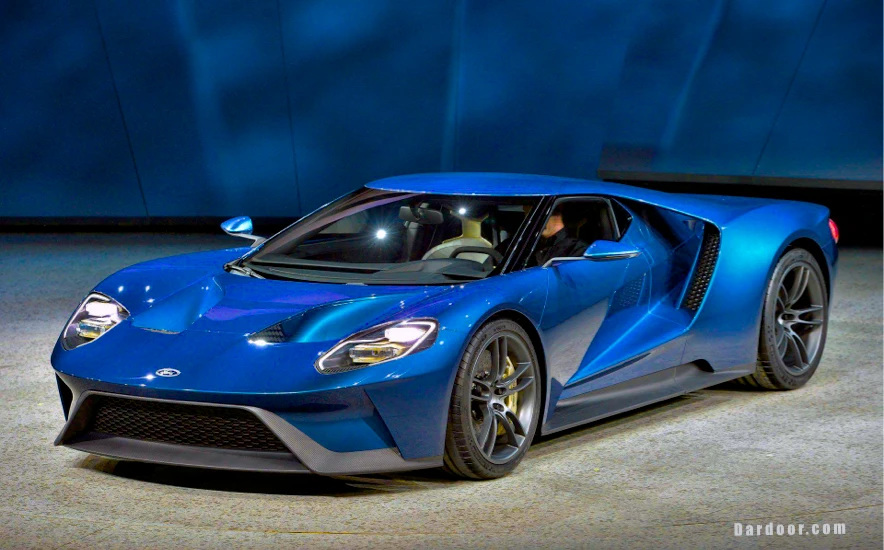
5. Ford GT: EcoBoost Twin-Turbo V6
-
- Specs: 3.5L twin-turbo V6 | 660 hp | 550 lb-ft torque
- Redemption: When Ford resurrected the GT, purists craved a V8. Instead, they got a Le Mans-winning EcoBoost V6. This aluminum-block beast dominated the 2016 24 Hours of Le Mans, silencing critics and proving forced induction could outmuscle tradition.
6. Nissan GT-R R35: VR38DETT Twin-Turbo V6
-
- Specs: 3.8L twin-turbo V6 | 600 hp (NISMO) | 481 lb-ft torque
- Icon Status: Dubbed “Godzilla,” Nissan’s hand-built VR38DETT has humbled exotics since 2007. Its all-wheel-drive grip and relentless updates keep it relevant, offering supercar-slaying performance at half the price.

The Dark Horses: V6 Power in Unexpected Packages
7. Alfa Romeo Giulia GTAm: 690T Twin-Turbo V6
-
- Specs: 2.9L twin-turbo V6 | 540 hp | 442 lb-ft torque
- Sedan Savior: Derived from Ferrari architecture, this V6 turned the Giulia Quadrifoglio into a Nürburgring legend. Its snarling exhaust and razor-sharp response blurred the line between family sedan and track weapon.

8. Mercedes-AMG GT 53: M256 Turbo Inline-6
-
- Specs: 3.0L turbo inline-6 + 48V hybrid | 429 hp | 384 lb-ft torque
- Tech Disruptor: Though not a V6, AMG’s inline-6 redefines forced induction. Its electric turbocharger eliminates lag, while the 48V system boosts efficiency. A glimpse into a future where cylinders matter less than innovation.

9. McLaren Artura : M630 Twin-Turbo V6 Hybrid (2022–present)
-
- Specs: 3.0L twin-turbo V6 + e-motor | 671 hp | 531 lb-ft torque Why It’s Great: The Artura’s M630 engine ditches McLaren’s traditional V8 for a lighter, more compact V6 paired with an axial-flux e-motor.
-
- The result? Instant torque, a 30-mile electric range, and a top speed of 205 mph. Its hot-vee turbo layout (turbos nestled between cylinder banks) reduces lag, while the hybrid system ensures guilt-free thrills. This engine embodies McLaren’s shift toward sustainable performance without compromise.

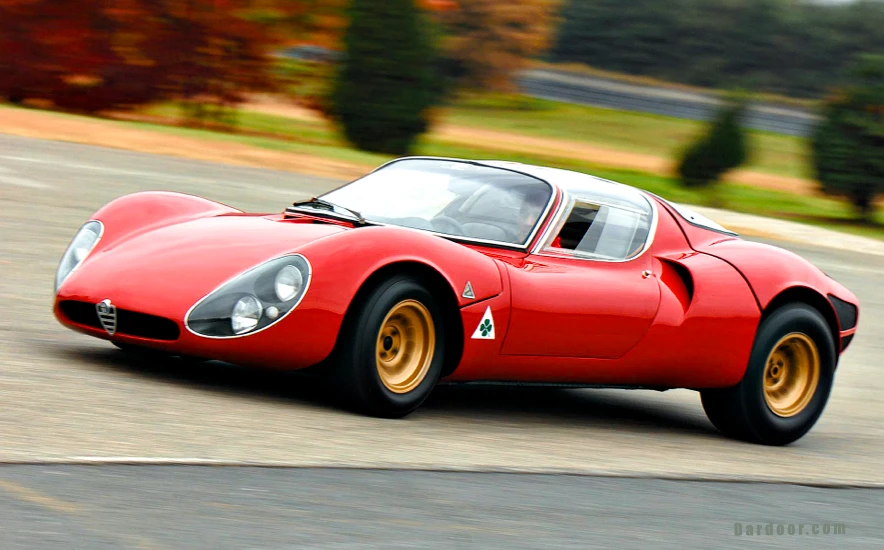
10. Alfa Romeo 33 Stradale: The Return of a Legend
-
- Specs: 3.0L twin-turbo V6 | 620 hp | 443 lb-ft torque (ICE-only)
Hybrid option: 750+ hp combined with front e-axle - Why It’s Great:
The 2023 Alfa Romeo 33 Stradale revives one of the most iconic names in automotive history. Limited to just 33 units, this hyper-exclusive supercar offers buyers a choice: a pure twin-turbo V6 or a V6 paired with three electric motors for hybrid thrust. The combustion version revs to a screaming 7,500 rpm, channeling Alfa’s racing heritage into a carbon-fiber chassis with butterfly doors and retro-futuristic styling. Its dual-nature powertrain philosophy—offering both ICE purity and hybrid fury—proves the V6’s versatility in an era of transition.
- Specs: 3.0L twin-turbo V6 | 620 hp | 443 lb-ft torque (ICE-only)
11. Czinger 21C: The 3D-Printed Hypercar Revolution
- Specs: 2.88L twin-turbo V6 + dual e-motors | 1,250 hp (combined) | 1,100 lb-ft torque
- Why It’s Great:
The Czinger 21C isn’t just a supercar—it’s a manufacturing revolution. Its bespoke V6, designed in-house, pairs with two high-output e-motors to create a hybrid powertrain that catapults the car to 60 mph in 1.9 seconds and a top speed of 281 mph. The engine’s flat-plane crankshowcase and 11,000 rpm redline are complemented by 3D-printed, AI-optimized components that reduce weight while maximizing strength. As a track-focused machine with road legality, the 21C redefines what a V6 can achieve when paired with bleeding-edge tech.

The Future Is Six: Why V6s Rule the New Era
The V6’s ascent isn’t about downsizing—it’s about reinvention. Hybrid systems inject instant torque, turbochargers wring fury from compact blocks, and materials like carbon fiber keep weights featherlight. These engines also future-proof supercars against tightening emissions laws, bridging the gap between analog thrill and digital precision.
Key Trends Reshaping the V6:
-
- Hybrid Synergy: Electric motors compensate for fewer cylinders, offering F1-like power delivery.
- Racing Tech Trickle-Down: Pre-chamber combustion, hot-vee turbos, and anti-lag systems born on the track.
- Weight Warfare: Aluminum blocks and compact designs sharpen agility, a critical edge in modern supercars.
Six Cylinders to Rule Them All
The V6’s rise marks a paradigm shift: raw displacement no longer dictates dominance. Ferrari’s hybrid maestro, Ford’s Le Mans hero, and Nissan’s budget giant-killer prove that innovation, not cylinder count, is the true measure of greatness. As automakers embrace electrification, the V6 stands as a bridge between eras—a symbol of efficiency and excitement coexisting.
So when skeptics dismiss the V6 as “just a six,” remind them: today’s supercars aren’t defined by what’s under the hood, but by how ingeniously it’s engineered. And in that race, the V6 isn’t just competing—it’s leading.
The road ahead is loud, efficient, and unmistakably six-cylinder. 🏎️💨