The Future of Mobility: Top Auto Industry Trends to Watch in 2025
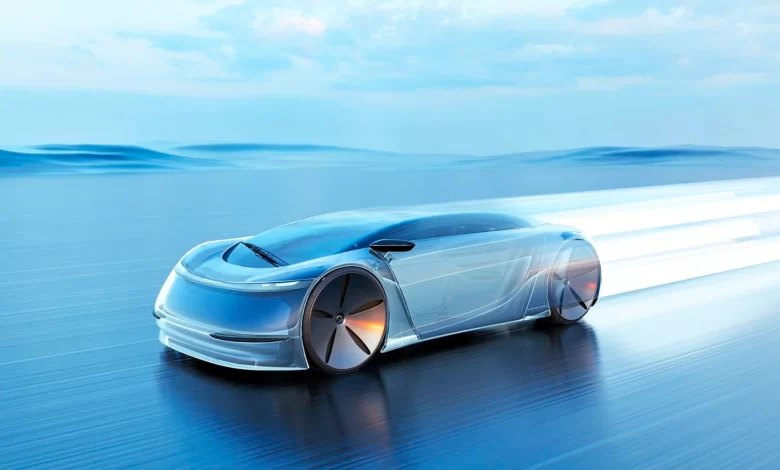
The automotive industry is accelerating into a new era, fuelled by cutting-edge technology, sustainability demands, and evolving consumer behaviours. As we move through 2025, the shift toward smarter, cleaner, and more connected vehicles is undeniable. Here are the biggest trends transforming the auto industry this year.
1. Electric Vehicles (EVs) Dominate the Market
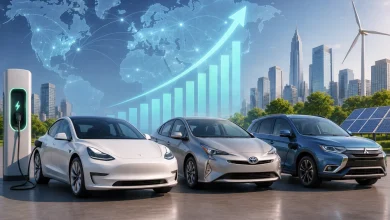
EV adoption is skyrocketing, with automakers phasing out internal combustion engines (ICE) in favor of zero-emission alternatives.
- Breakthroughs in Battery Tech: Solid-state batteries are finally hitting the market, offering faster charging, longer lifespans, and improved safety.
- Ultra-Fast Charging Networks: New 800V+ architectures enable 10-minute charging sessions, reducing range anxiety.
- More Affordable Options: With BYD, Tesla, and legacy brands like Ford and GM rolling out cheaper models, EVs are now price-competitive with gas cars.
2. Autonomous Driving Reaches New Milestones
While full self-driving (FSD) isn’t mainstream yet, 2025 brings us closer than ever.
- Level 4 Autonomy Expands: Robotaxi services (Waymo, Cruise, Zoox) are operating in more cities worldwide, with fewer safety drivers.
- AI-Driven Navigation: Tesla’s FSD, Mercedes’ DRIVE PILOT, and other systems are becoming more reliable in complex urban environments.
- Regulatory Progress: Governments are finalizing laws to allow fully driverless cars on highwaysin select regions.
3. Software-Defined Vehicles (SDVs) Take Over
Cars are now rolling computers, with software playing a bigger role than hardware.
- AI-Powered Personalization: Vehicles learn driver habits, adjusting seating, climate, and entertainment automatically.
- Subscription-Based Features: Automakers unlock premium functions (e.g., boosted acceleration, advanced ADAS) via monthly subscriptions.
- Cybersecurity Focus: As cars become more connected, manufacturers are prioritizing hack-proof systems to protect user data.
4. Sustainable Manufacturing & Circular Economy
Eco-conscious production is no longer optional—it’s a competitive advantage.
- Carbon-Neutral Factories: Brands like Volvo and Polestar are running plants on 100% renewable energy.
- Recycled & Bio-Based Materials: Interiors now feature vegan leather, ocean plastics, and reclaimed metals.
- Battery Recycling Boom: Companies like Redwood Materials are scaling up EV battery recyclingto reduce waste.
5. Mobility-as-a-Service (MaaS) Grows
Car ownership is declining as flexible mobility solutions rise.
- All-in-One Mobility Apps: Platforms integrate ride-hailing, car-sharing, e-scooters, and public transit into a single subscription.
- Autonomous Ride-Hailing: Waymo and Cruise expand driverless taxi services, making urban transport seamless.
- Car Subscriptions Gain Traction: Brands like Porsche, BMW, and Hyundai offer all-inclusive monthly plans (insurance, maintenance, charging included).
6. Hydrogen Fuel Cell Vehicles Gain Momentum
While EVs lead, hydrogen is emerging as a key player—especially for long-haul trucks and fleets.
- Toyota & Hyundai Push FCVs: New hydrogen-powered SUVs and commercial trucks hit the market.
- Green Hydrogen Production: Investments in clean hydrogen fuel reduce reliance on fossil fuels.
7. Augmented Reality (AR) & Enhanced In-Car Experiences
The cabin is becoming a high-tech hub with immersive interfaces.
- AR Windshields: Navigation prompts, hazard alerts, and speed limits are projected directly onto the windshield.
- Voice & Gesture Controls: ChatGPT-powered AI assistants (like Mercedes’ MBUX) enable natural language commands.
- In-Car Entertainment: With 5G connectivity, passengers enjoy streaming, gaming, and video calls on the go.
Conclusion: The Auto Industry’s High-Tech, Green Future
2025 is a landmark year for mobility, with electrification, autonomy, and connectivity leading the charge. Whether it’s self-driving taxis, ultra-fast EV charging, or AI-powered cars, the future of transportation is smarter and more sustainable than ever.
Which trend are you most excited about? Let us know in the comments!