Tesla’s Model Y+ Launch Signals Strategic Pivot Amid Intensifying Chinese Competition
A Single 225 kW (302 horsepower) rear-wheel drive motor
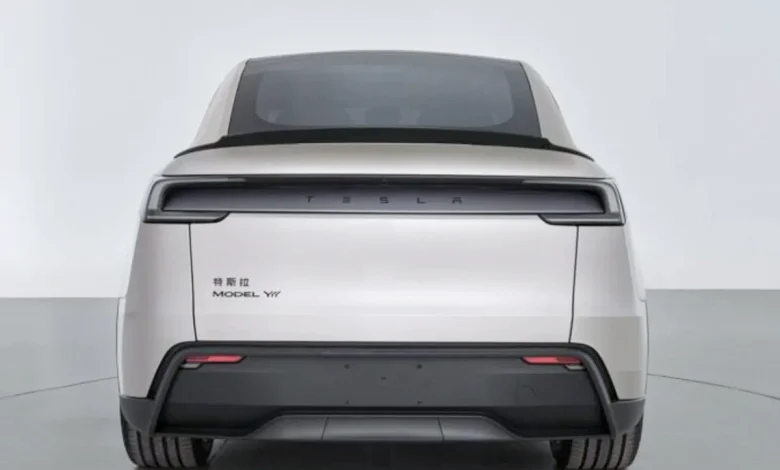
Tesla’s recent filing for regulatory approval of the Model Y+ variant in China represents more than just another product launch—it marks a critical strategic response to mounting competitive pressure in the world’s largest electric vehicle market. The new variant, featuring Tesla’s longest-range capability for any Model Y in China, comes as the company faces its most challenging period in the market, with market share declining to just 5.5% while Chinese competitors rapidly expand their foothold.
The Model Y+ Specifications and Market Positioning
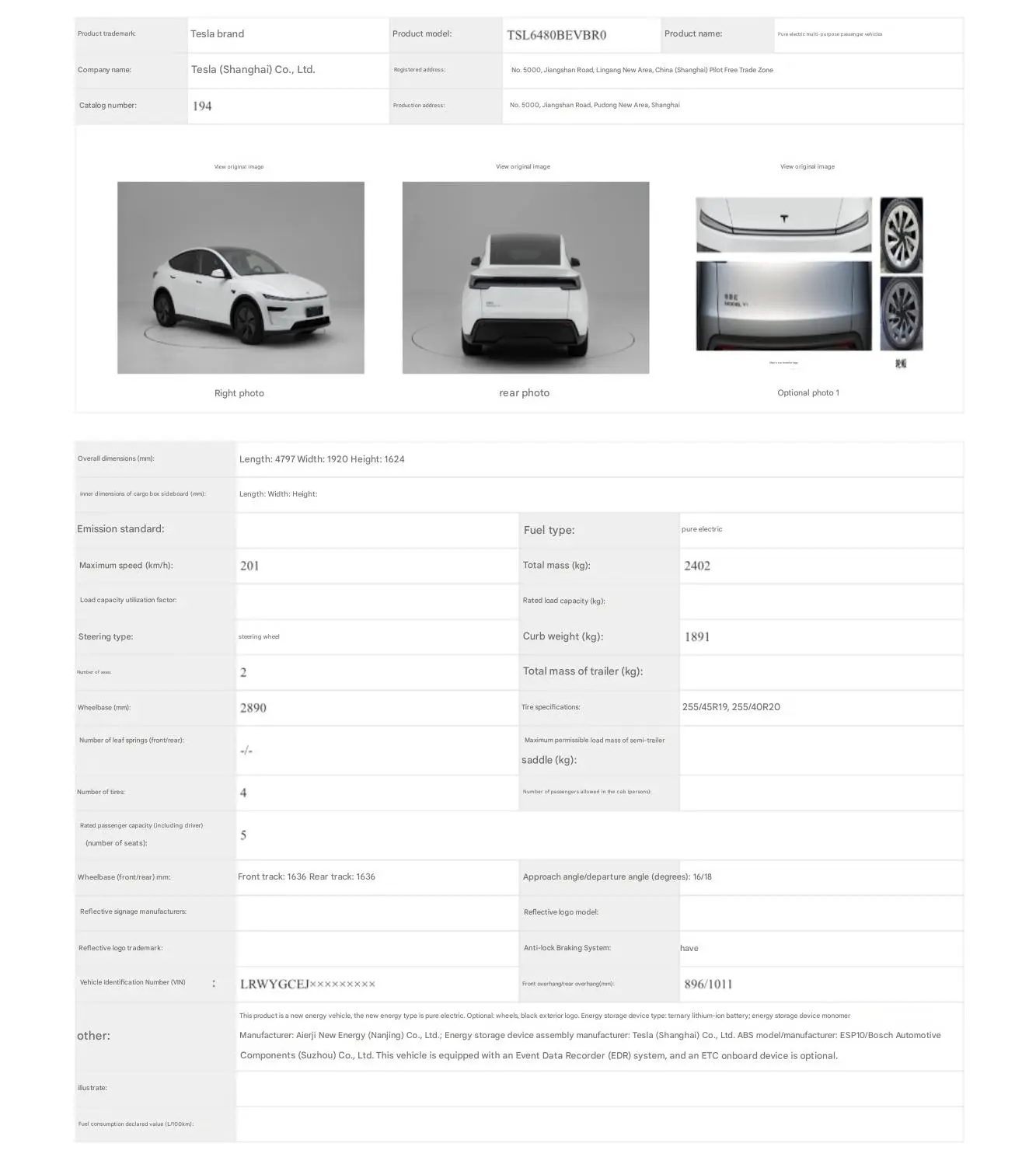
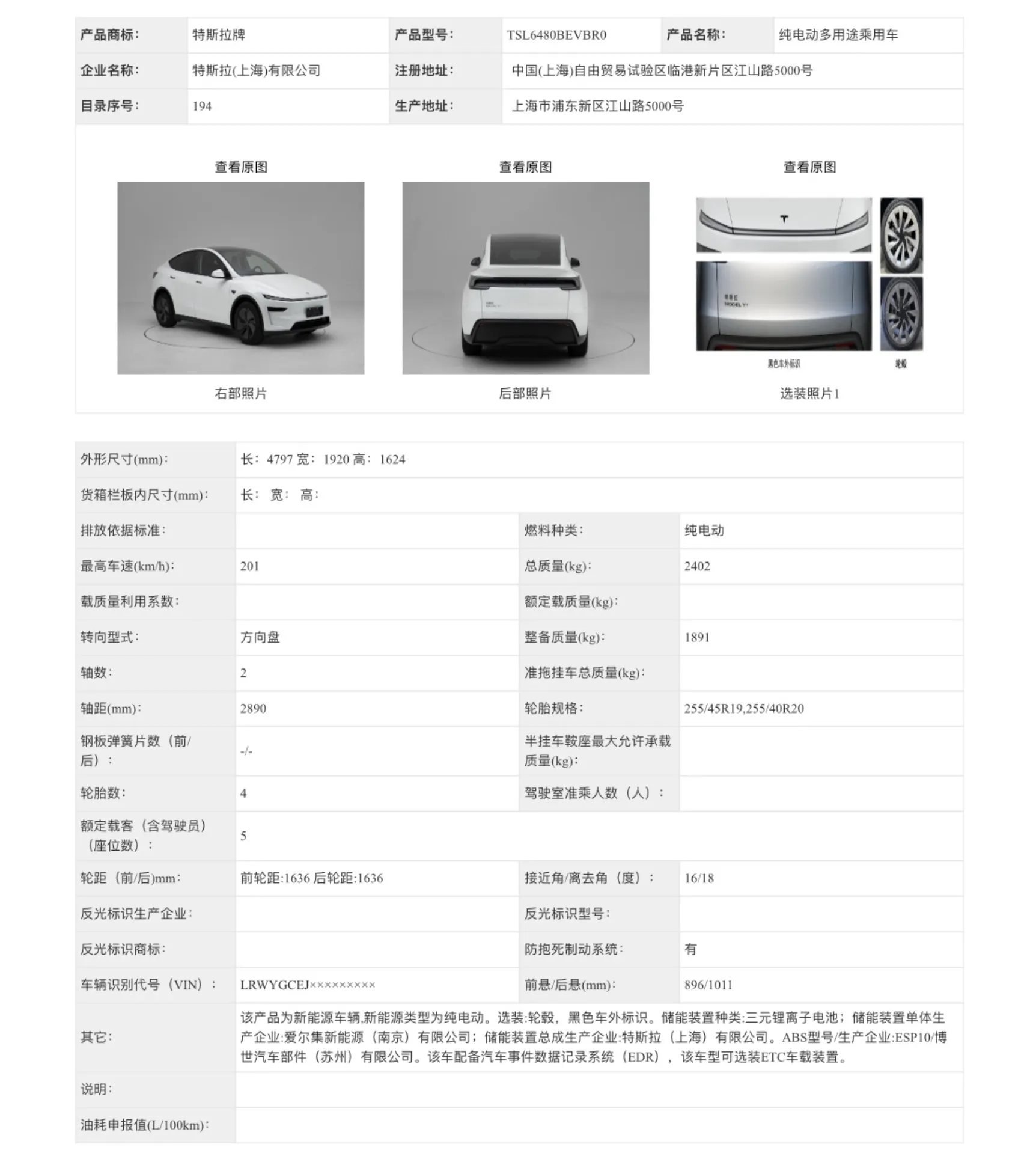
Tesla’s Model Y+ filing with China’s Ministry of Industry and Information Technology (MIIT) reveals a vehicle engineered specifically for range-conscious Chinese consumers. The new variant features a single 225 kW (302 horsepower) rear-wheel drive motor paired with a ternary NMC (Nickel Manganese Cobalt) battery pack supplied by LG Energy Solution. While Tesla has not officially disclosed the range figures, industry observers expect the Model Y+ to achieve approximately 800 kilometers under China’s CLTC testing standard, potentially making it the longest-range Model Y in Tesla’s Chinese lineup.
The Model Y+ maintains identical external dimensions to the current five-seat Model Y—4,797 mm in length, 1,920 mm in width, and 1,624 mm in height with a 2,890 mm wheelbase—but carries a curb weight of 1,891 kg. This configuration mirrors Tesla’s earlier Model 3+ launch strategy, which delivered an impressive 830-kilometer CLTC range.
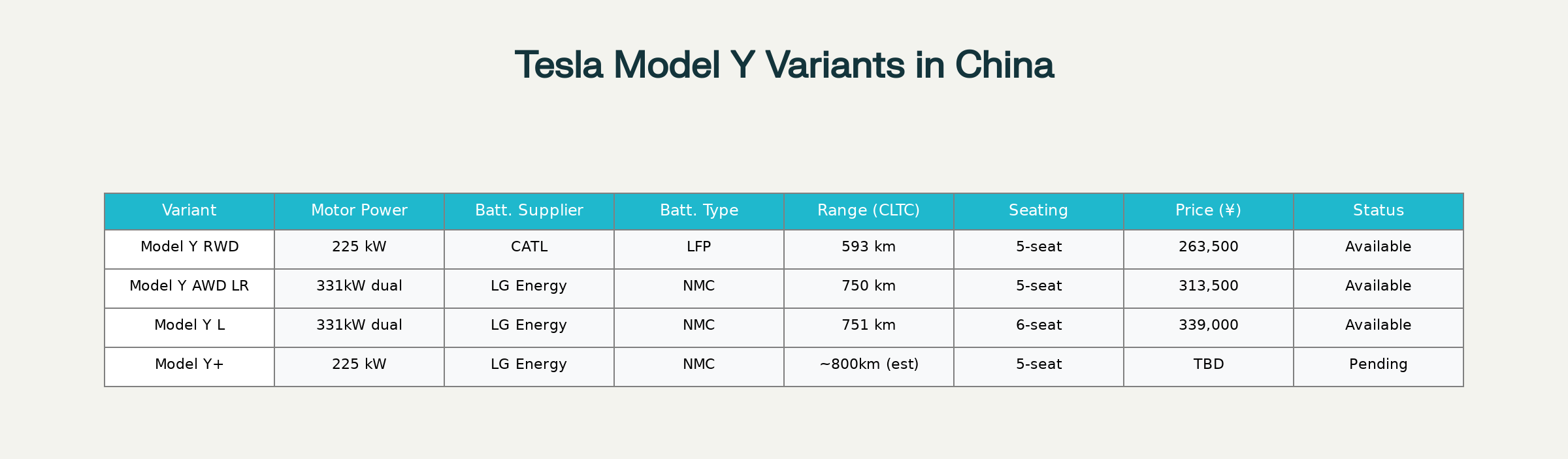
The strategic positioning places the Model Y+ between Tesla’s entry-level rear-wheel drive variant (priced at 263,500 yuan with 593 km range) and the long-range all-wheel drive version (priced at 313,500 yuan with 750 km range). This positioning suggests Tesla is targeting the sweet spot where Chinese consumers prioritize extended range without paying premium pricing for dual-motor capability.
Understanding China’s CLTC Range Standards
The impressive 800-kilometer range projection must be understood within the context of China’s CLTC (China Light Duty Vehicle Test Cycle) standard, which differs significantly from WLTP and EPA testing protocols used globally. CLTC testing produces range estimates that are typically 15-20% higher than WLTP results and 30-35% higher than EPA estimates. This discrepancy stems from CLTC’s testing methodology, which includes lower average speeds (28.96 km/h), more frequent stops, and longer idling times designed to reflect China’s congested urban traffic conditions.
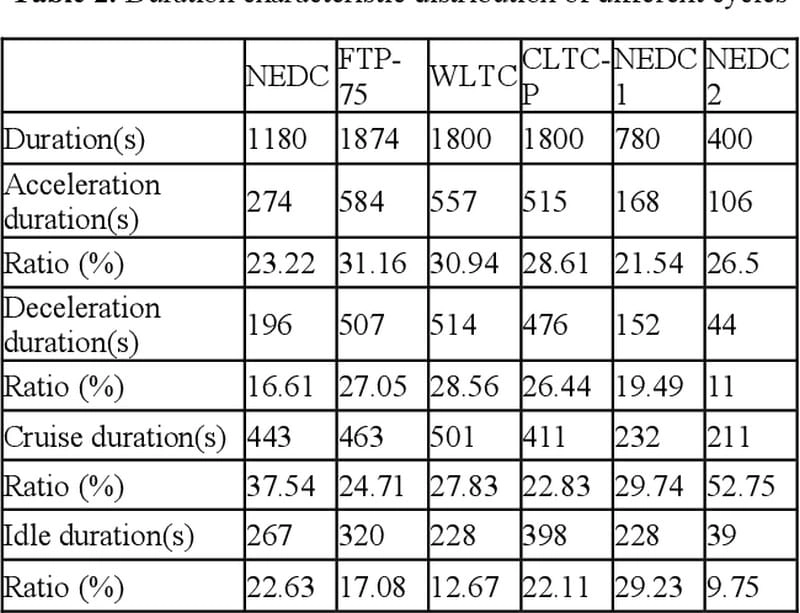
While the CLTC standard has drawn criticism for producing overly optimistic range figures compared to real-world driving conditions outside China, it accurately reflects Chinese driving patterns characterized by heavy traffic congestion and frequent stop-and-go situations. For Tesla’s Model Y+, the projected 800 km CLTC range would translate to approximately 656 km WLTP or 562 km EPA equivalent.
Tesla’s Declining Position in the Chinese Market
Tesla’s Model Y+ launch comes at a crucial juncture as the company faces unprecedented competitive pressure in China. Tesla’s market share in China’s New Energy Vehicle (NEV) sector has plummeted from a peak of 15% in 2020 to just 5.5% as of September 2025. The company’s cumulative sales in China during the first half of 2025 totaled 263,400 vehicles, representing a 5.4% decrease compared to the same period in 2024.
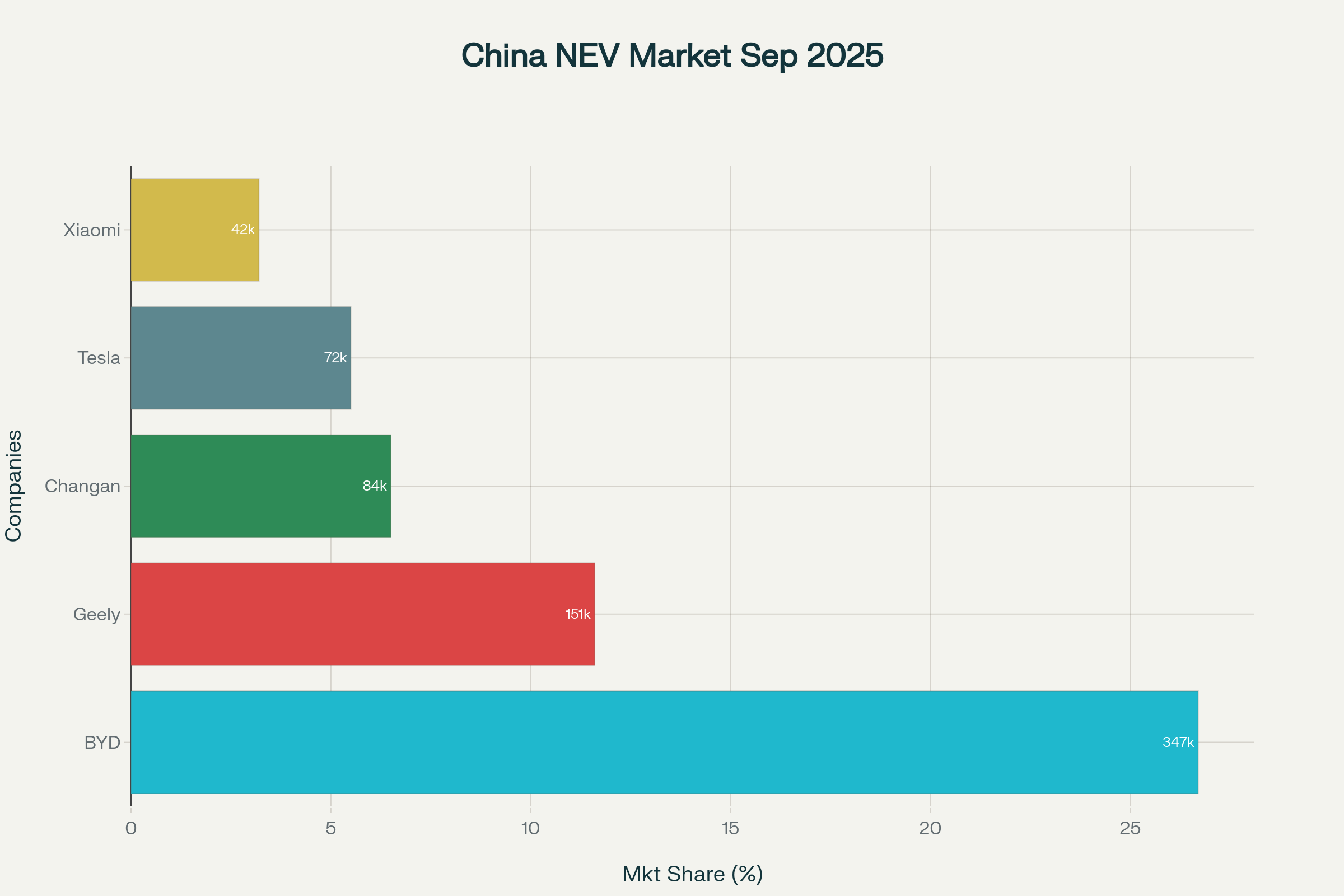
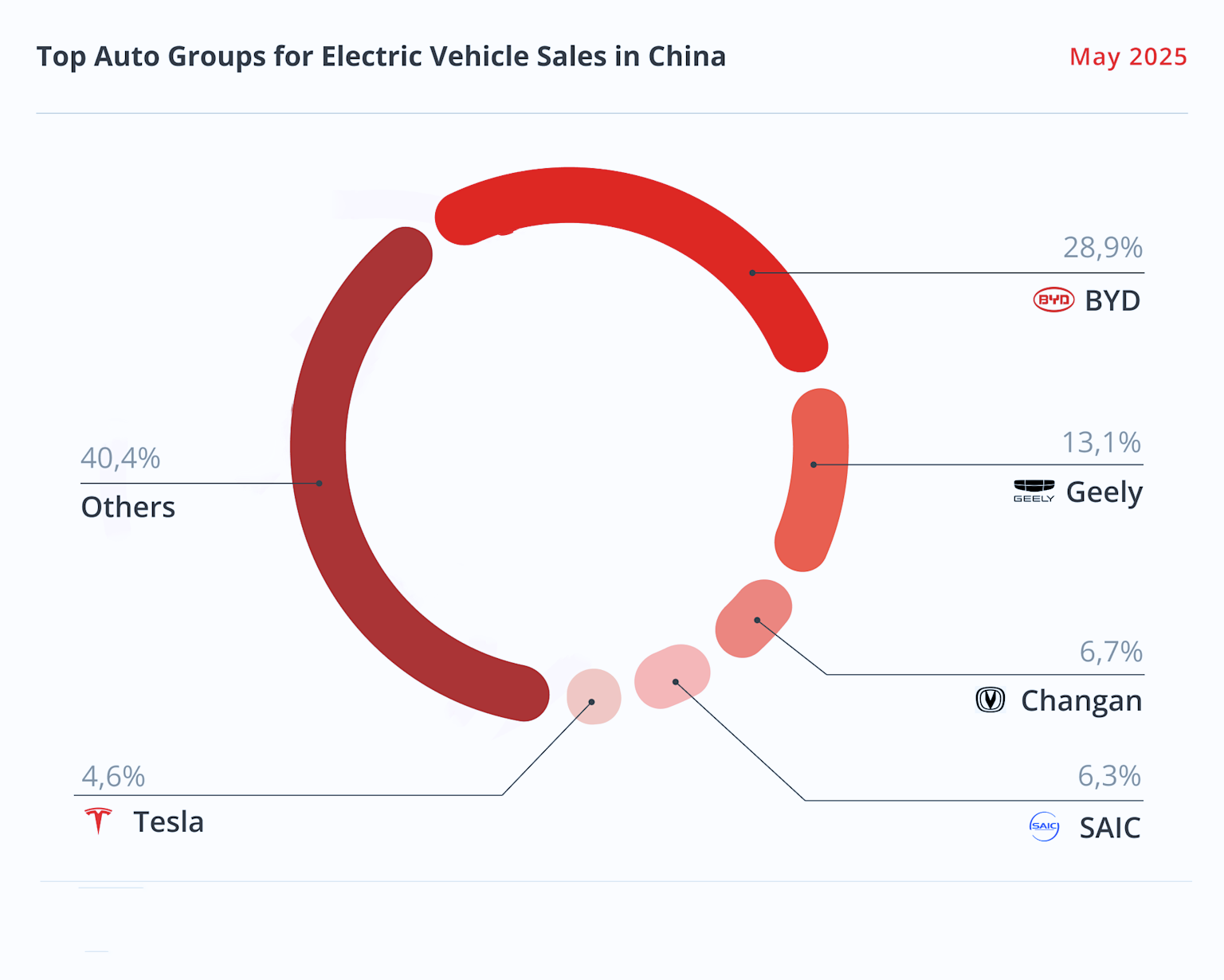
The competitive landscape has transformed dramatically, with BYD now commanding 26.7% of China’s NEV market in September 2025, selling 347,353 units compared to Tesla’s 71,525 units. Geely ranks second with 11.6% market share, while Changan holds third place at 6.5%. Tesla’s fifth-place ranking underscores how rapidly the competitive dynamics have shifted in favor of domestic Chinese manufacturers.
The Rise of Chinese Competitors
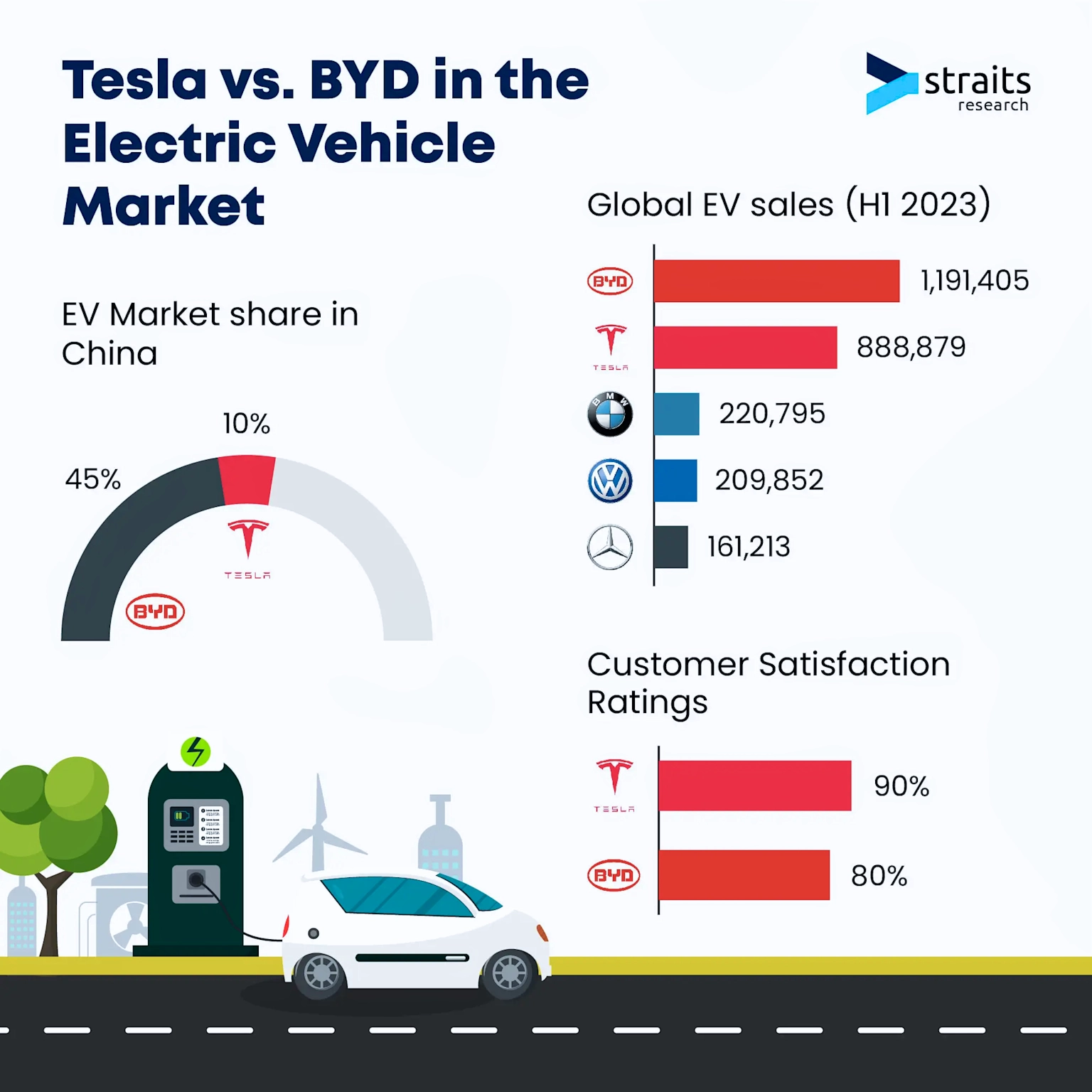
Chinese EV manufacturers have not only captured market share but have also achieved technological parity or superiority in key areas. BYD’s success stems from its vertically integrated approach, combining its Blade Battery technology with the e-Platform 3.0 architecture to achieve competitive energy density and lower manufacturing costs. The company’s global pure electric vehicle sales reached 582,522 units in Q3 2025, surpassing Tesla’s 497,099 units for the fourth consecutive quarter.
Emerging competitors like Xiaomi have disrupted traditional market dynamics with their ecosystem integration approach. Xiaomi’s SU7 sedan overtook Tesla’s Model 3 as China’s bestselling pure electric sedan in both December 2024 and January 2025. The company’s upcoming YU7 SUV, scheduled for launch in June 2025, directly targets the Model Y with specifications including 760 km CLTC range, 508 kW motor power, and 800V charging capability, all at an expected price of around 250,000 yuan ($34,900).
XPeng’s technology-driven strategy has yielded impressive results with 224% year-over-year delivery growth in Q2 2025. The company’s focus on in-house AI chips and autonomous driving capabilities has attracted investor confidence, with gross margins expanding from 14% to 17.3% despite intensifying price competition.
Tesla’s Affordable Vehicle Strategy Revival
Beyond the Model Y+, Tesla is reportedly reviving its long-abandoned $25,000 vehicle promise through two new projects codenamed E41 and D50—stripped-down versions of the Model Y and Model 3. These vehicles would be priced $5,000-$5,500 cheaper than the recently launched Standard variants in the US market. The validation testing phase has begun, but production is not expected until mid-2026 or later.
This marks a return to Tesla’s original vision of making electric vehicles accessible to mass-market consumers, a promise initially made for summer 2025 but shelved in February 2024. The timing suggests Tesla recognizes that premium positioning alone cannot sustain market share against increasingly sophisticated and affordable Chinese alternatives.
The affordable vehicle strategy represents a significant shift from Tesla’s traditional approach of premium pricing and gradual market expansion. CEO Elon Musk previously dismissed the idea of a regular $25,000 model, calling it “pointless” and “completely at odds with what we believe”. However, mounting competitive pressure and declining market share in key markets appear to have forced a strategic reconsideration.
Market Implications and Strategic Challenges
Tesla’s Model Y+ and potential affordable variants face significant market challenges despite their technical merits. The company’s experience with the Model 3+ in China provides a cautionary example—despite achieving impressive range figures, the model received a price cut of RMB 10,000 within a month of launch, suggesting that range alone may not guarantee market success.
The regulatory approval process for the Model Y+ includes a public feedback period from October 10-15, 2025, representing the final major step before market introduction. However, Tesla must navigate not only regulatory hurdles but also consumer expectations shaped by rapidly improving domestic alternatives.
Chinese consumers have demonstrated preference for vehicles that combine competitive pricing with advanced technology features, comprehensive ecosystem integration, and local customer service. Tesla’s traditional strengths in battery technology and manufacturing efficiency are being rapidly matched by competitors who offer additional advantages such as faster charging speeds, more spacious interiors, and integrated smart home connectivity.
Production and Supply Chain Considerations
The Model Y+ will utilize Tesla’s Shanghai Gigafactory, which has emerged as a critical production hub with annual capacity exceeding 950,000 vehicles. The facility serves both Chinese and European markets, making the Model Y+ potentially available beyond China depending on demand dynamics.
LG Energy Solution’s role as battery supplier for the Model Y+ represents continuity with Tesla’s existing long-range variants while leveraging the supplier’s Nanjing factory for local production. This supply chain arrangement supports Tesla’s cost optimization efforts while meeting Chinese regulatory requirements for local content.
The partnership with LG Energy also provides Tesla with access to advanced NMC battery technology that offers superior energy density compared to the CATL LFP batteries used in Tesla’s entry-level variants. However, NMC batteries typically carry higher costs, which Tesla must balance against competitive pricing pressures.
Future Market Outlook
Tesla’s Model Y+ launch and affordable vehicle development represent tactical responses to immediate competitive threats, but the company faces structural challenges in maintaining its China market position. BYD’s global leadership in pure electric vehicle sales for four consecutive quarters demonstrates the sustainability of Chinese manufacturers’ competitive advantages.
The expansion of Chinese EV manufacturers beyond their home market presents additional challenges for Tesla’s global strategy. BYD has already surpassed Tesla in Southeast Asian markets including Singapore, Thailand, and Malaysia, while investing in European and North American production capabilities.
Tesla’s success with the six-seat Model Y L, which helped boost Shanghai factory deliveries to yearly highs despite overall market share decline, suggests that product diversification may offer more sustainable competitive advantages than price competition alone. The Model Y L’s premium pricing at 339,000 yuan demonstrates continued demand for Tesla’s brand and technology among affluent Chinese consumers.
The Model Y+ represents Tesla’s attempt to capture the crucial mid-market segment where range and efficiency matter more than premium features or brand prestige. Success in this segment could help Tesla stabilize its market position while providing a platform for broader strategic realignment in response to intensifying global EV competition. However, the ultimate test will be whether Tesla can deliver the Model Y+ at pricing that attracts Chinese consumers without undermining profitability in a market increasingly defined by domestic champions offering compelling alternatives at aggressive price points.