Side View Mirror Replacement
Step-by-step instructions for safe side mirror removal and installation
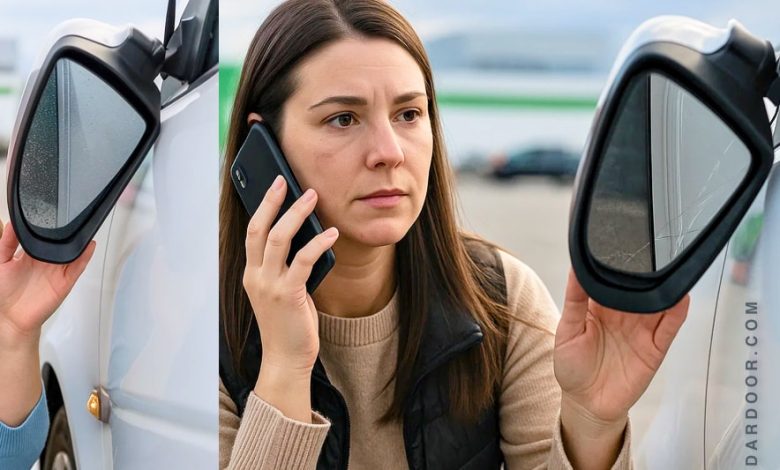
🚦 When Should You Replace a Side Mirror?
- Mirror glass is cracked or shattered.
- The mirror housing is broken or hanging loose.
- Power adjustment no longer works.
- Mirror turn signal or heating element fails.
- The folding mechanism (manual or power) is damaged.
- Mirror vibrates excessively while driving.
Even if the damage seems minor—like a small crack in the glass—replacement is recommended. Cracks distort vision and create glare, making driving unsafe.
🧰 Tools and Materials Needed
- Socket wrench set (commonly 8mm, 10mm, 12mm)
- Flathead and Phillips screwdrivers
- Plastic trim removal tools
- Torx bit set (for certain vehicles)
- Electrical connector release tool (optional)
- Replacement mirror (OEM recommended for perfect fit)
- Painter’s tape (to protect painted surfaces)
- Gloves and safety glasses
🪞 Types of Side View Mirrors
Before starting, identify what type of side mirror your vehicle has:
- Manual mirrors: Adjusted by hand or with a mechanical lever.
- Power mirrors: Electrically adjusted using a switch inside the cabin.
- Heated mirrors: Include a heating element to clear frost and condensation.
- Auto-dimming mirrors: Reduce glare from headlights behind you.
- Integrated turn signal mirrors: Have built-in indicator lights.
- Power-folding mirrors: Can fold automatically when parking.
The more features your mirror has, the more complex the replacement will be. Always order the correct replacement mirror for your make, model, and trim level.
📋 Step-by-Step Side Mirror Replacement
1. Preparation
- Park on level ground, engage the parking brake, and disconnect the negative battery terminal.
- Use painter’s tape around the mirror base to protect paint during removal.
2. Remove Interior Door Panel (if required)
On most vehicles, you must remove the interior door panel or at least the triangular trim piece near the mirror base:
- Locate screws around the door handle, armrest, and edges of the door.
- Use a trim removal tool to pry off the triangular sail panel covering the mirror bolts.
- Disconnect any tweeter speaker located in this panel.
3. Disconnect Electrical Connectors
If your mirror has power adjustment, heating, or signal lights:
- Trace the wiring harness from the mirror to the connector.
- Unplug the connector by pressing the release tab.
4. Remove the Old Mirror
- Use a socket wrench to remove the nuts/bolts securing the mirror to the door frame.
- Support the mirror with one hand while removing the last bolt to prevent dropping it.
- Carefully pull the mirror away from the door, guiding the wiring harness out.
5. Install the New Mirror
- Insert the new mirror into the mounting holes.
- Hand-thread the bolts first, then tighten with a socket wrench (avoid over-tightening).
- Reconnect the wiring harness securely.
6. Reassemble and Test
- Reinstall the triangular trim panel or door panel.
- Reconnect the battery.
- Test mirror adjustment, heating, and signals (if equipped).
⚠️ Common Problems and Solutions
| Problem | Cause | Repair |
|---|---|---|
| Mirror doesn’t adjust | Faulty motor or wiring | Replace mirror motor or check wiring |
| Mirror vibrates while driving | Loose mounting bolts | Tighten or replace mounting hardware |
| Heated mirror not working | Blown fuse or broken heating element | Replace fuse or entire mirror assembly |
| Turn signal on mirror not working | Burnt-out LED or wiring issue | Replace mirror or repair wiring |
🔍 Troubleshooting Tips
- Loose housing: If only the housing is loose, tightening bolts may solve the problem without full replacement.
- Glass-only replacement: Some vehicles allow replacing just the mirror glass instead of the whole assembly.
- Color matching: OEM mirrors come painted to match your vehicle. Aftermarket mirrors may require painting.
- Winter issues: Heated mirrors that stop working often indicate a blown fuse or damaged wiring harness in the door hinge area.
❓ Frequently Asked Questions
Q: Can I replace a side mirror myself?
A: Yes. With basic tools, most DIYers can complete the job in 30–60 minutes.
Q: How much does a side mirror replacement cost?
A: DIY parts: $50–$250 depending on features. Professional replacement: $200–$500 including labor.
Q: Do I need to remove the entire door panel?
A: Not always. On many cars, only the triangular sail panel needs to be removed. On others, the full door panel must be taken off.
Q: Can I replace just the glass?
A: Yes, if the housing and electronics are intact. Glass-only replacements are cheaper but require careful installation.
🛡️ Maintenance & Prevention Tips
- Fold mirrors in when parking in tight spaces to prevent accidental damage.
- Clean mirrors regularly for clear visibility.
- Lubricate moving parts lightly once a year.
- Inspect wiring harnesses if your power mirror stops functioning.
- Replace both mirrors at the same time if they are old and fading—this ensures symmetry.
✅ Conclusion
A functioning side mirror is vital for safety, visibility, and legal compliance. Whether you’re replacing a broken mirror housing, upgrading to heated mirrors, or fixing electrical issues, the process is straightforward with the right tools. By following the steps in this guide, you can save money on labor costs and ensure your vehicle remains safe on the road. Regular inspection and proper use will keep your mirrors in excellent condition for years to come.